Montagne de Reims · Frankreich
Bonnet-Ponson
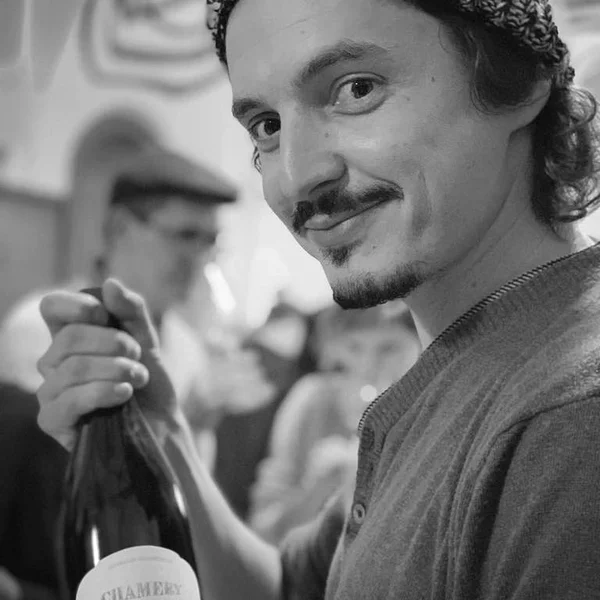
Champagne Bonnet-Ponson in Chamery farms 10.5 hectares in the Petite Montagne de Reims, spread across around fifty parcels in the village itself, in Vrigny and Coulommes-la-Montagne, as well as in the grand crus Verzenay and Verzy. Thierry Bonnet and his son Cyril Bonnet run the family estate in its fourth and fifth generation, with roots going back to 1862. Cyril Bonnet began converting the vineyards to organic farming in 2013, certified since 2016. In the cellar, the base wines ferment spontaneously, the wines remain unfiltered, and dosage ranges between zero and five grams. In the champagnes, this shows as a saline, taut style carrying the signature of the parcel.
Chamery, Petite Montagne de Reims
The cellars beneath the house in Chamery were dug with shovel and pick by Cyril Bonnet's grandparents into the village's sandy soil. Chamery lies in the western part of the Montagne de Reims and is classified as Premier Cru. The family estate's history begins in 1862 with Grégoire Bonnet, one of the region's first récoltant-manipulants, who took up winegrowing together with his son Jules Bonnet.
The house has carried its current name since the marriage of André Bonnet and Monique Ponson in 1957. Thierry Bonnet and his son Cyril Bonnet now run the family estate in its fourth and fifth generation; Cyril Bonnet returned to Chamery in 2013 after training in the south of France.
Fifty parcels, five villages
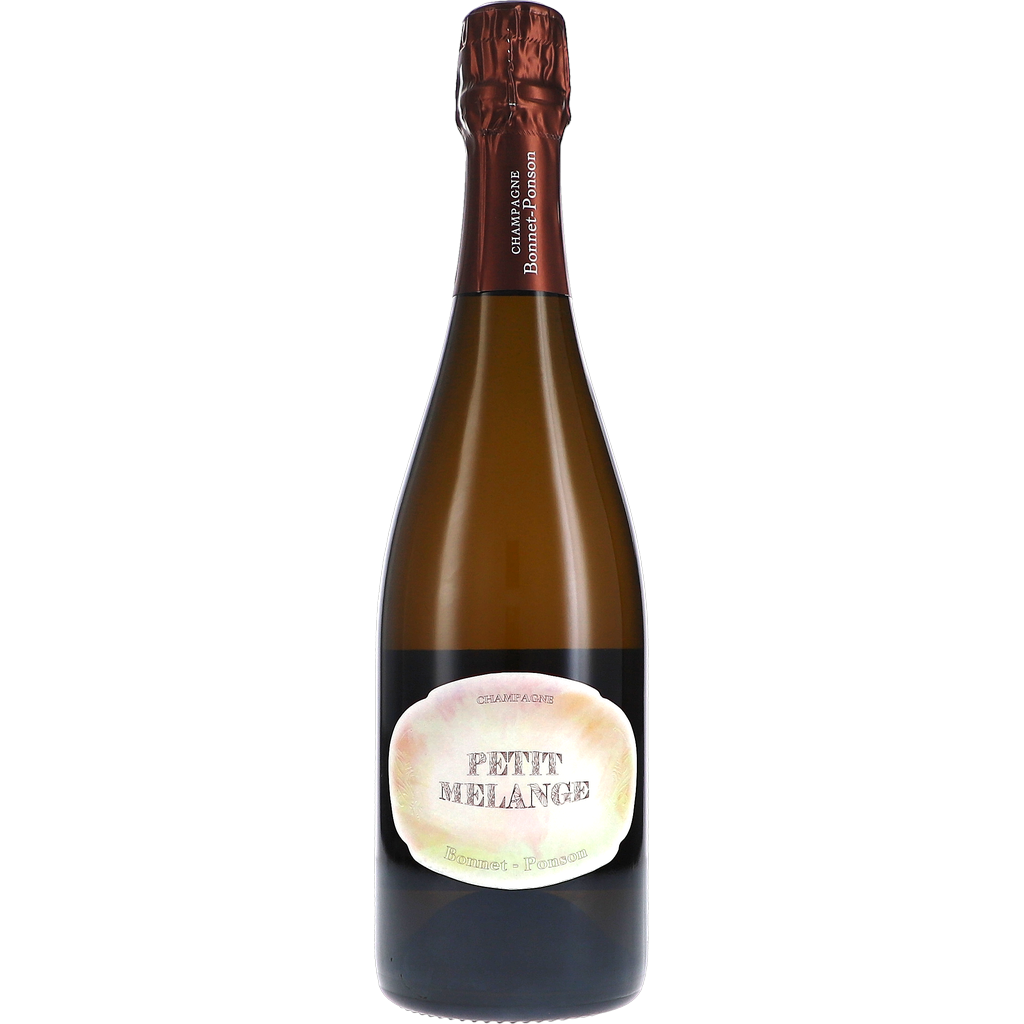
The roughly fifty parcels making up the 10.5 hectares lie in Chamery, Vrigny and Coulommes-la-Montagne, Premier Cru sites of the Petite Montagne, along with plots in the grand crus Verzenay and Verzy. Pinot Noir, Pinot Meunier and Chardonnay are planted in roughly equal shares, complemented by a small proportion of Petit Meslier. The soils range from chalky clay to limestone to sandier deposits. The vines are between 35 and 80 years old.
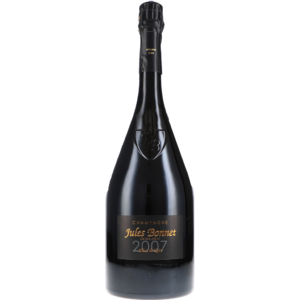
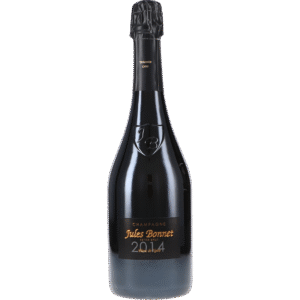
In Chamery, the single sites "les Vigneules", "les Spectres" and "les Caquerets" face southeast; their topsoil is chalky clay with limestone pebbles, underlain by sand and fossil shells. The Jules Bonnet Blanc de Noirs grows in Verzenay and Chamery on clay-sandy soils and chalk-rich Campanian limestone. The vines there average 55 years old, and this Pinot Noir is made only in great vintages; it carries the name of the founder's son.
Organic farming and spontaneous fermentation
Cyril Bonnet began the conversion to organic farming in 2013, and the estate has been certified since 2016; he works with cover crops between the rows. Each parcel is vinified separately, with a third of the base wines aged in old oak barrels and the rest in steel. Fermentation starts with the vineyard's own yeasts, the wines remain unfiltered, and sulfur is added in very small amounts.
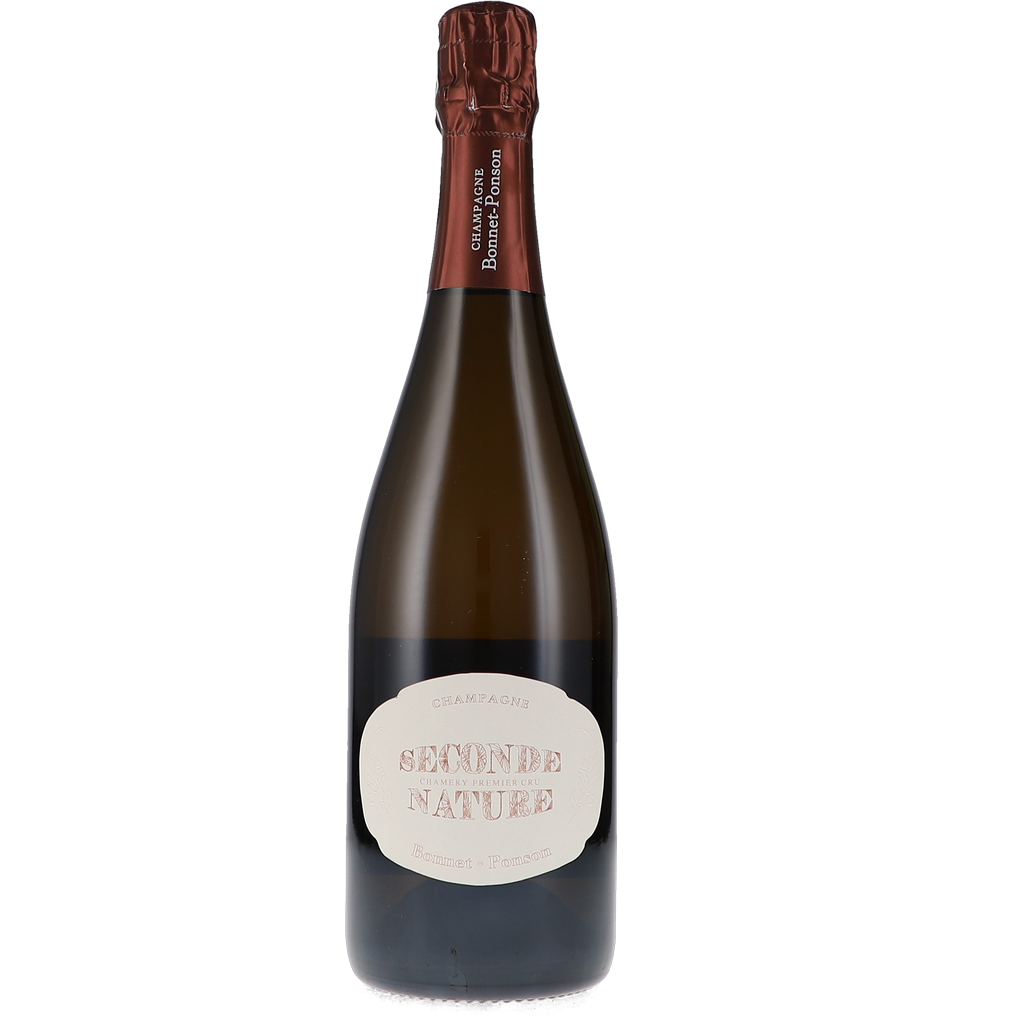
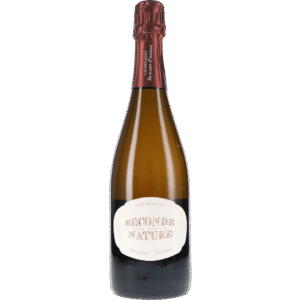
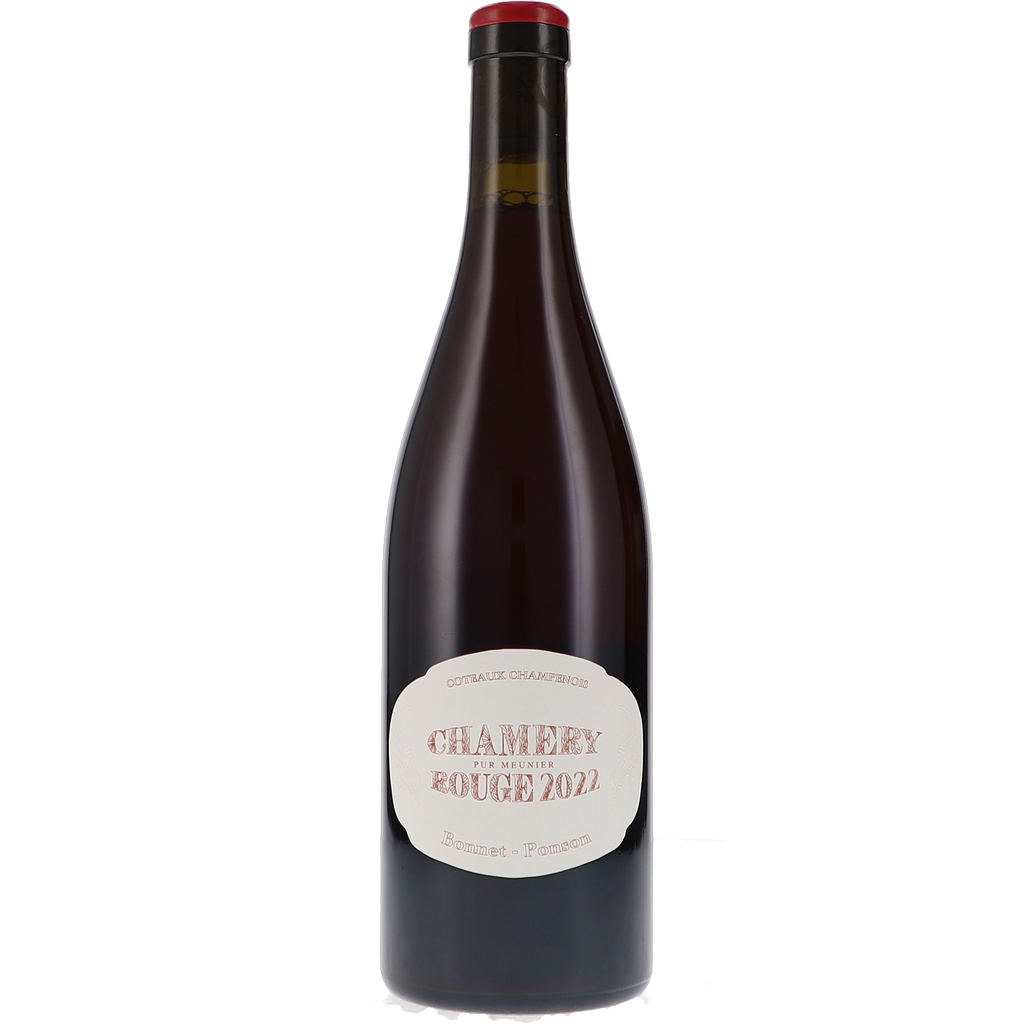
The Seconde Nature is made from the cœur de cuvée of the Chamery sites, fermented spontaneously and aged for nine months in four-year-old 228- and 400-litre barrels, with malolactic fermentation, no added sulfur, and disgorged as Brut Nature. Chamery also produces the coteaux champenois, the still wines of Champagne: the Chamery Rouge from Pinot Noir and Meunier, and the Vignes Dieu Blanc from Chardonnay.
The perpetual reserve
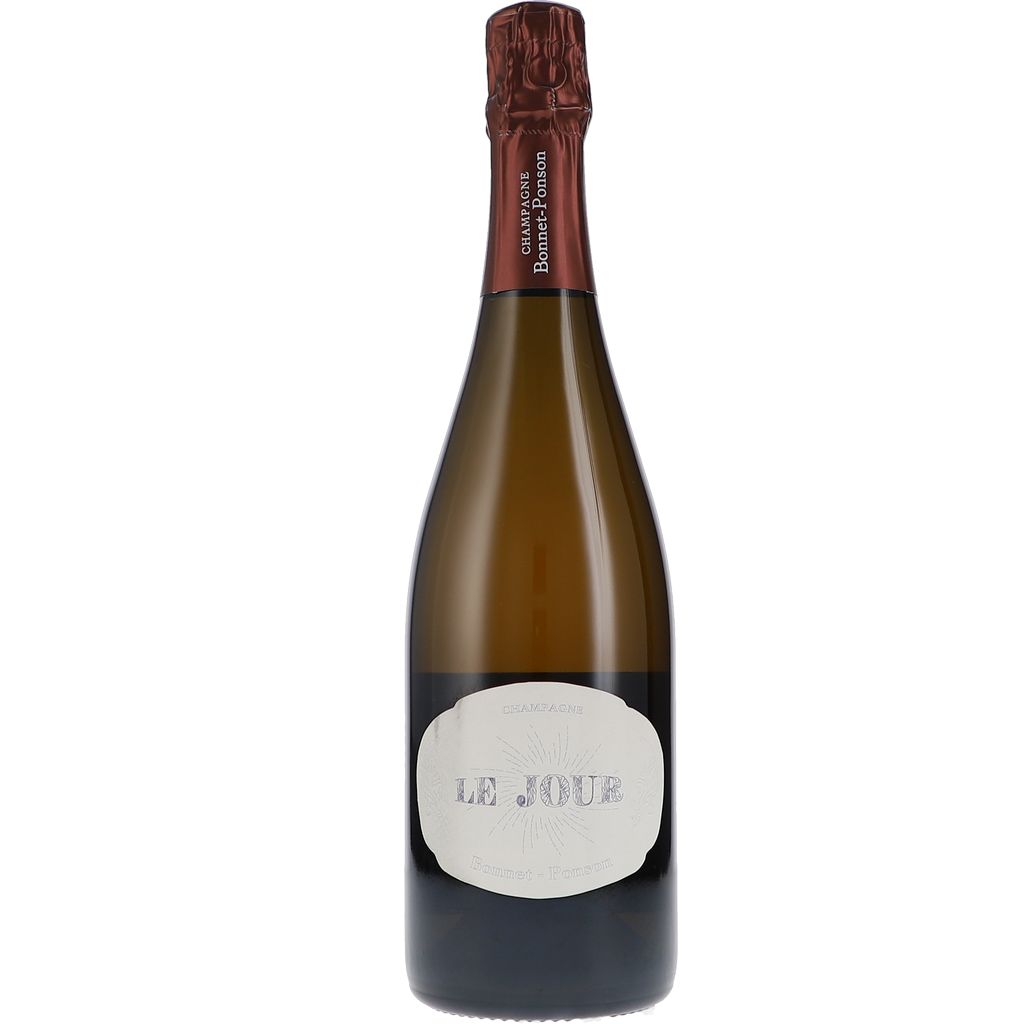
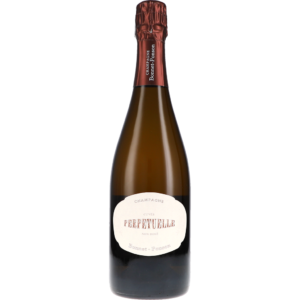
The cuvée perpétuelle follows the solera principle: after each harvest, part of the barrel is drawn off and topped up with the new vintage, the barrel is never emptied, and its oldest element dates back to 2004. Forty percent of the wine comes from this perpetuated reserve, the rest from the base vintage named by the code on the label. The blend consists of 40 percent Pinot Noir and 30 percent each of Chardonnay and Meunier from 35 parcels in Chamery, Vrigny and Coulommes-la-Montagne, whose vines average 35 years old. Three-quarters ferment in stainless steel, a quarter in oak barrels, malolactic fermentation is intended, and before bottling the wine receives 22 milligrams of sulfur.