Loimer
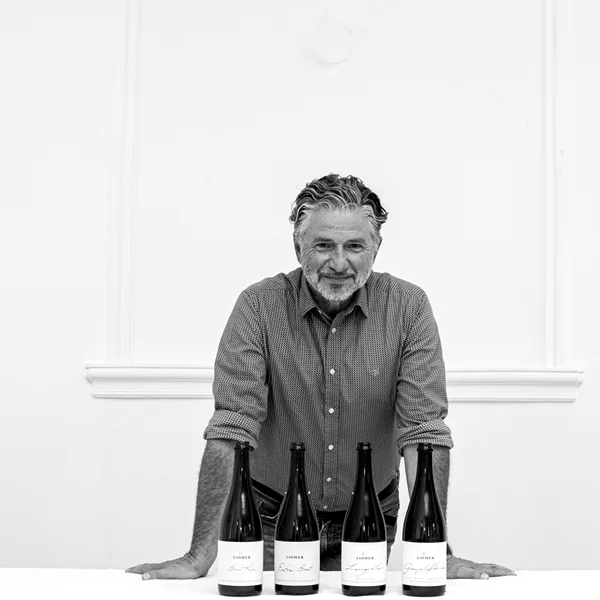
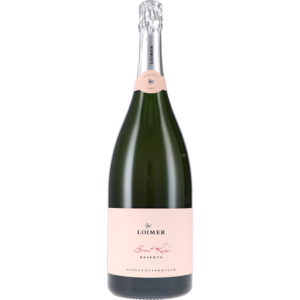
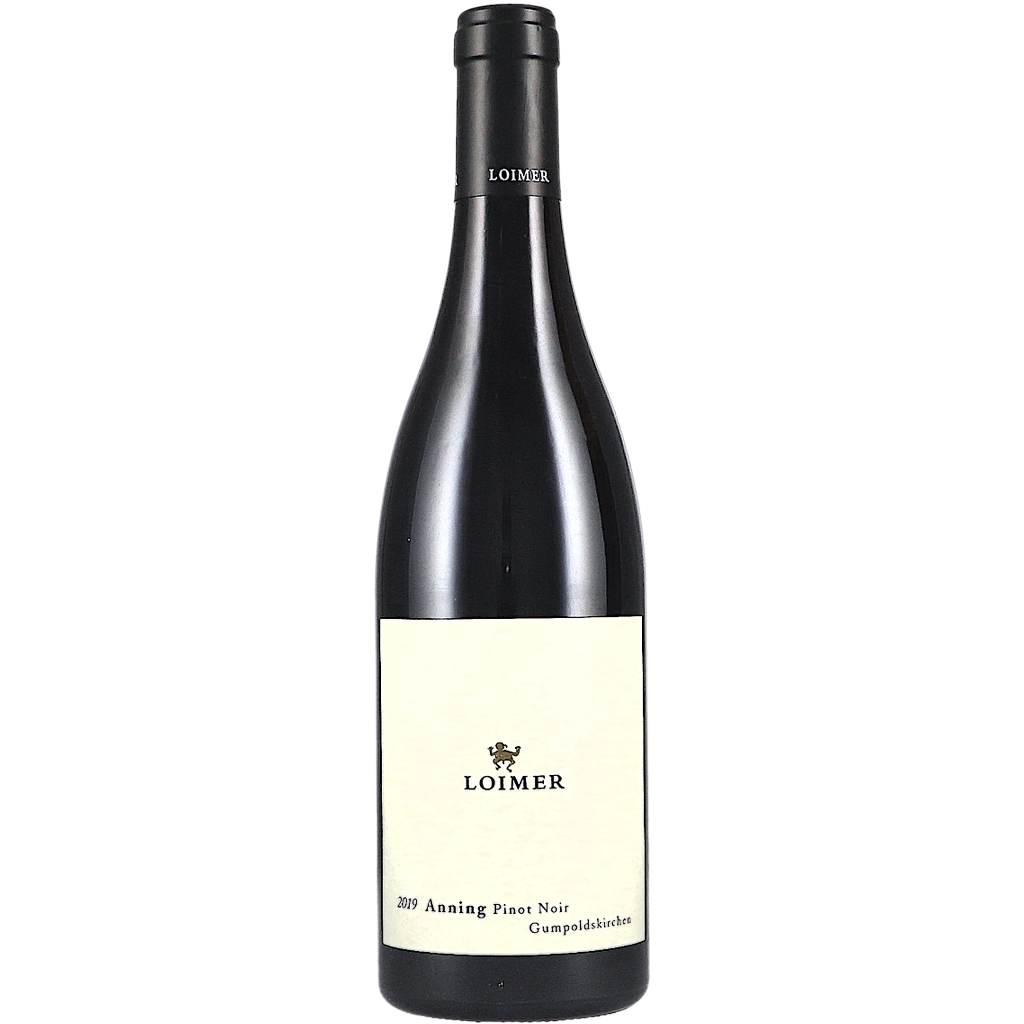
Weingut Loimer in Langenlois farms Erste Lage vineyards in the Kamptal, including Heiligenstein, Käferberg and Loiserberg. Fred Loimer took over the estate in 1998, converted it to biodynamic farming in 2006, and a year later co-founded respekt-BIODYN with fellow winemakers. The soils range from primary rock through loess to volcanic stone. Riesling and Grüner Veltliner capture these differences, with cool fruit and a saline finish. Since 2013, Sekt made by the traditional method has been added to the range, from Langenlois and from Gumpoldskirchen, where Fred Loimer has leased the Weingut Schellmann since 2004.
Langenlois, loess and primary rock
The subsoil of the Kamptal shifts within a small area between primary rock, loess and volcanic stone. The climate comes from two directions: cool air flows down from the Waldviertel through the Kamp valley in the north, while Pannonian warmth pushes up from the south. The resulting temperature swings shape the aromatics of the grapes. A black cube stands amid the vineyards of Langenlois, and the estate also owns loess cellars that are 150 years old.
The Erste Lagen Heiligenstein, Käferberg and Loiserberg
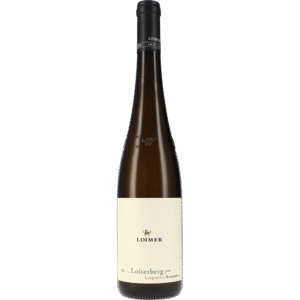
The Riesling of Ried Heiligenstein grows on volcanic quartz porphyry and red sandstone. The Grüner Veltliner of Ried Käferberg stands on weathered primary rock. On Ried Loiserberg, Grüner Veltliner and Riesling grow side by side, both bottled as Kamptal DAC.
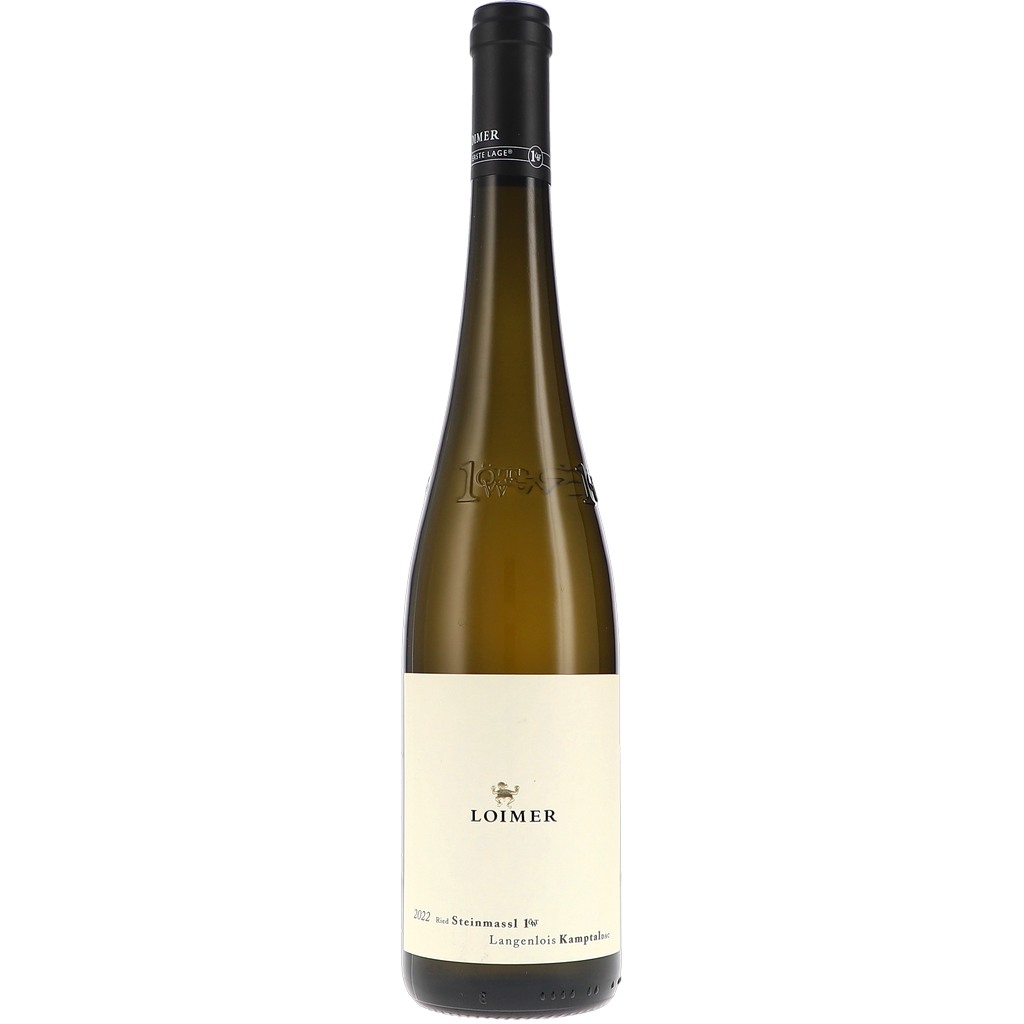
The Ried Steinmassl rises from 240 to 340 metres and faces south-southeast to southwest. The bedrock consists of paragneiss and mica schist, along with dark amphibolite and pale granite gneiss. Its weathering produces brown earth rich in stones and some lime, reaching up to a metre deep in certain spots. The Riesling from there is selectively hand-harvested from early to mid-October, spends twelve to twenty-four hours on the skins, and ferments half in steel tank, half in wooden cask.
Biodynamics and respekt-BIODYN
In 2006, Fred Loimer converted the vineyard work to biodynamics, and a year later co-founded respekt-BIODYN with colleagues, whose rules combine biodynamic vineyard work with quality standards in the cellar. The musts ferment spontaneously. The Riesling from Ried Steinmassl, after four to six weeks of fermentation, spends eleven months on full lees in oak cask, then matures for eight months on fine lees in steel tank, and is bottled unfiltered.
Sekt from Langenlois and Gumpoldskirchen
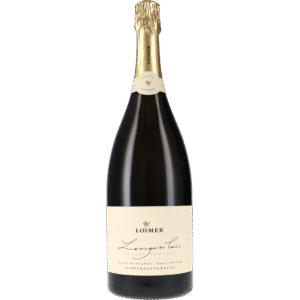
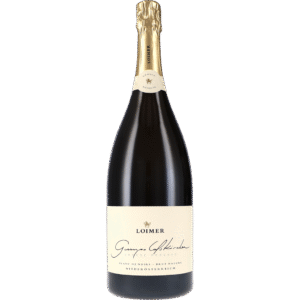
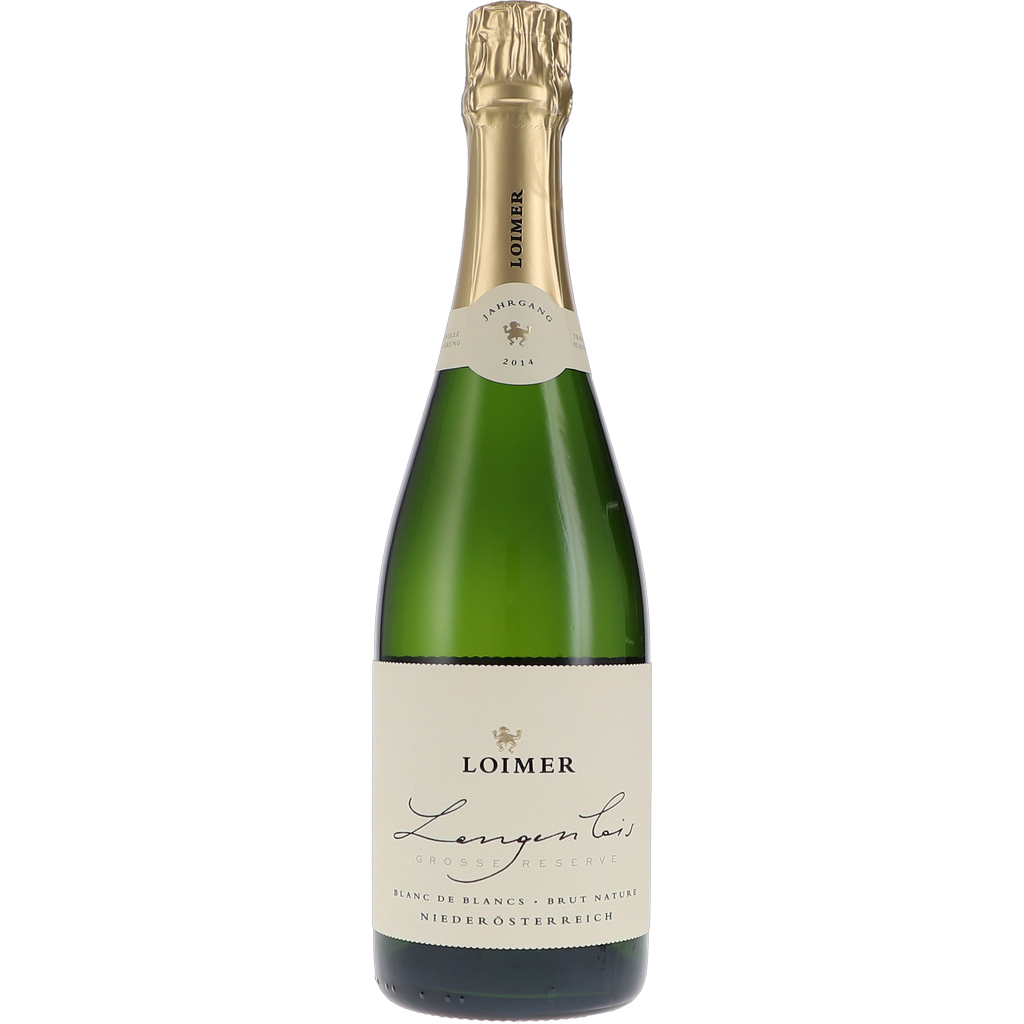
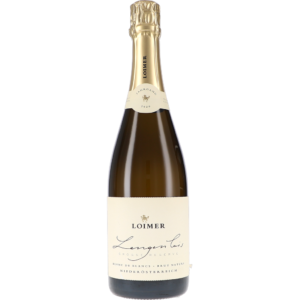
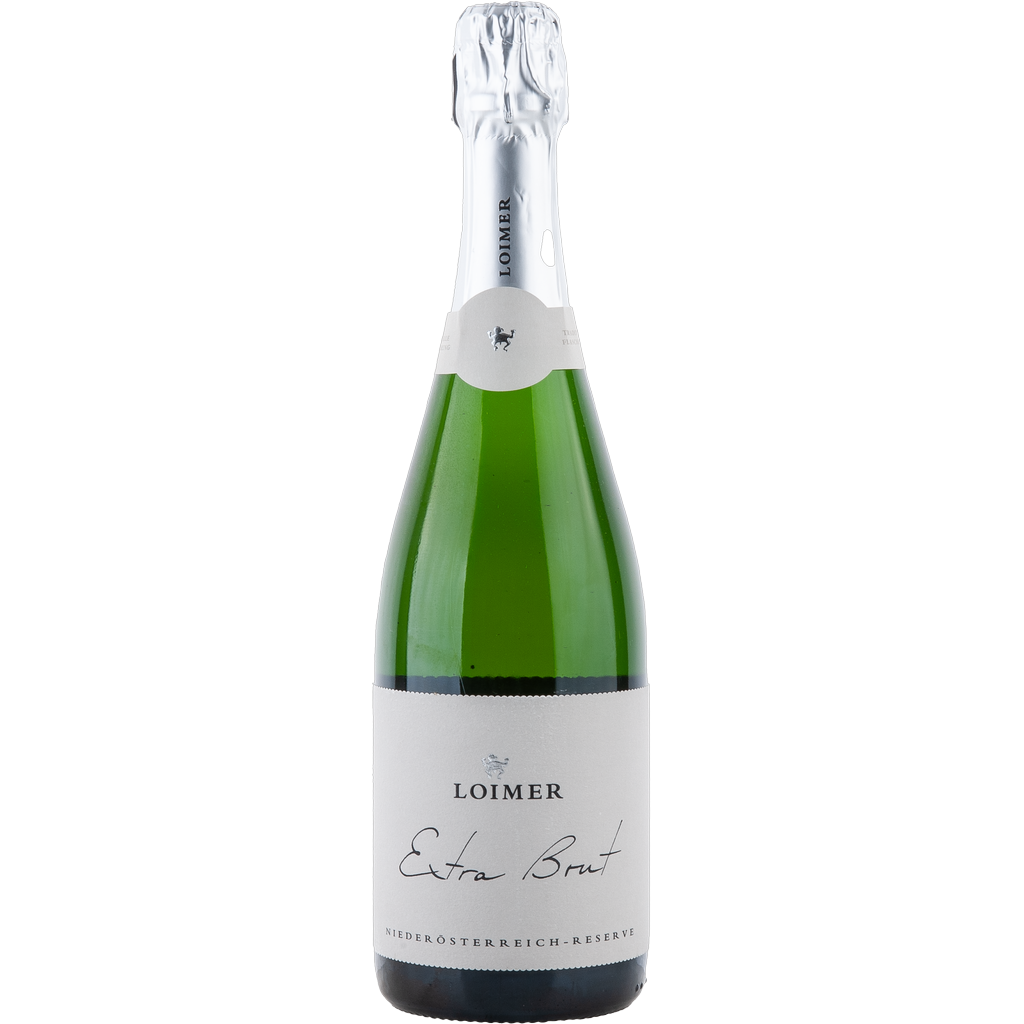
Since 2013, Fred Loimer has worked with the traditional method. The grapes are picked into twenty-kilogram crates; from a hundred kilograms he presses fifty litres of must, and riddling is done by hand. The Langenlois Grosse Reserve Blanc de Blancs Brut Nature, made from Chardonnay, Pinot Blanc and Pinot Gris, ferments in neutral wooden cask, undergoes malolactic fermentation, rests on lees for at least 36 months, and is disgorged without dosage. Gault&Millau named it Sekt of the Year 2023.
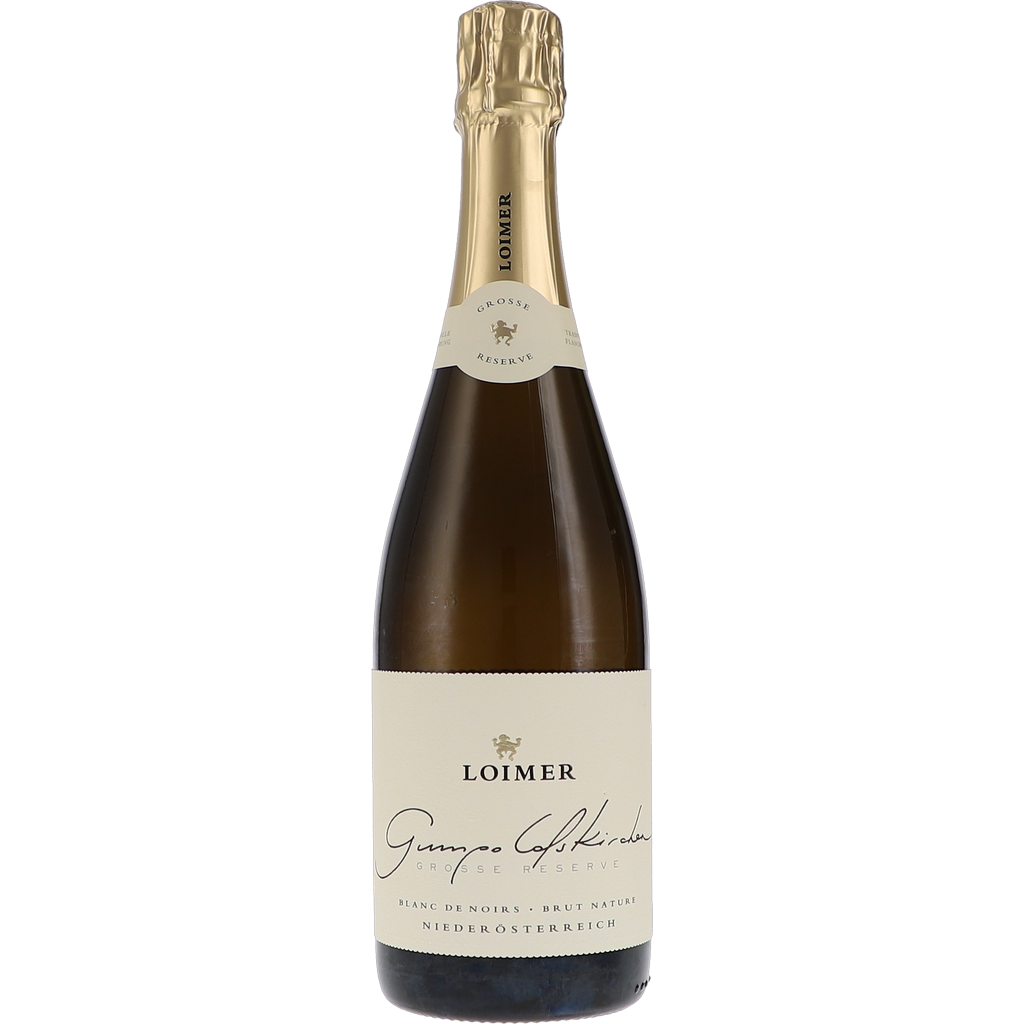
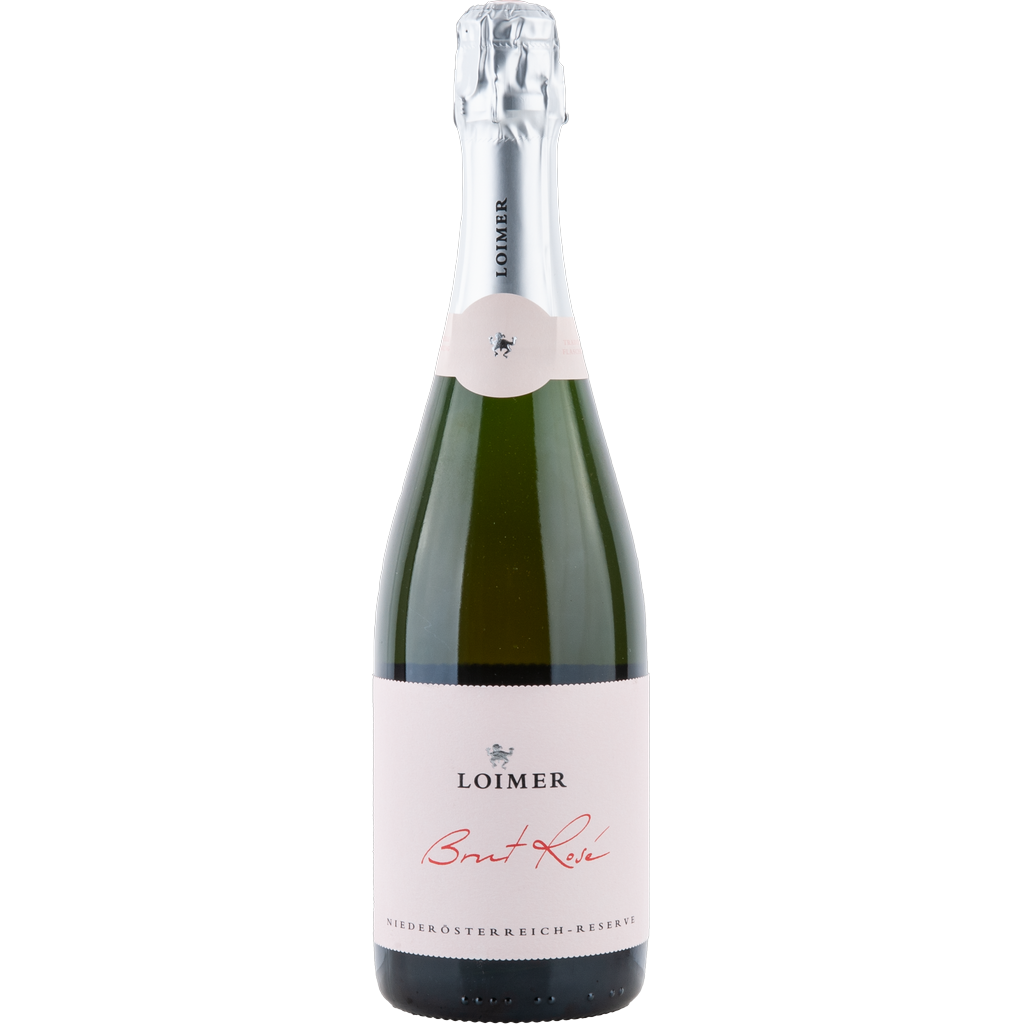
In Gumpoldskirchen, where the soils carry lime, Fred Loimer leased the Weingut Schellmann in 2004. The grapes for the Brut Rosé Reserve come from there and from Langenlois: Pinot Noir, St. Laurent and Zweigelt, picked from early to mid-September, aged two and a half years sur lattes, and bottled with a dosage of three grams.