Côte de Beaune · Frankreich · biodynamisch
Pierre & Louis Trapet
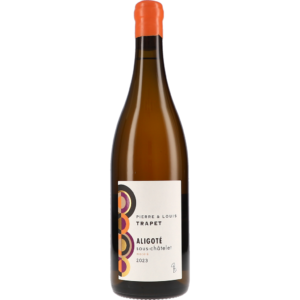
Trapet squared
Mention the name Trapet in Burgundy and people think of Gevrey-Chambertin: of the Chambertin and Latricières grands crus, and of an estate the family has farmed since 1859. Pierre and Louis Trapet, the sons of Jean-Louis Trapet, grew up with this heritage – and with a second one in Alsace, which their mother Andrée brought into the family. Today Pierre works in Riquewihr in Alsace at Trapet Alsace, and Louis in the family cellar of Trapet Père & Fils. Two brothers, two regions, two packed diaries – and the wish to create something together.
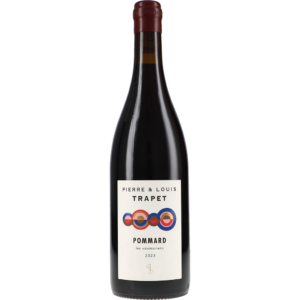
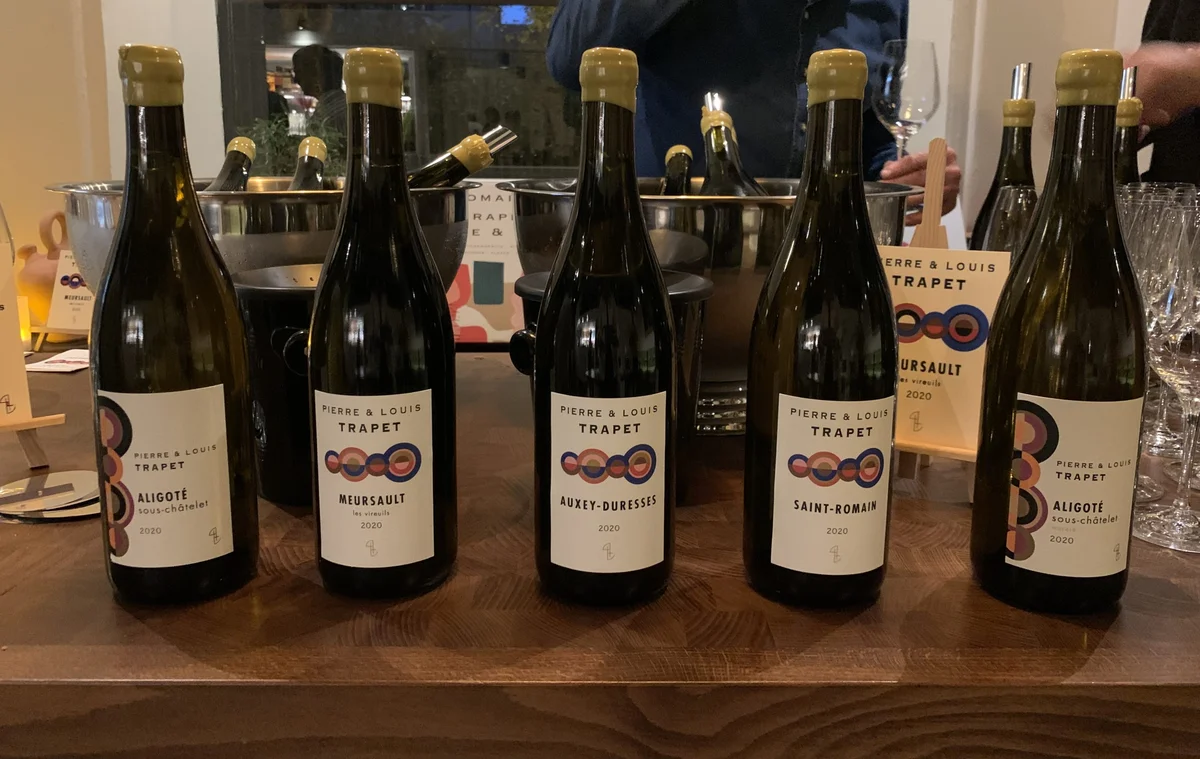
Their bottles put the idea on show: on the label, brightly coloured rings intertwine, and in winemaking circles the project is known as “Trapet²” – Trapet squared. They found the ground for this joint venture neither in Gevrey nor in Riquewihr, but halfway between the two, in the Côte de Beaune.
A vineyard for a dowry
In the end, a marriage tipped the scales. Justine, Louis’s wife, comes from Auxey-Duresses; her parents’ house stands at the foot of the Montagne du Châtelet, and the family owned 1.8 hectares of vines that hardly anyone was still tending. For four or five years the brothers nursed these parcels back into shape before bottling their first vintage of their own in 2020.
It is a patchwork of the kind only Burgundy produces: tiny plots in Auxey-Duresses, Pommard, Meursault and Saint-Romain. Some of the vines were planted in 1924, the oldest Chardonnay in 1932, the Aligoté in 1934 – roots that have spent eight decades growing deep into the limestone. Auxey-Duresses itself, tucked between Saint-Romain and Meursault, is regarded by some connoisseurs as the underrated heart of the Côte de Beaune: the minerality of a Meursault neighbour, the upright Pinot of a cooler valley – at prices that have yet to follow the big names all around.
Aligoté, three ways
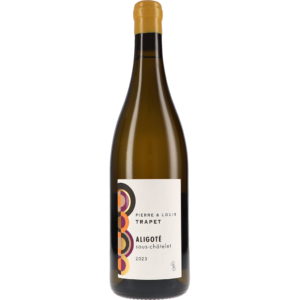
The brothers’ real fascination lies with a grape that long played understudy in Burgundy: Aligoté. Their 60 ares in the Sous-Châtelet climat – named after that same Montagne du Châtelet – face north and were planted in 1934. The neighbouring parcels are farmed by Lalou Bize-Leroy for her legendary Domaine d’Auvenay; in company like that, nobody treats Aligoté as a sideshow.
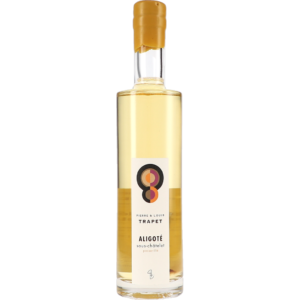
The brothers vinify the same grapes in three different ways. Direct-pressed, they give a clear, taut, saline Bourgogne Aligoté “Sous-Châtelet” that has nothing in common with the thin, sour caricature of the variety. Fermented on their skins, they become an amber, grippy, tannic macéré. And for the Passerillé the two leave the bunches to dry on the vine into December, until they are as concentrated as raisins – a sweet rarity that comes in half bottles. Three wines, one vineyard, a whole vision of what Aligoté can be.
In the old post house
The wines are made not in the Côte de Beaune but in the family cellar in Gevrey-Chambertin – a former Relais de Poste, an old coaching inn. Concrete eggs stand there alongside wooden barrels and demi-muids; the wines mature without fining and are bottled unfiltered. In the vineyard, the parents’ example still sets the rules: plough instead of herbicide, biodynamic farming, harvesting by hand, yields reined in early.
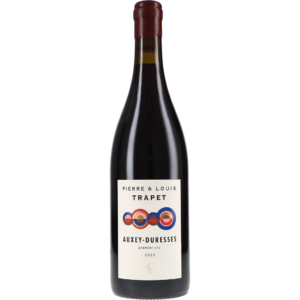
The reds show how quickly the two have mastered their craft. The Auxey-Duresses 1er Cru from the Écussaux and Grands Champs vineyards comes from clay-rich soil and fifty-year-old Pinot vines – dark fruit, a velvety grip, and a wine that rewards patience. The Pommard “Les Vaumuriens”, for its part, carries the power of its famous appellation without turning broad. Anyone looking for proof that a great Burgundy family need not freeze up under the weight of its heritage will find it in these bottles – young, clear and holding the promise contained in that superscript two.