Schätzel
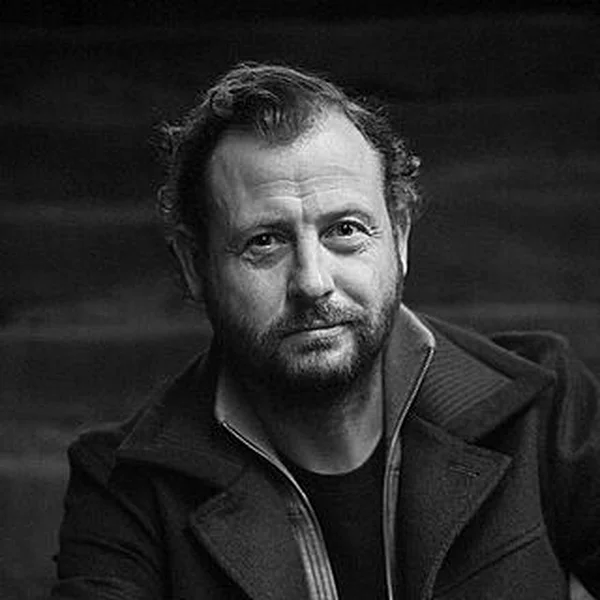
Weingut Schätzel in Nierstein farms Riesling and Silvaner on the Roter Hang, on steep parcels set on the red-brown clay shale of the Rotliegend. Kai Schätzel has run the family estate since 2008; the family has worked these slopes since 1350 and ages its wines in the estate's wooden-cask cellar, which is over 800 years old. His VDP.GROSSE LAGEN are Pettenthal, Ölberg and Hipping. Schätzel has belonged to the VDP since 2016, and the estate has worked to Demeter certification since 2023. Kai Schätzel's credo is "lighter, longer and sometimes a little wilder", and the Rieslings show it in low alcohol levels and a saline streak behind pome fruit and citrus.
Nierstein and the Roter Hang
Since 1350 the Schätzel family has farmed parcels on Nierstein's Roter Hang in Rheinhessen. The clay shale of the Rotliegend colours these slopes red-brown, and the parcels drop away steeply to very steeply. In the wines, the soil leaves an earthy, saline trace. Ageing takes place in the estate's wooden-cask cellar, over 800 years old, where earlier generations of the family already worked.
Kai Schätzel and Jule Eichblatt
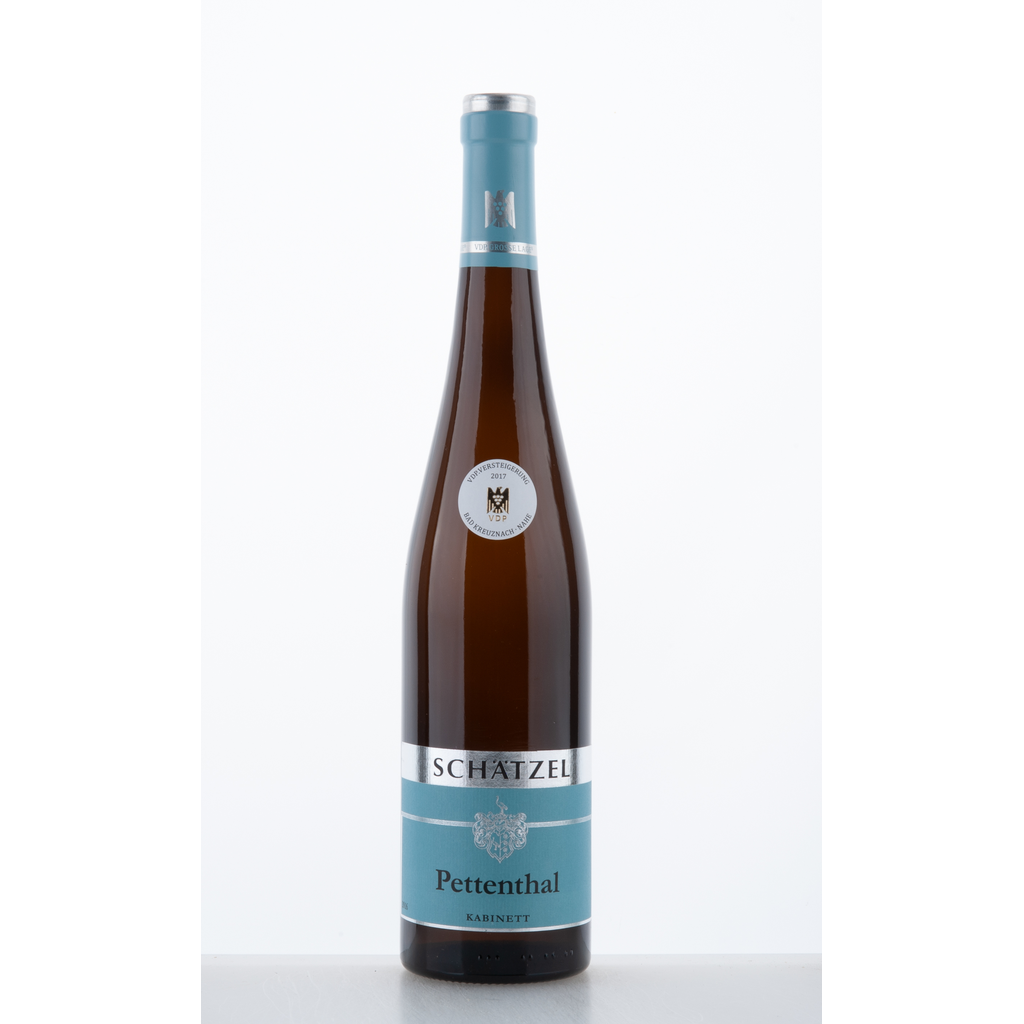
Kai Schätzel took over the family estate in 2008 and steered it towards lightness; his Riesling Kabinett comes in at 7.5 percent alcohol. Up to six picking passes, a strict selection and an early harvest precede it. In the cellar, the wine ferments spontaneously in a large wooden cask, pressing takes over twenty hours, and it rests for up to two years before bottling.
Jule Eichblatt joined the estate in 2020 and now co-runs it; together with her, Kai Schätzel has driven the biodynamic certification forward. All work in the vineyards is done by hand.
Pettenthal, Ölberg and Hipping
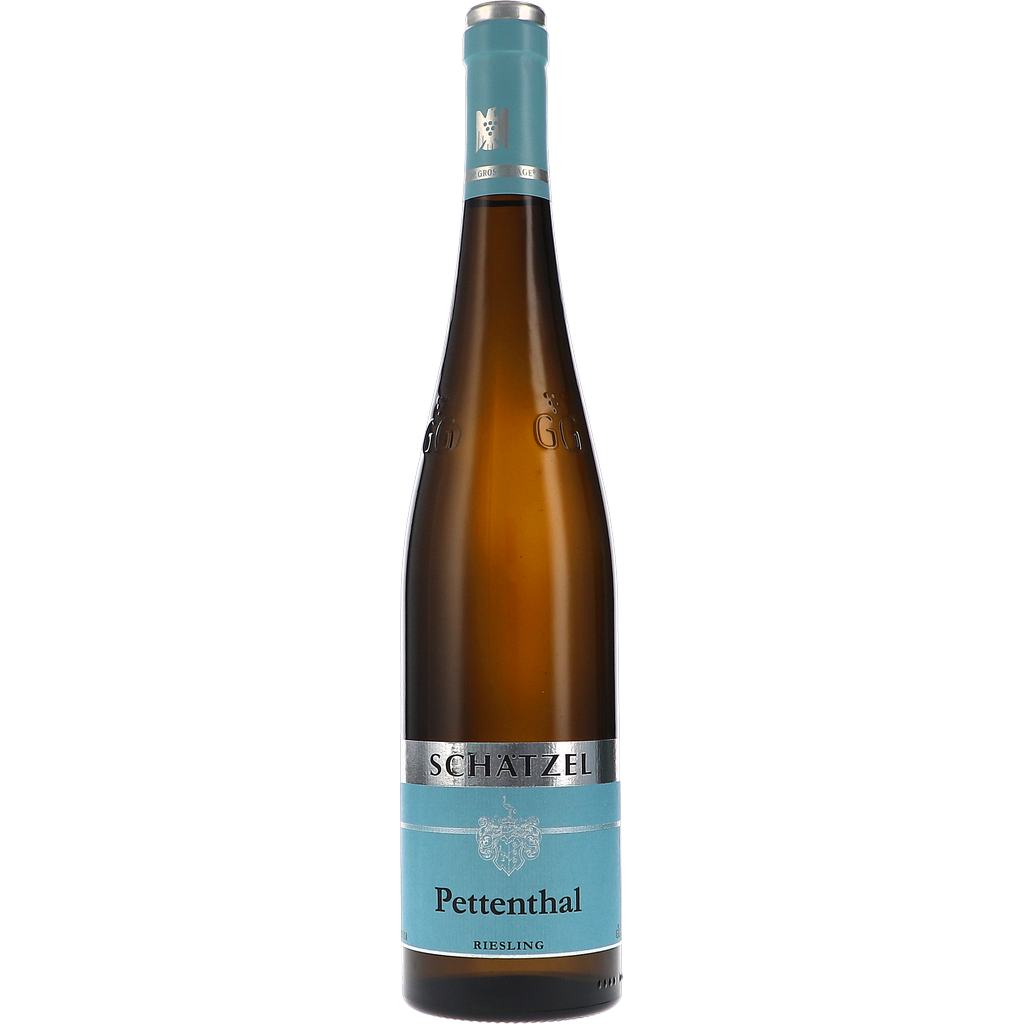
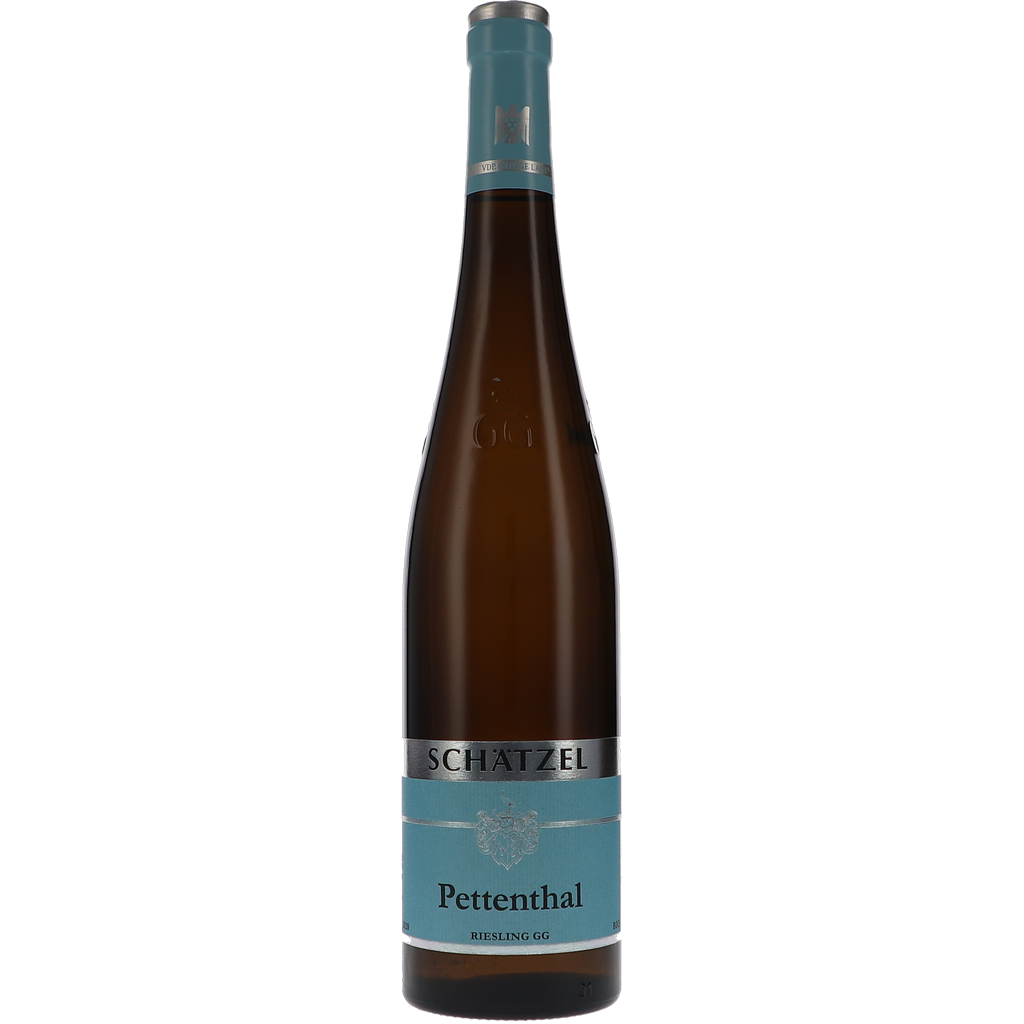
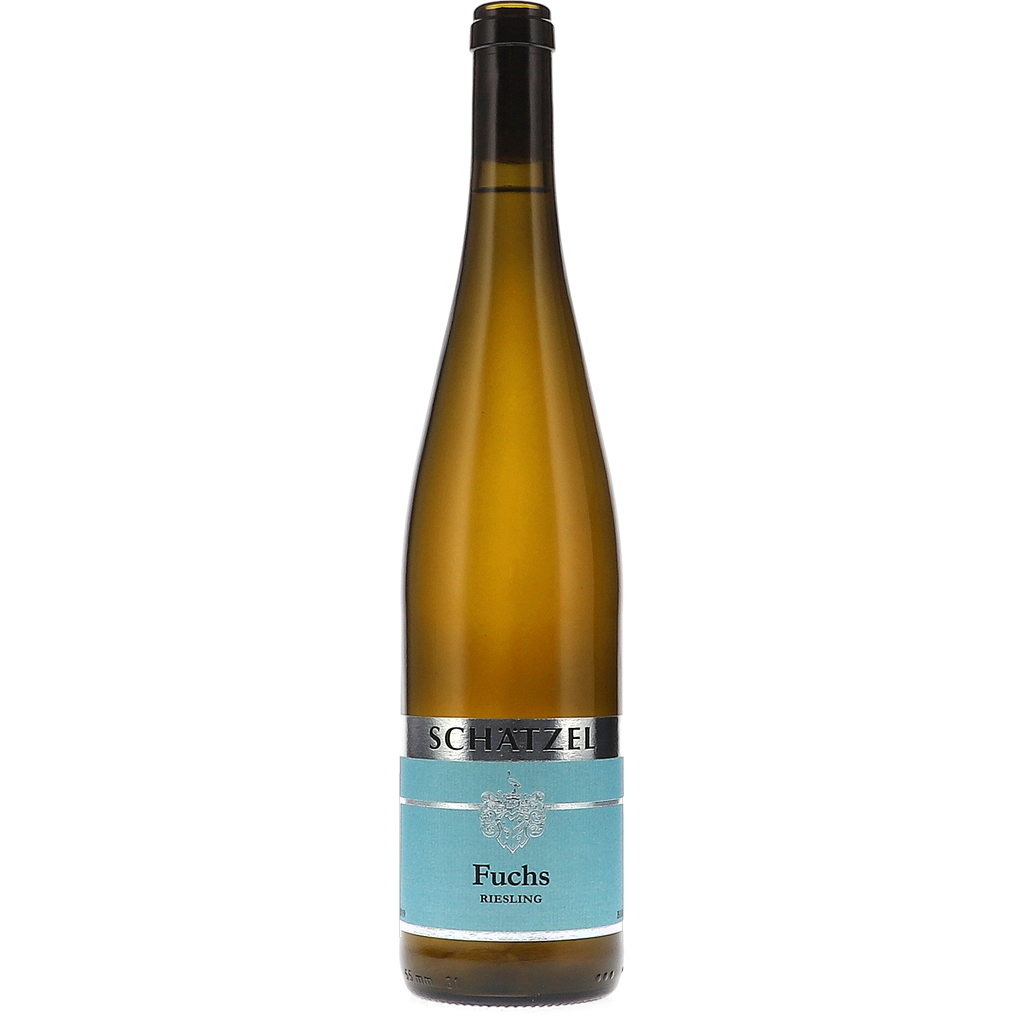
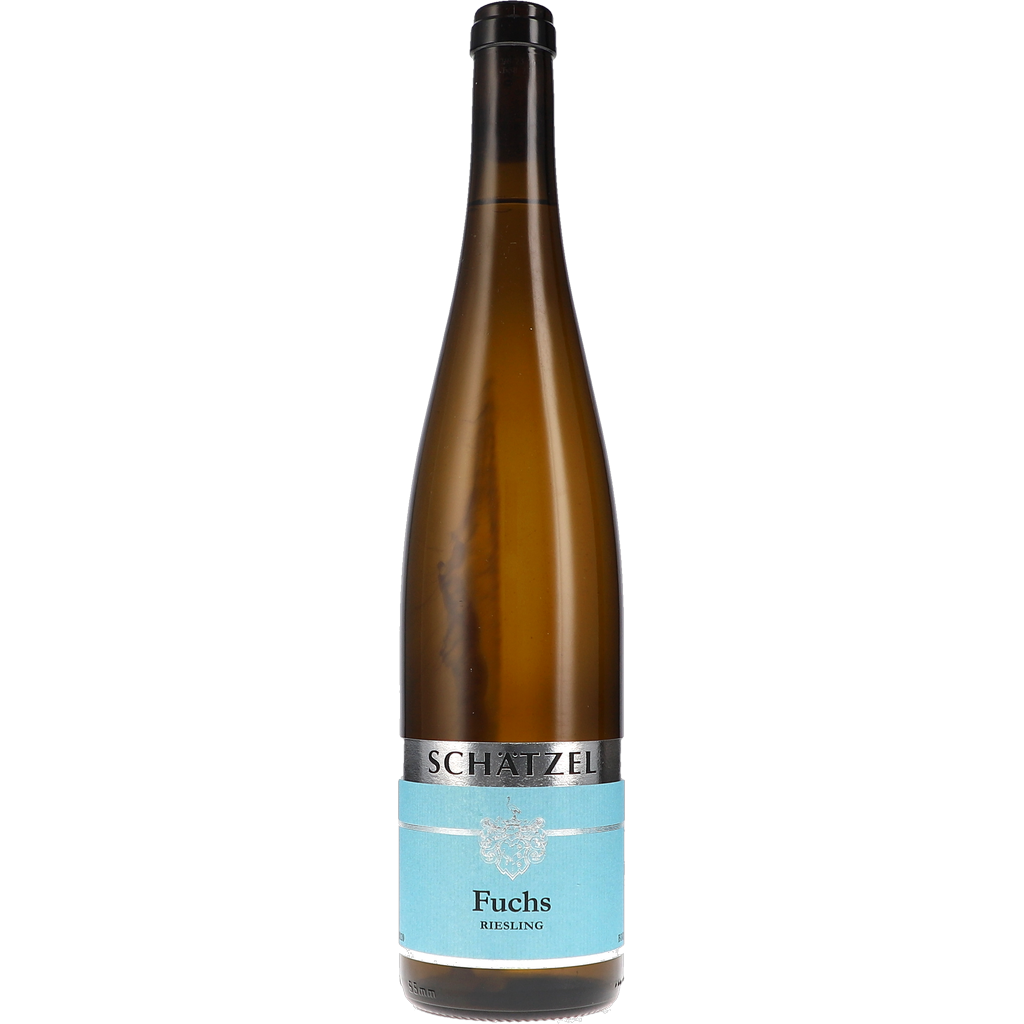
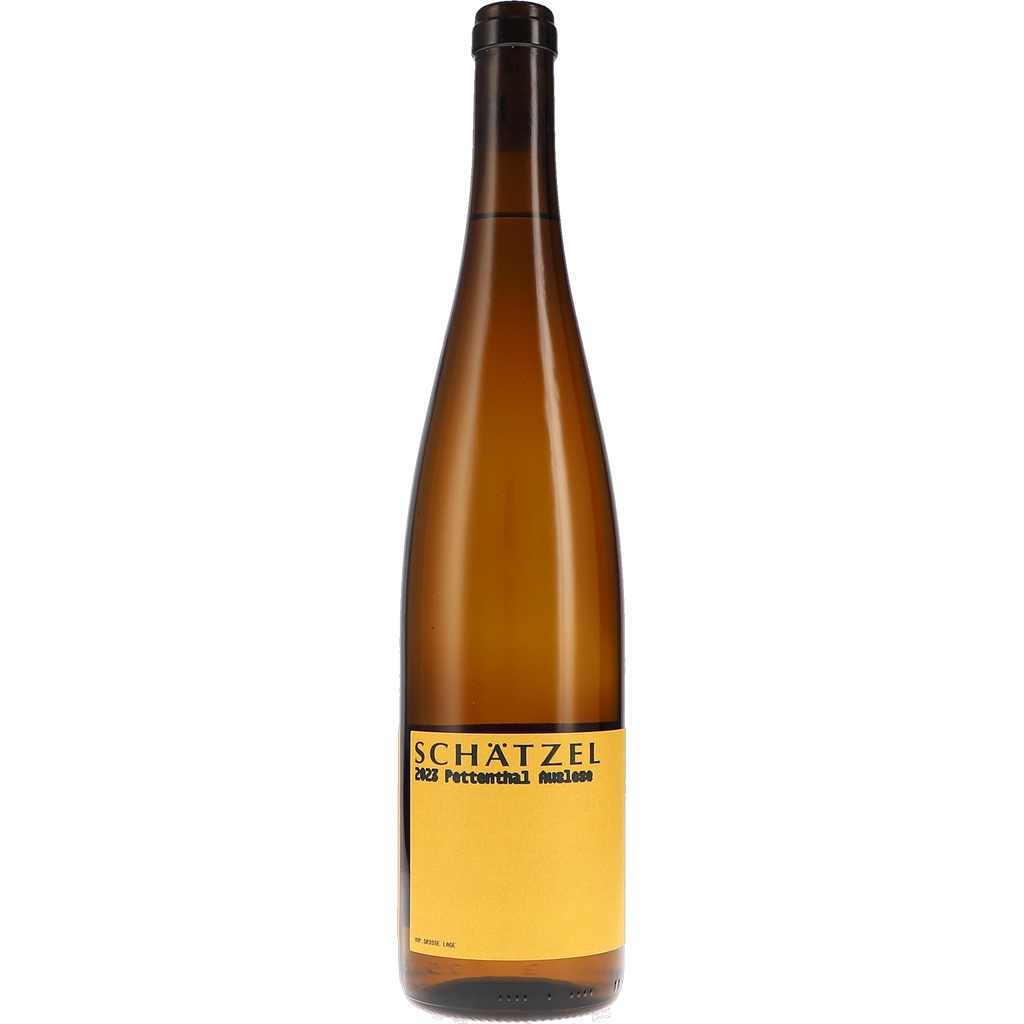
Pettenthal, Ölberg and Hipping are the estate's VDP.GROSSE LAGEN, all on the Roter Hang. Pettenthal produces Rieslings of great depth. In the Kabinett, which goes to auction, pale pome fruit and citrus nuances sit over an earthy minerality. A saline note joins in, playing off the acidity. In Hipping lies the Fuchsloch parcel, which gives the Riesling "Fuchs" its name, with forty-year-old vines among trees, shrubs and herbs, partly in shade, partly trained on pergolas.
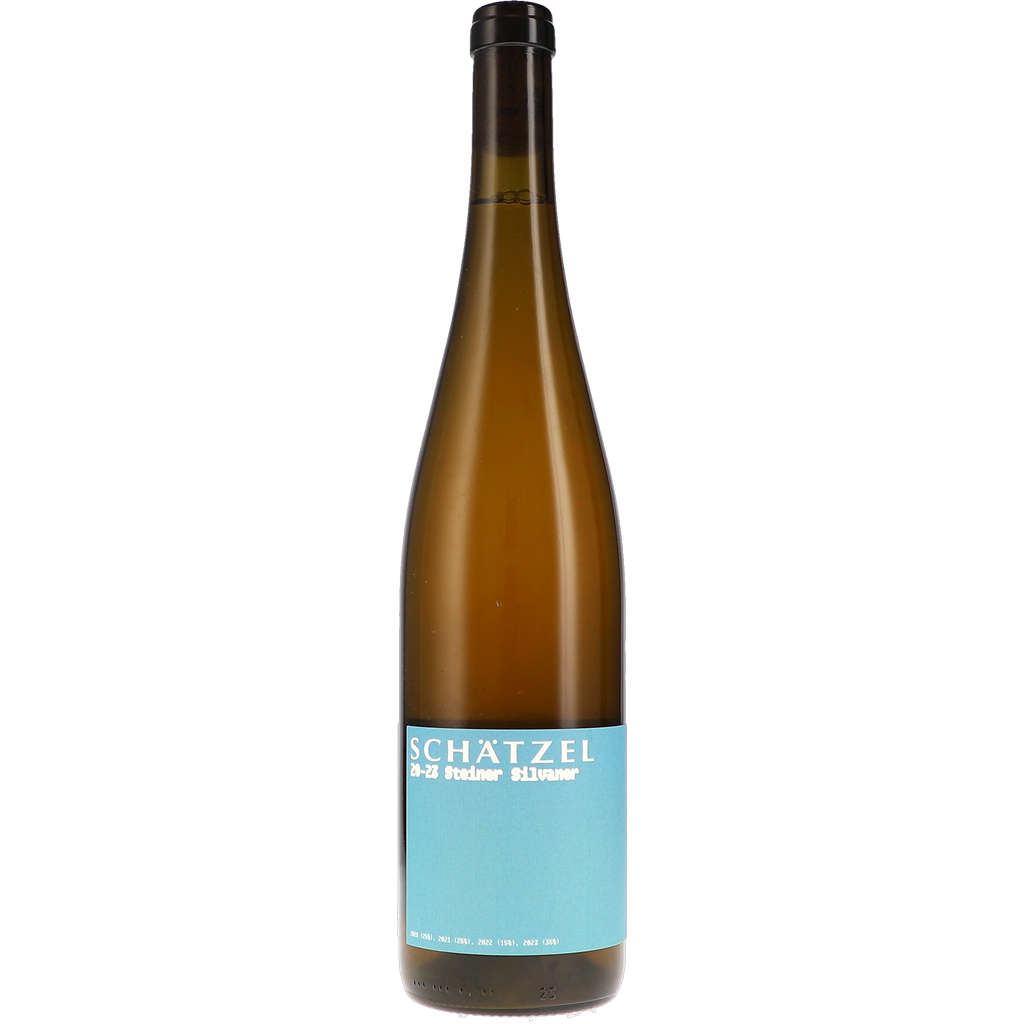
In the Hipping parcels, Kai Schätzel tends his own Silvaner clone in plantings 30 to 40 years old. The berries stay small and thick-skinned; the wines made from them are concentrated and fresh. The Steiner Silvaner is rounded out with ungrafted vines from the Rothenberg in Nackenheim.
Solera casks and natural wine
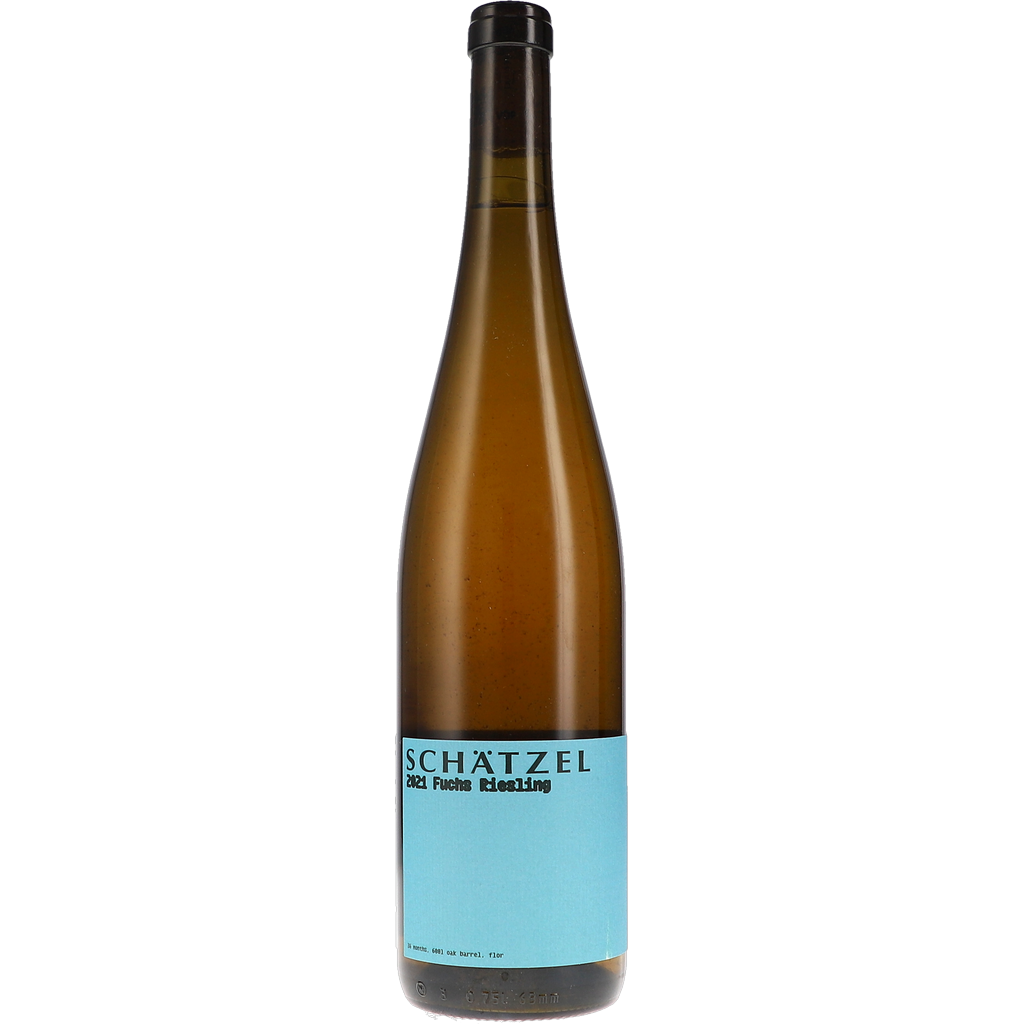
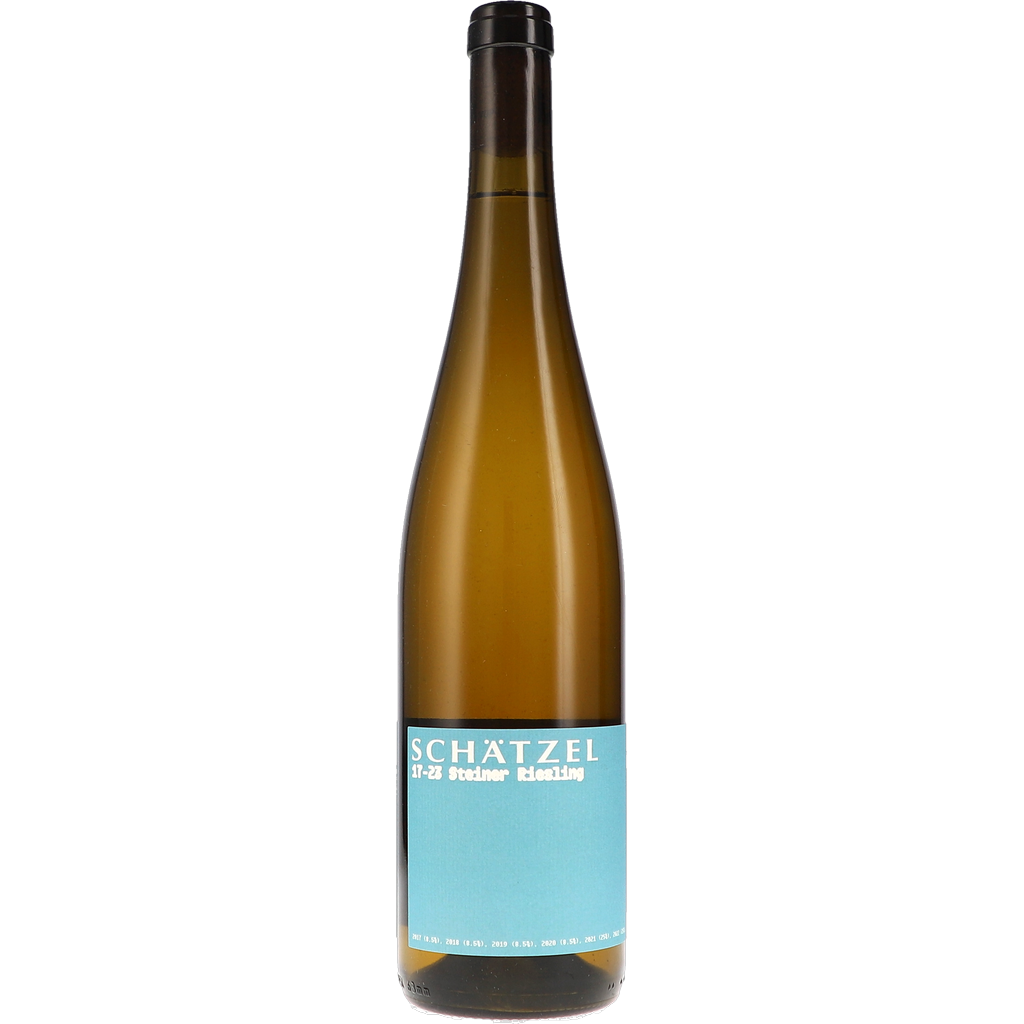
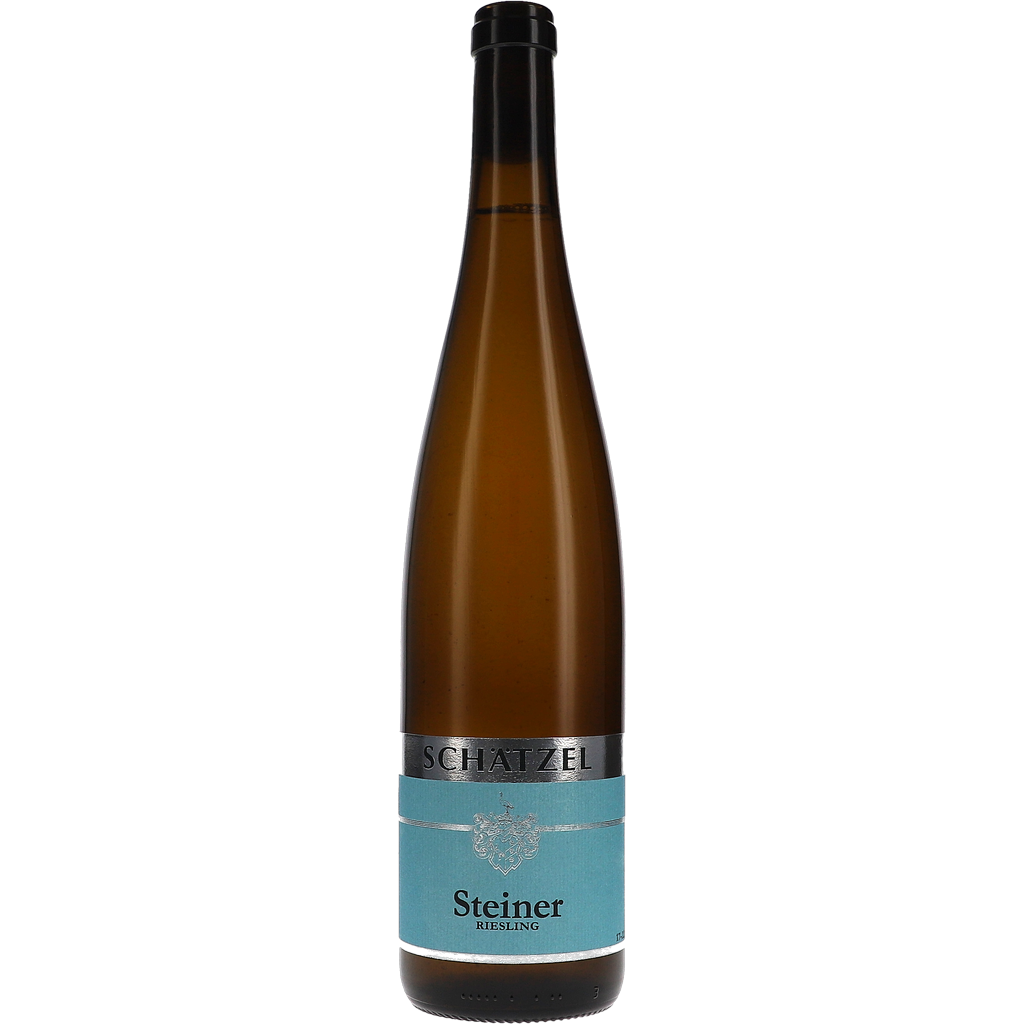
The Steiner wines are made in a solera system. The grapes for the Steiner Riesling come from Ölberg, Hipping and Pettenthal; they are hand-picked, lightly foot-trodden and cold-macerated for 24 hours before alcoholic and malolactic fermentation begin spontaneously in casks of 1,200 and 5,000 litres. A flor yeast forms on top, under which the wines age for between twelve and 72 months. The Silvaner solera averages at least thirty months.
In 2020, Schätzel became the first German estate to release natural-wine Grosses Gewächs — spontaneously fermented, without sulphur and unfiltered. Stephan Reinhardt of the Wine Advocate subsequently called Schätzel "one of the most exciting and interesting new discoveries in German wine culture".