Kühling-Gillot & Battenfeld-Spanier
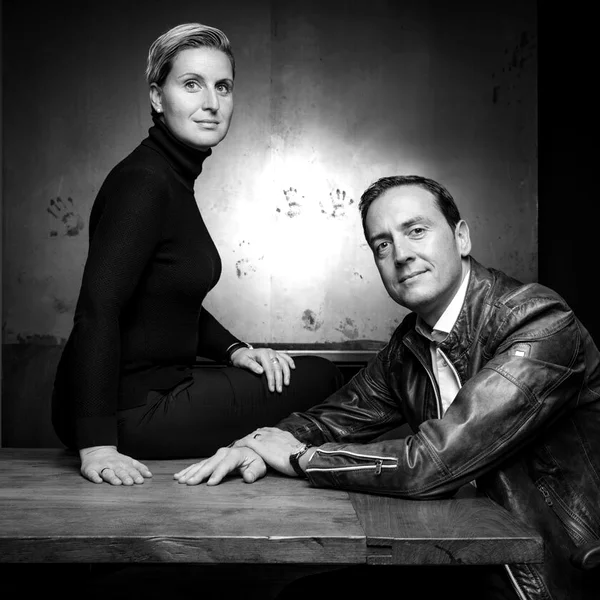
Kühling-Gillot & Battenfeld-Spanier brings together two VDP estates in Rheinhessen: Kühling-Gillot, with vineyards on the Roter Hang between Nierstein and Nackenheim, and Battenfeld-Spanier, with parcels in the Wonnegau and the Zellertal. Carolin and Hans Oliver Spanier run both estates and have been farming biodynamically since 2005. The weathered Rotliegend of the Roter Hang gives the rieslings a smoky minerality, while on the limestone soils of the Wonnegau the texture becomes tighter and cooler. In the "Kapellchen" plot in the Rothenberg stand ungrafted, own-rooted vines planted in 1934. The wines ferment spontaneously and mature in large wooden casks and steel tanks.
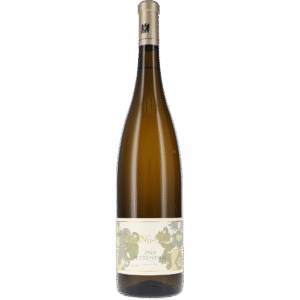
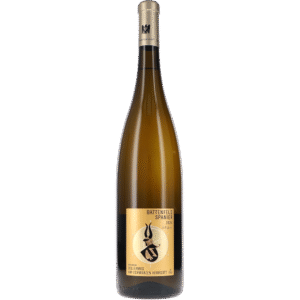
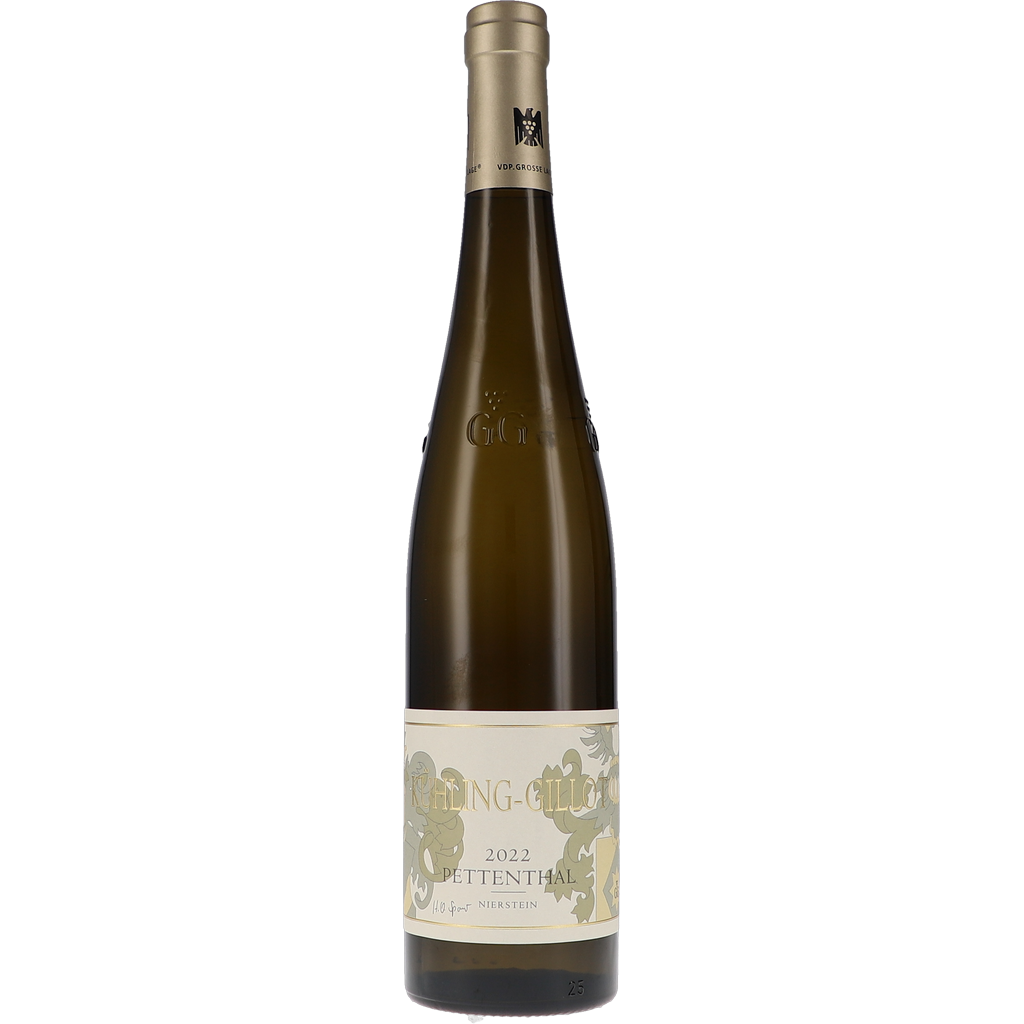
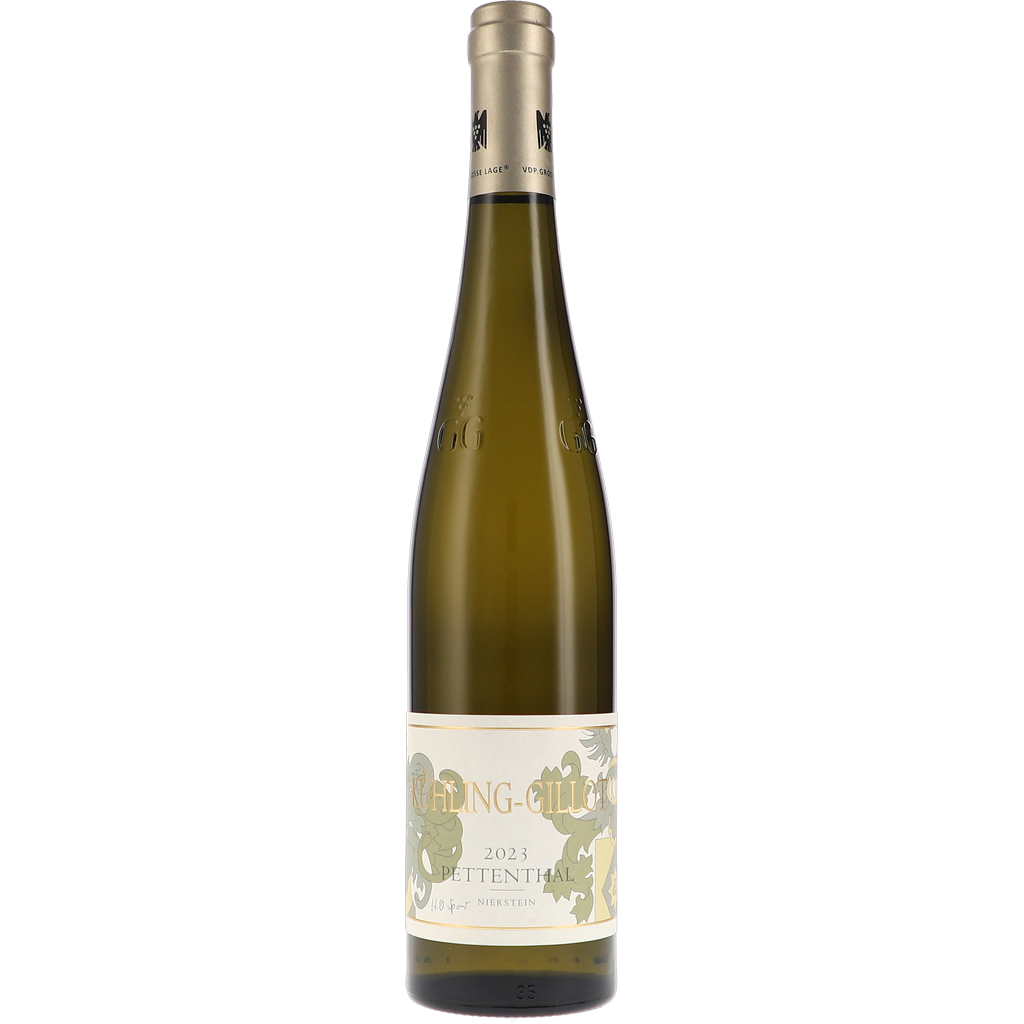
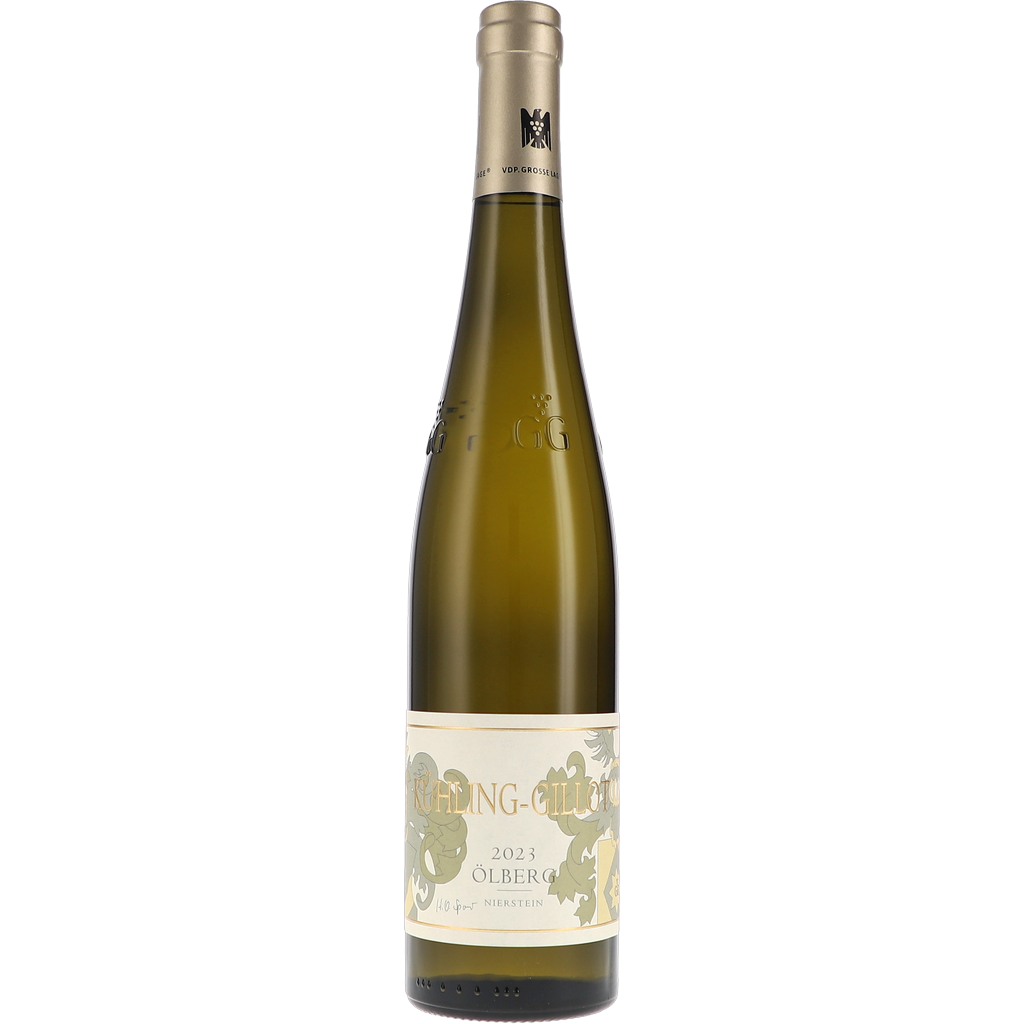
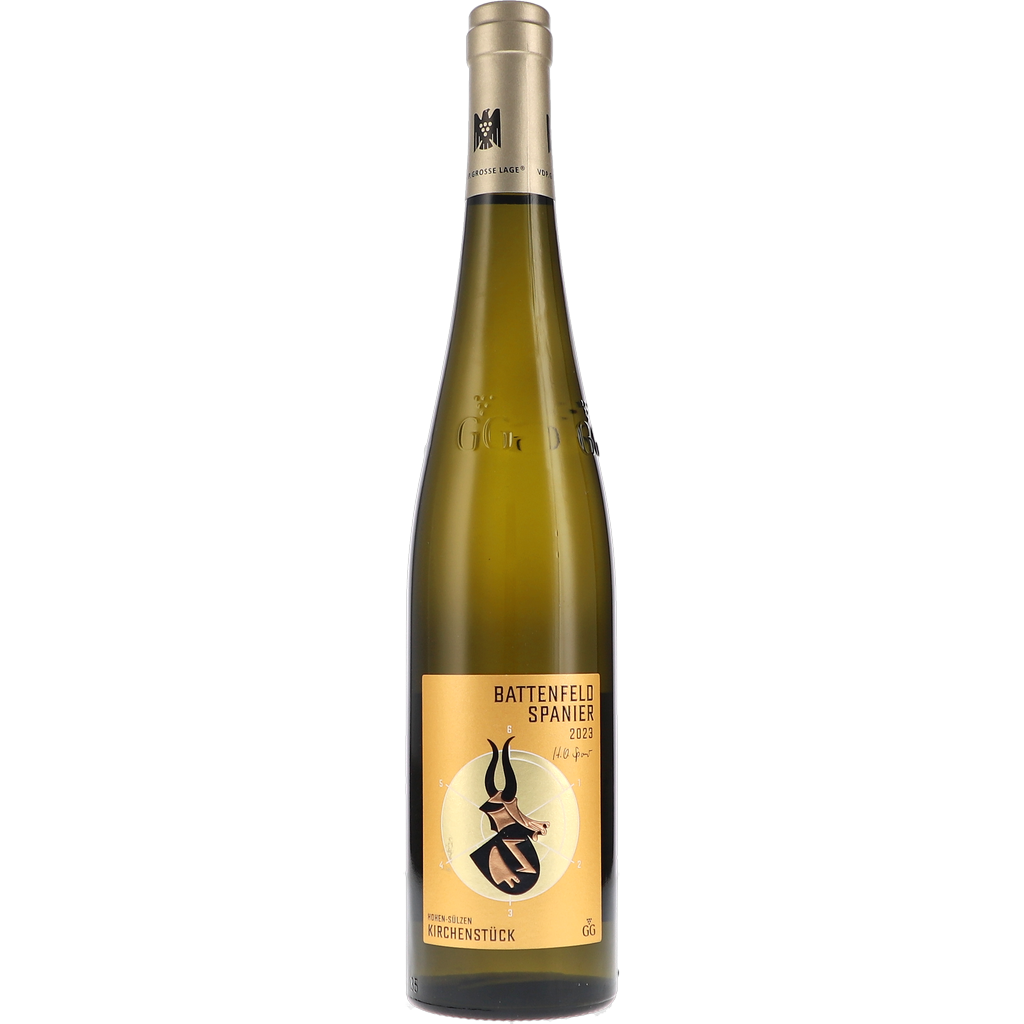
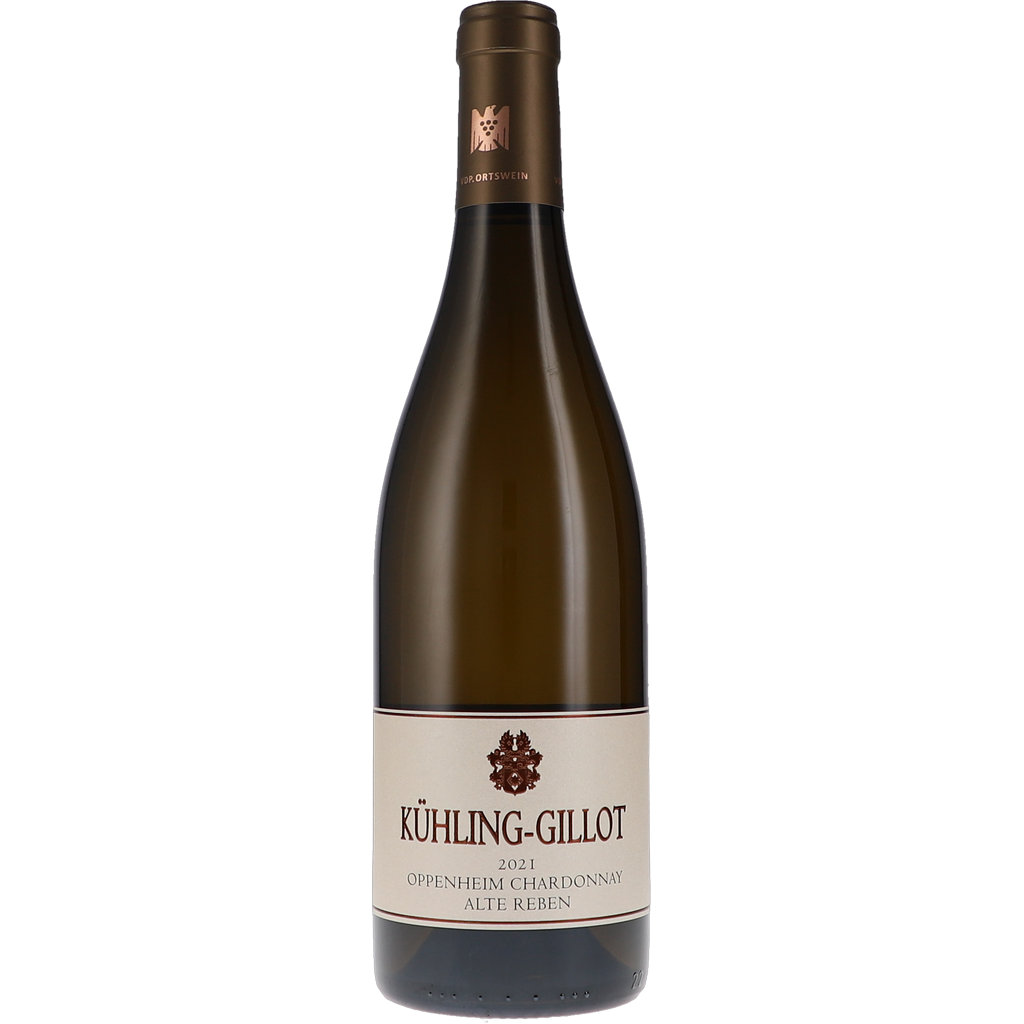
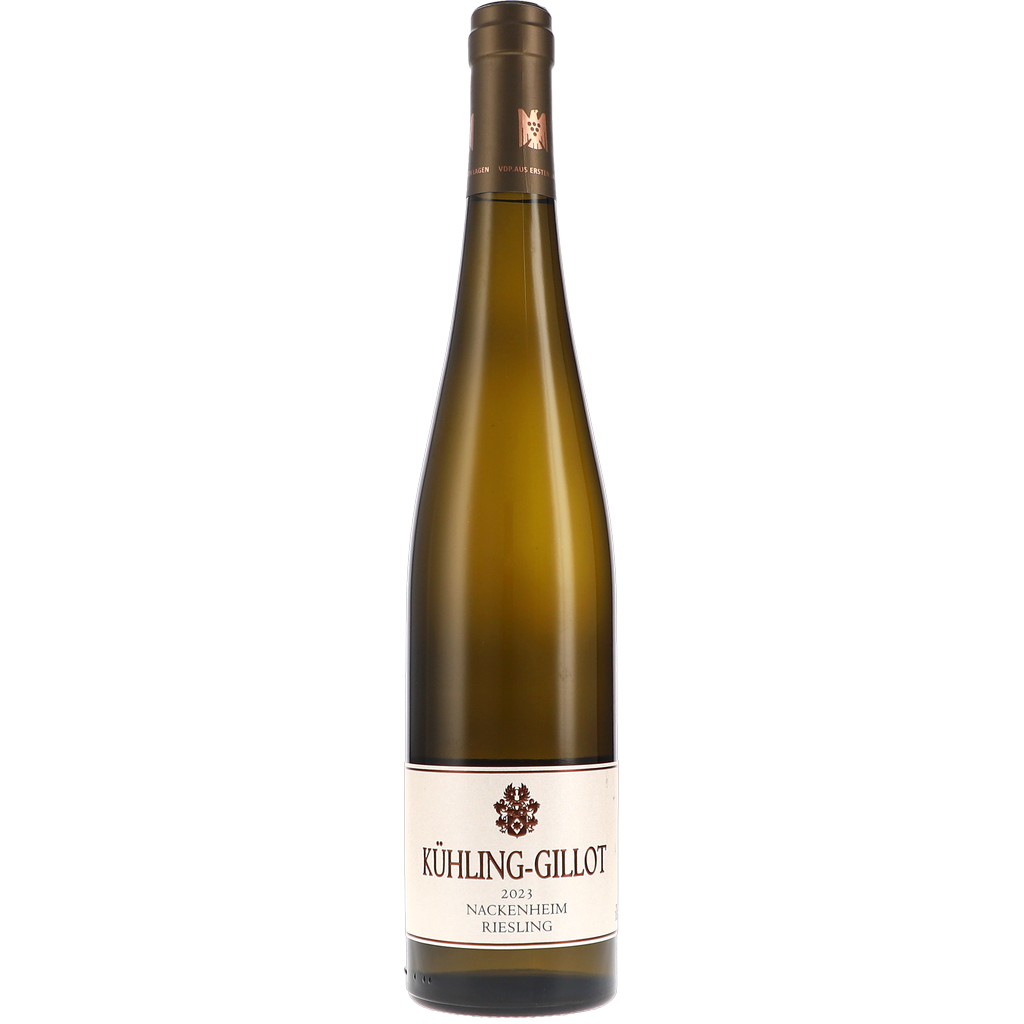
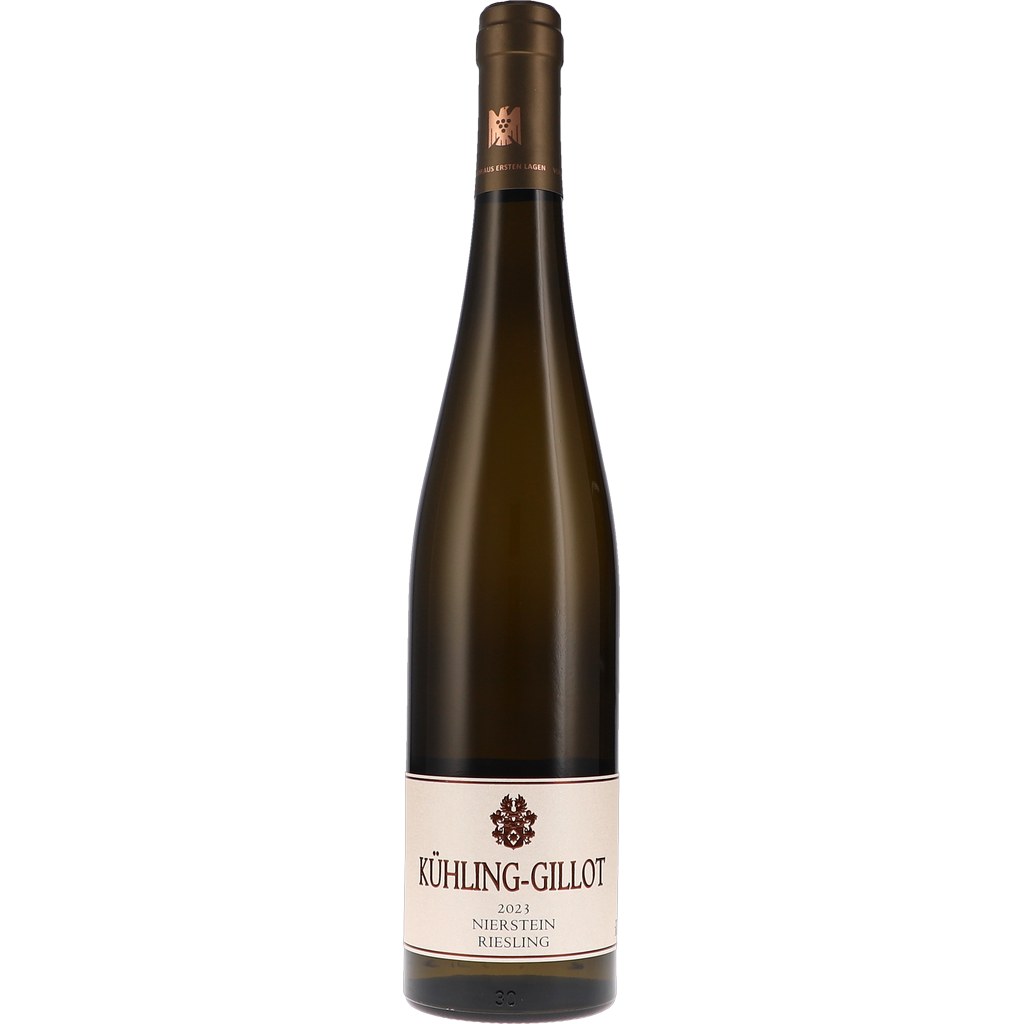
The Roter Hang between Nierstein and Nackenheim
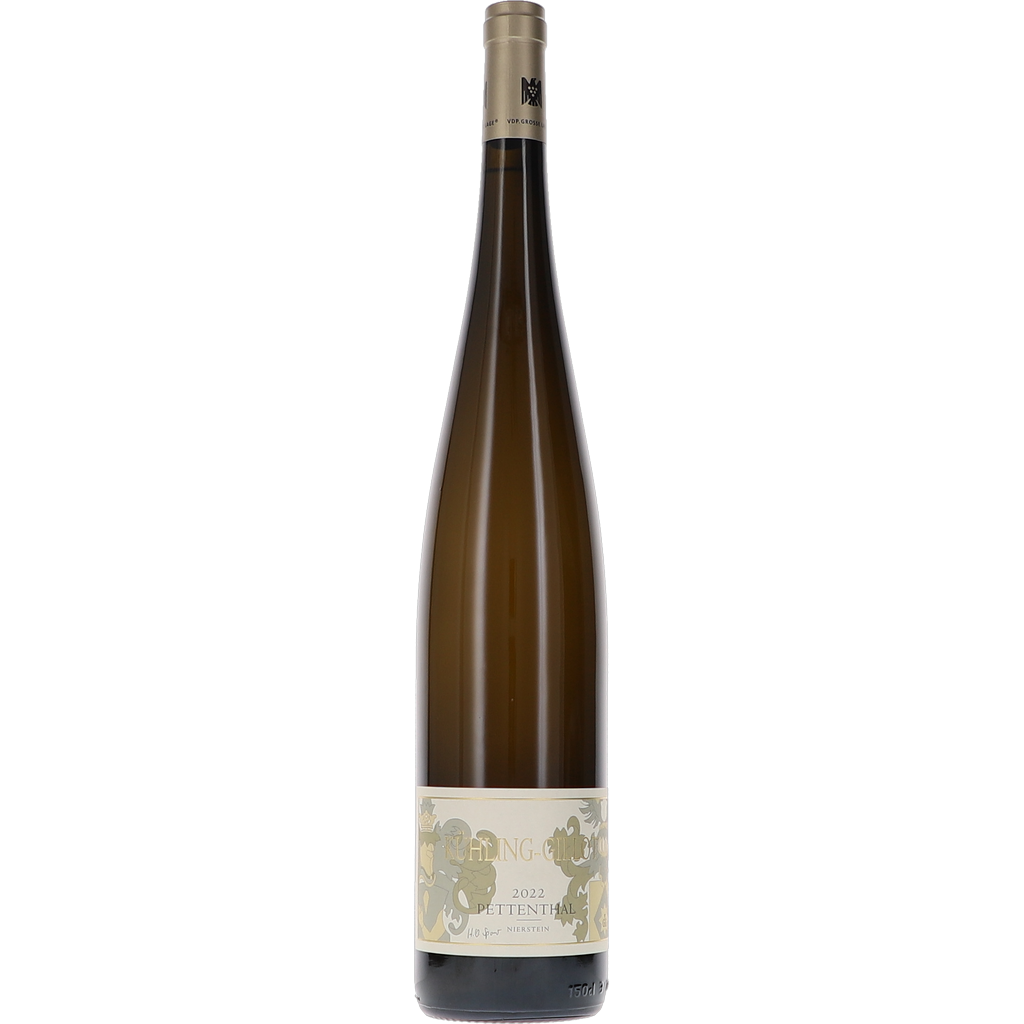
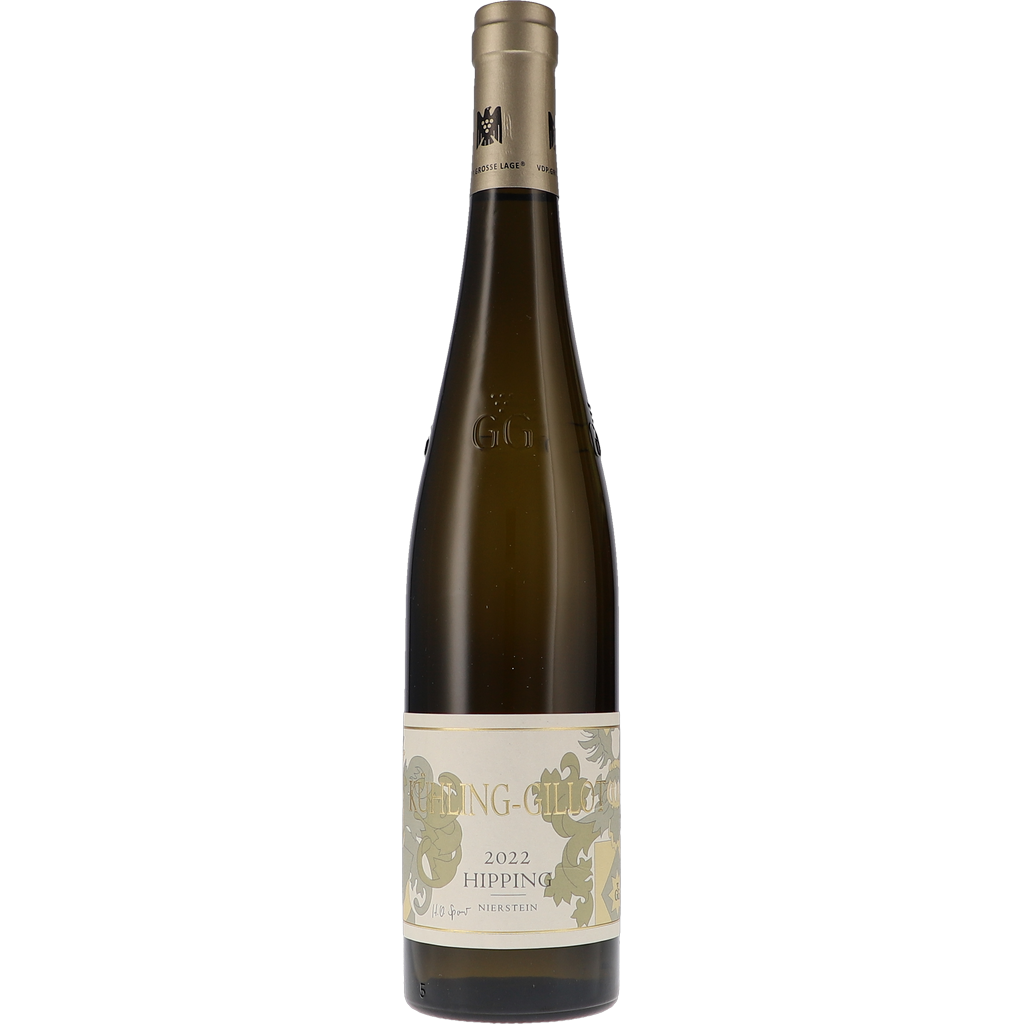
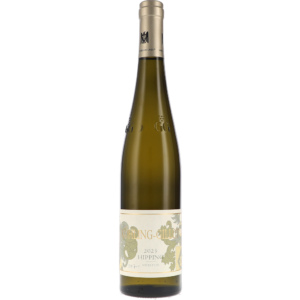
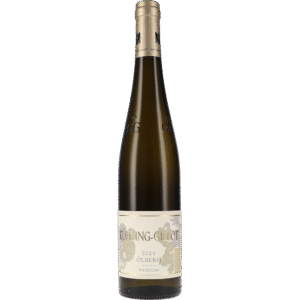
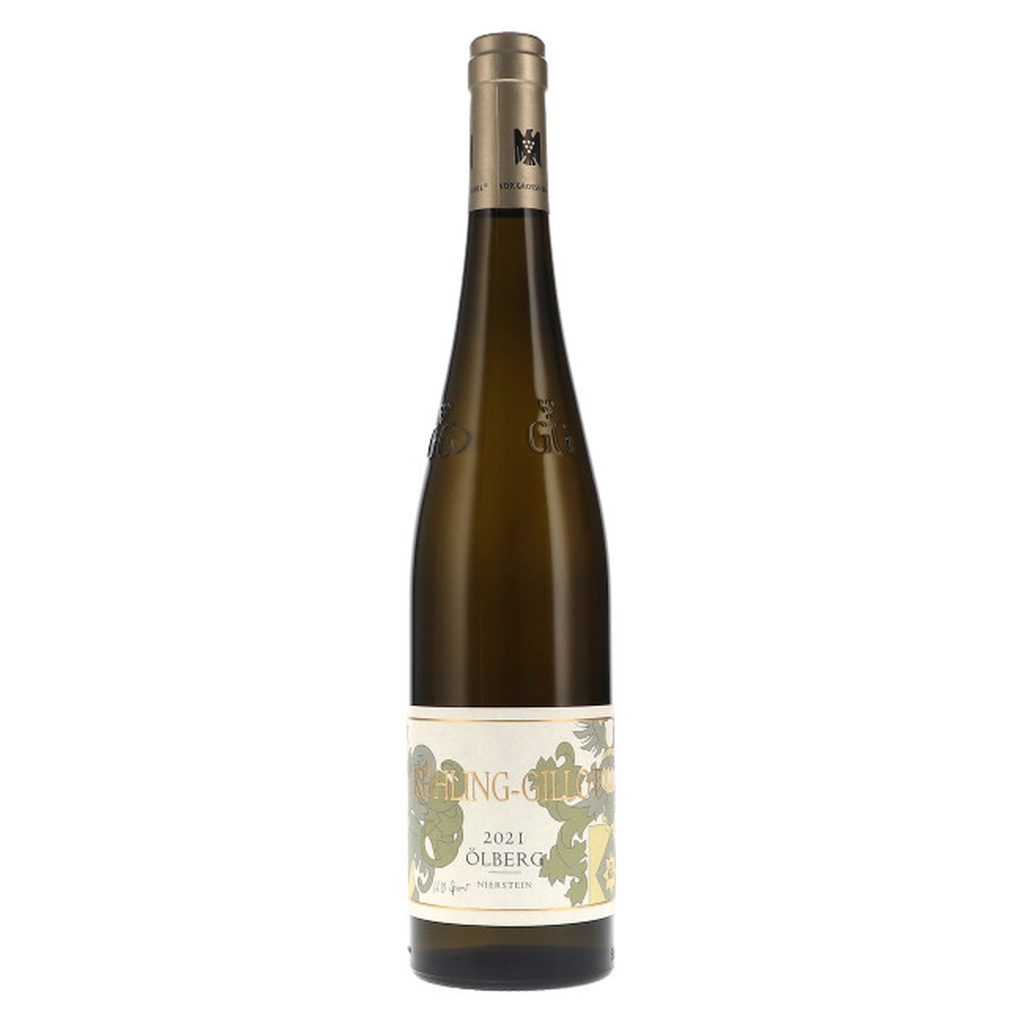
On the Roter Hang, Kühling-Gillot farms the vineyards of Pettenthal, Hipping, Ölberg and Rothenberg. The central parcel in Pettenthal lies at around 140 metres, with a gradient of more than 70 percent, making it the steepest vineyard in all of Rheinhessen. The Rotliegend, a red weathered rock of shaly clay and sandstone, gives way to loam and clay in the flatter section; there is barely any humus there, and the vines root deep into the rock. For Kühling-Gillot, the Ölberg is the southernmost vineyard on the Nierstein Roter Hang and the only one with full south exposure. At a 60 percent gradient, it is a steep site where red clay shale replaces the humus layer and stores heat.
In Nackenheim, the clay-shale seam of the Roter Hang pushes to the surface before disappearing underground again a few kilometres south at Nierstein. After extensive replanting, the vines there have now reached the age needed for a great wine, and the Nackenheim Riesling trocken VDP Erste Lage matures in large old oval casks with long lees ageing. Since 2006, the riesling from Nierstein has once again carried the name of the Rheinterrasse wine village in whose district most of the vineyards lie; Carolin and Hans Oliver Spanier believe in a genius loci of Nierstein that can express itself in the wines.
The "Kapellchen" plot in the Rothenberg
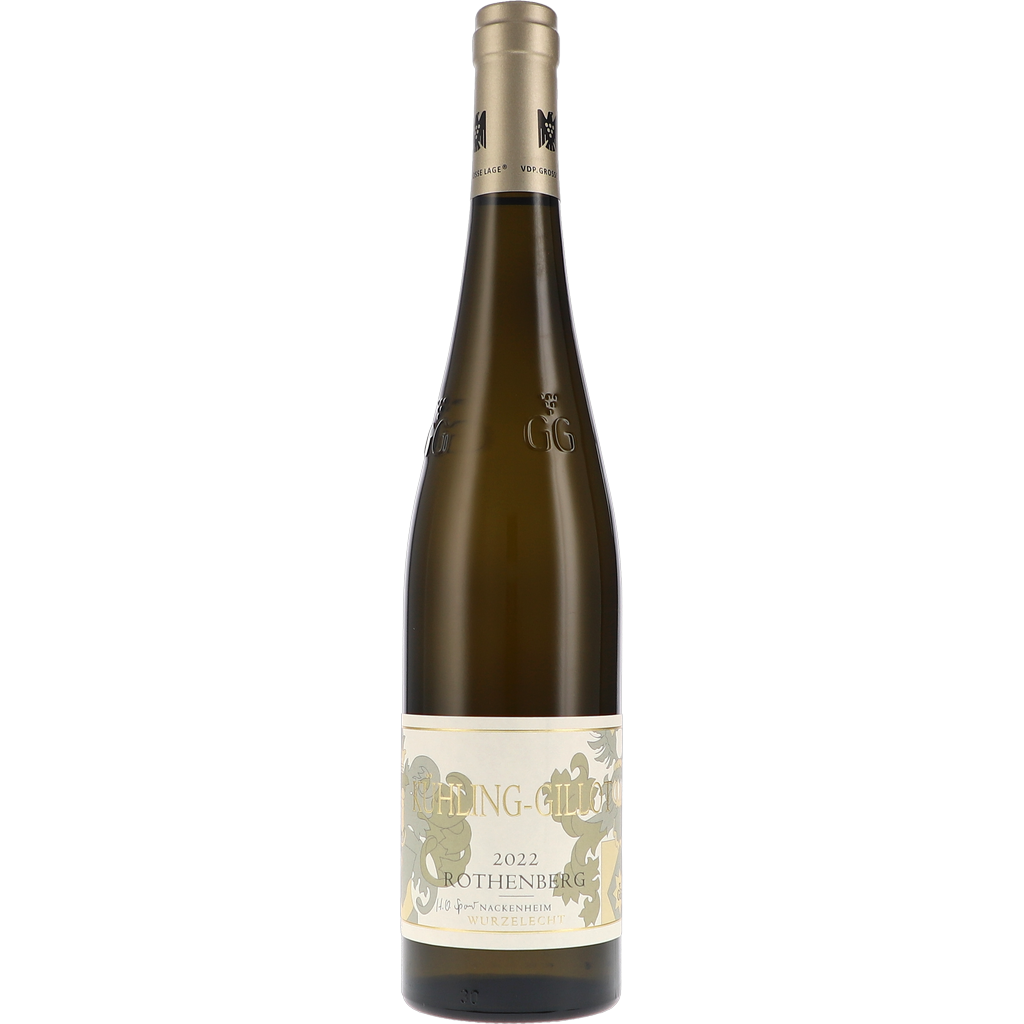
In the "Kapellchen" plot in the Rothenberg stand vines planted in 1934, own-rooted and without the American rootstock that the law would later require. Hans Oliver Spanier calls this parcel "the DNA of German riesling." It yields the Rothenberg GG "wurzelecht", which Gault & Millau awarded 100 points in 2018 as Germany's best dry riesling.
Limestone soils in the Wonnegau and the Zellertal
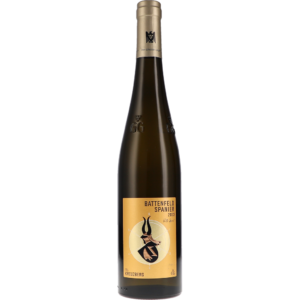
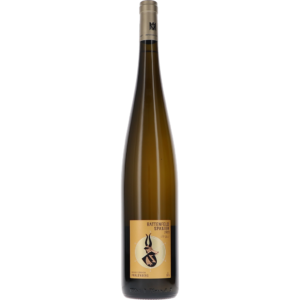
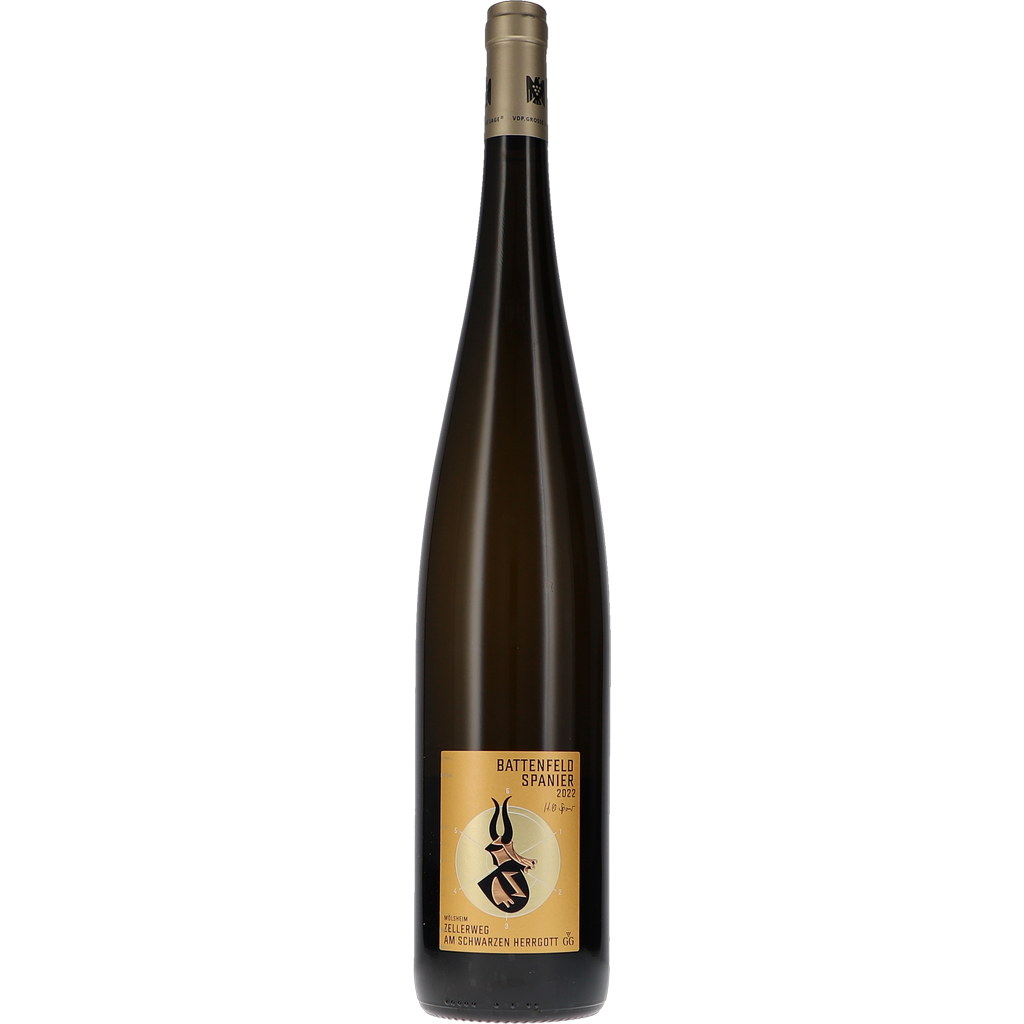
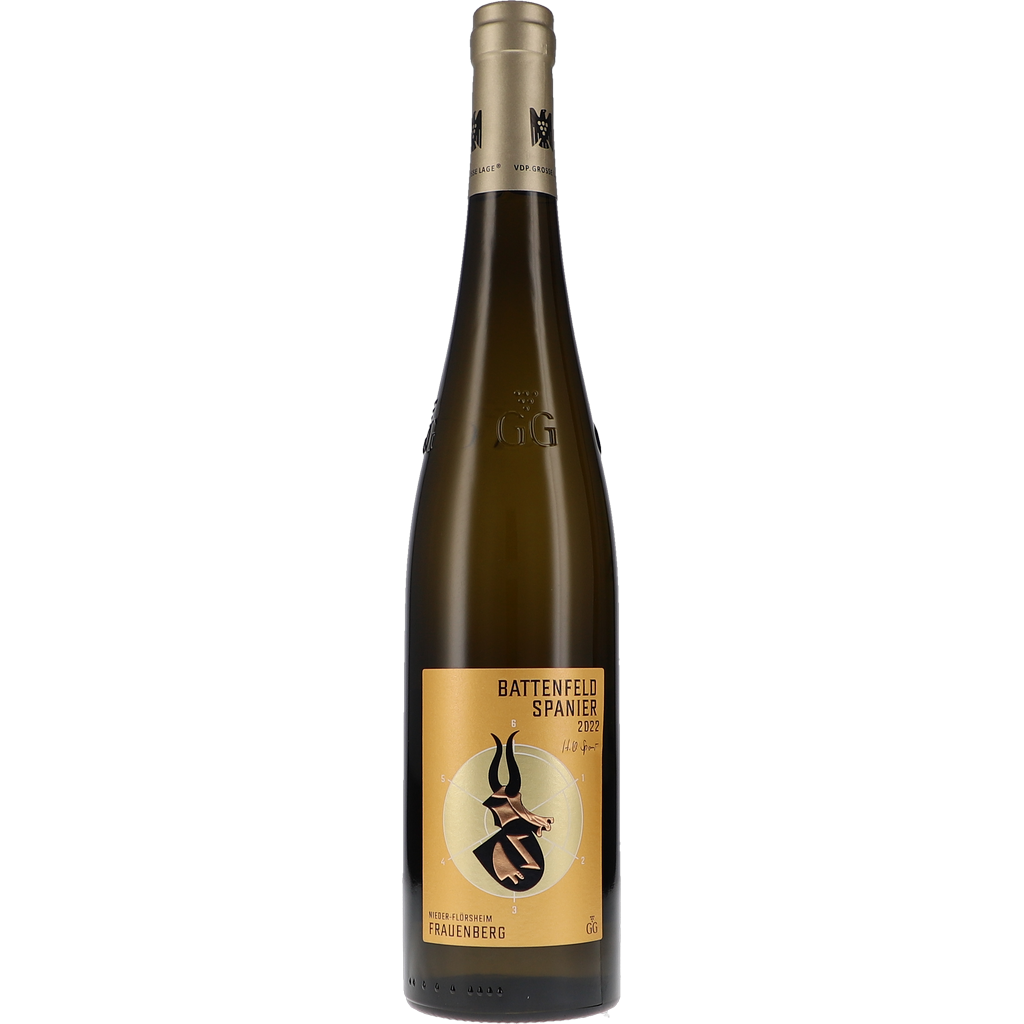
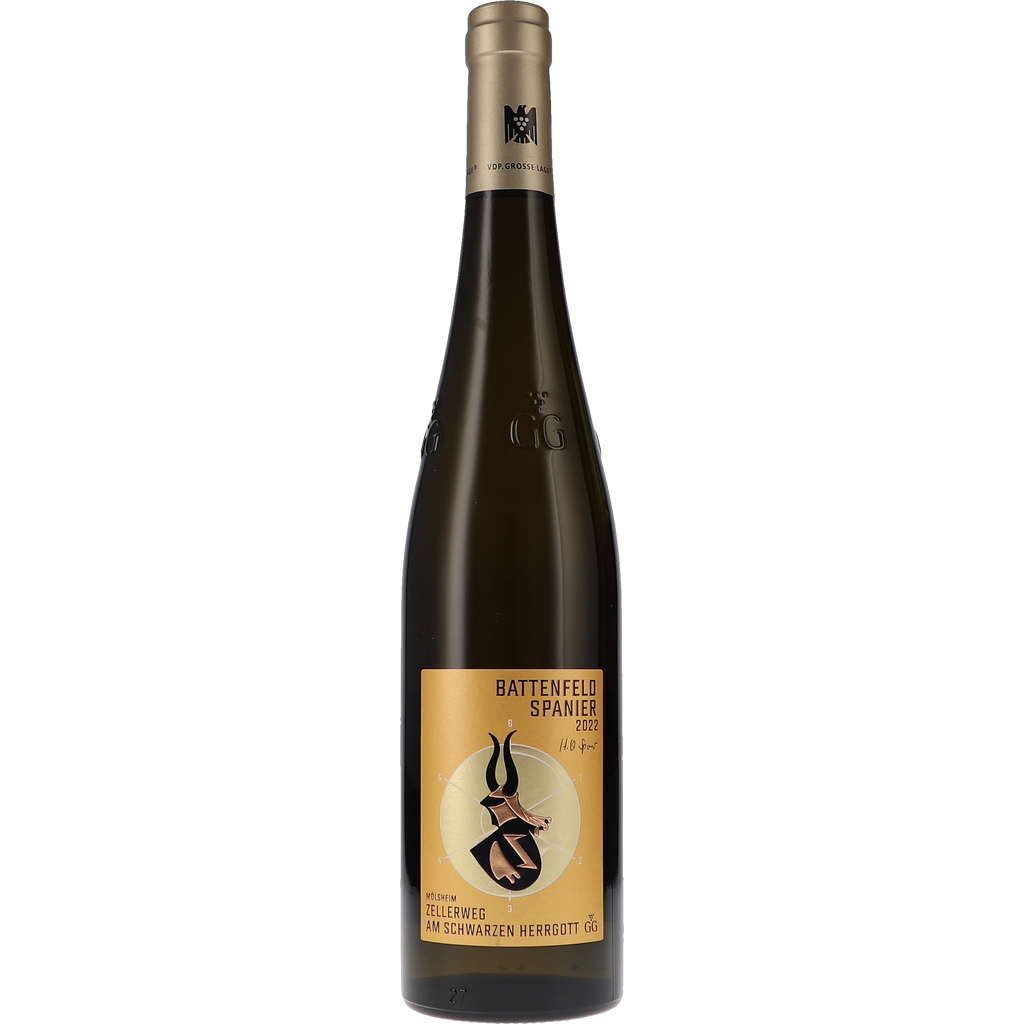
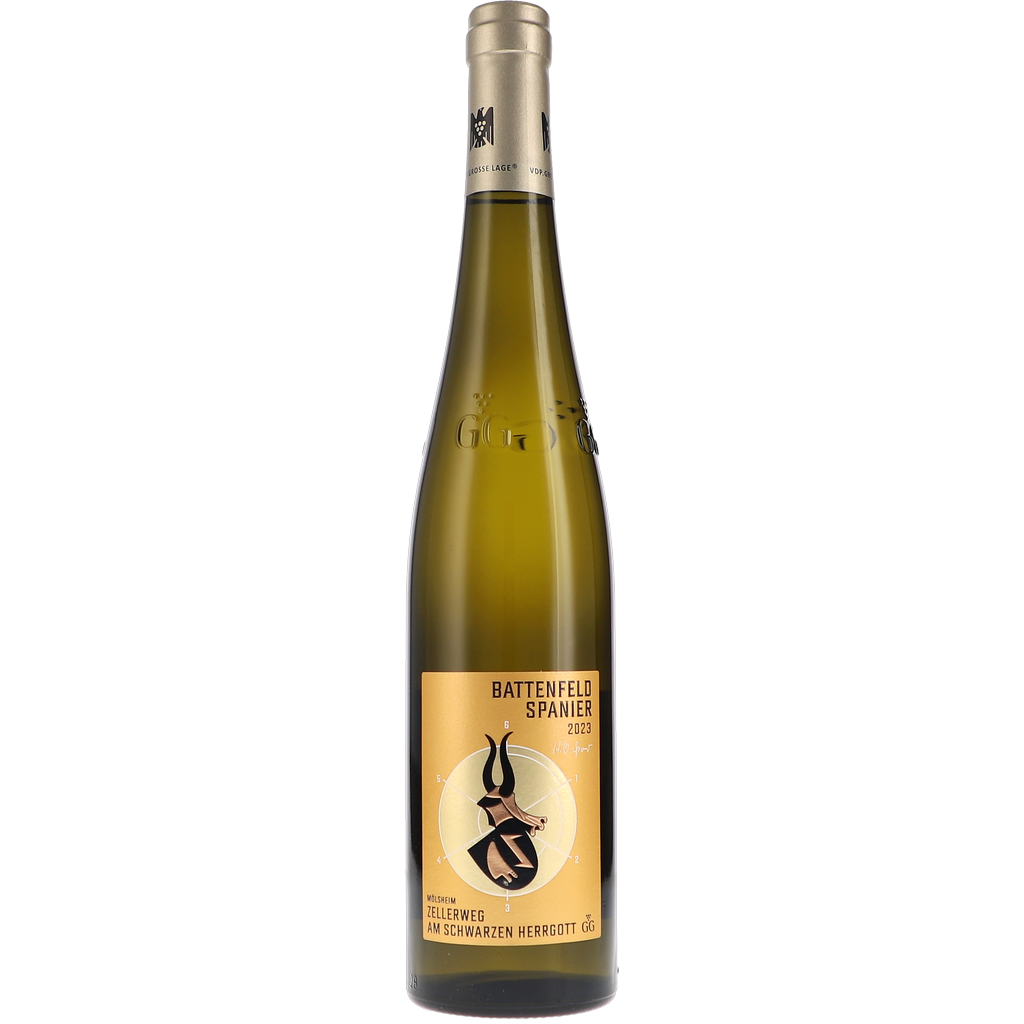
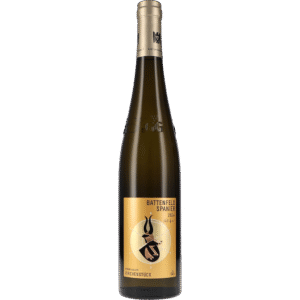
Battenfeld-Spanier works limestone soils in the Wonnegau and the Zellertal that give riesling a taut, cool texture. The saline precision of this style shows most clearly in the Zellerweg am Schwarzen Herrgott. Grands crus also come from the Frauenberg, the Kirchenstück and the Zell Kreuzberg, along with a chardonnay from old vines in Oppenheim.
For the Treasure Collection, Hans Oliver Spanier built a maturation cellar where rieslings rest under constant conditions until they reach drinking maturity, releasing as Late Release. The Riesling Hohen-Sülzen VDP Erste Lage in this range grows on limestone and shell limestone and turns out lean and almost saline.
Vineyard and cellar
Kühling-Gillot and Battenfeld-Spanier have farmed biodynamically since 2005. Preparations 500 and 501 are used regularly, and the lunar phases set the rhythm of the work in the vineyard. Grapes are hand-picked after strict selection, and the rieslings from the Roter Hang mature gently in large oval casks. Carolin and Hans Oliver Spanier use sulphur sparingly and forgo fining agents.