I Vigneri di Salvo Foti
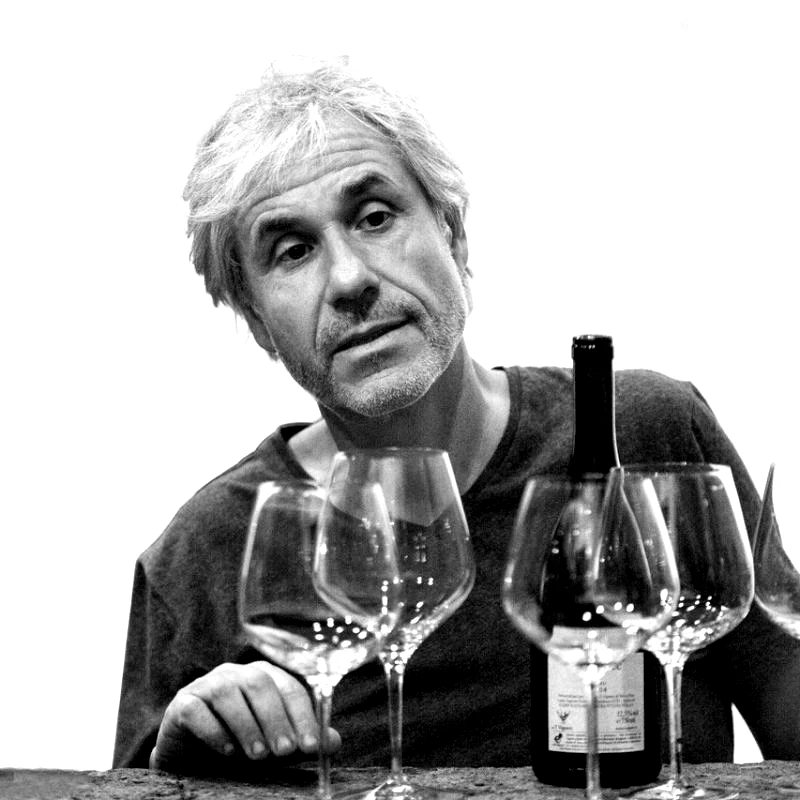
I Vigneri di Salvo Foti farms small parcels on the slopes of Mount Etna in Sicily. Salvo Foti founded I Vigneri in homage to the Maestranza dei Vigneri, the winegrowers' guild of 1435; around 35 men work within the group today. The vines are trained as alberello etneo, Etna's bush-vine system, staked with chestnut poles and tended entirely by hand. Nerello Mascalese, Nerello Cappuccio, Carricante, Minnella bianca and Alicante yield wines of fine acidity and saline freshness; in the cellar they ferment spontaneously, without temperature control, and both racking and bottling follow the phases of the moon. For Salvo Foti, Etna wine is a "human wine".
Salvo Foti and the Maestranza dei Vigneri
Etna's vineyards are fragmented into small plots, and the vine training system leaves no room for machines; this cultivated landscape needs human hands. Salvo Foti founded I Vigneri, taking the name from the Maestranza dei Vigneri, a winegrowers' guild dating back to 1435. Around 35 men belong to it today. They reclaim old plots, plant new vines and maintain the muretti a secco, Etna's dry stone walls.
Caselle above Milo and the Calderara vineyard
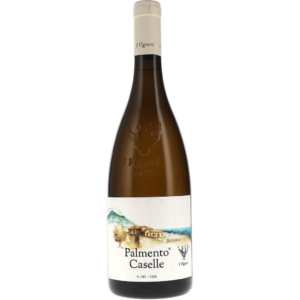
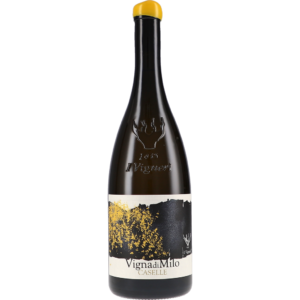
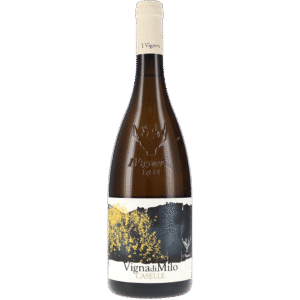
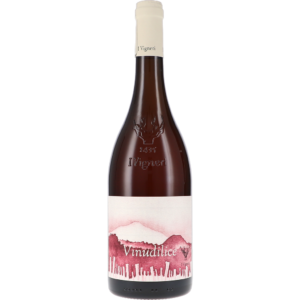
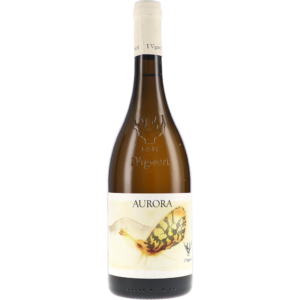
The white wines grow in the Contrada Caselle in the municipality of Milo, on Etna's eastern flank at 750 metres. The Aurora is made of 90 percent Carricante and 10 percent Minnella bianca; its vineyard was planted in 2010 and 2015 as alberello with chestnut poles, at a density of 7,800 vines per hectare. The wine is named after a butterfly called Aurora on Etna, threatened with extinction, which adorns the label; for its sake, the vineyard work is done by hand and with natural preparations. The VignadiMilo, a pure Carricante, comes from the Milo vineyard, replanted in 2008, 0.15 hectares in alberello etneo with 10,000 vines per hectare.
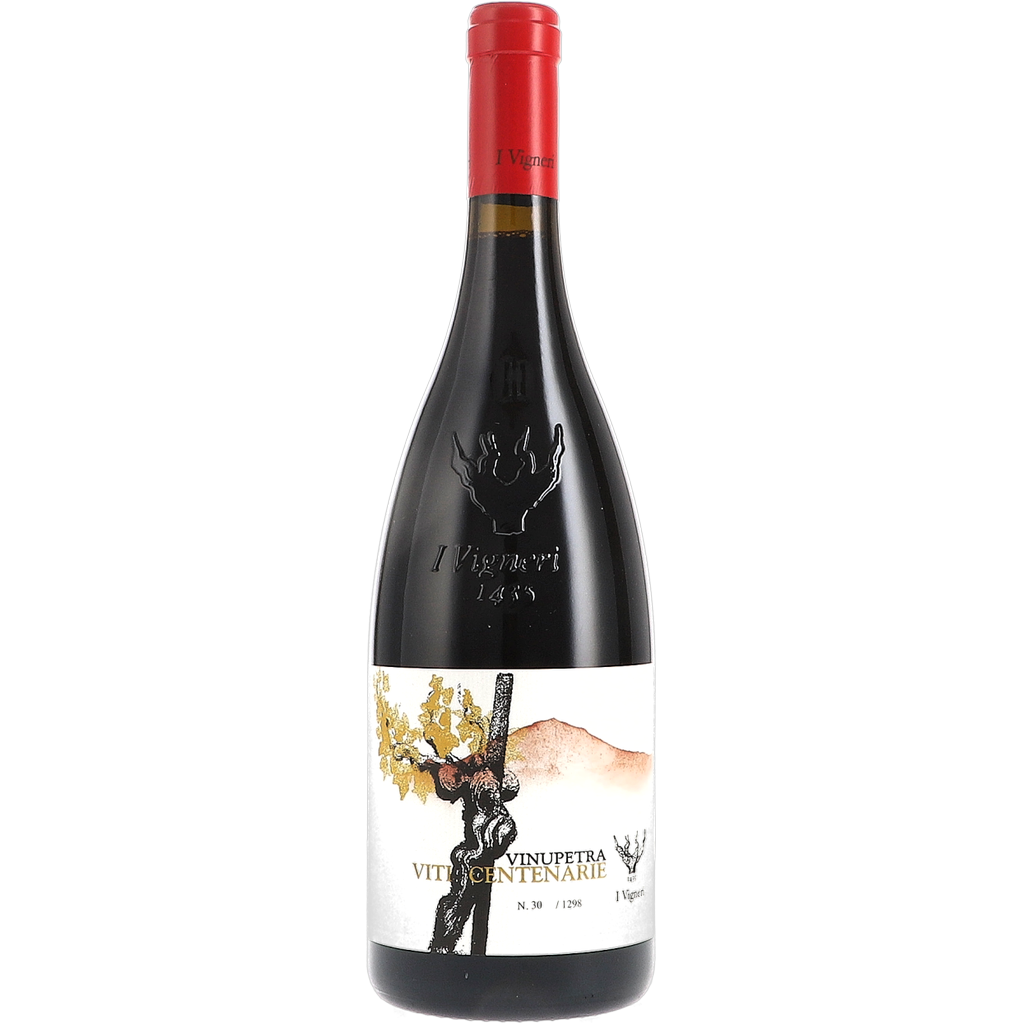
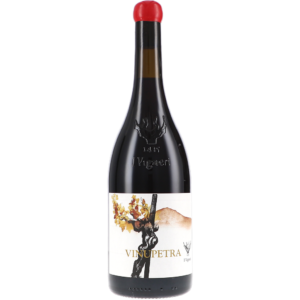
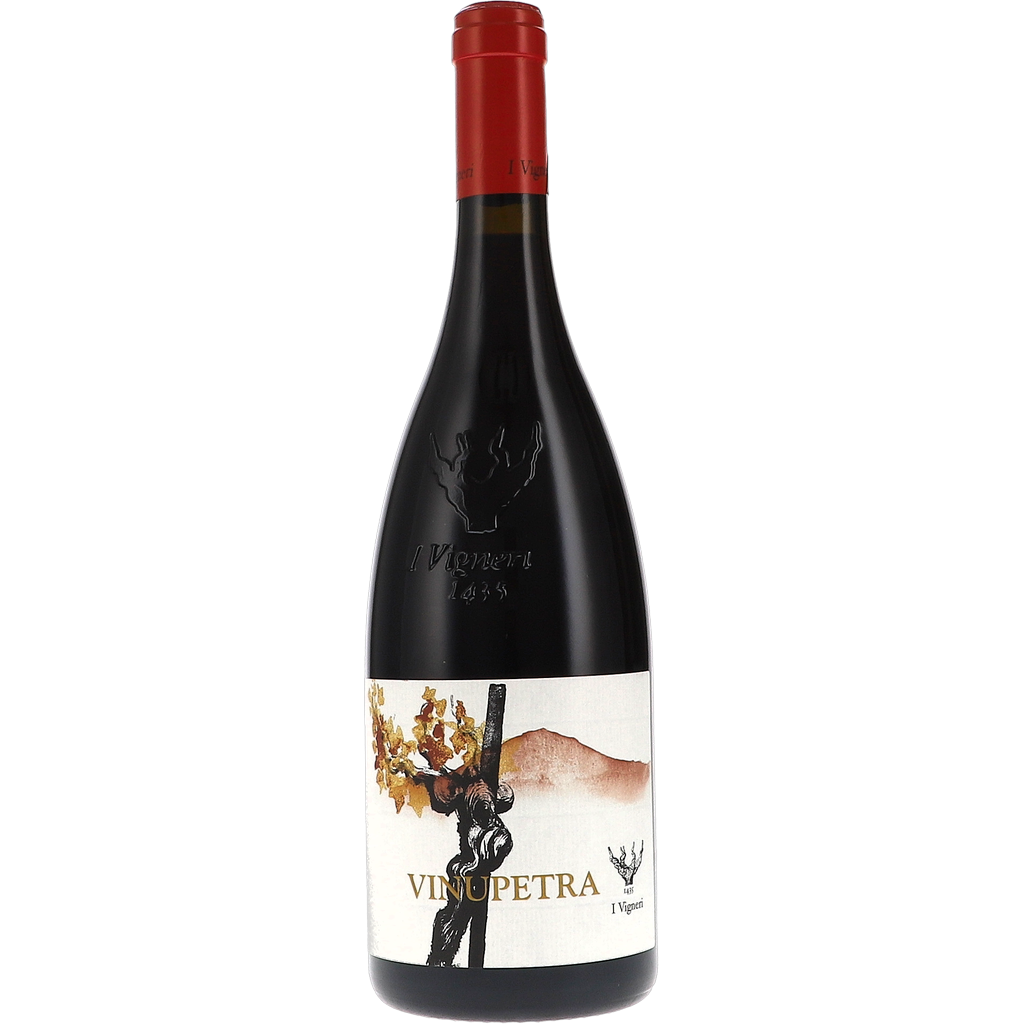
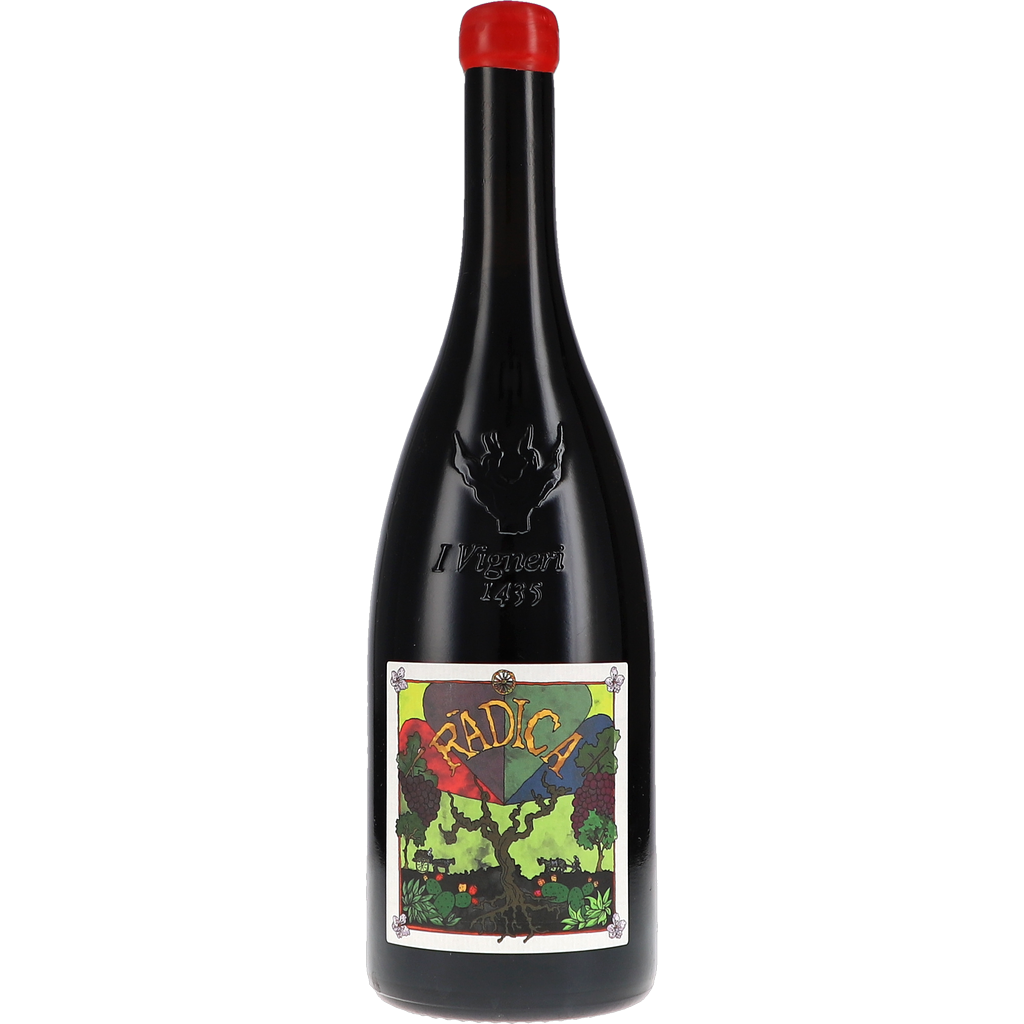
The Vinupetra comes from the Calderara vineyard in the Porcheria district, 0.5 hectares at 700 metres. The vines average over a hundred years old and comprise Nerello Mascalese, Nerello Cappuccio, Alicante and Francisi. Vinupetra means "wine of stone".
Alberello etneo and chestnut poles
In the alberello system, each vine grows as its own individual bush and is worked by hand, supported by chestnut poles from Etna. Salvo Foti favours old vines, often ungrafted. Their grapes are harvested in small quantities. The vineyards rise to 1,200 metres, on soils of cooled lava, ash and sand. Here Nerello Mascalese yields pale-coloured red wines with fine acidity. Carricante, in the higher sites, produces white wines of saline minerality.
Palmento and the phases of the moon
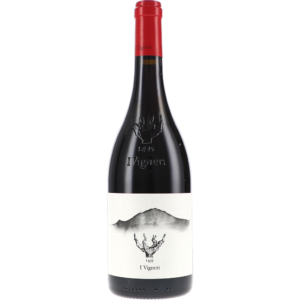
In the palmento, Etna's traditional press, I Vigneri processes the grapes following an age-old method. The I Vigneri Rosso is made there, forgoing Etna DOP classification as a result; it is sold as Vino Rosso. For it, 90 percent Nerello Mascalese and 10 percent Nerello Cappuccio from vines around twenty years old are hand-selected from the first or second week of October, crushed by foot without destemming and macerated for about eight days with skins and stems. Spontaneous fermentation lasts eight to ten days, and the wine is made without temperature control or oak barrels.
Fermentations begin with wild yeasts; for the Aurora, with a pied de cuve in stainless steel, after the must has settled for around thirty hours. Ageing takes place in used wooden barrels and concrete tanks. For the VignadiMilo, neither sulfites nor cultured yeasts, temperature control or filtration are used. Racking and bottling follow the phases of the moon, and gravity moves the wine.