Marco de Bartoli
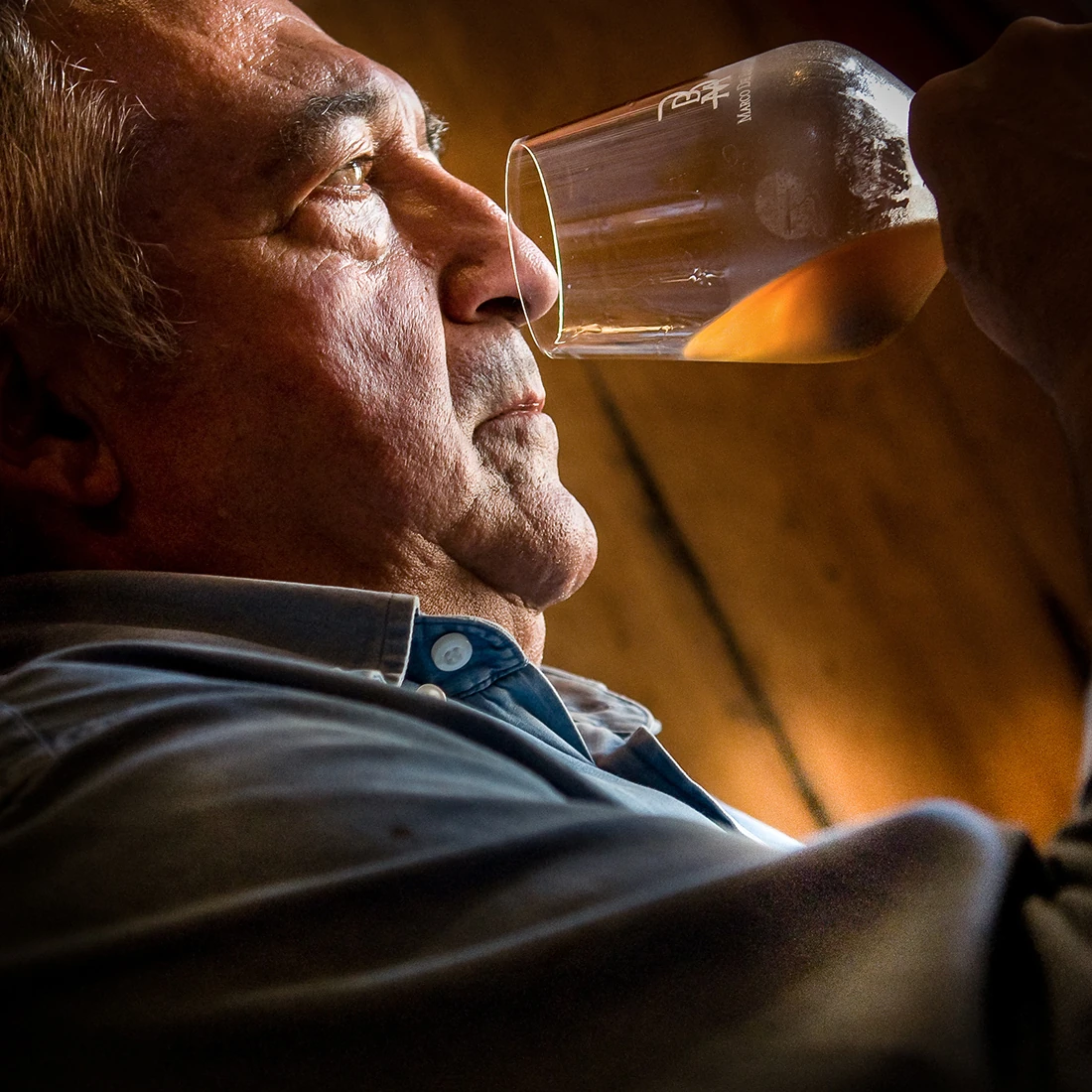
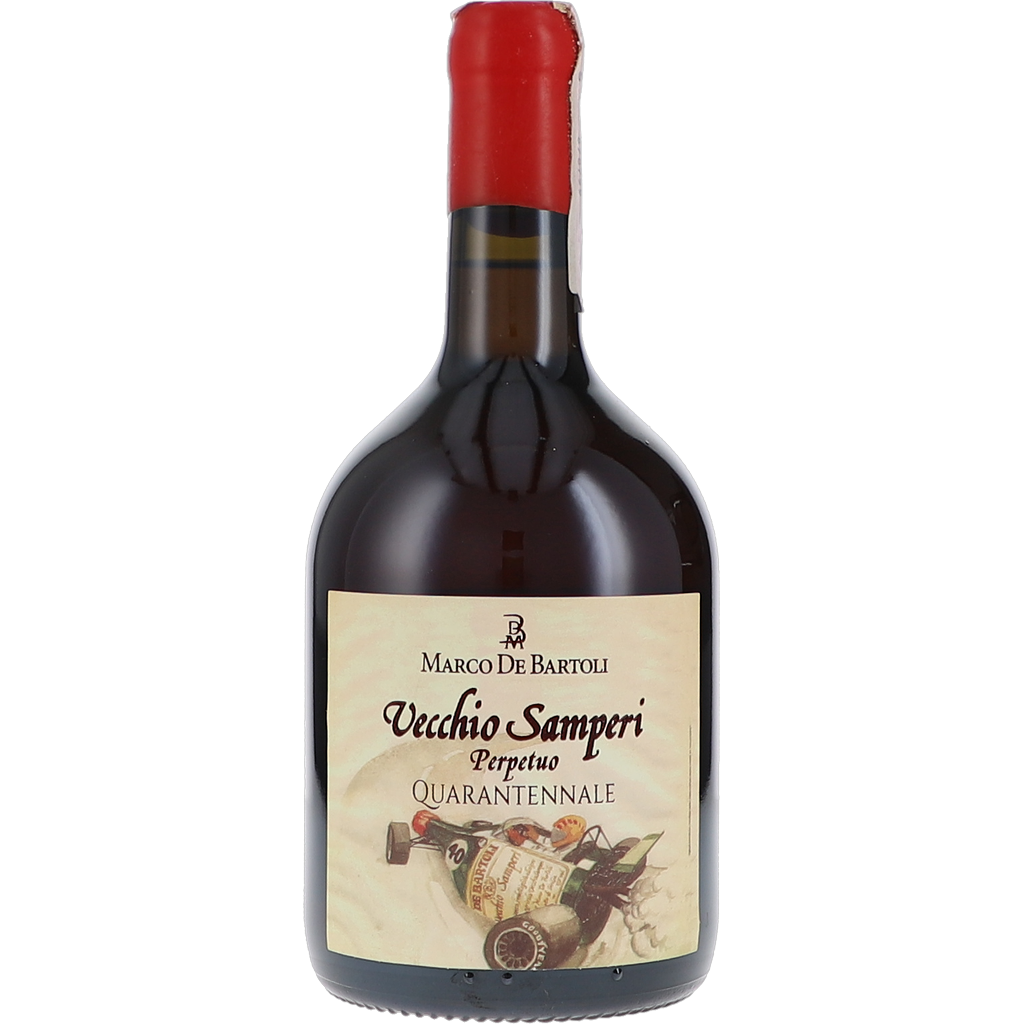
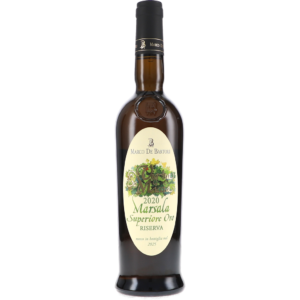
Marco de Bartoli farms 30 hectares in western Sicily at Samperi, near Marsala, organically and with native grape varieties, including Grillo and Zibibbo. Marco de Bartoli raced competitively for ten years before returning to the family estate in the 1970s, bottling the first barriques from the reconstructed cellar in 1978. His Vecchio Samperi ages using the Perpetuum method, in which young wine is continually blended into older vintages; the Quarantennale thus reaches forty years of age. In 1984, Bukkuram was added on the volcanic island of Pantelleria, where Zibibbo grows on five hectares trained as alberello pantesco. Today his children Renato and Giuseppina de Bartoli run the estate.
From motor racing back to Samperi
Marco de Bartoli raced competitively for ten years and collected vintage cars before returning to the family estate in Samperi, near Marsala, in the 1970s. There he gathered old solera barrels and reconstructed the family's historic cellar; in 1978 he bottled the first barriques. He framed his motto loosely after Gaudí: "Originality is achieved by returning to one's roots." Between 1995 and 2000 the winery remained closed, as the authorities argued that a wine with 18 percent alcohol could not be classified as wine.
Grillo on the limestone soils of Marsala
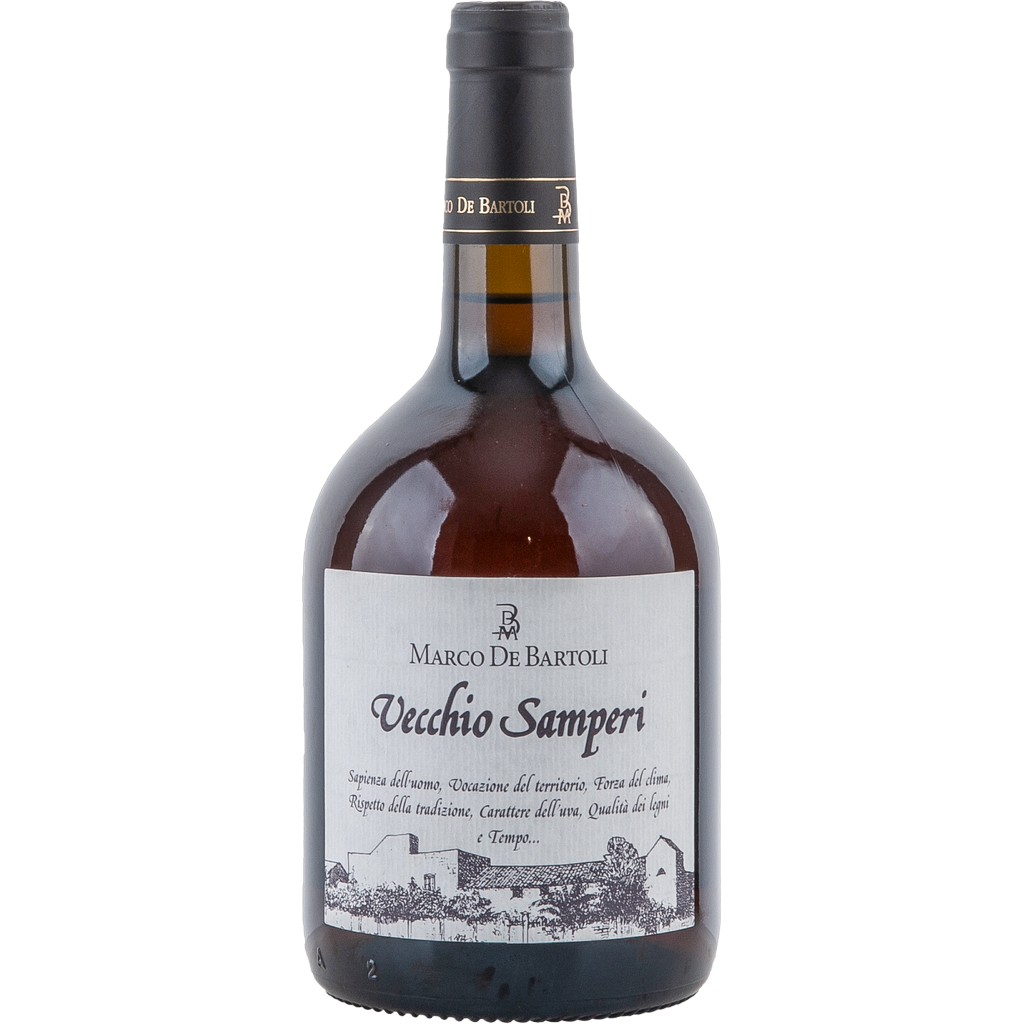
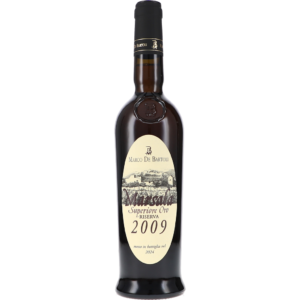
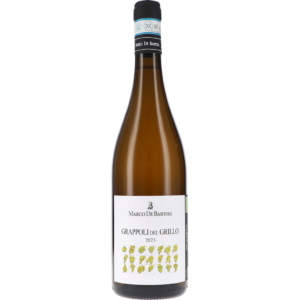
The Grillo grape has grown since Phoenician times on the lime-rich soils around Marsala, combining high natural acidity with the ability to reach high alcohol levels. The Vecchio Samperi ages using the Perpetuum method: young wine is continually added to older vintages, and the contents of the barrels are never fully depleted. In the glass, dried fruit, nuts and orange peel appear, alongside an acidity that cuts through the wine's richness and carries the finish a long way. In 1990, the Grappoli del Grillo became the estate's first single-varietal Grillo white wine.
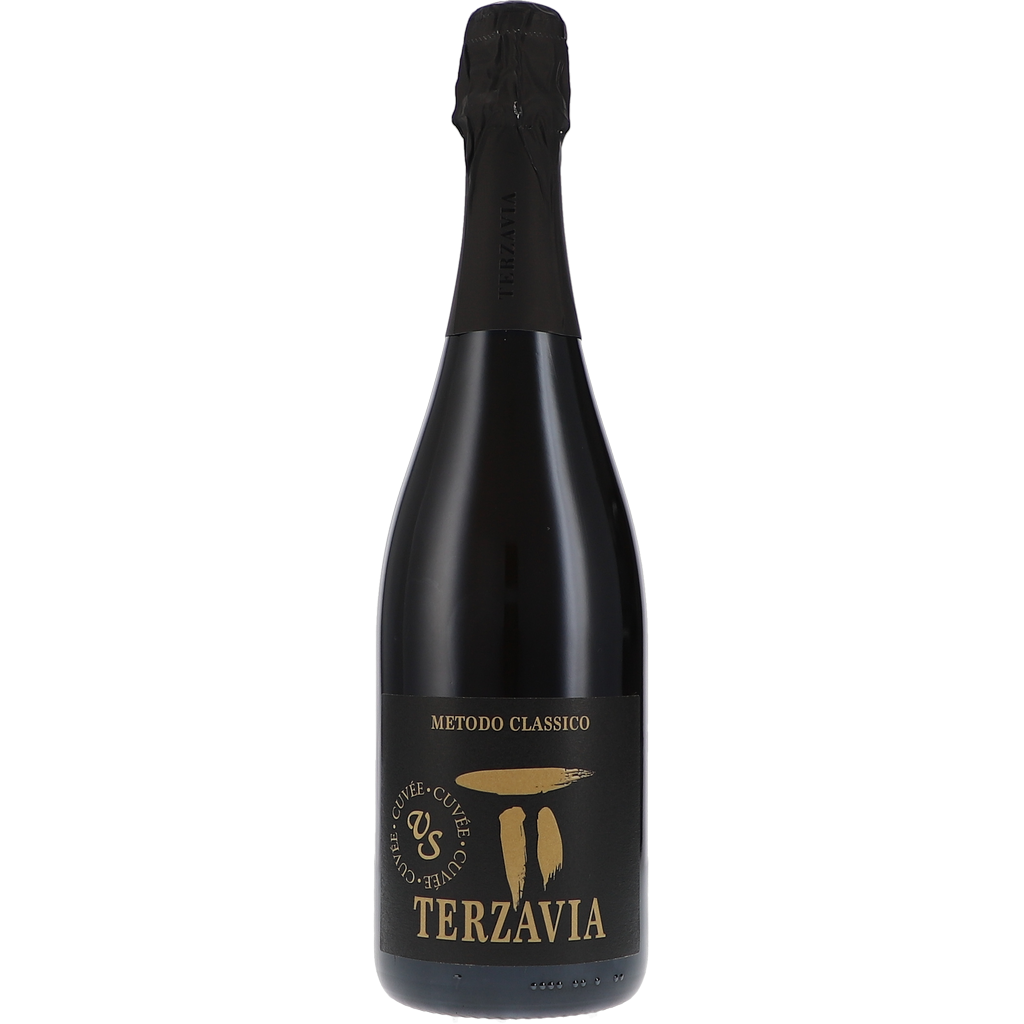
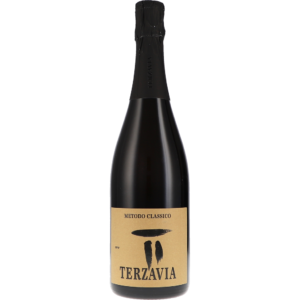
The Terzavia, the third path after Marsala and dry Grillo, is made entirely from Grillo. Harvest begins in the second week of August, the whole clusters are gently pressed, twenty percent ferments in French oak, the rest with natural yeasts in stainless steel. Tirage is done with fresh must instead of sugar, after which the wine matures for at least eighteen months on its own lees and remains undosed.
Bukkuram on Pantelleria
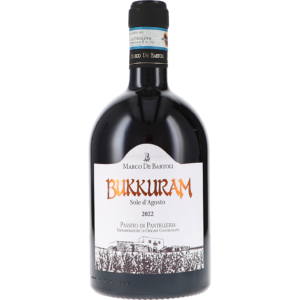
In 1984, Marco de Bartoli expanded the estate with Bukkuram on Pantelleria, the volcanic island a hundred kilometers southwest of Sicily. On the island's only southwest-facing plateau lie five hectares of vineyard and the winery, housed in an 18th-century dammuso. The Zibibbo vines grow low and free-standing as alberello pantesco, a cultivation method under UNESCO protection. For the Bukkuram "Sole d'Agosto," part of the grapes are harvested in mid-August and dried in the sun for two weeks. Five years after the first Bukkuram came Pietranera, a dry Zibibbo from terraced sites in northern Pantelleria.
Vineyard and cellar today
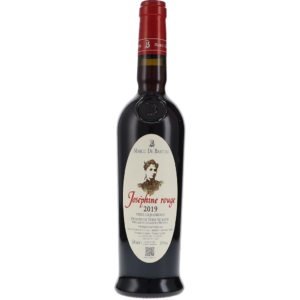
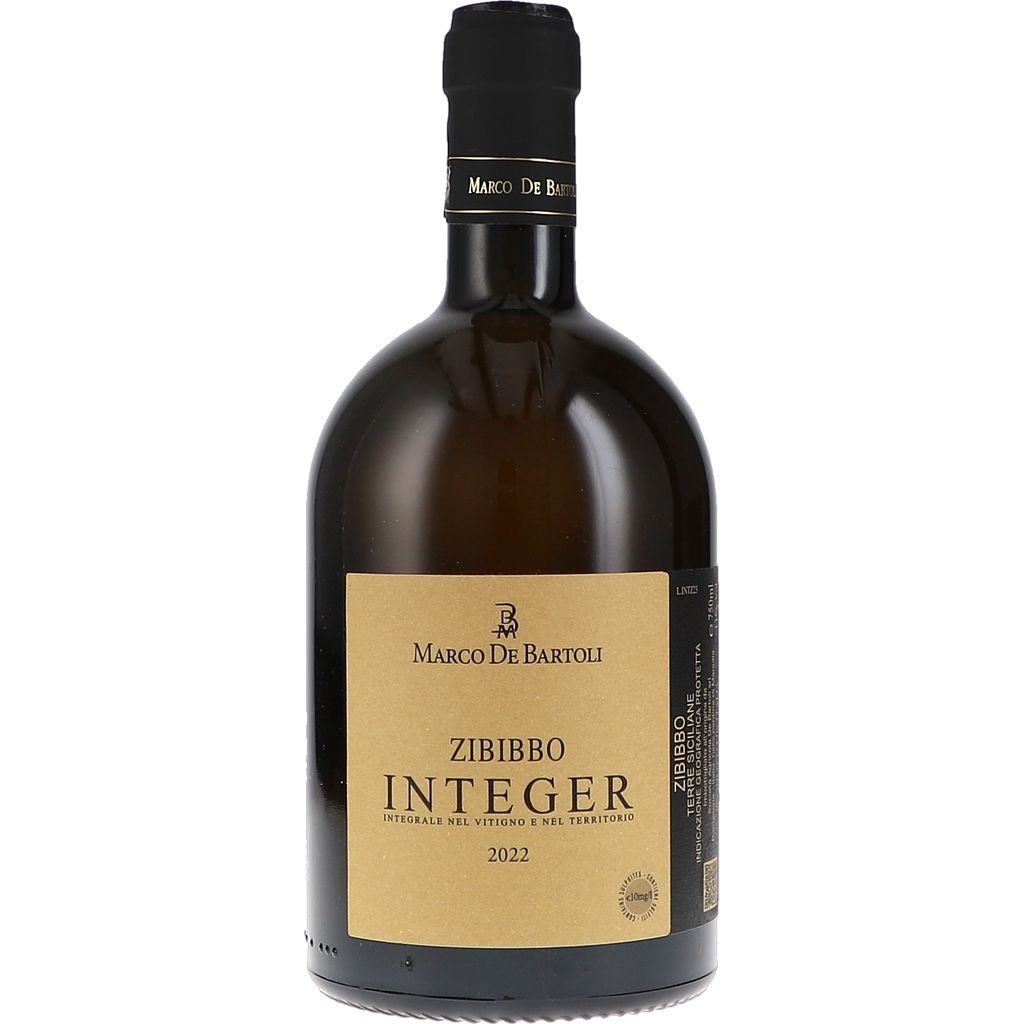
The family farms 30 hectares organically, with 3,500 vines per hectare in traditional alberello or Guyot training. Harvesting is done entirely by hand, fermentation with native yeasts. Renato de Bartoli oversees the vineyards and cellar in Samperi, while Giuseppina de Bartoli handles administration. Alongside Grillo and Zibibbo, the estate grows Catarratto, Lucido and Pignatello; Pignatello yields the Josèphine rouge, a vino liquoroso, and under the name Integer a Grillo and a Zibibbo made as orange wines. The estate's Marsala ranks, according to the New York Times, among the best sweet wines in the world.