Vallée de la Marne · Frankreich
Jérôme Blin
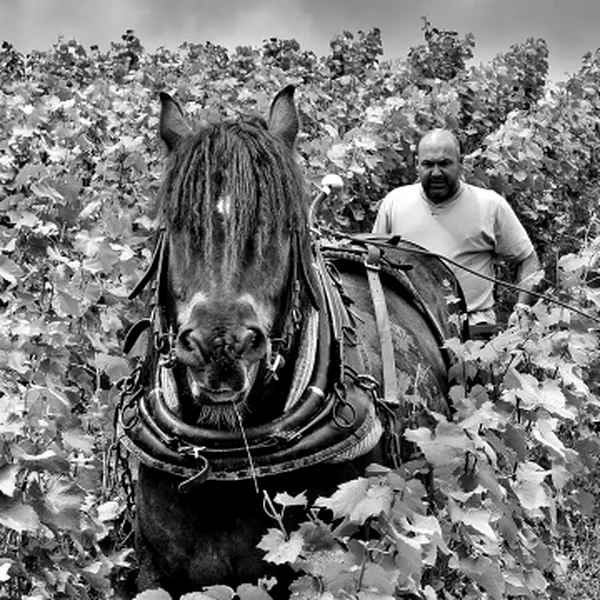
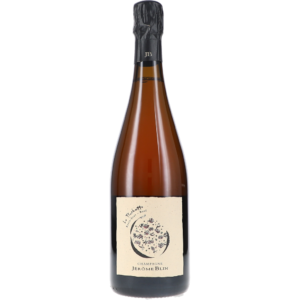
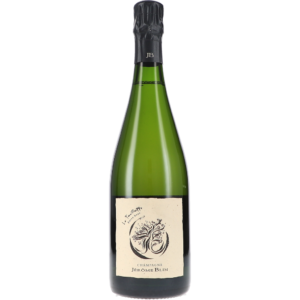
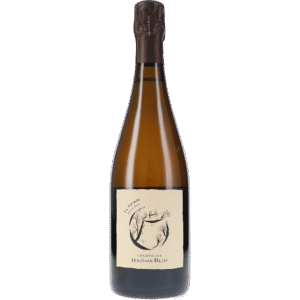
Champagne Jérôme Blin farms six hectares in Vincelles on the southern bank of the Marne, about twenty kilometres west of Épernay. The Blin family has grown vines here since 1671; Jérôme Blin returned in 1996 to the then conventionally farmed estate, converted it to organic viticulture in 2012 and has worked biodynamically since 2018. Two Comtois draft horses plough the rows, and a sheep keeps the grass short. Seventy percent of the vines are Pinot Meunier, and each parcel is vinified separately. Most of the champagnes leave the cellar with no dosage: the acidity stays taut, and the Meunier's fruit shows openly.
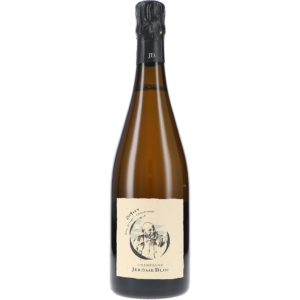
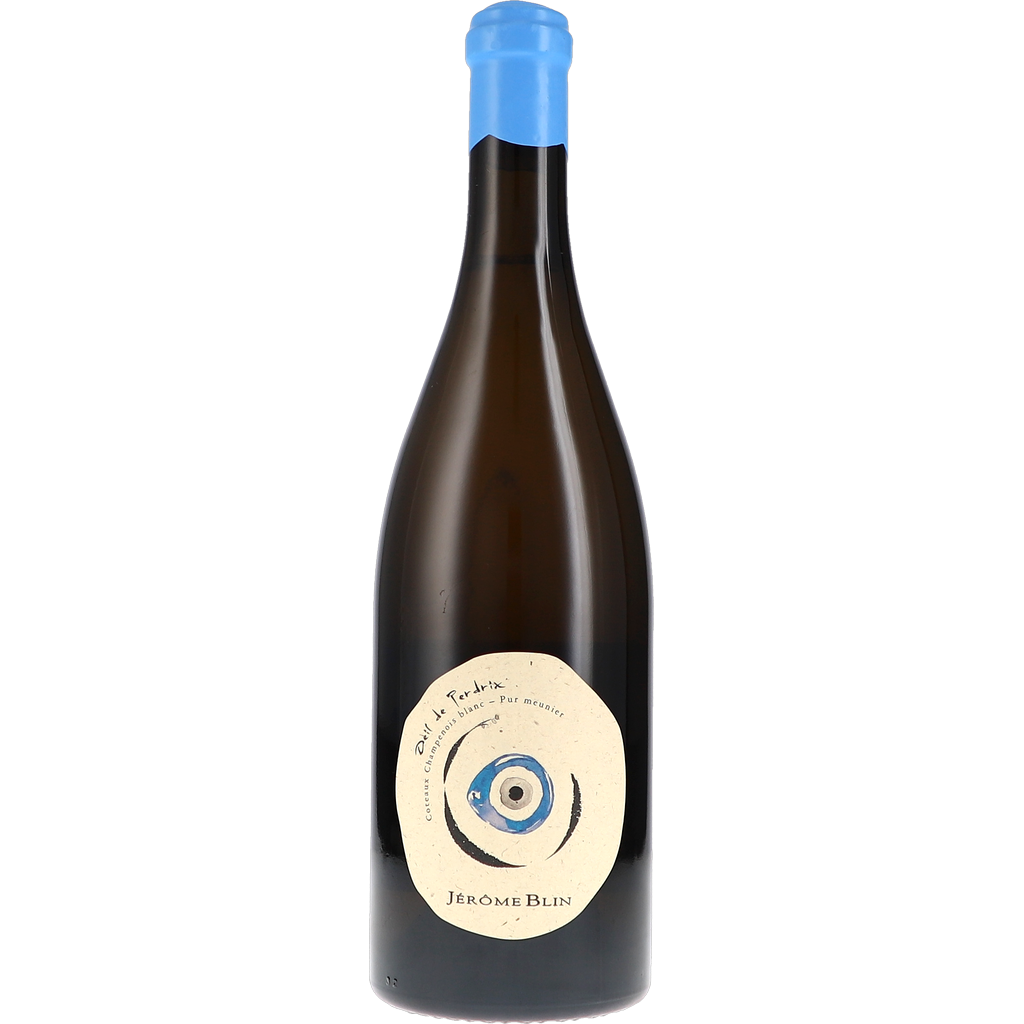
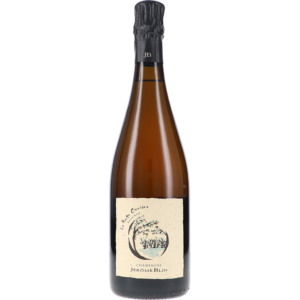
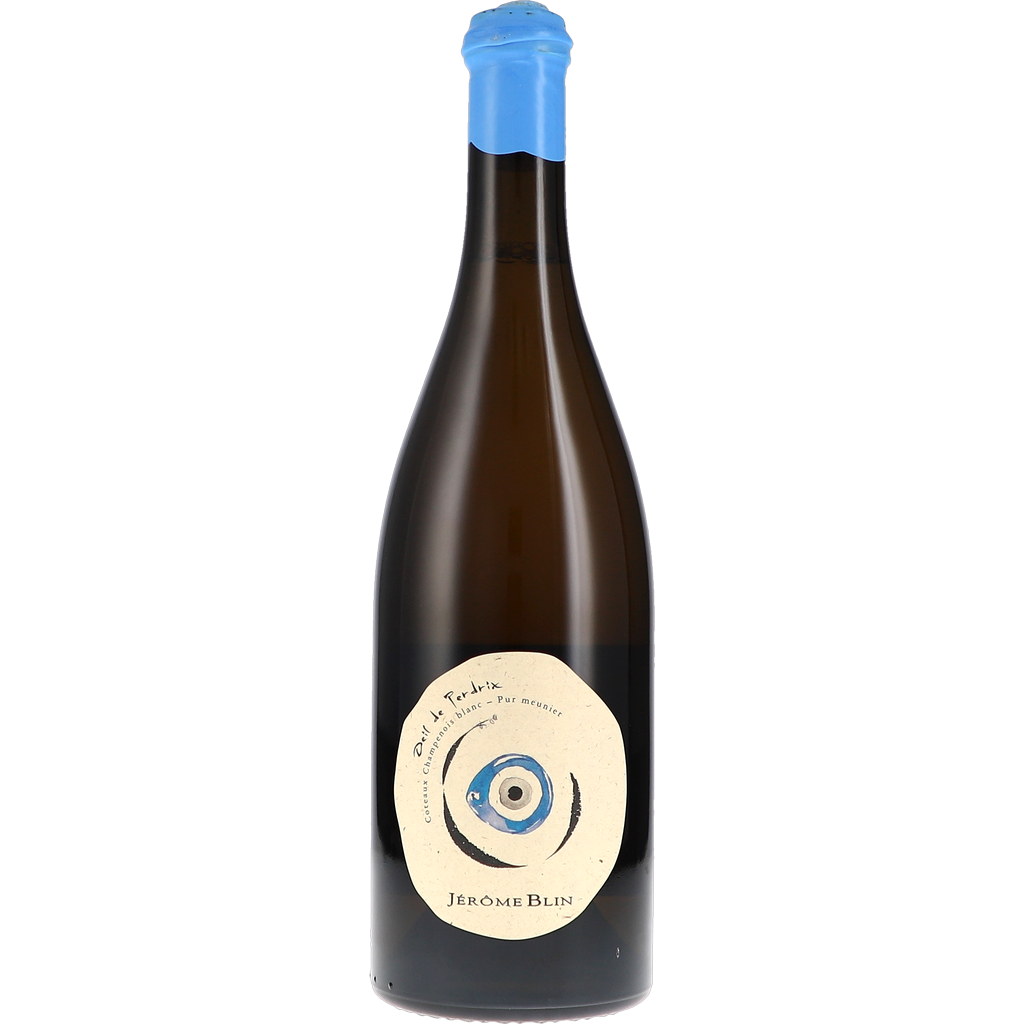
Vincelles on the southern bank of the Marne
Vincelles lies in the Marne Valley, about twenty kilometres west of Épernay, on the southern bank of the river. The Blin family has grown vines here since 1671. Jérôme Blin returned to the estate in 1996, when it was still farmed conventionally. Today the property covers six hectares, spread across numerous lieux-dits with varying soil types: clay, limestone, sand and flint. Pinot Meunier accounts for seventy percent of the vineyard area and defines the plots around Vincelles.
The conversion from 2012 and working with horses
In 2012 Jérôme Blin began the conversion to organic viticulture, followed in 2018 by the move to biodynamic practice. Herbicides and synthetic fertilisers disappeared from the vineyards, and with them the tractors. Since then the two Comtois draft horses, Naya and Quartz, have ploughed the rows, while a sheep named Chouquette keeps the grass between the vines short.
Lieux-dits and grape varieties
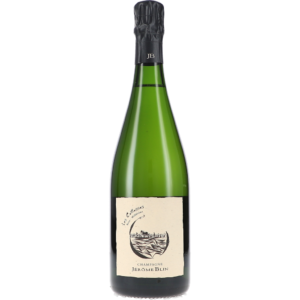
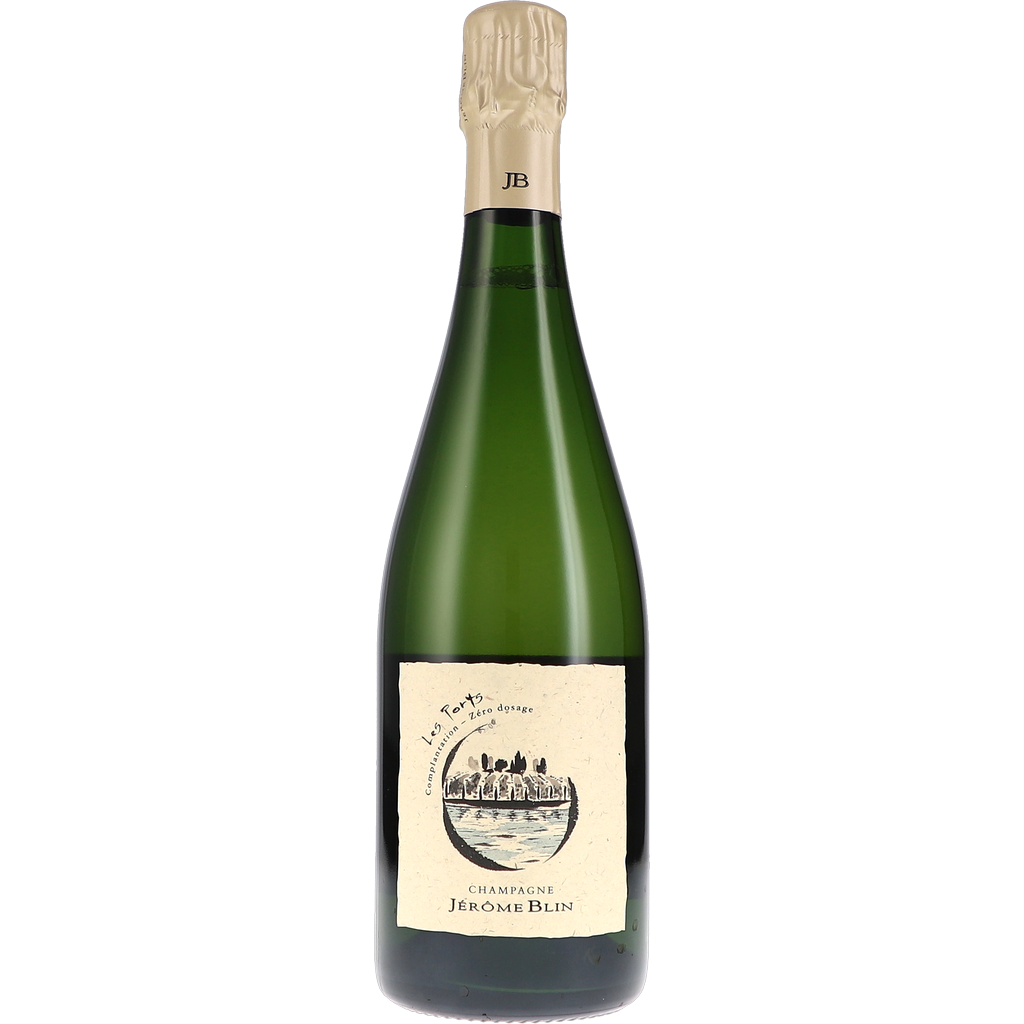
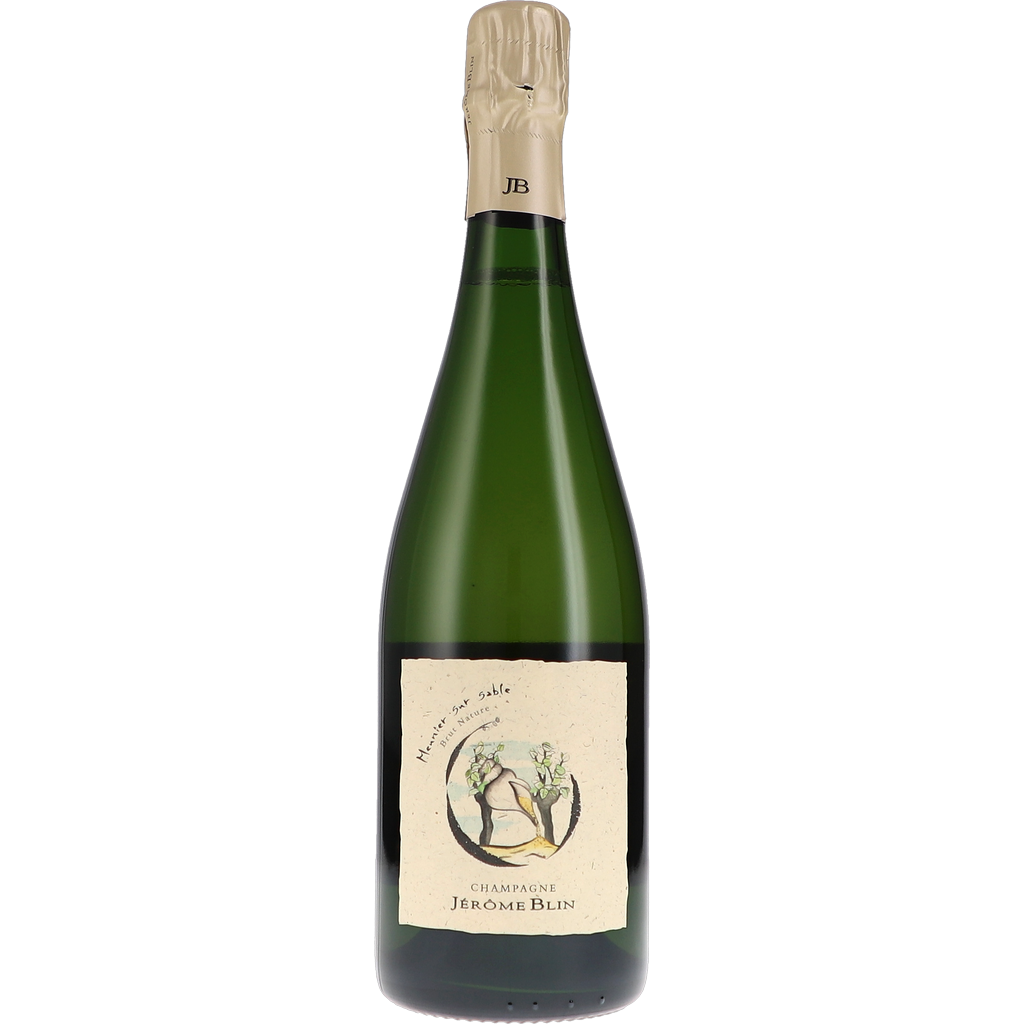
Each site is harvested and vinified separately. Meunier sur Sable comes from sandy Eocene soils, from fifty-year-old vines; the wine ages half in barrique, half in stainless steel, with no malolactic fermentation and no fining. Les Ports comes from a complantation, a field blend planted in the 1970s in Vincelles: ninety percent Meunier, alongside Petit Meslier, Pinot Noir, Pinot Blanc and Pinot Gris, harvested together, the base wine aged in barrique. La Haute Cirrière grows on the highest parcels, Meunier and Pinot Noir in equal parts, vines around fifty years old, on more clay-rich, silty limestone marl. From stony subsoil comes Les Caillasses.
Fermentation, lees ageing, dosage
The wines ferment spontaneously with their own yeasts and spend a long time on the lees. La Varoce is made from sixty percent Meunier, thirty percent Chardonnay and ten percent Pinot Noir, from vines around thirty-five years old on limestone marl and clay; the wine ages in stainless steel and spends almost three years on lees. Disgorgement is mostly done with no dosage, otherwise within the extra brut range; La Pouillote receives three grams, making it the estate's most generous champagne. Alongside the champagnes, Jérôme Blin produces a Coteaux Champenois from pure Pinot Meunier, aged in clay vessel and in barrel.