Vallée de la Marne · Frankreich
Tarlant
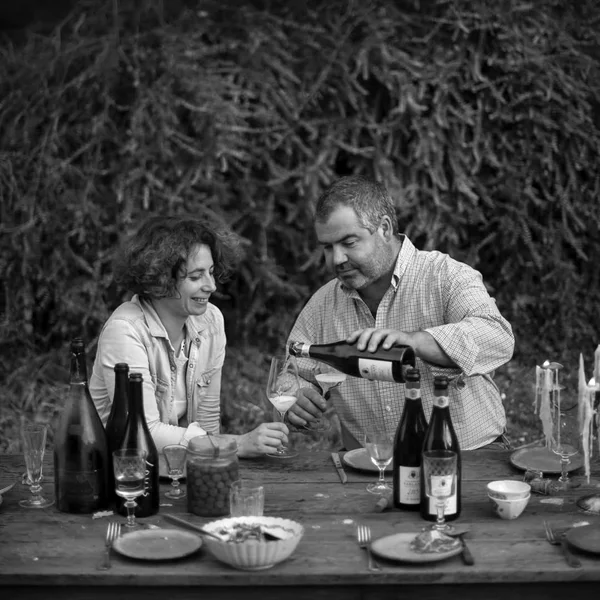
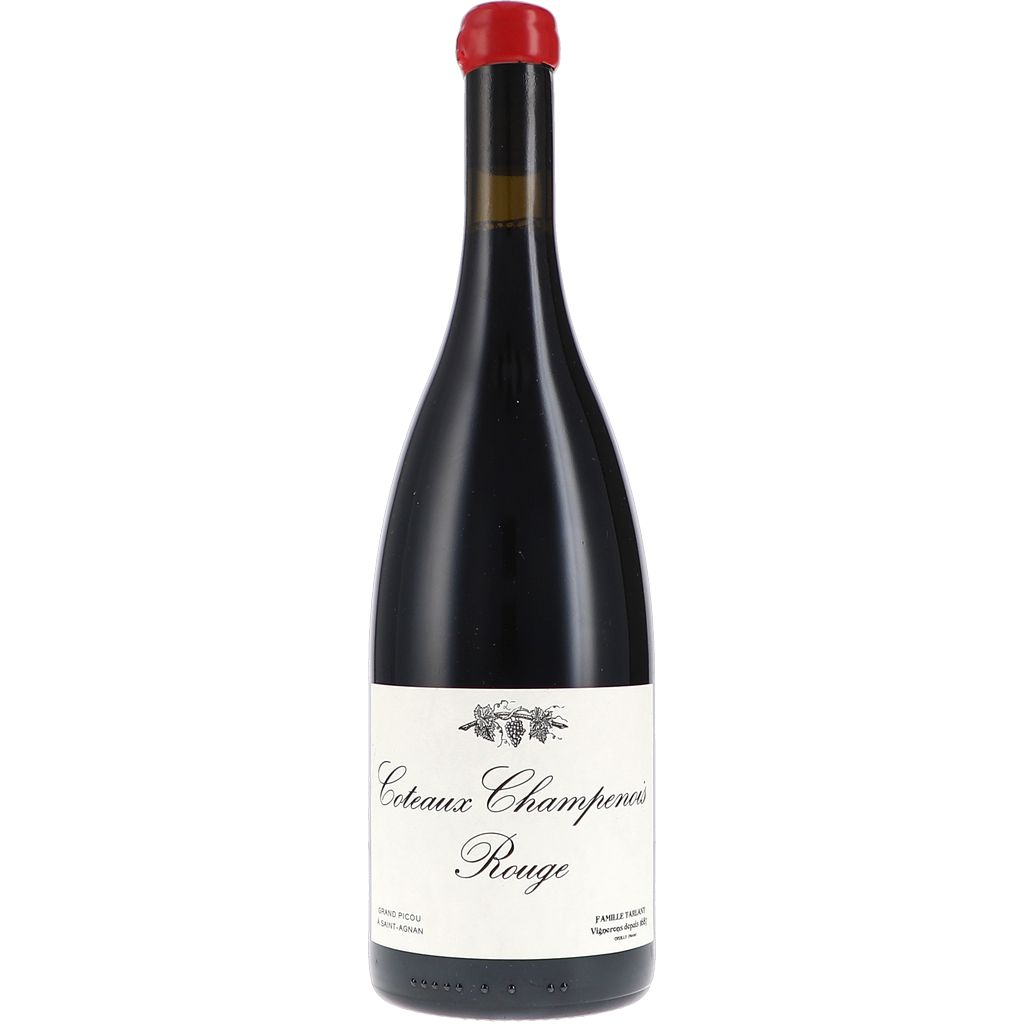
Champagne Tarlant farms 14 hectares in Œuilly and Celles-lès-Condé in the Vallée de la Marne, spread across more than 55 parcels and planted with all seven classic Champagne grape varieties. Benoît and Mélanie Tarlant run the estate in its twelfth generation; the family has been based in Œuilly since 1687. He works the vineyard and cellar, she handles sales and management. Since the late 1970s, Tarlant has bottled without dosage, with over 90 percent of production as Brut Nature. The parcels sit on chalk, limestone and clay.
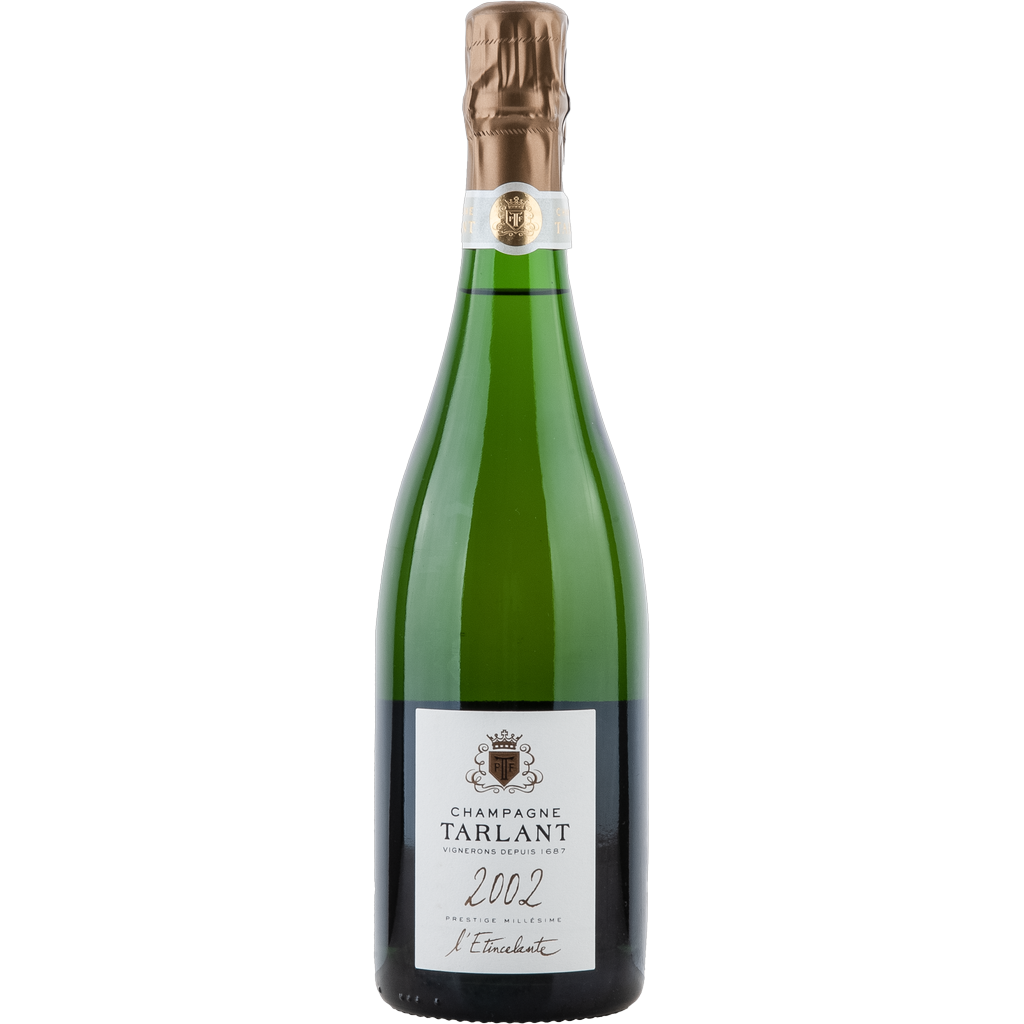
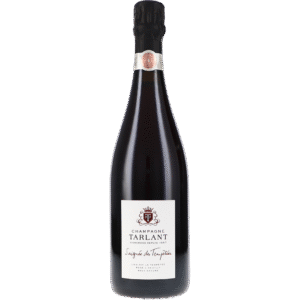
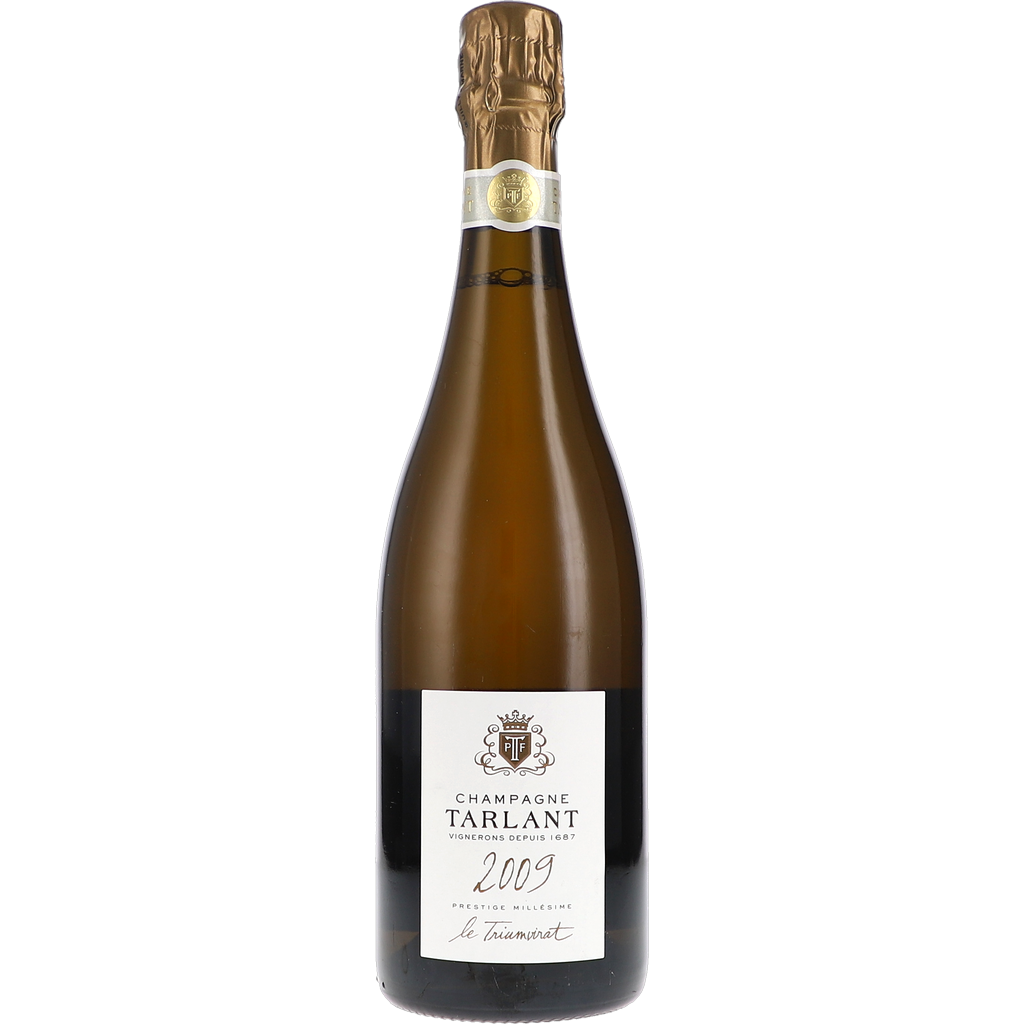
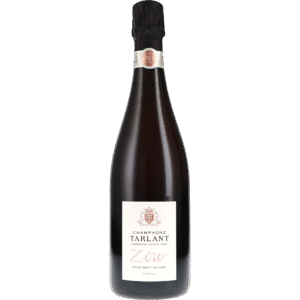
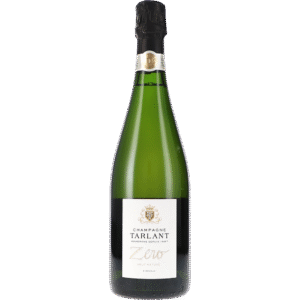
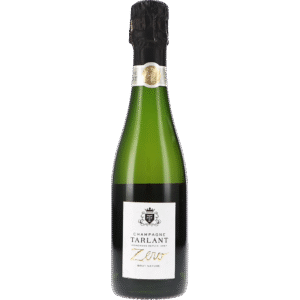
Louis Tarlant, mayor of Œuilly
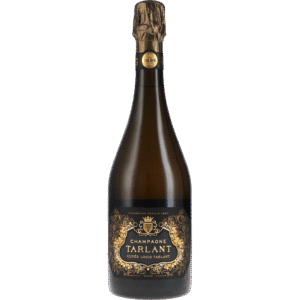
In 1911, growers in Champagne protested against the big houses selling as champagne grapes bought in from other regions, even as far as Portugal. Louis Tarlant, as mayor of Œuilly, organised the resistance and that same year helped define the boundaries of Champagne. Returning from the First World War to devastated vineyards, he decided never again to sell a single grape to the big houses. In 1928 he bottled his first own cuvée.
Jean-Mary Tarlant and giving up dosage
In the late 1970s, Jean-Mary Tarlant, father of Benoît and Mélanie, began bottling his champagnes without any dosage; with no sugar added, nothing can be corrected after the second fermentation. To make that work, he returned to fermentation in wooden barrels. Today Benoît Tarlant works with wild yeasts, skips malolactic fermentation and bottles unfiltered. In the vineyard he disturbs the soil as little as possible, ploughing shallow beneath the row and maintaining natural cover between rows. Pruning follows the Poussard method, fertilising is done with green manure or organic fertiliser, and against disease pressure he uses herbal infusions. Herbicides and synthetic pesticides are never used.
Old vines in Œuilly
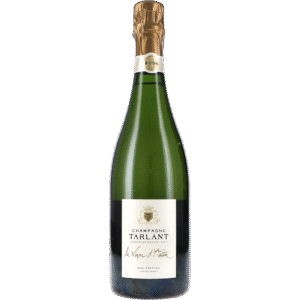
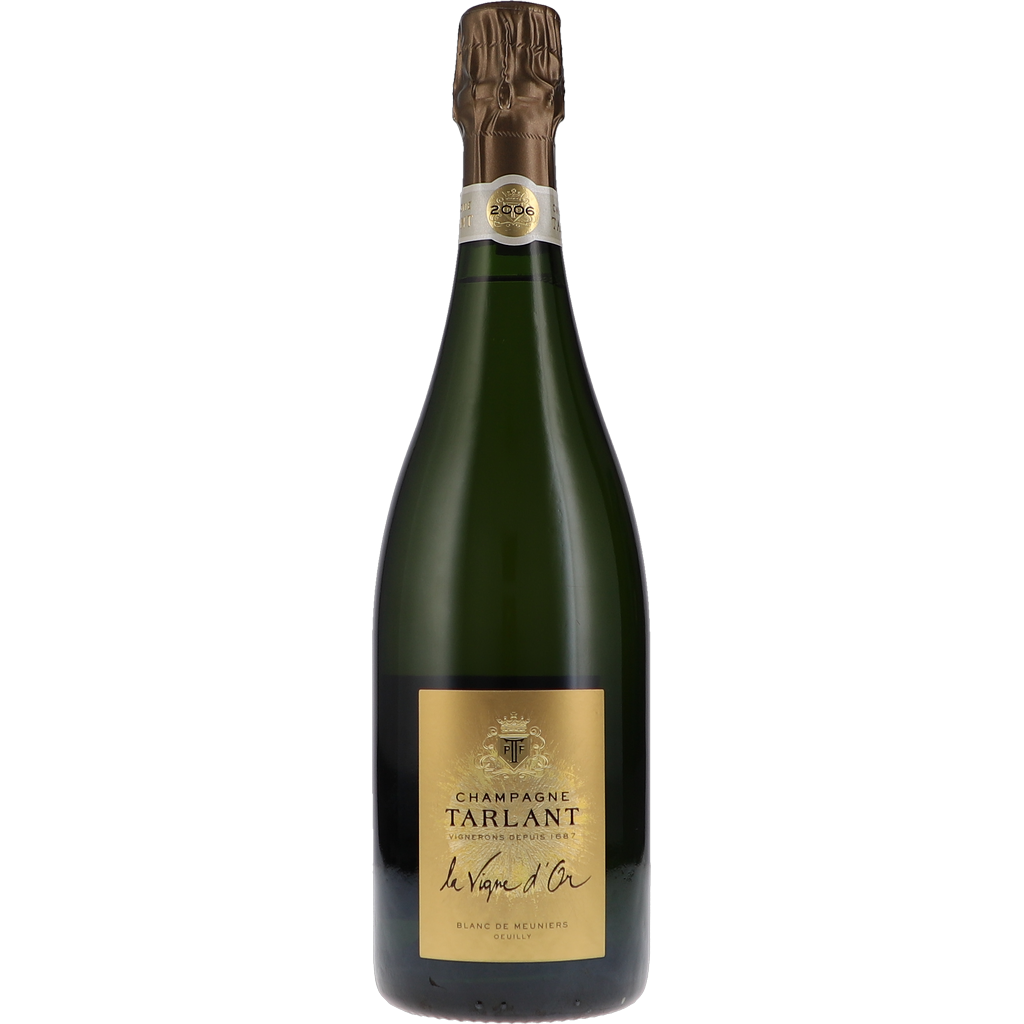
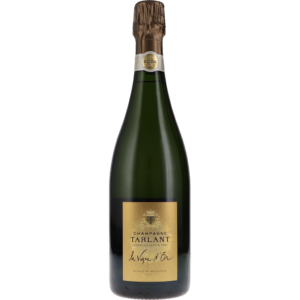
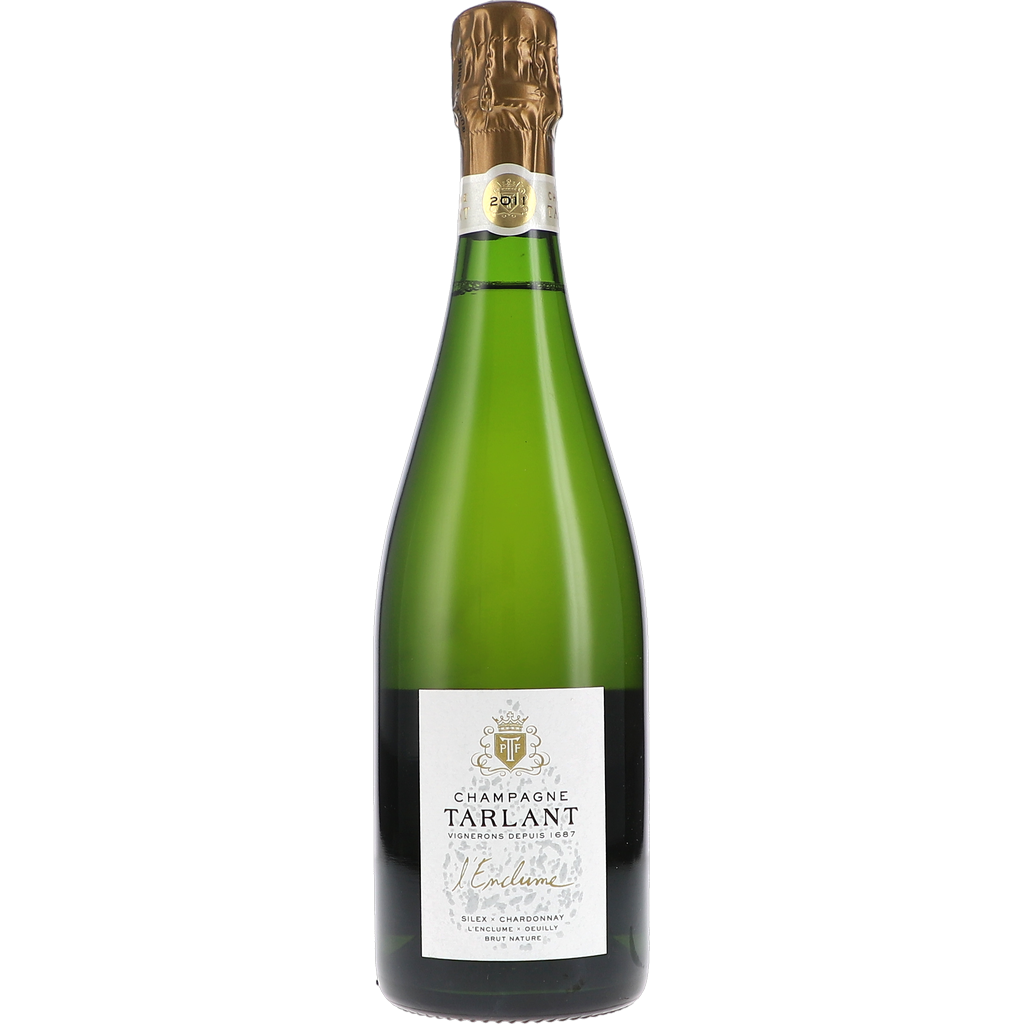
In the sandy soil of the Les Sables plot, phylloxera never took hold. In 1962 the family raised ungrafted Chardonnay vines there by layering, known as provignage: a shoot is buried until it develops its own roots. These give rise to La Vigne d'Antan, a Blanc de Blancs that ages eight to twelve years on the lees. The Meunier for La Vigne d'Or grows in the lieu-dit Pierre de Bellevue above the Marne, at 125 metres elevation with a fifteen percent slope facing northeast, on Sparnacian limestone and clay; Germaine and Georges Tarlant planted it in 1947 by mass selection. The Chardonnay plot L'Enclume sits on flint, while Les Bouleaux and La Perchape next to it sit on chalk.
Celles-lès-Condé and the rare varieties
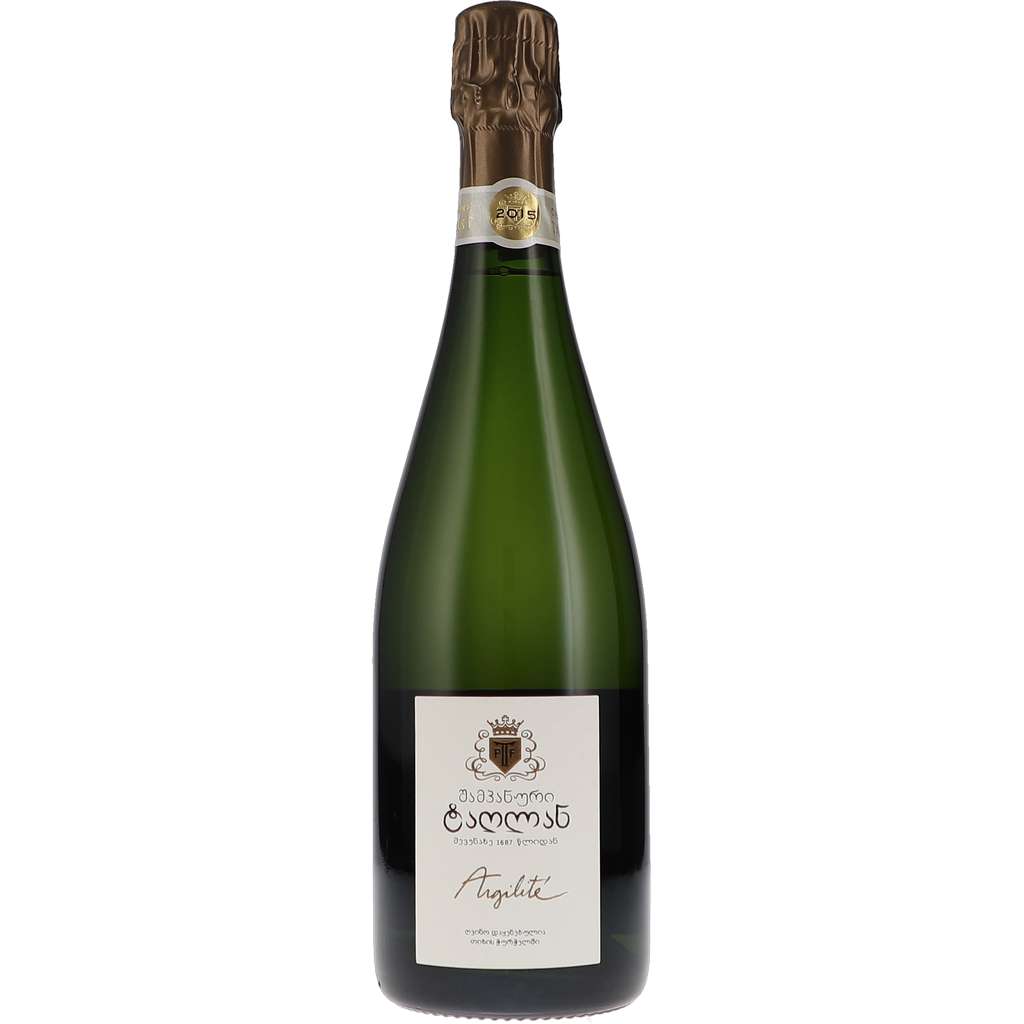
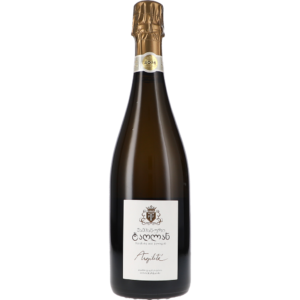
In Celles-lès-Condé, also in the Vallée de la Marne, the family farms Mocque Tonneau, Le Métier and Haut du Four à Chaux on hard Lutetian limestone with lignite. In the same commune lies the single vineyard Notre Dame, at 120 metres, with a twenty percent south-facing slope, where the Surmelin and the Dhuys meet; Maurice Boiselle, Jean-Mary and Micheline Tarlant planted it in 1987 by mass selection. The wine made from it is called Argilité and ferments spontaneously in terracotta amphorae.
The seven varieties also include Pinot Blanc, Arbane and Petit Meslier, which come together in BAM!, rounded out with reserve wines from a solera. Benoît Tarlant sees these late-ripening varieties as a response to climate change: "Diversity among the plants is the key to becoming more resilient."