Johannes Zillinger
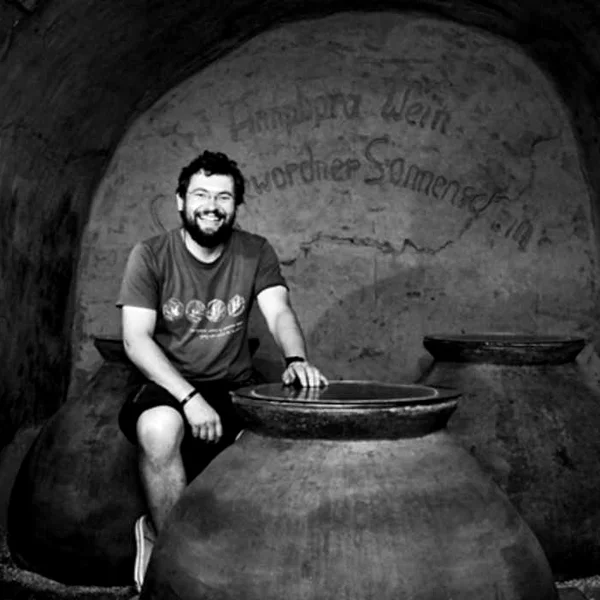
Johannes Zillinger Winery farms 23 hectares on limestone-sandstone soils around Velm-Götzendorf in the southeastern Weinviertel. Johannes Zillinger took over the estate in 2012, the third generation to run it; his father Hans Zillinger had already converted it to organic farming back in 1984. Since a trip to Georgia in 2011, over 60 percent of the wines are made in amphorae and large oak and acacia casks. Seventy percent of the vineyard area is planted with white varieties: Grüner Veltliner, Riesling, Sauvignon Blanc, Welschriesling and Muscat. In the flagship NUMEN line, the grapes ferment on their skins in clay vessels and age for months on the lees.
Velm-Götzendorf in the southeastern Weinviertel
The 23 hectares lie on limestone-sandstone soils around the village of Velm-Götzendorf. Seventy percent of the area is planted with white varieties, Grüner Veltliner, Riesling, Sauvignon Blanc, Welschriesling and Muscat; the rest is shared between Zweigelt, Sankt Laurent and fungus-resistant new breeds such as Roesler and Regent. On the eastern sides of the vineyards, Johannes Zillinger plants trees and shrubs that act as climate buffers. Herbs grow between the vine rows, which he uses to make teas and extracts for treating the vines, while Kunekune pigs and chickens loosen and fertilize the soil.
From David Zillinger to Johannes Zillinger
The winery has existed since 1673, founded by David Zillinger. The turning point toward today's estate came in 1984, when Hans Zillinger switched to organic farming, two years before the glycol scandal that shook winemaking in Austria. Johannes Zillinger has continued the work biodynamically since 2012. The Reflexion K cuvée brings together the favorite plots of grandfather, father and son, each part vinified using its own method.
The journey to Georgia and the kvevri
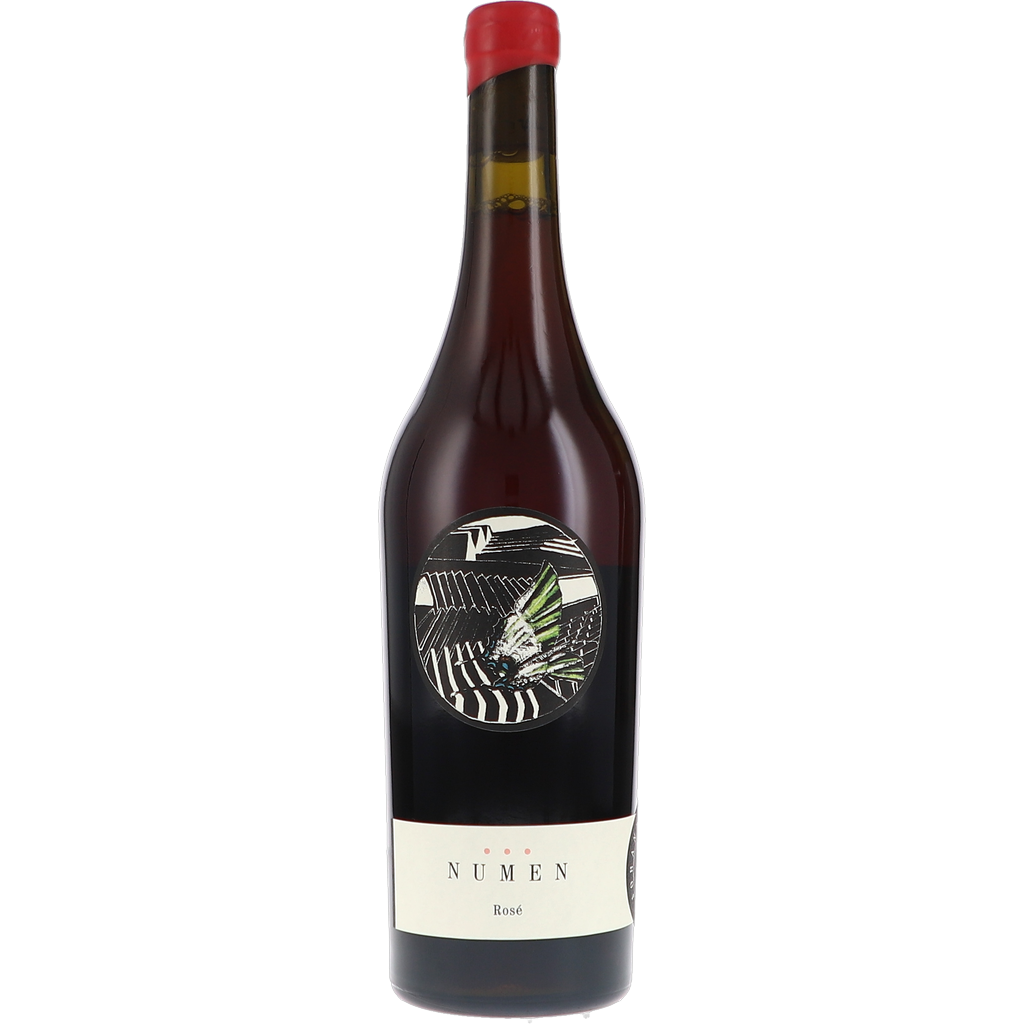
In 2011, Johannes Zillinger traveled to Georgia and saw grapes fermenting there in clay amphorae buried in the ground. Back in Velm-Götzendorf, he had kvevri shipped from Georgia and began experimenting; until then, the cellar had mainly relied on stainless steel. Today, the larger part of the wines ages in amphorae and in large oak and acacia casks. The NUMEN Sankt Laurent Rosé ferments for six months via carbonic maceration in amphorae, is hand-pressed, and then sediments for four months in 500-liter casks of acacia wood and oak.
NUMEN, Velue and the solera
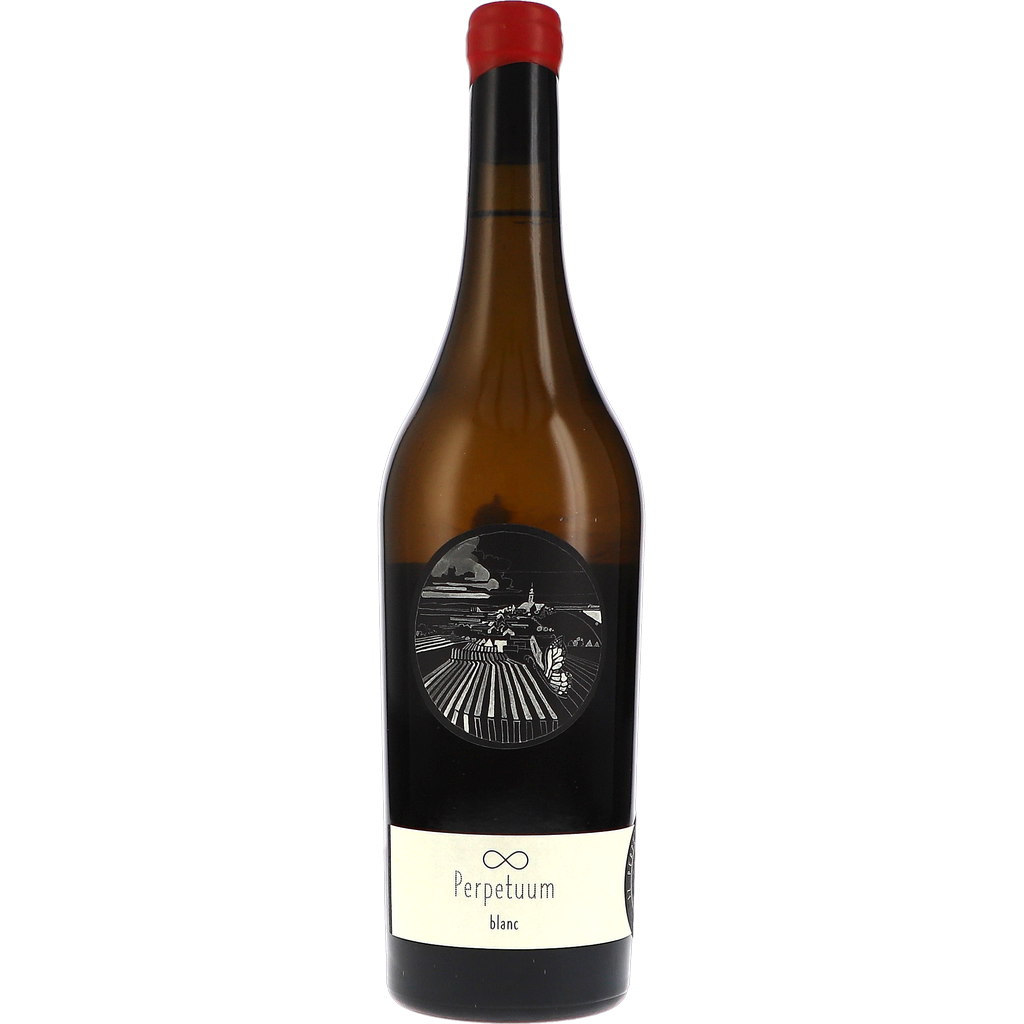
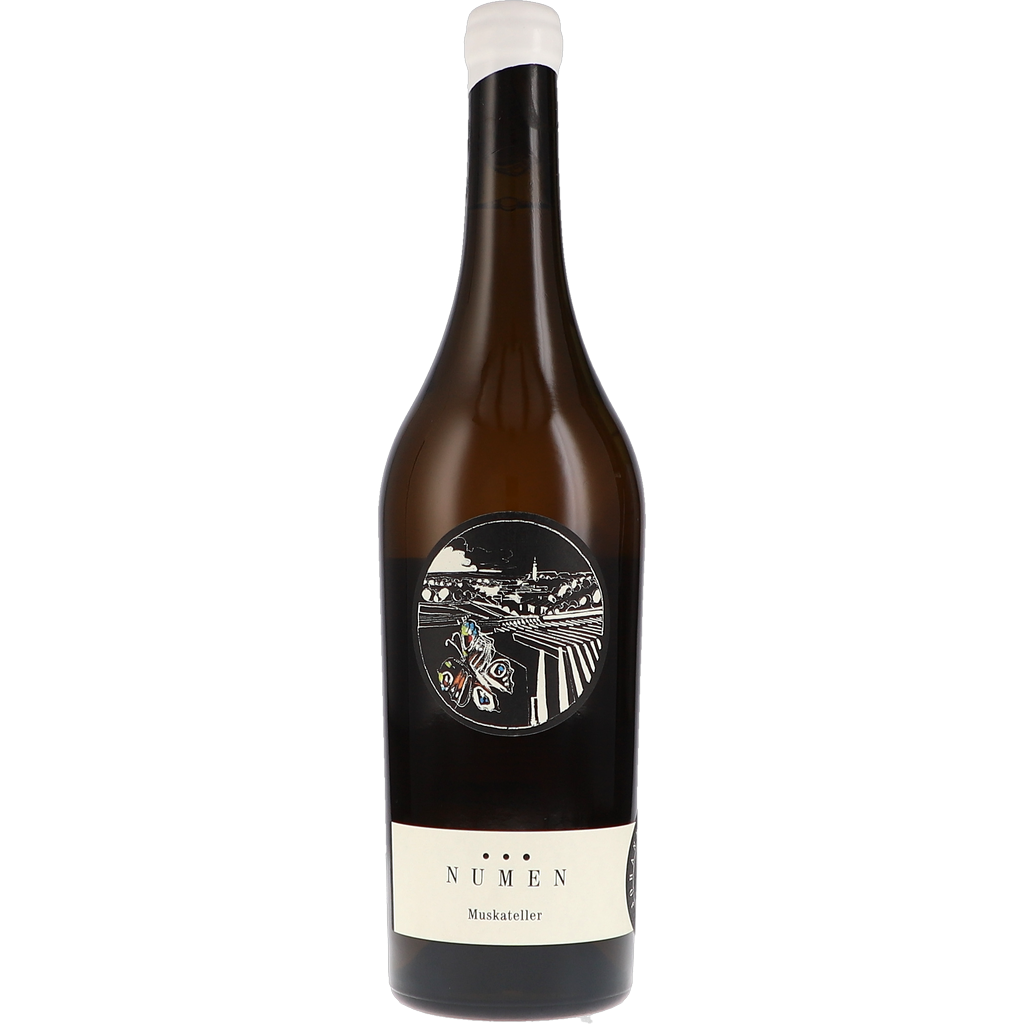
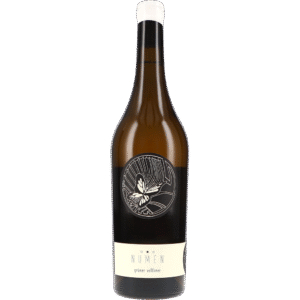
NUMEN denotes a metaphysical activity, the spirit of a place, and names the wines made with the least intervention. They ferment spontaneously on the skins in kvevri, rest on the lees for a long time, and are bottled unfiltered and unfined. The NUMEN Fumé Blanc comes from the oldest vines, ferments briefly in amphorae and ages sixteen months on the lees; the Gault&Millau jury named it Alternative Wine of the Year 2020. The entry-level Velue line bears the old name of the village of Velm and yields wines around 11.5 percent alcohol with a short skin-contact maceration.
In the JZ. Revolution line, Johannes Zillinger works on the solera principle: each year a portion is drawn off and bottled, with the remainder topped up with young wine, so that the vintages blend together over time and the quirks of individual years even out. White, rosé and red age in amphorae and stay below 30 milligrams of sulfur per liter. "Nature paints the most beautiful pictures; we merely frame these works of art," he says.