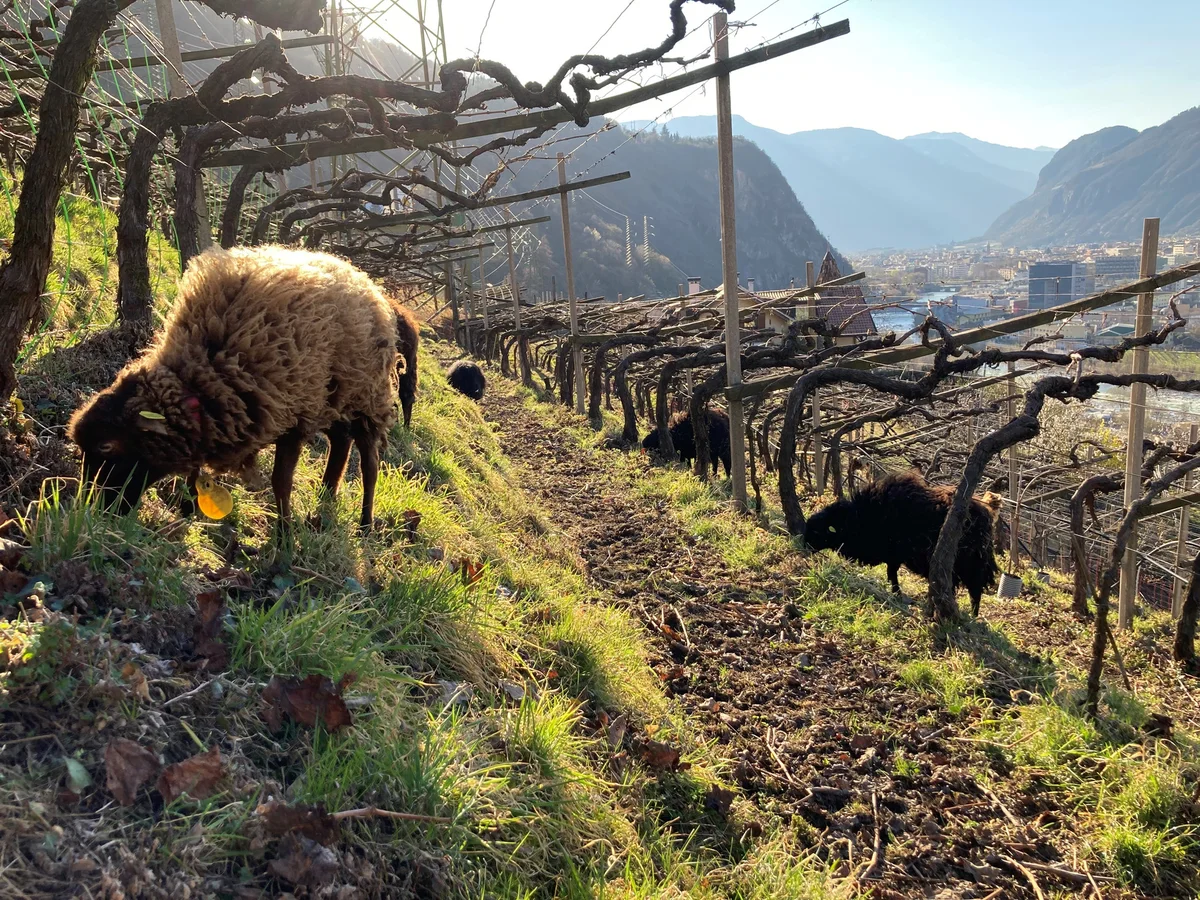
Eight Breton dwarf sheep graze among gnarled pergola vines as Martin Gojer climbs through his steep vineyard sites.
Weingut Pranzegg lies above Bolzano, where a north-westerly aspect and cool nights give rise to wines of unusual freshness.
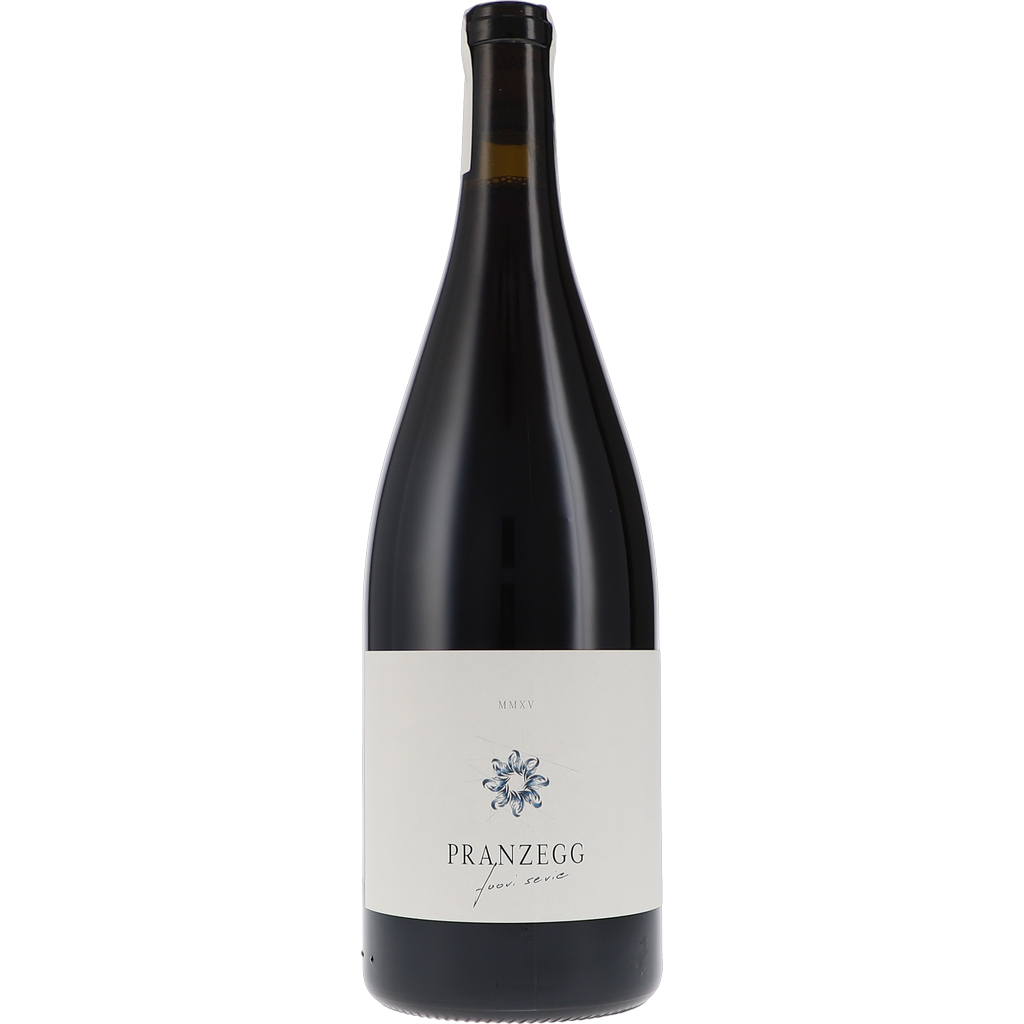
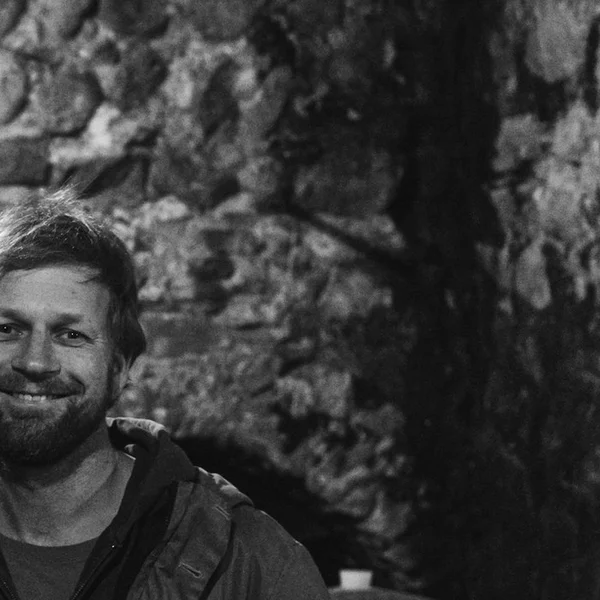
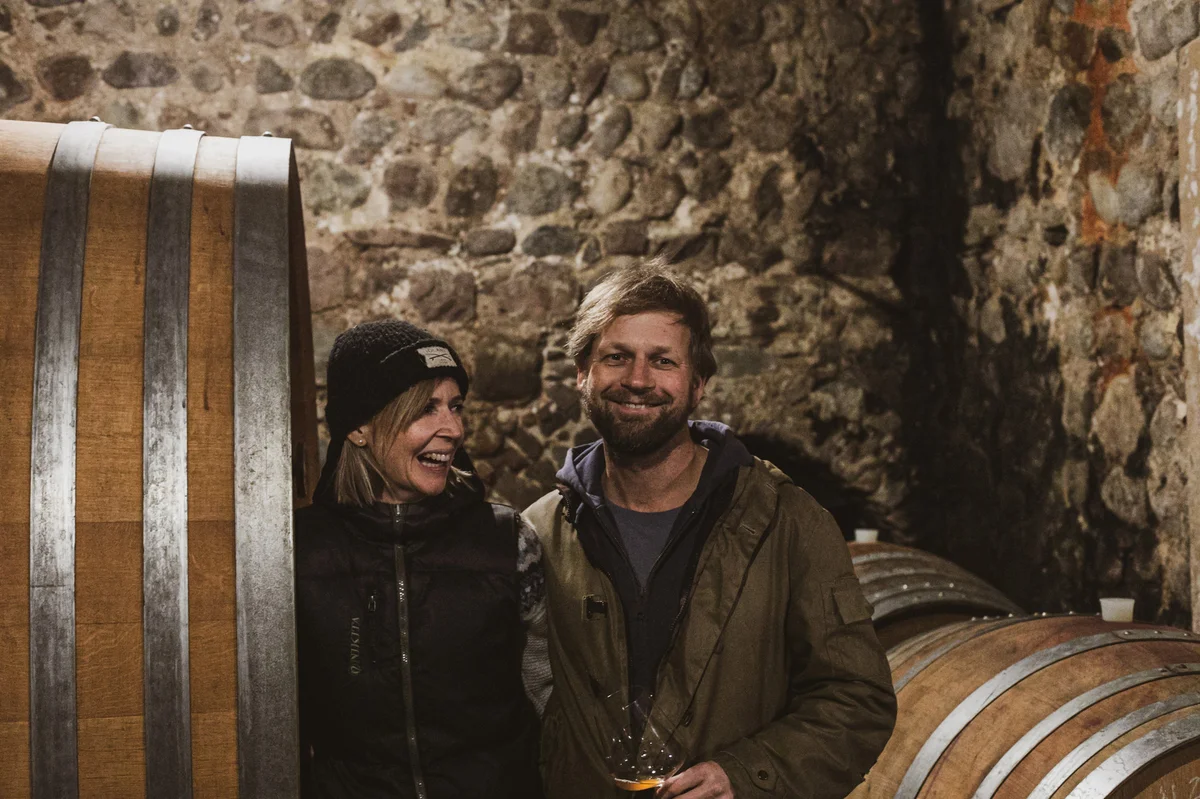
Since 2009, Martin and Marion have farmed biodynamically across just under four hectares. The Ouessant sheep keep the grass short and fertilise naturally. In the cellar, everything ferments spontaneously and matures in concrete and wood, without fining or filtration. The wines bear names such as Caroline (after their daughter) or MIAU! (complete with a cat on the label).
The North-West Side: Coolness Rather Than Power
Anyone familiar with South Tyrolean wines expects ripe fruit and warming richness. Pranzegg surprises with the opposite: the sites on the Kohlerer Berg and the Ritten face north-west, shaded by forest and swept by cool downslope winds.
Porphyry, basalt and granite define the volcanic soils. The result is wines with tension rather than opulence, with nervy acidity rather than jammy fruit.
Martin Gojer chose this outsider's position deliberately. While other South Tyrolean growers compete for points with concentrated wines, he focuses on drinkability and vitality. The
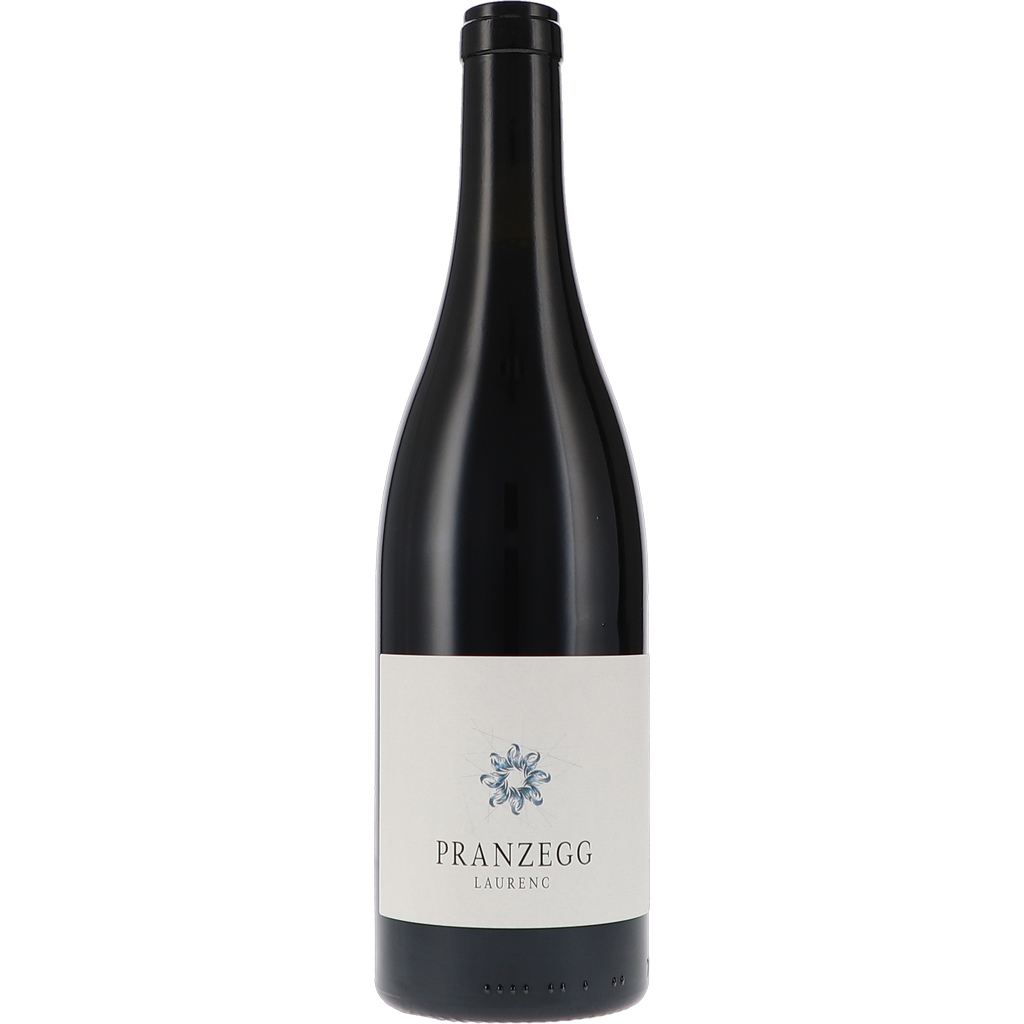
Laurenc from
Lagrein is a case in point: no muscle, but silky tannins and the scent of violets and wet slate.
Sheep, Cats and the Question of the C
The
Ouessant sheep are Marion's domain. The world's smallest sheep breed fits perfectly into the narrow pergola rows, grazes the area beneath the vines and replaces chemical weedkillers. Then there are chickens, bees and cats, one of which has made it onto the label of the
MIAU! Petnat.
The wine names tell stories:
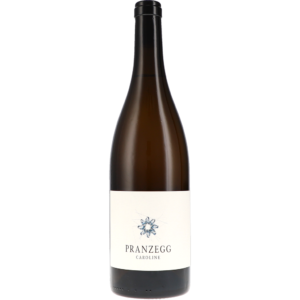
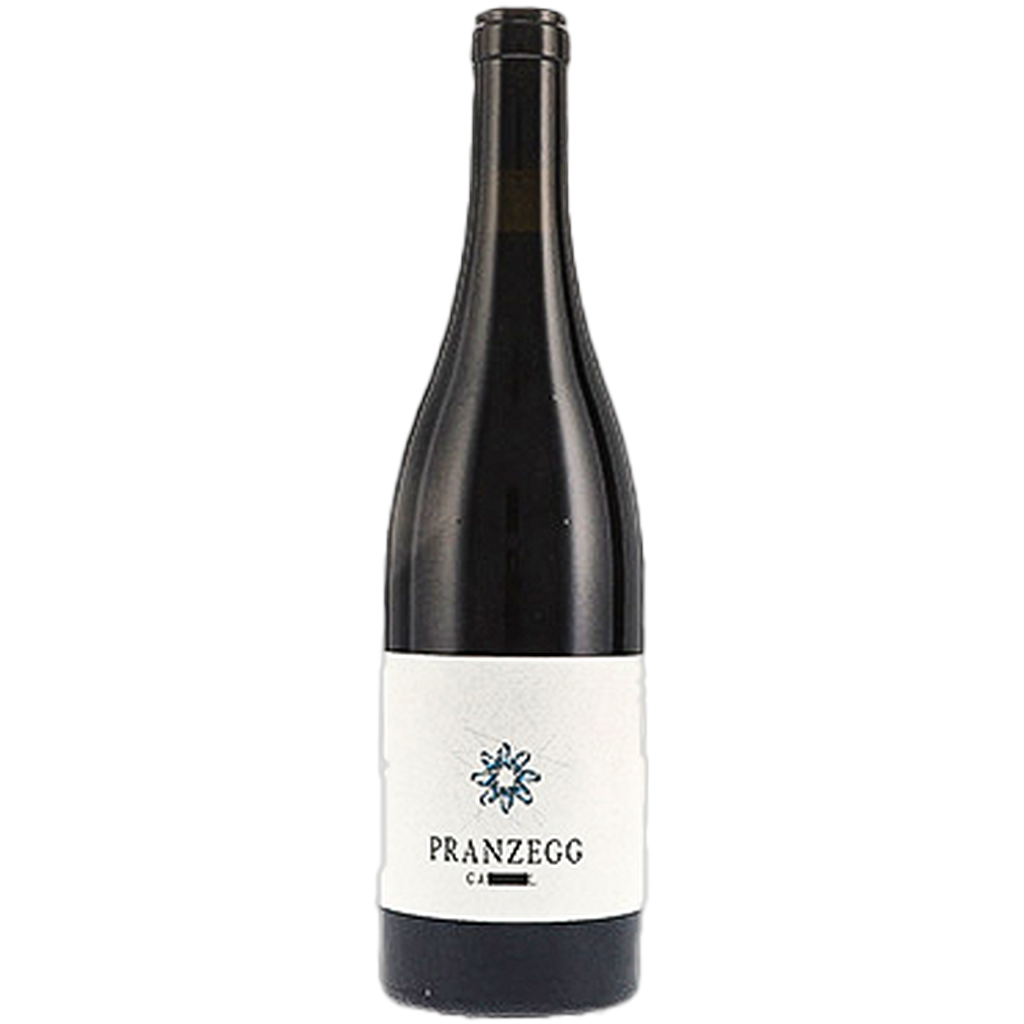
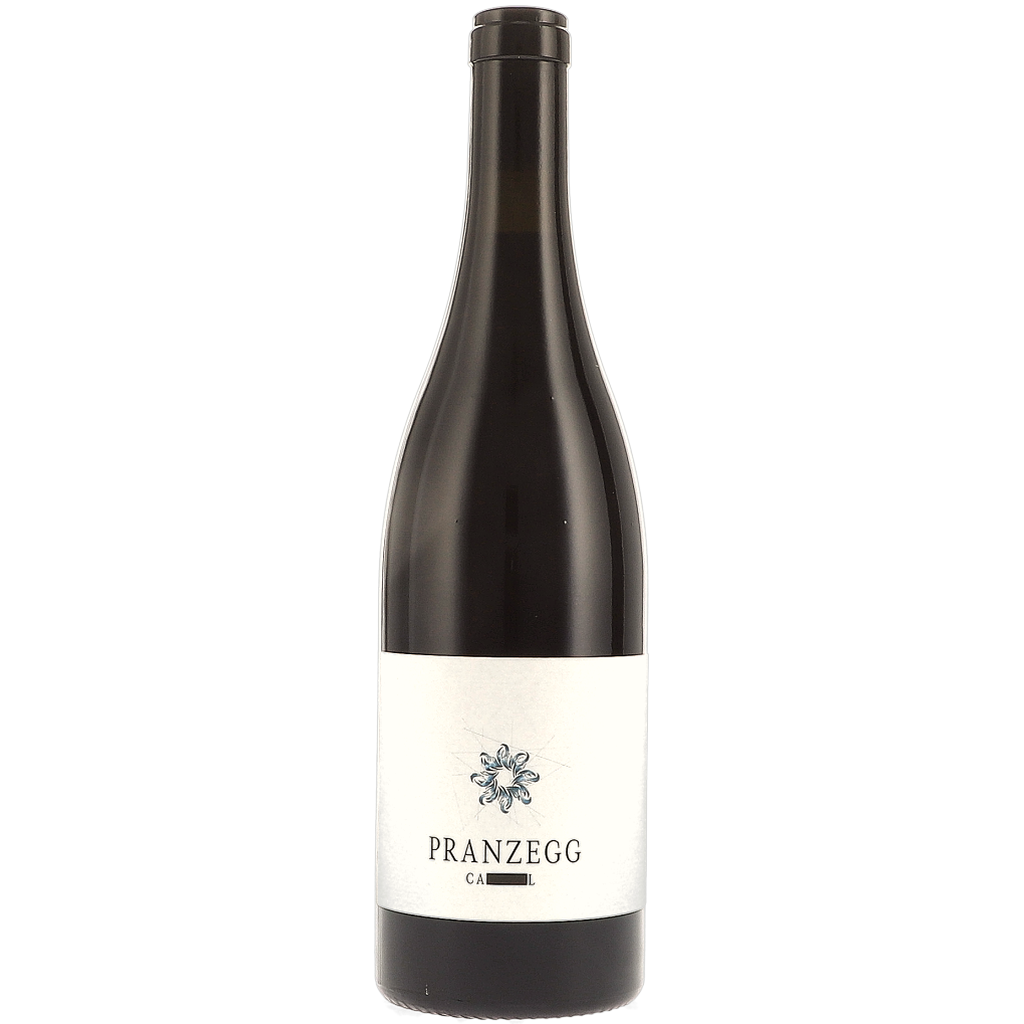
Caroline, the white blend, is named after Martin's daughter. Campill bears a mutilated site name, because the historic designation may not be used if there are no Cabernet varieties in the wine. So Martin writes Ca___l on the label, an ironic comment on the bureaucracy of wine law.
Rudolf Steiner on the Kohlerer Berg
Since 2009 Pranzegg has been farmed according to the
principles of biodynamics. Martin makes his own preparations and does entirely without synthetic crop protection and artificial fertilisers. Work on the steep slopes is physically demanding: much of it can only be done by hand, as there is no room for machines on the narrow terraces.
In the cellar Martin follows the same philosophy of non-intervention:
spontaneous fermentation with wild yeasts, ageing in concrete tanks and used oak or chestnut casks. No fining, no filtration, only a minimal dose of sulphur before bottling. The wines often mature for two to three years on their full lees before being bottled.
Pergola and Precision
Traditional pergola training defines the look of the Pranzegg vineyards. This old South Tyrolean method shades the soil, protects against drying out and allows ripeness without overripeness. Martin has preserved many of the old plantings, while elsewhere growers long ago switched to modern trellising.
The range reflects the diversity of the region:
Vernatsch and Lagrein for the reds, plus white blends from Müller-Thurgau, Sylvaner, Weissburgunder and other local varieties. The
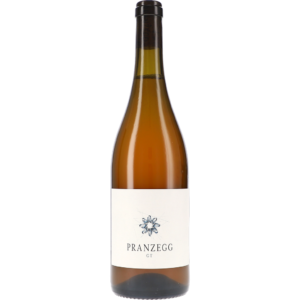
"GT" Vino Bianco is an approachable, dry interpretation of Gewürztraminer: pale and spicily aromatic, with a moderate 12% alcohol.
In a region increasingly turning to international varieties and crowd-pleasing styles, Pranzegg remains a counter-model. Much like
Manincor, which also works biodynamically just a few kilometres away, Martin Gojer shows that South Tyrol can do more than Pinot Grigio for the mass market.