Manincor
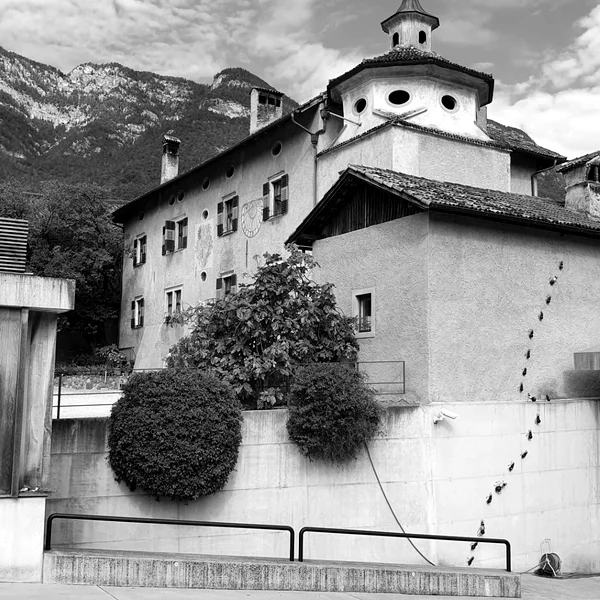
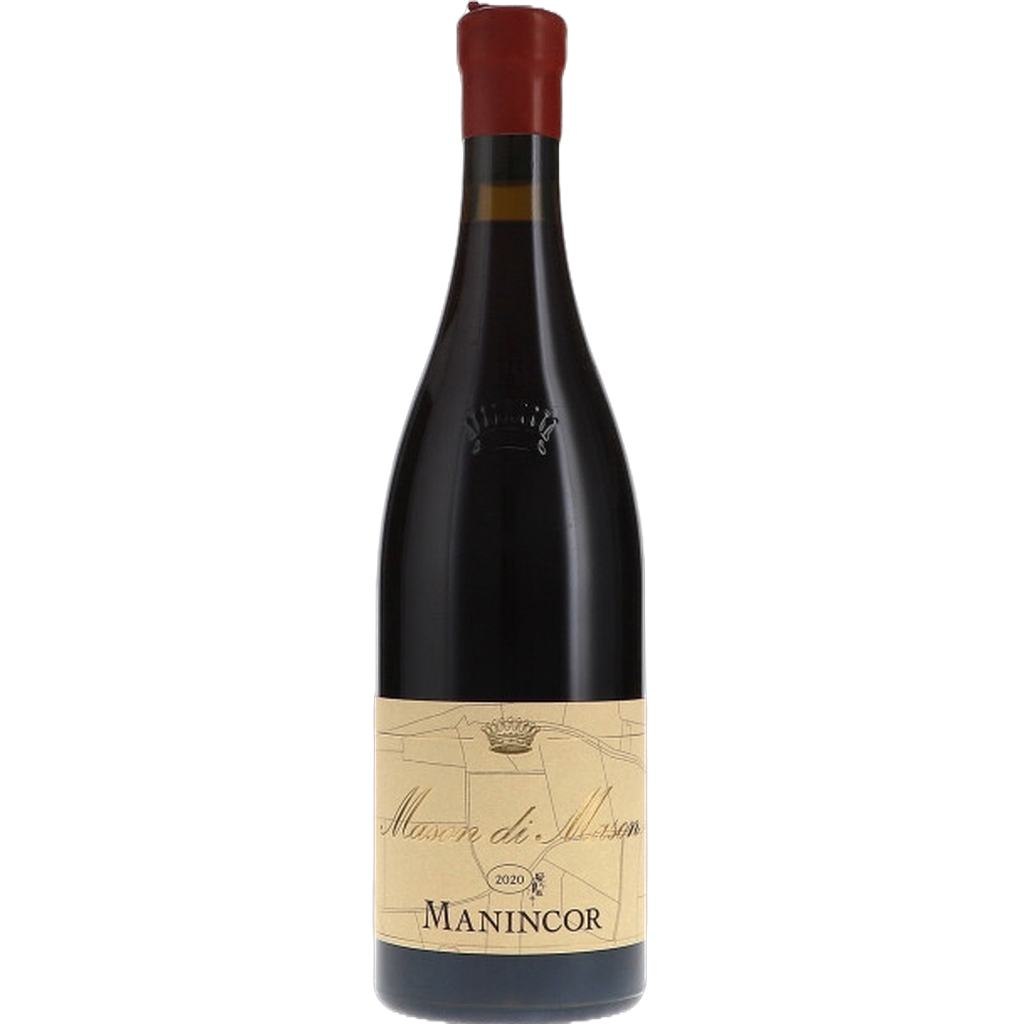
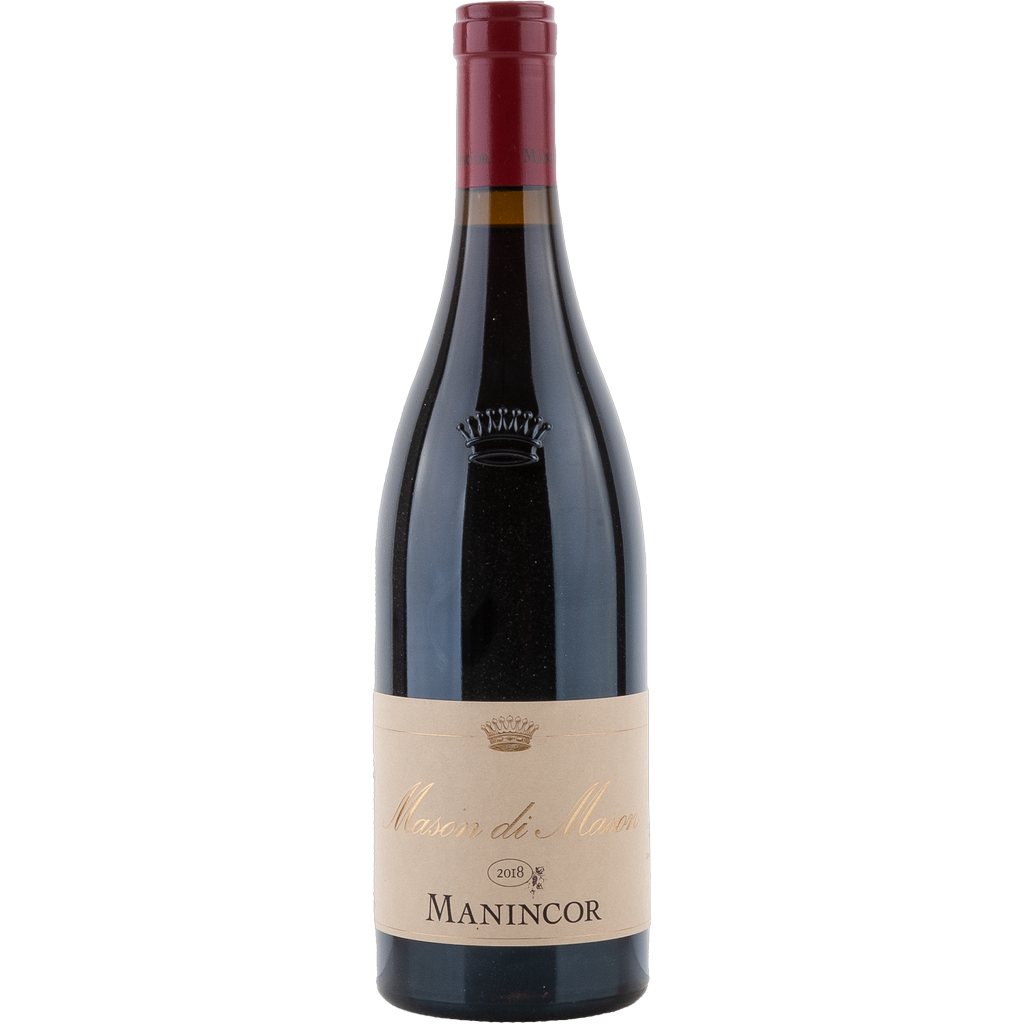
Manincor farms 50 hectares of vineyards in Caldaro, in South Tyrol. Michael Graf Goëss-Enzenberg took over the estate from his uncle in 1991, back then a classic mixed farm, and converted it to biodynamic farming in 2005; since 2009 the entire range has been Demeter-certified. Together with estate director Helmuth Zozin, he crafts single-vineyard wines from Terlano and Caldaro, fermented spontaneously with the grapes' own yeasts and aged on fine lees. The cellar is built into the slope behind the estate building; grapes and musts move there by gravity, while the cool rock keeps the temperature constant.
The 1991 handover
Michael Graf Goëss-Enzenberg, a qualified oenologist trained in Salzburg, took over Manincor from his uncle in 1991. At the time the estate was a mixed farm that delivered its grapes to the local cooperative; he ended those deliveries and released the wines under his own name, and the early years were tough. The estate building, past which the road to Lake Caldaro runs, has stood on this spot with its tower for over four hundred years.
Lieben Aich, Mazzon and Rubatsch
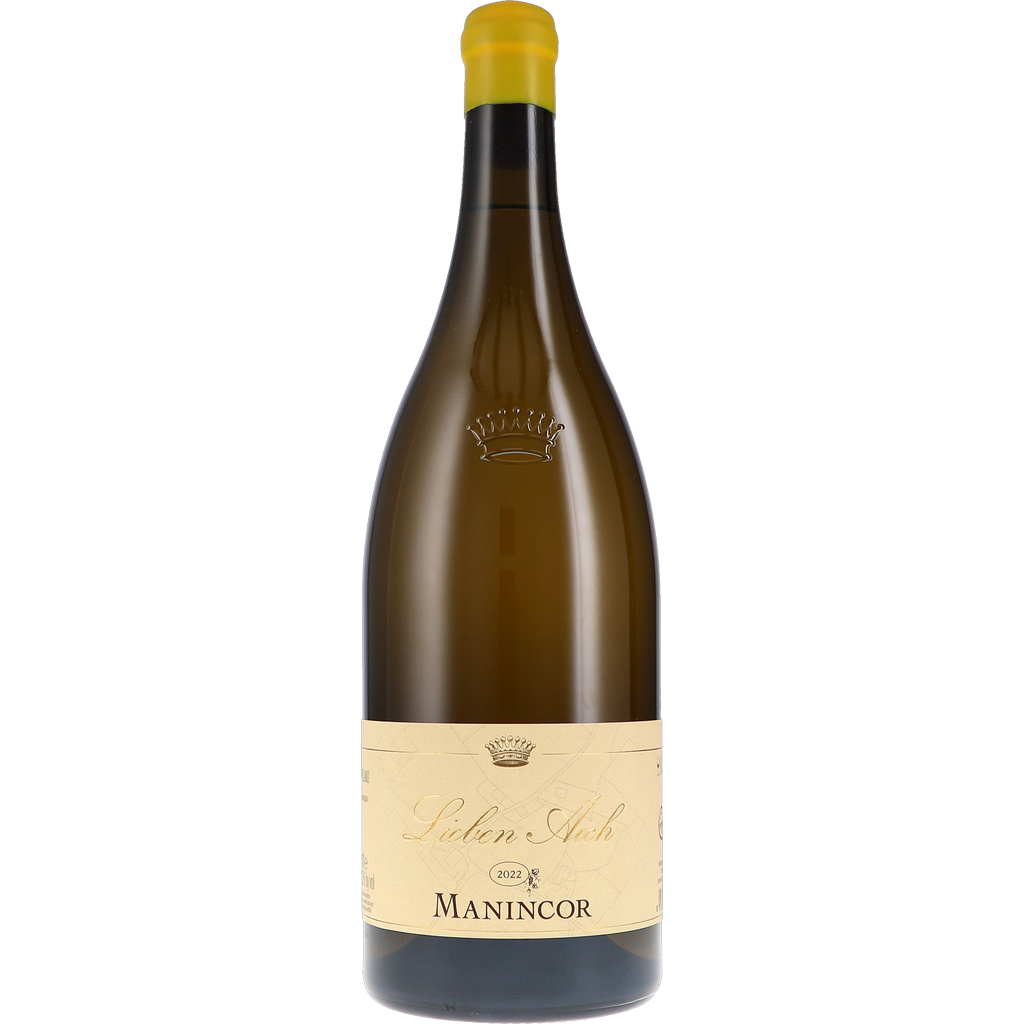
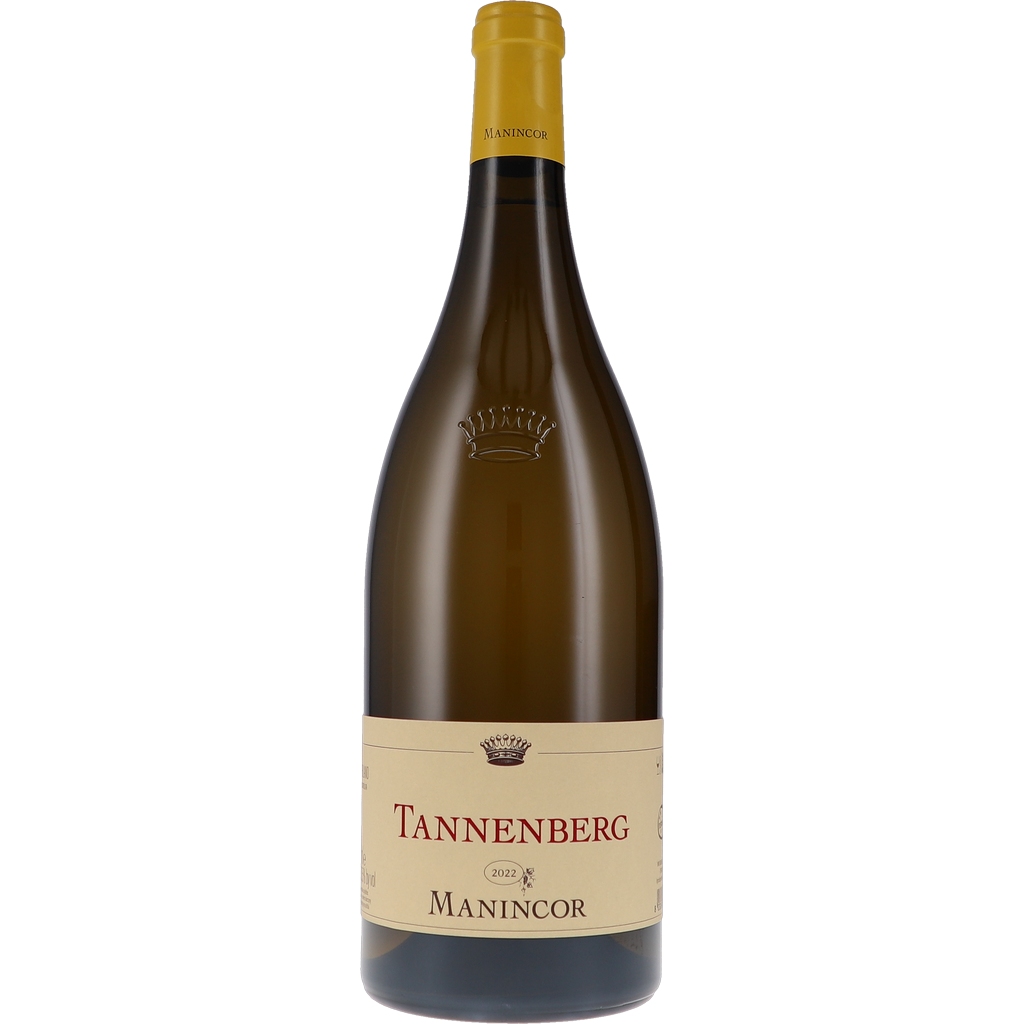
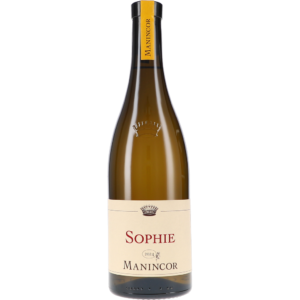
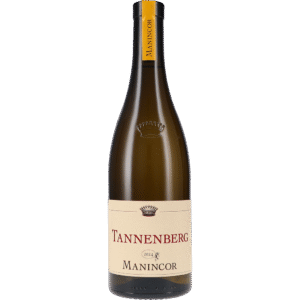
The Tannenberg, a Sauvignon Blanc, grows in the Terlano vineyard of Lieben Aich, a southwest-facing slope at 300 metres above sea level. The sandy loam over weathered porphyry rock drains water well and lends the estate's most pronounced mineral structure. The destemmed berries stay on the press for twelve hours, then the must ferments spontaneously in wooden barrels and ages for around nine months on fine lees. The Sophie is named after Countess Sophie Goëss-Enzenberg and comes half from Lieben Aich, half from Mazzon. Mazzon in Caldaro is Manincor's steepest vineyard, with gradients of up to 100 percent and a southwest exposure at 350 to 400 metres; the subsoil contains limestone and clay. Viognier and Sauvignon Blanc join the Chardonnay in this blend.
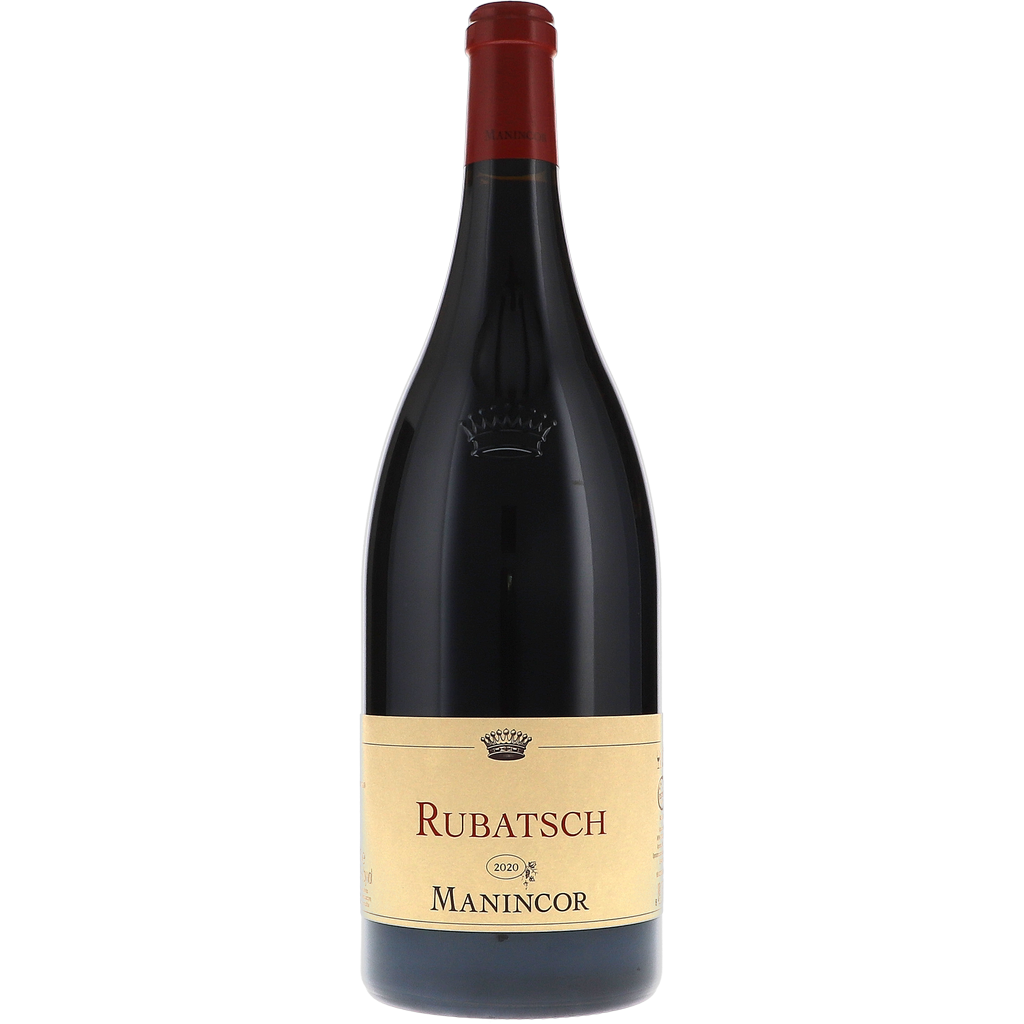
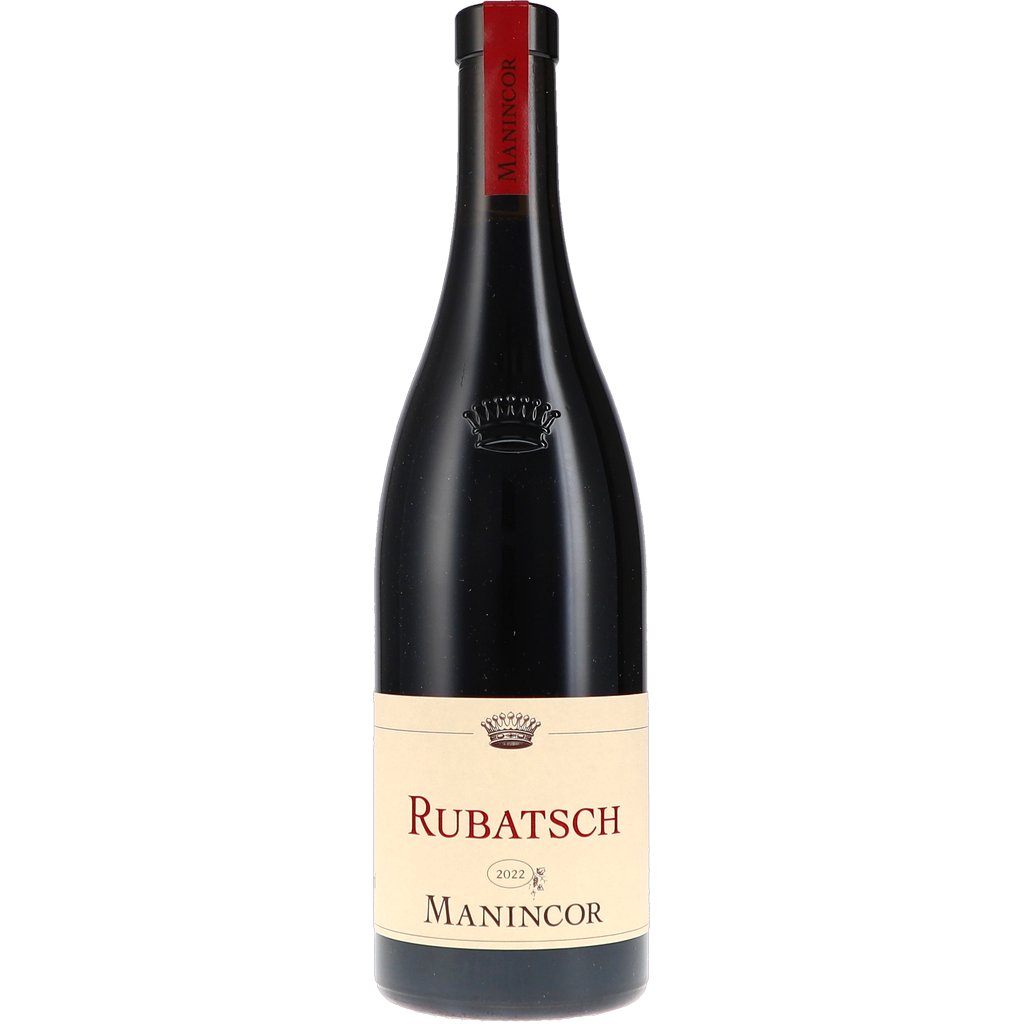
For the Rubatsch, two thirds of the Lagrein grapes come from the eponymous vineyard in Terlano, a southwest-facing slope at 250 metres with sandy soil over porphyry. The final third comes from the Seehof in Caldaro, which lies at the same elevation, with a view of the lake and loamy limestone gravel in the subsoil. The lots from Rubatsch bring finesse and elegance, those from Seehof power and structure. The grapes ferment spontaneously on the skins in wooden vats, with the cap of pomace punched down daily for two weeks. After sixteen months in barrique, a fifth of it new oak, the wine is fined and bottled unfiltered.
The Hand, Herz and Krone lines
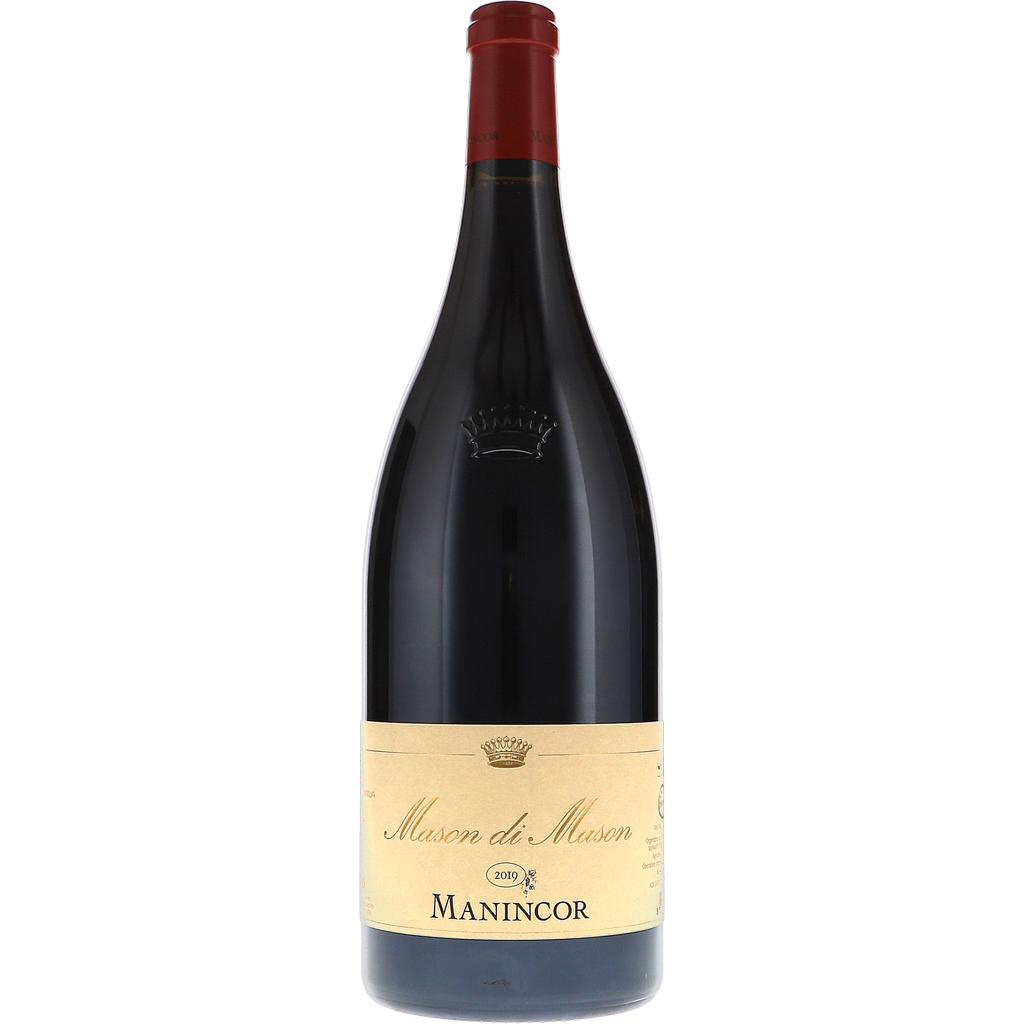
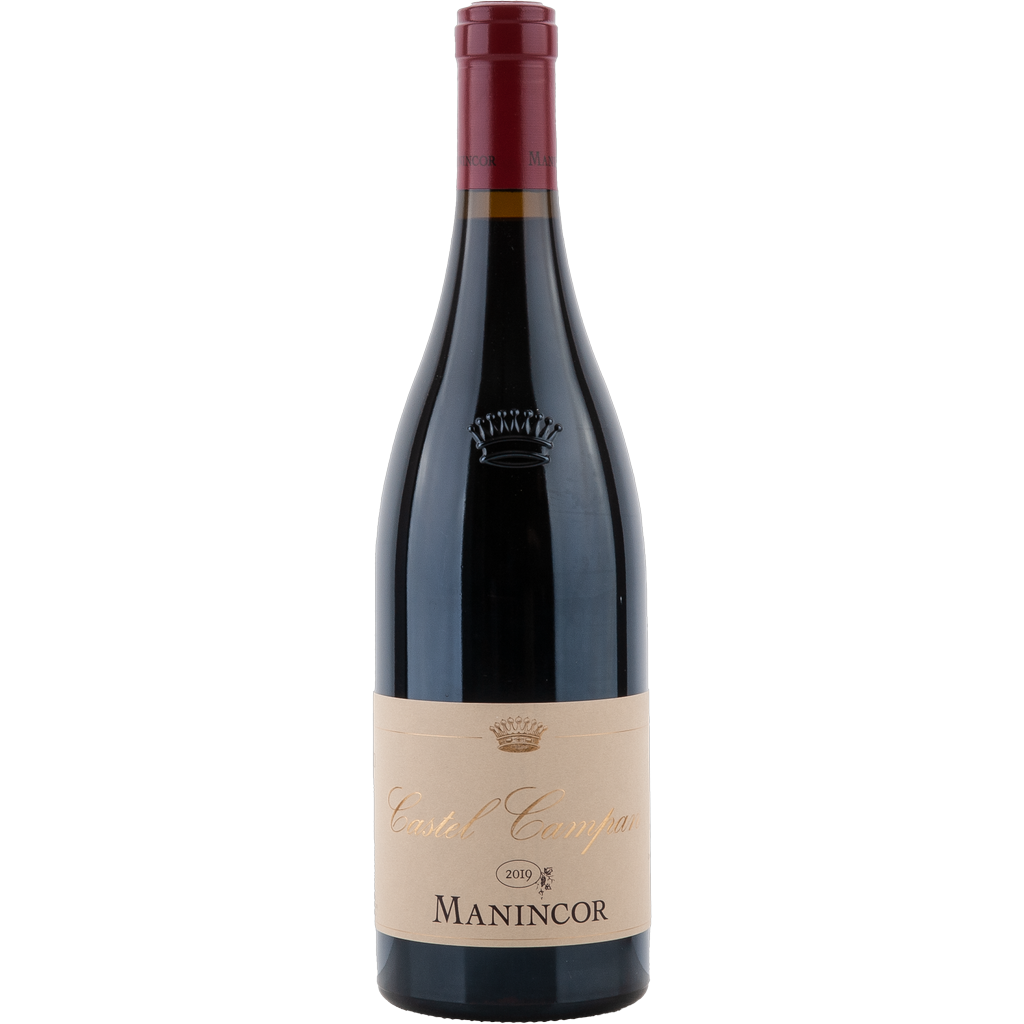
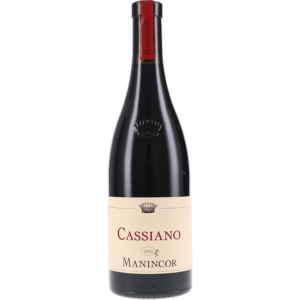
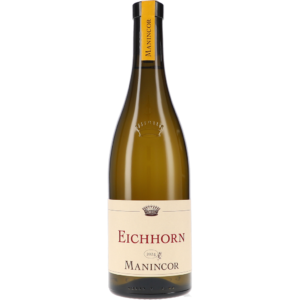
The name Manincor means hand on heart, and the lines in the range are named after these words. Hand covers the entry-level wines, including the Keil made from Vernatsch and the white blend La Manina. Herz comprises the single-vineyard wines, alongside Tannenberg and Sophie also the Eichhorn made from Pinot Blanc and the Rubatsch. Krone is bottled only in exceptional years. Alongside it comes the Cassiano, a blend of Merlot, Cabernet and Pinot Noir.
Biodynamics across 463 hectares
The conversion began in 2005, the first fully biodynamic vintage reached the cellar in 2006, and by 2009 the entire range carried the Demeter certification. As a single unit, Manincor farms 463 hectares of orchards, vineyards, forest and meadows according to Demeter guidelines; chickens, sheep and bees are part of this, and herbal teas are used for plant protection. Helmuth Zozin has run the estate since 2008 and thinks in terms of continuity, from pruning through to bottling. Two thirds of the white wines ferment spontaneously, and for the red wines the figure is one hundred percent.