Bruno Clavelier
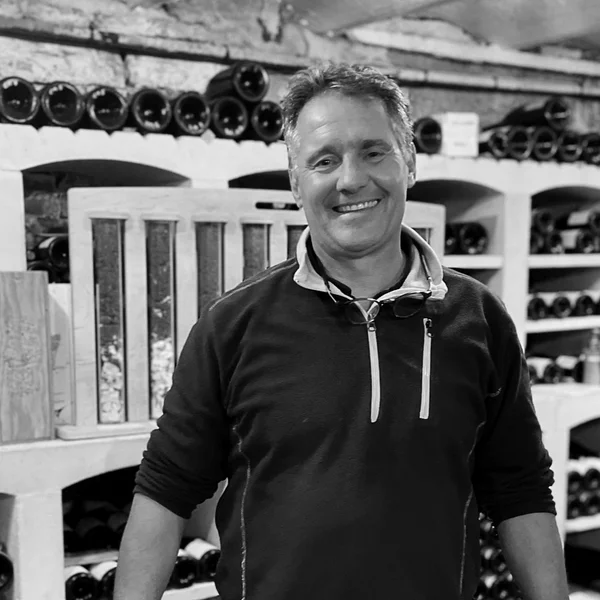
Domaine Bruno Clavelier farms 6.5 hectares on the Côte de Nuits from its base in Vosne-Romanée, spread across five villages. Bruno Clavelier played rugby in the French first division for Dijon before taking over his maternal grandfather's estate in the late 1980s; the first vintage under his own name appeared in 1992. Most of the vines date from the 1930s and 1940s, are planted to Pinot Noir Fin, and are rooted in limestone subsoil. The estate has been certified organic since 1999, and Bruno Clavelier has worked entirely biodynamically since 2005. The holdings include premiers crus from Chambolle-Musigny, Gevrey-Chambertin and Nuits-Saint-Georges, as well as the Corton Grand Cru Le Rognet.
The estate in Vosne-Romanée
The estate sits on the Route Nationale at the edge of Vosne-Romanée, in an unassuming building with no sign. It was built up by Joseph Brosson, Bruno Clavelier's maternal grandfather: from 1935 he got the Domaine running again after the damage of phylloxera and the world wars. Bruno Clavelier played rugby for Dijon in the French first division before taking over in the late 1980s; the first vintage under his own name appeared in 1992. "I'm not looking for colour or tannin," he says. He expanded the cellar carefully, adding pneumatic presses and sorting tables, while keeping the winemaker's intervention in the finished wine as small as possible.
Vines from the 1930s
Most of the vines were planted in the 1930s and 1940s, when the vineyards of Burgundy were being replanted after phylloxera; the oldest are now over eighty years old. They root deep into the limestone subsoil and naturally yield small crops. Almost throughout, the variety is Pinot Noir Fin, the traditional Burgundian clone known for its finesse. That's why many labels carry the addition "Vieilles Vignes". Joseph Brosson had forgone synthetic chemicals and potash fertilisers; Bruno Clavelier carries this on, with Ecocert organic certification since 1999 and a complete conversion to biodynamics since 2005.
Fermentation in open vats, ageing in barrel
Fermentation takes place in open, conical oak vats. The proportion of whole bunches can reach up to 30 percent; Bruno Clavelier sets it according to vintage and parcel. Fermentation starts with indigenous yeasts and lasts around three weeks, with extraction done by hand, by punching down the cap. Malolactic fermentation follows in spring. The wines then spend 16 to 18 months in barrels from Tronçais and Allier, a third of them new. The crus remain unfined and unfiltered, sulphur use is kept low, and bottling is done under protective gas.
The sites from Vosne-Romanée to Aloxe-Corton
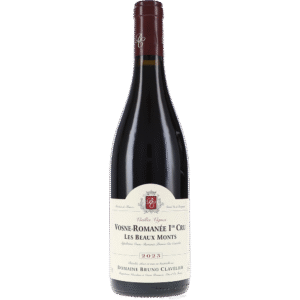
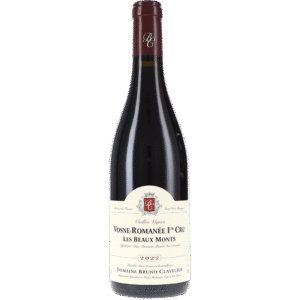
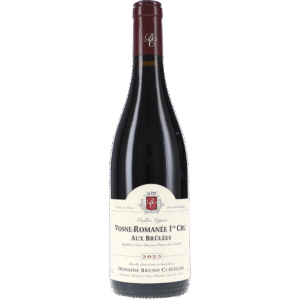
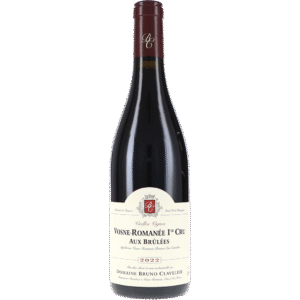
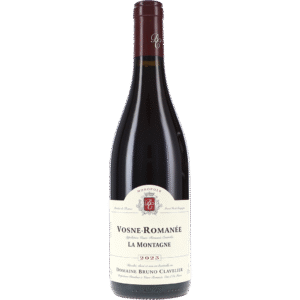
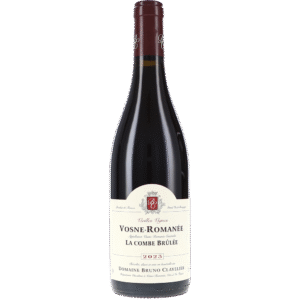
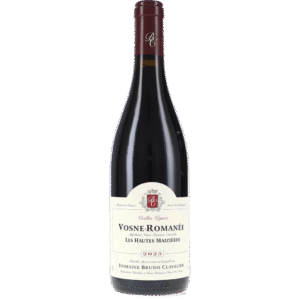
The vineyards are spread across Vosne-Romanée, Chambolle-Musigny, Gevrey-Chambertin, Nuits-Saint-Georges and Aloxe-Corton. Each climat is vinified separately, producing around fifteen wines per vintage. In Vosne-Romanée there are La Combe Brûlée, Les Hautes Maizières and the monopole La Montagne, along with the premiers crus Aux Brulées and Les Beaux Monts, which shows dark cherry, violet and fine smoke.
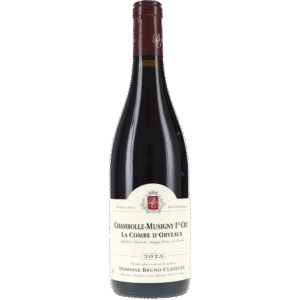
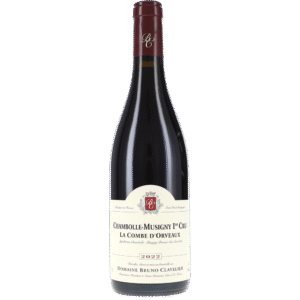
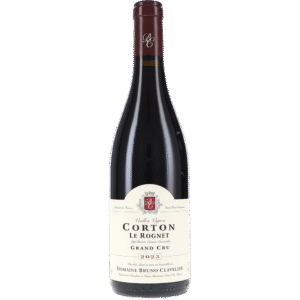
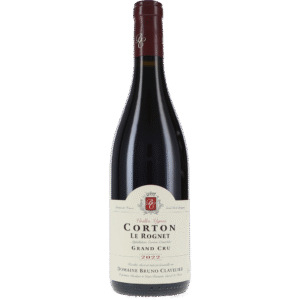
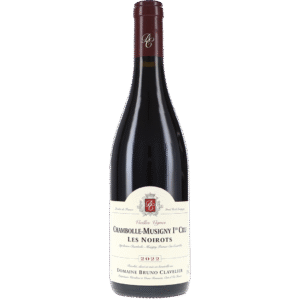
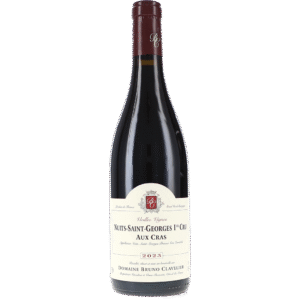
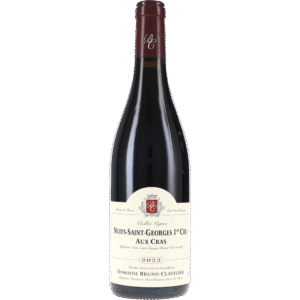
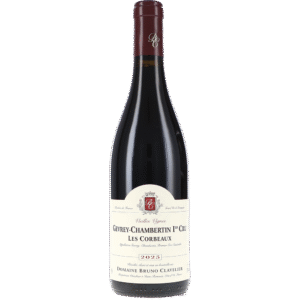
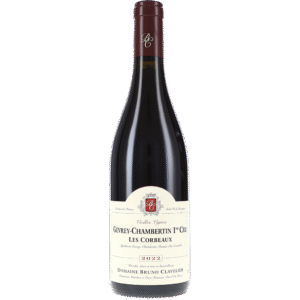
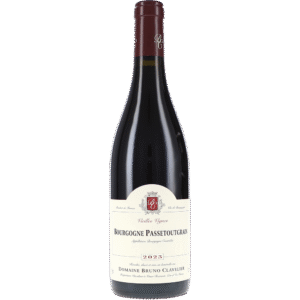
From Chambolle-Musigny come La Combe d'Orveaux, with its silky texture and floral note, and Les Noirots; from Gevrey-Chambertin, Les Corbeaux; from Nuits-Saint-Georges, Aux Cras. The Corton Grand Cru Le Rognet is the estate's only grand cru and grows on iron-rich soil, which gives the wines mineral spice and great longevity. Rounding out the range is a Bourgogne Passetoutgrain made from Pinot Noir and Gamay.