Château de Béru
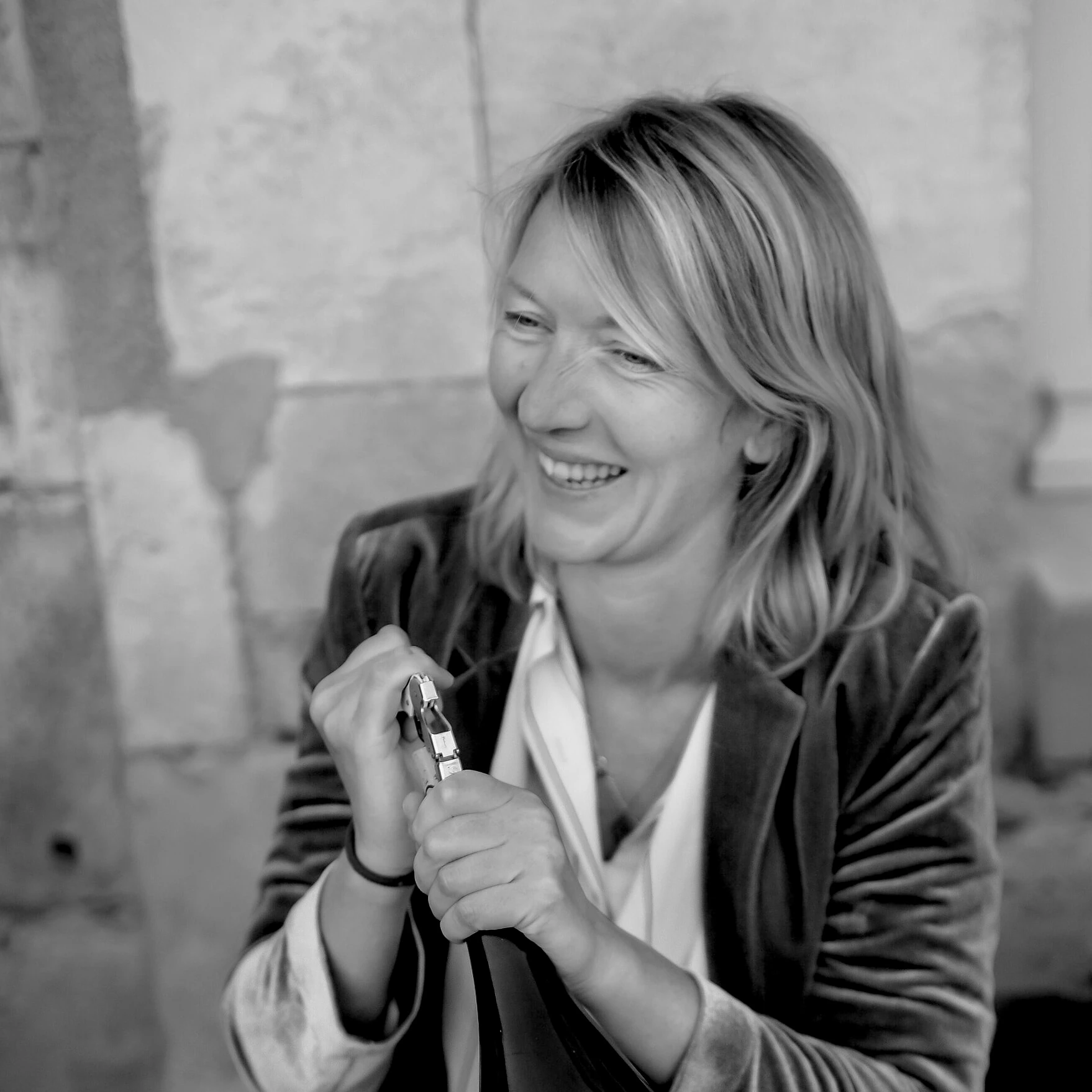
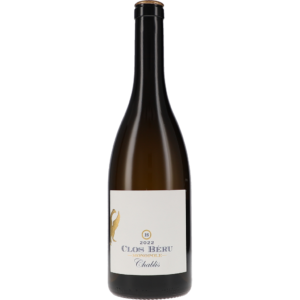
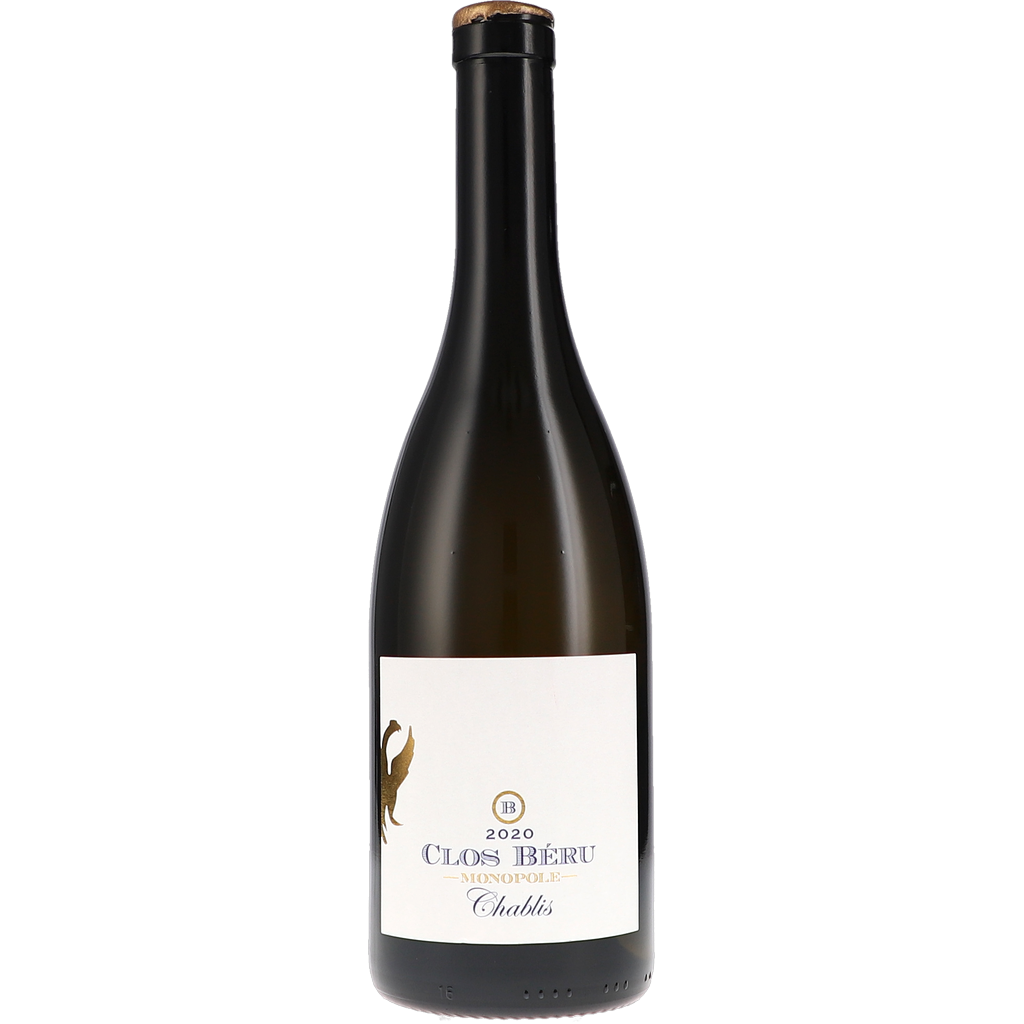
Château de Béru farms vineyards in eastern Chablis on Kimmeridgian limestone, including the Clos Béru, a five-hectare monopole. Athénaïs de Béru joined the family estate in 2004, which her parents Éric and Laurence de Béru had rebuilt since the late 1980s from abandoned plots. She converted the vineyards to organic and then biodynamic farming. Gaëlle Ribé is the winemaker. The team works the soils with a horse, the hand-harvested grapes ferment spontaneously in the cellar, and the wines age on fine lees in tank and wooden barrels. The Chardonnays show citrus fruit, white blossom, and a saline minerality.
The estate and the vineyards' revival
The Château de Béru estate, in eastern Chablis, dates back to the Renaissance; it includes a gateway and a rare sixteenth-century sundial. When phylloxera destroyed the vineyards of Burgundy in the late nineteenth century, the de Béru family gave up winegrowing, after centuries of their own winemaking tradition. The plots lay fallow until Éric and Laurence de Béru reclaimed them in the late 1980s: the vineyards were replanted and the old stone walls restored. In 2004, their daughter Athénaïs de Béru joined the estate and systematically developed the sites.
Athénaïs de Béru and biodynamic farming
Athénaïs de Béru converted the estate to organic and later biodynamic farming. The team works the soils with a horse, which prevents compaction and preserves the soil's microbiology. Extensive cover crops grow between the vine rows, and beneficial insects are specifically encouraged. The estate produces its own biodynamic preparations and applies them according to the cosmic calendar. The Chardonnay sinks its roots deep into the limestone subsoil.
Clos Béru and Montserre
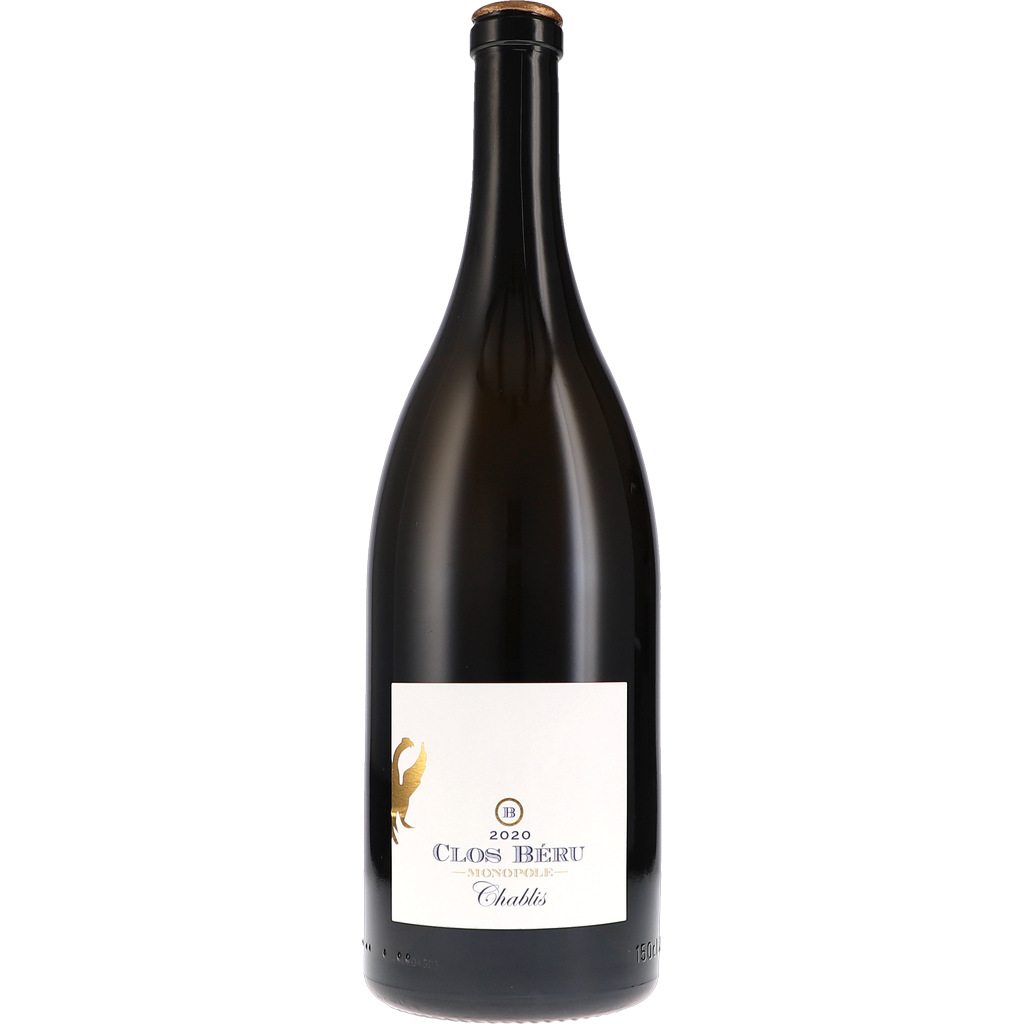
The Clos Béru is a five-hectare monopole, enclosed by a thirteenth-century wall and situated at 300 metres of elevation. The Kimmeridgian limestone beneath it formed around 150 million years ago from the sediments of a primordial sea; fossil oyster shells and small marine organisms run through the rock. The elevation extends the growing season, and the grapes develop their aromas at moderate temperatures.
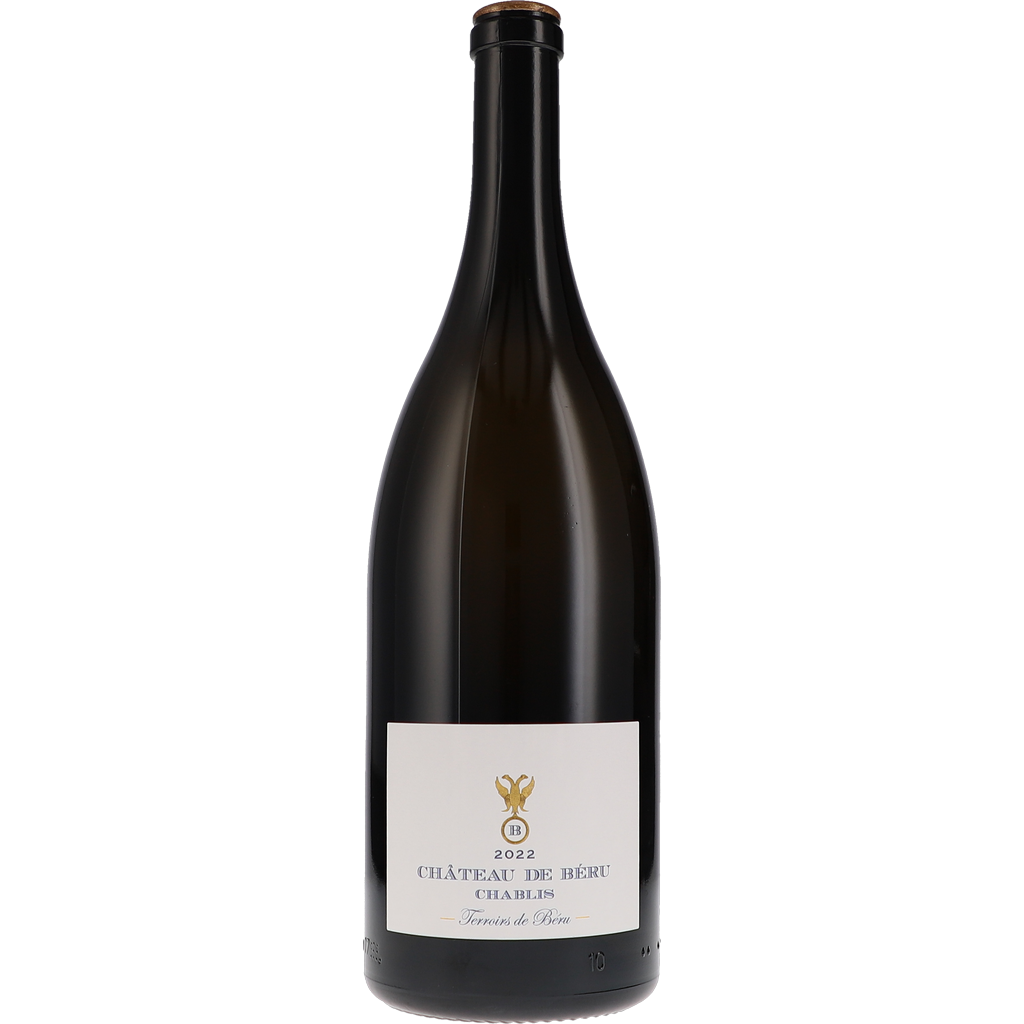
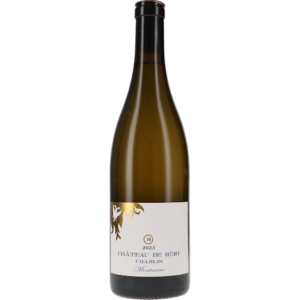
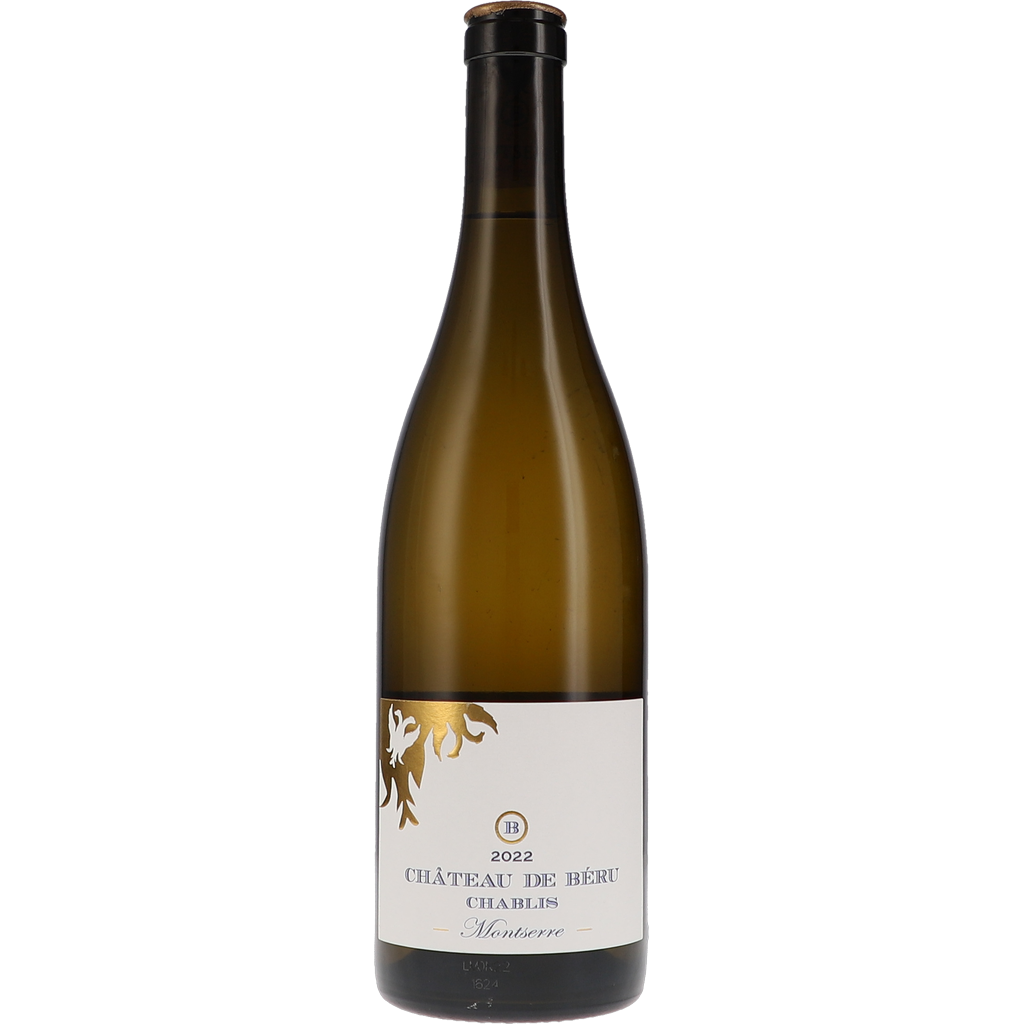
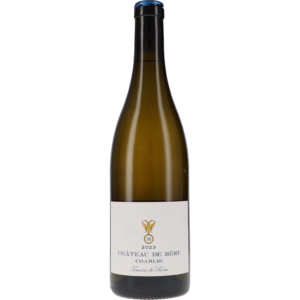
Montserre sits at the highest point of the Béru hillside, the summit of the Serres, a formation of stacked fossil limestone slabs. White pebbles lie on the surface. The Chablis Terroirs de Béru brings together plots that share the elevation, a northern position within the wine region, and a strong presence of Kimmeridgian limestone; it mostly comes from the first pickings for the single-vineyard wines.
Spontaneous fermentation and ageing on fine lees
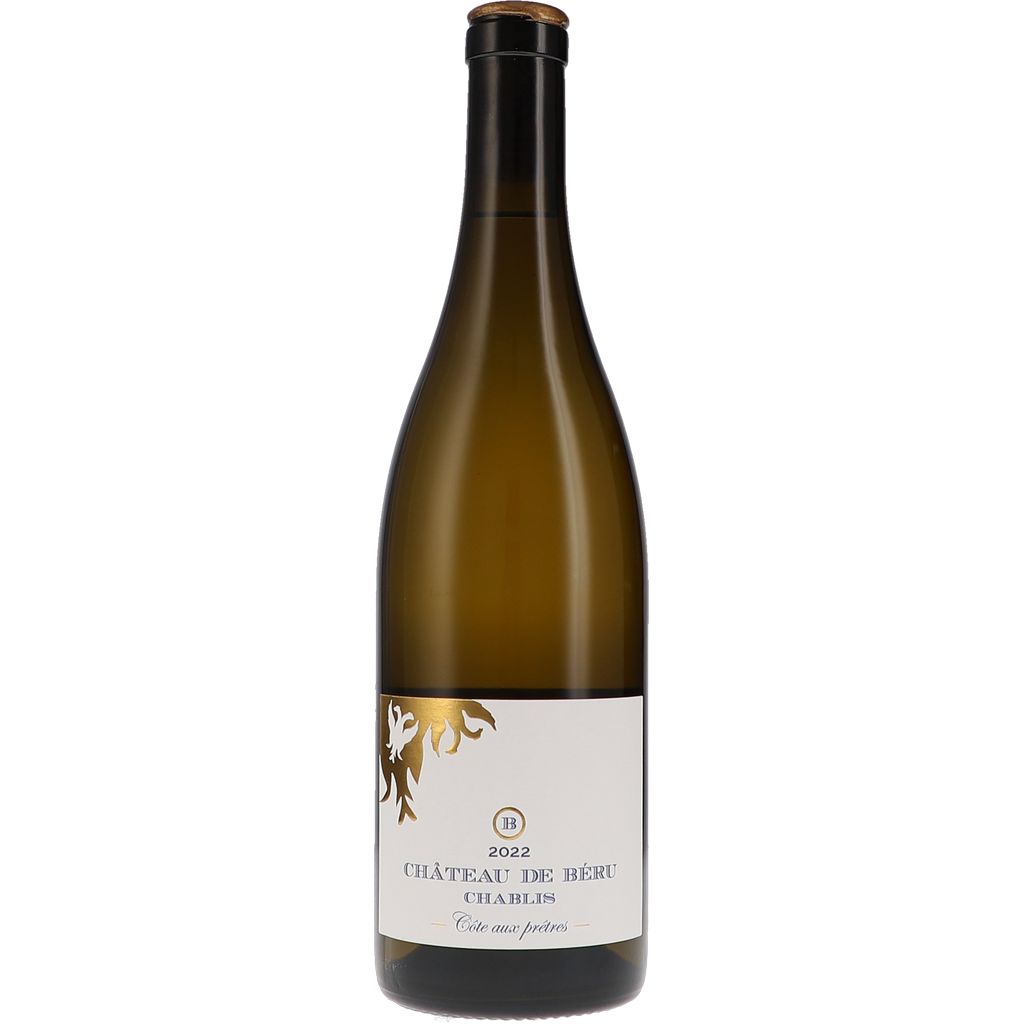
The grapes are hand-picked, gently pressed, and fermentation occurs spontaneously. The Terroirs de Béru ages on fine lees in tank and large wooden barrels, the Montserre in used wooden barrels of various sizes. Both are bottled unfiltered and unfined. The Montserre receives no added sulphur, the Terroirs de Béru a minimal dose.
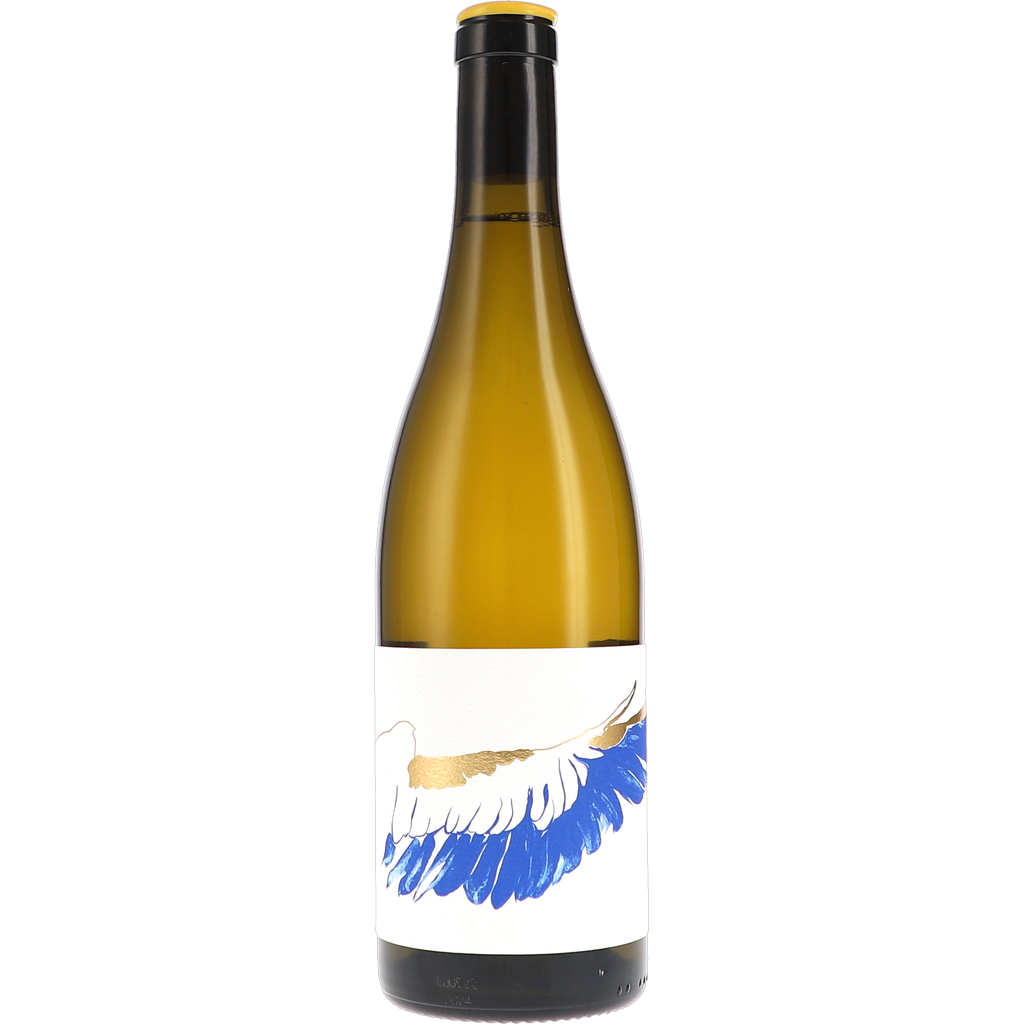
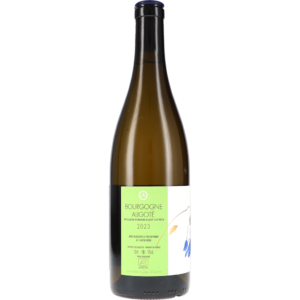
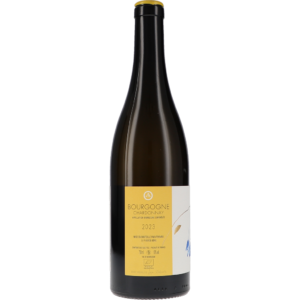
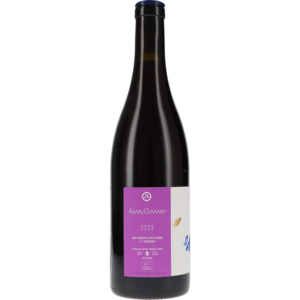
Further wines are released under the name Athénaïs. The Bourgogne Chardonnay comes from fellow organic and biodynamic growers in Saint-Bris and the Côte d'Auxerre; their plots are farmed and harvested by the Béru team, and Kimmeridgian limestone runs through those soils too. The Bourgogne Aligoté comes from an estate on the Yonne, alongside the Pinot Noir Céleste from the Côte d'Auxerre and the AmalGamay, a blend of Aligoté and Gamay.