Christmann & Kauffmann
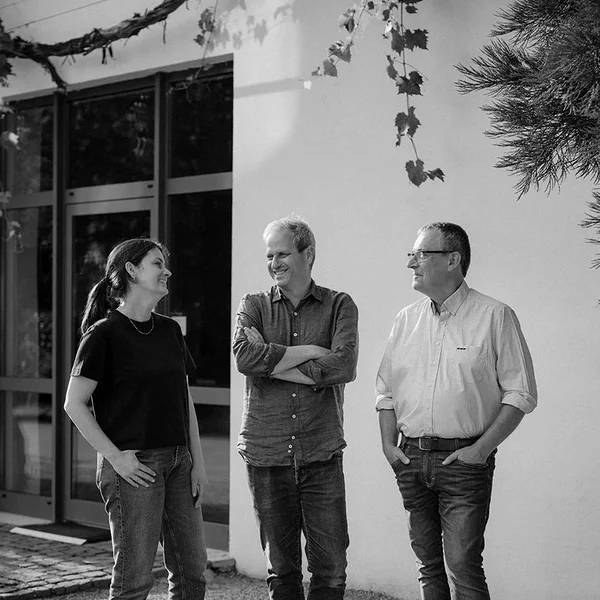
Christmann & Kauffmann is Germany's first purely biodynamic sparkling wine estate, founded in 2019 in the Palatinate by Steffen Christmann, his daughter Sophie Christmann and Mathieu Kauffmann. The twelve hectares lie on the Mittelhaardt, on limestone and variegated sandstone, in Gimmeldingen, Mussbach, Ruppertsberg and Königsbach. The estate has farmed biodynamically since 2003, certified by respekt-BIODYN and EU organic standards. The base wines ferment spontaneously in large wooden casks, the base sparkling wine matures for a long time on the lees, and disgorgement happens without dosage. No sulphur and no fining are used. As a result, the sparkling wines show a fine, saline edge up front, behind which apple, bread crust and citrus peel unfold.
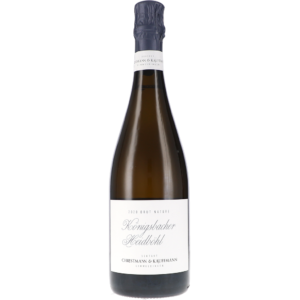
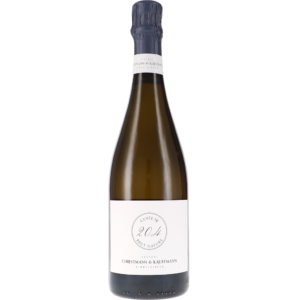
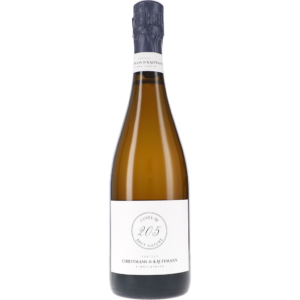
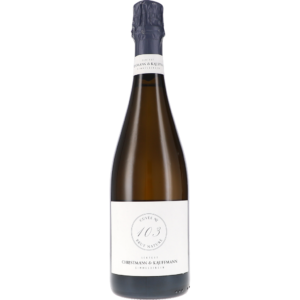
Twelve hectares on the Mittelhaardt
The vineyards of Christmann & Kauffmann are spread across Gimmeldingen, Mussbach, Ruppertsberg and Königsbach on the Mittelhaardt in the Palatinate, on limestone and variegated sandstone. Steffen Christmann took over the twelve hectares in 2019 from a neighbouring estate, more land than the family winery actually needed. Cool air flowing down from the Palatinate Forest at night preserves acidity in the grapes; Mathieu Kauffmann sums up the estate's ambition: "We want to make a sparkling wine that could not have grown anywhere but the Palatinate." Grapes are harvested by hand in eight-kilo crates, with no more than thirteen minutes between grape and press.
Steffen Christmann, Sophie Christmann, Mathieu Kauffmann
It began with an email: in 2019, Mathieu Kauffmann wrote to Steffen Christmann shortly after giving up his position as cellar master. The Alsatian spent thirteen years as chef de cave in Champagne. Steffen Christmann runs the family winery in its seventh generation, is president of the VDP and ranks among the leading members of respekt-BIODYN. His daughter Sophie Christmann, a partner in the family winery with a focus on Riesling, is co-winemaker of the sparkling wine estate.
Spontaneous fermentation and lees ageing
In the vineyard, work follows the guidelines of respekt-BIODYN, complemented by EU organic certification; the focus is on living soils. The base wines ferment spontaneously in large wooden casks, the base sparkling wine stays on the lees for at least 31 months, and disgorgement happens without dosage. The sparkling wines remain without sulphur and without fining.
Numbers and sites
The cuvées carry numbers. All 100s are pure Riesling, all 200s are cuvées of Burgundian varieties, and the final digit counts the disgorgements. In Cuvée No. 205, 40 percent Pinot Noir stands alongside 30 percent each of Chardonnay and Pinot Blanc, grown in Gimmeldingen, Mussbach and Ruppertsberg on limestone and variegated sandstone; old vines from the 1980s and plantings from 2018 supply the grapes, and the lees ageing lasted thirty months.
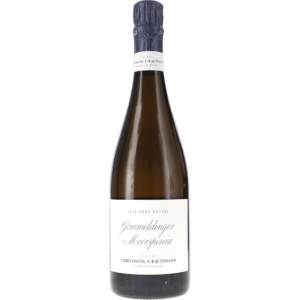
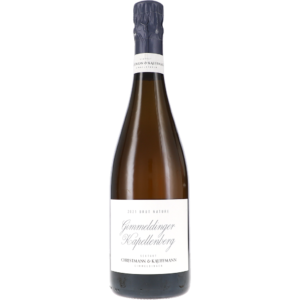
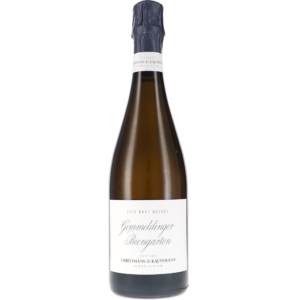
Alongside these come sparkling wines from single sites. The Gimmeldinger Meerspinne, historically Mersbin, grows on the eastern edge of the Gimmeldingen valley on variegated sandstone gravel and loess over limestone; the Chardonnay vines there, east-facing, have stood since 1995, and the base sparkling wine spent 54 months on the lees. The Gimmeldinger Kapellenberg Rosé comes from Pinot Noir vines planted in 1990 on loess loam and limestone and spent 43 months on the lees. For the sparkling wines from Gimmeldinger Biengarten and Königsbacher Heidböhl, five to eight years of lees ageing are planned.