Odinstal
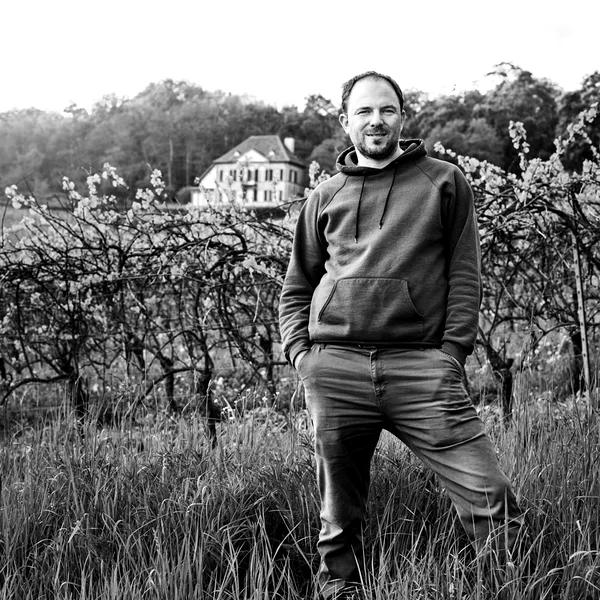
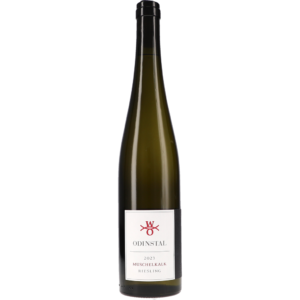
The VDP estate Odinstal farms five hectares at 350 metres above Wachenheim in the Palatinate, in a hollow enclosed by forest. The monopole site holds four rock types: basalt, shell limestone, keuper and yellow variegated sandstone. Estate manager Andreas Schumann vinifies the sites using the same cellar technique, so that it's the soils that make the difference; Odinstal has worked biodynamically since 2006, and holds Demeter certification since 2013. Riesling is the main grape variety, alongside Pinot Blanc, Silvaner, Auxerrois, Gewürztraminer and Rieslaner. The wines ferment spontaneously, mature for a long time on the lees, and receive little sulphur. The red wine grows on leased limestone sites in Herxheim am Berg.
![Riesling 2018-20 190 N.N. [Nakt]](/bilder/v/300/2025/03/odinstal-riesling-2018-20-190-n-n-nakt_1_square_df5b1cd8.png)
![Silvaner [Nakt] 2025](/bilder/v/300/2026/10/odinstal-silvaner-nakt-2025_1_square_92e22be4.png)
The hollow above Wachenheim
The vines stand at 350 metres above the Rhine valley, in a hollow enclosed by ten hectares of mixed forest. There are no wine-growing neighbours up here, and therefore no spray drift either. The faults of the Rhine rift have brought four rock types together in a tight space within the monopole site Wachenheimer Odinstal: basalt from the nearby Pechsteinkopf, shell limestone, keuper and yellow variegated sandstone. The elevation extends the growing season, and the grapes ripen around 20 days later than in the valley. Many labels carry "350 N.N." to denote this site.
Andreas Schumann
Thomas Hensel had acquired the overgrown estate in the 1990s and was looking for someone who would factor biodynamics in from the start. Andreas Schumann, born in 1978, trained in the Palatinate and in theory at Geisenheim, arrived in 2004 and found his calling here. His T-shirts bear the inscription "501," the horn silica preparation he works with in the vineyard.
The meadows of the estate are grazed by the cattle of a neighbouring farmer, who supplies the manure and the horns for the preparations. The bees of beekeeper Andreas Kramer pollinate the blossoms. Under Demeter guidelines, Odinstal thus forms a closed organism.
The soil series of the Rieslings
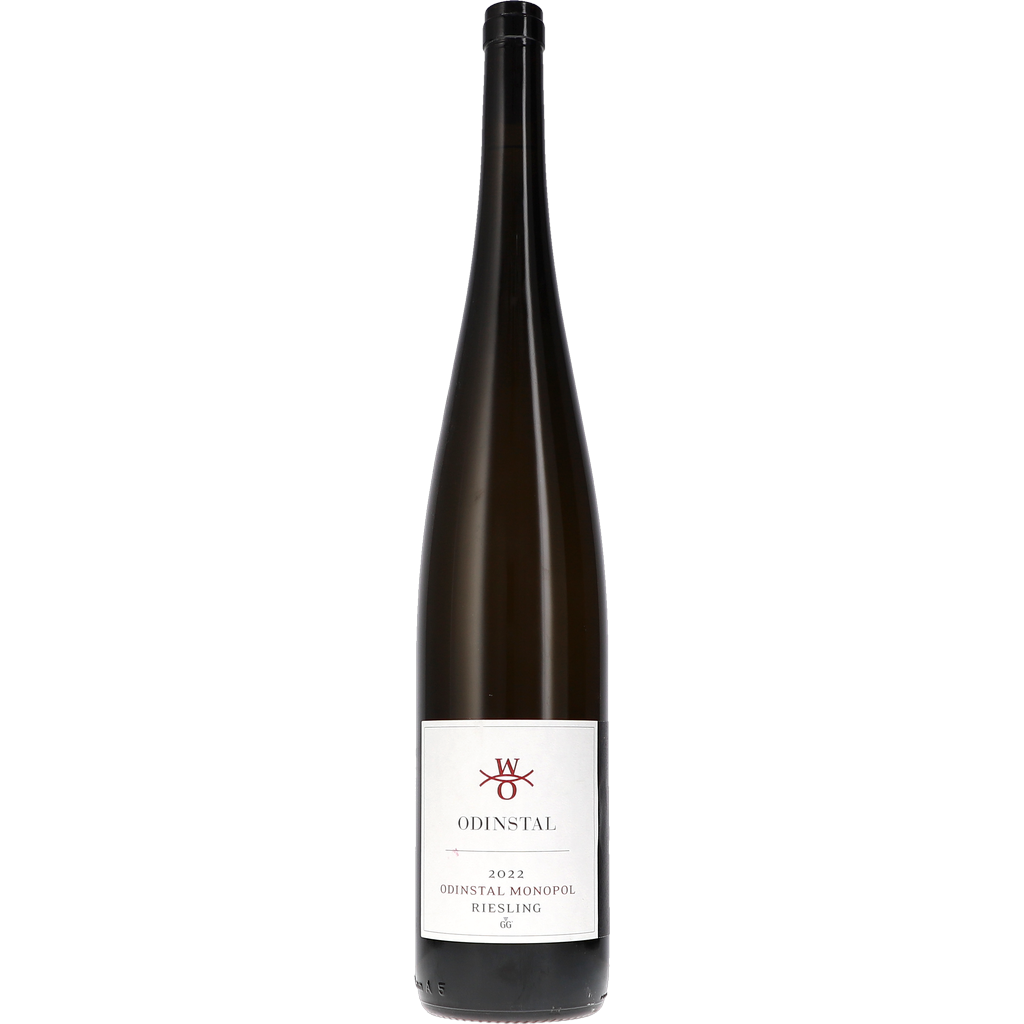
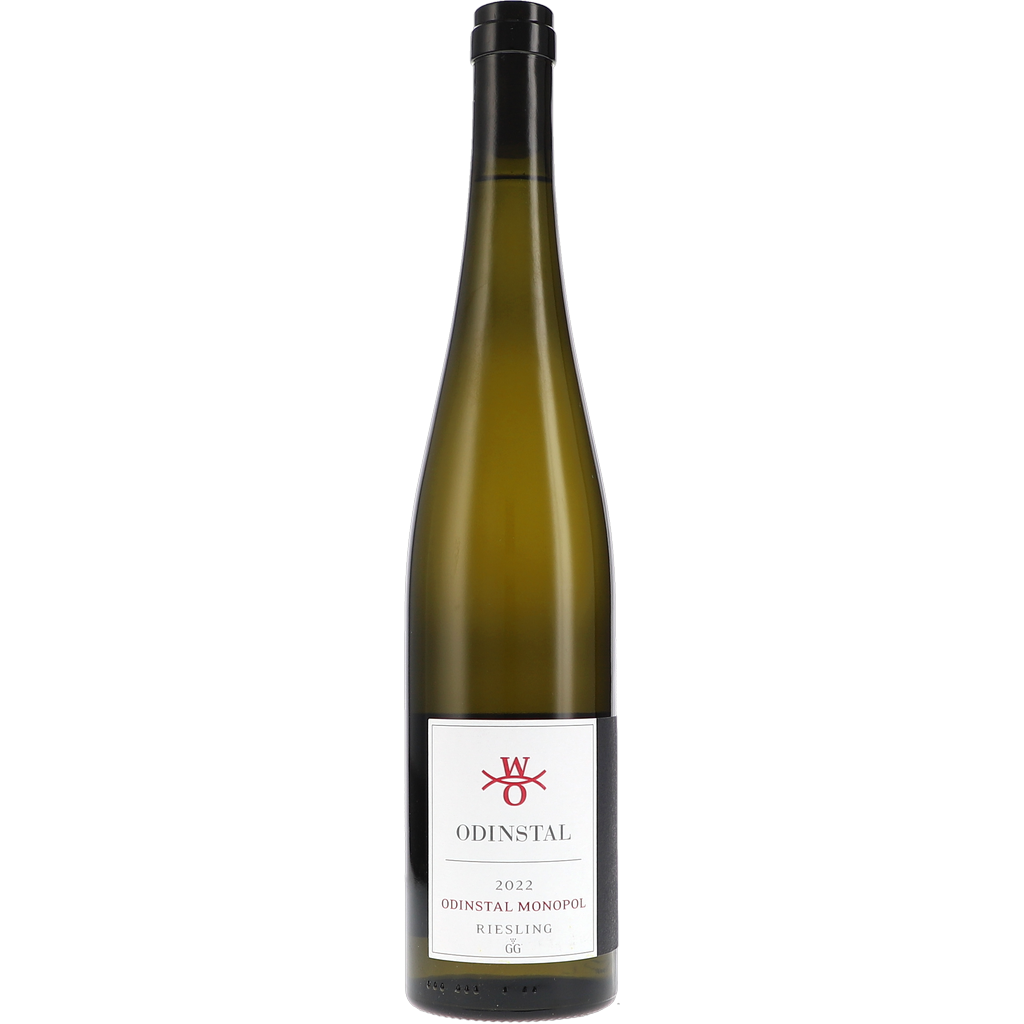
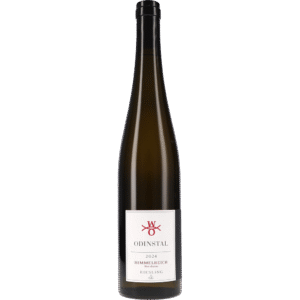
Three Rieslings from basalt, shell limestone and variegated sandstone are vinified identically yet turn out differently. The basalt from the Pechsteinkopf lends smoke and depth, the shell limestone a saline length, the variegated sandstone floral notes. The Riesling GG Monopol comes from the highest Grosses Gewächs site in the Palatinate, ferments spontaneously and matures for a long time in large oak casks; the glass shows smoky minerality and precise acidity.
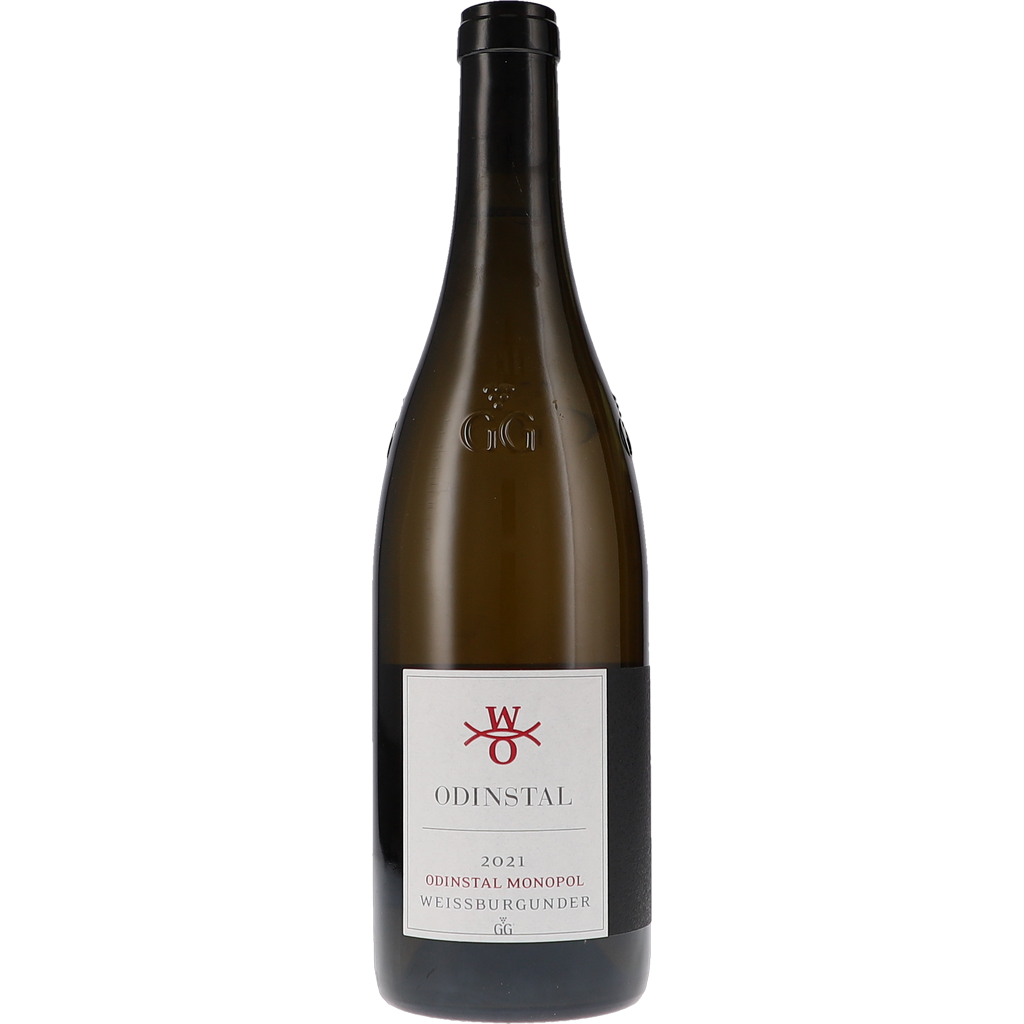
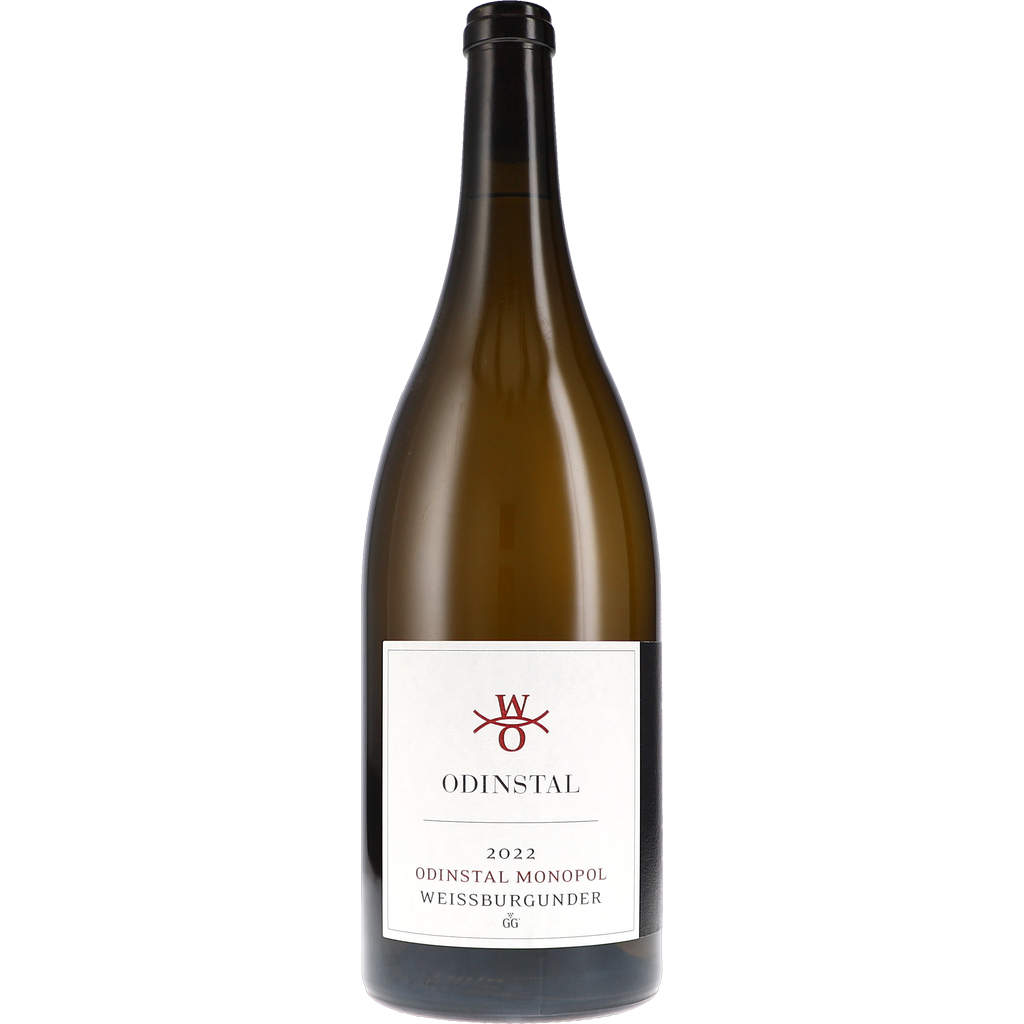
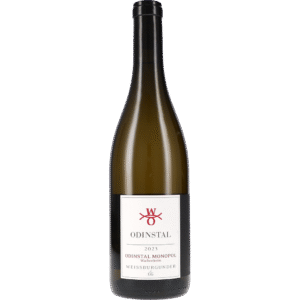
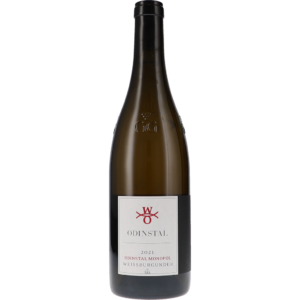
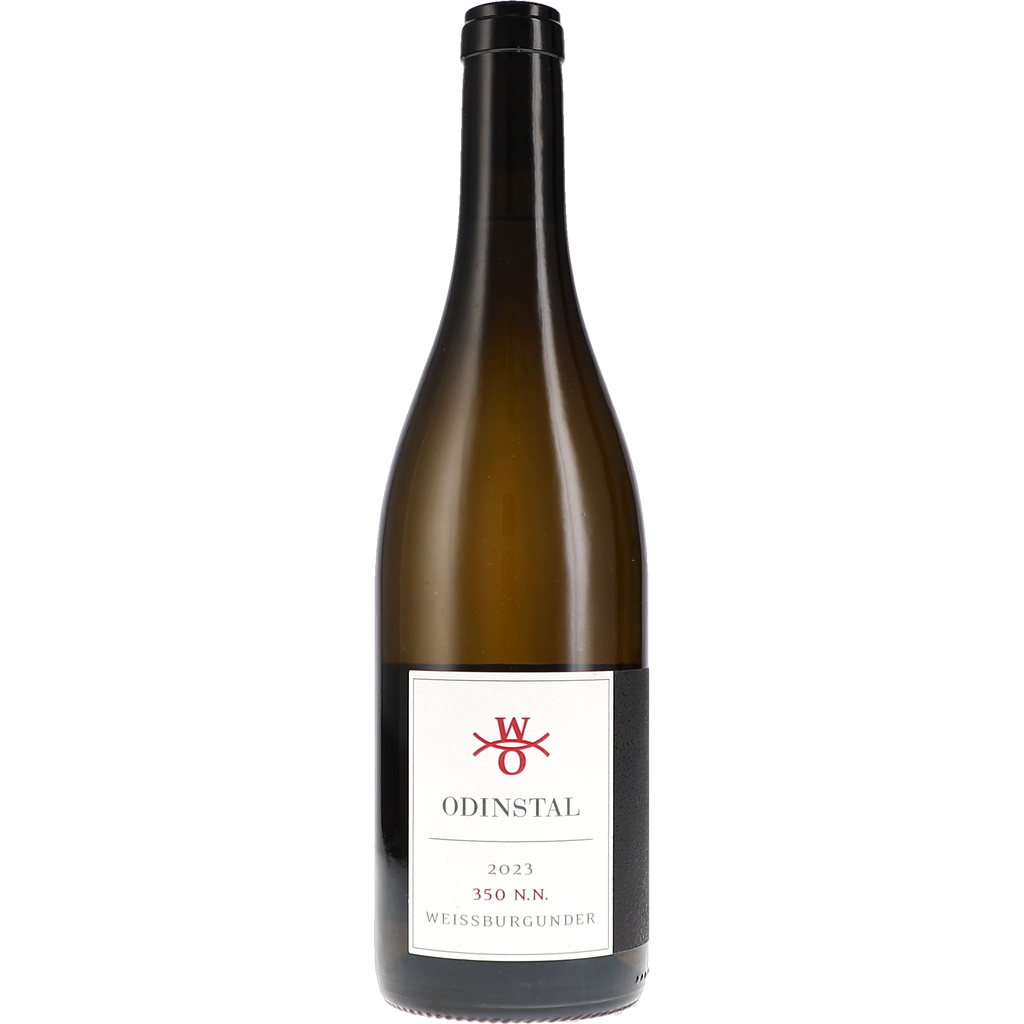
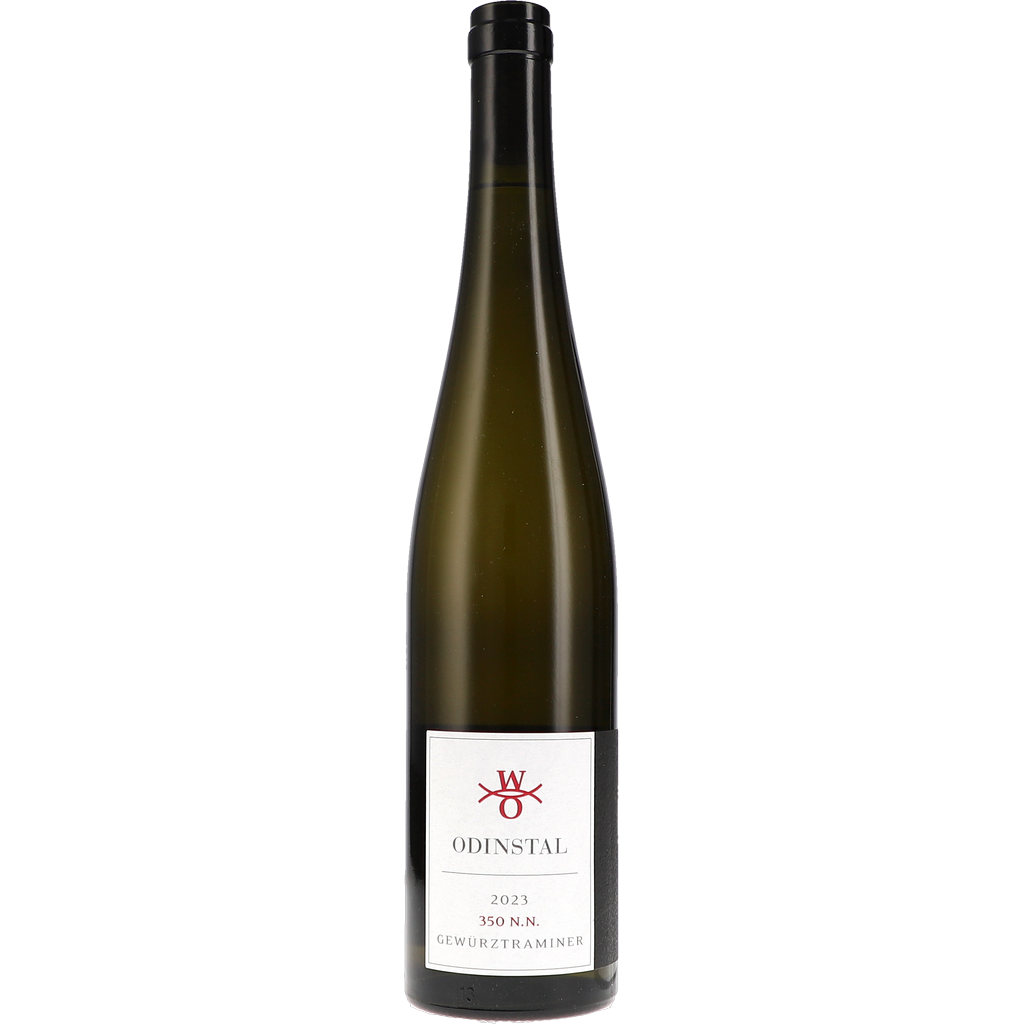
For the Weissburgunder GG Monopol, the vines grow on keuper and basalt, planted in 1988 and 2004. Sixty percent of the batch ferments spontaneously in used oak barrels including malolactic fermentation, the rest in stainless steel tank; after the first blending the wine stays on full lees for a second year. The Gewürztraminer 350 N.N. stands on basalt, planted in 2004, is pressed as whole clusters for 80 percent, and the remaining fifth ferments on the skins, ending up at 28 milligrams of sulphur per litre.
The cellar and the limestone sites in Herxheim am Berg
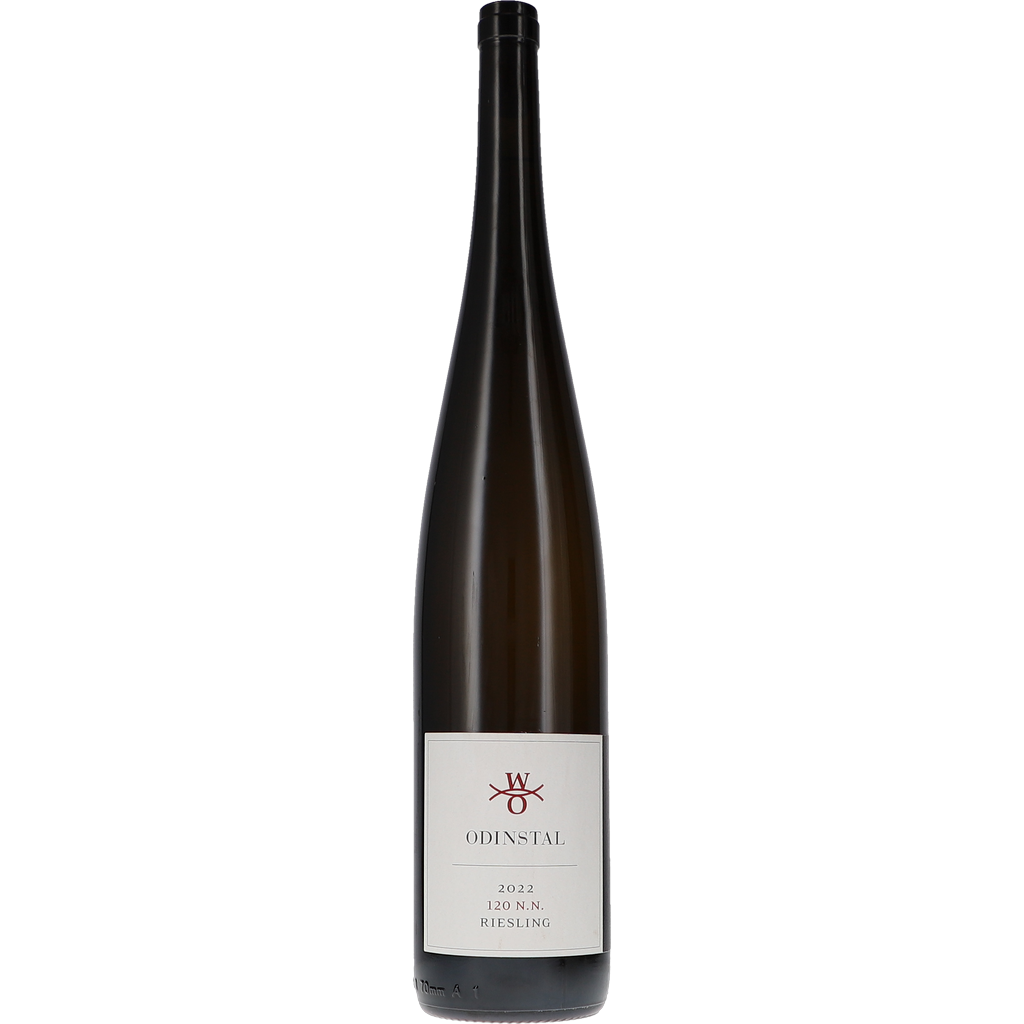
In the cellar, Andreas Schumann intervenes little. The musts ferment spontaneously and without temperature control, the wines mature for a long time on full lees and receive hardly any sulphur; they ferment as dry as they want, mostly bone-dry. The Nakt wines from Riesling and Silvaner do entirely without sulphur and get skin contact, which places the Riesling of this series among the orange wines.
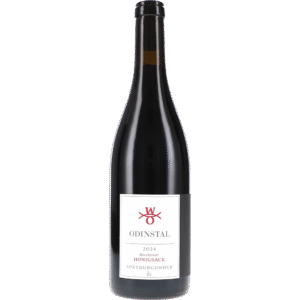
The hollow is too cool for red wine, which is why the estate's first Pinot Noir comes from Herxheim am Berg. The Herxheimer Honigsack lies at around 250 metres, with about 30 centimetres of soil over solid tertiary limestone bedrock; the vines were planted in 2008. The grapes are 30 percent destemmed and ferment spontaneously for around ten days, without pump-over. Herxheim also supplies a Riesling and a Pinot Noir from the Himmelreich site.