Ökonomierat Rebholz
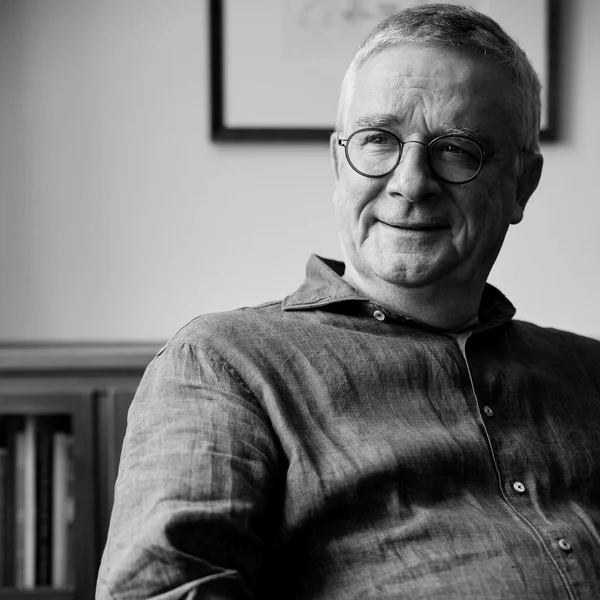
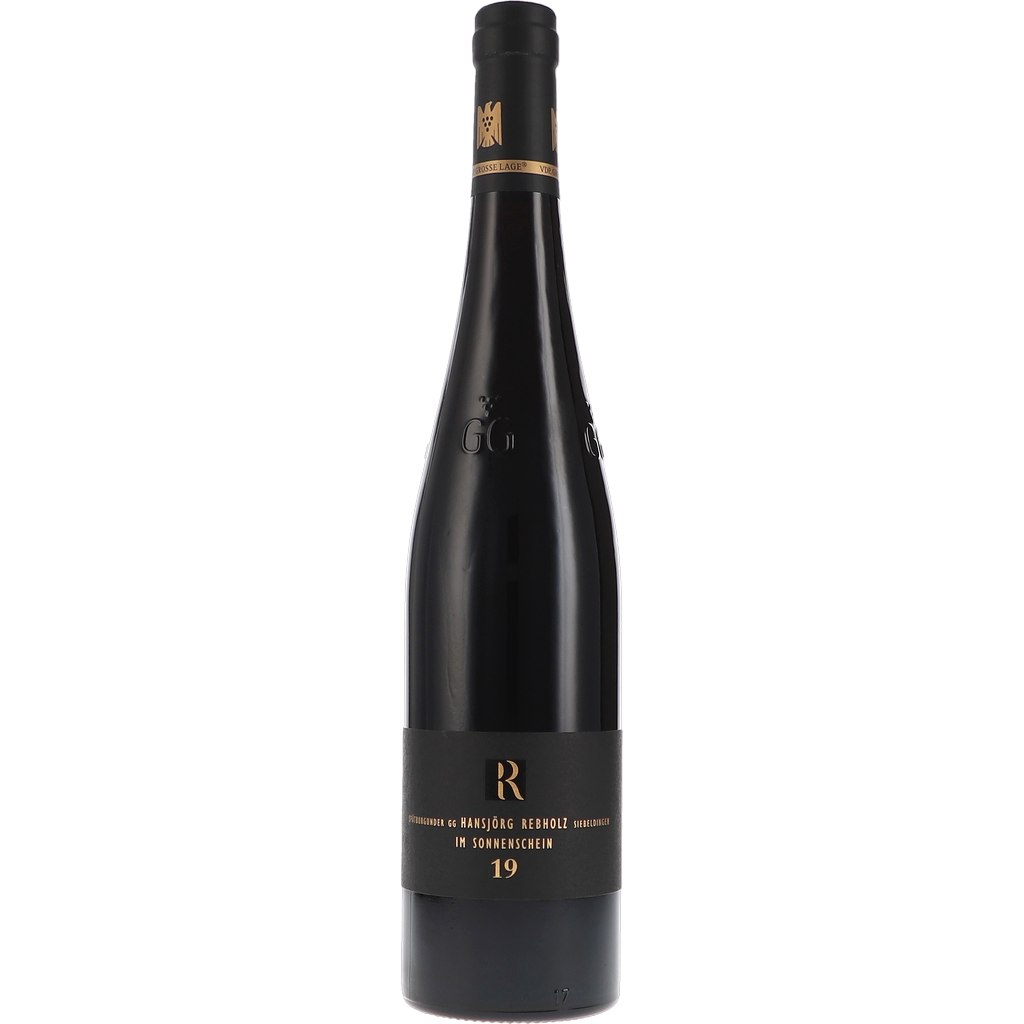
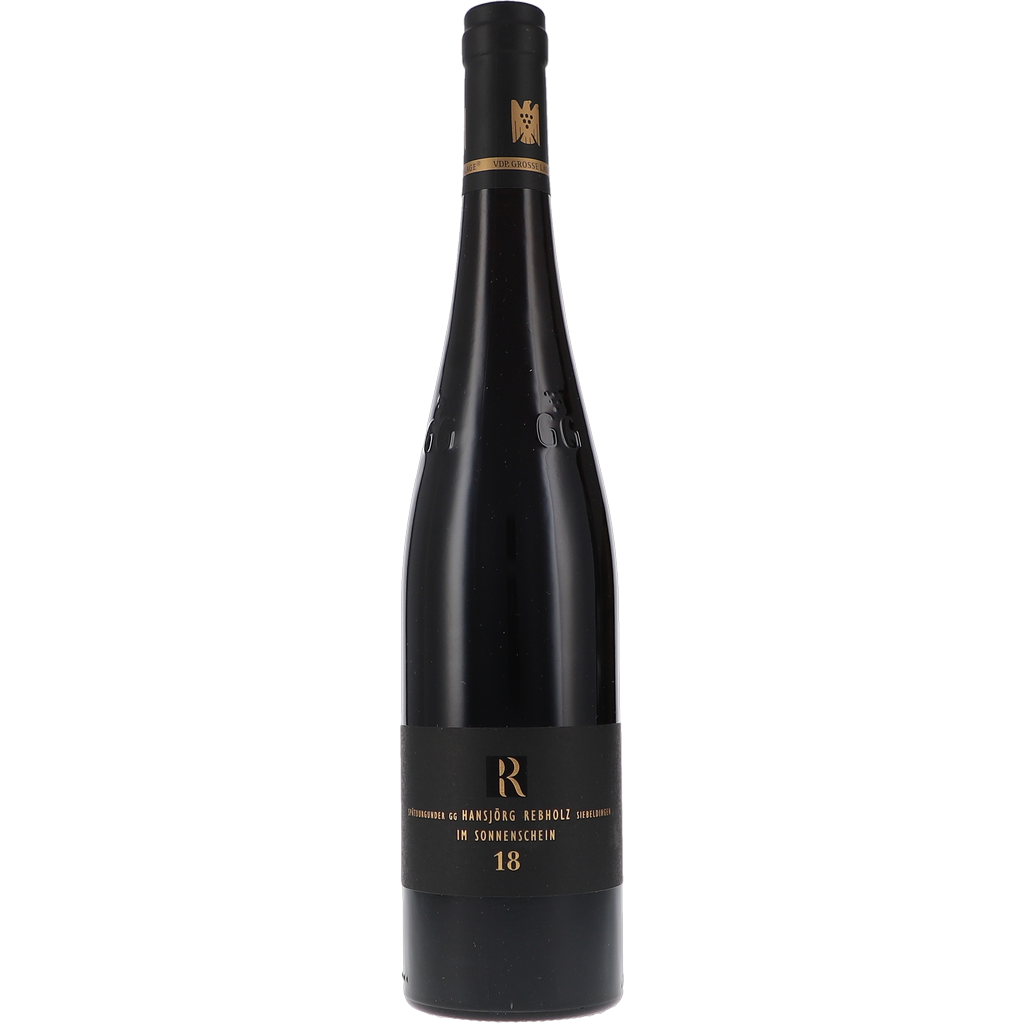
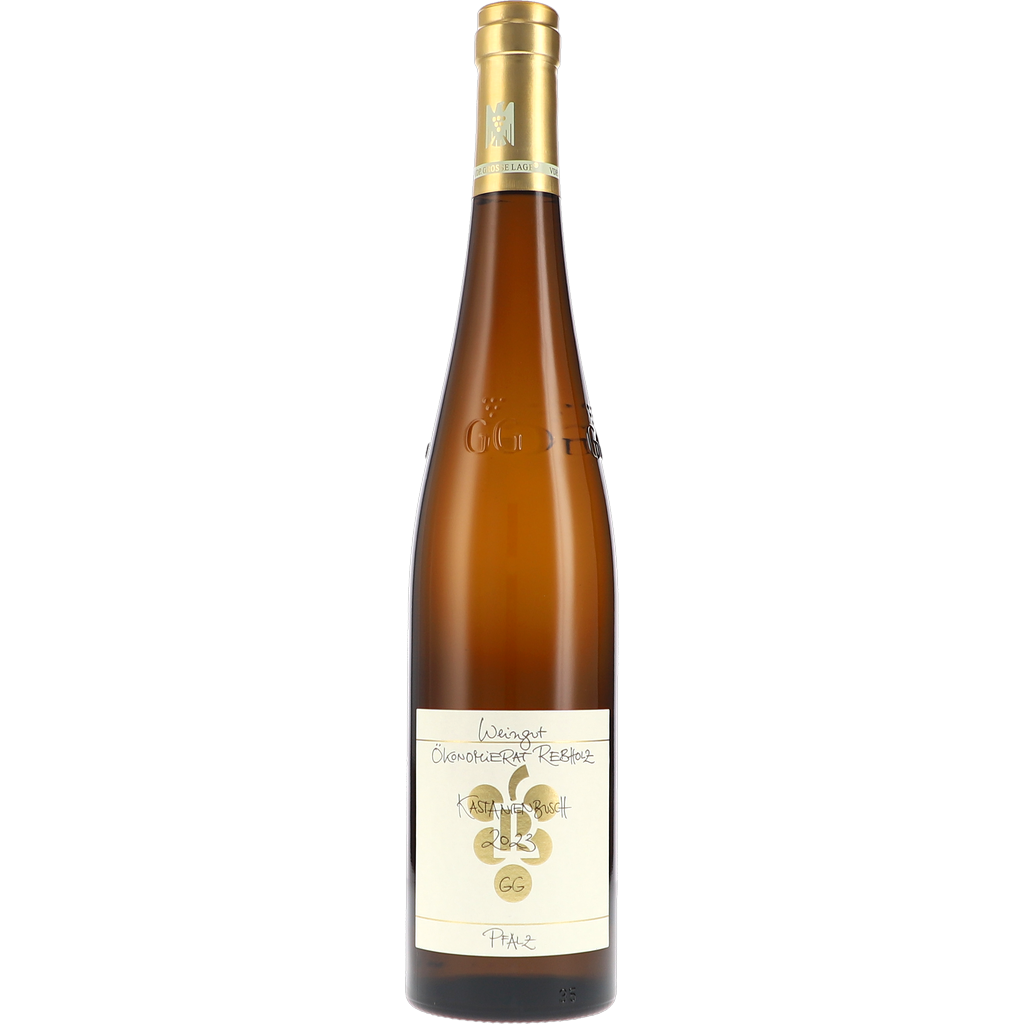
Ökonomierat Rebholz farms 26 hectares in Siebeldingen on the edge of the Palatinate Forest, across four geological formations ranging from Rotliegend through variegated sandstone and schist to shell limestone. Hansjörg and Birgit Rebholz run the winery in its fourth generation, together with their twin sons Hans and Valentin, and cultivate the vineyards biodynamically. Their wines ferment through completely and remain bone dry. The Kastanienbusch, the monopole site Im Sonnenschein, and the sites Ganz Horn and Schäwer yield Grosses Gewächs wines from Riesling, Pinot Blanc and Pinot Noir. In the cellar, the winery works with spontaneous fermentation, stainless steel and small oak barrels.
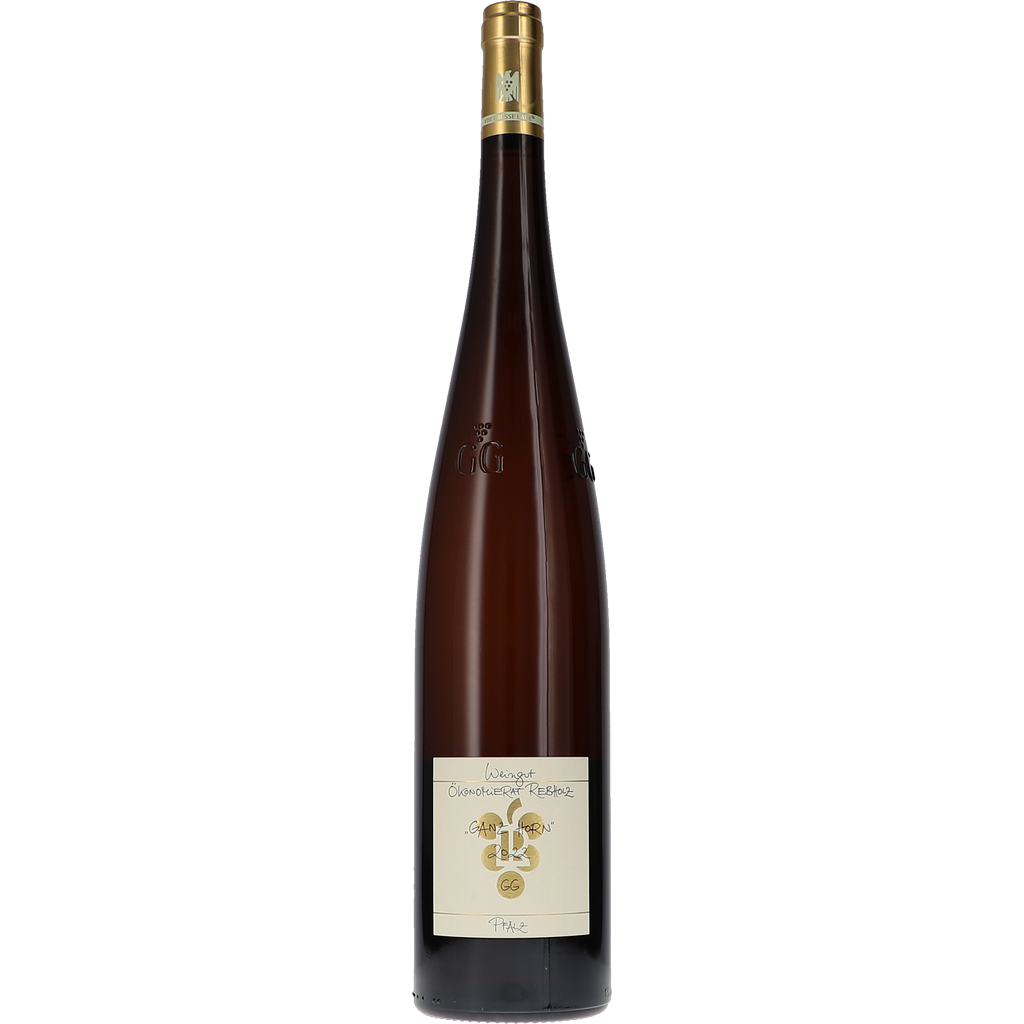
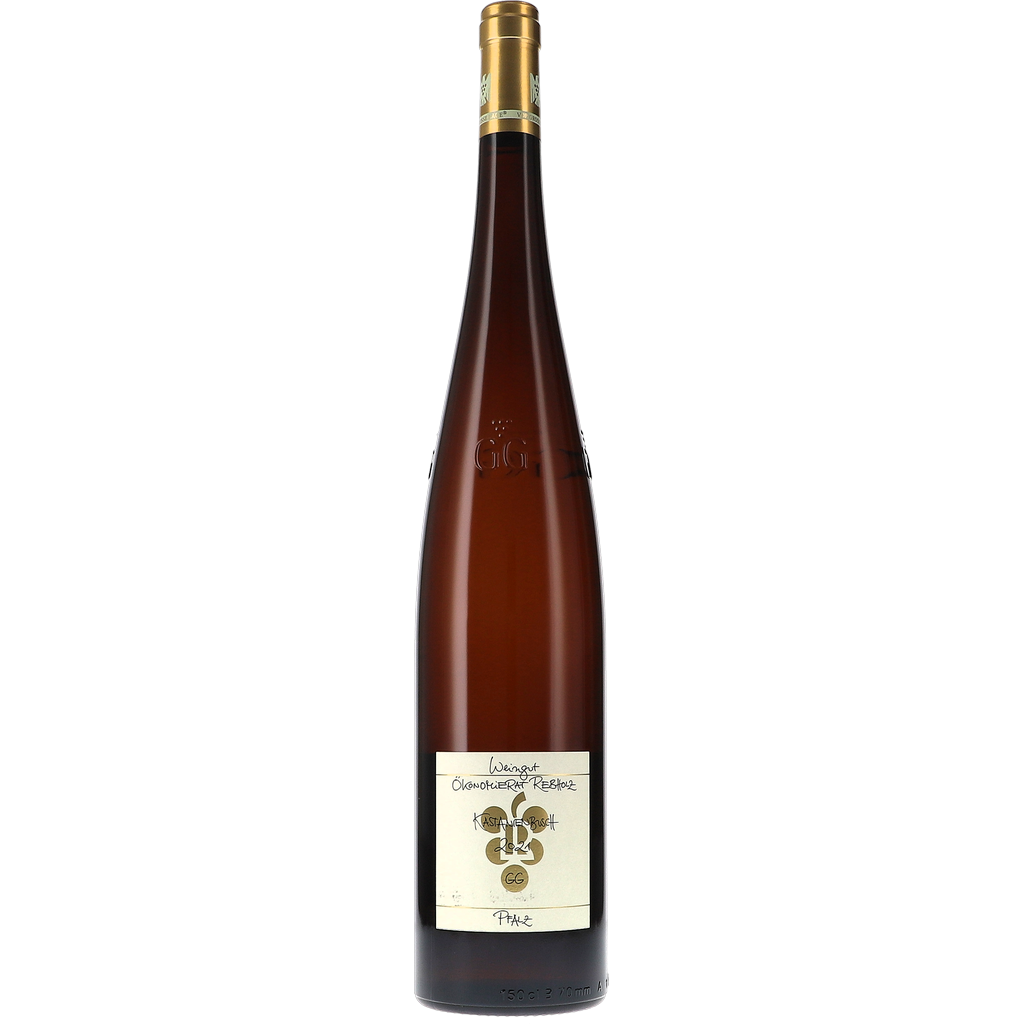
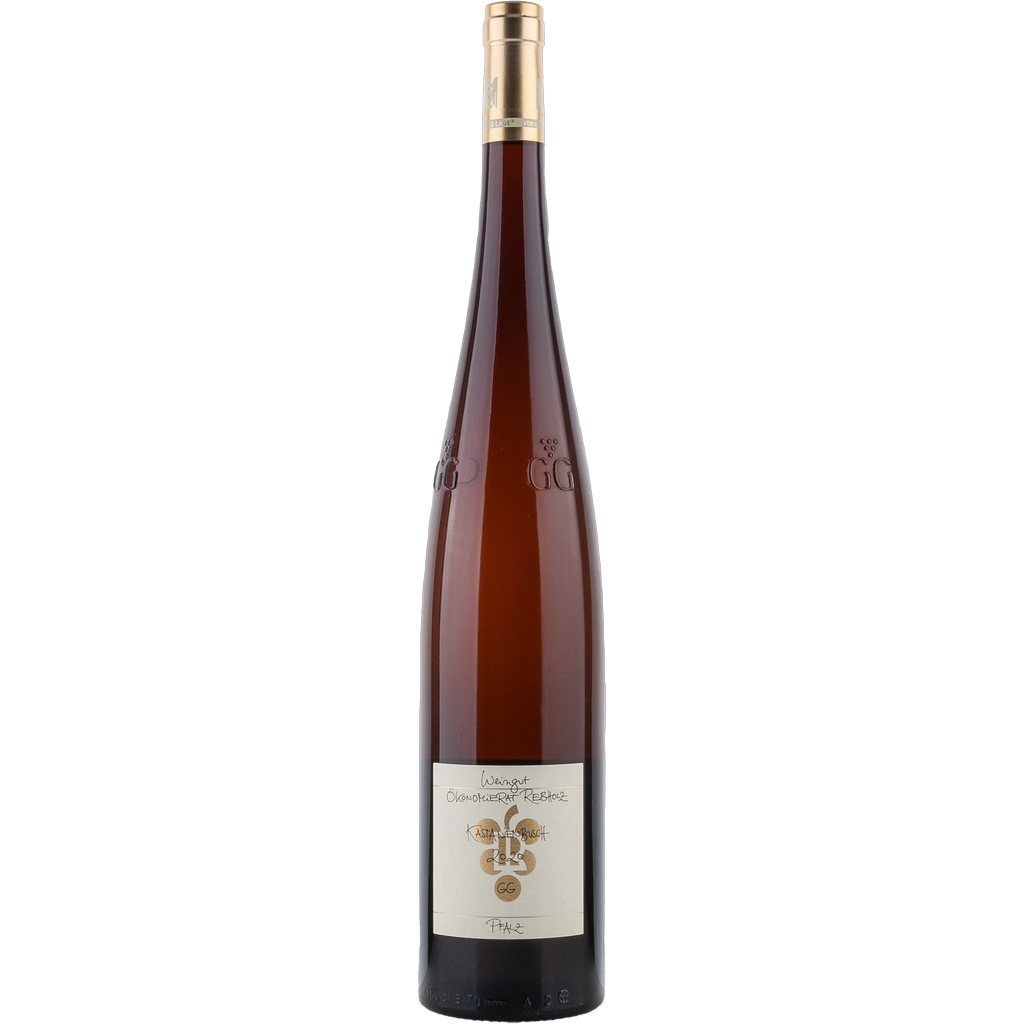
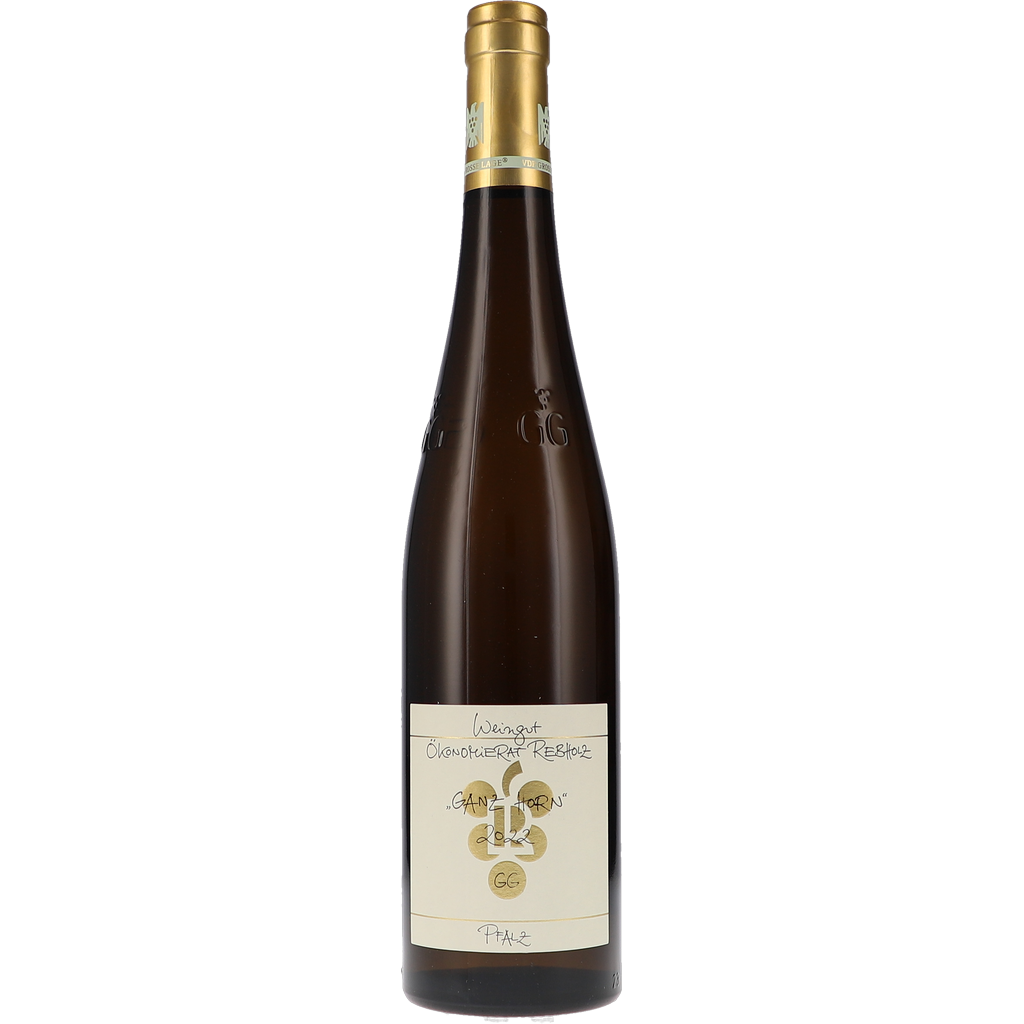
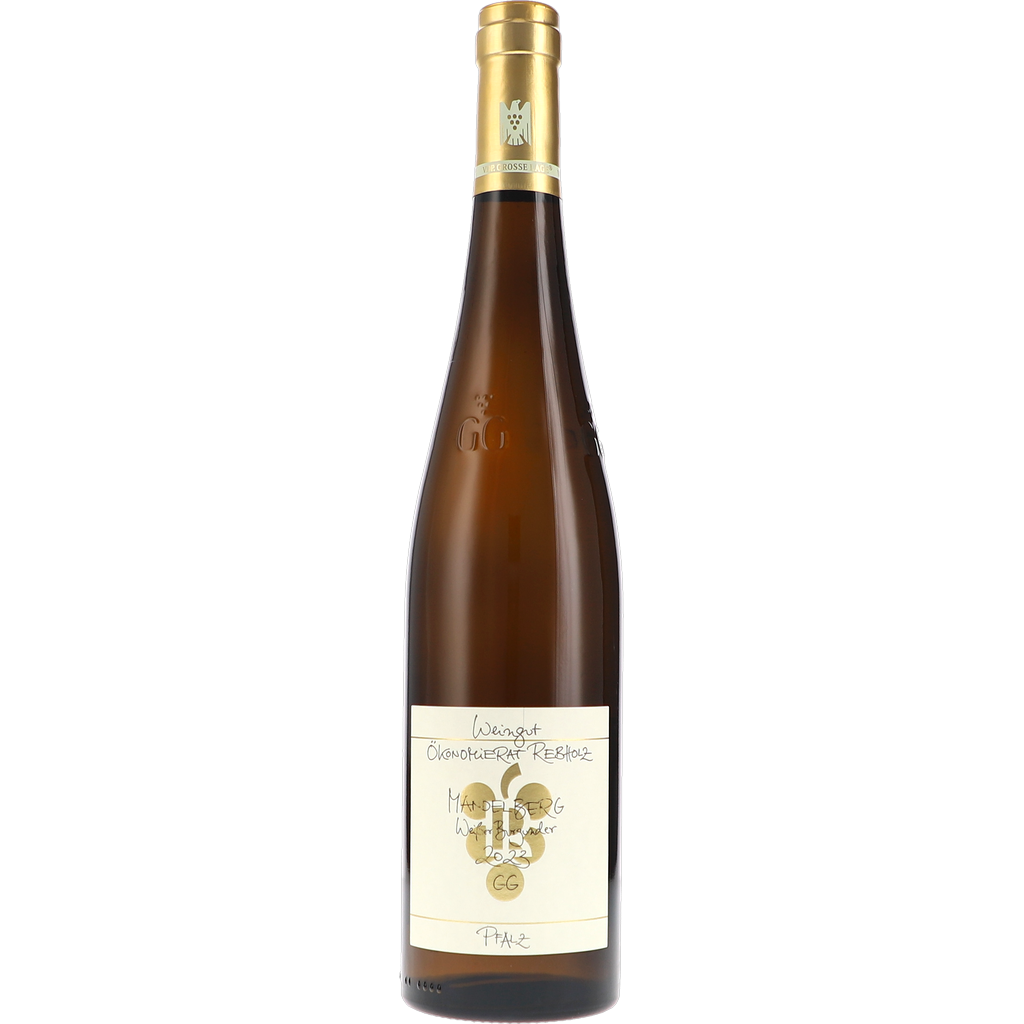
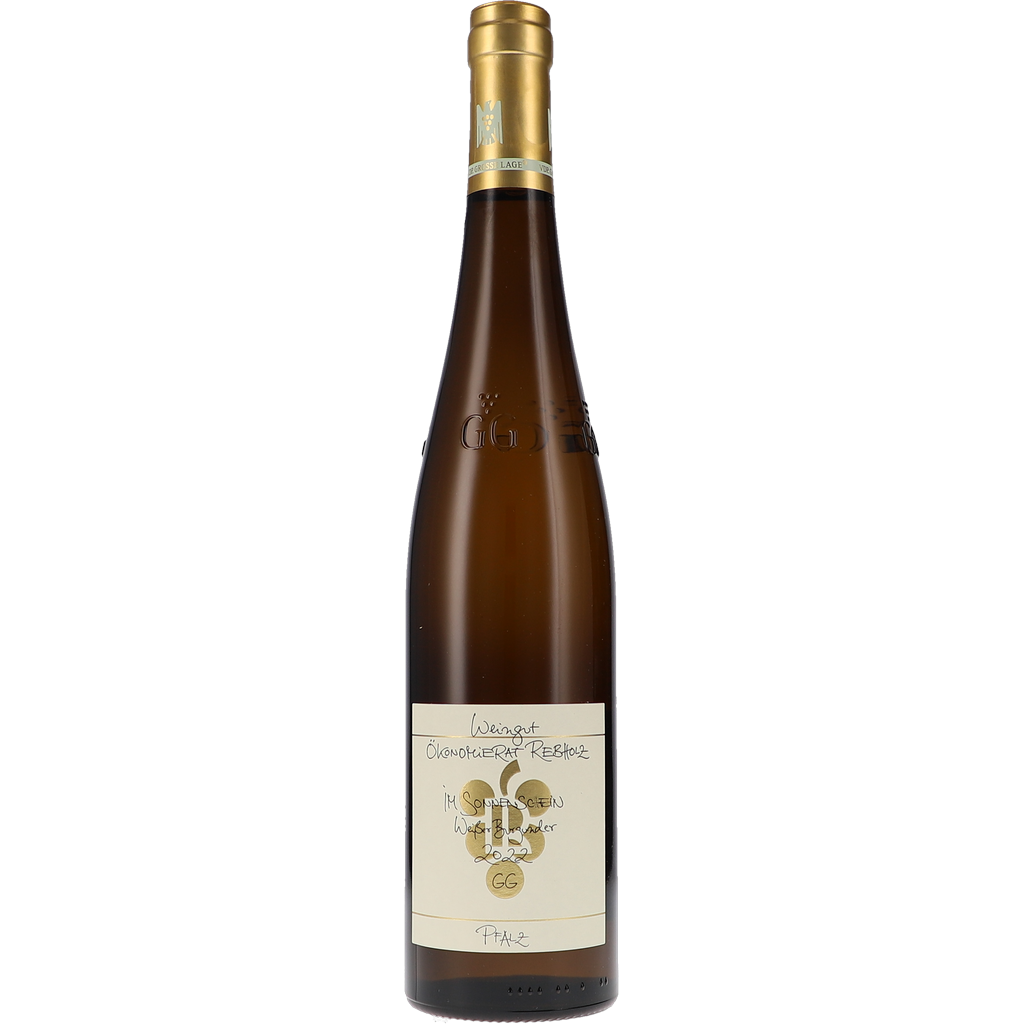
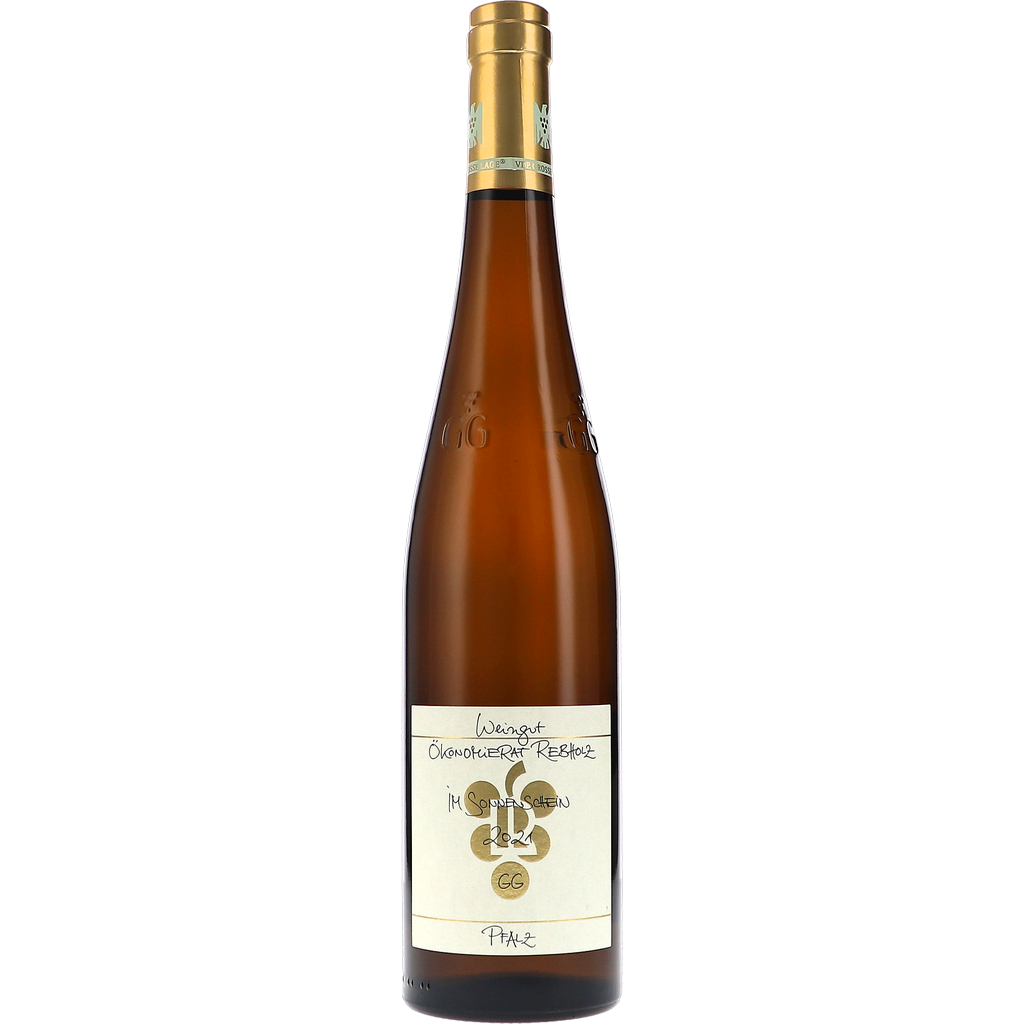
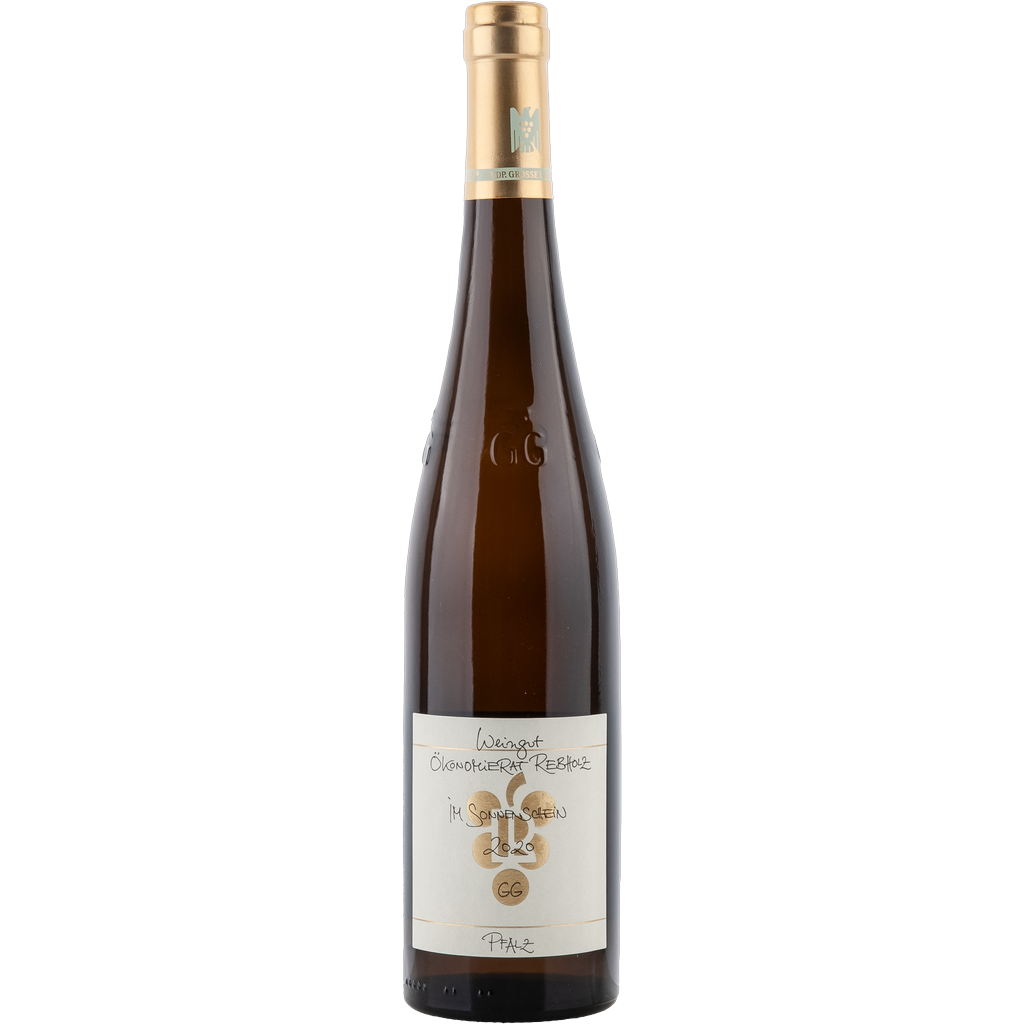
Siebeldingen at the edge of the Haardt
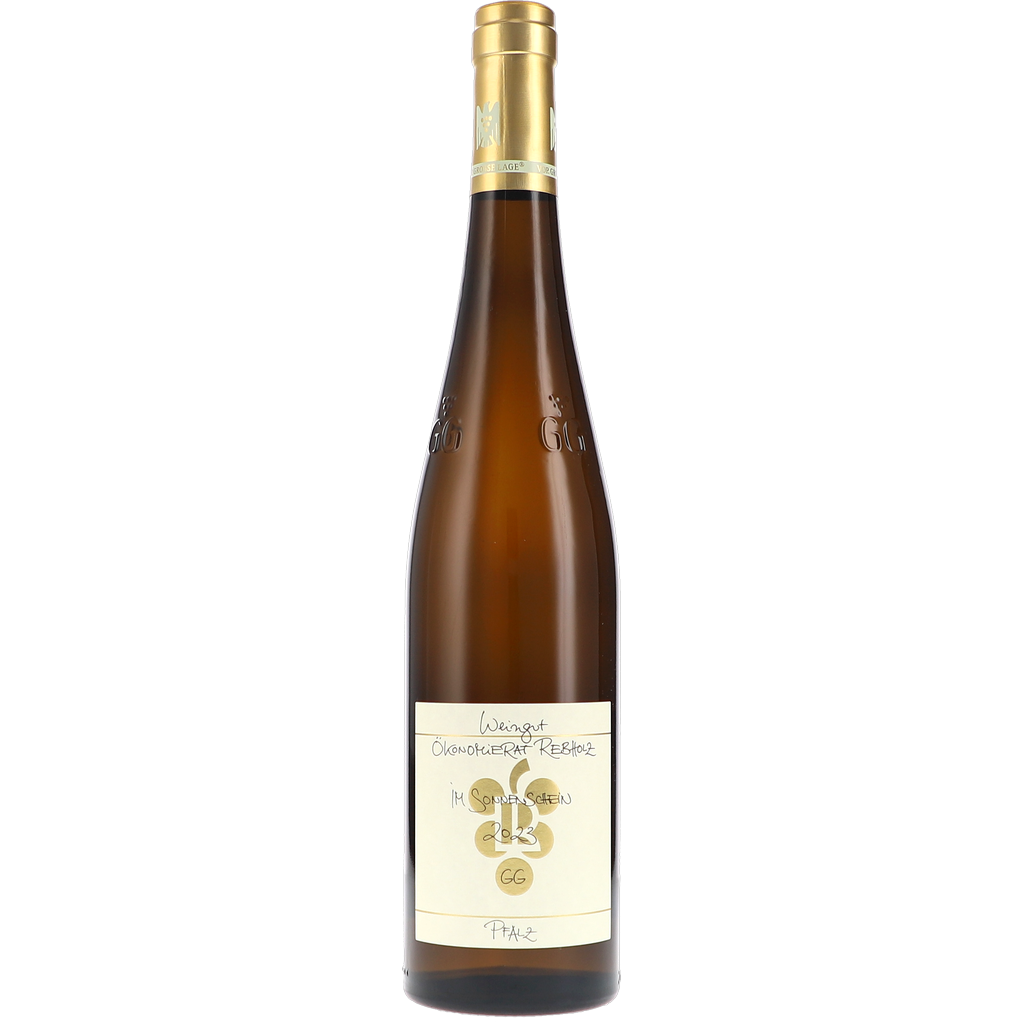
The vineyards of Ökonomierat Rebholz lie at the edge of the Haardt, in the transition zone between the Rhine plain and the Palatinate Forest, spread across 26 hectares over four geological formations. Rotliegend gives the Riesling mineral tension, shell limestone a fine acid structure, complemented by variegated sandstone and schist. Most sites along the Haardt face east. Im Sonnenschein, the Siebeldingen site in the Queich valley, faces south, lies at 160 to 250 metres, and has a slope gradient of five to twenty percent. The Riesling there grows on Triassic shell limestone.
The Rebholz family
In 1889, great-grandfather Eduard began in Siebeldingen with a philosophy he called natural wine. Hansjörg and Birgit Rebholz now run the winery, their twin sons Hans and Valentin work alongside them, and the wines still ferment through completely and remain bone dry. Hansjörg Rebholz headed the VDP Palatinate for 25 years. The family cultivates the vineyards biodynamically.
Kastanienbusch and Mandelberg
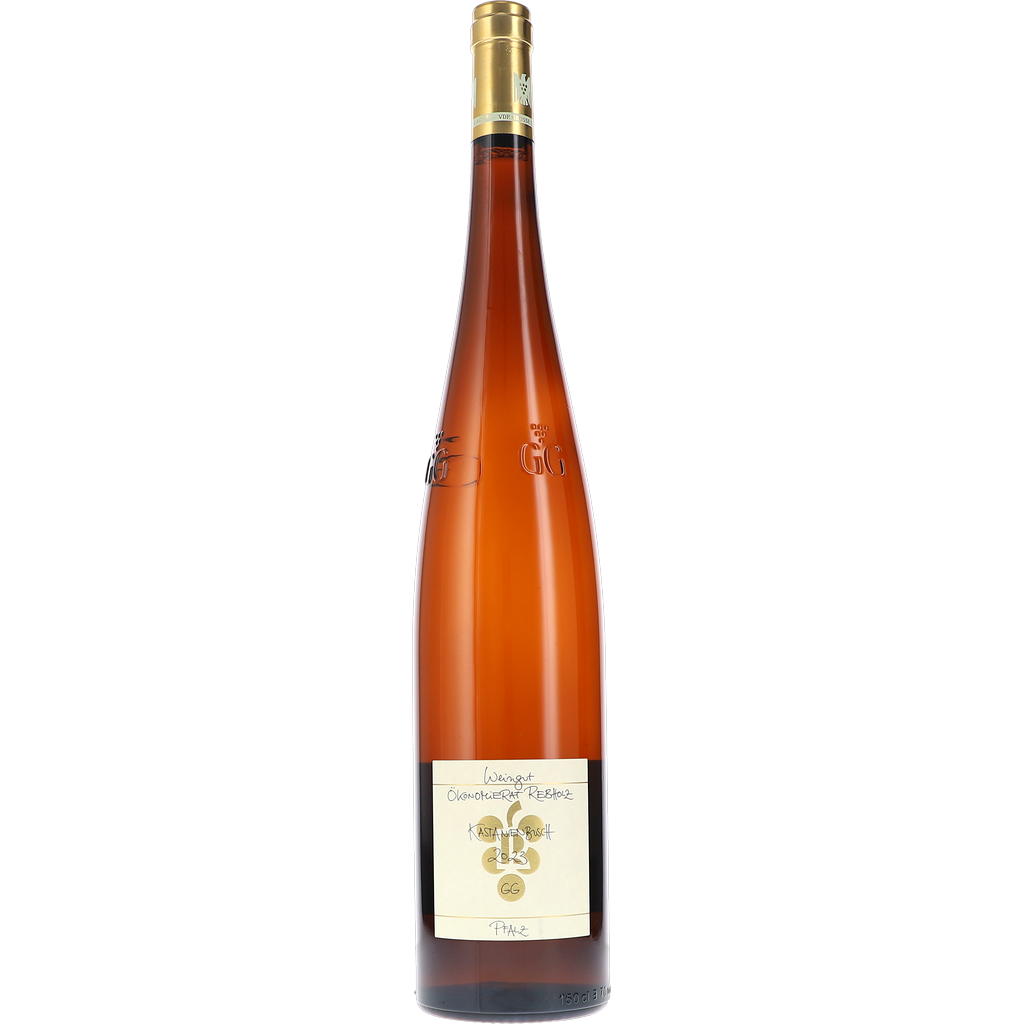
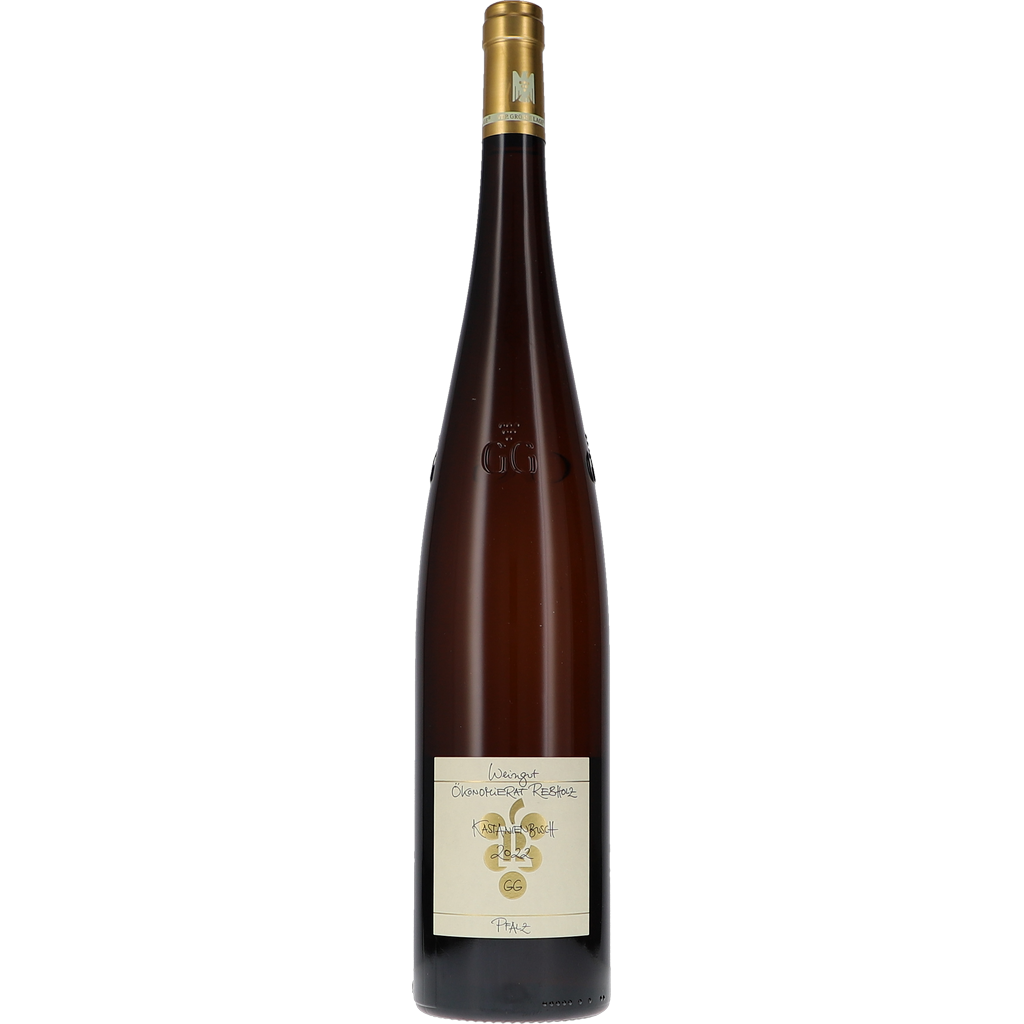
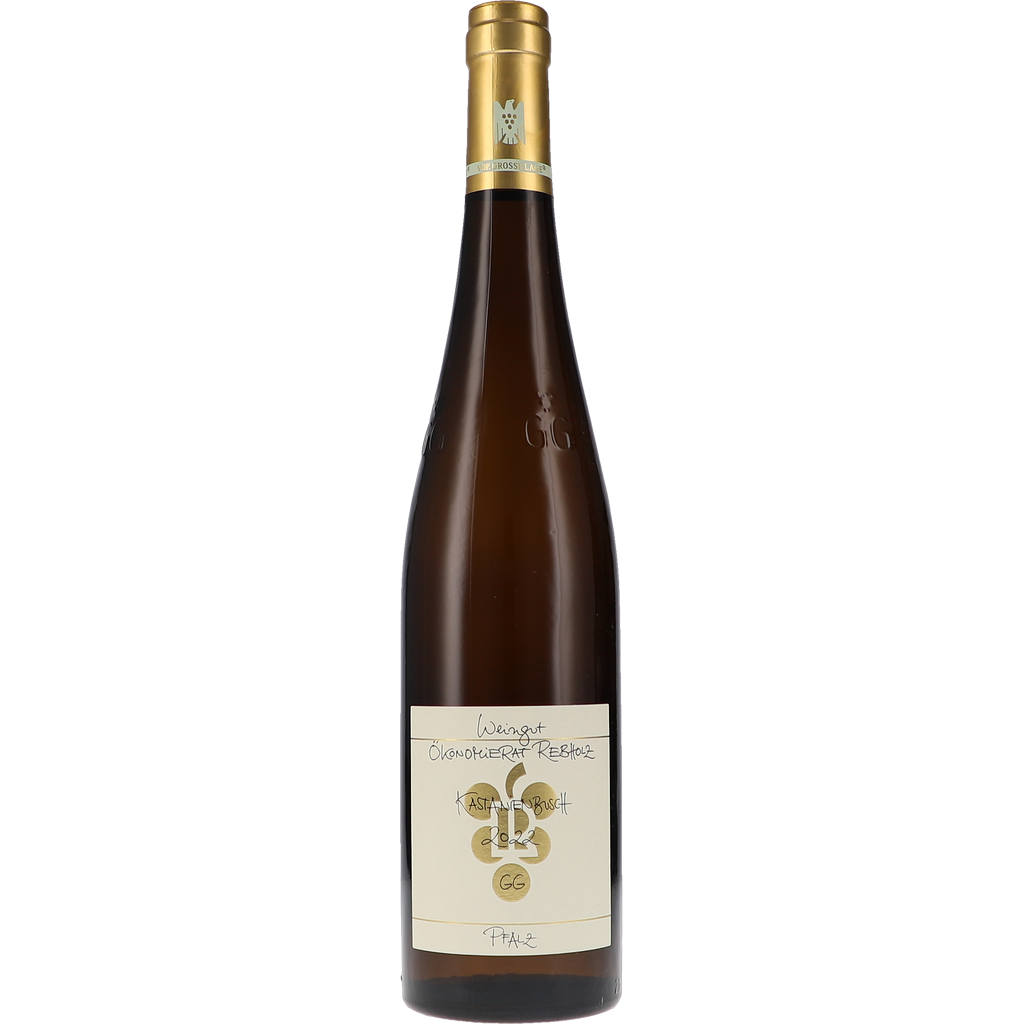
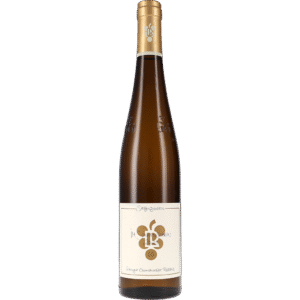
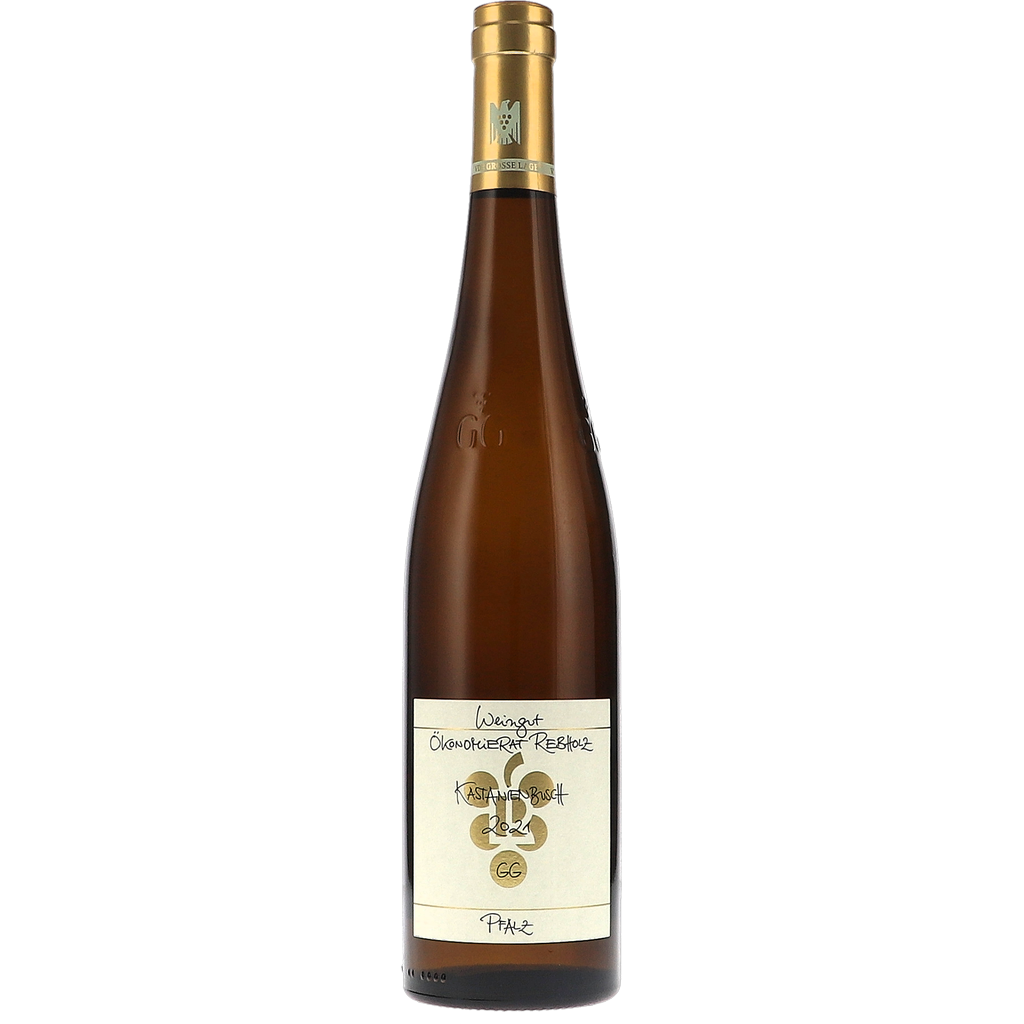
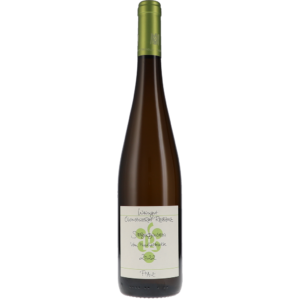
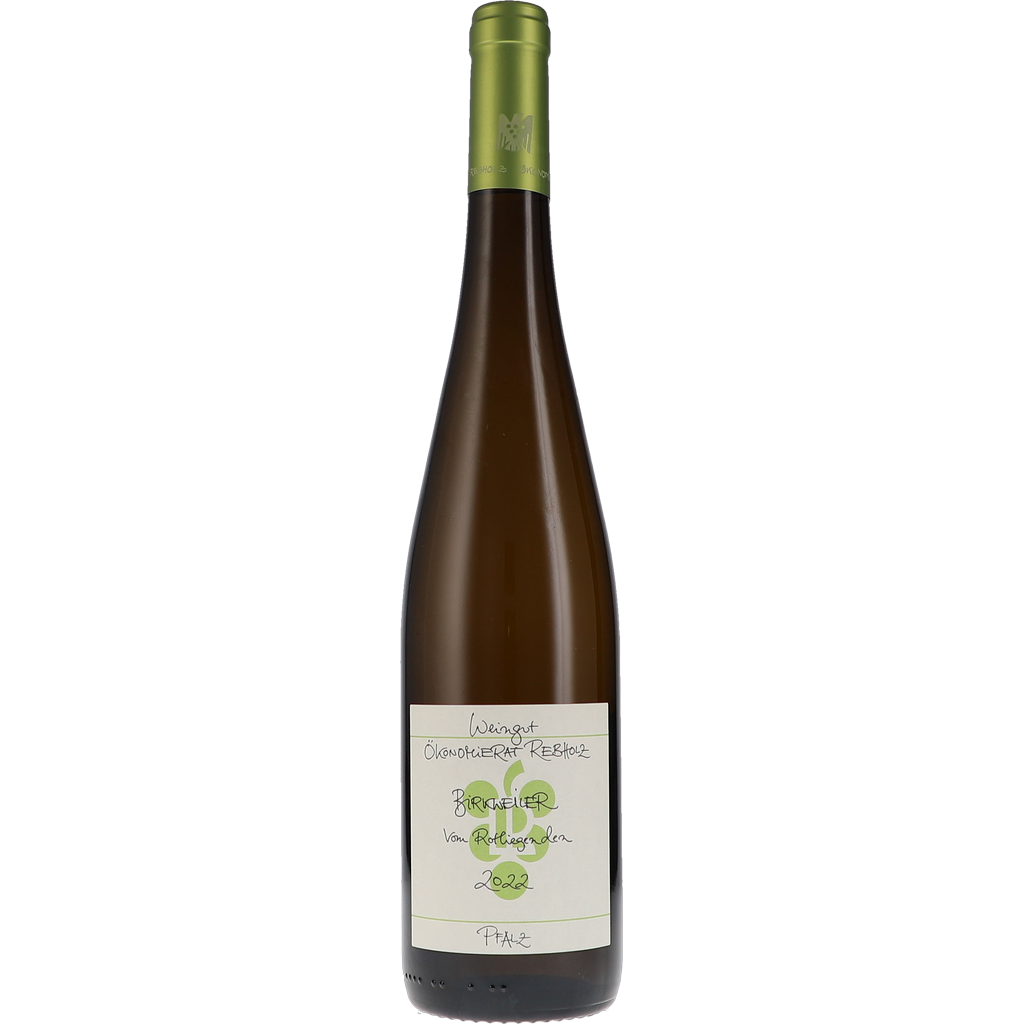
West of Birkweiler lies the Kastanienbusch, on the edge of a basin, sheltered from the cool winds off the Palatinate Forest. Iron-rich Upper Rotliegend defines the site; the vineyard consists of loose deposits of granite, schist and melaphyre and slopes at 30 to 35 percent. At 320 metres, it is the highest GG site in the Palatinate. Rebholz's parcels belong to the original parcel of the site. The Kastanienbusch Riesling GG received 100 points from Gault&Millau.
The Mandelberg lies southwest of Birkweiler, 500 metres from the Kastanienbusch, at around 250 metres and facing southeast. The rise from the Hohenberg to the Rauhberg is a fault line of the Rhine rift, with Permian Rotliegend as well as variegated sandstone, shell limestone and Triassic Keuper. The Pinot Blanc there grows on shell limestone mixed with clay, deeper than in the Im Sonnenschein site.
Work in the cellar
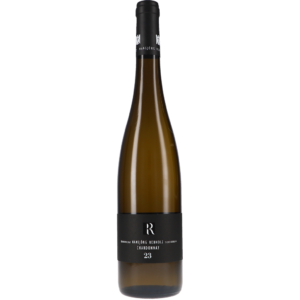
The Riesling is destemmed and left on the skins for around 24 hours; after settling and natural sedimentation, it ferments in stainless steel and remains on fine lees for six months. The Pinot Blanc "Mandelberg" GG is pressed slowly, ferments spontaneously and likewise matures in stainless steel. The Pinots of the R line go into small oak barrels, including the R' Chardonnay.
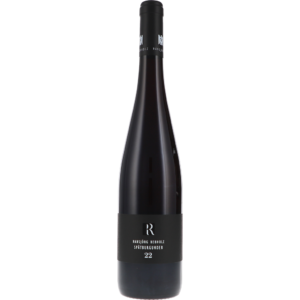
For the Pinot Noir from Im Sonnenschein, the winery destems around 70 percent of the grapes, lets them undergo a cool pre-fermentation maceration for several days and then ferments them spontaneously, at just over 30 degrees, with careful extraction of colour and tannin. After three weeks of skin contact, malolactic fermentation follows in spring. The wine matures for one third each in new, one-year and two-year barriques and is bottled after 16 to 18 months without fining or filtration.