Christmann
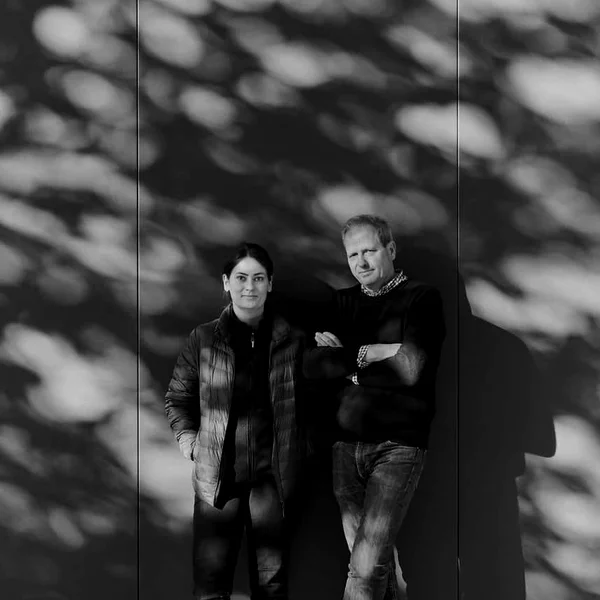
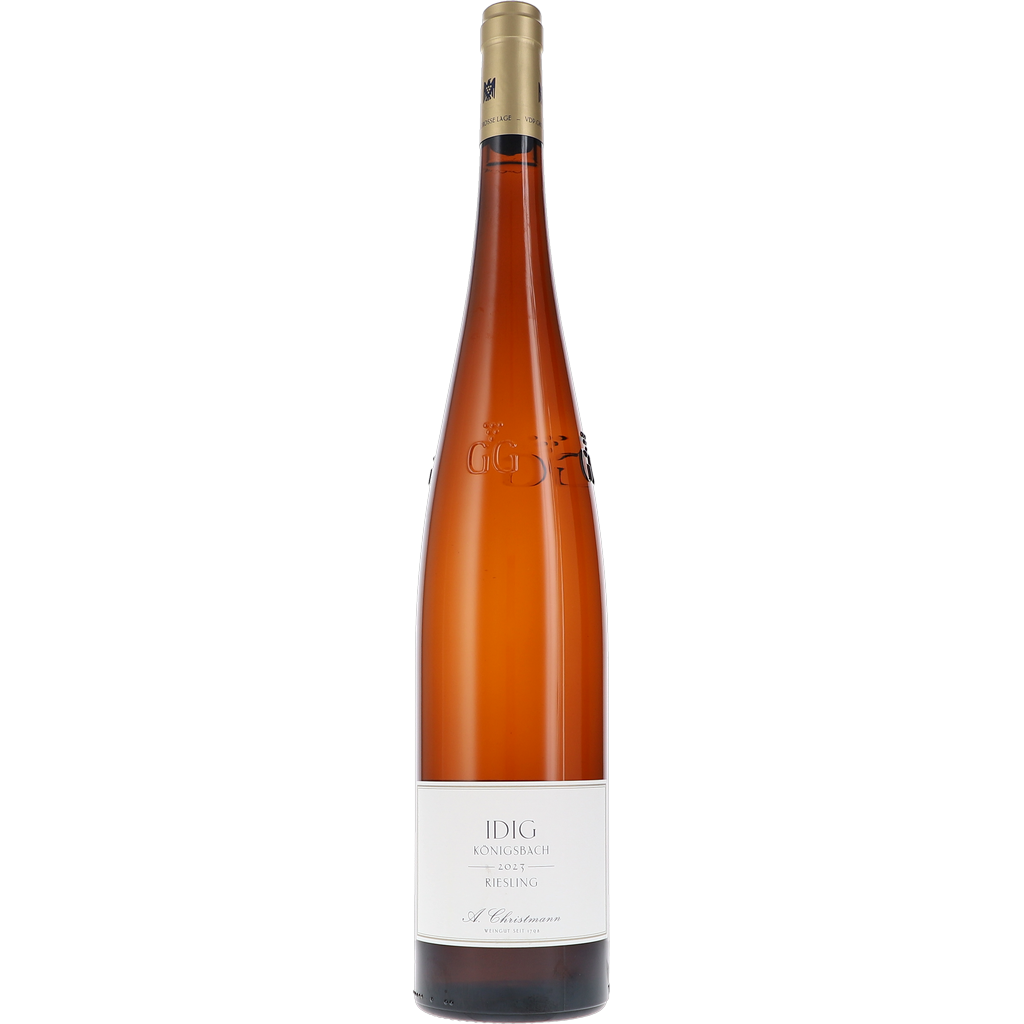
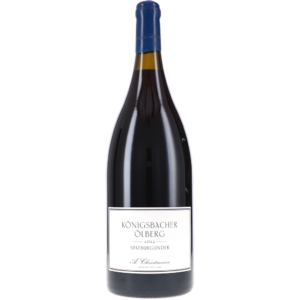
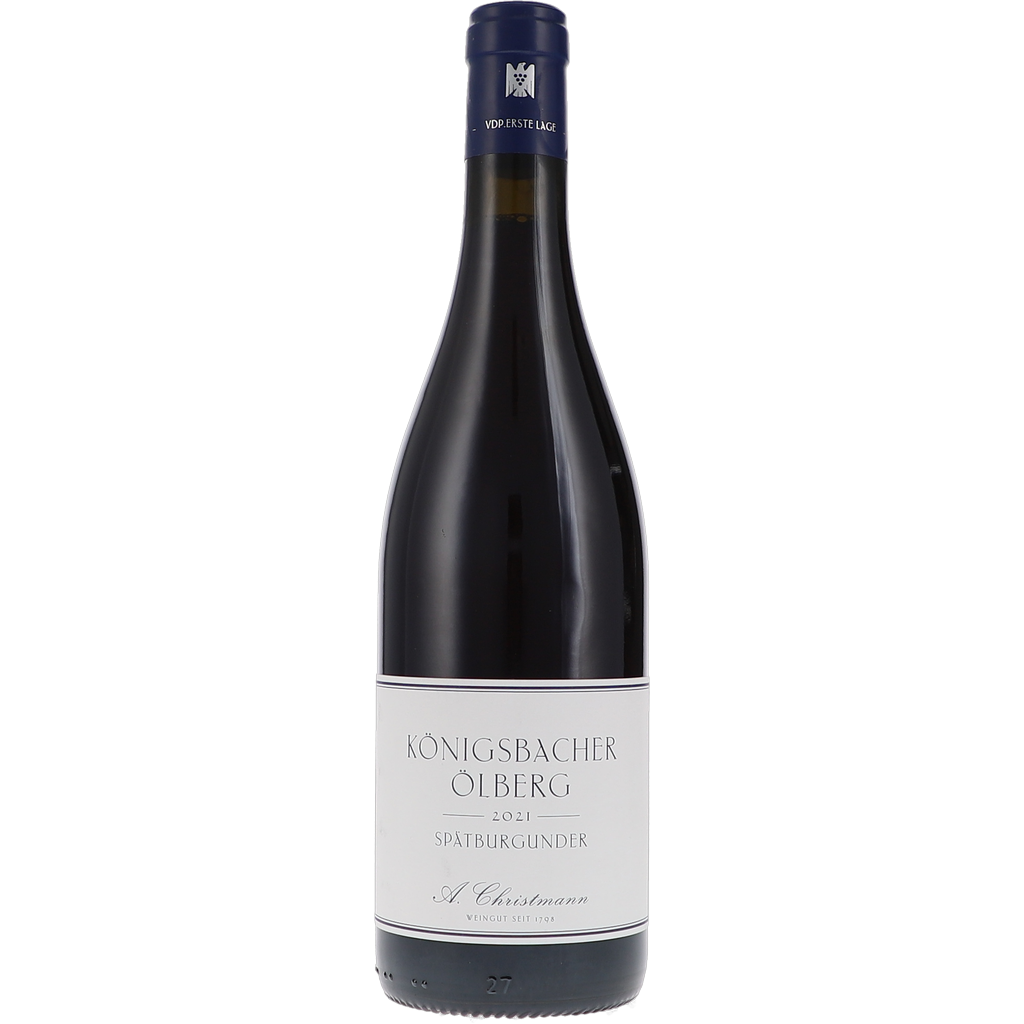
Weingut A. Christmann in Gimmeldingen farms 17 hectares on the Mittelhaardt in the Palatinate, all classified as VDP.Erste Lage or VDP.Grosse Lage. The estate has existed since 1798; Steffen Christmann has run it since 1996, the seventh generation, and since 2018 together with his daughter Sophie Christmann. The estate has farmed biodynamically since 2003, certified by respekt-BIODYN and EU organic. Seventy percent of the area is planted with Riesling, the rest with Pinot Noir and a little Pinot Blanc. The IDIG in Königsbach, whose classified area belongs almost entirely to the Christmanns, yields Riesling and Pinot Noir in which the limestone subsoil leaves a saline trace.
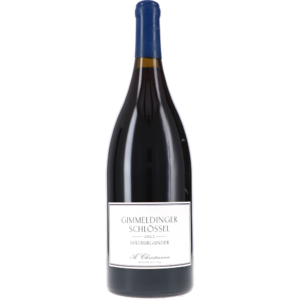
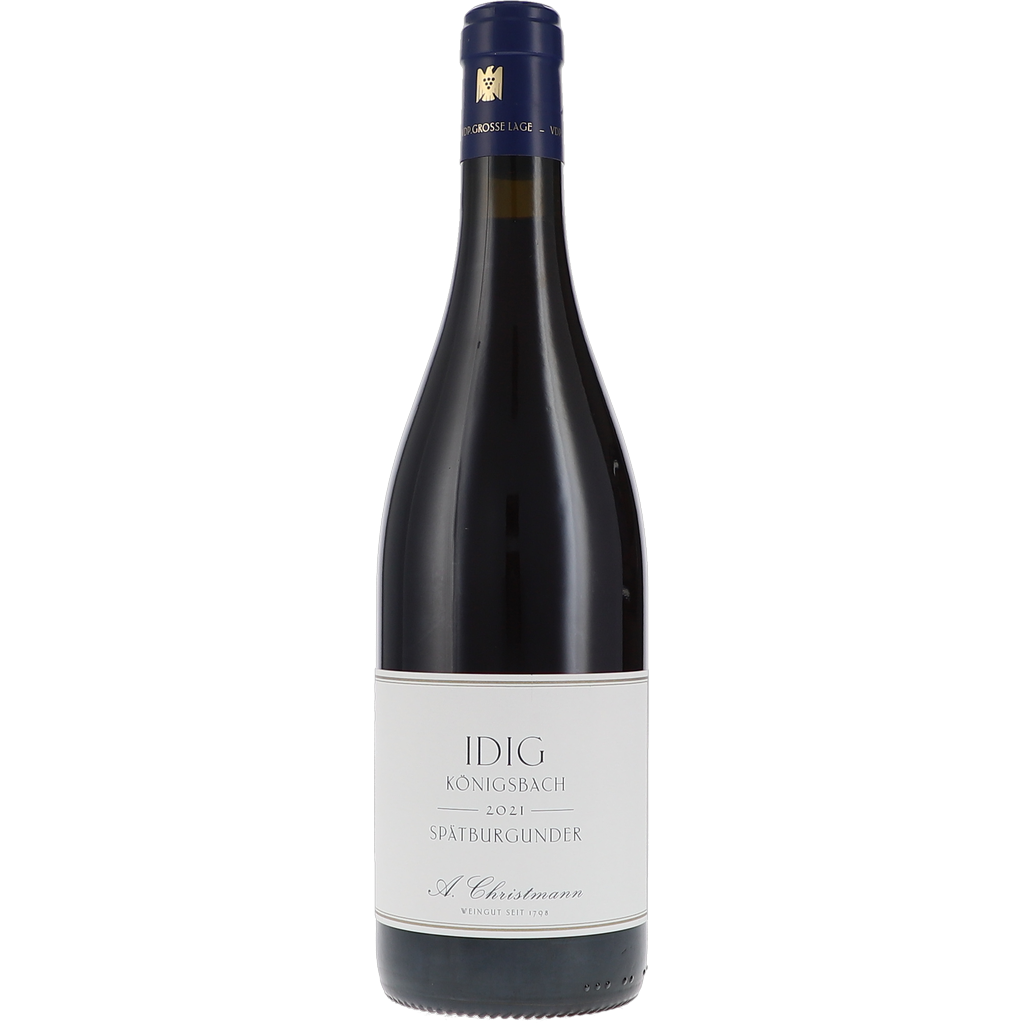
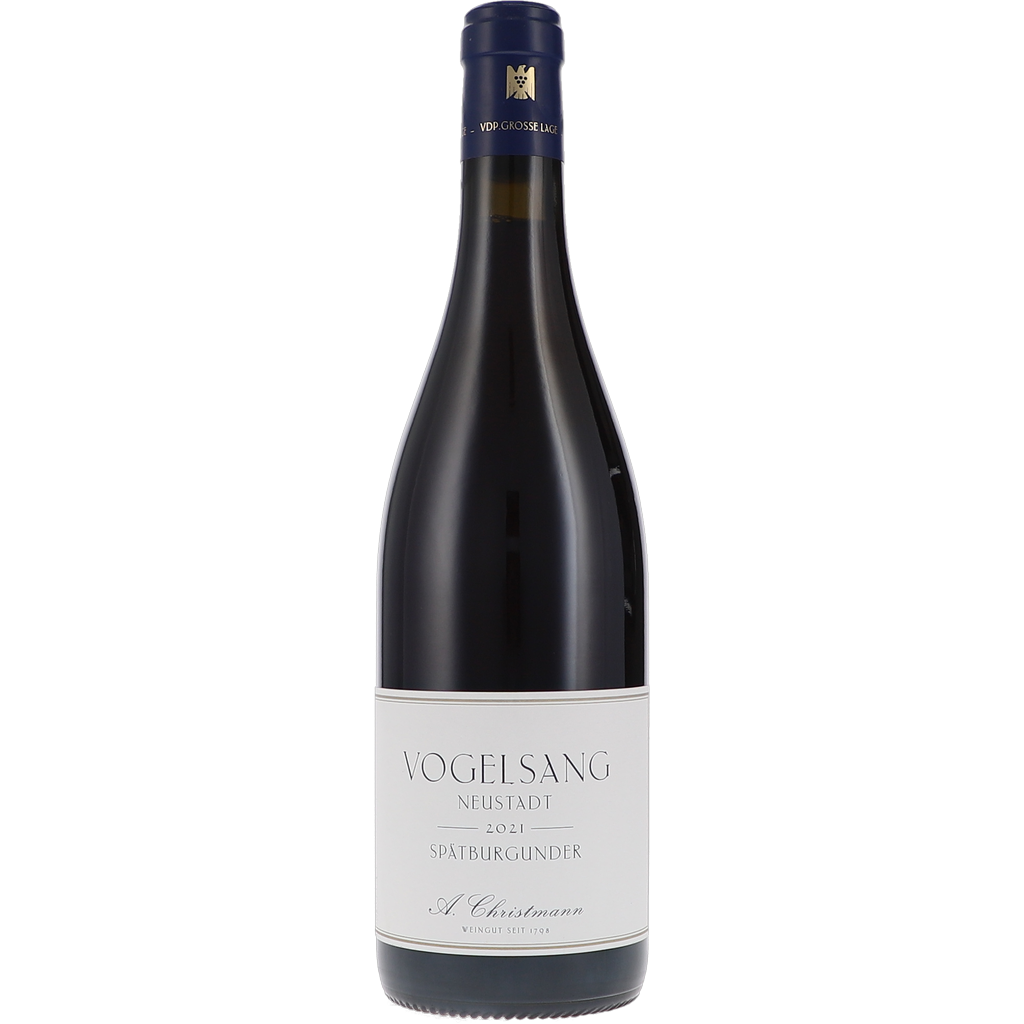
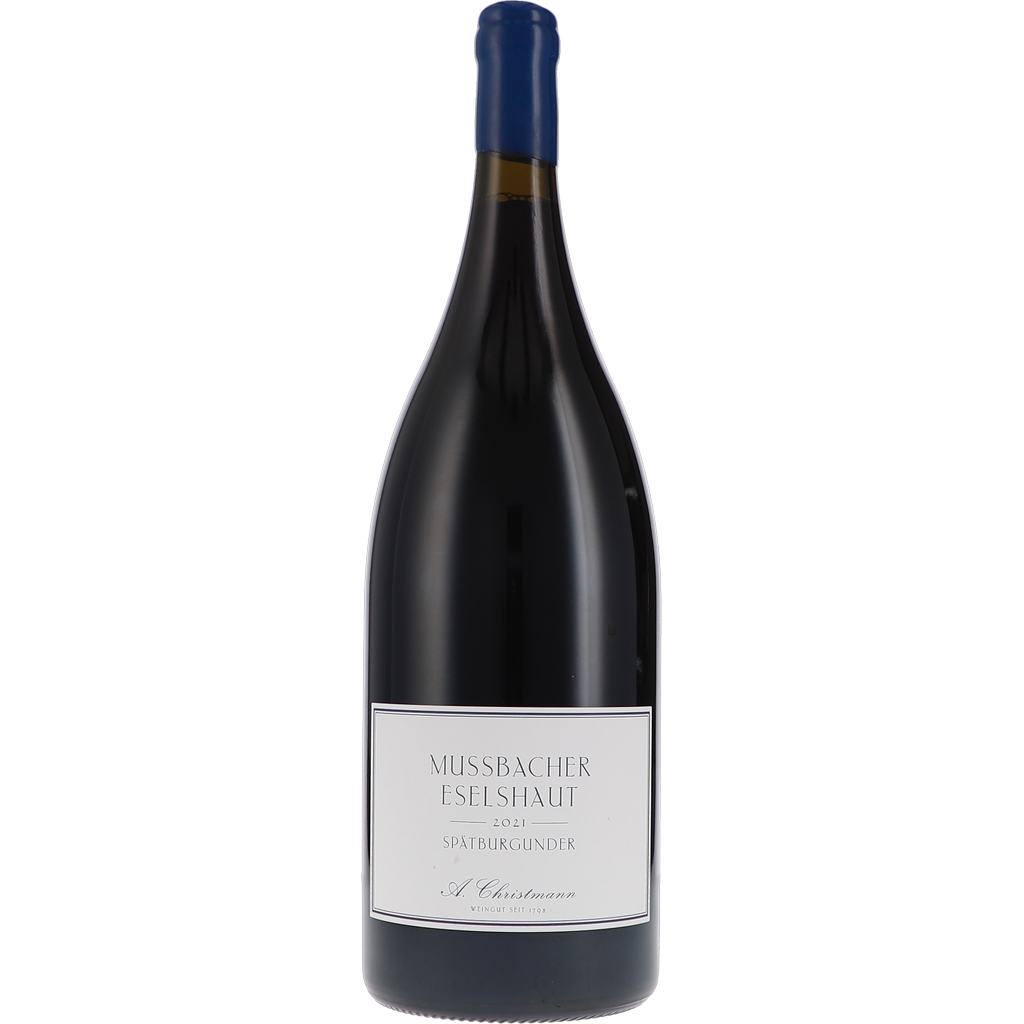
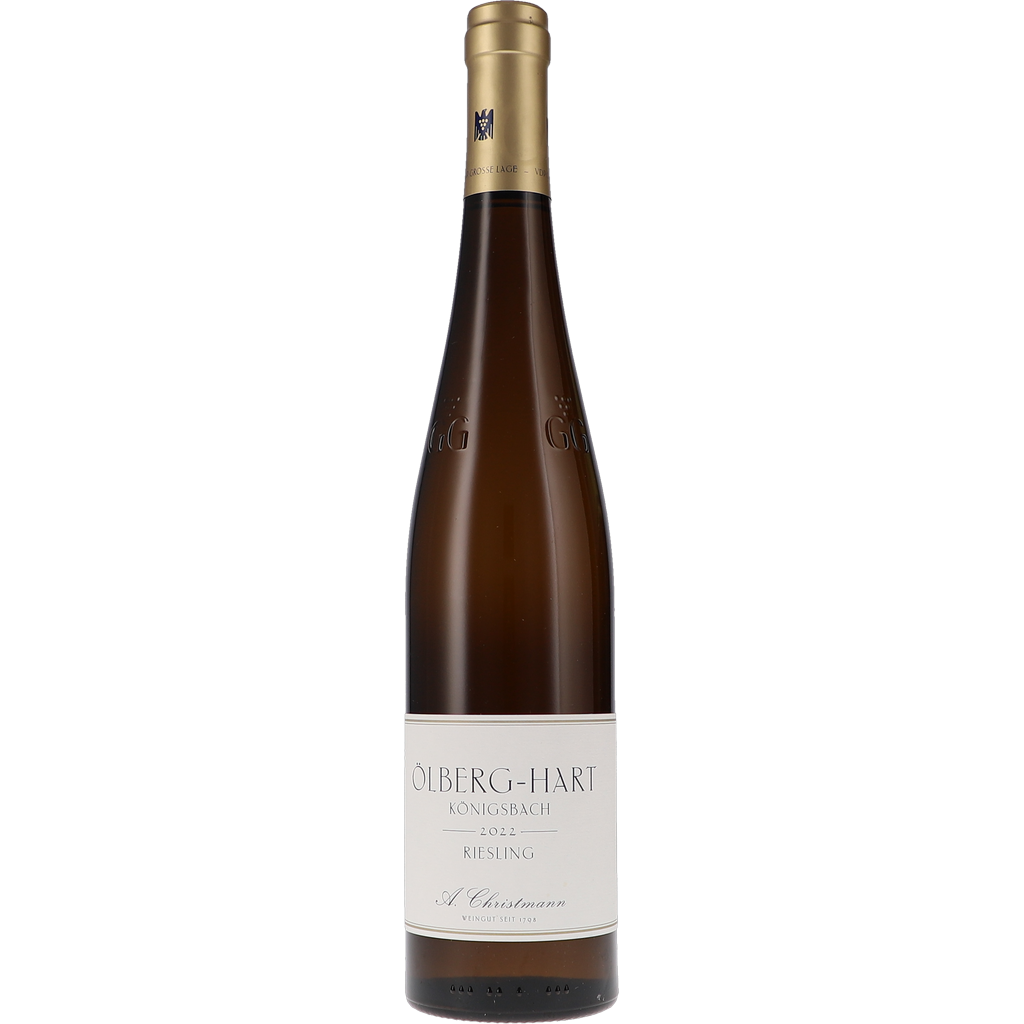
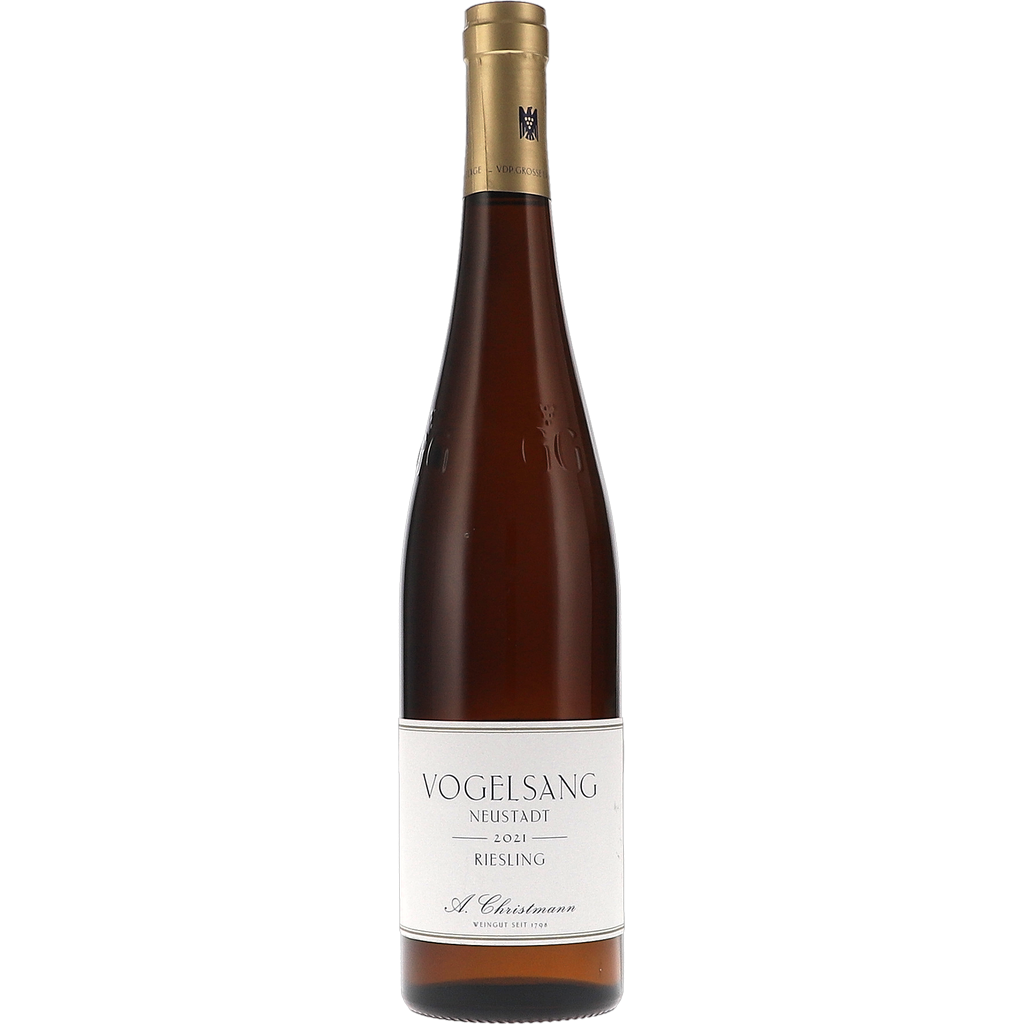
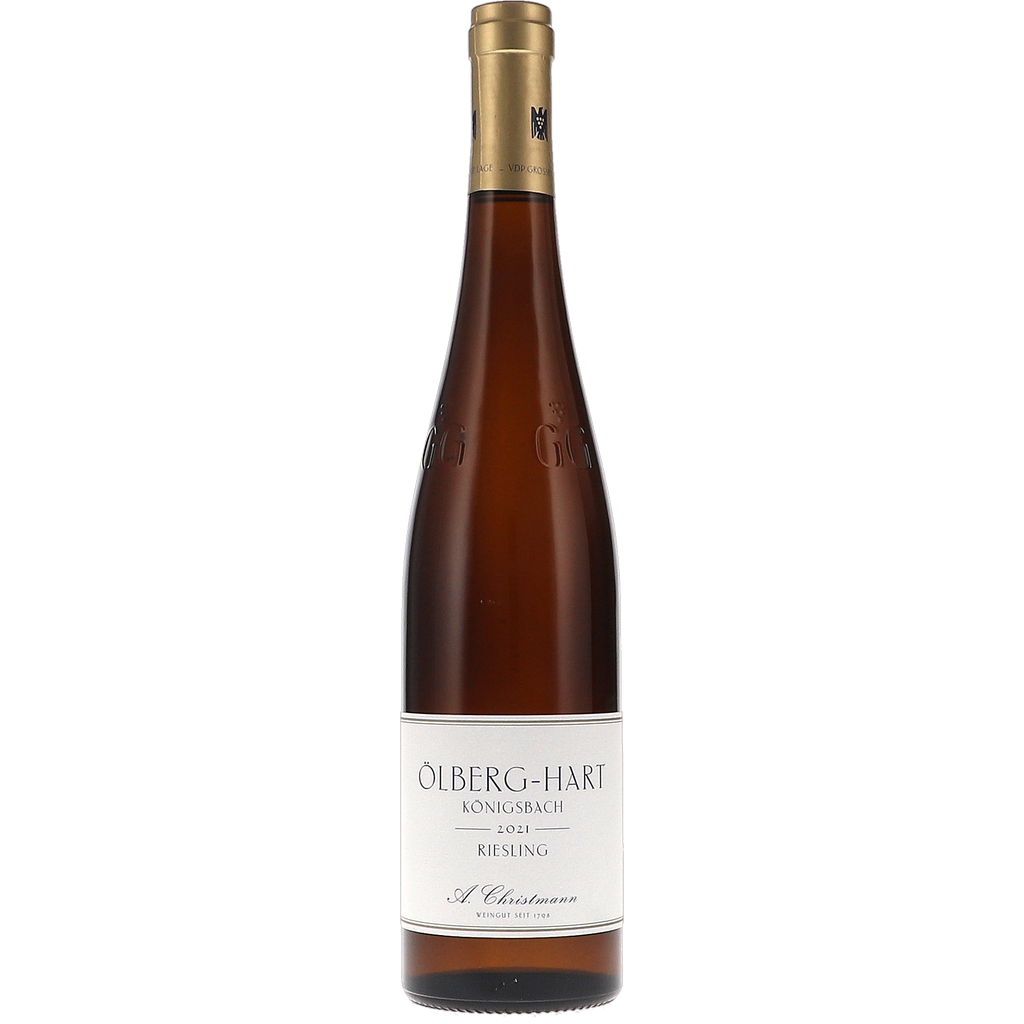
Gimmeldingen and the vineyards of the Mittelhaardt
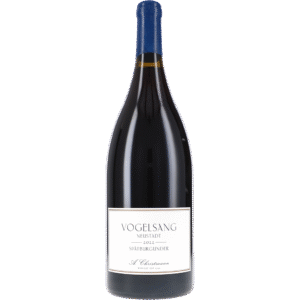
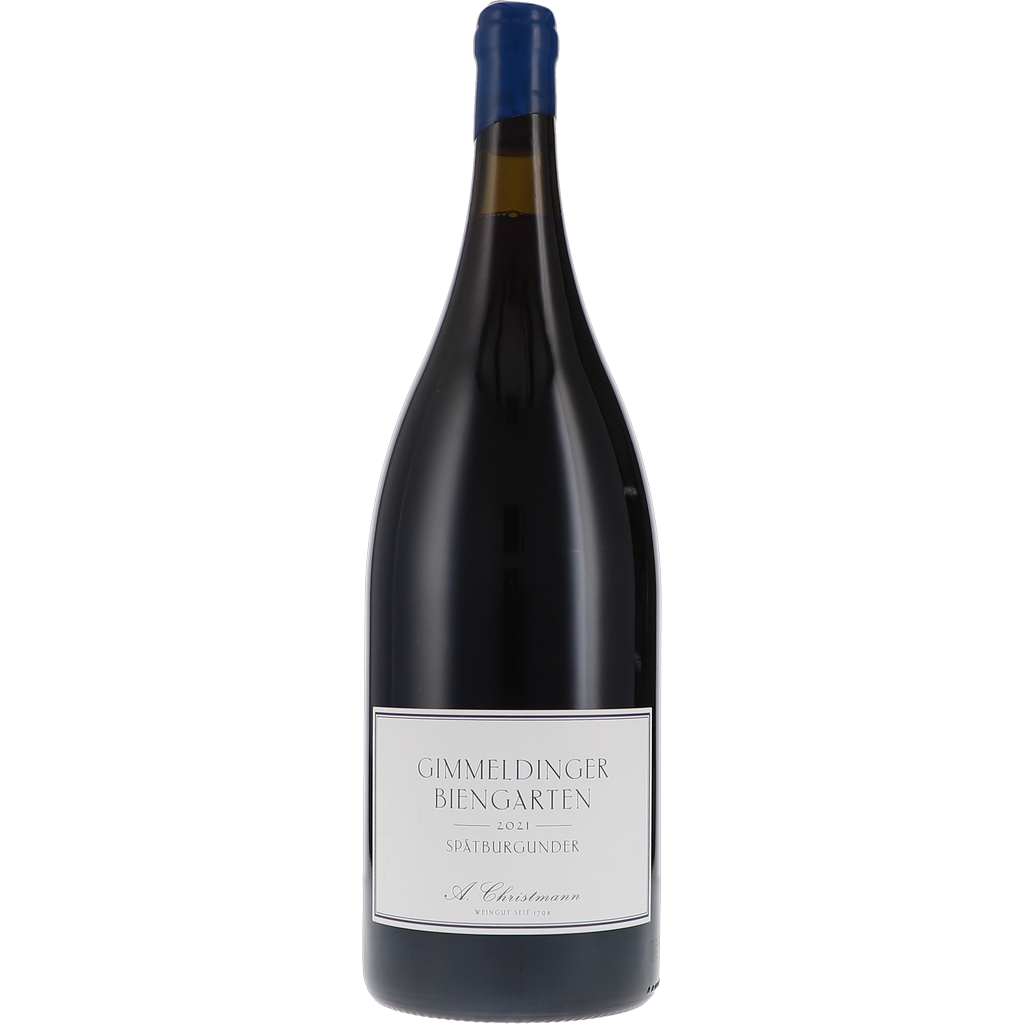
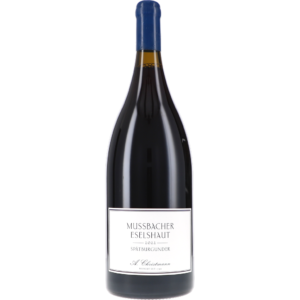
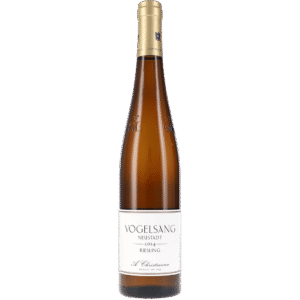
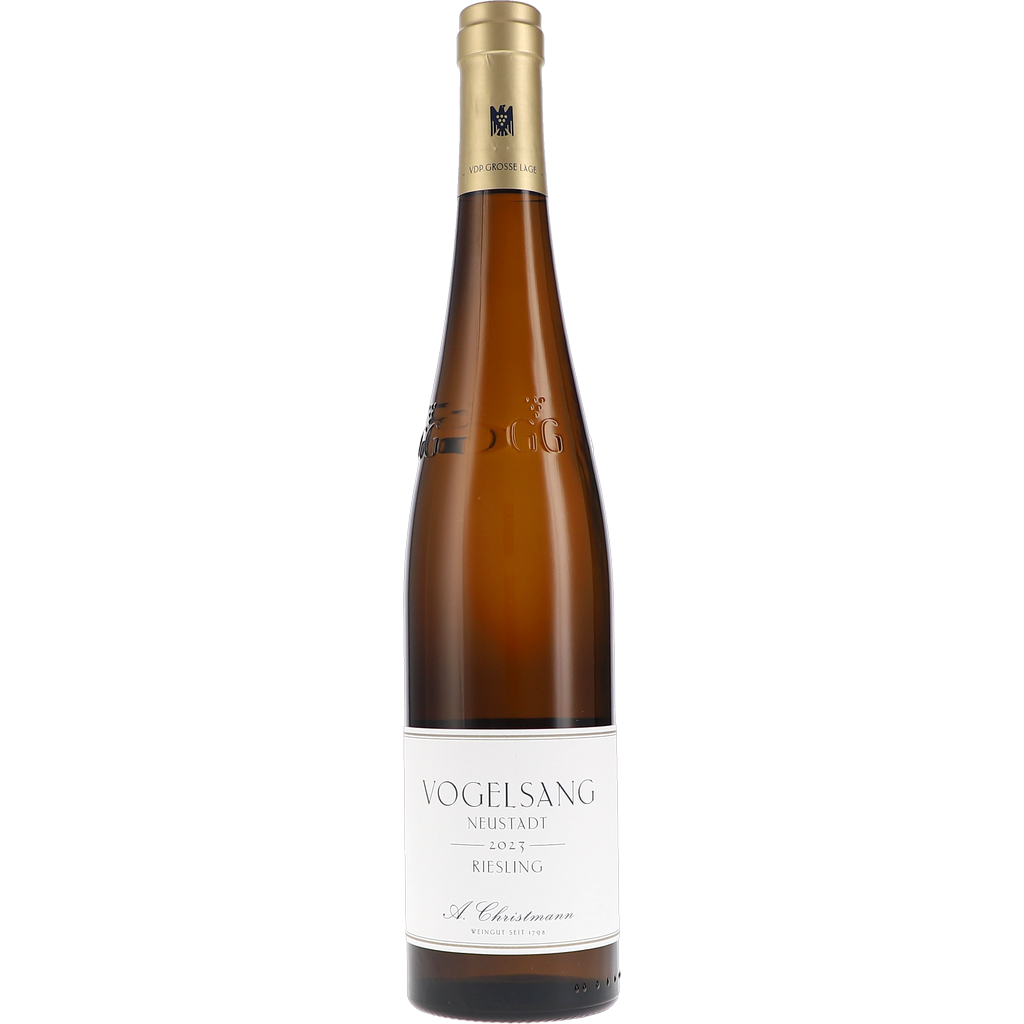
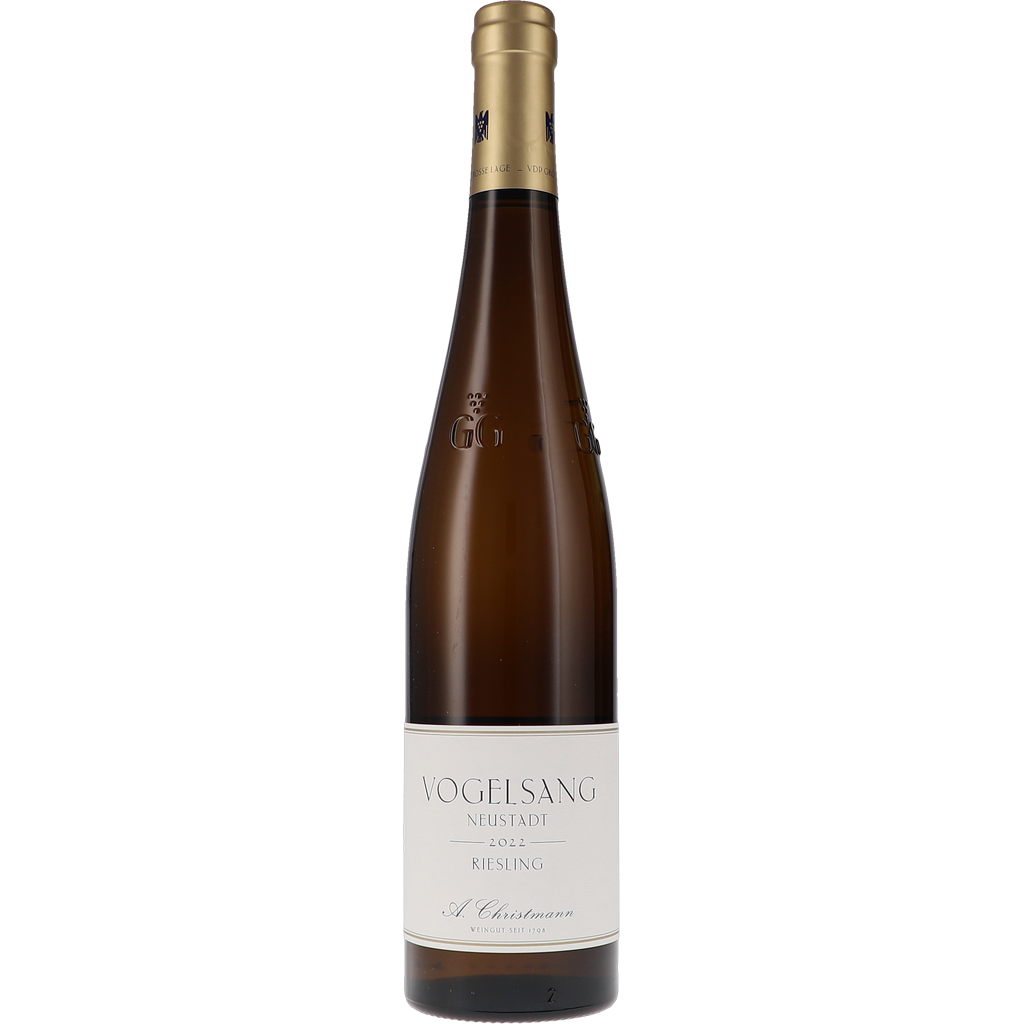
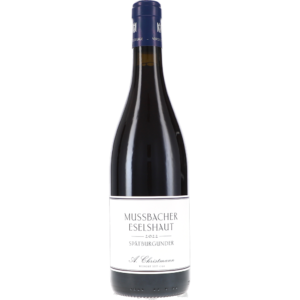
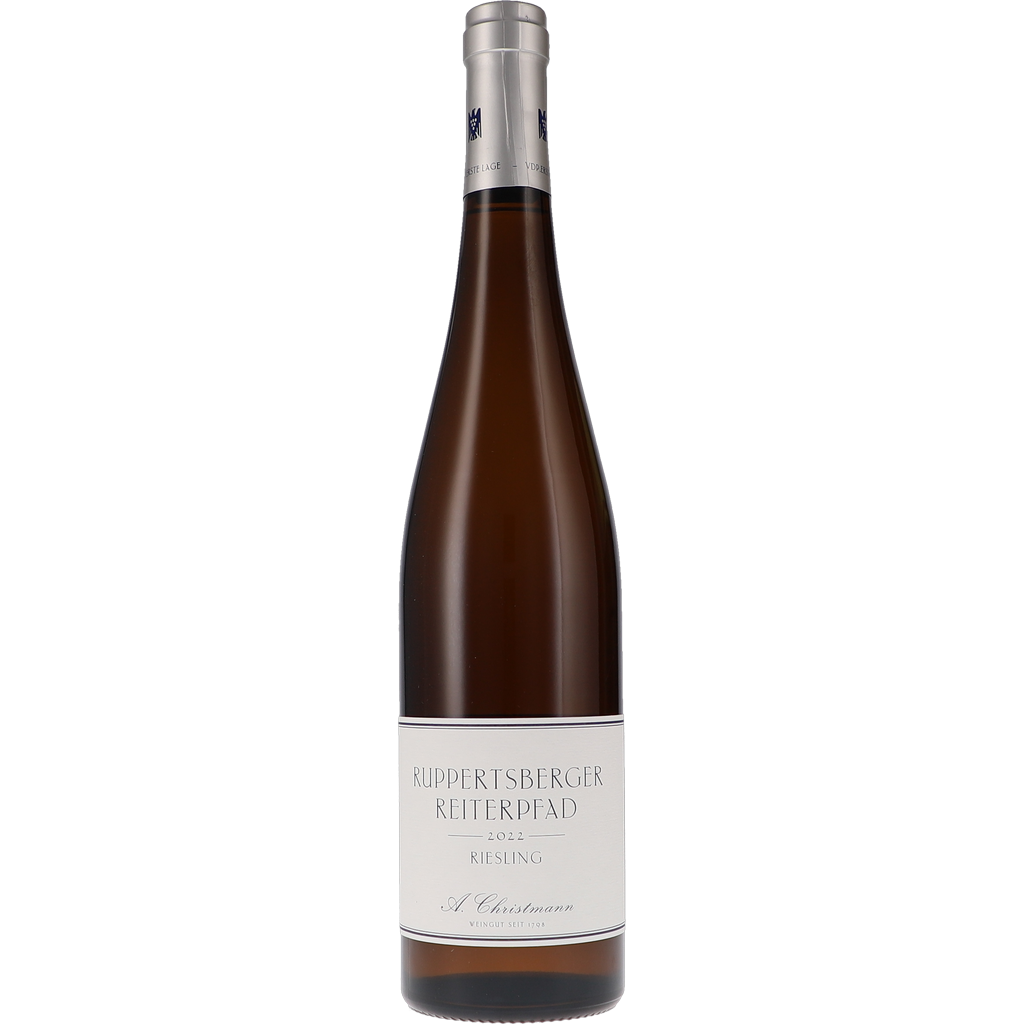
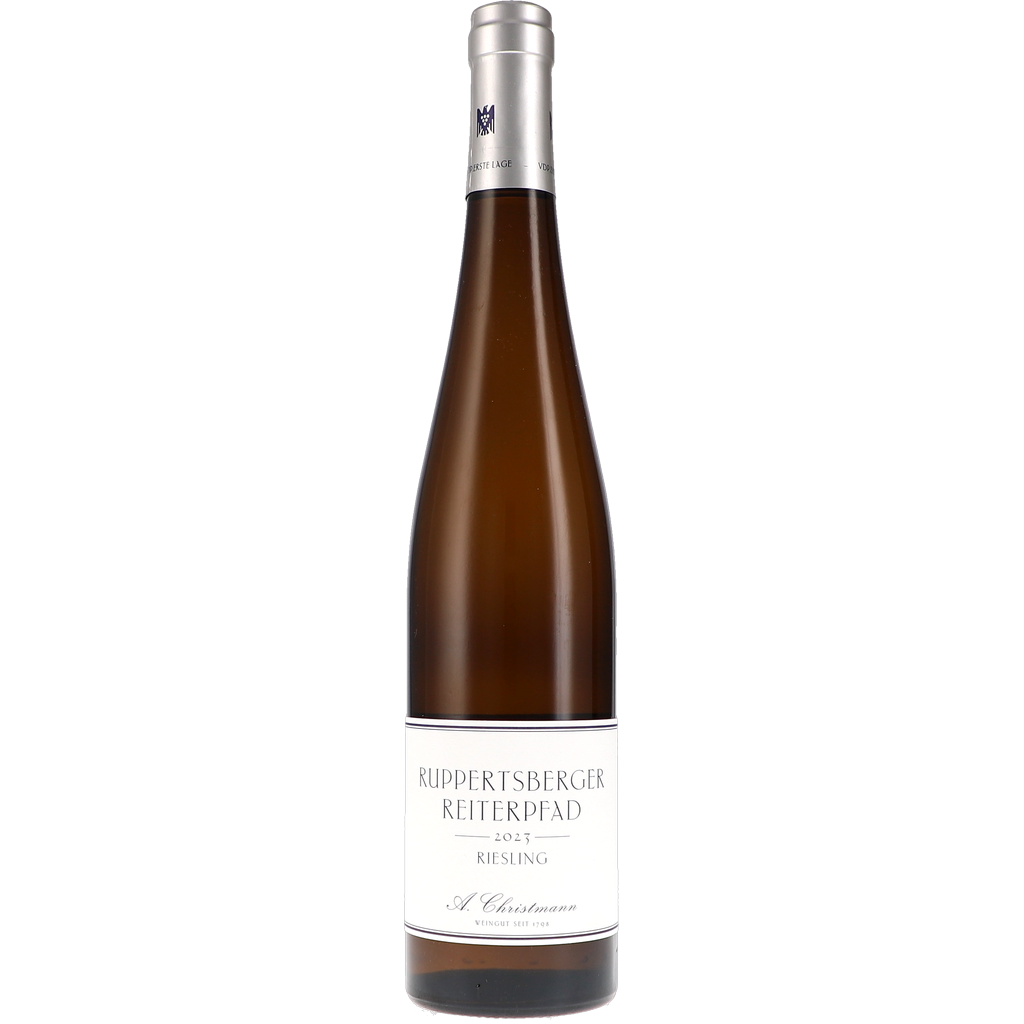
Weingut A. Christmann is located in Gimmeldingen on the Palatinate's Mittelhaardt, where it has existed since 1798. The vineyards are spread across several villages, with Meerspinne, Biengarten and Schlössel in Gimmeldingen, IDIG and Ölberg in Königsbach, the Reiterpfad in Ruppertsberg, the Vogelsang in Neustadt and the Eselshaut in Mussbach. The soils alternate between variegated sandstone, limestone and terraced gravel. After reducing the area in 2021, the Christmanns now farm 17 hectares, all classified as VDP.Erste Lage or VDP.Grosse Lage; around seventy percent is planted with Riesling, the rest with Pinot Noir and a little Pinot Blanc.
Steffen and Sophie Christmann
Steffen Christmann studied law and worked as an attorney specializing in agricultural and wine law, while also completing training as a winemaker. In 1996 he took over the family estate as the seventh generation; since 2007 he has been president of the VDP. Sophie Christmann, a graduate of Hochschule Geisenheim with stints in Bordeaux and Australia, joined in 2018 and has run the estate together with her father ever since. Grandfather Fritz, now over ninety, still works in the vineyard, so three generations work at the estate.
The IDIG in Königsbach
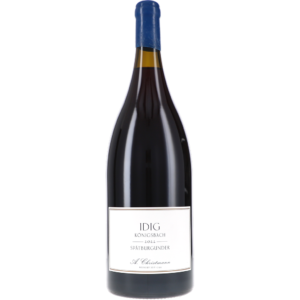
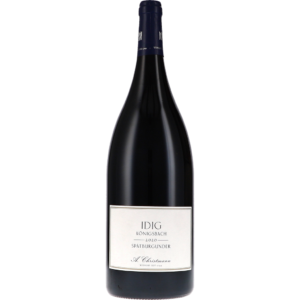
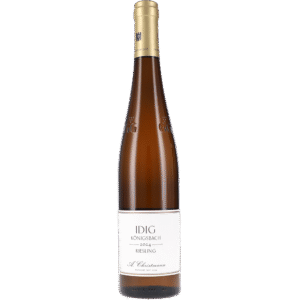
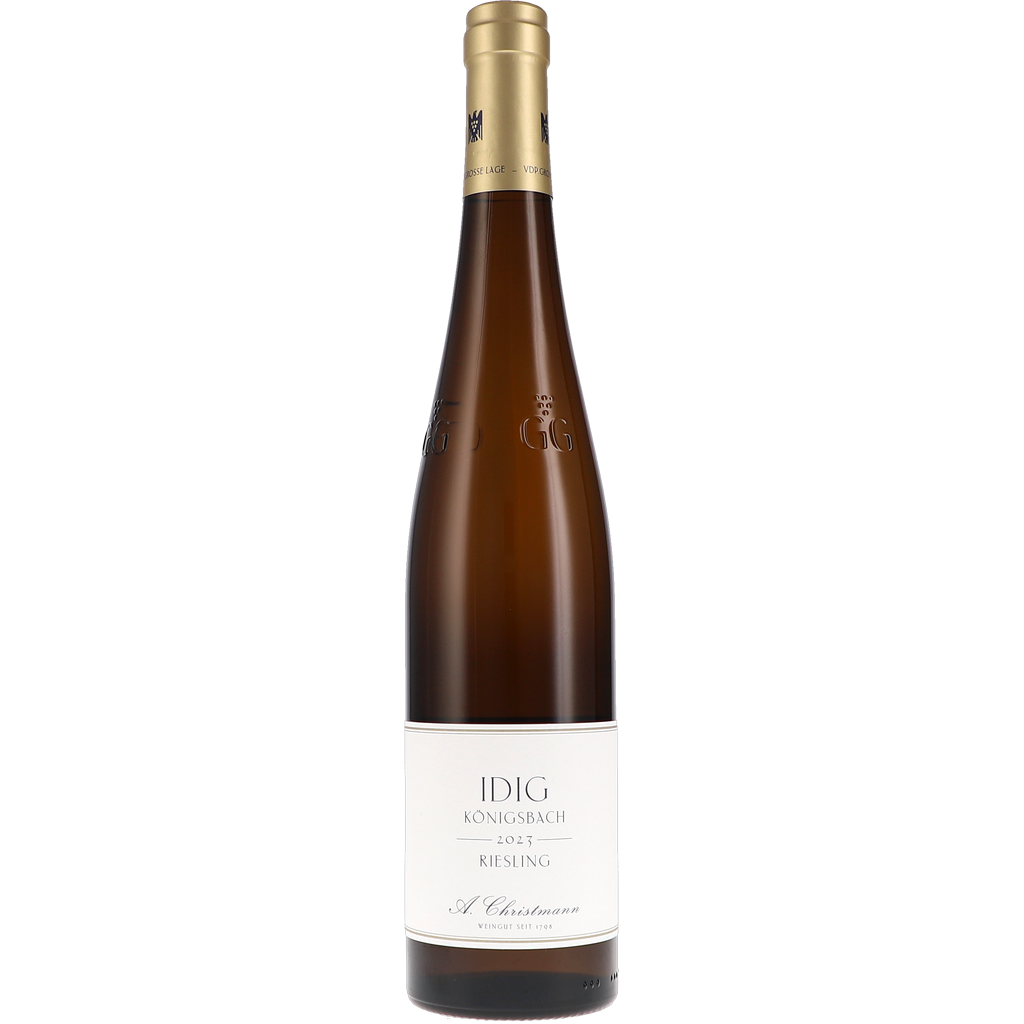
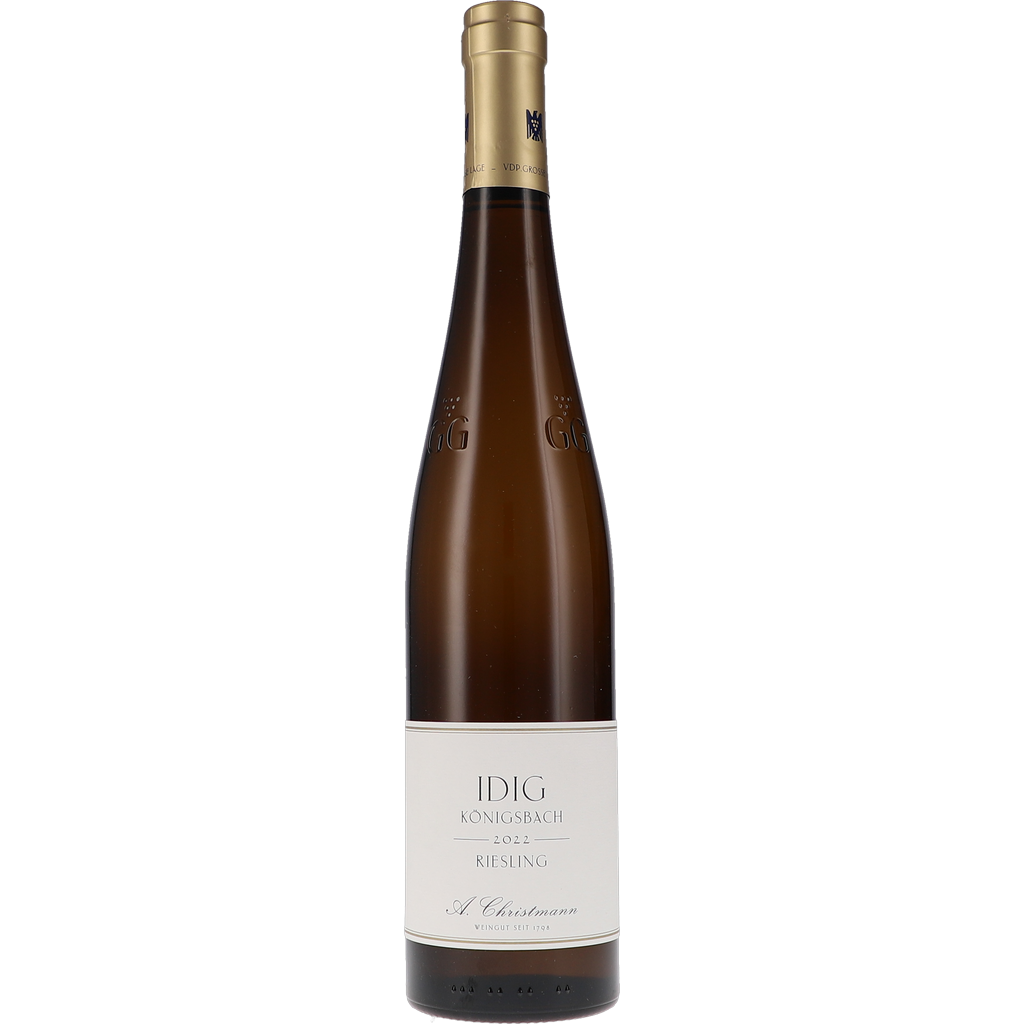
The IDIG drops steeply toward the south-southeast, with a gentle wind from the Klausental valley keeping cold air away from it. Its soil consists of terra fusca over a massive limestone bedrock. For more than four hundred years the vineyard belonged to the Palatinate counts, whose wines were served at court, and it is from that ownership that it derives its near-monopole size of four hectares. The Christmanns acquired the neglected parcels in the 1990s and restored them; today they hold 95 percent of the classified area. Steffen Christmann attributes the saline minerality of these wines to the subsoil: "The soil is reflected in the saline note that gives the wines elegance and a silky texture."
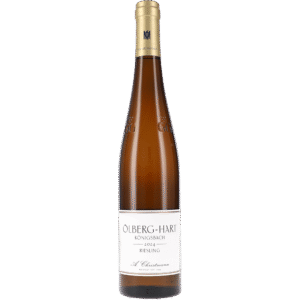
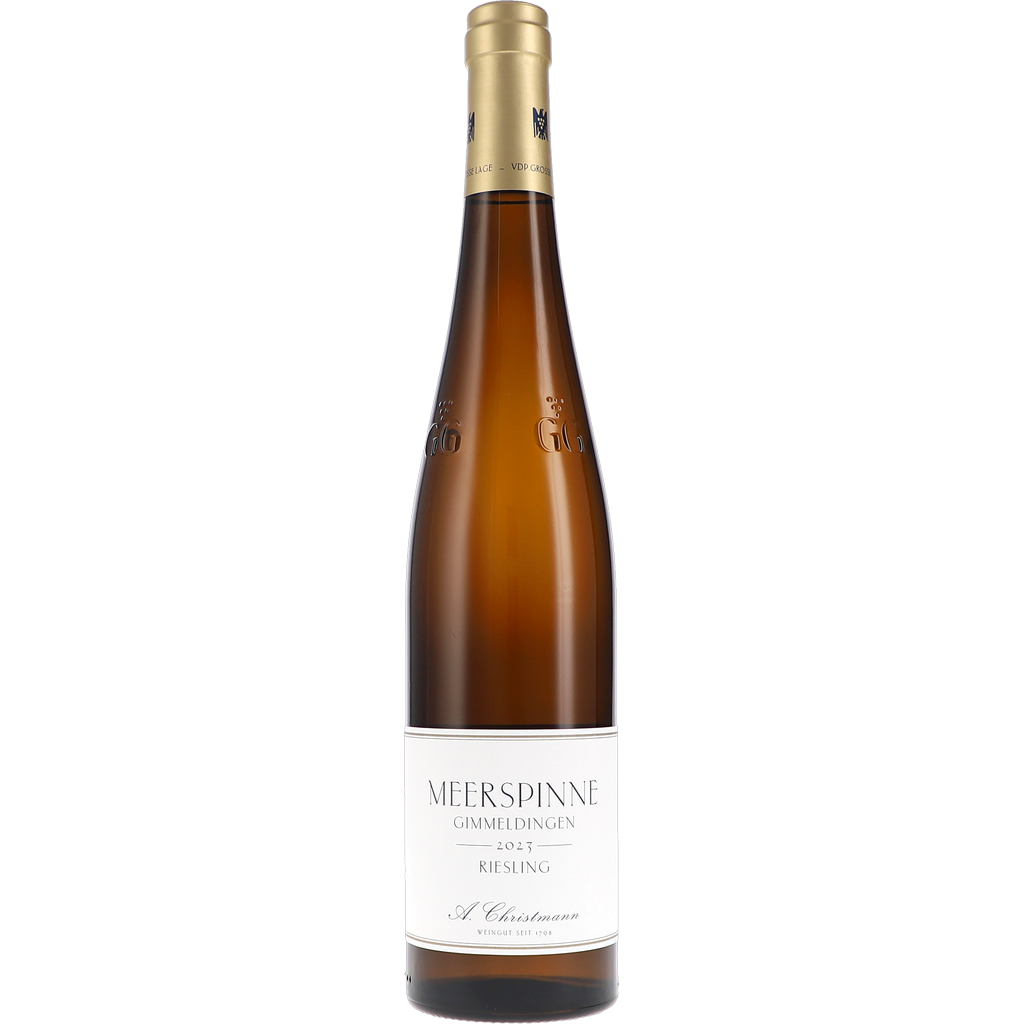
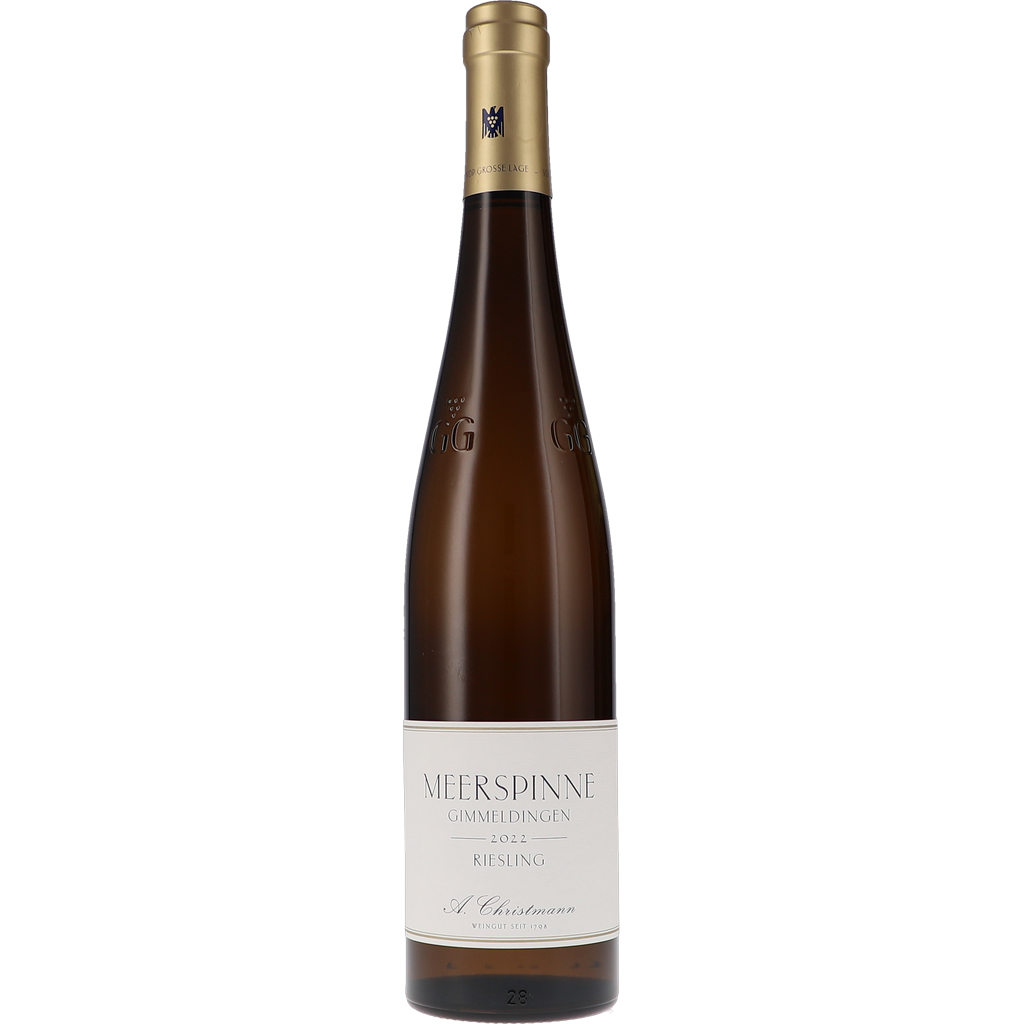
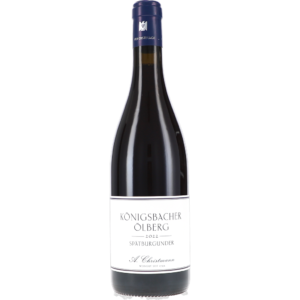
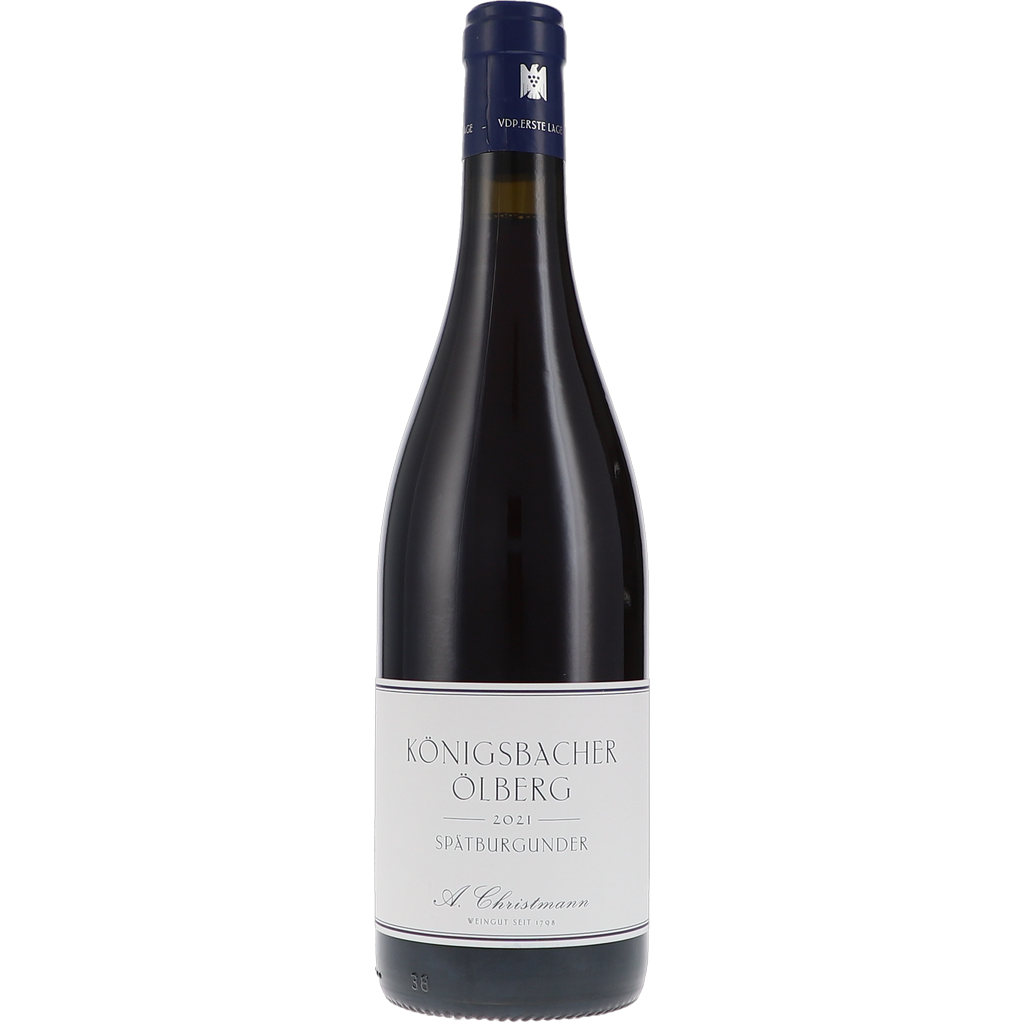
The IDIG Königsbach Pinot Noir grows on two parcels in the upper part of the vineyard, partly on old vines, partly on clones from France. Yields run at 25 to 30 hectoliters per hectare, harvested by hand. Besides IDIG, Meerspinne, Ölberg-Hart and Vogelsang are among the estate's VDP.Grosse Lage sites. The Meerspinne was carved out as its own site from the Gimmeldinger Mandelgarten and has a topsoil of limestone and variegated sandstone marl over massive limestone; Hart is the core of Königsbach's Ölberg around the wayside chapel and has been classified since 2013.
Biodynamics and winemaking
The estate has farmed organically since 2002 and biodynamically since 2003, certified by respekt-BIODYN and EU organic. Horn manure, horn silica and compost preparations are used in the vineyard, with work timed to the lunar calendar. "The roots reach deeper and the vineyards have found their balance," says Steffen Christmann, one of the leading members of respekt-BIODYN; the estate also belongs to the association La Renaissance des Appellations.
The wines ferment spontaneously. For the Meerspinne, whole clusters are mashed, left on the skins for three to six hours and pressed slowly; the wine is aged on lees and fine lees in stainless steel and large wooden cask. The Ölberg-Hart ferments at a fairly warm temperature and is aged in a large double cask. Together with Mathieu Kauffmann, the family runs the sparkling wine house Christmann & Kauffmann, the first premium biodynamic sparkling wine house in Germany.