Clemens Busch
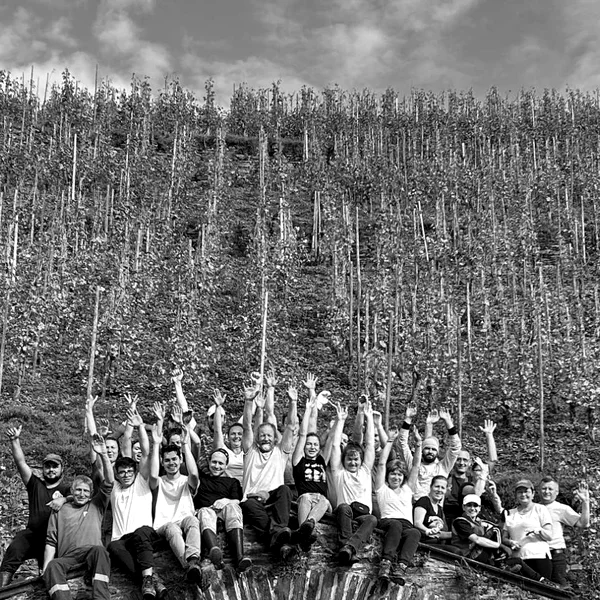
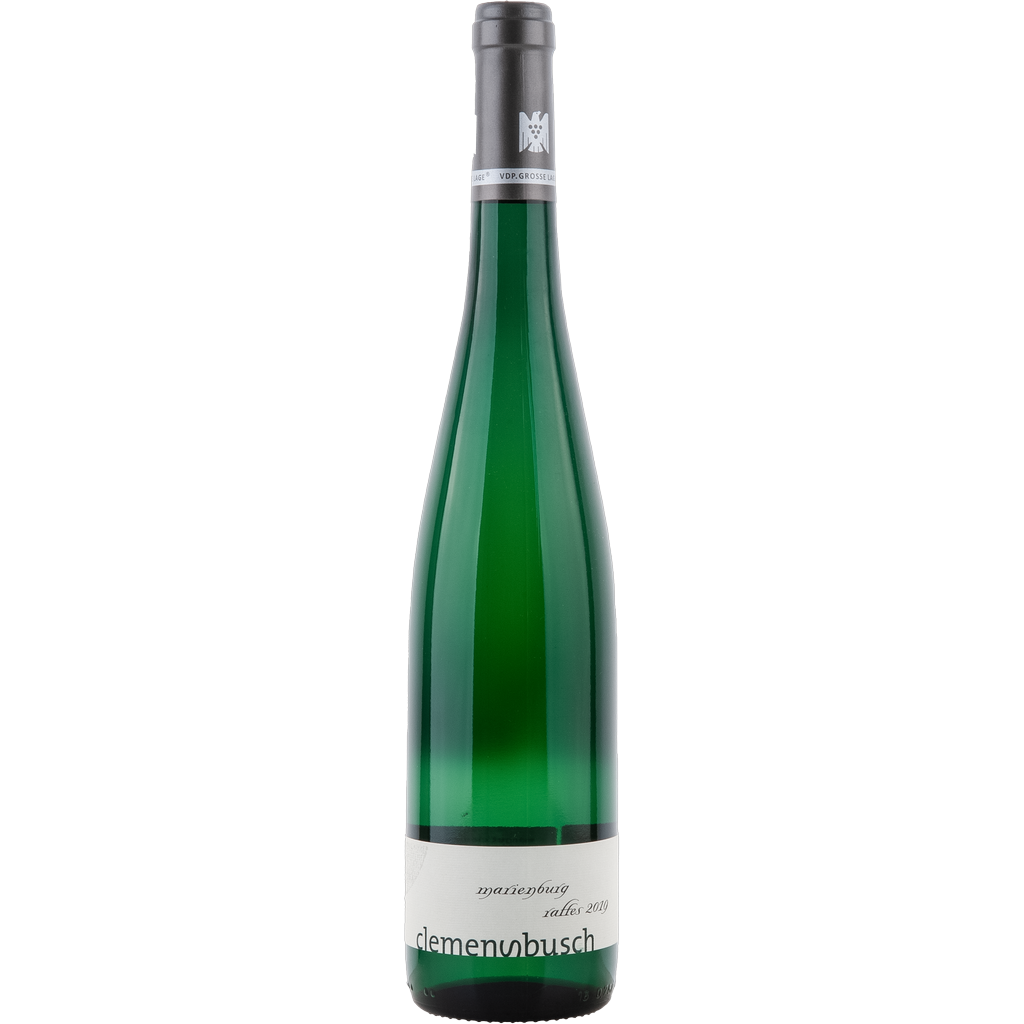
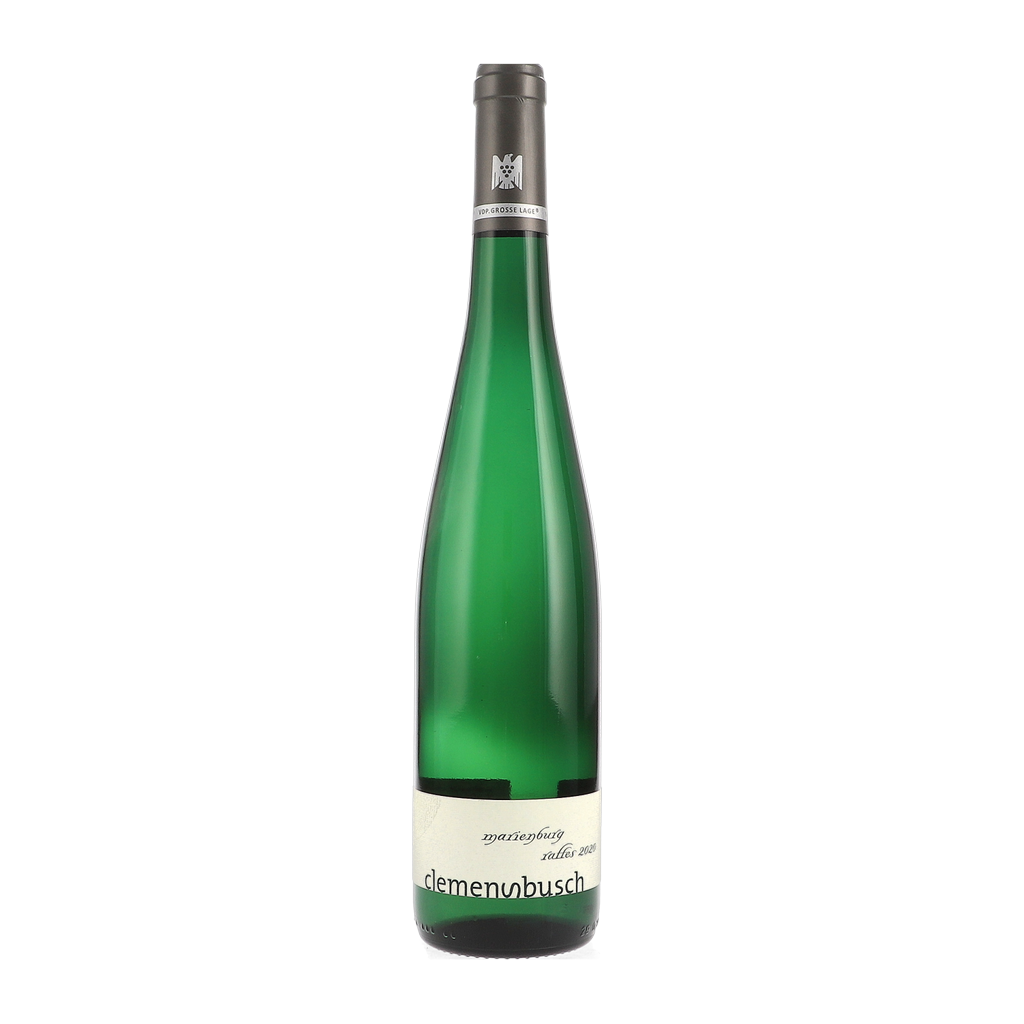
Clemens Busch farms 20 hectares of steep vineyards in Pünderich on the Mosel, eleven of them in the Marienburg on the other side of the river. He runs the winery in the seventh generation and carries the first name passed down through the family. In 1976, at the age of 19, he gave up herbicides; since 1986 he has worked biodynamically, with the Demeter certification since 2015. Three slate colours define his plots, red, grey and blue, and the capsule of each wine names the colour. The rieslings ferment spontaneously in old 1000-litre casks and spend long periods on the lees. His son Johannes Busch has since taken over the winery as owner.
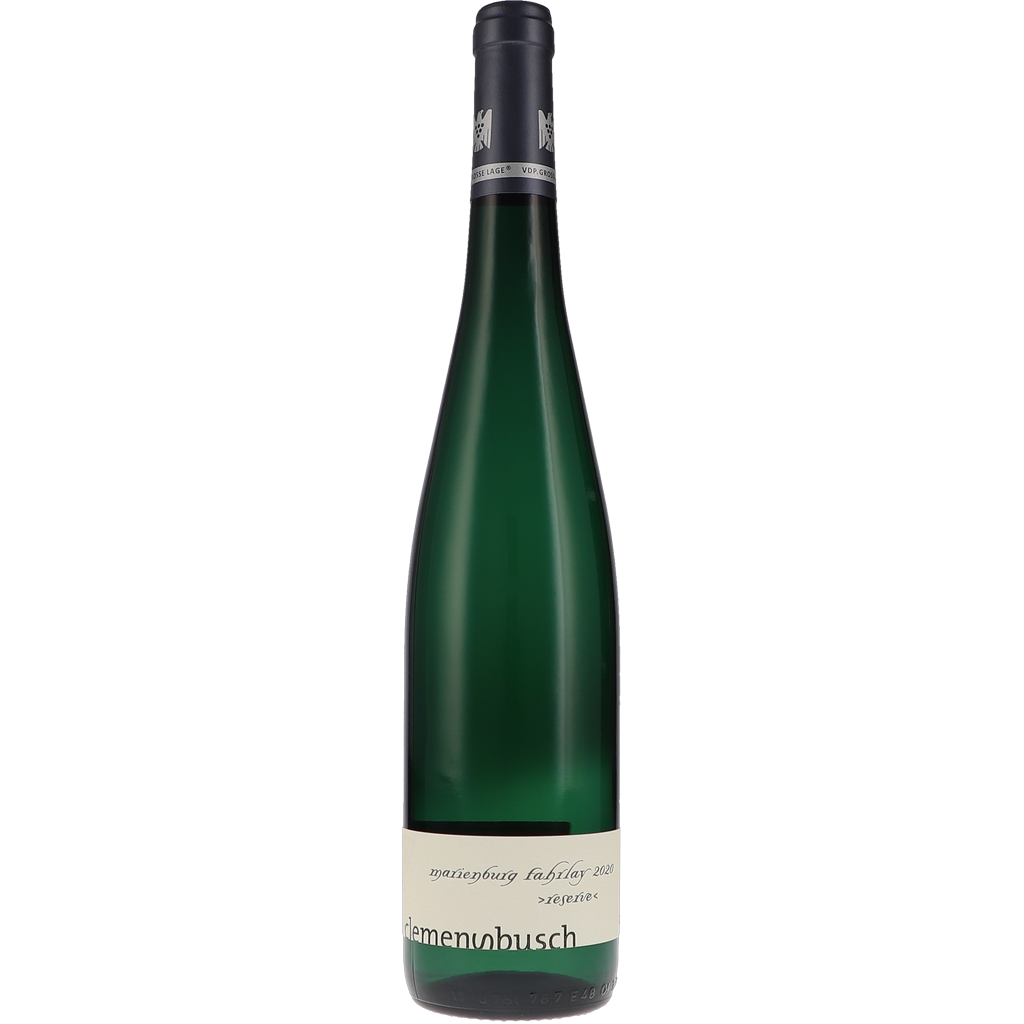
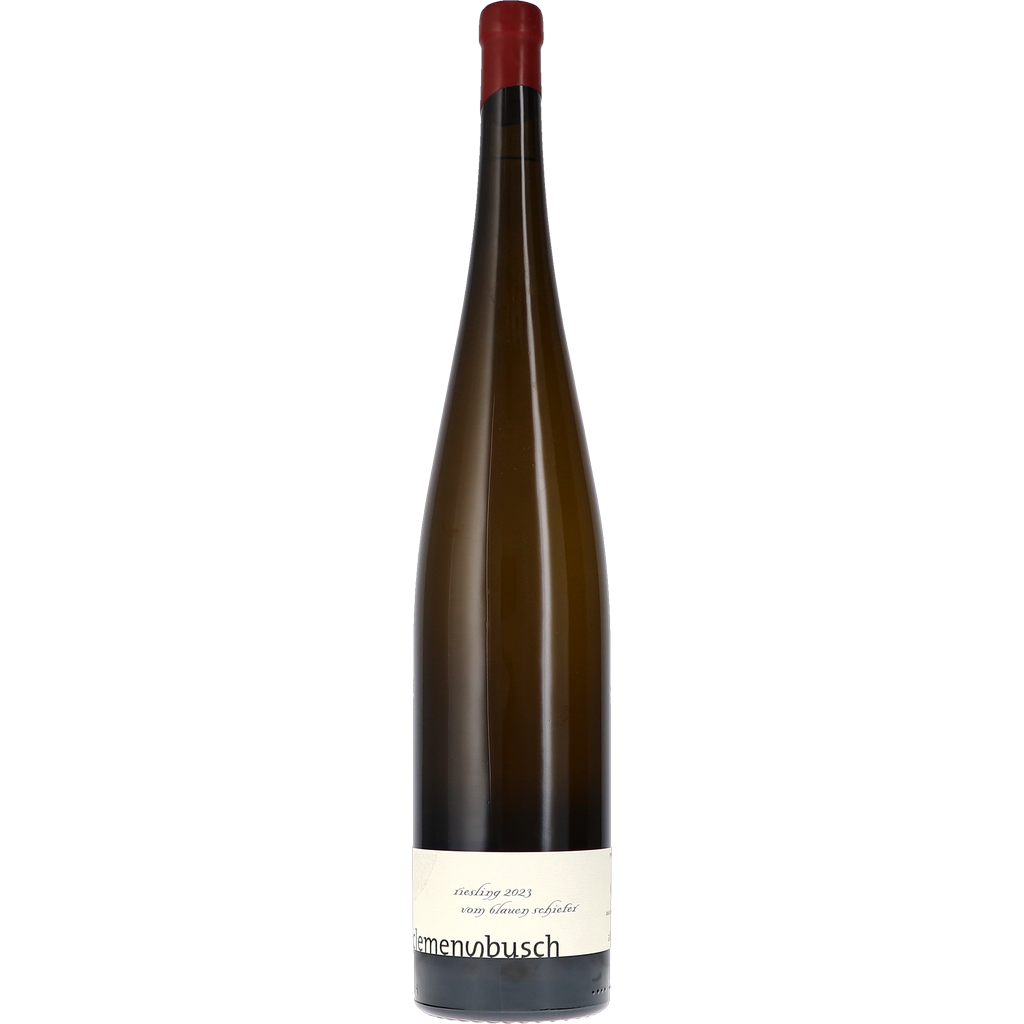
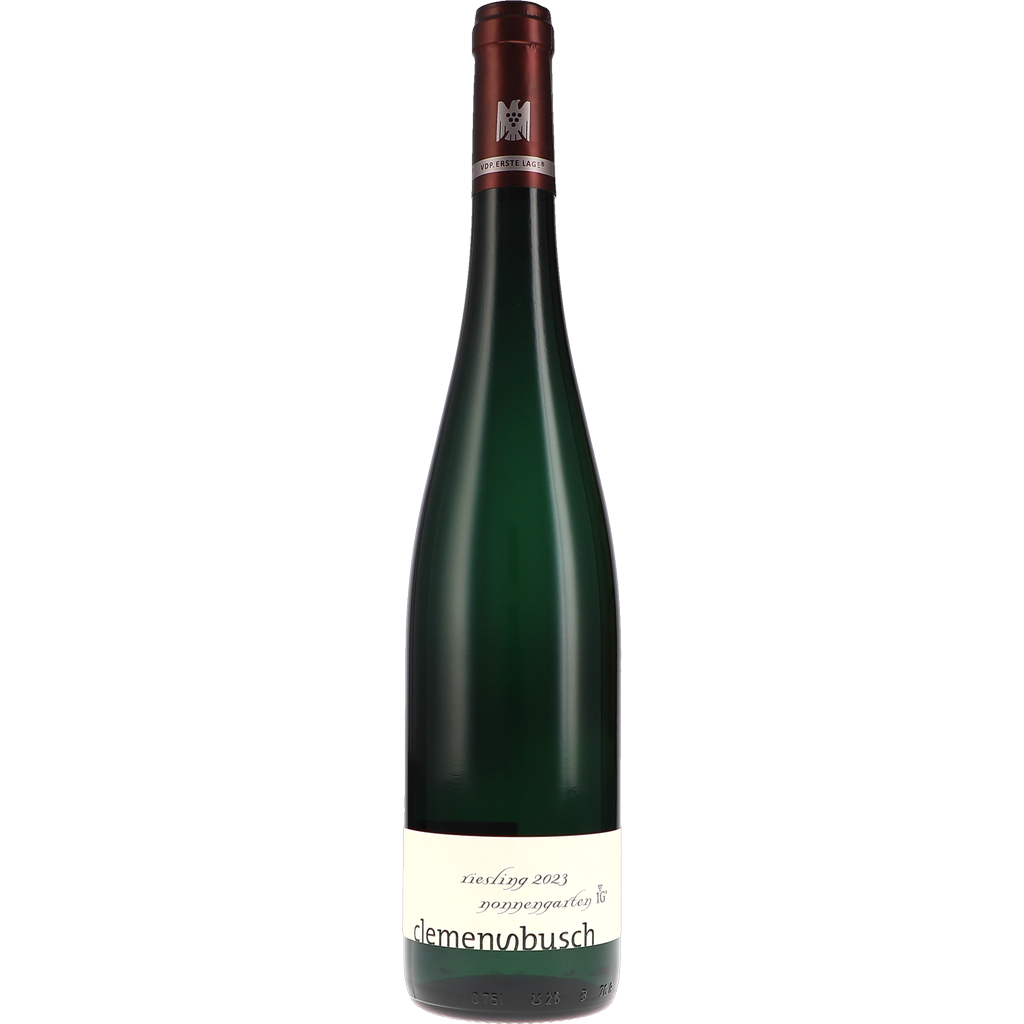
Pünderich and the Marienburg
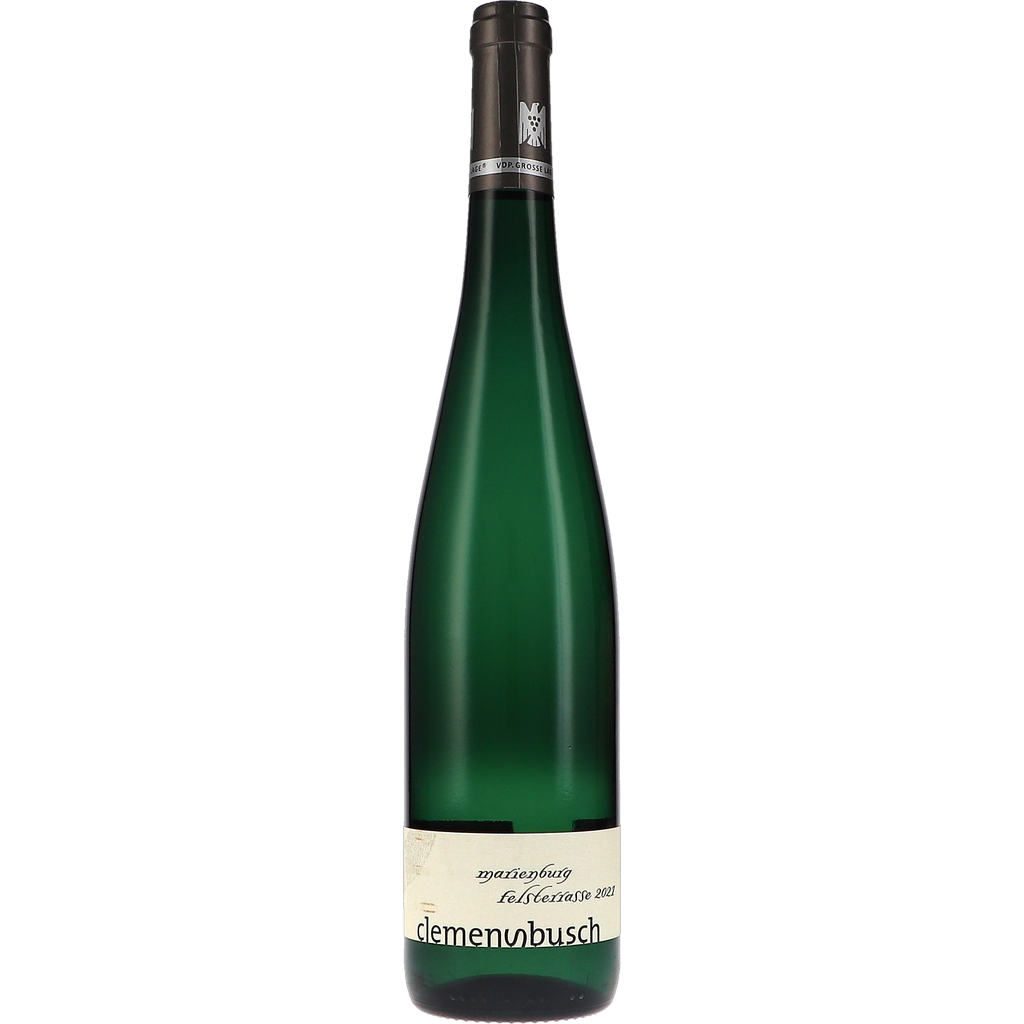
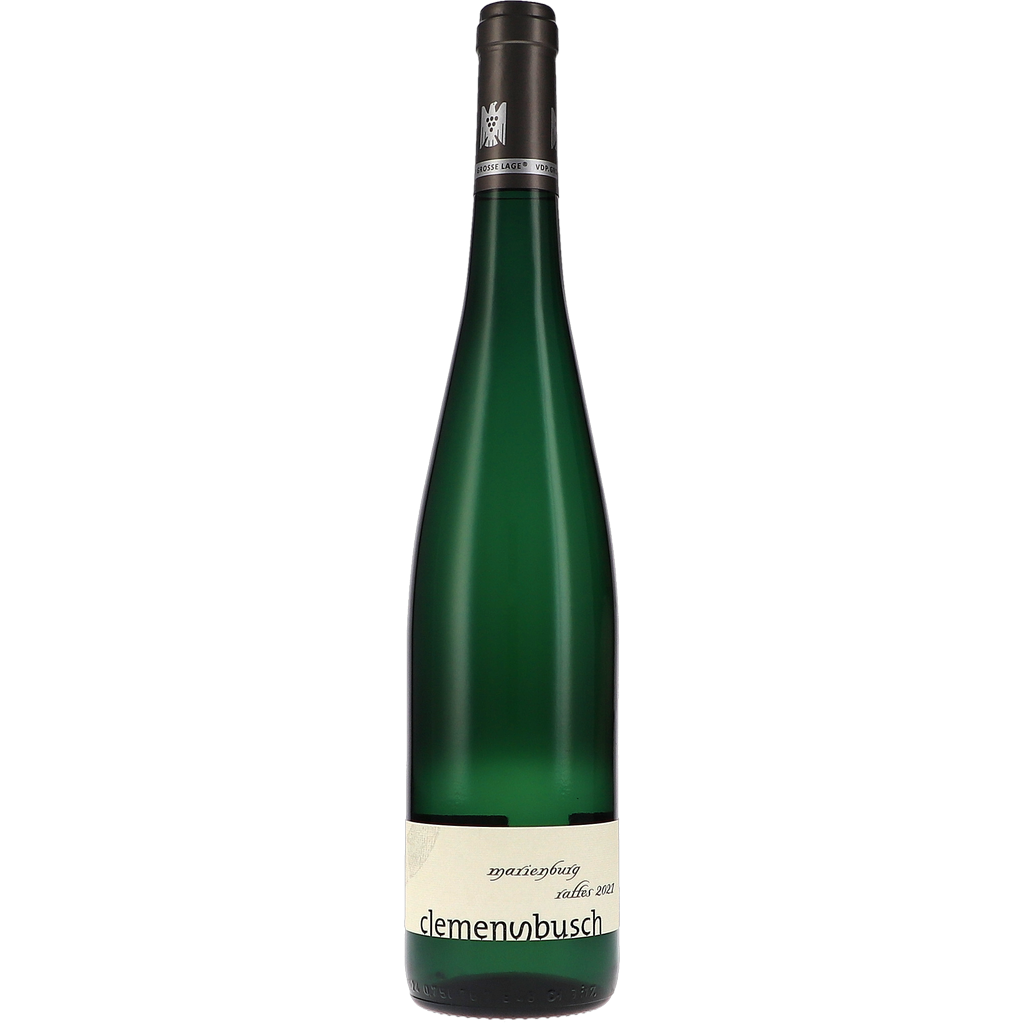
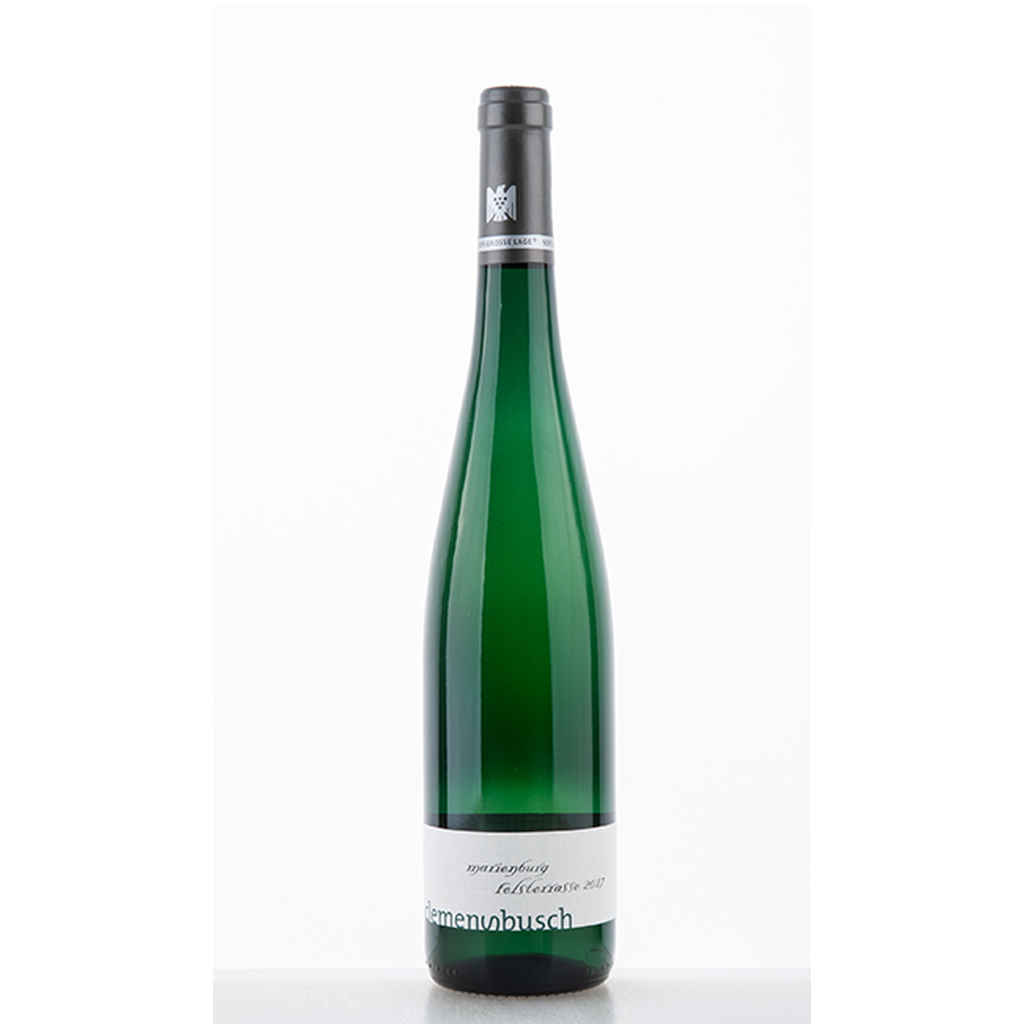
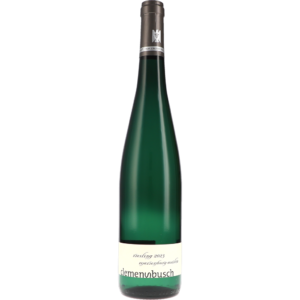
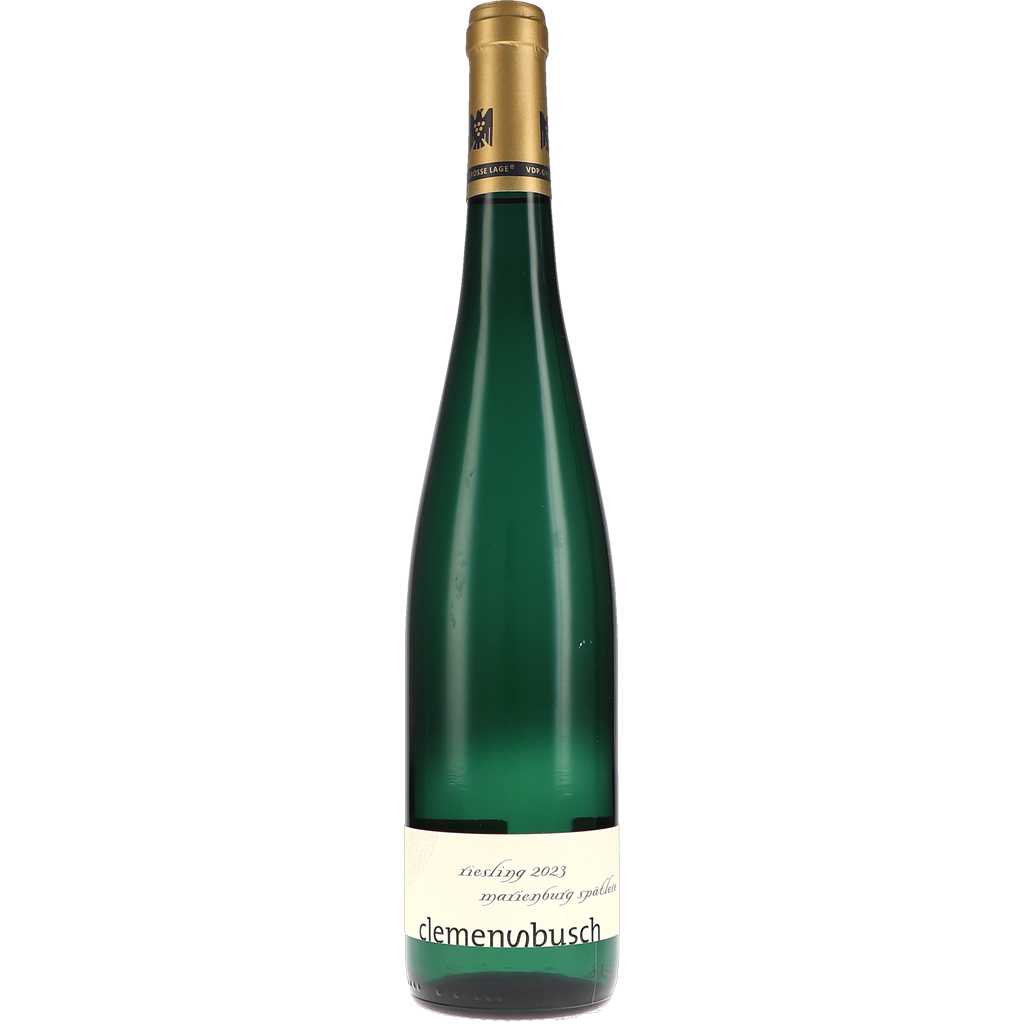
The Busch family's home vineyard is called Marienburg and rises opposite Pünderich above the Mosel. The slopes face south, southwest and southeast, and this single site holds all three slate colours of the estate, red, grey and blue. Below the monastery, weathered grey slate dominates; the vines there have stood for over thirty years and endure dry spells.
The decision of 1976
Clemens Busch was 19 when he took herbicides out of the vineyards in 1976, and the question he asked himself then was: "Why can't we live with the weeds?" Since 1986 he has worked biodynamically, and since 2015 the winery has carried the Demeter certification. The oldest vines are ungrafted and reach up to eight metres deep into the slate rock, where they tap mineral layers and find reserves during heat and drought. In 2023 Clemens Busch received the Robert Parker Green Emblem.
He now works alongside his wife Rita Busch and Johannes Busch. His youngest son, Florian Busch, runs Domaine Flo Busch in the Languedoc, producing Grenache and Mourvèdre on the same principles.
Rothenpfad, Fahrlay and the Pinot Noir
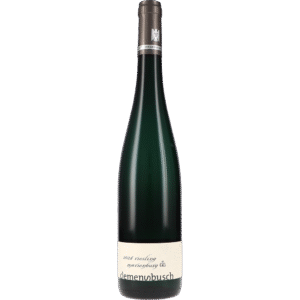
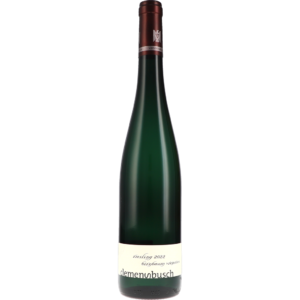
The Rothenpfad plot stretches above the railway viaduct opposite Pünderich and now belongs to the Marienburg. Its rock is red clay slate, softened by weathering, topped by a light soil; it drops away steeply and has no path access, so machines cannot enter, and the roots grow in uncompacted soil. For the reserve, Clemens Busch selects a cask of Grosses Gewächs quality, leaves the wine on full lees for at least 24 months and bottles it unfiltered.
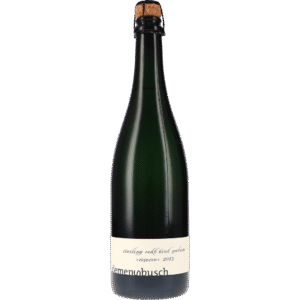
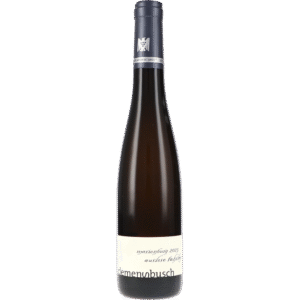
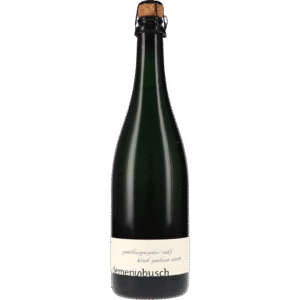
In the Fahrlay, the slate shines blue, combined with a high clay content and a small proportion of limestone. The terraced plot is stony and south-facing; the rock gives the wines tension and minerality. The Auslese from here grows from overripe grapes without botrytis. Clemens Busch picks the Spätburgunder Sekt Brut Nature on the village side of Pünderich, a gentle southwest-facing slope, usually as the first fruit of the year, and the sparkling wine ages for over 60 months on the lees.
Spontaneous fermentation and lees ageing
Around 80 percent of the wines ferment spontaneously in 1000-litre casks, some of them centuries old; a few come from the workshop of Rita Busch's father. Clemens Busch adds no cultured yeasts or enzymes and does not fine the wines; some fermentations last longer than a year. The long ageing on fine lees gives the rieslings complexity, and even with the noble sweet wines the sulphur dosage remains minimal.
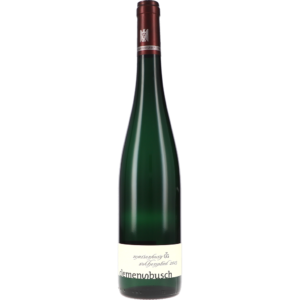
For the Spätlese Goldkapsel from the Marienburg, he selects highly ripe grapes with around ten percent botrytis, ferments them in an old cask and draws the wine off the lees, chilled, at around 7.5 percent alcohol; the Prädikat wines are usually bottled in May. Clemens Busch's rieslings appear on the wine lists of five three-star restaurants.