Col d'Orcia
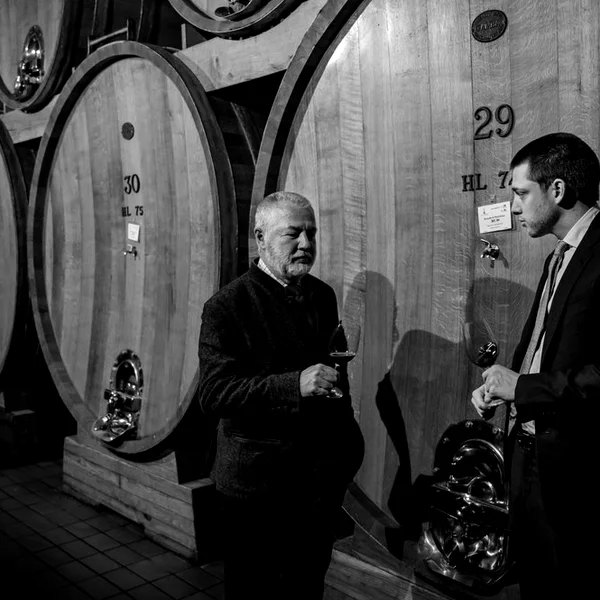
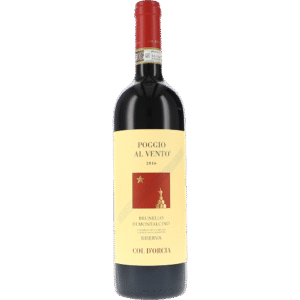
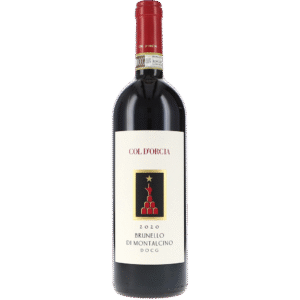
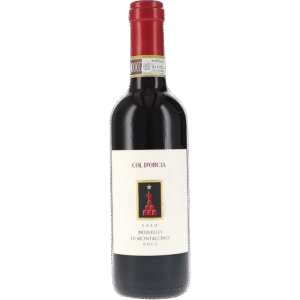
Col d'Orcia farms 142 hectares of vines in Montalcino, 108 of them for Brunello di Montalcino. Santiago Marone Cinzano runs the estate together with his father Francesco Marone Cinzano, and since 2010 Col d'Orcia has farmed organically: sheep and goats graze between the vine rows, and the compost comes from the estate's own cycle. The vineyards face south and sit on a hill overlooking the Orcia, the river marking the southwestern edge of the Brunello zone. The Brunello ages in large Slavonian oak casks, and the Poggio al Vento Riserva is made only in great vintages.
From Turin to Montalcino
Starting in 1757, the Cinzano family built a vermouth house in Turin whose illuminated sign would later hang over Piccadilly Circus. In 1973, Count Alberto Marone Cinzano bought the Col d'Orcia estate in Montalcino, which had emerged in 1958 from the Fattoria di Sant'Angelo in Colle. The name refers to the hill above the Orcia river. At the time, the property held only a few hectares of vines.
530 hectares in the Val d'Orcia
Of the estate's holdings in Tuscany, 142 of the 530 hectares are planted with vines, 108 of them for Brunello di Montalcino. Half the total area is forest, with olive groves of four-hundred-year-old trees besides. The vineyards lie in the Val d'Orcia, a UNESCO World Heritage site, and face south from the hill toward the river; the Rosso di Montalcino grows at around 250 metres above sea level, the Brunello at around 300.
Col d'Orcia has farmed organically since 2010. Sheep and goats graze between the vine rows, and the compost comes from the estate's own cycle. The Slow Wine Guide honoured Col d'Orcia with its SNAIL Award for sustainable viticulture in 2023, and Wine Enthusiast named the estate Environmental Advocate of the Year in 2025.
Poggio al Vento
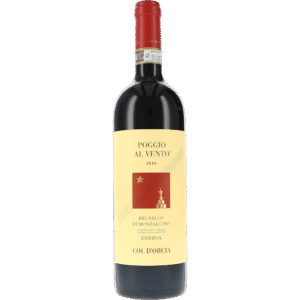
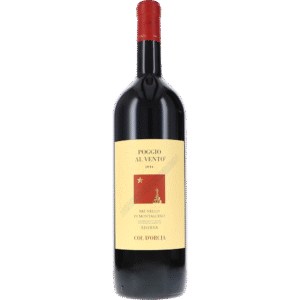
The Poggio al Vento site, the windy hill, supplies the grapes for the Brunello Riserva, which Col d'Orcia produces only in great vintages. There, Sangiovese shows its most austere side, with cherry, leather and Mediterranean herbs over a tannin built to last decades. Harvest is by hand, with the grapes already selected in the vineyard. Alongside the Riserva stand the Brunello di Montalcino and the Vigna Nastagio, both made from Sangiovese.
Rosso di Montalcino, Olmaia and Pascena
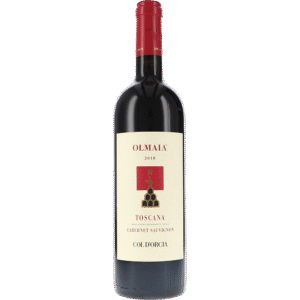
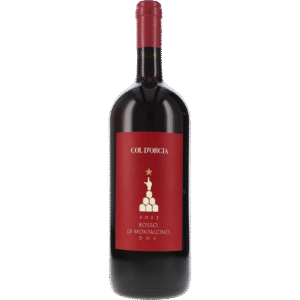
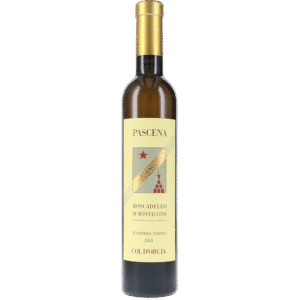
Col d'Orcia helped establish Rosso di Montalcino as its own DOC; it grows in the south-facing vineyards at around 250 metres and is ready to drink earlier than the Brunello. With Cabernet Sauvignon, the estate makes the Olmaia, a Toscana Rosso, and the Pascena is a sweet Moscadello di Montalcino made from late-harvested Muscat.
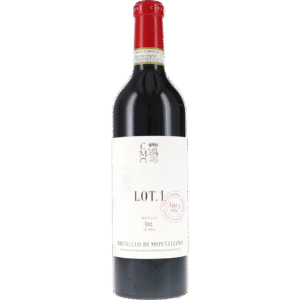
In 2017, Santiago Marone Cinzano returned to the estate — he likes to tell people his first name comes from the Camino de Santiago. He created the CMC LOT.1 Conti Marone Cinzano, a Brunello di Montalcino bearing the family name.