Pian Dell'Orino

Pian dell'Orino lies just outside Montalcino, where Caroline Pobitzer and Jan Erbach have farmed six hectares of Sangiovese Grosso since 1997, biodynamically and Demeter-certified since 2018. The vines grow at 300 to 400 metres on galestro and fossilised shells, spread across four vineyards for which the two have drawn up their own geological maps. They cut yields drastically and work the vineyard with biodynamic preparations and herbal teas. The wines openly show their origin: sour cherry, dried herbs and a saline trace from the fossil soils, with a tannin that needs time, year after year.
Caroline Pobitzer and Jan Erbach
Caroline Pobitzer comes from South Tyrol; she acquired the estate outside Montalcino in Tuscany. Jan Erbach is from Karlsruhe, studied viticulture at Geisenheim and gained experience through internships in France. The two have worked together here since 1997, and what began as an experiment back then they now carry on across six hectares. Their plots have been farmed biodynamically for decades; Demeter certification followed in 2018.
Since 2008, Caroline Pobitzer and Jan Erbach have published the analytical data of their harvests. Together with two other estates, they founded Sangiovese Per Amico; they have stayed away from the Benvenuto Brunello trade fair for years.
Four vineyards between 300 and 400 metres
The six hectares are spread across four vineyards: Pian dell'Orino, Pian Bossolino, Scopeta and Cancello. They are planted exclusively with Sangiovese Grosso, on soils of galestro and fossilised shells. For these plots, Caroline Pobitzer and Jan Erbach have drawn up their own geological maps, vineyard by vineyard.
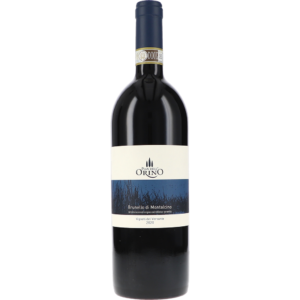
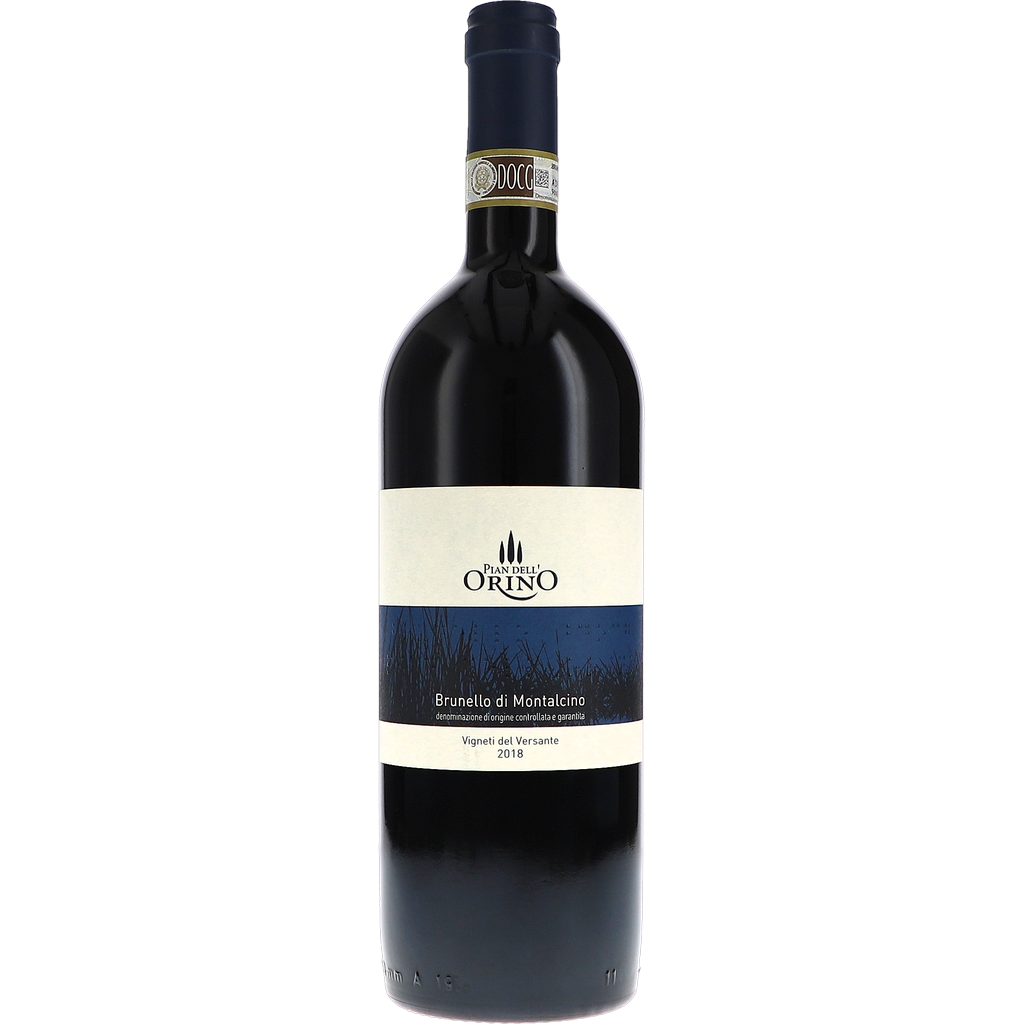
The Brunello di Montalcino Vigneti del Versante grows across several of these vineyards, typically in Cancello Rosso and the lower part of Pian Bossolino. Its balance exceeds the sum of its parts, and its character differs from year to year while remaining recognisable.
Preparations, lunar calendar and large casks
In the vineyard, Jan Erbach sprays nettle tea and chamomile tea; the biodynamic preparations take the place of chemical treatments, and pruning follows the lunar calendar. Yield reduction is extreme, and has been part of the estate's approach from the very beginning.
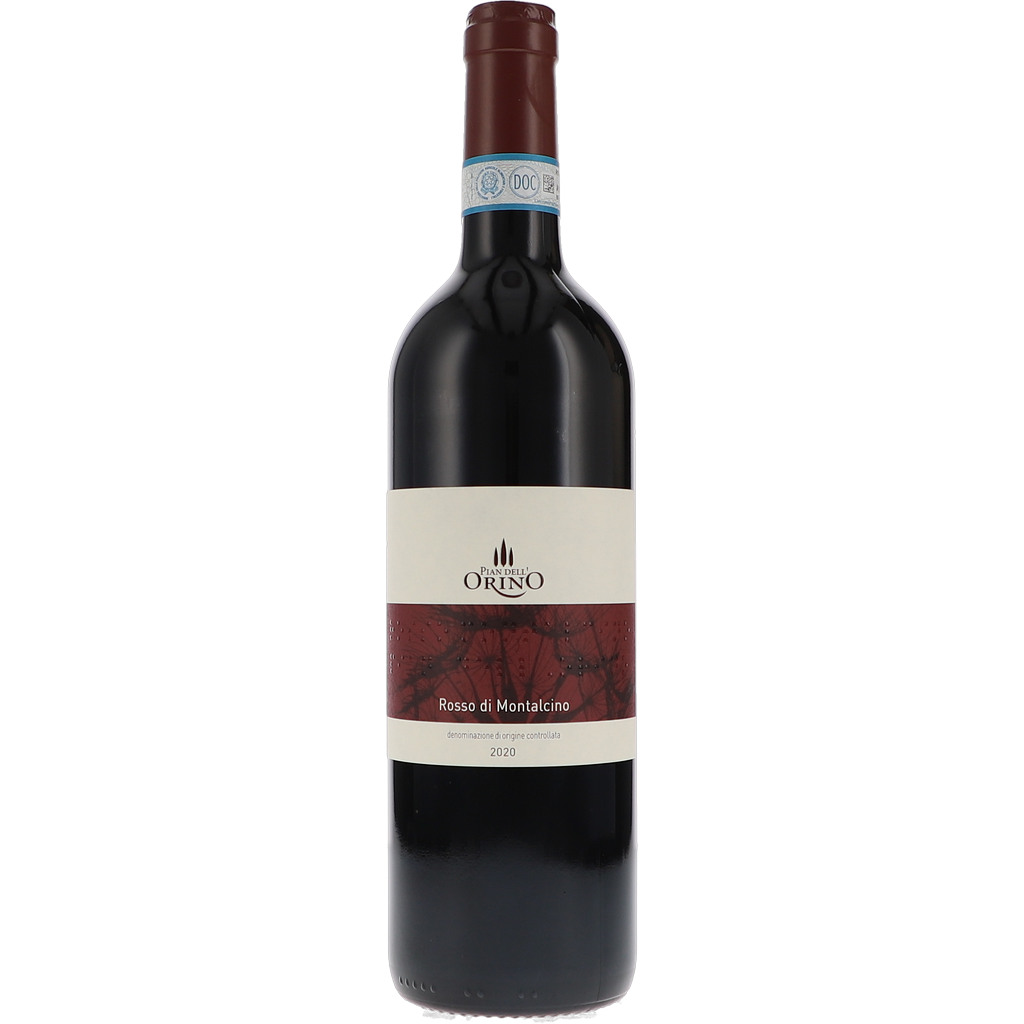
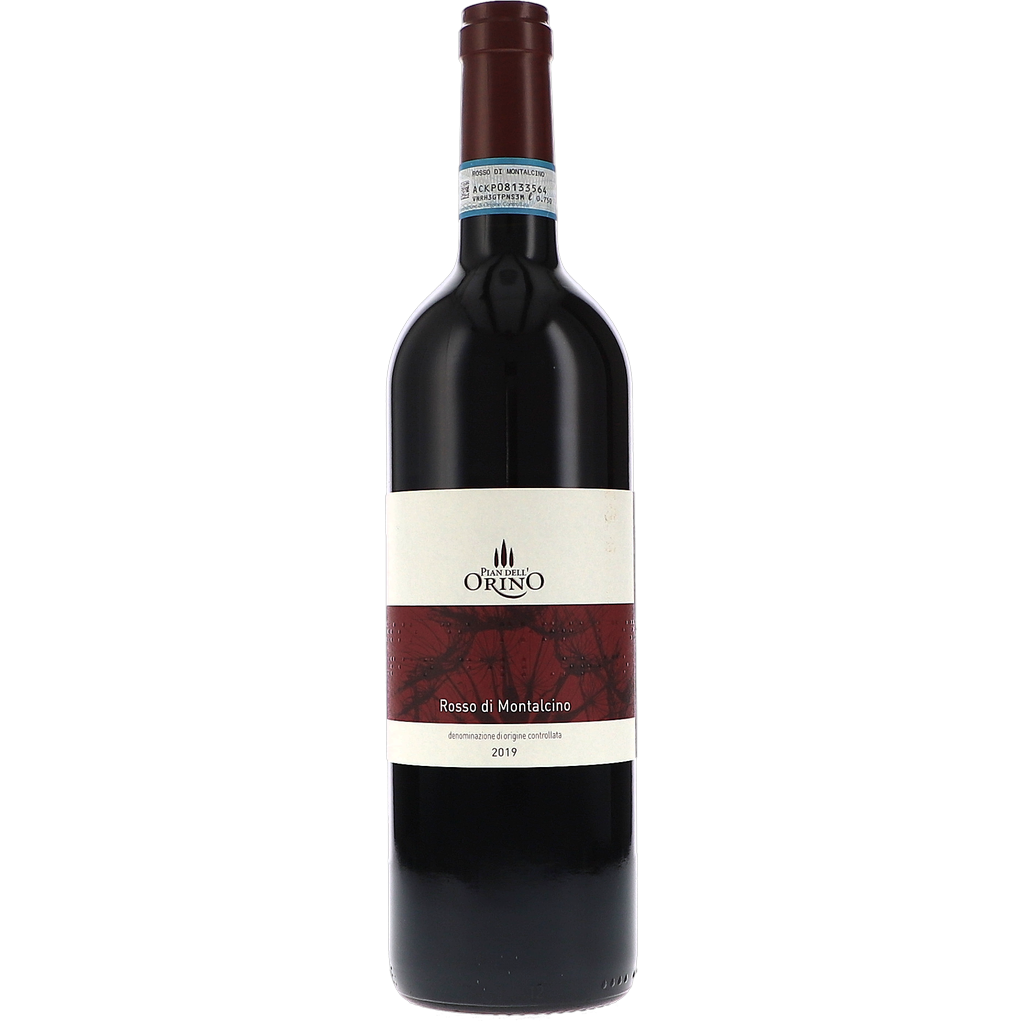
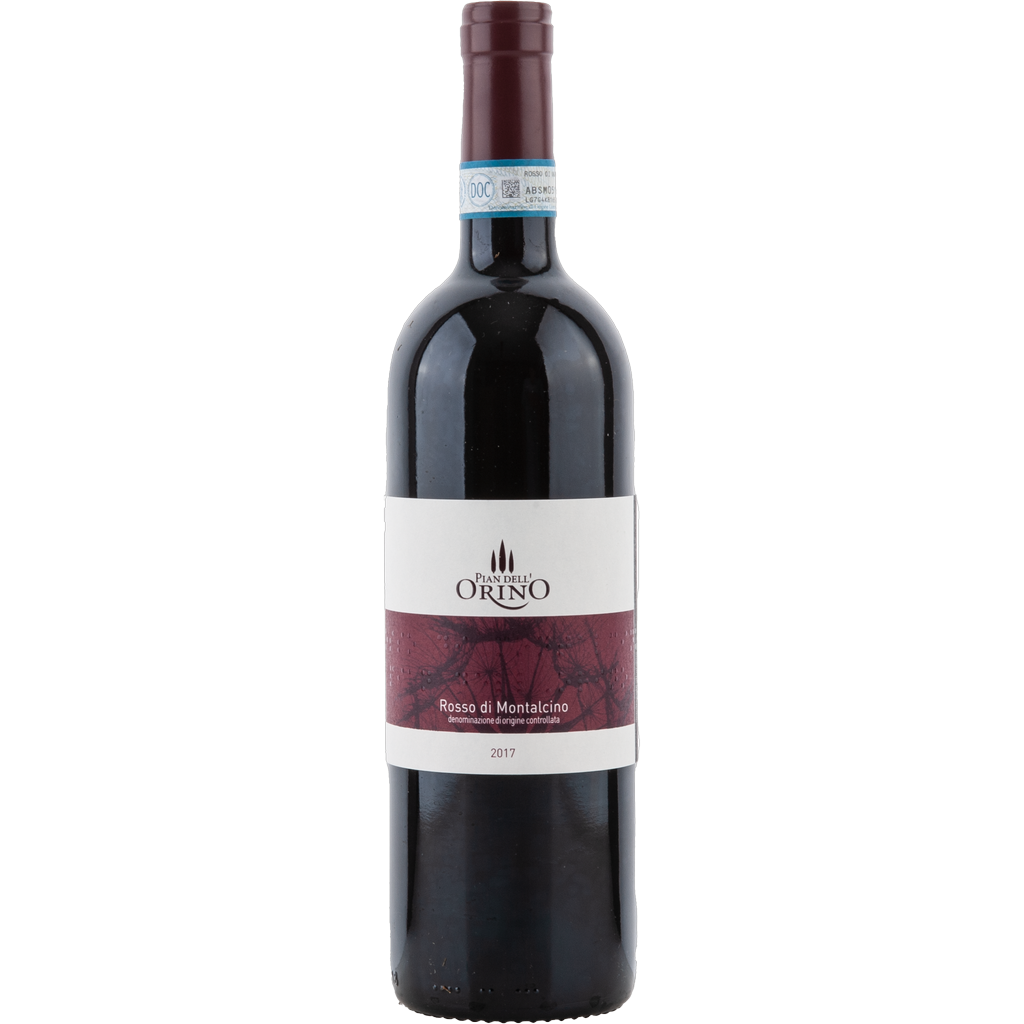
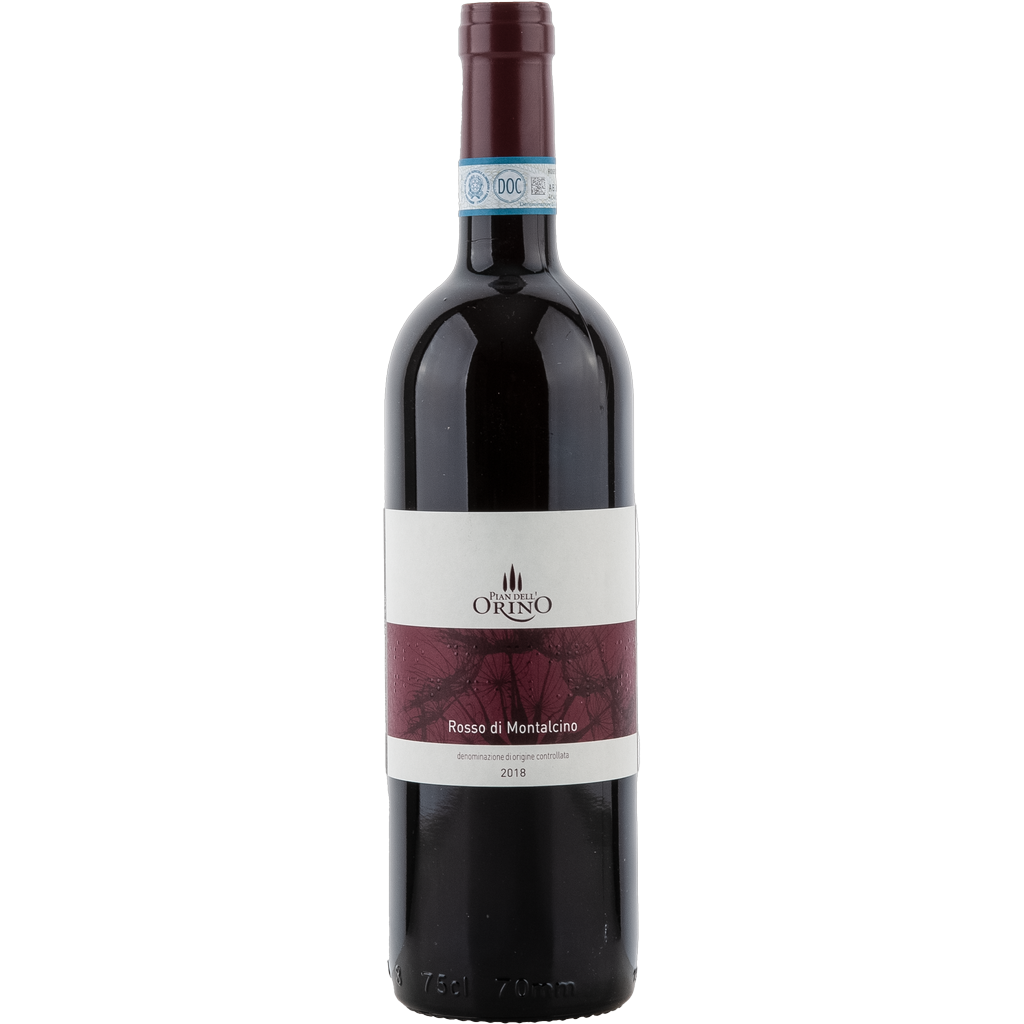
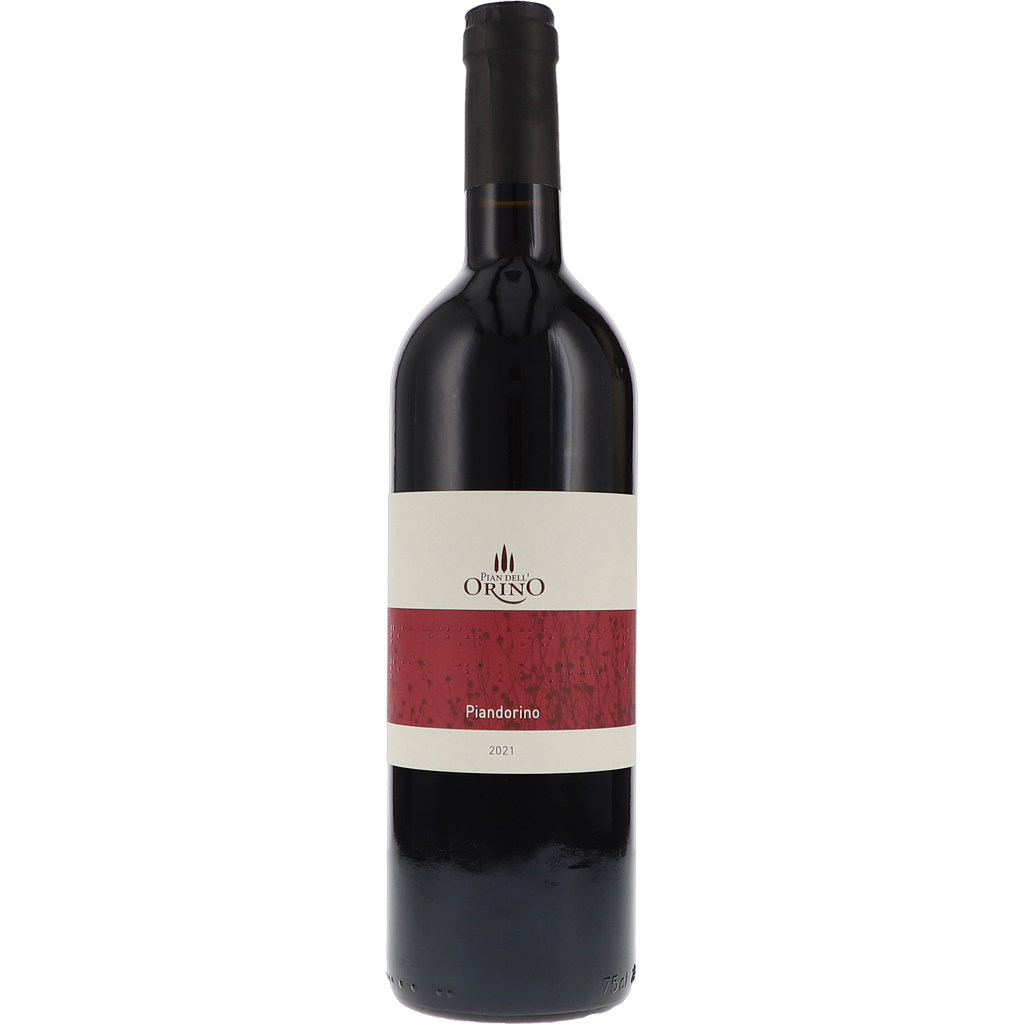
In the cellar, the grapes ferment spontaneously in open wooden vats and then age in large casks; no oenological interventions are added. The Rosso di Montalcino is pure, unblended Sangiovese. The Piandorino is released as Toscana IGT and shows the same work in a more approachable form.
Tasting room and music library
The tasting room is also Jan Erbach's music library, with a vinyl collection and a high-end stereo system set among the casks. "Where the olfactory meets the auditory," he calls this combination.