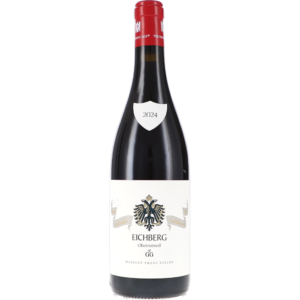
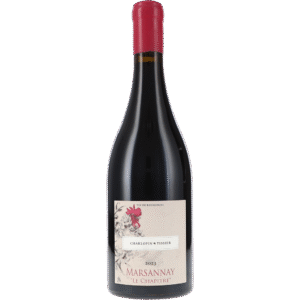
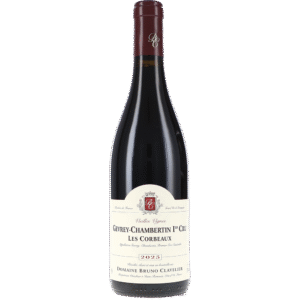
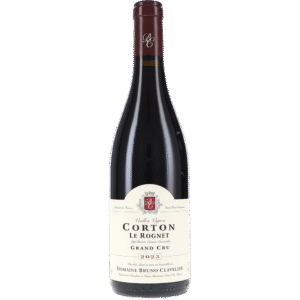
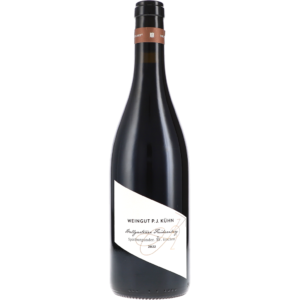
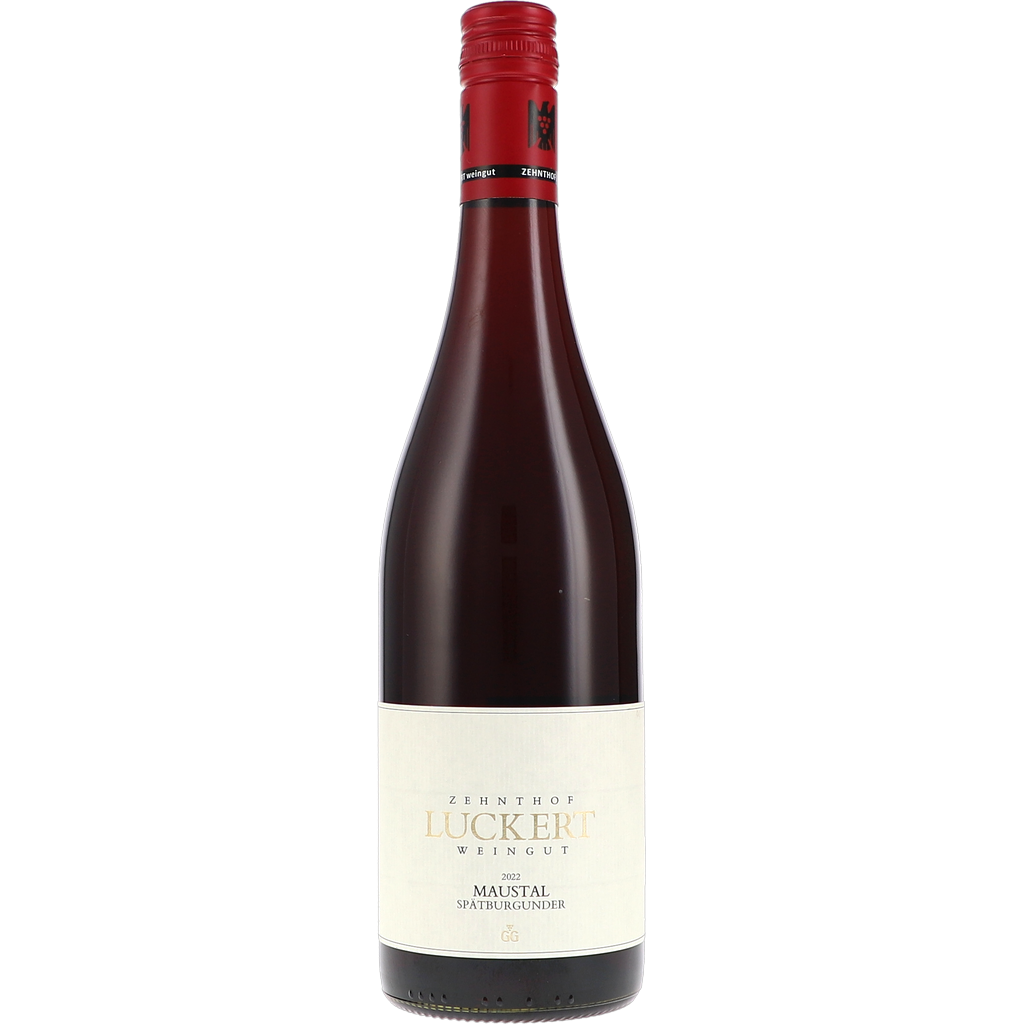
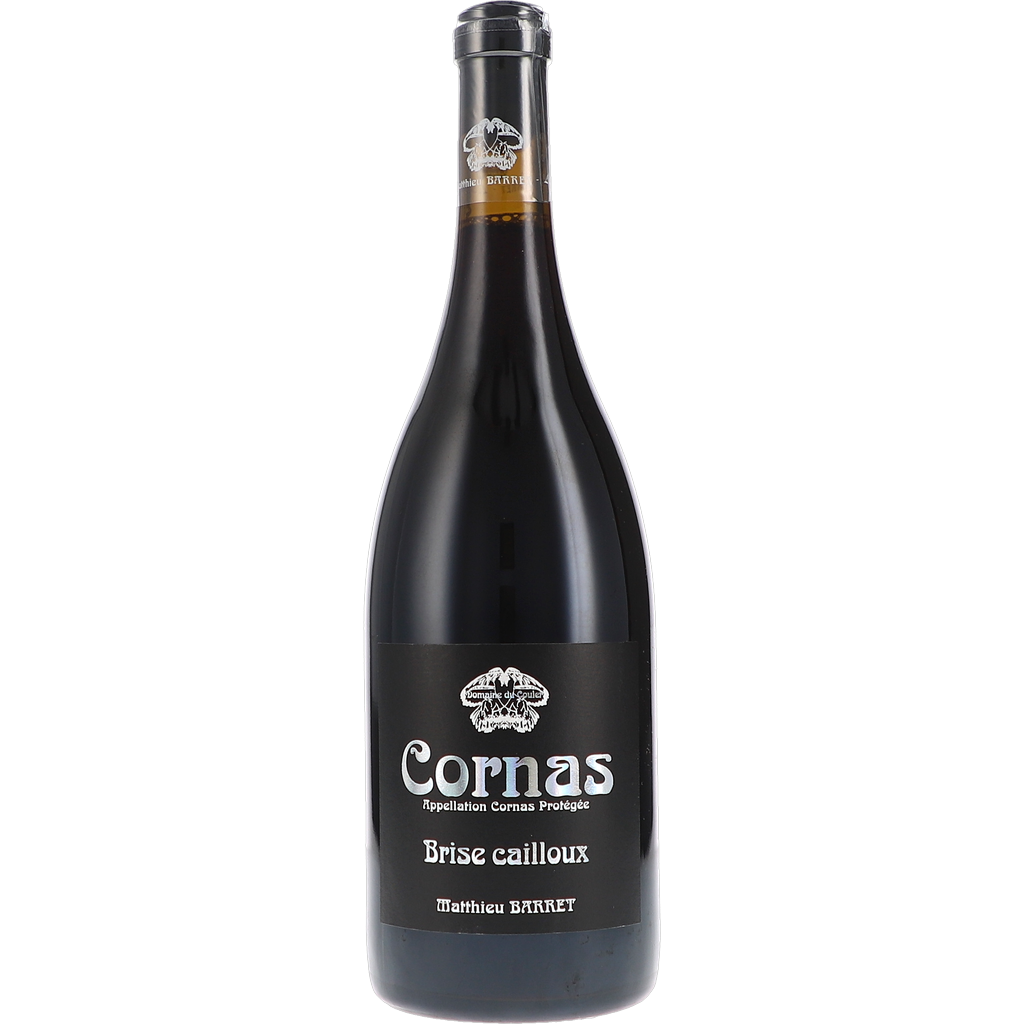
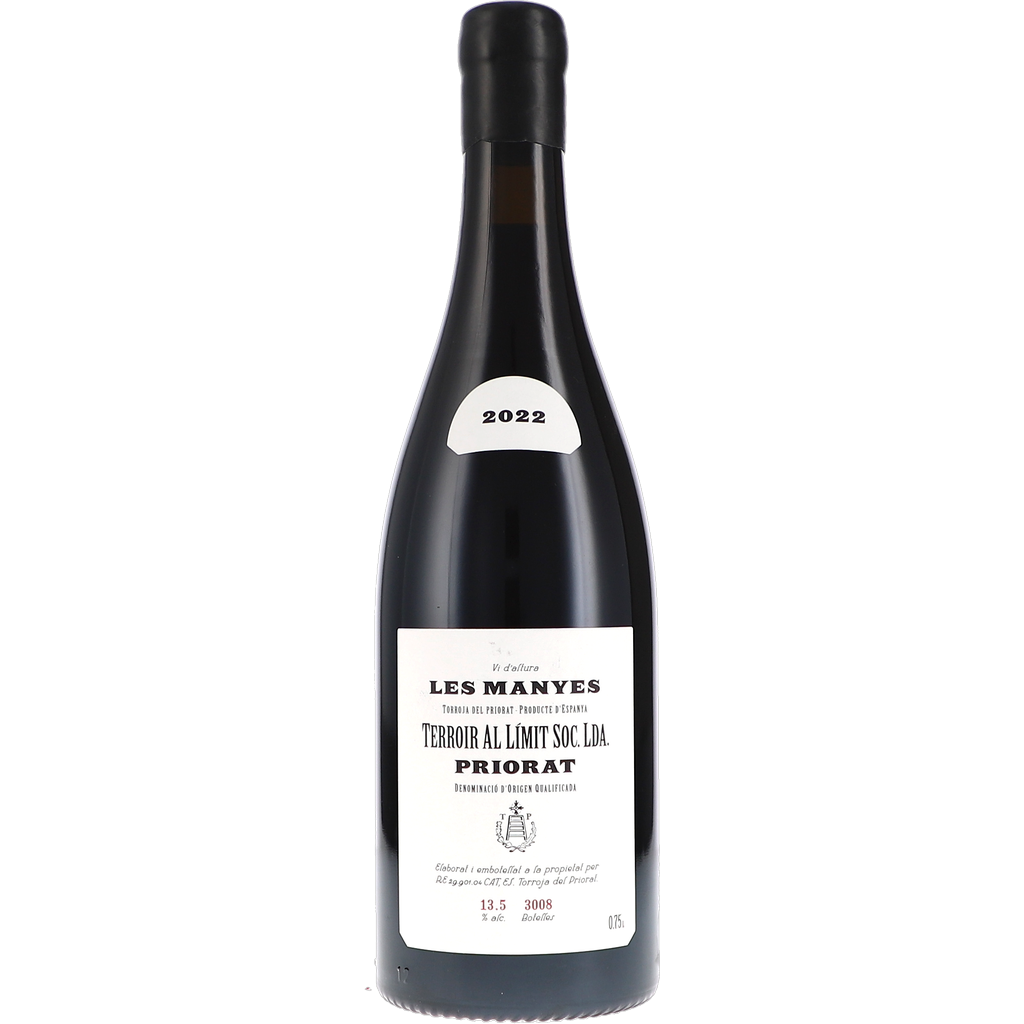
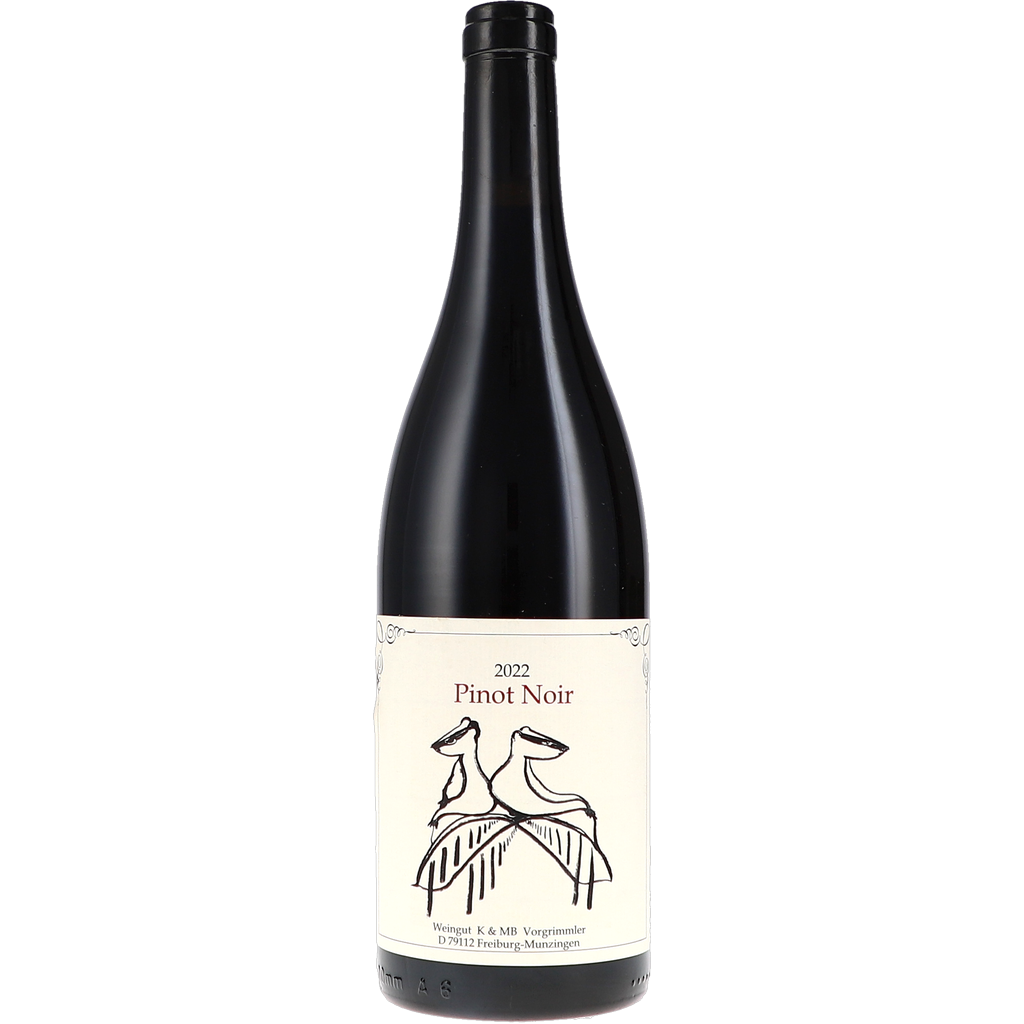
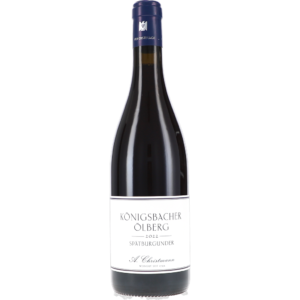
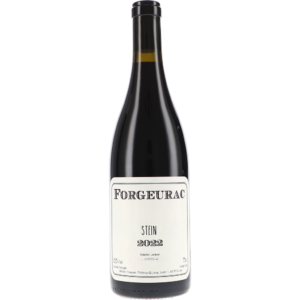
Red wine comes from dark-skinned grapes whose skins remain in the juice during fermentation, giving it colour, tannin and structure. Represented here are Pinot Noir from the Côte de Nuits and Côte de Beaune, Nebbiolo from Barolo and Barbaresco, Grenache and Carignan from Priorat, Sangiovese from Montalcino, Teroldego from Trentino, and Spätburgunder from Ahr, the Palatinate and Baden.
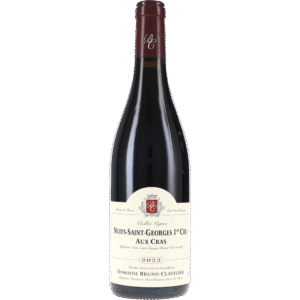
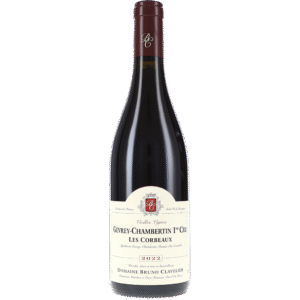
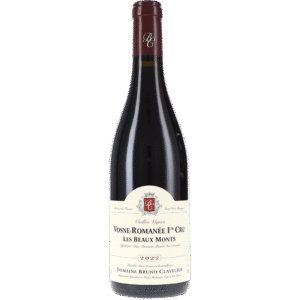
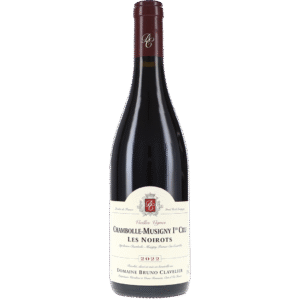
Grape Varieties and Origin
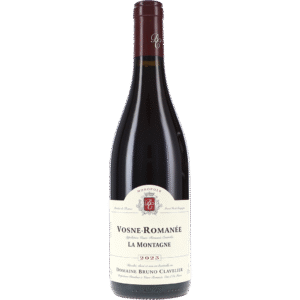
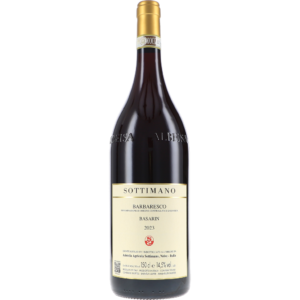
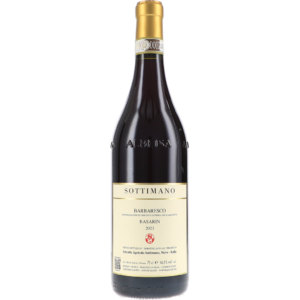
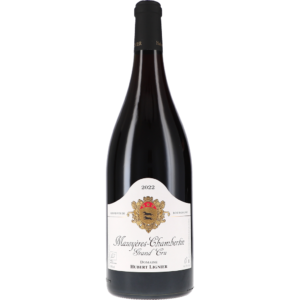
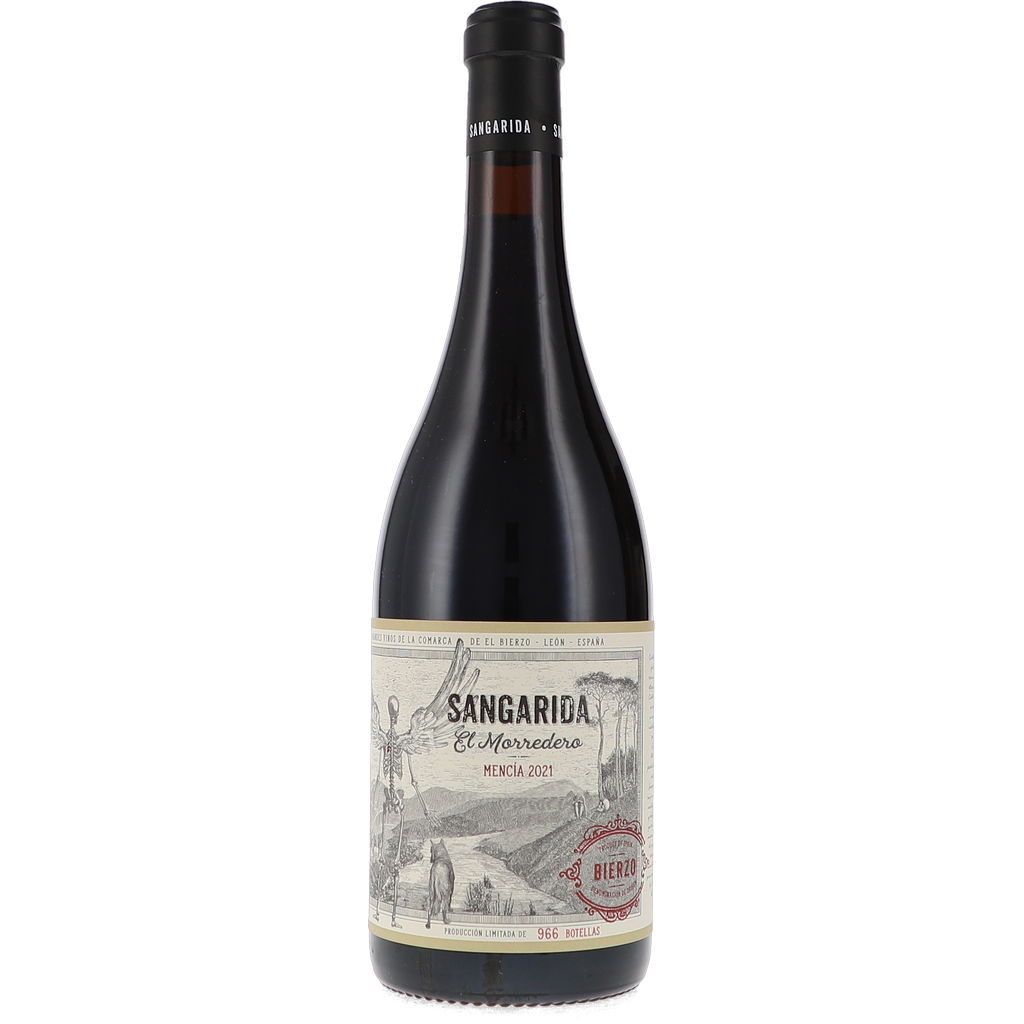
Pinot Noir carries the Burgundian share, from Marsannay and Gevrey-Chambertin in the Côte de Nuits through Beaune, Pommard and Volnay to Santenay, and it also grows on the Ahr, in the Palatinate and in Baden. Nebbiolo represents Piedmont with Barolo, Barbaresco and Langhe, Sangiovese stands for Montalcino, and Frappato together with Nero d'Avola forms Cerasuolo di Vittoria. Grenache and Carignan carry Priorat, Tempranillo Rioja and Ribera del Duero, with vineyards at 850 to 930 metres.
Winemaking
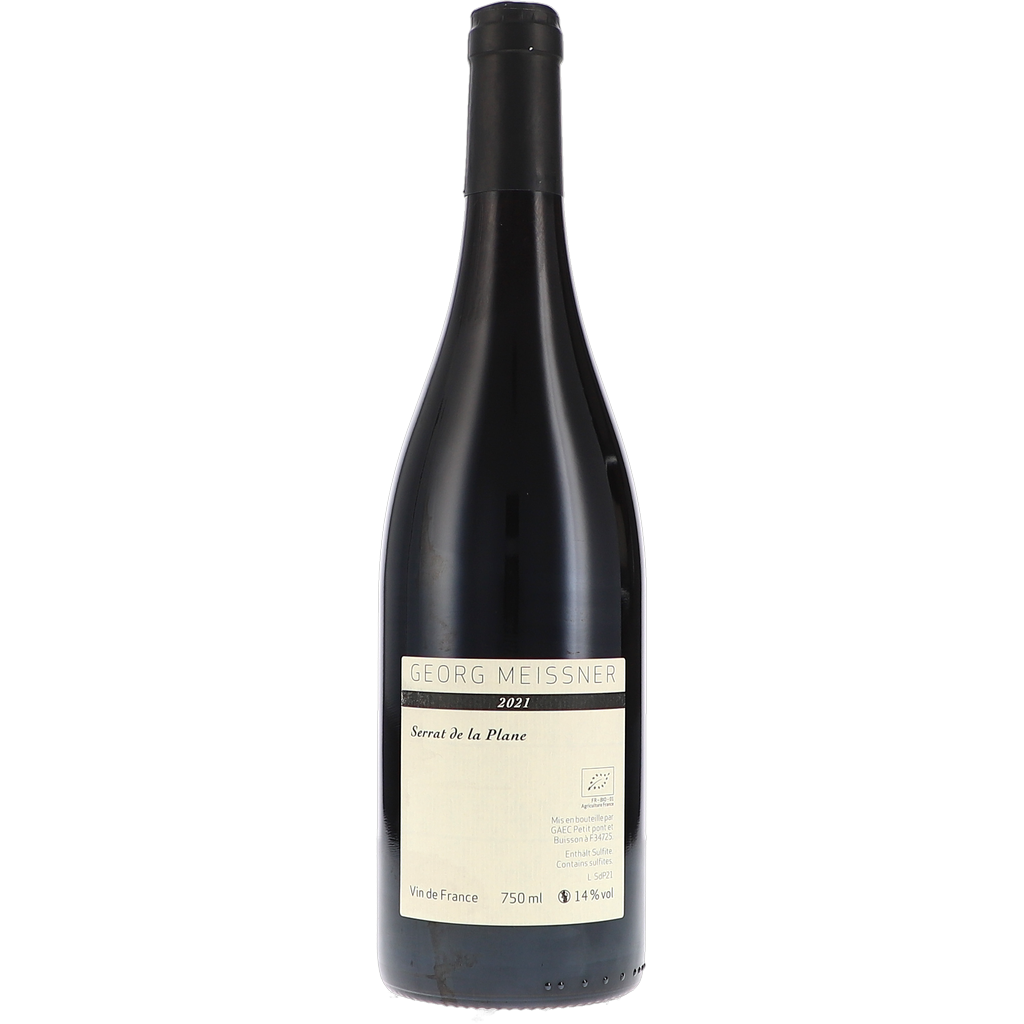
The label sets out the origin and its rank: in Burgundy the hierarchy rises from village appellation through Premier Cru to Grand Cru, Italy classifies by DOCG, DOC and IGT, Germany has the VDP Grosse Lage, and with Vin de France or country wine the choice of grape variety remains with the winemaker.
In the cellar, the work on texture and length begins. A Burgundian Pinot Noir ferments with around 30 percent whole clusters and ages 12 to 15 months in previously used pièces. A Langhe Nebbiolo spends 14 months in second-fill French barriques. Indigenous yeasts carry out fermentation in neutral barrel and tank, and the proportion of new oak for a Santenay Premier Cru stays around 20 percent. Sulphur is added late and in minimal doses, so the wine never exceeds 35 milligrams per litre, and a Volnay-Santenots Premier Cru is made with no added sulphite.
Taste and Serving Temperature
Pinot Noir shows sour cherry, raspberry and forest floor over fine tannin, Nebbiolo rose, tar and dried cherry over a framework that needs time to mature. Sangiovese brings sour cherry and dried herbs, while Grenache and Carignan from Priorat offer blackberry, liquorice and a saline edge. Served cool from the cellar, fruit and acidity stay in balance; wines with firm tannin open up at cool room temperature.
Estates in Our Range
In the Côte de Nuits, Hubert Lignier vinifies Clos de la Roche from vines rooted since 1955, certified organic since 2019. Trapet Père & Fils is based in Gevrey-Chambertin, where Arthur Trapet grafted onto American rootstock in the 1880s, and Bruno Clair in Marsannay-la-Côte with 27 hectares in the Côte d'Or. In the Hautes-Côtes de Beaune, Boris Champy has run Burgundy's first Demeter-certified estate biodynamically since 1984.
Andrea Sottimano leaves the Barbaresco from Sottimano in Neive on the skins for forty days, while Vietti has worked in Castiglione Falletto since 1873. Elisabetta Foradori produces Teroldego in Trentino, Dominik Huber runs Terroir al Limit in Priorat and Montsant, and Bodegas Artadi left the DOCa Rioja at the end of 2015 in order to designate single vineyards such as Viña El Pisón. On the Ahr, Julia Baltes and Benedikt Baltes work together, he the son of a winemaking family from Mayschoss, and at Christmann the Idig grows in the Palatinate on terra fusca over limestone, biodynamic under respekt-BIODYN certification.