Foradori

Foradori farms 28 hectares in the Campo Rotaliano, a basin of the Adige valley in Trentino, which the Noce river has filled with limestone, granite and porphyry carried down from the Dolomites. Elisabetta Foradori took over the estate in 1984 at the age of twenty and steered it towards Teroldego, which today accounts for four-fifths of the biodynamically farmed vineyard area. A large part of the wines ferment and age in Spanish clay amphorae, the tinajas, for eight months on the skins. In the Teroldego wines, violet and wild blackberry sit alongside a saline minerality. Since 2013, her son Emilio Foradori has been responsible for winemaking.
1984 in the Campo Rotaliano
Elisabetta Foradori was twenty and had just finished her studies in San Michele when she took over the estate in 1984; her father had died in 1976. The Campo Rotaliano forms a basin of the Adige valley between two mountain ridges. For centuries the Noce has carried down limestone, granite and porphyry debris, building a valley floor divided into microzones, each named differently by the winegrowers. By day the rock walls throw the sun back into the valley; by night cool mountain air flows through it.
Bringing back Teroldego
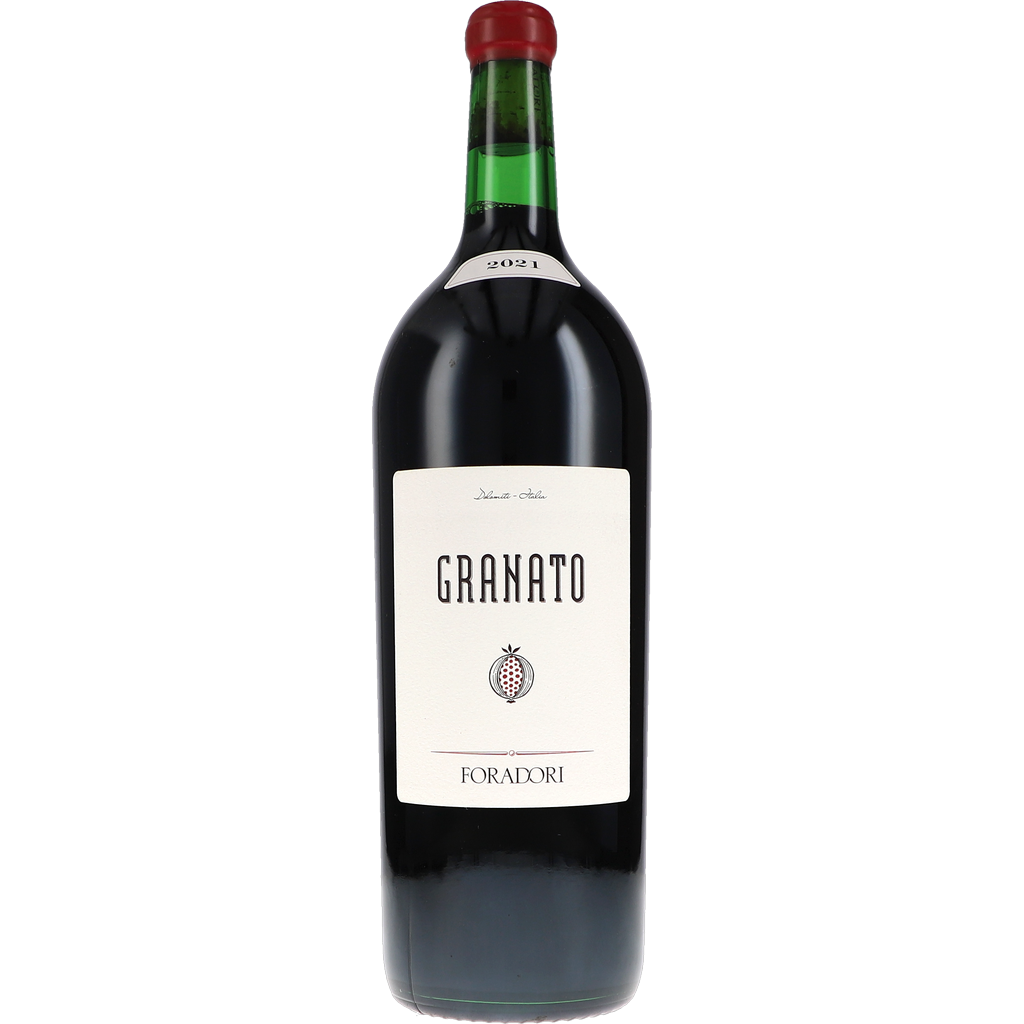
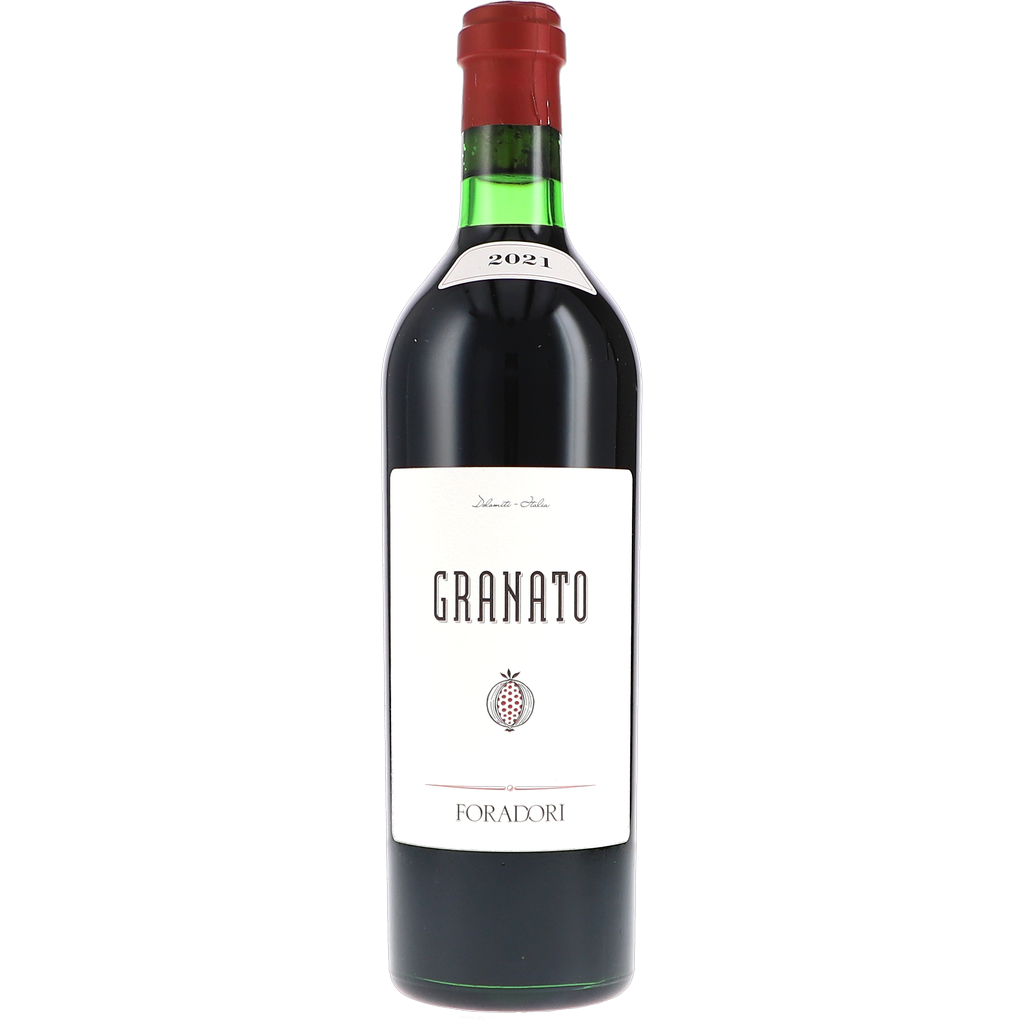
Teroldego was served at the Council of Trent and lost its reputation during the twentieth century to mass yields. Elisabetta Foradori recognised what the old clones held and, together with the University of Milan and the San Michele research centre, began a mass selection that took years. From it came the Granato, vinified since 1986: around four hectares across three sites, old pergola plantings in Mezzolombardo on alluvial soil, gravel and pebbles, spontaneously fermented in large open vats. The name refers to the pomegranate. Gambero Rosso has awarded Foradori its highest distinction thirty-six times.
Morei, Sgarzon and the tinajas
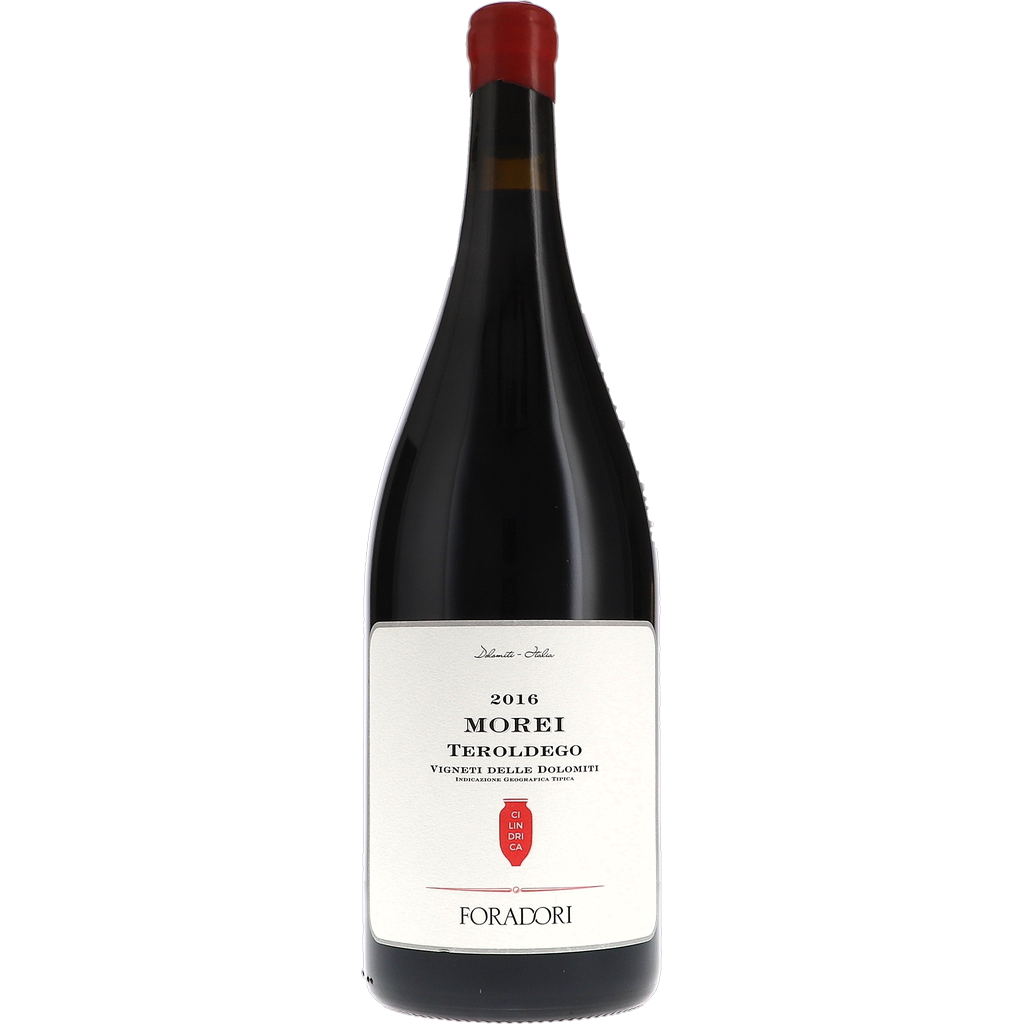
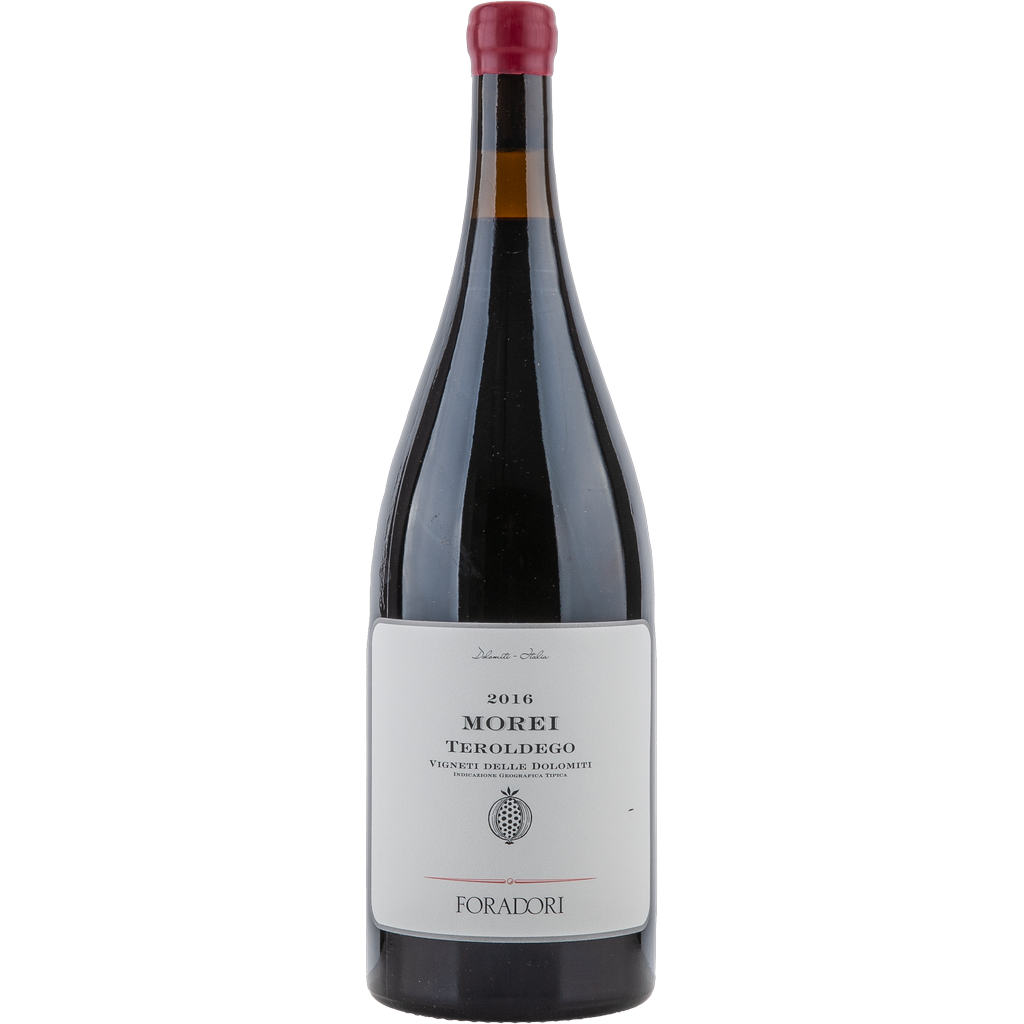
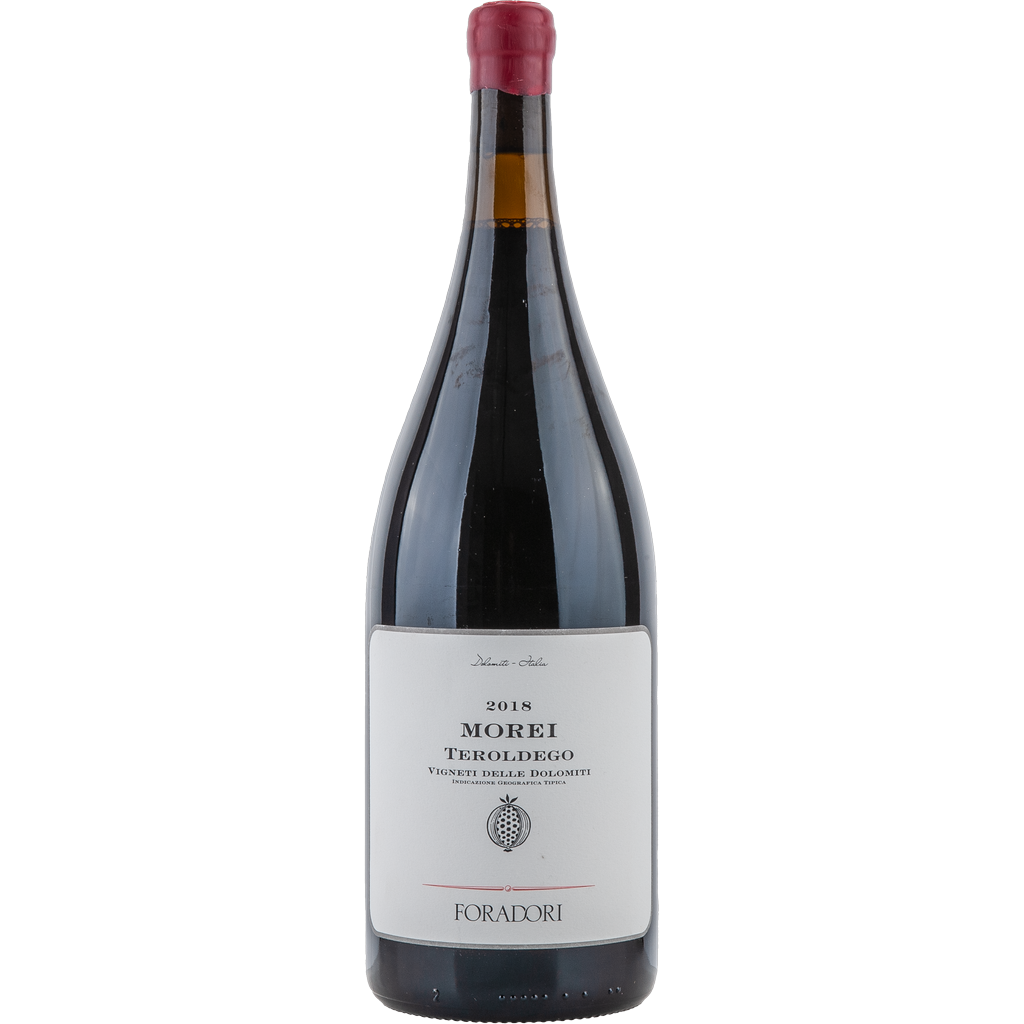
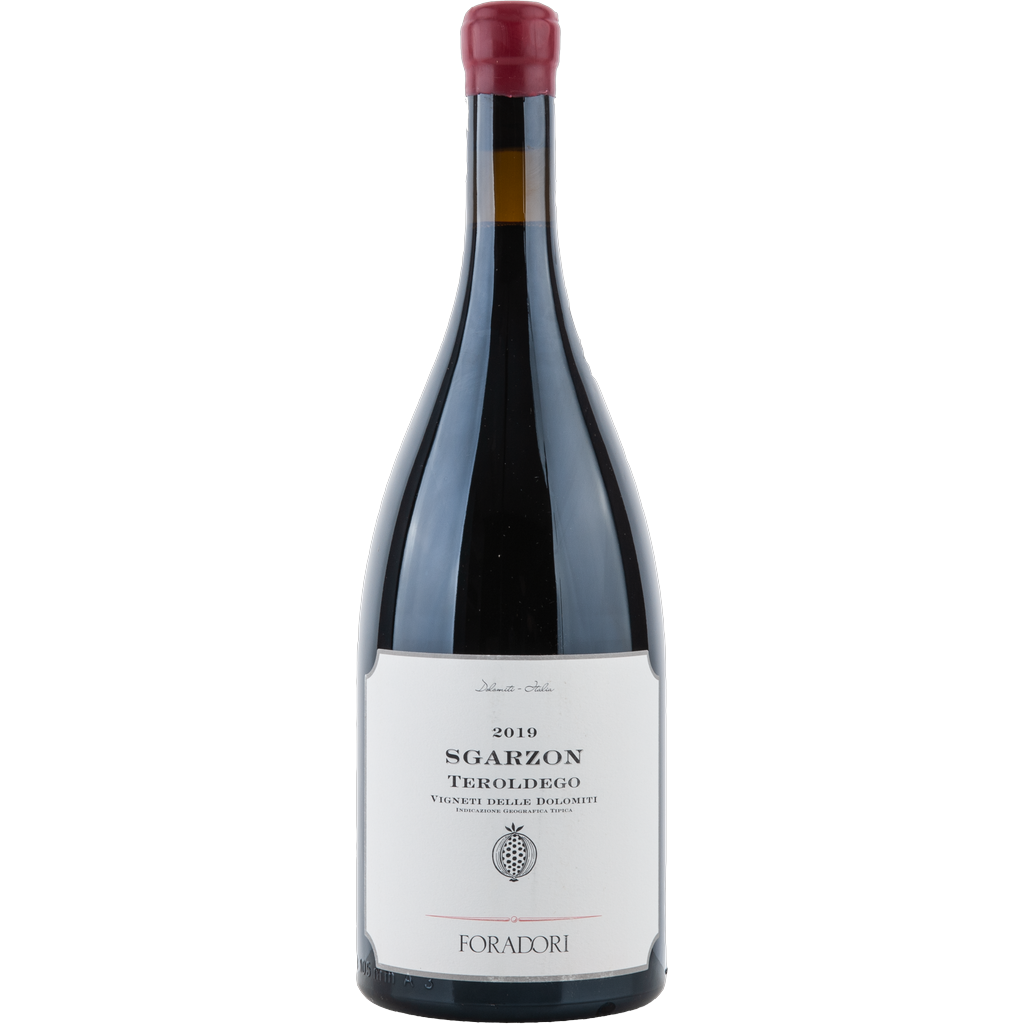
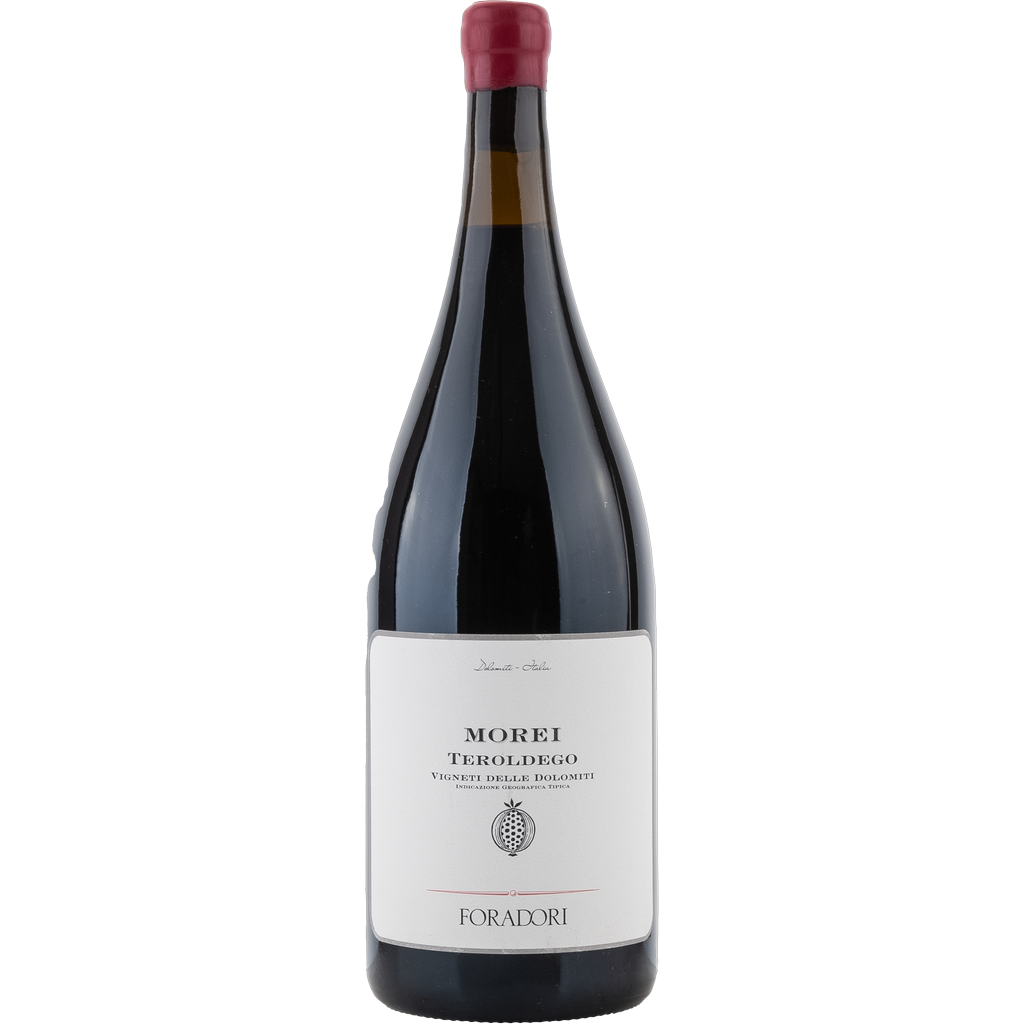
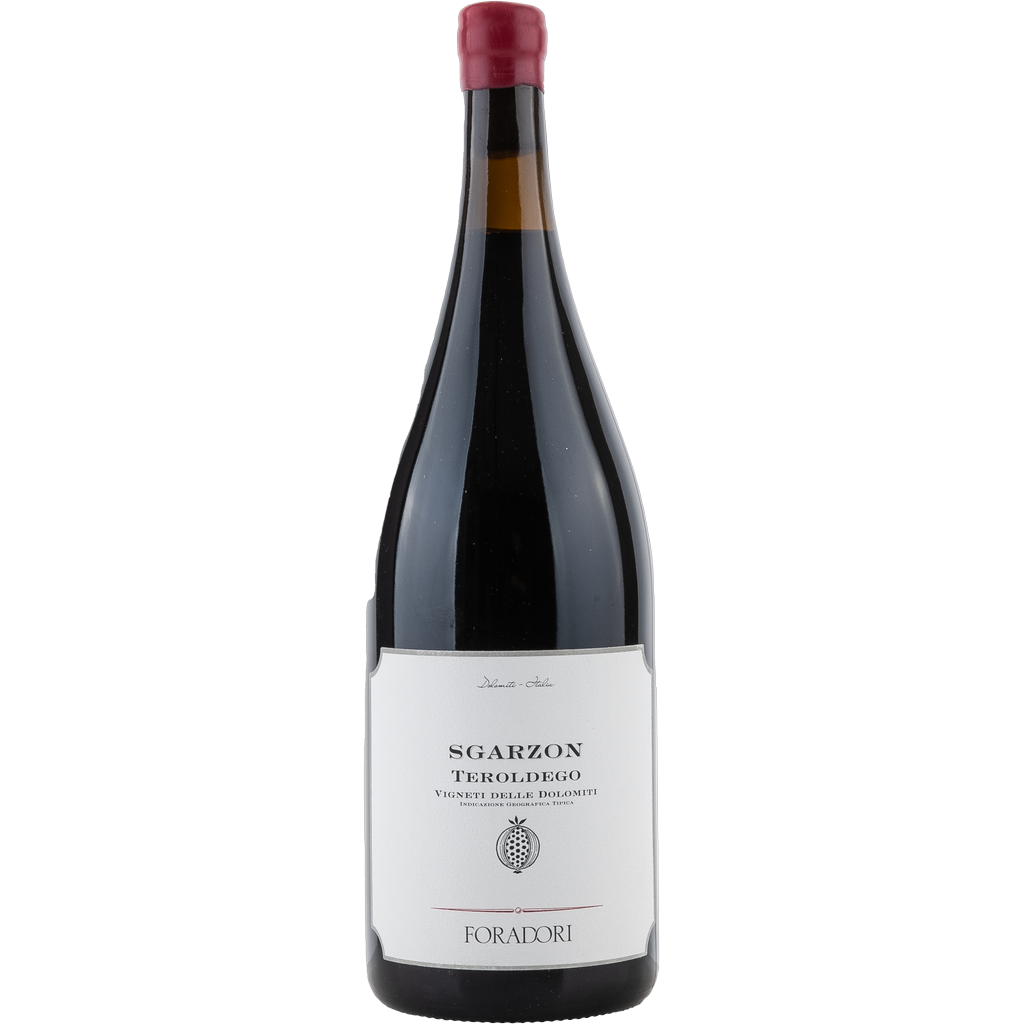
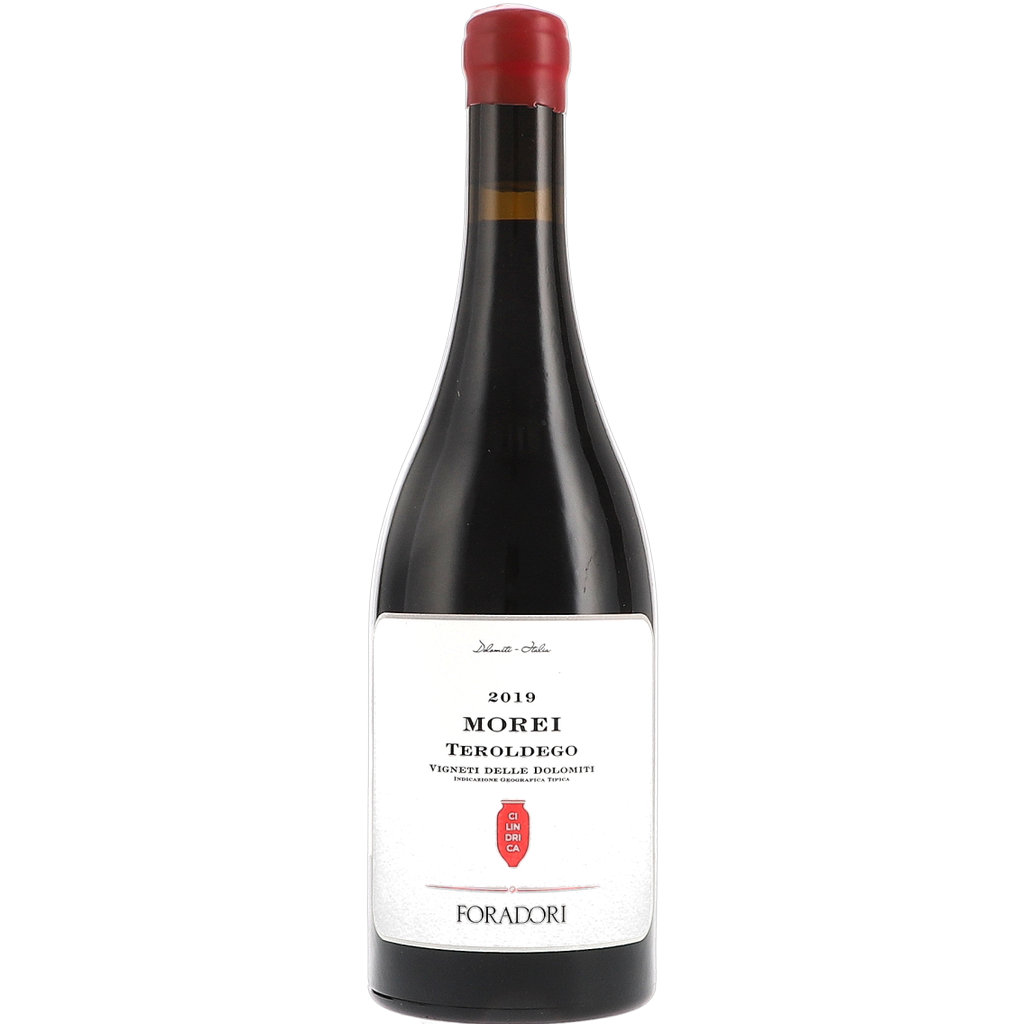
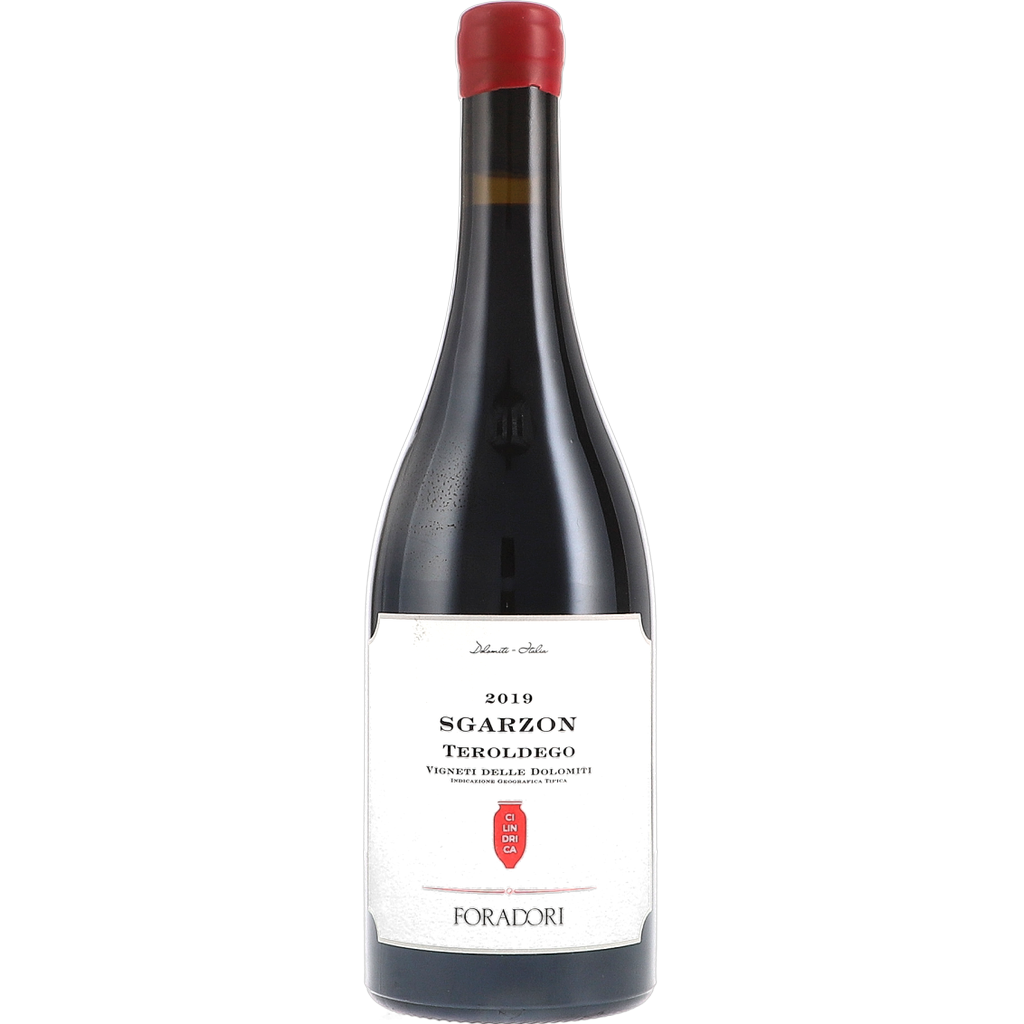
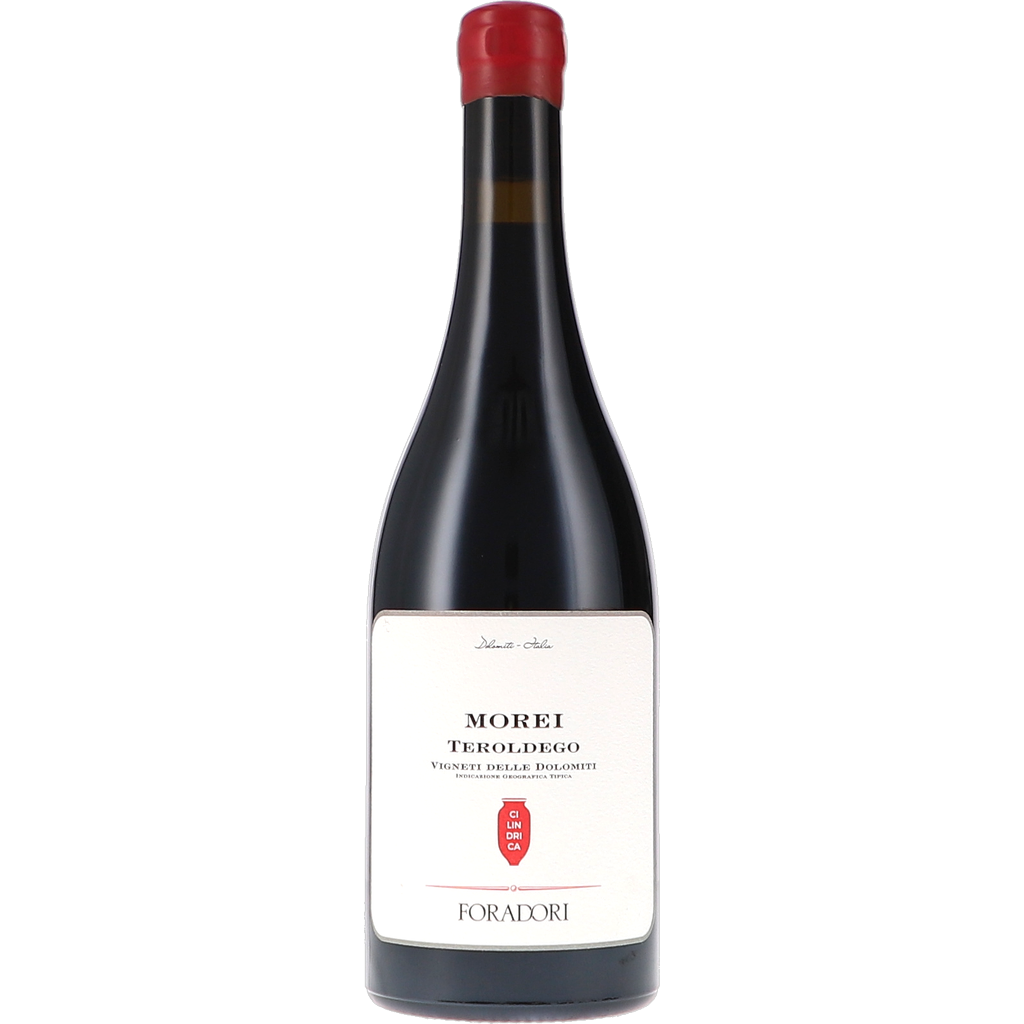
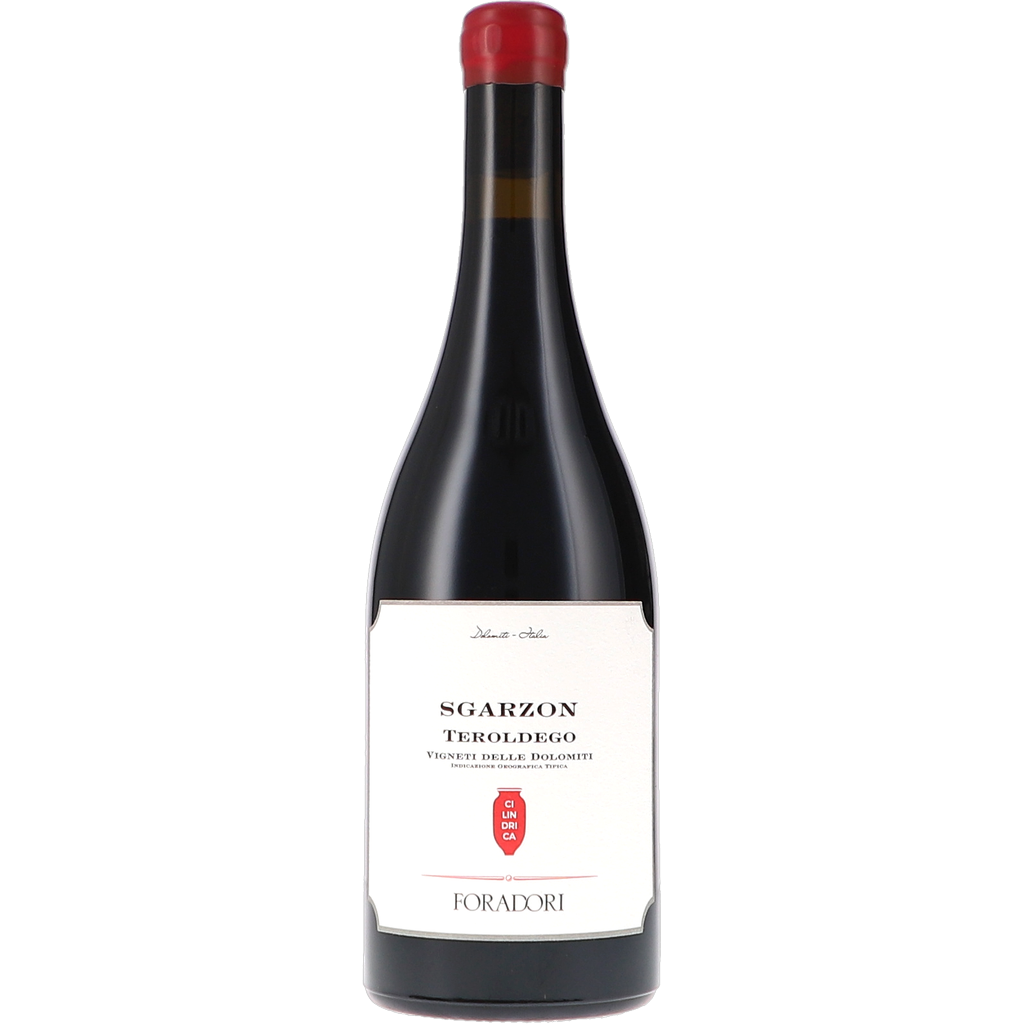
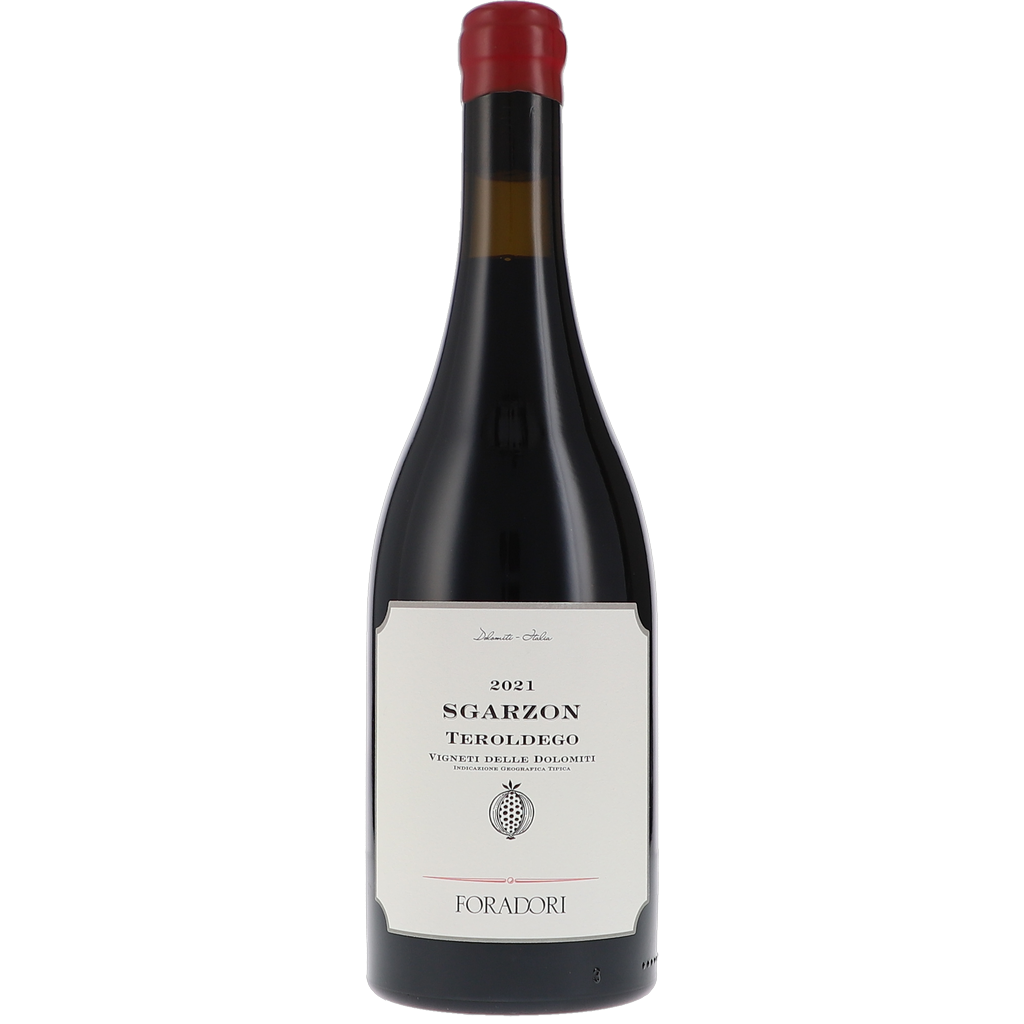
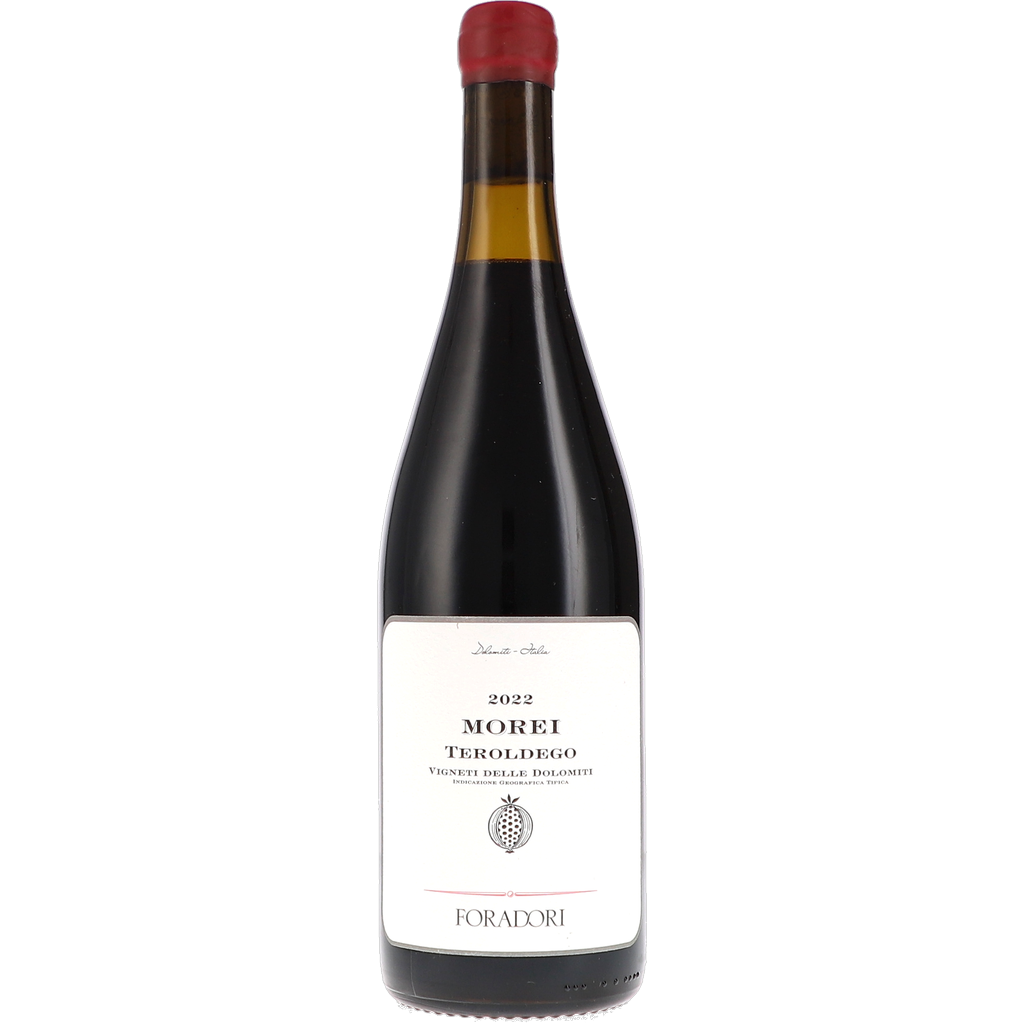
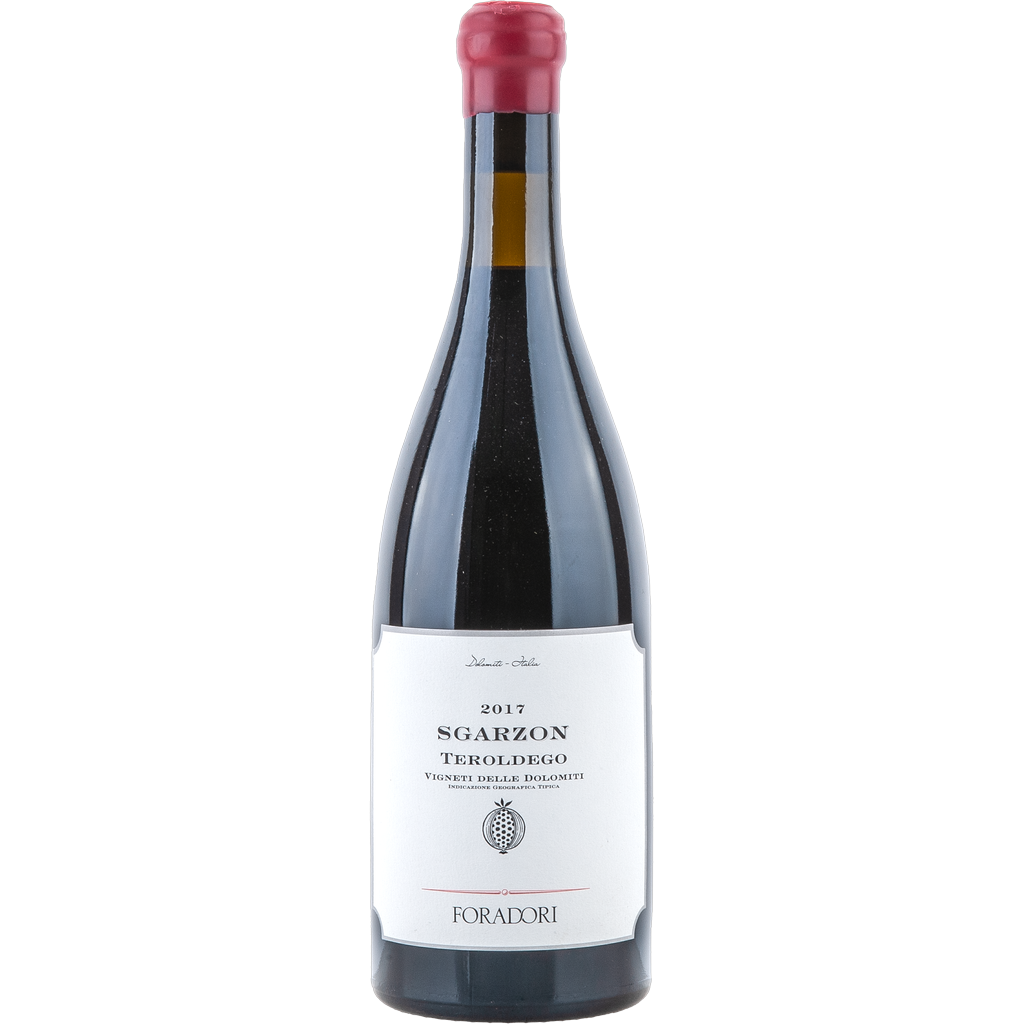
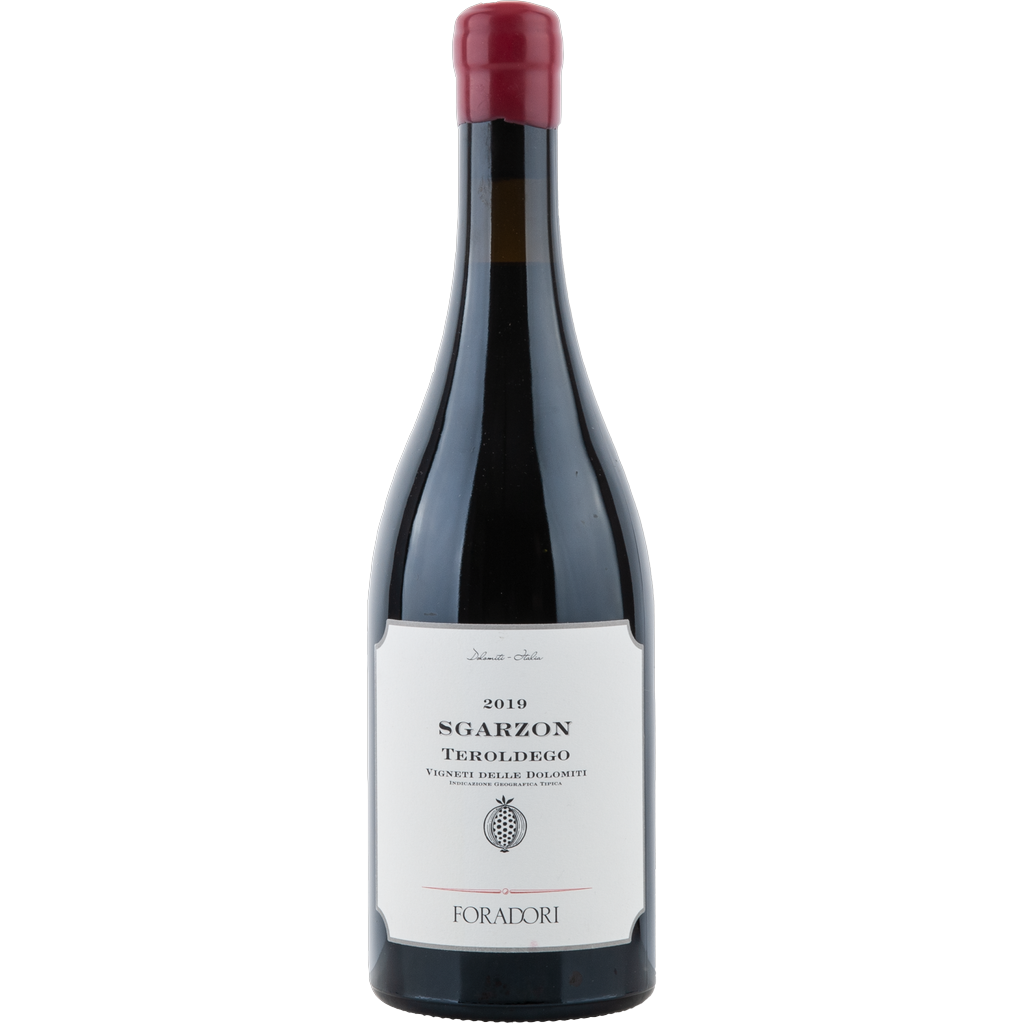
The Vigneto Morei covers 2.5 hectares, planted entirely with Teroldego Rotaliano, on the gravelly, sandy alluvial soils of the Noce; the name comes from Trentino dialect, moro, dark, referring to the colour of the wine. Sgarzon, by contrast, grows on Dolomite limestone. The move to amphora came from the experience that wood overlaid the Teroldego, and so today the grapes ferment in tinajas from Villarrobledo in Spain, clarifying over eight months of ageing on the skins.
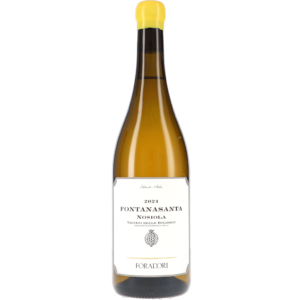
The Pinot Grigio and Nosiola also rest in the tinajas, both listed on the wine list as orange wines. The Fuoripista is made in collaboration with Marco Devigili, a biodynamic winegrower from the Campo Rotaliano, and spends more than eight months on the skins. The Fontanasanta comes from the eponymous site above Trento, where Nosiola grows on calcareous-clay soils, a variety with one parent from Valais and around seventy hectares remaining; a small part ages in acacia wood.
The family and the estate
Emilio Foradori has been in charge of winemaking since 2013. Theo Foradori, who studied photojournalism and lived for years in the United States, handles sales, while Myrtha Foradori runs the biodynamic farm: Tyrolean grey cattle graze between the vines, the vegetable garden supplies the estate kitchen, and a weekly market offers cheese, eggs and fresh produce from the harvest. Elisabetta Foradori now works in the estate's own cheese dairy and, together with friends, founded Ampeleia in the Maremma, where she works according to the same principles.