Georg Meissner
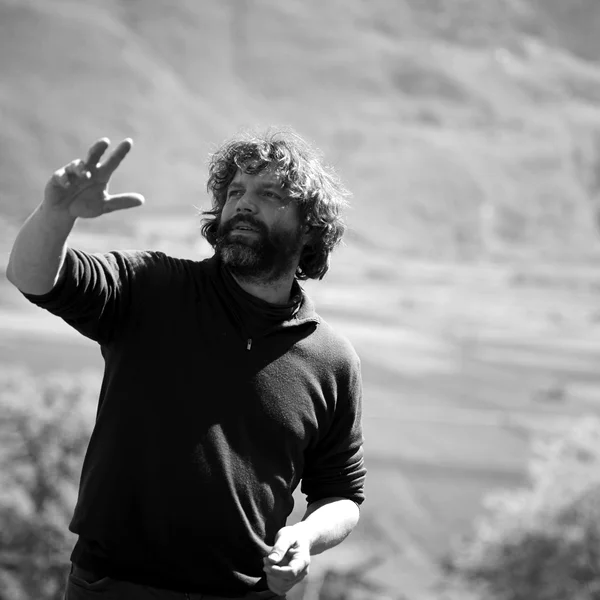
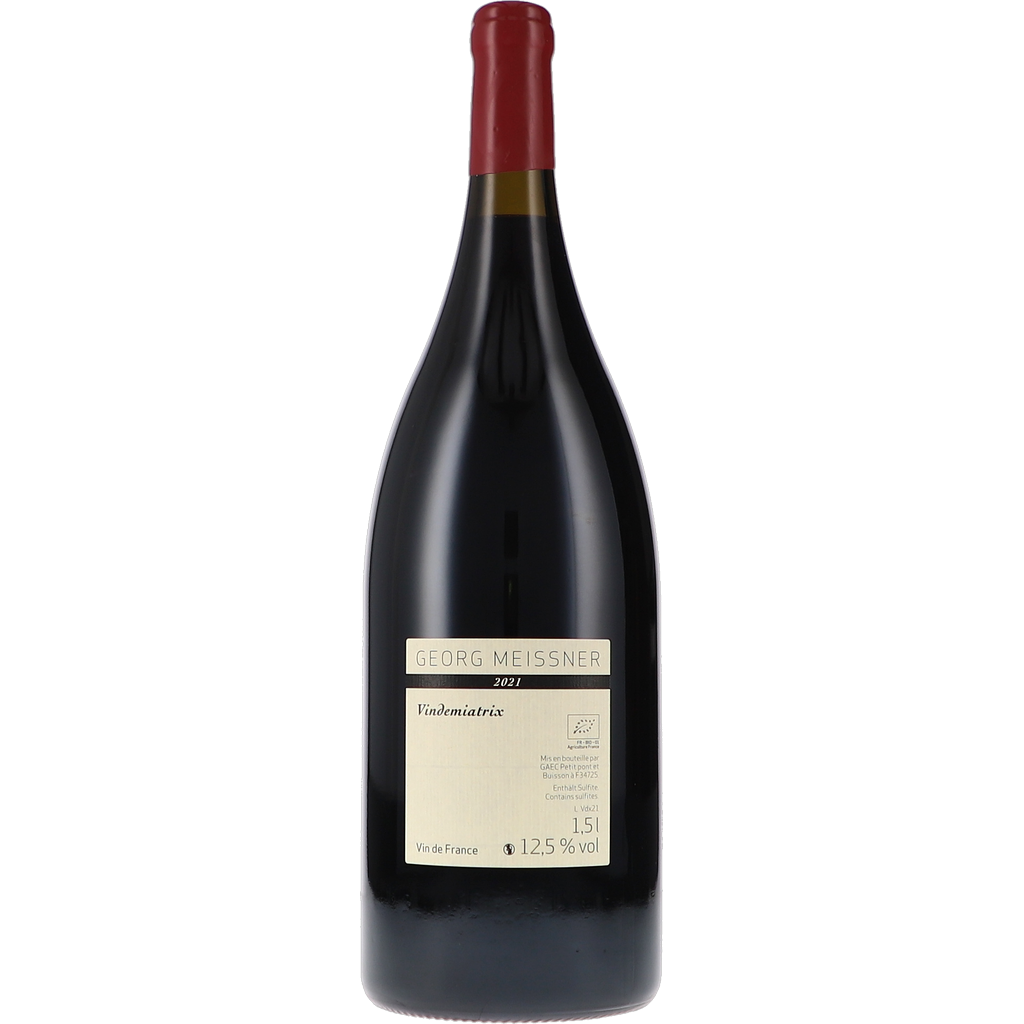
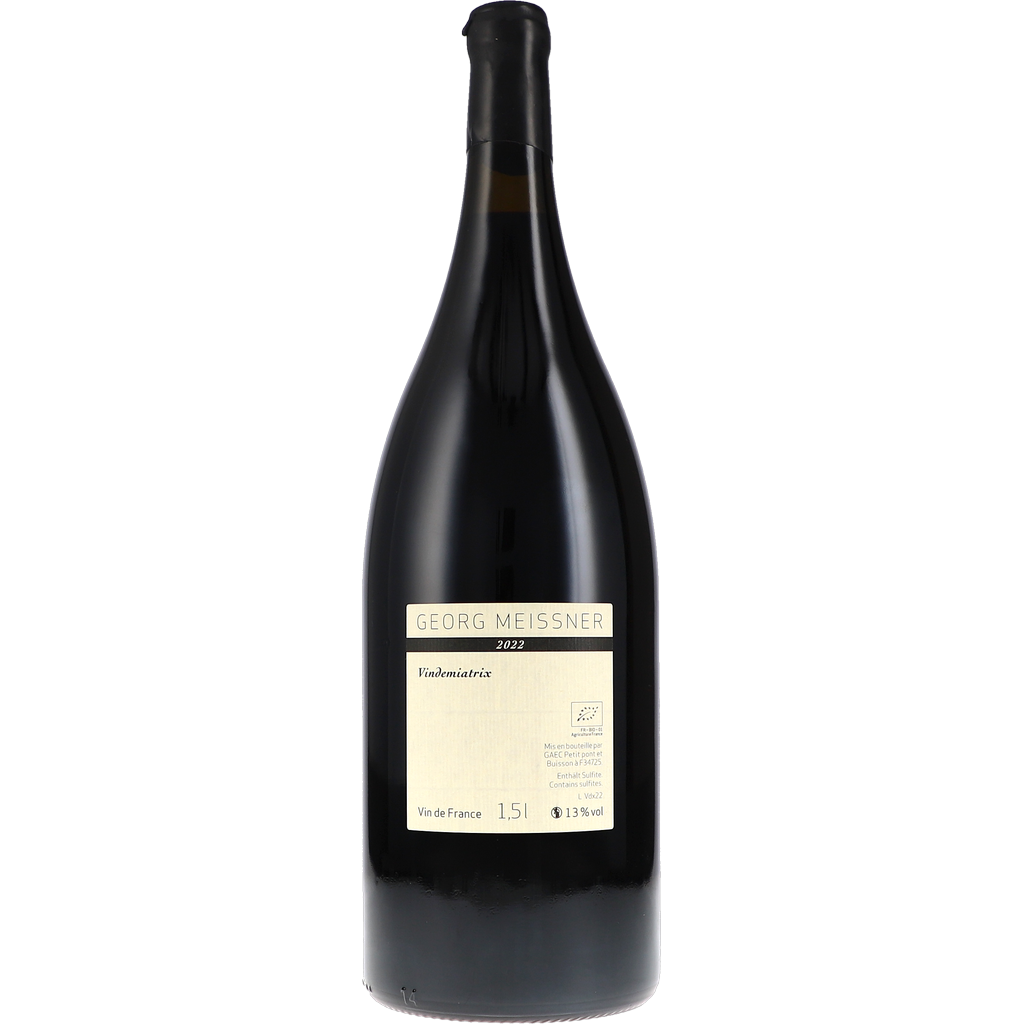
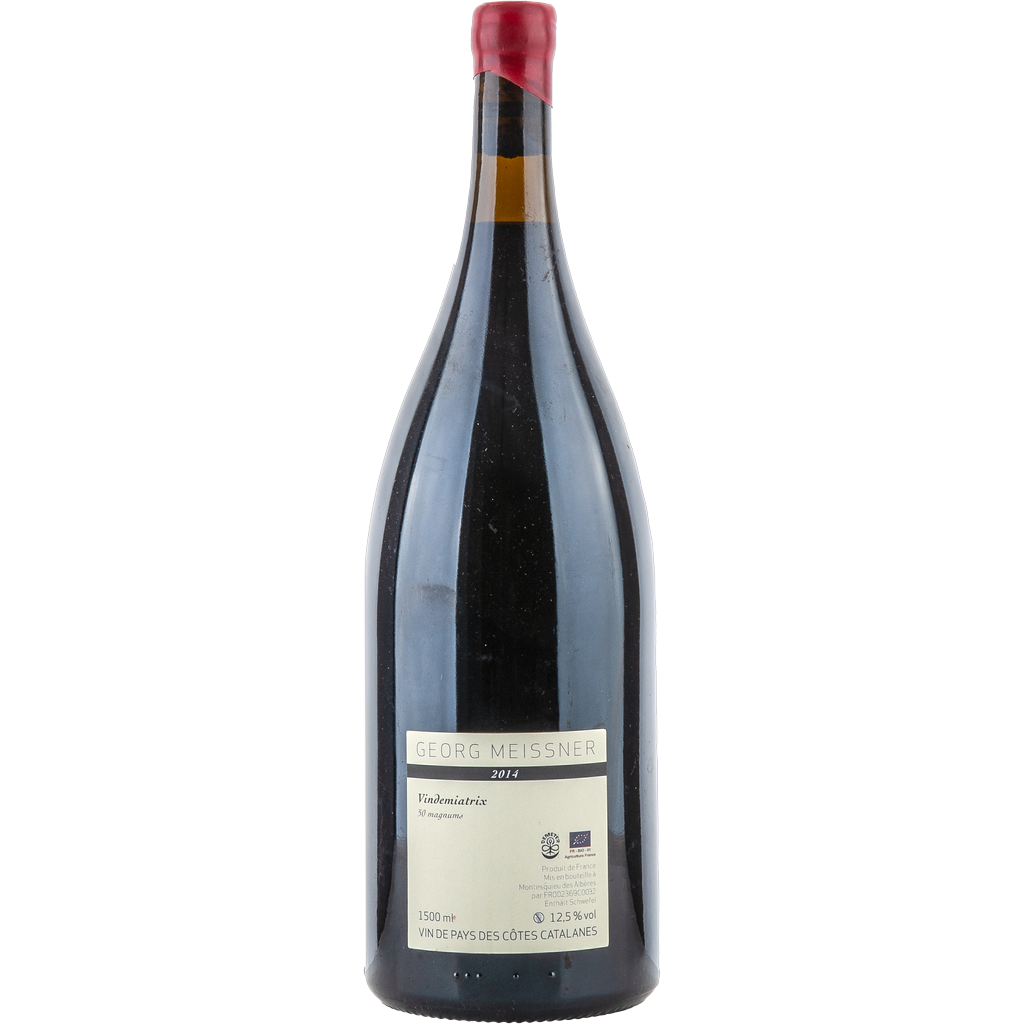
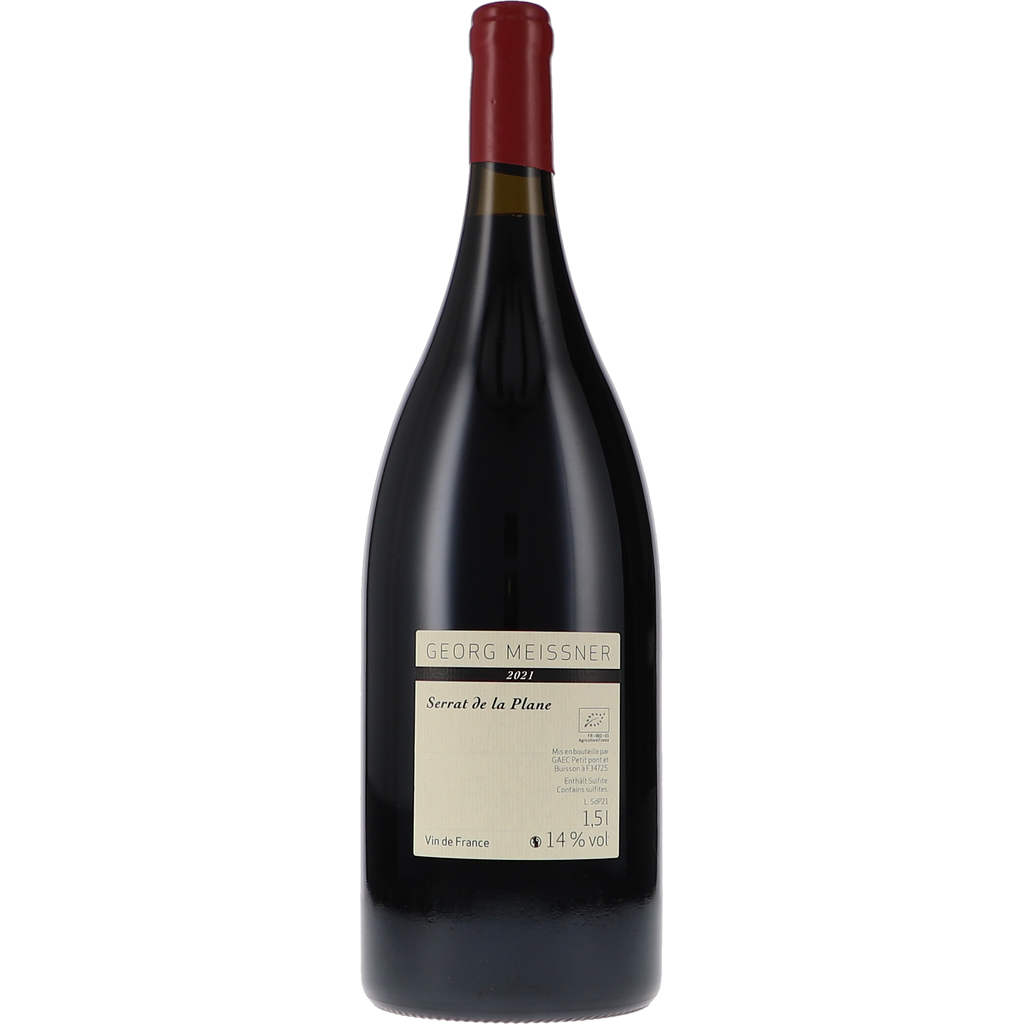
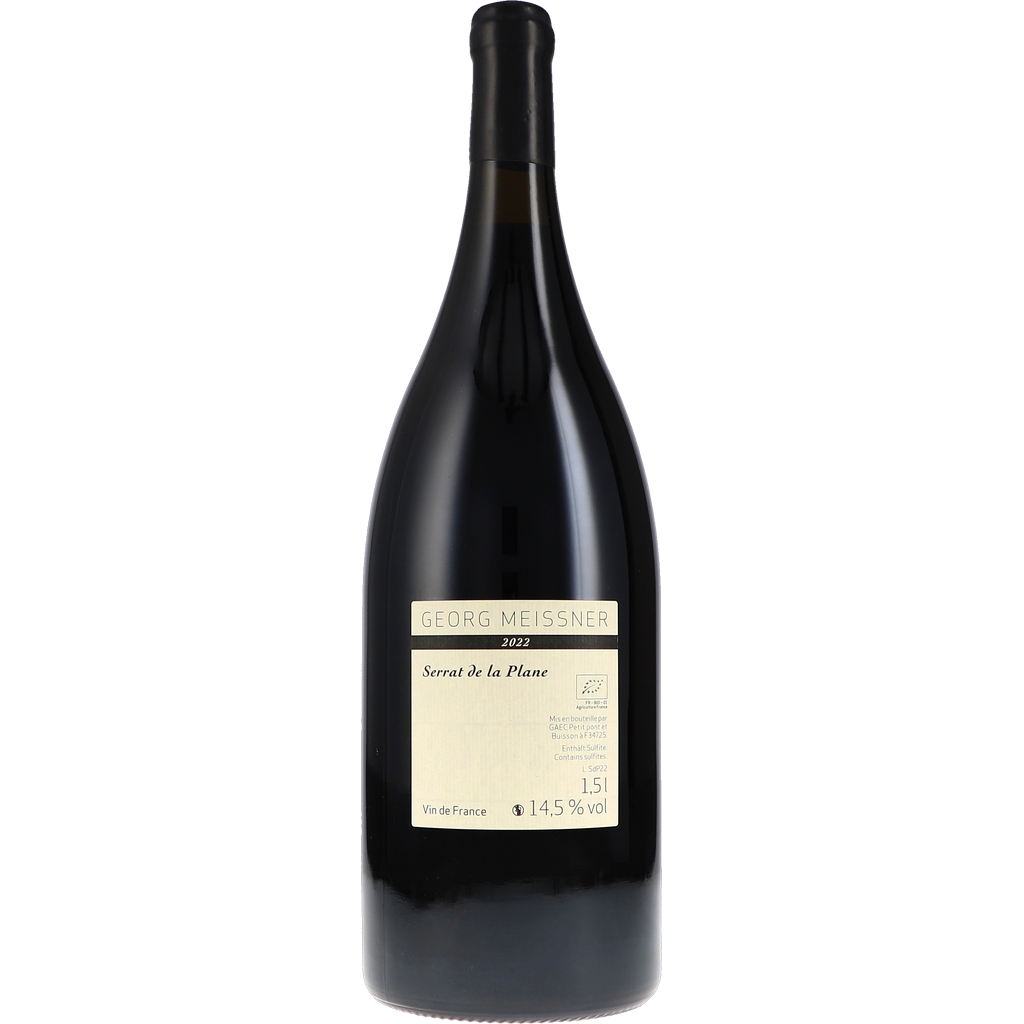
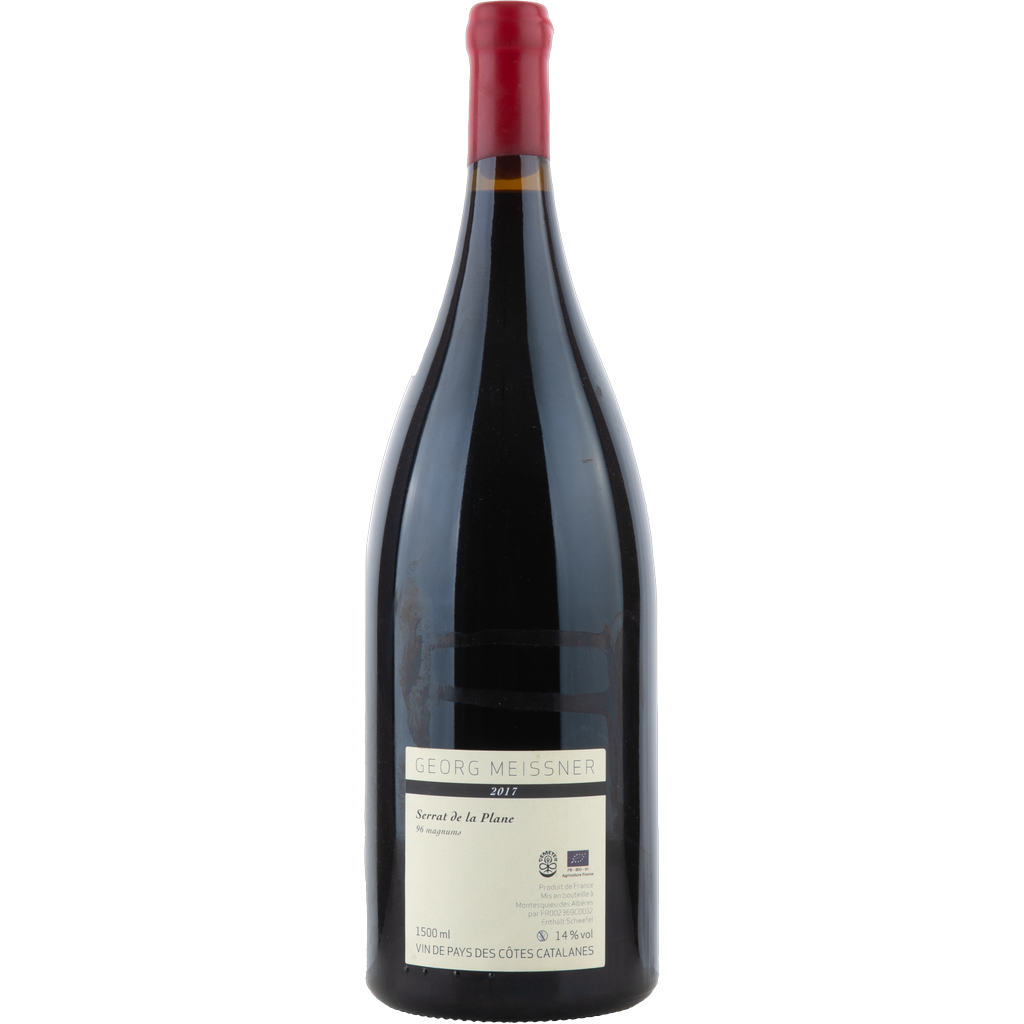
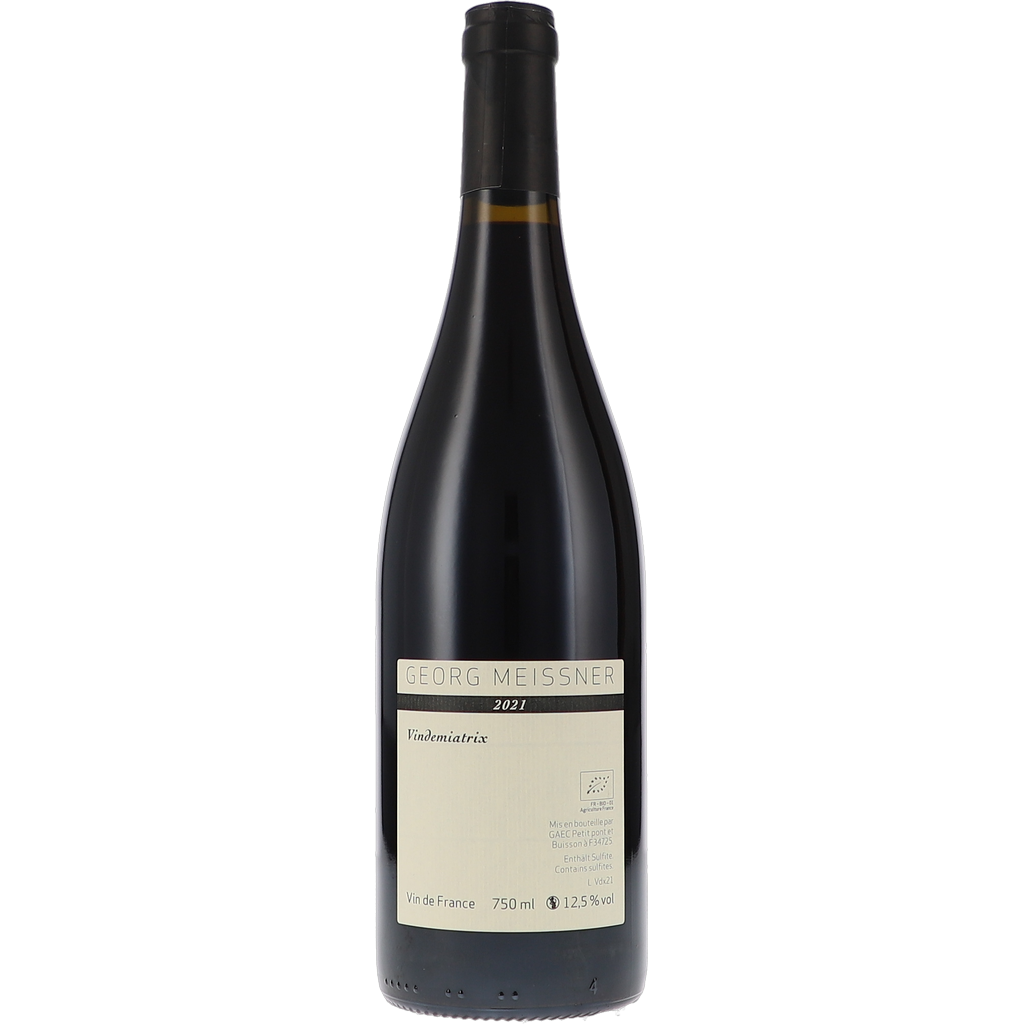
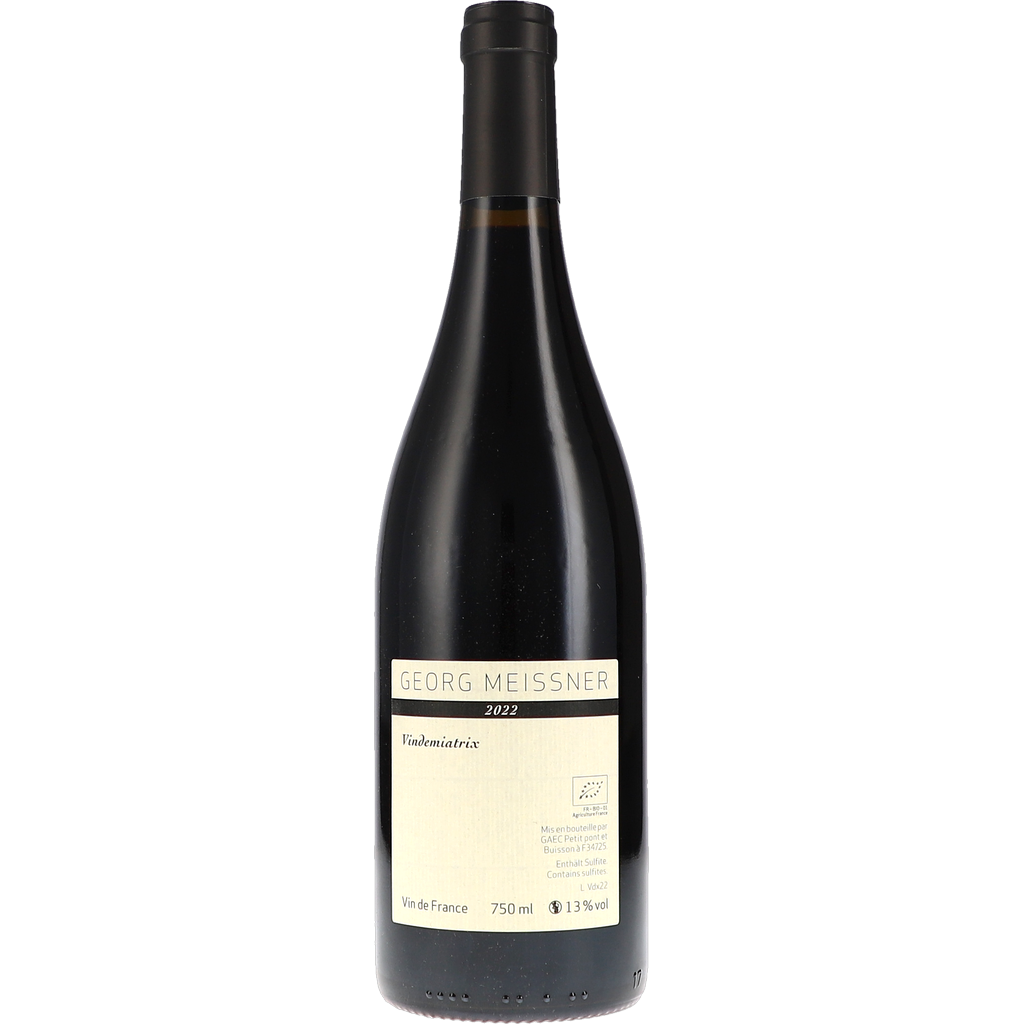
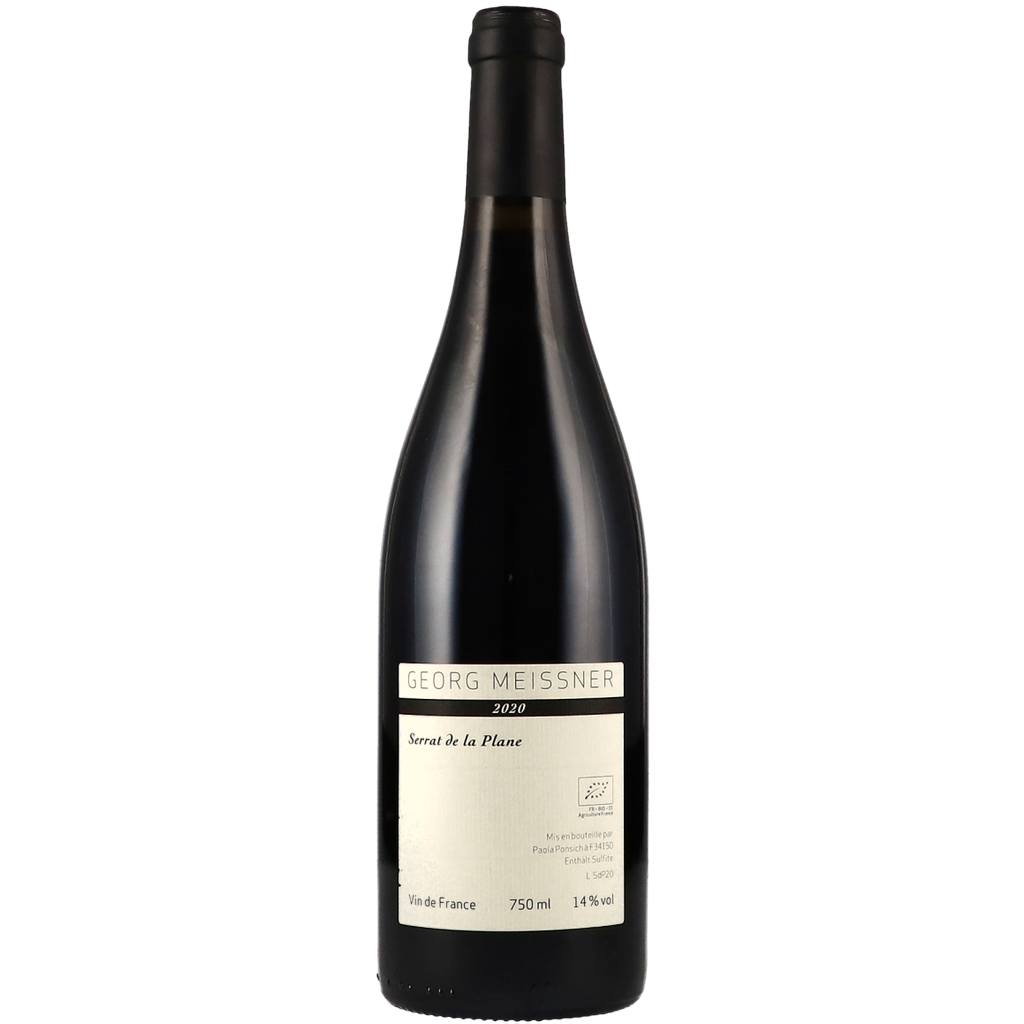
Georg Meissner farms two old vineyards in the southwest of Roussillon, near the Spanish border, that were slated to be grubbed up. The Carignan was planted in 1899 and grows on a terrace between stone walls, rock and forest; the Grenache is scarcely younger and lies exposed to the wind on a stony plateau. Both vineyards stand on weathered gneiss soil, with yields of around nine hectolitres per hectare. Georg Meissner teaches Rudolf Steiner's methods at Geisenheim University and has, since 2015, run the training programme of the respekt-BIODYN winegrowers' group. Two wines come from Roussillon, Vindemiatrix and Serrat de la Plane, in tiny quantities.
Geisenheim, South Tyrol and Roussillon
Georg Meissner teaches the next generation of winegrowers Rudolf Steiner's methods at Geisenheim University, with a strong hands-on focus. An experimental vineyard there lets him compare conventional, organic and biodynamic cultivation; the findings feed into his teaching and into the consulting he provides to wine estates. He lives with his family in South Tyrol, where he was responsible for viticulture, cellar work and research at a wine estate. Since 2015 he has run the training programme of the respekt-BIODYN winegrowers' group.
Two plots near the Spanish border
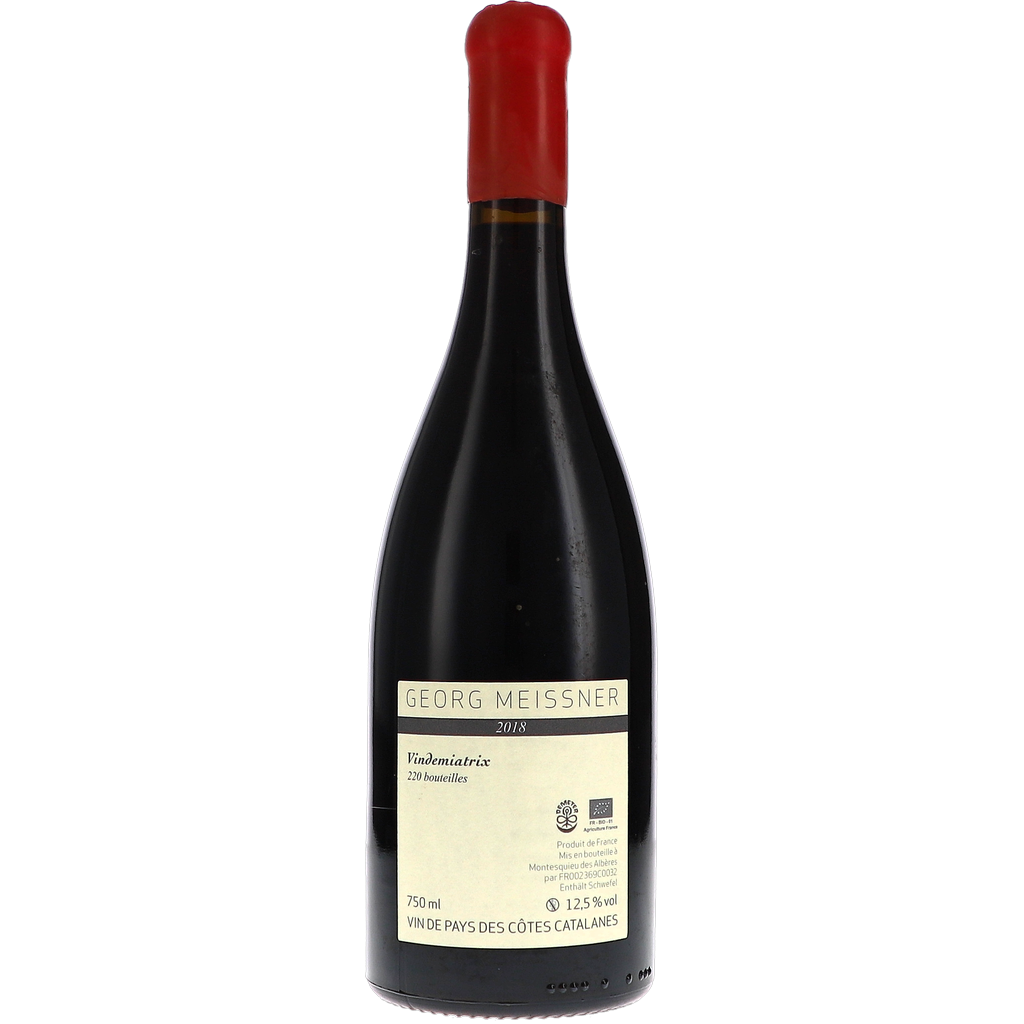
In the southwest of Roussillon, just short of the Spanish border, Georg Meissner took over two small vineyards that were slated to be grubbed up; vines of this age cannot simply be replanted. The Carignan for Vindemiatrix was planted in 1899 and stands on a terrace sheltered by stone walls, rock and the surrounding forest. The weathered gneiss subsoil gives the wine minerality and depth. Yields from both vineyards run to around nine hectolitres per hectare.
Vindemiatrix is the proper name of the star Epsilon Virginis in the constellation Virgo, and means "grape harvester" in Latin. The Romans waited for its appearance in the sky before beginning the harvest; hence the Italian vendemmia and the French vendange.
Grenache on the stony plateau
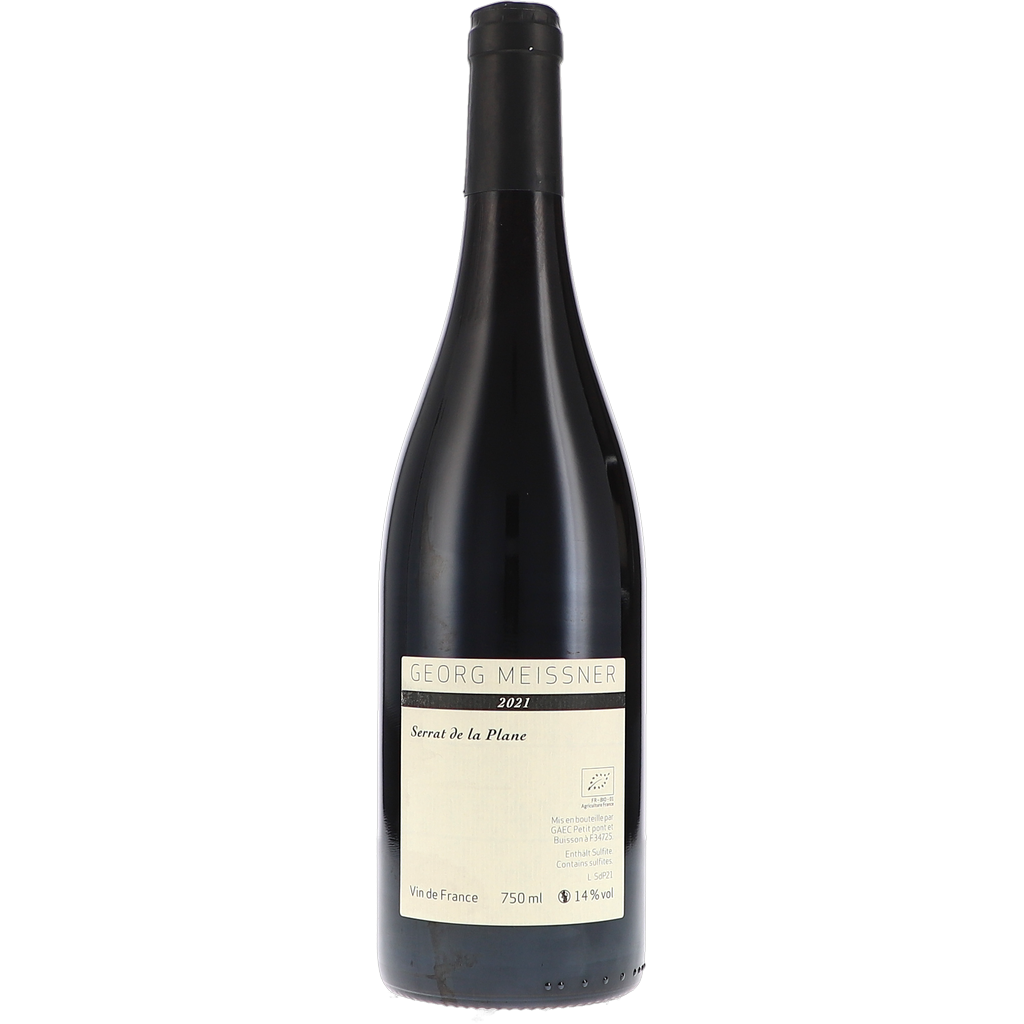
Serrat de la Plane means "stony plateau" in Catalan, and that is the name of the site of the second vineyard. The Grenache vines, scarcely younger than the 1899 Carignan, grow on dry, stony, weathered gneiss soil. The plateau lies open; the wind sweeps across the vines and cools the grapes in the hot climate. From this extreme site comes Serrat de la Plane, whose freshness is preserved by this constant air movement.
Vineyard and cellar
Day-to-day work in the vineyards is handled by Flo Busch, with whom Georg Meissner also shares the cellar; Meissner himself is regularly in Roussillon. Both work biodynamically, following the same principles Meissner teaches at Geisenheim and at respekt-BIODYN. The two plots yield exclusively Vindemiatrix and Serrat de la Plane, bottled as Vin de France and under the Côtes Catalanes designation, in tiny quantities; the vines that bear them have endured for a century.