Matassa
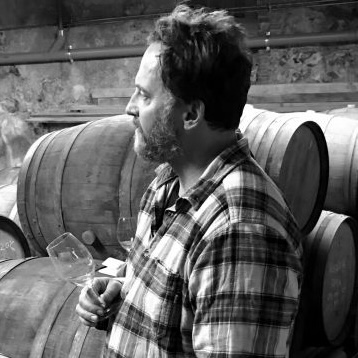
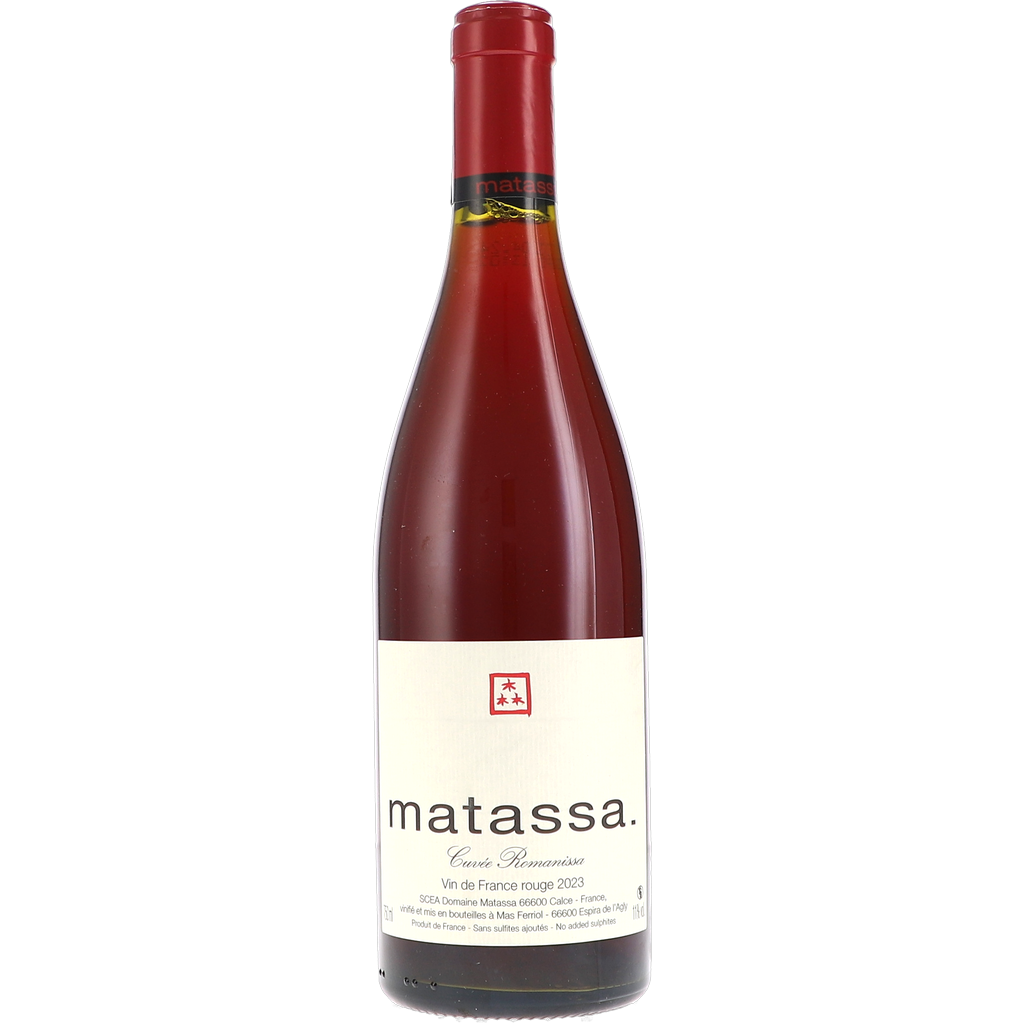
Domaine Matassa is located in Calce in Roussillon, where Tom Lubbe and his wife Nathalie farm 20 hectares of old vines on schist and marl, with the highest plots in the garrigue reaching nearly 450 metres. The couple vinified their first vintage in 2003 in their living room. Harvest comes early, sometimes as soon as early August for the Muscats, and the wines rarely exceed 12 percent alcohol. Carignan, grenache, macabeu and muscat produce red, white and skin-fermented wines, all spontaneously fermented and unfiltered. Since 2015, no cuvée has received any sulphur.
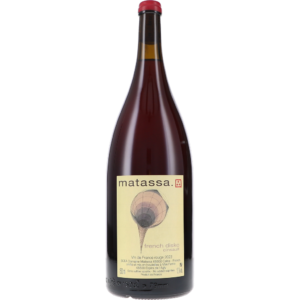
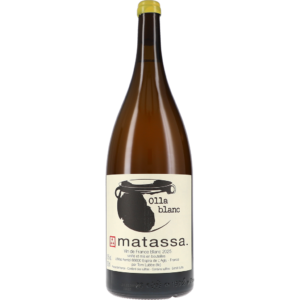
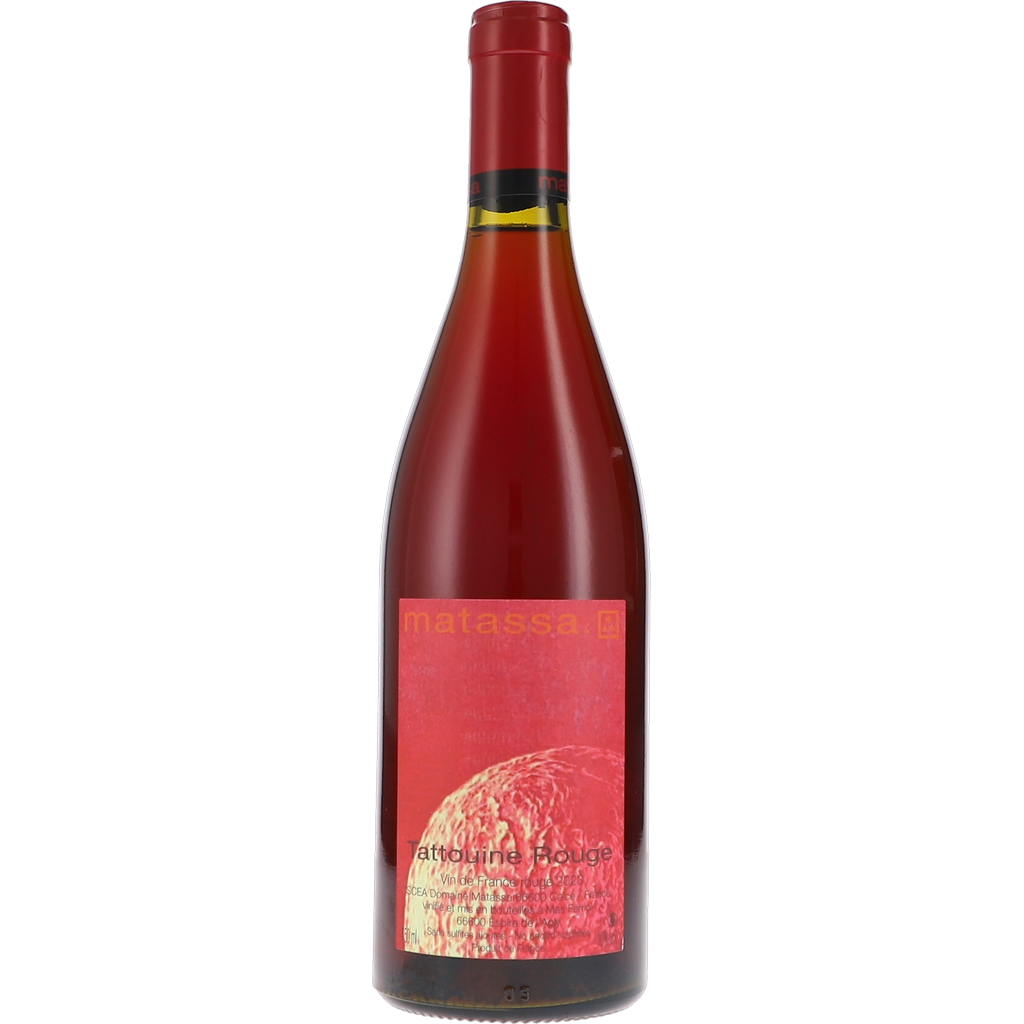
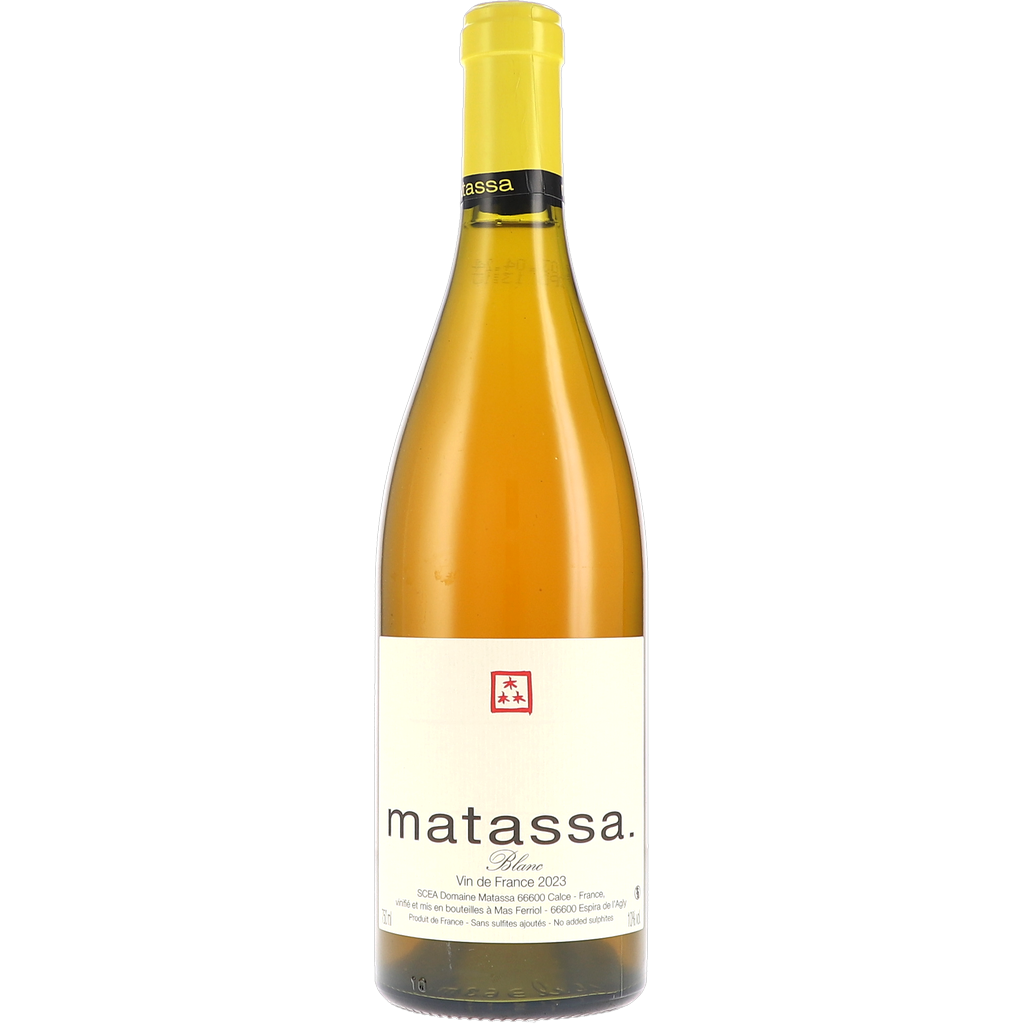
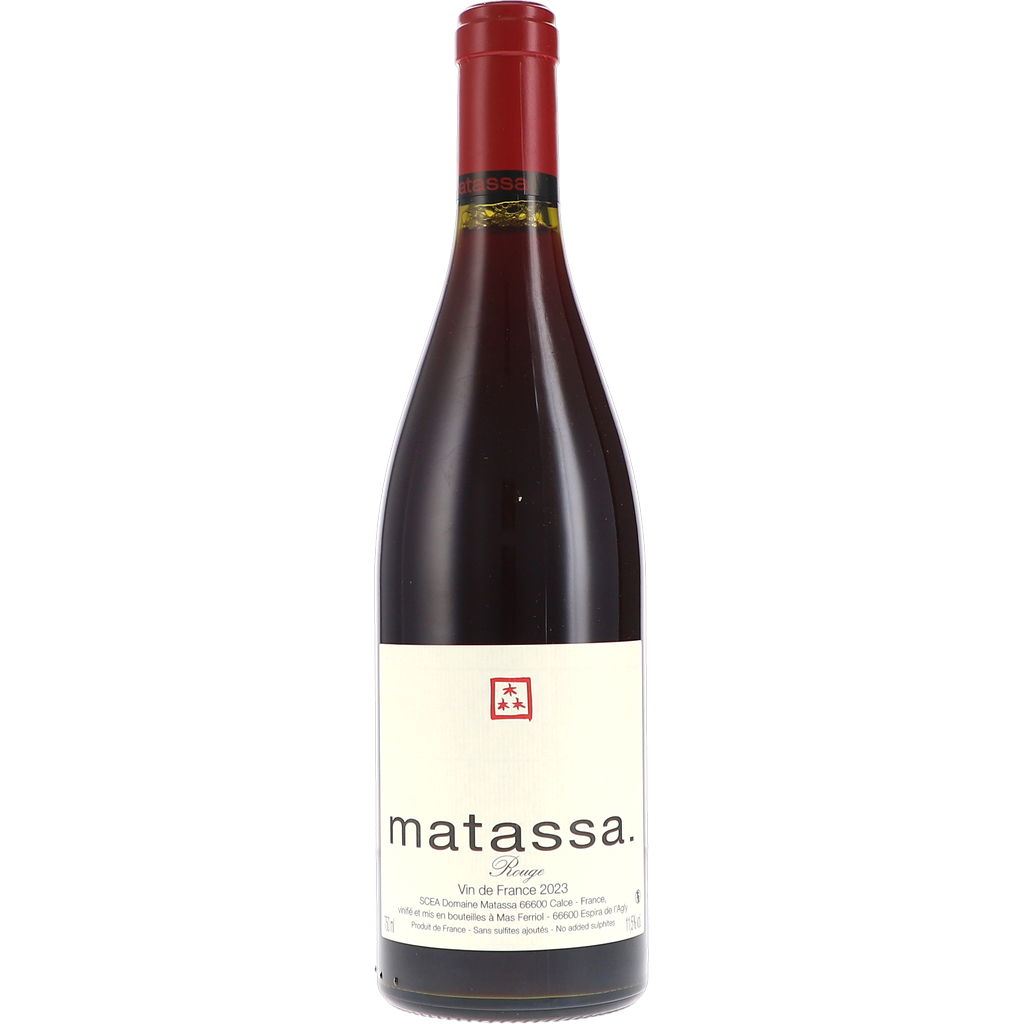
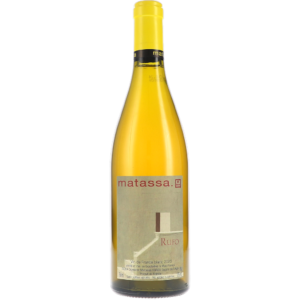
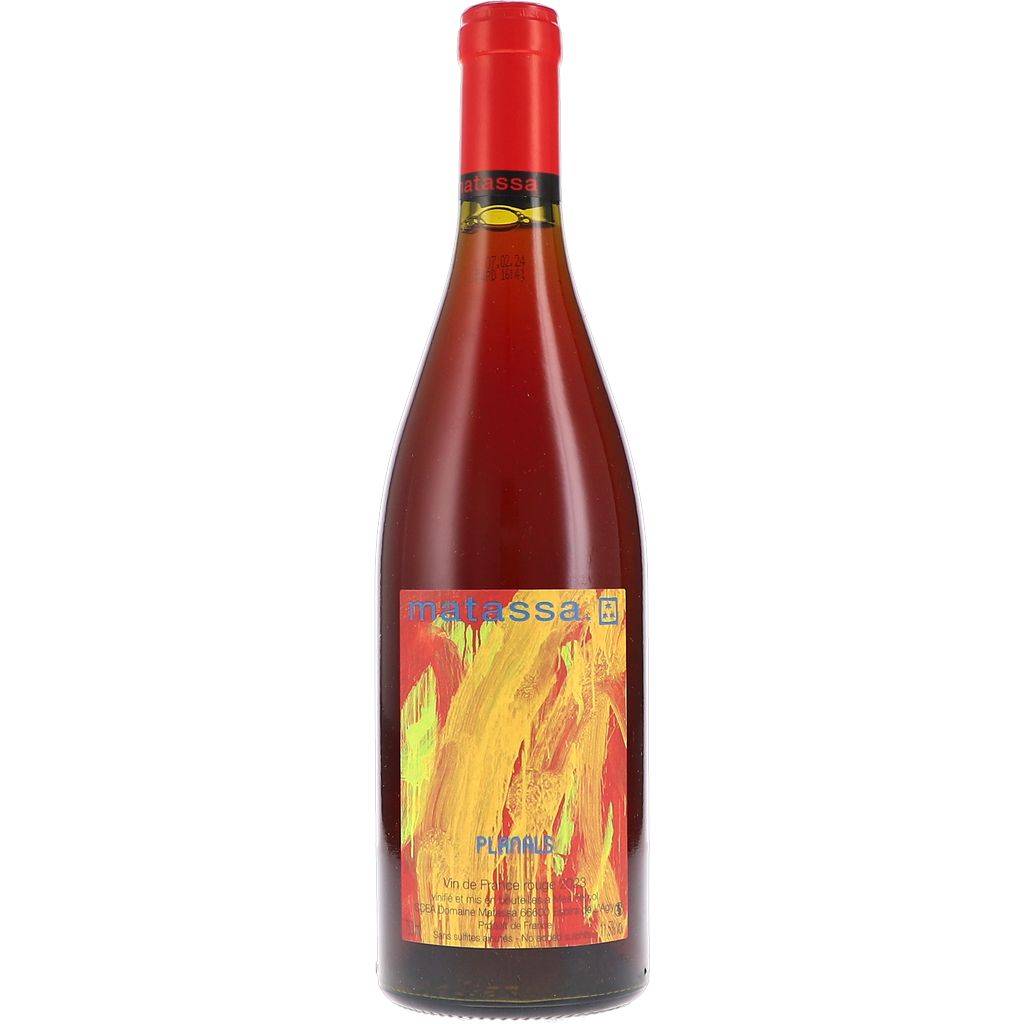
Tom Lubbe, from New Zealand to Calce
Tom Lubbe grew up in New Zealand and has South African roots; in South Africa he learned the fundamentals of his craft, spontaneous fermentation, small yields and a refusal of additives. An internship brought him to Calce in Roussillon, and the Catalan grape varieties kept him there, as did Nathalie, whom he married. The couple bottled their first vintage in 2003, vinified in their living room.
Twenty hectares around Calce and Espira-de-l'Agly
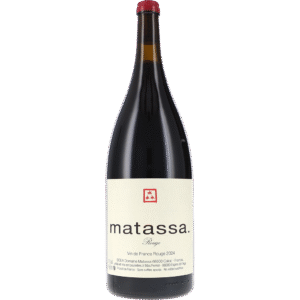
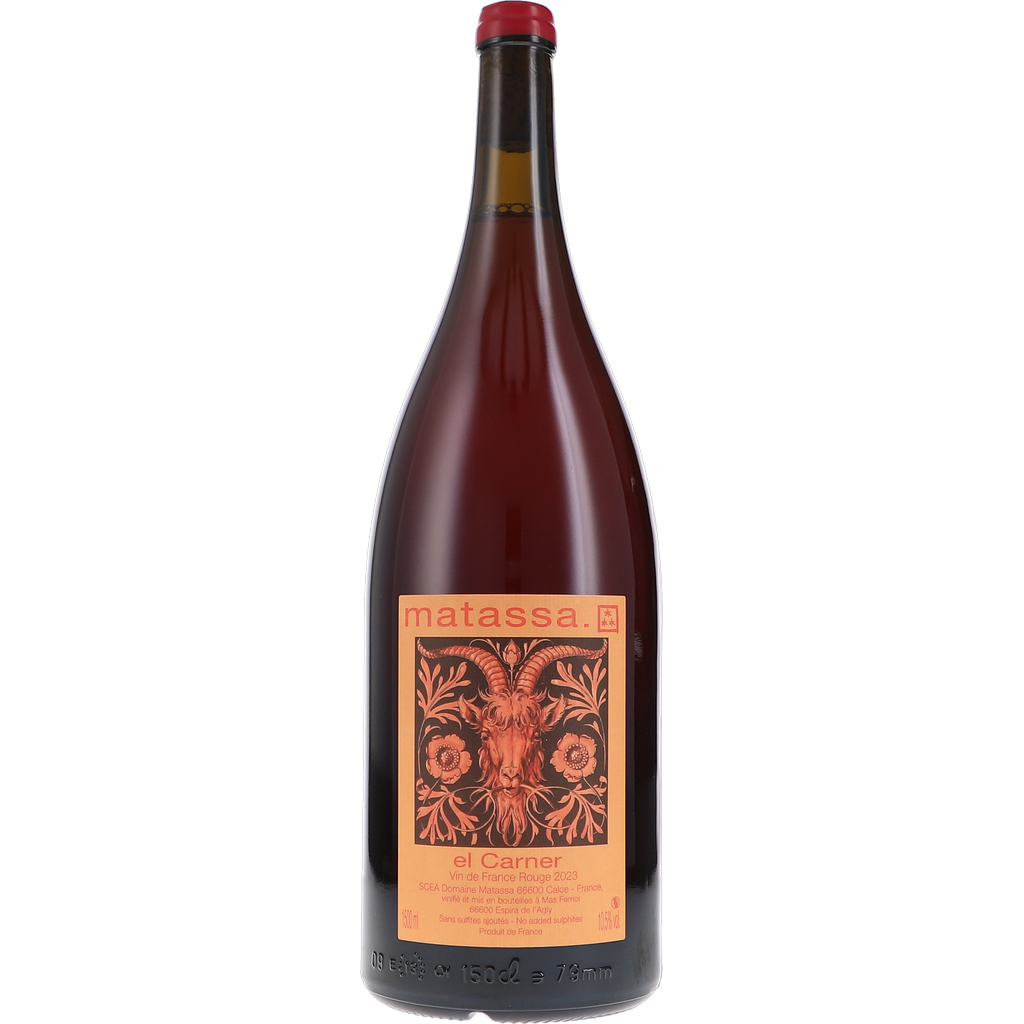
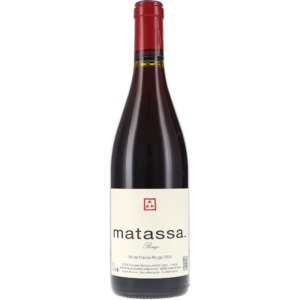
Tom and Nathalie Lubbe now farm 20 hectares, scattered across the hills around Calce and Espira-de-l'Agly, often surrounded by dense scrubland, cedars, fig trees and wild rosemary. The plots are named Romanissa, El Carner or Vivier; many vines are 60 to 120 years old, some over a hundred; the highest sites reach nearly 450 metres into the garrigue. At Vivier, Tom Lubbe saved ancient carignan vines from being pulled up, which the cooperative had deemed too low-yielding. The Matassa Rouge is made entirely from carignan planted in 1900.
The soils are schist and marl, along with black schist and black marl. Ecocert certifies the vineyards; Tom Lubbe sows cover crops, composts and works by hand, he has specialised in soil health, and earthworms have returned to live in the soil.
Early harvest, low alcohol
Harvest begins early, sometimes in the first days of August for the Muscats. In 2005, alcohol levels stood at 13.5 percent; today they are often around 10.5, and the wines rarely exceed 12 percent. Tom Lubbe wants to make wines he himself drinks every day. Yields remain small, around 18 hectolitres per hectare for both the Cuvée Marguerite, made from Muscat d'Alexandrie, Muscat à petits grains and macabeu, and the Cuvée Alexandria; harvesting is done by hand in the early morning hours, in twelve-kilogram crates.
Skin fermentation and whole-cluster work in the cellar
Since 2008, Tom Lubbe has fermented his white wines on the skins. The Cuvée Alexandria spends 35 days on the skins and then ages for eleven months in neutral 500-litre barrels. The Brutal Orange, one of the estate's orange wines, ferments spontaneously for three to four weeks with whole clusters and ages in used 500-litre barrels; it is dedicated to the Bar Brutal in Barcelona.
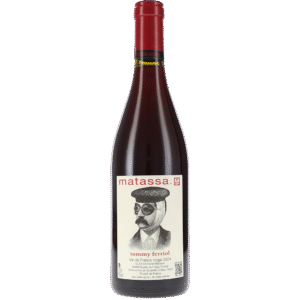
For the reds, Tom Lubbe works with whole-cluster infusion, often co-fermented with white grapes; the Tommy Ferriol, made from syrah from ancient vines and muscat à petits grains, gets three days of skin contact before being pressed and aged neutrally. The cellar holds large wooden casks, barriques, clay and concrete; he prefers working in fibreglass, which he considers more neutral than stainless steel. Since 2015, no cuvée has received sulphur, and the wines are bottled unfined and unfiltered.