Clos du Moulin aux Moines
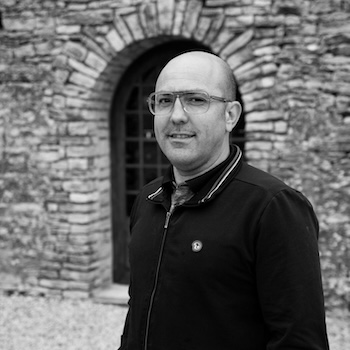
Clos du Moulin aux Moines is located in Auxey-Duresses on the Côte de Beaune, between Meursault and Pommard, and farms 16 hectares biodynamically. Monks from the abbey of Cluny founded a monastery here in 962, and for more than six centuries thereafter the estate belonged to the Cistercian abbey of Cîteaux. Willy Roulendes has run the domaine since 2008; the vines average around forty years of age, with yields of just over 30 hectolitres. The vineyards are spread across Pommard, Monthelie and Auxey-Duresses, with further plots in Volnay, Meursault and Puligny-Montrachet. In the cellar, the grapes ferment spontaneously and ageing takes place in large vessels.
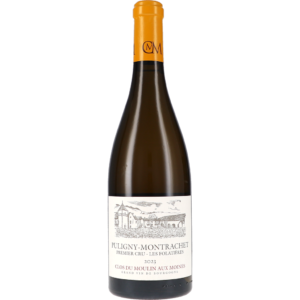
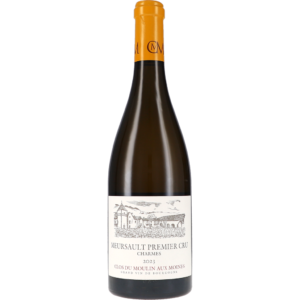
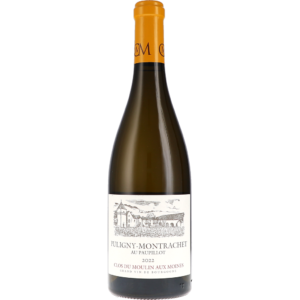
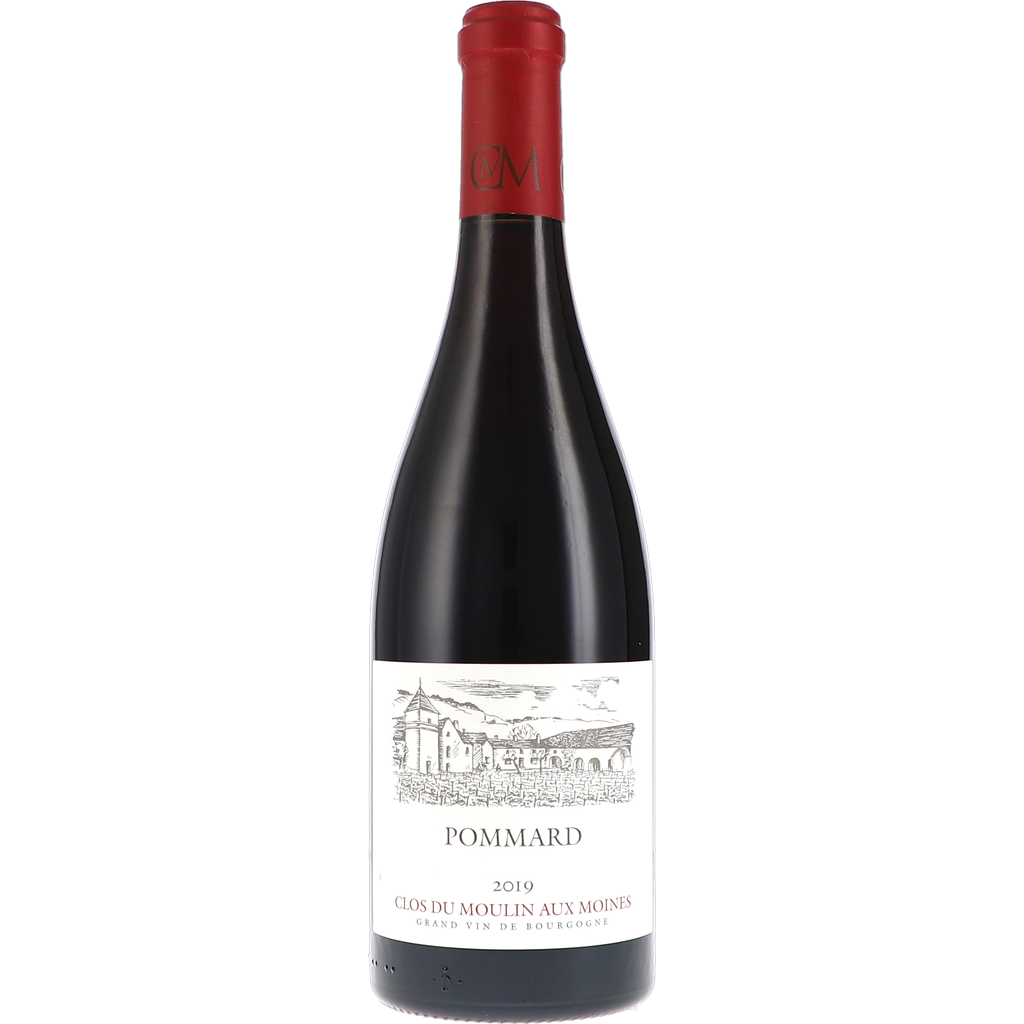
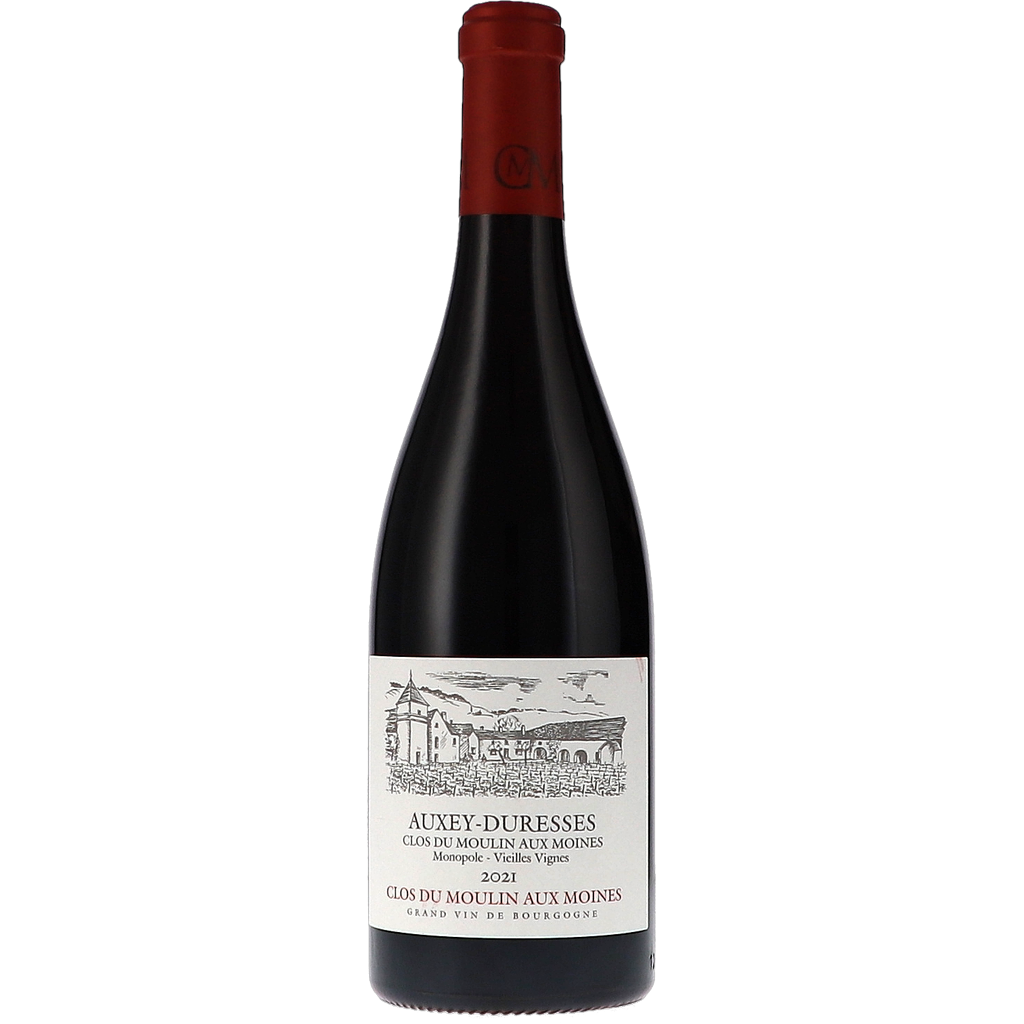
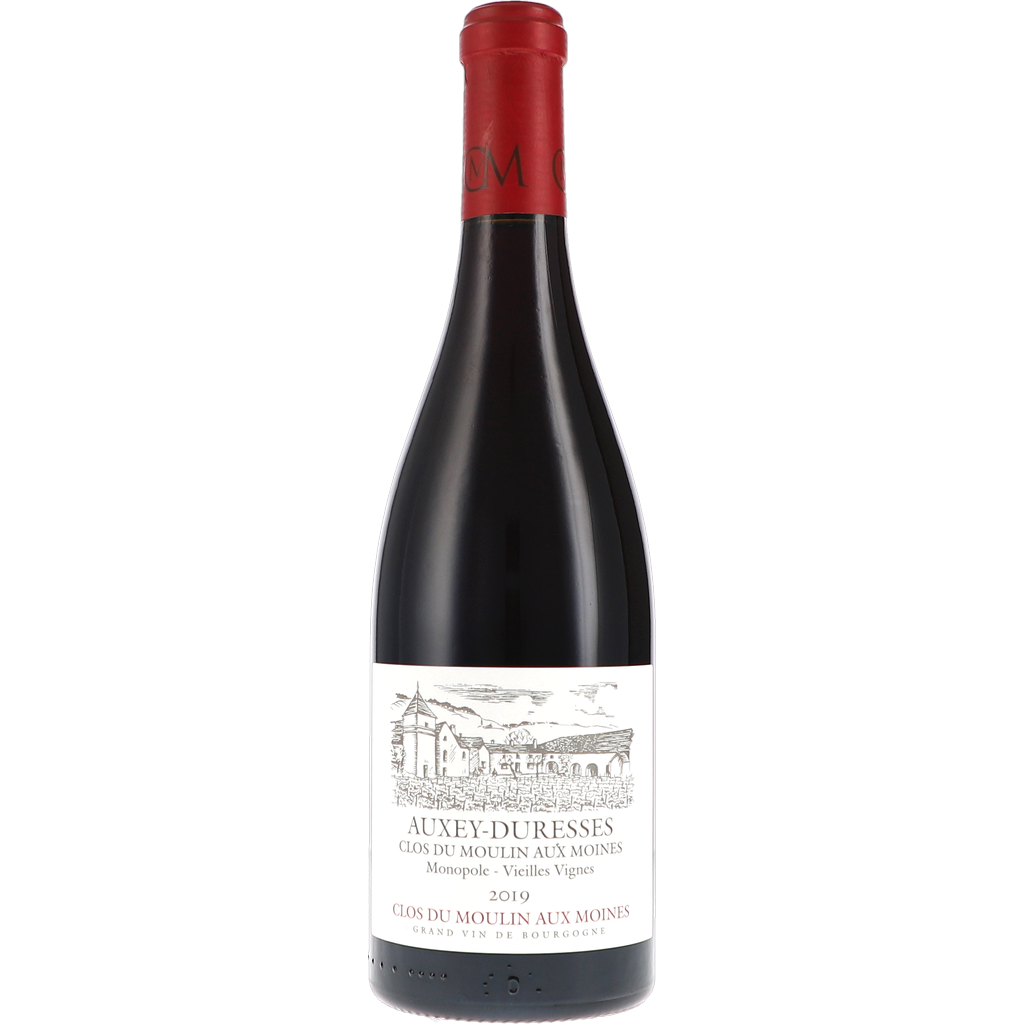
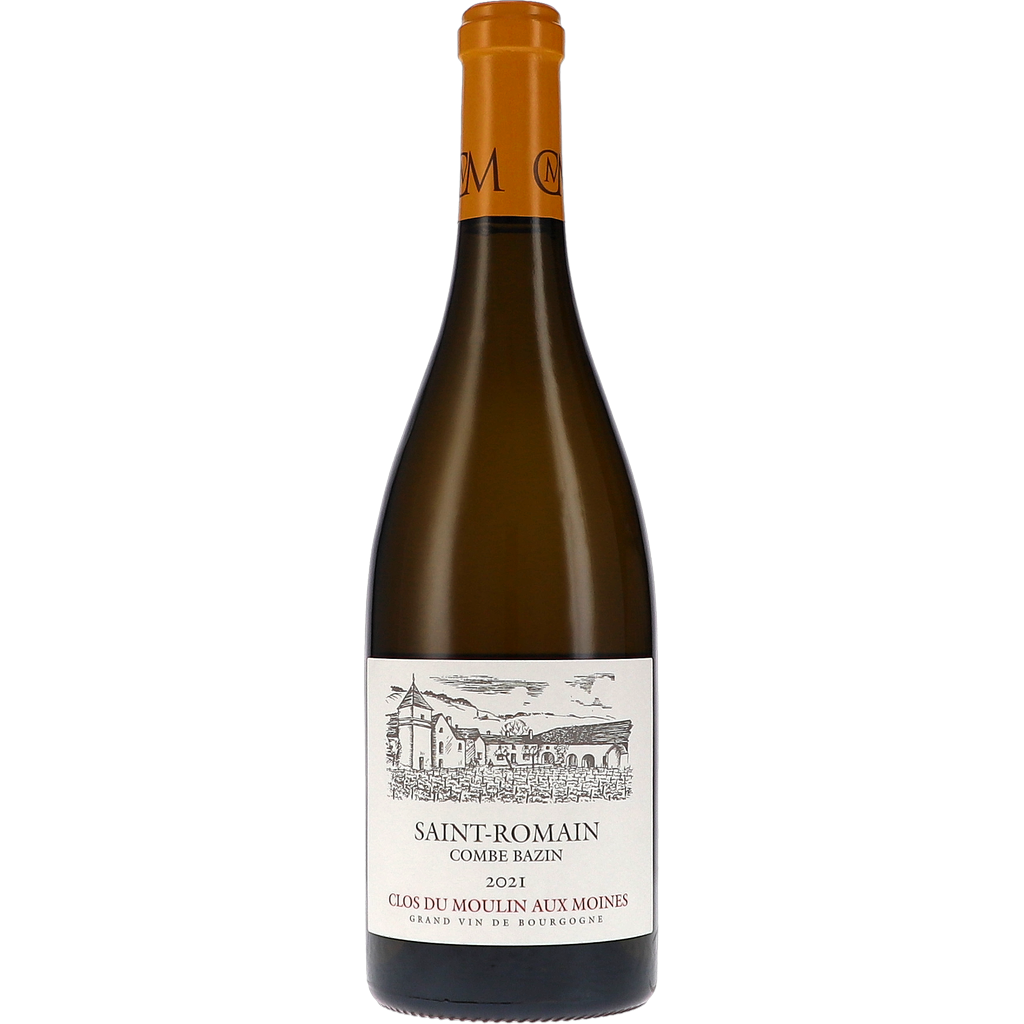
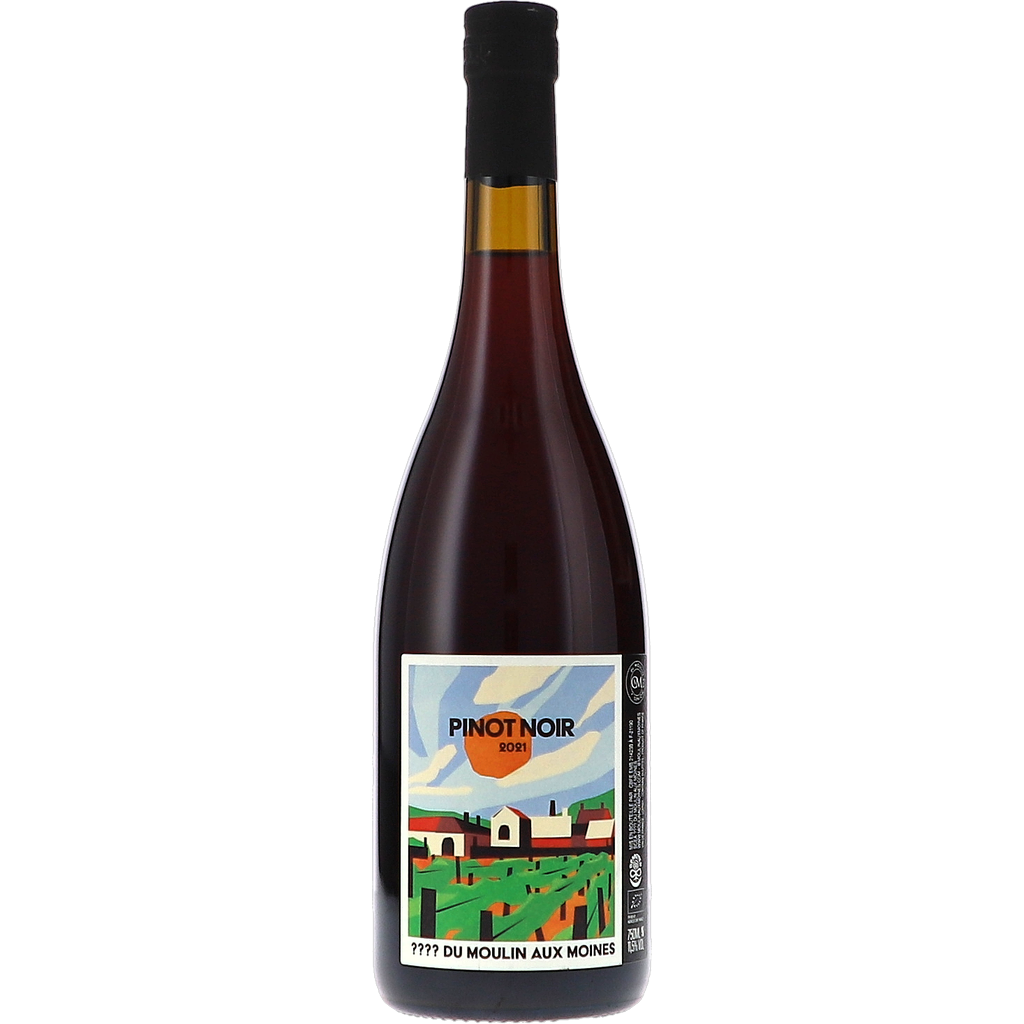
Founded in 962 by monks from Cluny
In 962, monks from the abbey of Cluny founded a monastery here, making Clos du Moulin aux Moines one of the oldest estates in Burgundy. For more than six centuries the estate belonged to the Cistercian abbey of Cîteaux, passing into private hands after the Revolution. The main building overlooks three hectares of walled vineyards, the Clos that gave the estate its name. The cellars date from the 11th and 15th centuries and are still used for ageing today.
Willy Roulendes, biodynamic since 2008
Willy Roulendes took over the domaine in 2008 and converted the entire 16 hectares to biodynamic farming. Work in the vineyard is done by hand, with horses handling the ploughing. Michael Schwab joined in 2020 and has since supported the day-to-day work; the domaine's vineyards lie in Pommard, Monthelie and Auxey-Duresses.
The monopole sites in Auxey-Duresses and Pommard
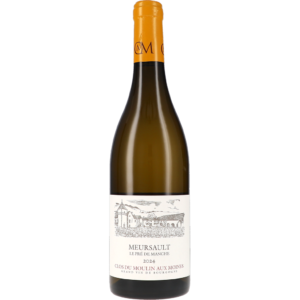
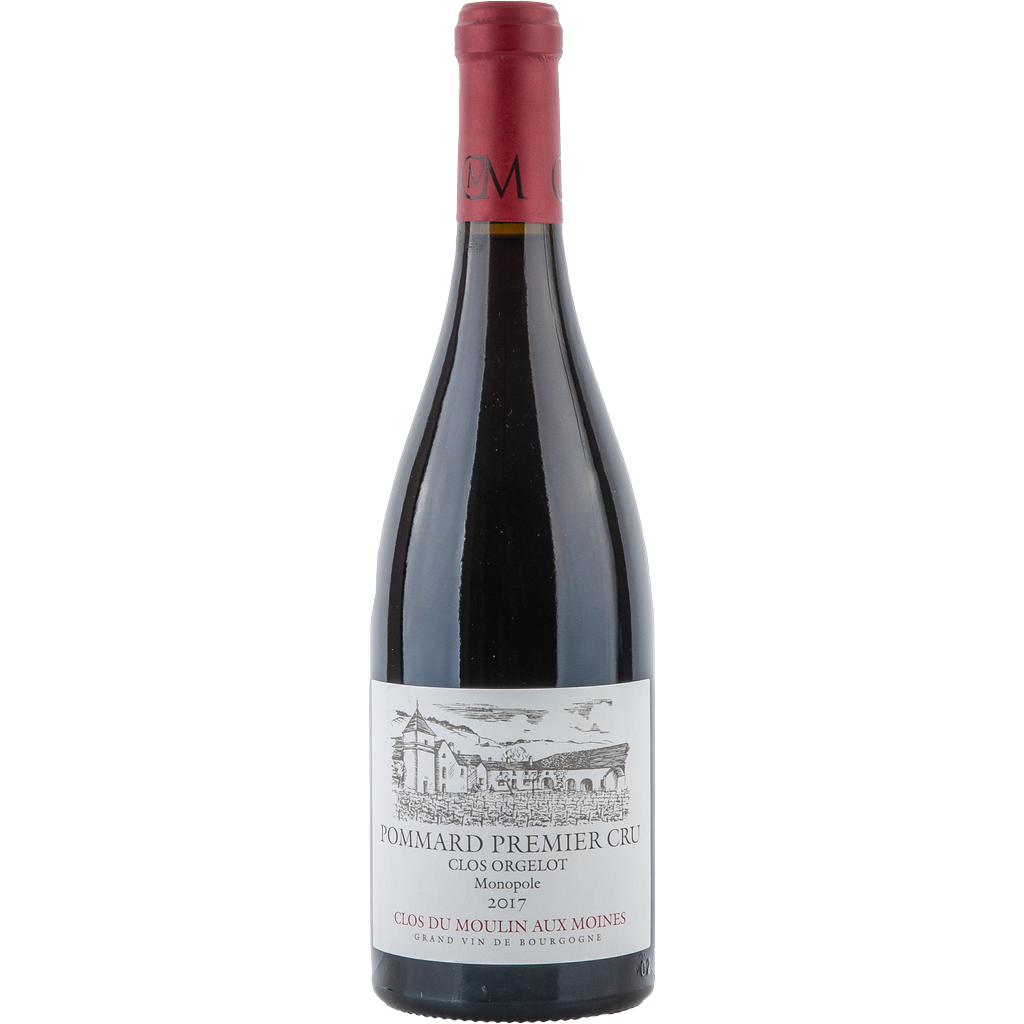
The walled vineyard Moulin aux Moines is one of the domaine's monopole sites, and the Auxey-Duresses appellation extends right up to the border with Meursault. In the upper part of the Clos, 0.90 hectares were planted in the 1950s, at an altitude of 300 metres. There, the limestone marl has a different composition and the slope is steeper and drier. The grapes are harvested by hand, at yields of 38 to 44 hectolitres per hectare; the wine ferments spontaneously, ages in Burgundian pièces and tonneaux, and is bottled unfined and unfiltered, with minimal sulphur use. The same site also yields a Chardonnay. The Pommard 1er Cru "Clos Orgelot" covers one hectare and produces a spicy, fleshy Pinot Noir. The Bourgogne "Clos de la Perrière" is likewise a monopole, yielding both Chardonnay and Pinot Noir.
Vineyards in Volnay and cellar ageing
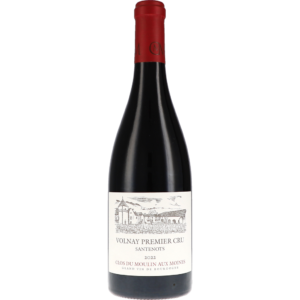
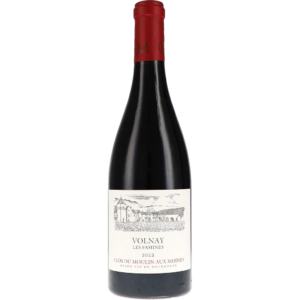
Volnay "Les Famines" lies at the foot of the Volnay hillside, facing east, at an altitude of 230 metres and covering 0.18 hectares. The vines were planted in 1996 and 2001 at a density of 10,000 vines per hectare; the gravelly soils consist of red clay and limestone and run deep. The name may stem from this austere terroir, which never yielded generous crops. The Volnay 1er Cru "Les Santenots" comes from a climat in the commune of Meursault, bordering Volnay.
The red grapes ferment spontaneously with wild yeasts, destemmed to between 30 and 70 percent depending on the vintage. Fermentation runs for 15 to 20 days in large wooden vats or concrete, with daily pump-overs, followed by twelve months in used oak barrels. The white musts ferment in small oak barrels. Depending on the appellation and vintage, the wines age for twelve to eighteen months, increasingly in casks of around 1000 litres rather than barriques. New oak is now used only sparingly, so that floral and fruit aromas remain in the foreground.