Château de Pibarnon
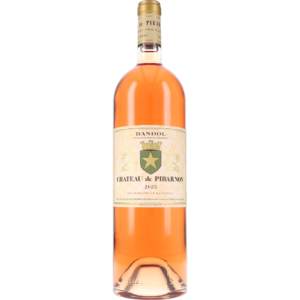
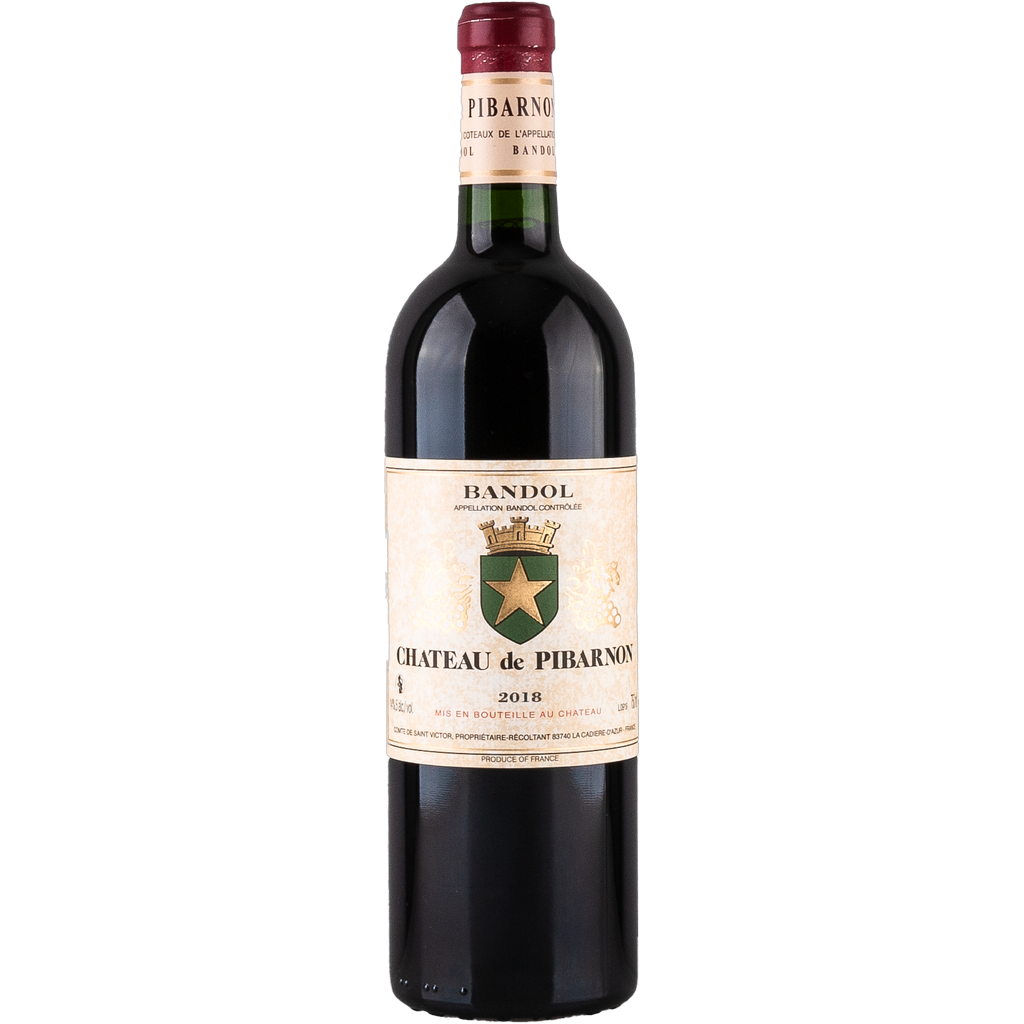
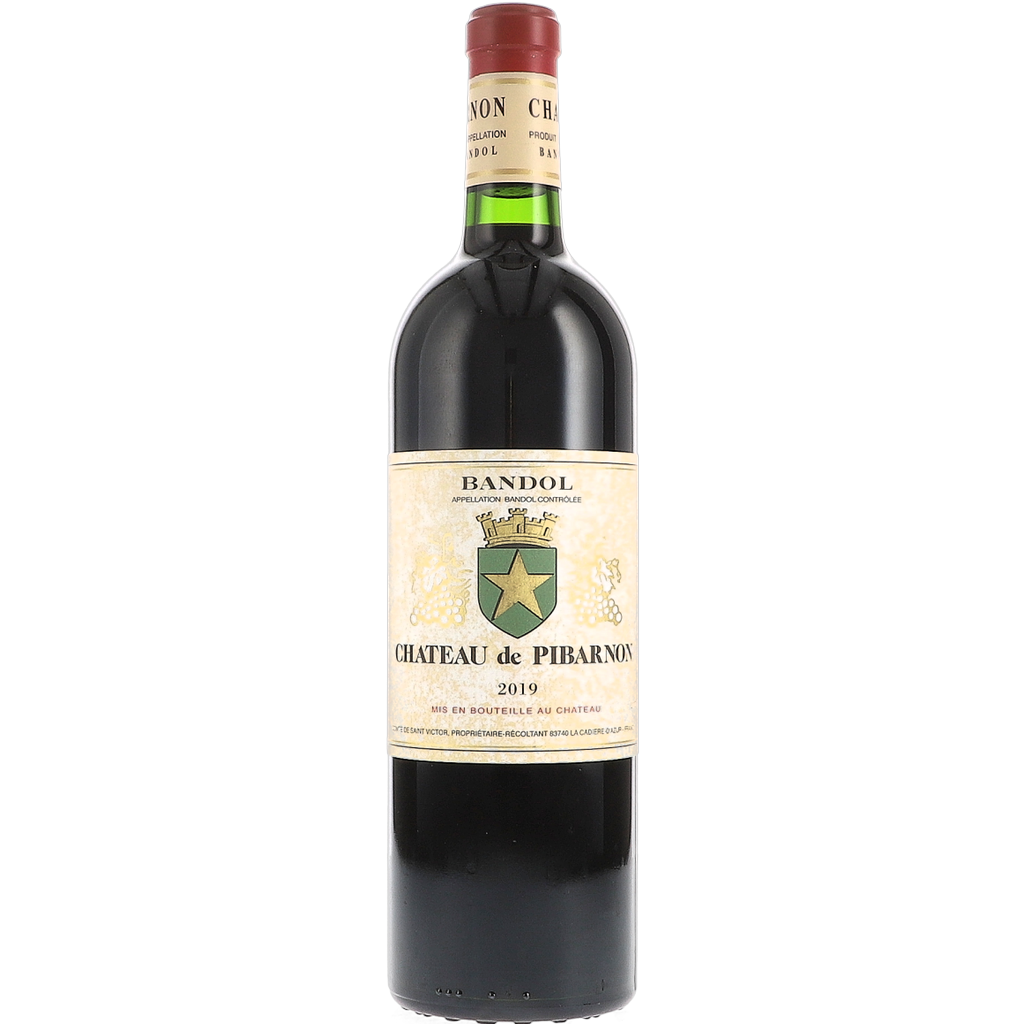
Château de Pibarnon sits at the highest point of the Bandol appellation in Provence and farms around 50 hectares on blue Triassic marl. Éric de Saint Victor has run the estate since 2000. Catherine and Henri de Saint Victor bought it when Bandol was barely known; in 1977 it covered 16 hectares. The plots lie in an amphitheatre that opens toward the Mediterranean. Mourvèdre is the main grape, in both the red and the rosé. The rosé is made from Mourvèdre and Cinsault, fermented spontaneously and aged for six months in stainless steel.
Restanques on blue marl
The restanques are the heart of Château de Pibarnon, centuries-old stone terraces built up by hand. They climb the slope step by step, each with its own microclimate. The subsoil is Triassic rock with blue marl, along with clay, limestone and Triassic chalk; the soils contain prehistoric fossils. In 1977 there were 16 hectares; today Pibarnon farms around 50.
Catherine and Henri de Saint Victor
Catherine and Henri de Saint Victor bought the estate when Bandol was barely known; a wine from the 1970s tipped the scales. They converted the château into a Provençal bastide and built a gravity-flow cellar well ahead of its time. Between 1980 and 1985, Pibarnon won five consecutive gold medals at the Concours Général Agricole in Paris, and Slow Food ranked one of the estate's wines among the 150 best in the world.
Éric de Saint Victor and the cellar
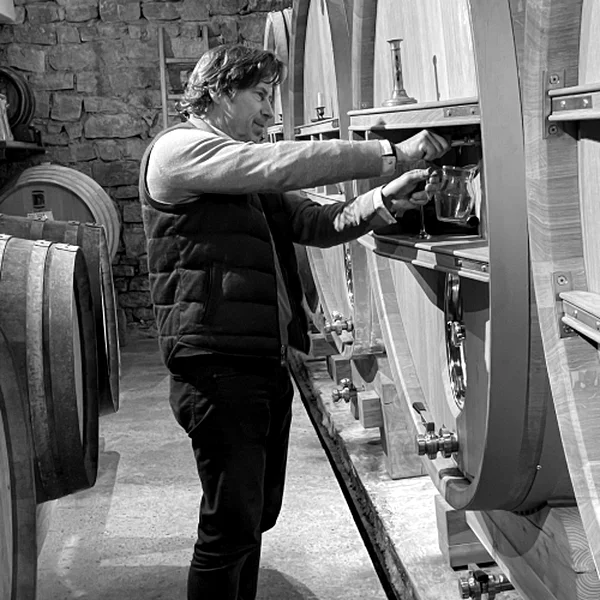
Éric de Saint Victor grew up among the barrels. He formally joined the estate in 1989 and took over its direction in 2000. He seeks out hedonistic, sensuous wines without showiness, and Mourvèdre follows his lead. On these soils it shows velvety and complex, with the stature to age. Since 2008, Marie Laroze has been the estate's cellar master, overseeing its 220 individual plots.
The red, the Restanques and the two rosés
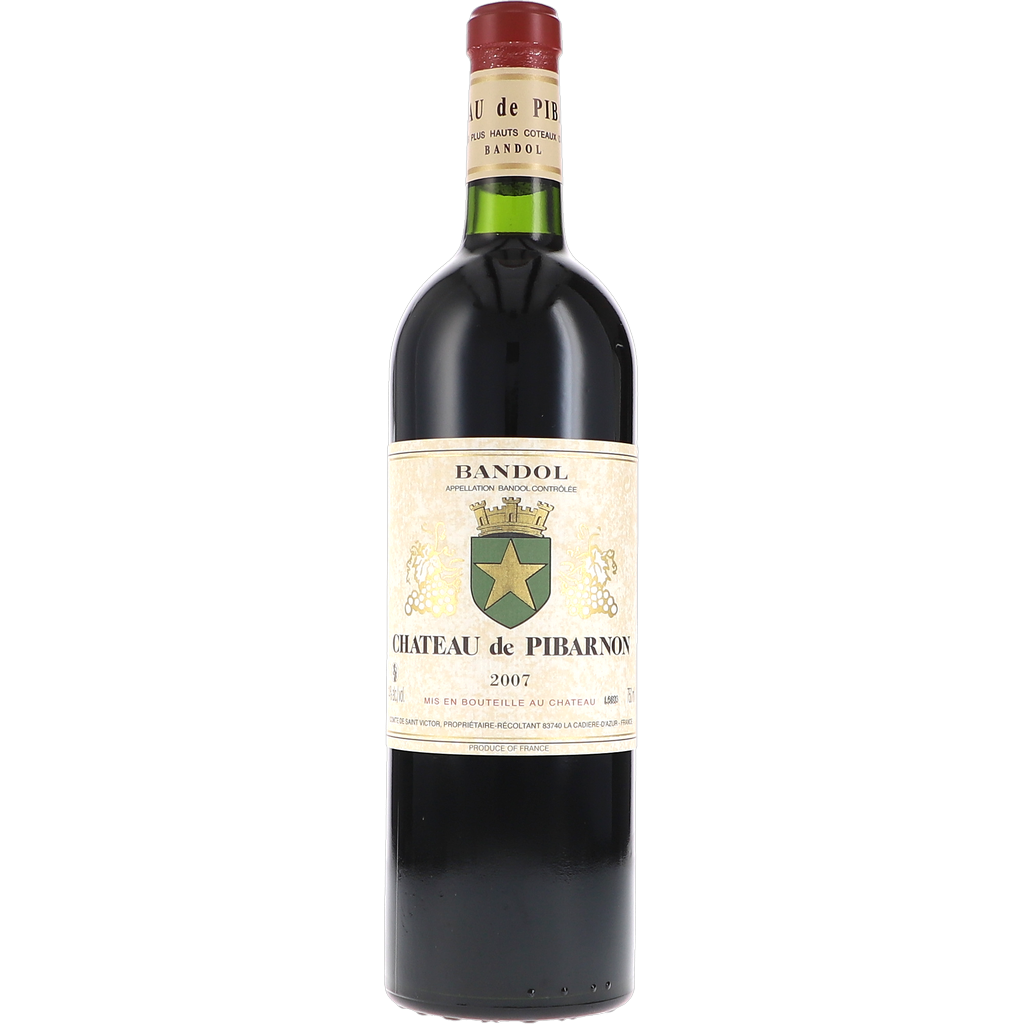
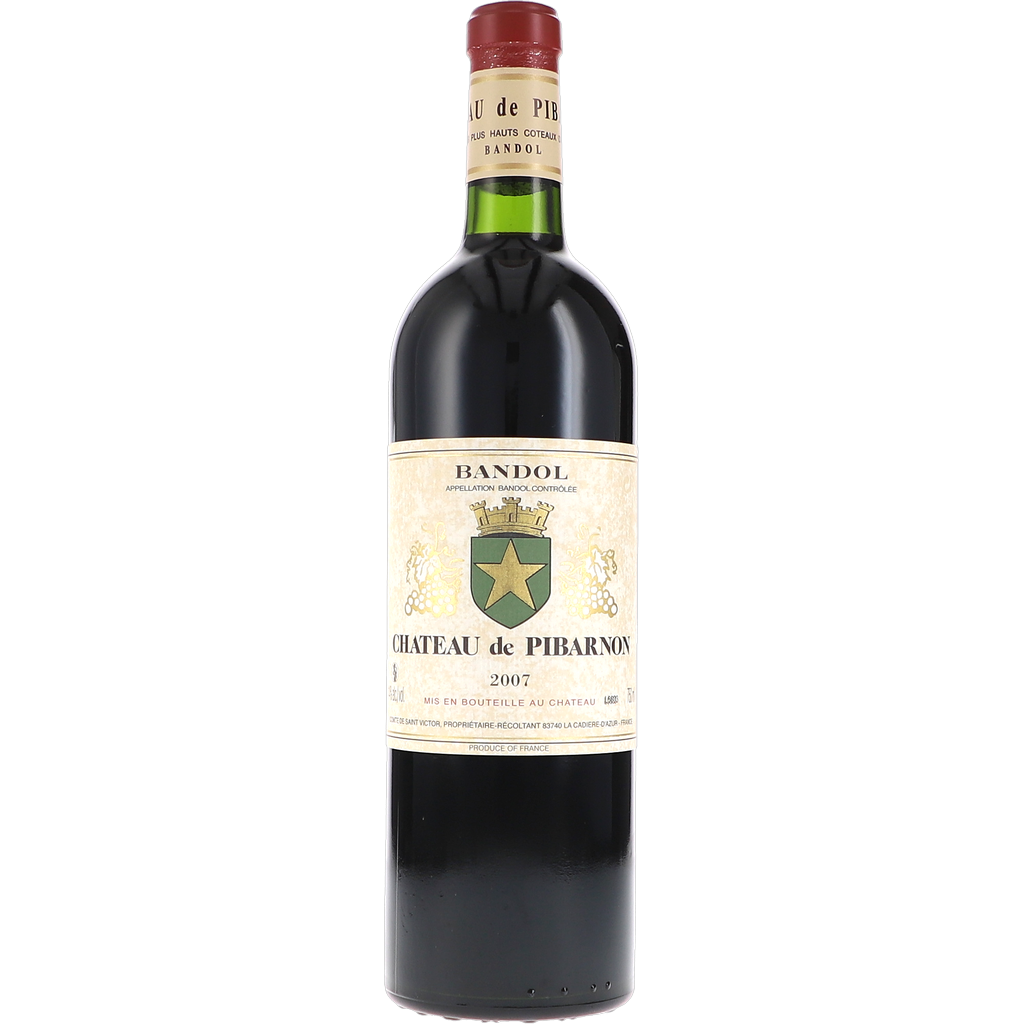
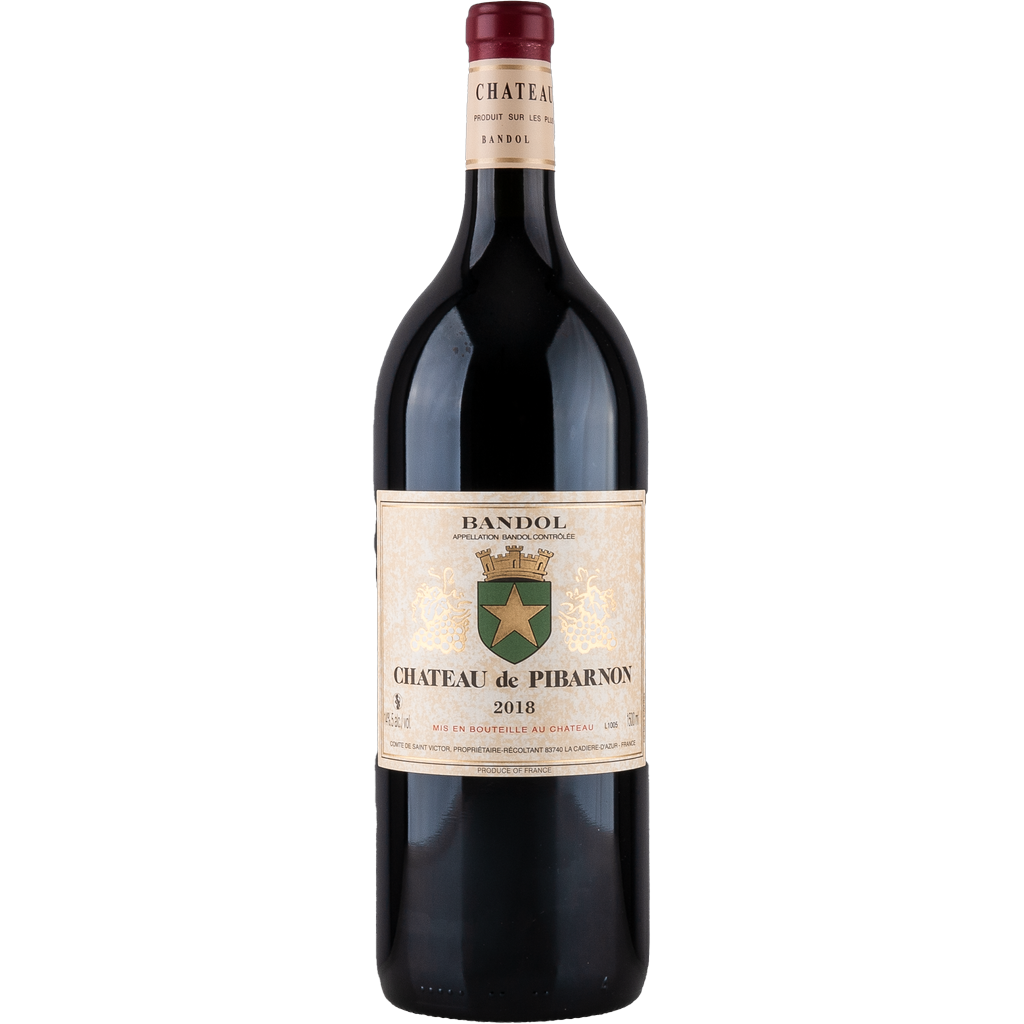
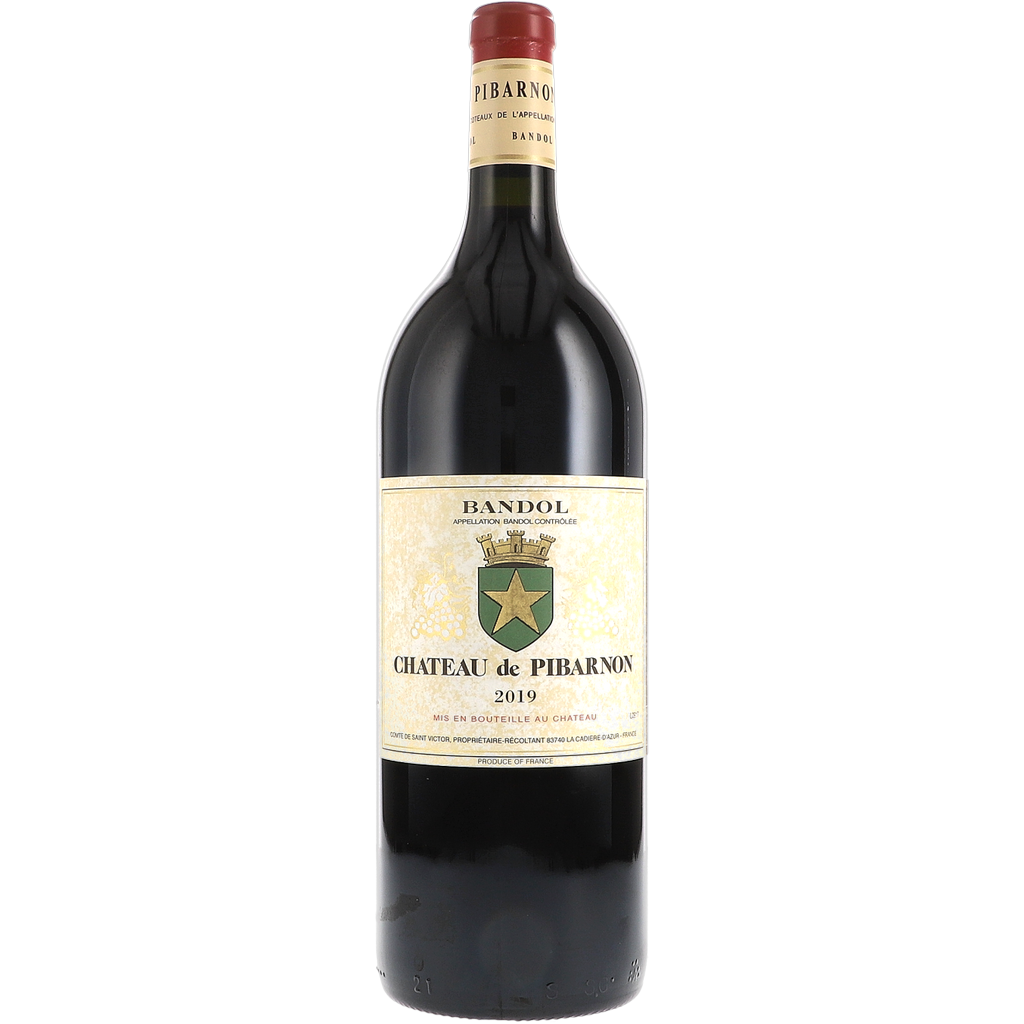
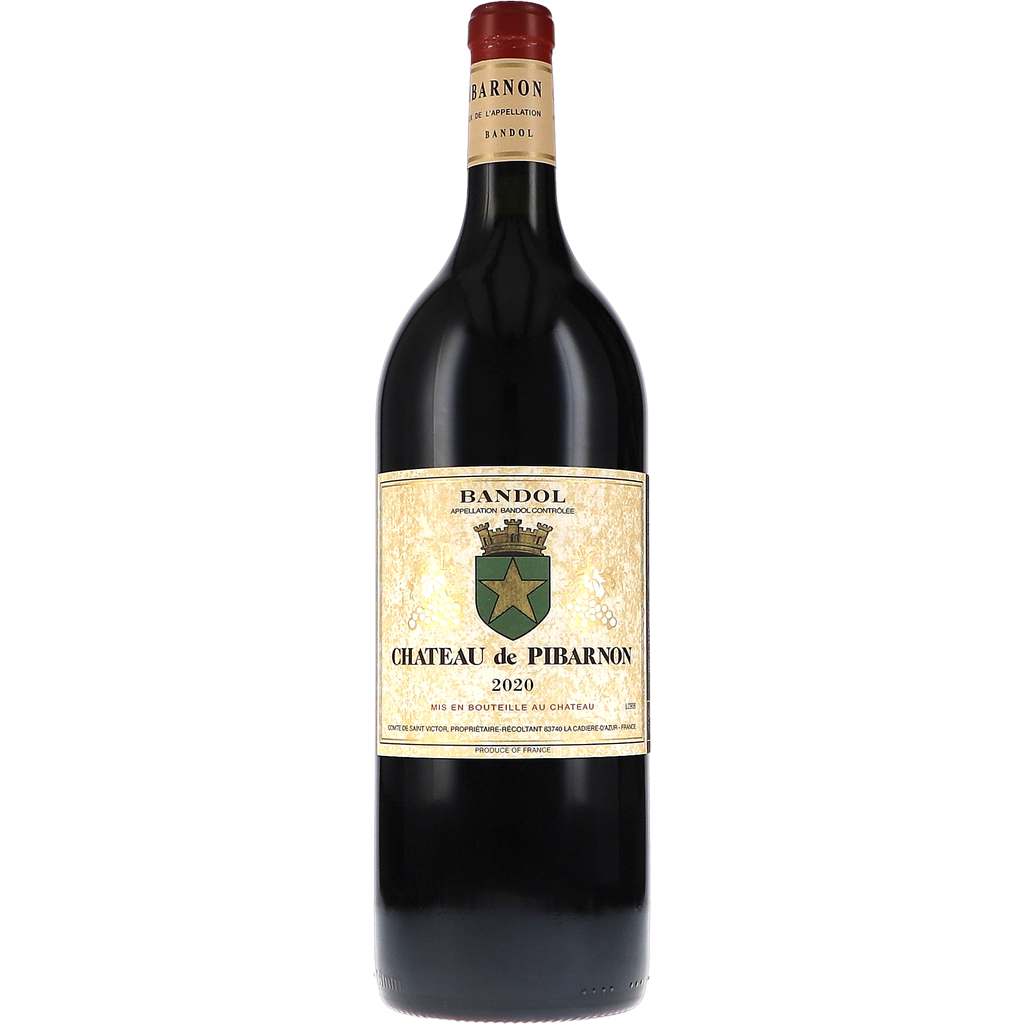
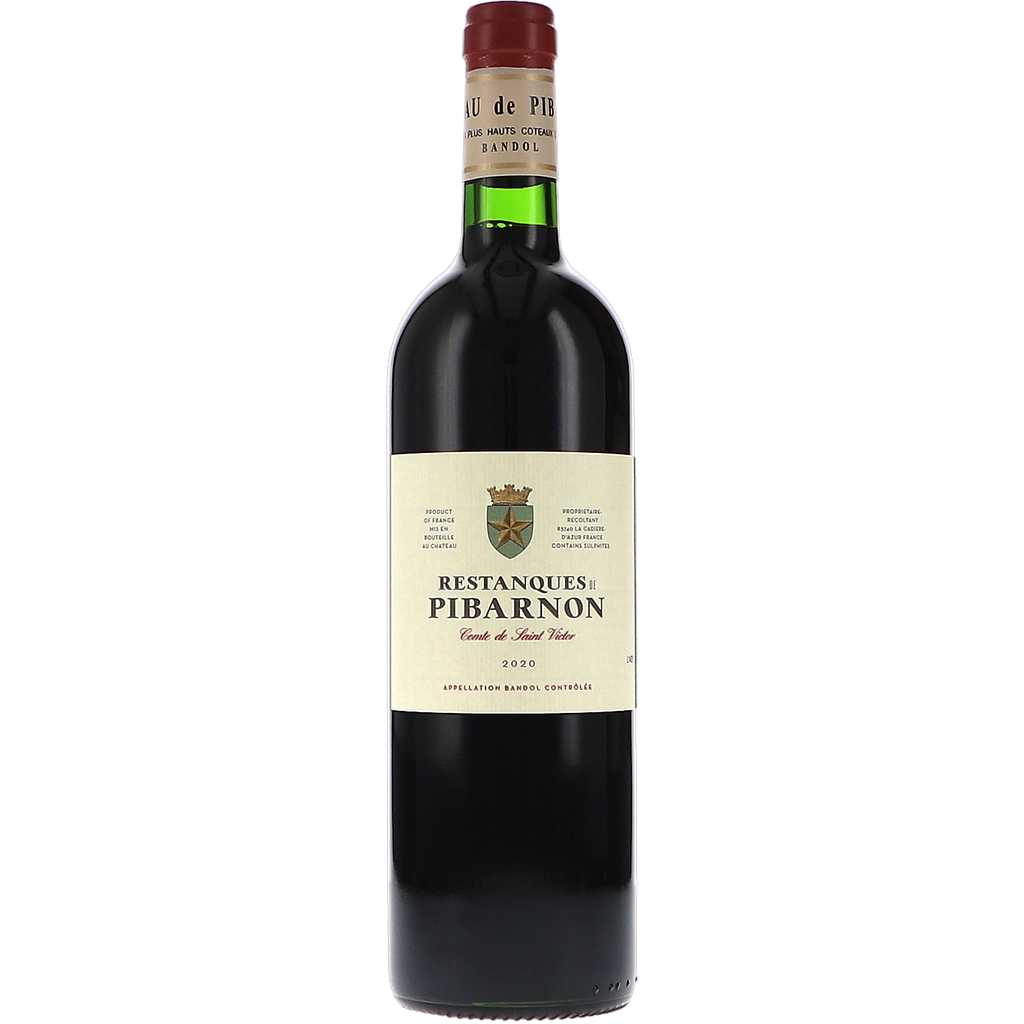
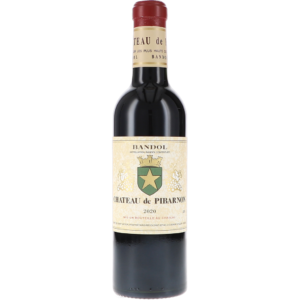
The Château de Pibarnon Rouge is built on Mourvèdre, rounded out with Cinsault, and needs time: ten years, sometimes more. The Restanques de Pibarnon adds Grenache; this wine is more approachable earlier while still holding its years.
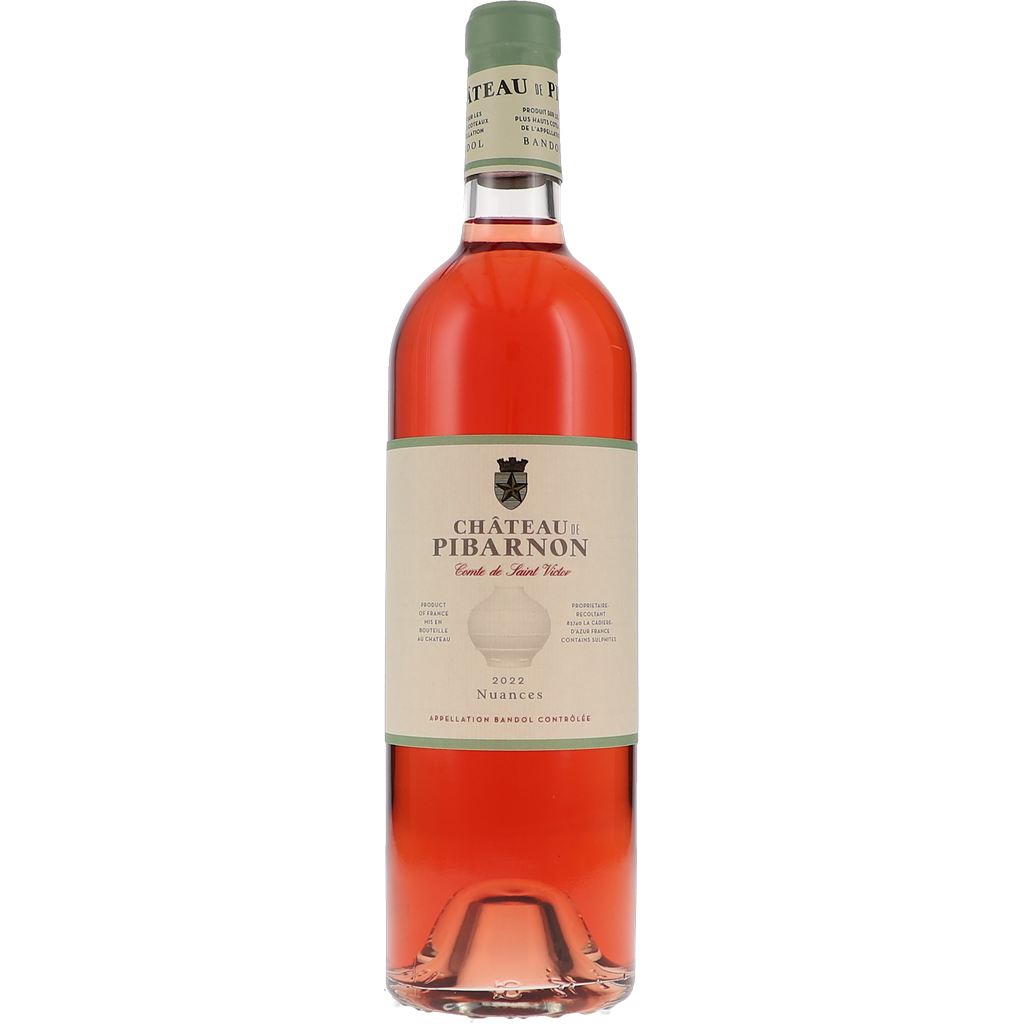
The Bandol Rosé brings together Mourvèdre and Cinsault. The Cinsault is pressed directly, while the Mourvèdre bleeds off over a full day using the saignée method. Both juices ferment together spontaneously over some twenty days at 22 degrees and then age for six months in stainless steel. The result is a full-bodied rosé with the Mourvèdre's signature liquorice note, built for ageing. Nuances is a single-varietal Mourvèdre from selected old vines, likewise obtained by saignée and fermented slowly and spontaneously. Both rosés come from the same amphitheatre on clay, limestone and Triassic chalk. The Nuances is aged half in 30-hectolitre Stockinger casks and half in amphorae, a vin de garde where structure and spice come before fruit.