Thomas Morey
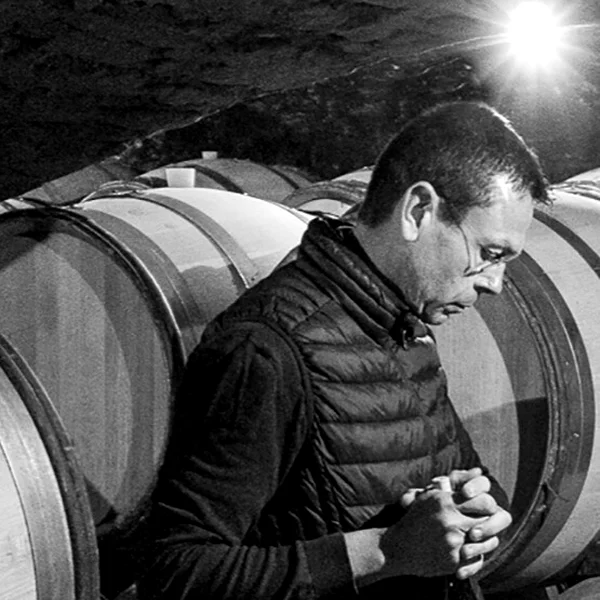
Domaine Thomas Morey in Chassagne-Montrachet farms 13 hectares across seven villages of the Côte de Beaune, spread over 57 parcels, including six Premiers Crus in Chassagne-Montrachet and the Grand Cru Bâtard-Montrachet with seventy-year-old vines. Thomas Morey represents the tenth generation of a family that has lived in the village since 1643, and has run the estate together with his wife Sylvie since 2007. Since 2011 he has farmed the vineyards organically. In the cellar, the grapes ferment spontaneously with indigenous yeasts in barrel and tank, the proportion of new oak is around 20 percent, and sulphur stays below 35 milligrams per litre.
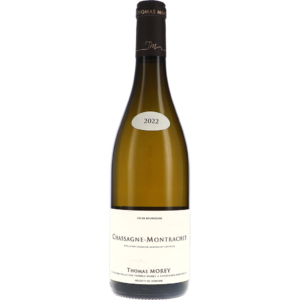
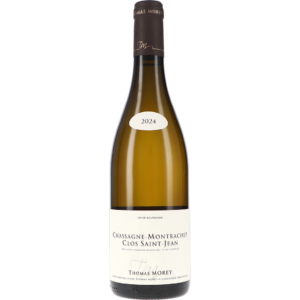
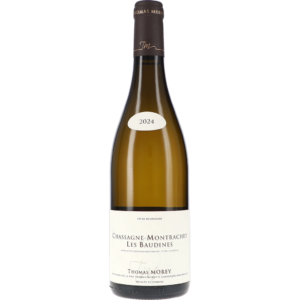
Chassagne-Montrachet since 1643
The Morey family has lived in Chassagne-Montrachet since 1643, and Thomas Morey represents the tenth generation in this line. In 2007 he split his father Bernard Morey's inheritance with his brother Vincent and founded his own estate together with his wife Sylvie. It comprises 13 hectares across seven villages of the Côte de Beaune, divided into 57 parcels, from Saint-Aubin and Chassagne-Montrachet through Santenay and Maranges to Beaune.
Six Premiers Crus in Chassagne-Montrachet
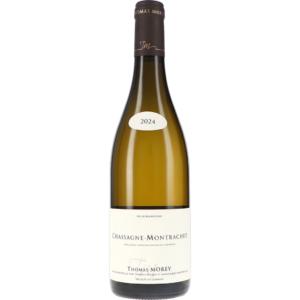
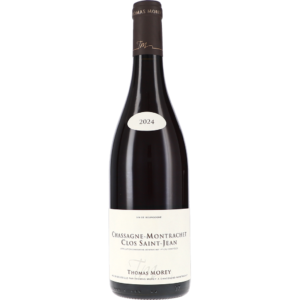
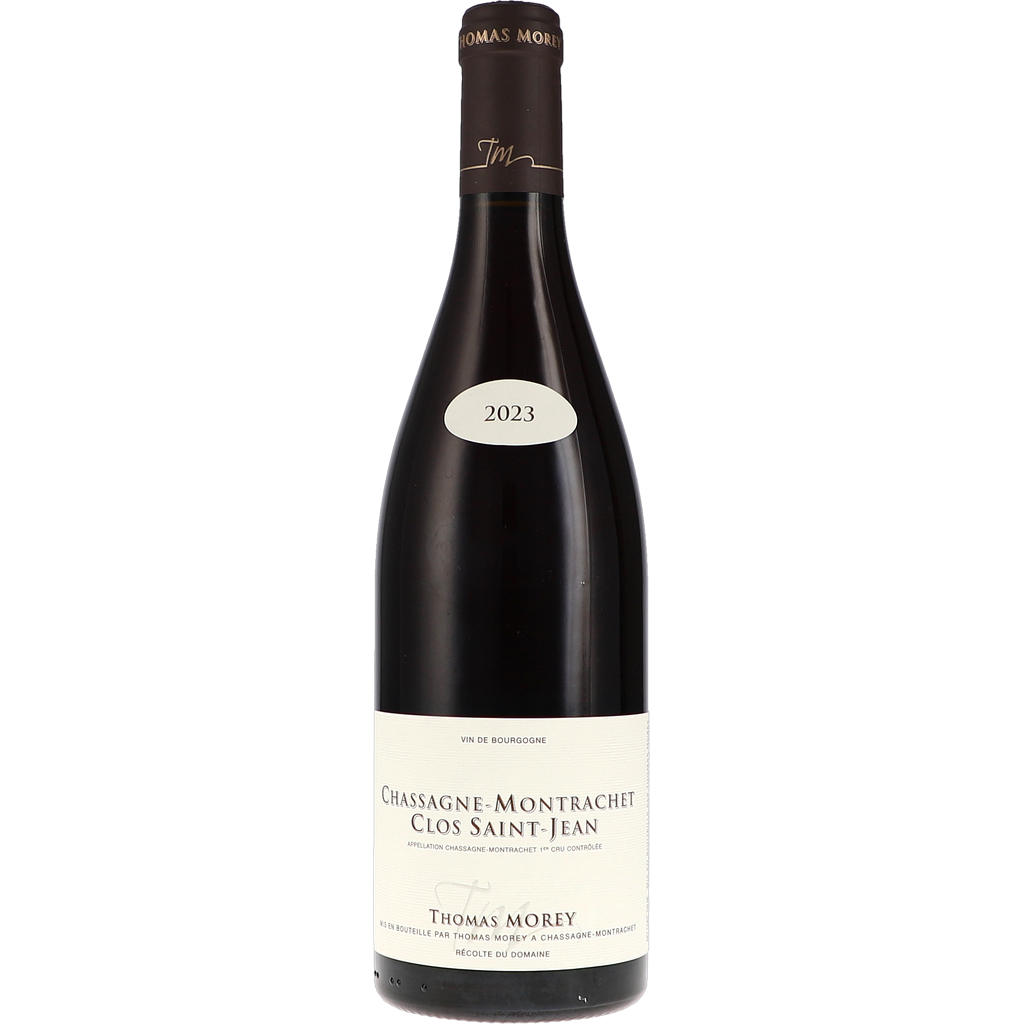
Six Premiers Crus lie in Chassagne-Montrachet, along with the Grand Cru Bâtard-Montrachet with seventy-year-old vines. The Clos Saint-Jean is one of the village's largest Premier Cru climats. Alongside the walled clos itself, at 5.08 hectares, are Les Rébiches at 5.45, Les Murées at 1.61 and Chassagne du Clos Saint-Jean at 2.02 hectares. The core belonged to the convent of Saint-Jean le Grand in Autun and was planted in the year 589.
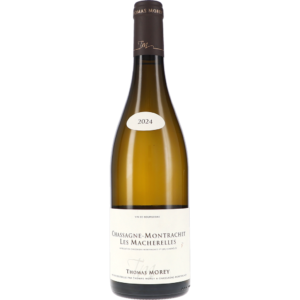
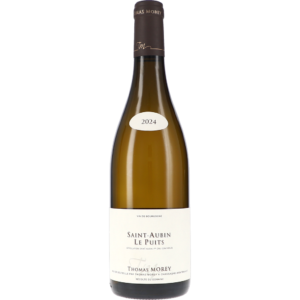
The white Clos Saint-Jean grows on the limestone-rich part of the site. It ages for sixteen to eighteen months in barrels of 228 and 350 litres and shows white peach, hazelnut and a saline finish. The larger part of the vineyard has red soil. There stand the Pinot Noir vines for the red Clos Saint-Jean, essentially planted in 2017. Chassagne-Montrachet also yields Les Macherelles and Les Baudines, along with the Saint-Aubin 1er Cru Le Puits.
Pinot Noir from Santenay to Beaune
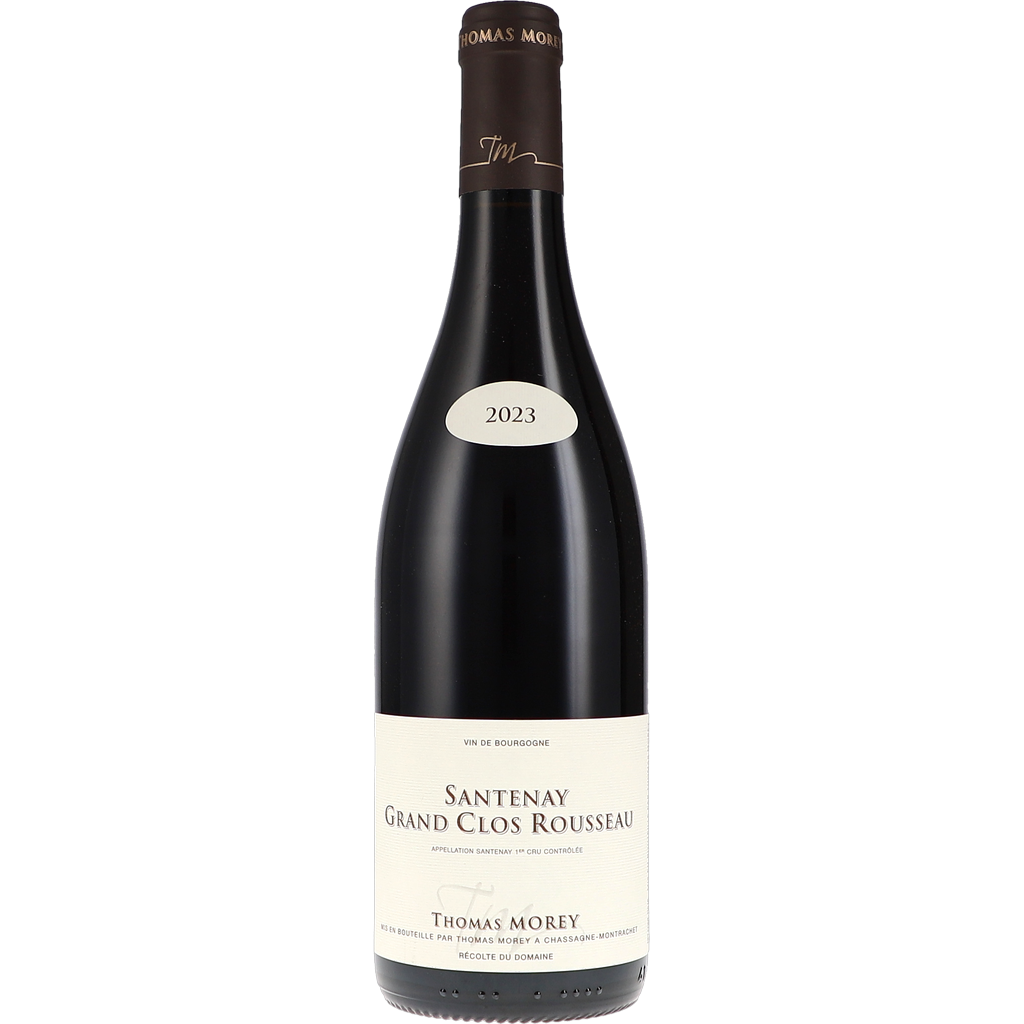
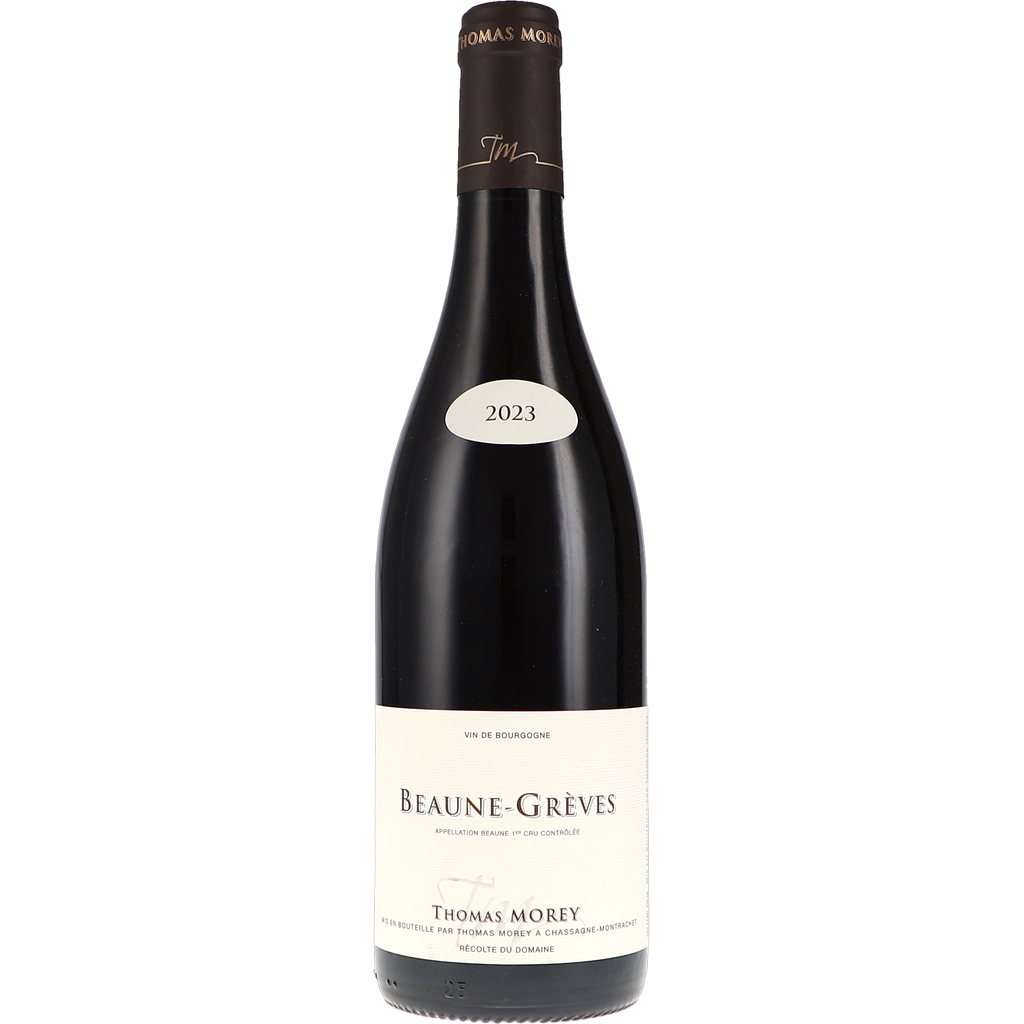
In Santenay, the Grand Clos Rousseau lies on the south side of the village towards Maranges; together with the Petit Clos Rousseau and Les Fourneaux it forms the 23.83-hectare Clos Rousseau. In Beaune, the Moreys have owned their vineyard in Les Grèves since 1969, at 31.33 hectares the largest climat in the heart of Beaune. The vine rows climb 450 metres up the slope, with the soil shifting from sandy to gravelly. The Pinot Noir vines were replanted partly in 1976 and partly in 1988 from a sélection massale. They are joined by the Maranges 1er Cru La Fussière and a Chassagne-Montrachet Vieilles Vignes.
Spontaneous fermentation and minimal sulphur
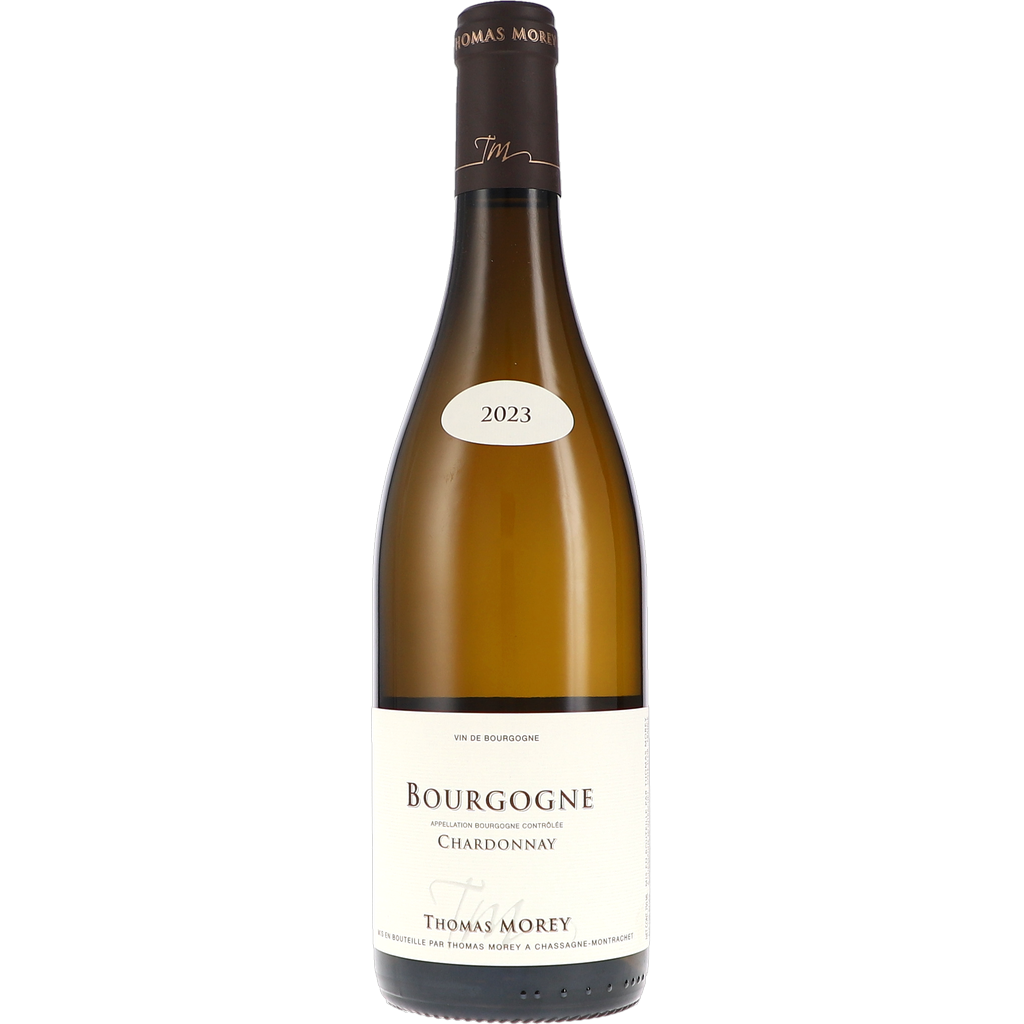
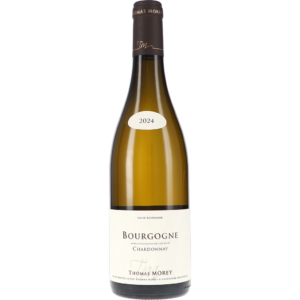
Since 2011 Thomas Morey has farmed his vineyards organically. The grapes ferment spontaneously with indigenous yeasts in a combination of neutral barrels and tank, with the reds largely destemmed. Malolactic fermentation proceeds on its own. The whites remain on the lees without bâtonnage, and the proportion of new oak is around 20 percent. Sulphur is added only in the final six months in barrel, in several minimal doses, so that any given wine never exceeds a total of 35 milligrams per litre. The Beaune-Grèves is bottled unfined and unfiltered. The Bourgogne Chardonnay comes from parcels in Chassagne-Montrachet, supplemented by 10 percent from the Mâconnais and 15 percent from the Chalonnais.