Chiara Boschis - E.Pira & Figli
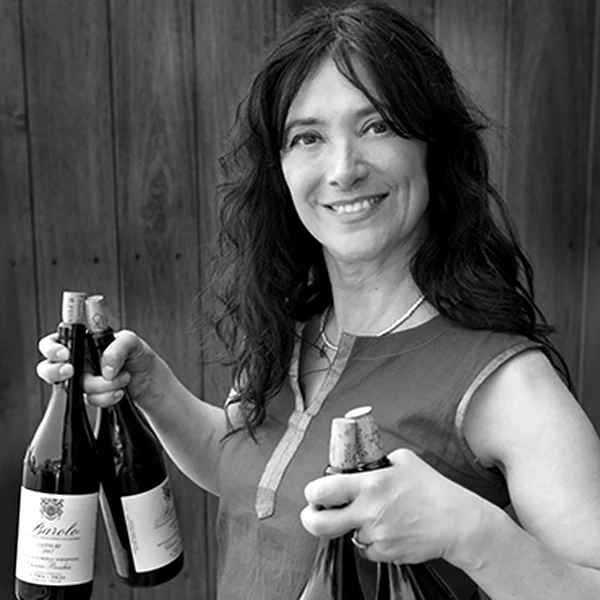
Chiara Boschis – E.Pira & Figli is based in the village centre of Barolo and farms eleven hectares in Piedmont, spread across the communes of Barolo, Monforte d'Alba and Serralunga d'Alba. Chiara Boschis took over in 1990, and her first vintage of her own earned the Tre Bicchieri award. She was the only woman among the Barolo Boys, who worked with green harvesting, shorter maceration and French barriques, making Barolo more approachable earlier without stripping it of its ageing potential. The vines have been certified organic since 2014, and since 2010 she has run the estate together with her brother Giorgio Boschis.
From Gigi Pira to the Boschis family
When Gigi Pira died without heirs in 1981, the Boschis family bought his winery in the centre of Barolo. Chiara Boschis was studying economics in Turin at the time and persuaded her parents to mortgage the family house to finance the purchase; behind the family stood nine generations of winemaking. In 1990 she took over management, becoming one of the first women to own and run a winery in the Langhe. Green harvesting to reduce yields was so unfamiliar in the neighbourhood that in 1994 she walked the rows at night cutting the green bunches herself, without anyone seeing her.
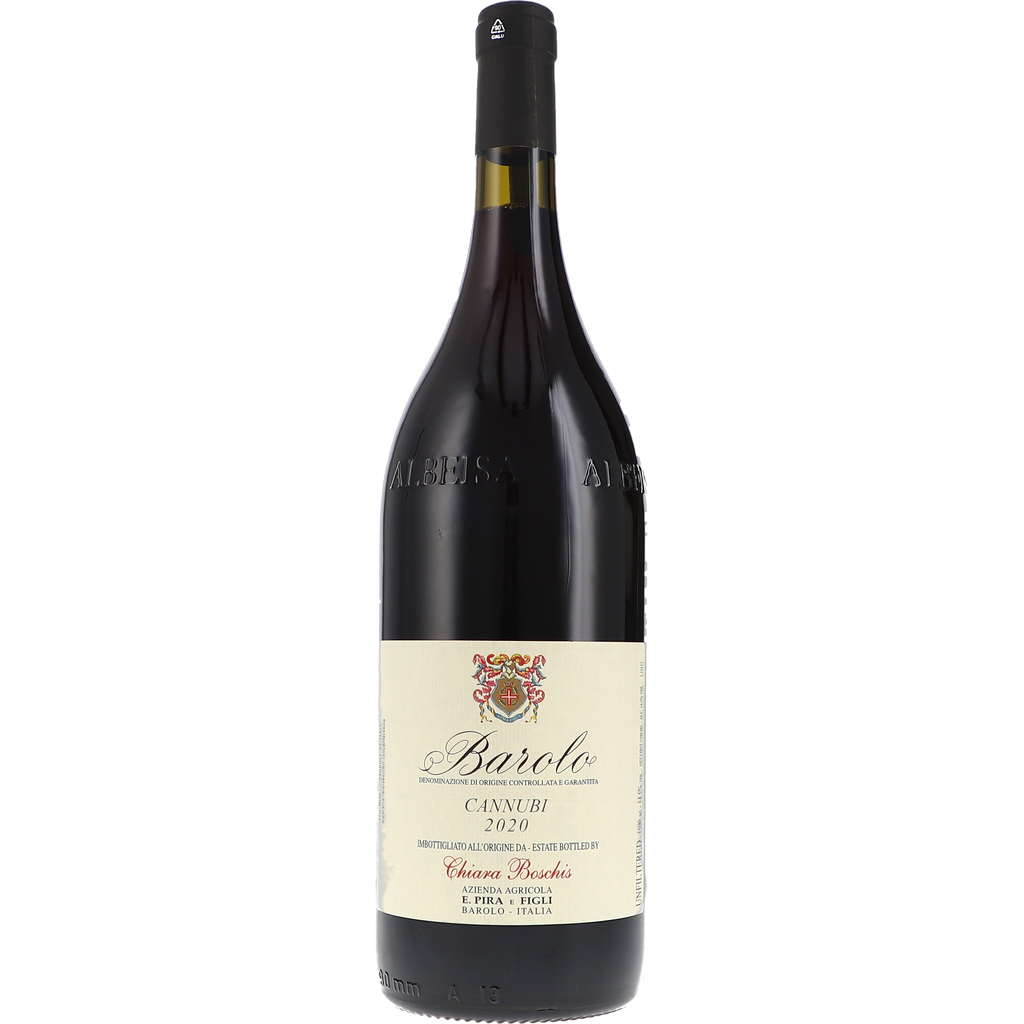
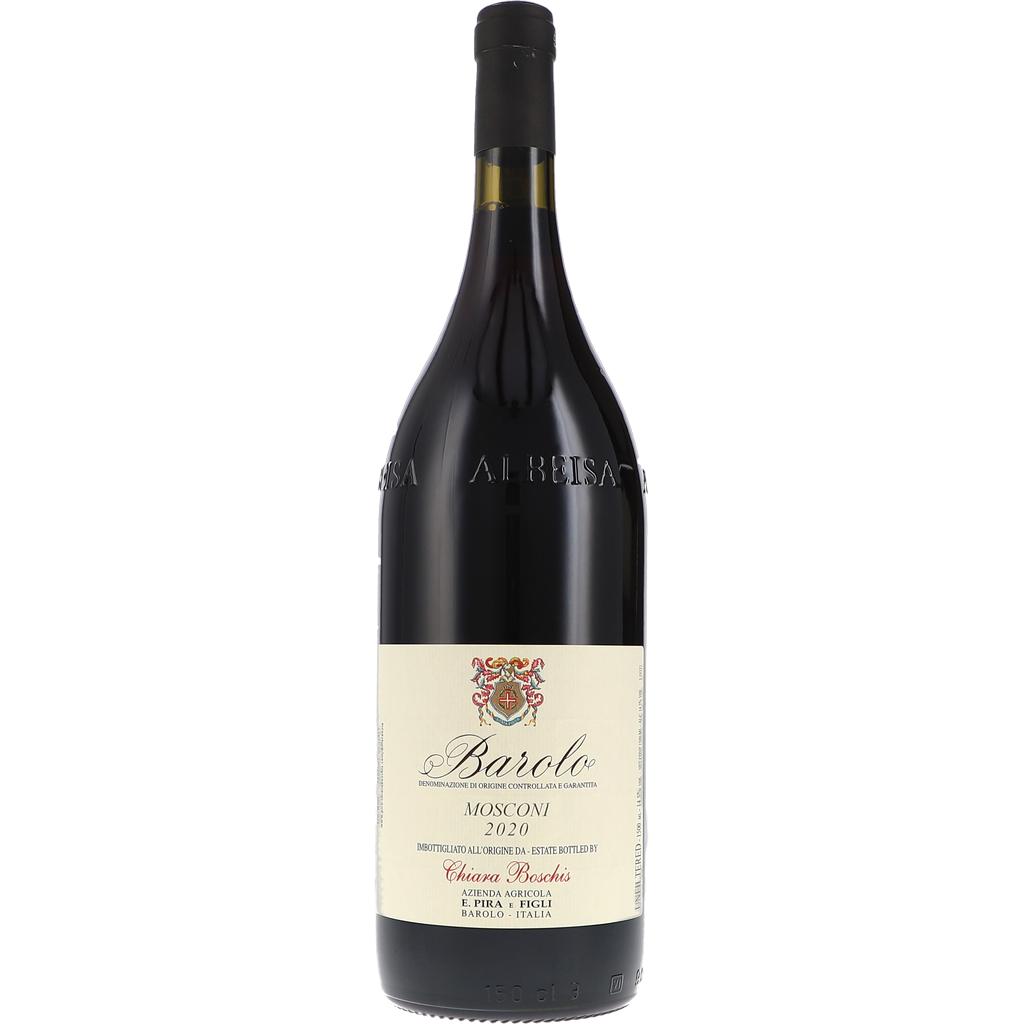
Cannubi, Mosconi and Via Nuova
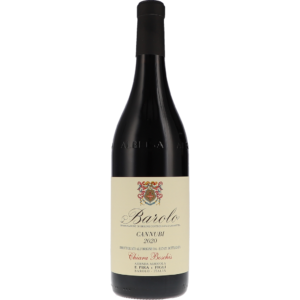
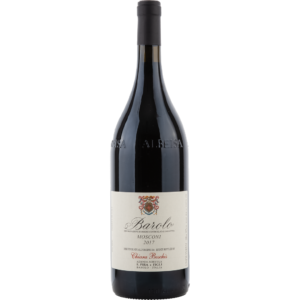
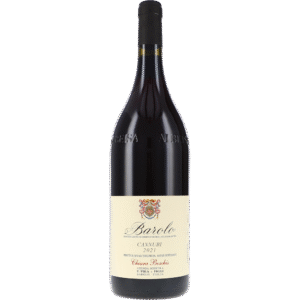
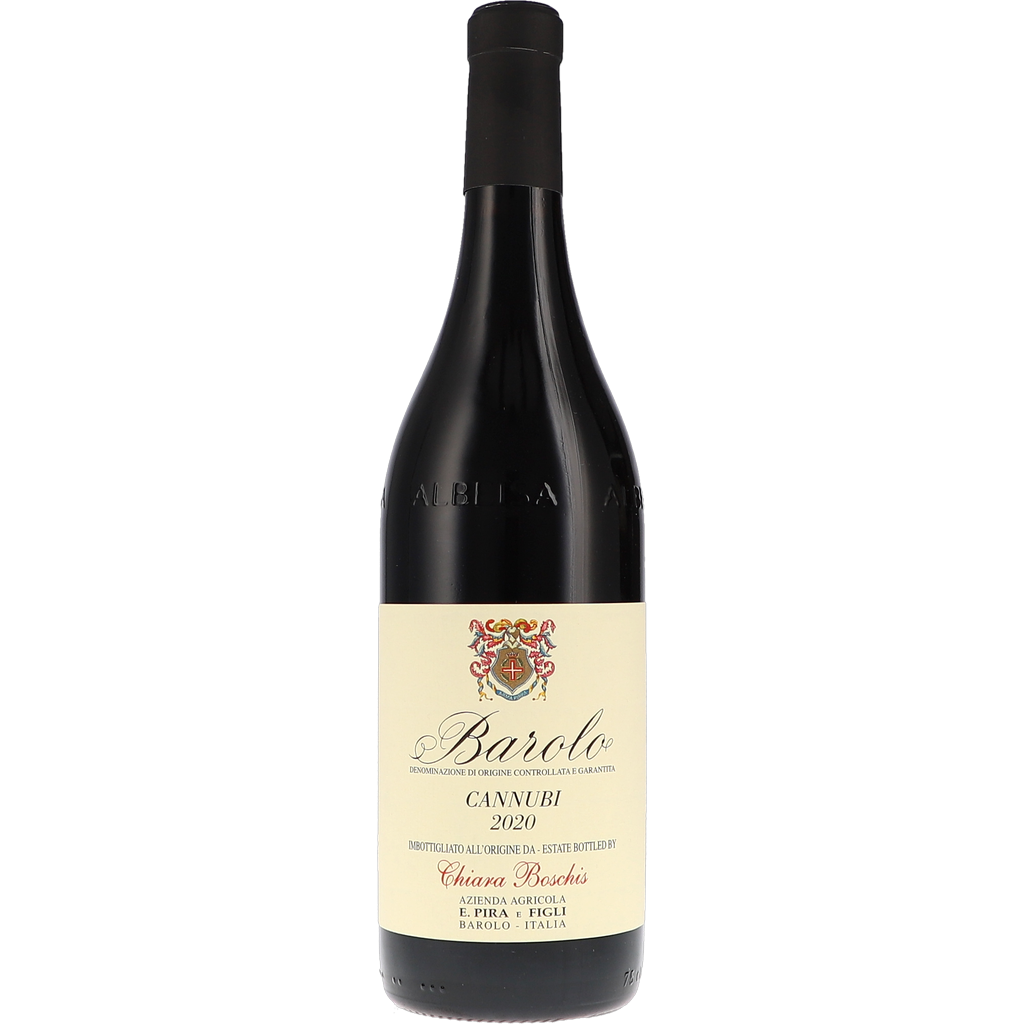
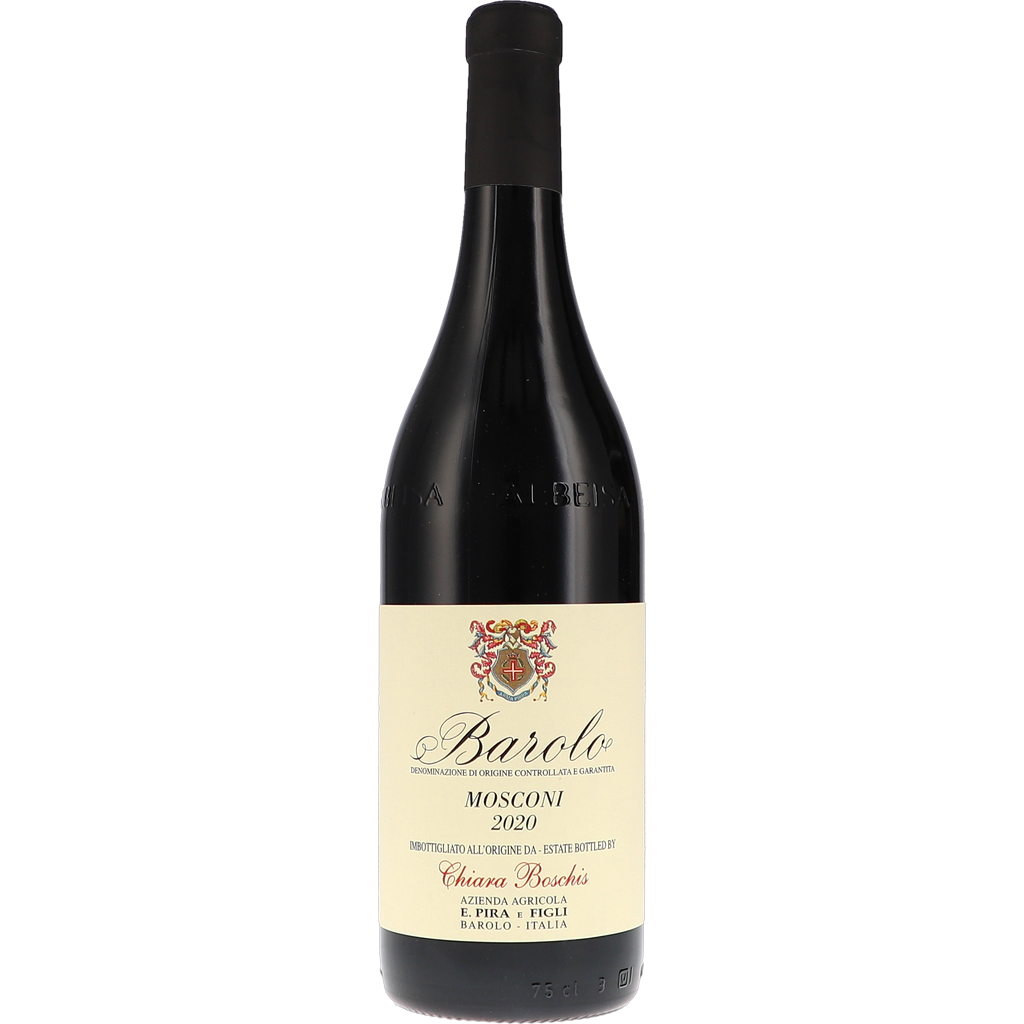
The Barolo Cannubi grows on 0.7 hectares at the heart of the appellation, planted in 1982 with the Nebbiolo clones Michet, Lampia and Rosé. The Barolo Mosconi comes from the oldest parcels of the eponymous vineyard in Monforte d'Alba, where Michet and Lampia stand at around 400 metres of altitude. The soil there consists of calcareous clay marls alternating with siliceous sandstones; calcium carbonate and iron tint it reddish in places. The cool nights at this altitude give the wine a fine-grained tannin, with ageing following fermentation in rotary tanks with two weeks of skin contact.
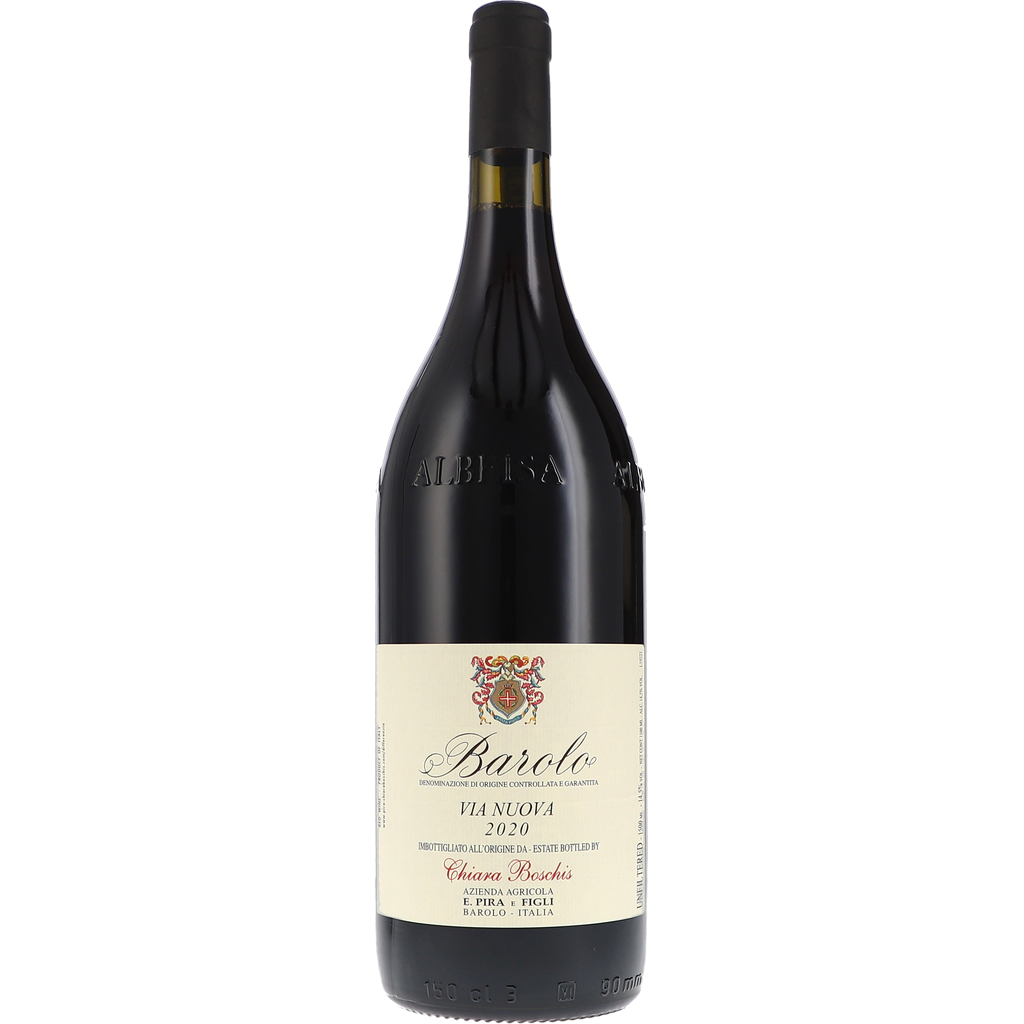
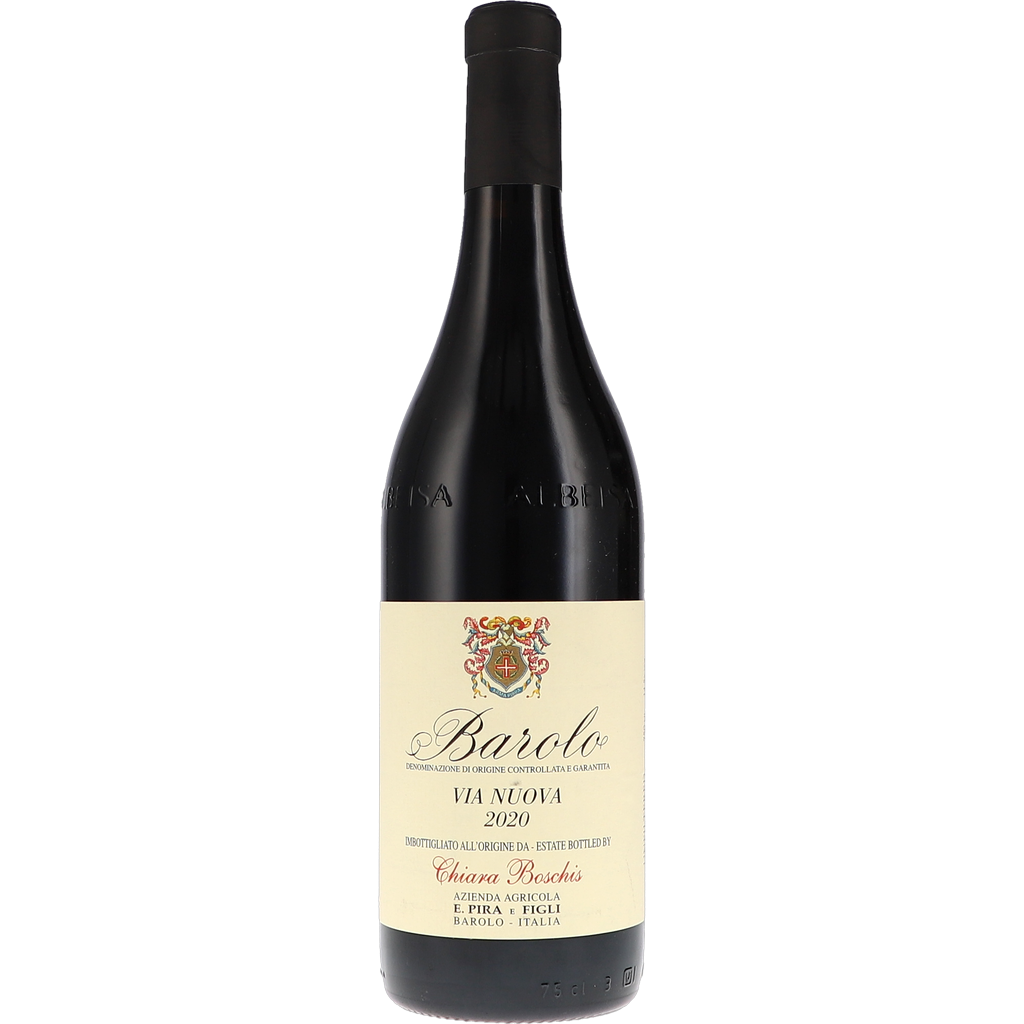
The Barolo Via Nuova takes its name from a small vineyard near the centre of Barolo, named after the road to Novello built in the last century, of which only a footpath through the vines remains today. When the commune reorganised its additional geographical designations and assigned the parcel to the larger Terlo subzone in 2010, Chiara Boschis turned the wine into a blend combining Terlo and Liste from Barolo, Gabutti and Baudana from Serralunga d'Alba, and Ravera and Mosconi from Monforte d'Alba.
Organic farming in Cannubi
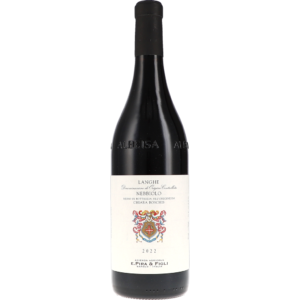
Chiara Boschis was the first to convert her plot in Cannubi to organic farming, later founding the Cannubi Bio Projekt; by 2015 around 80 percent of the growers in this cru were likewise farming organically. A dedicated vineyard was planted for the Langhe Nebbiolo, the "fasce di rispetto", rows of vines along the boundary with other producers' conventionally farmed vineyards. It ages for fourteen months in second-fill French barriques and then a further two months in the cellar.
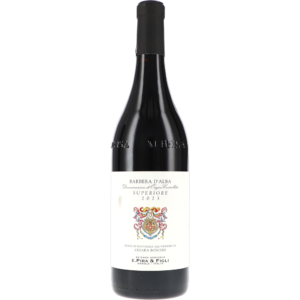
The Barbera d'Alba Superiore comes from Mosconi, Ravera and Gabutti, from Tertiary calcareous marl at an average altitude of 350 metres. It ferments in temperature-controlled steel tanks with regular punching down of the cap, then ages for sixteen months in second- and third-fill barriques.
Giorgio Boschis and the tenth generation
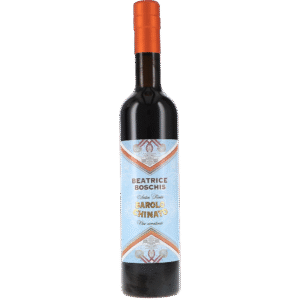
In 2010 Giorgio Boschis joined E.Pira & Figli, together with his wife Daniella and their three daughters Beatrice, Elena and Vittoria; since then the siblings have run the estate together, and the tenth generation is growing up. The Barolo Chinato is named after Beatrice Boschis. With the Des Martin project, Chiara Boschis has also revived the abandoned mountain hamlet of Valliera, where Castelmagno cheese is now made.