Vietti
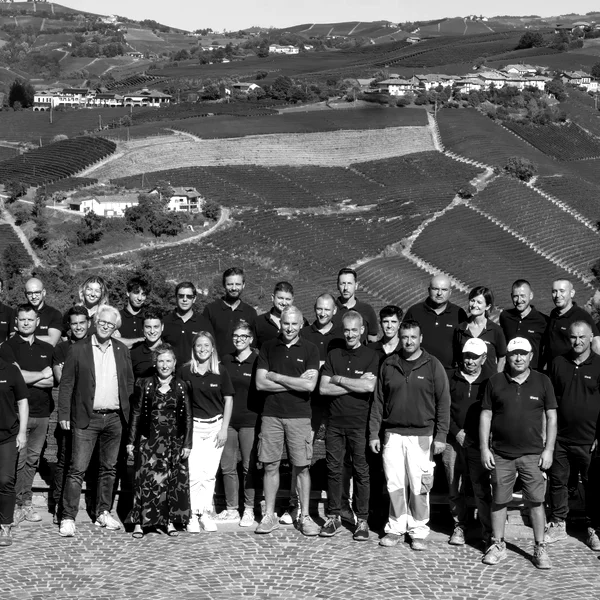
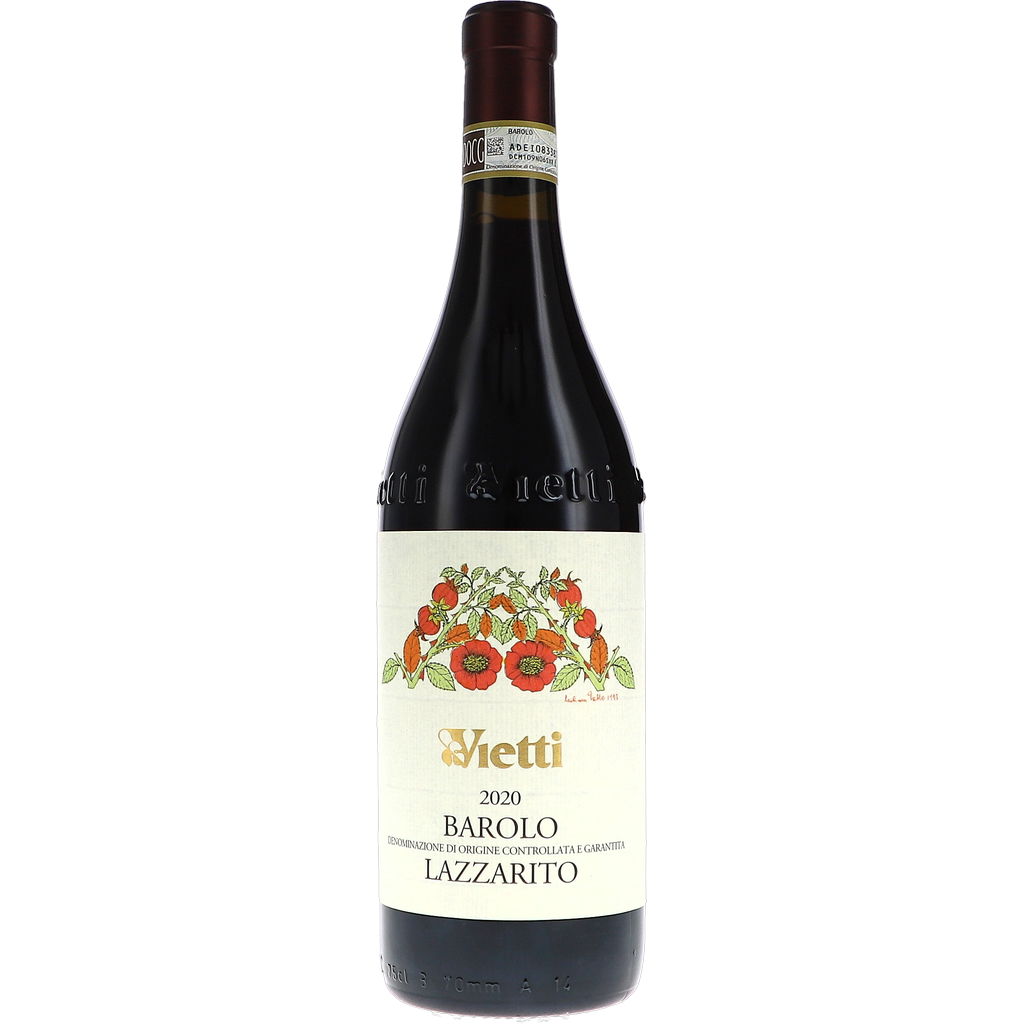
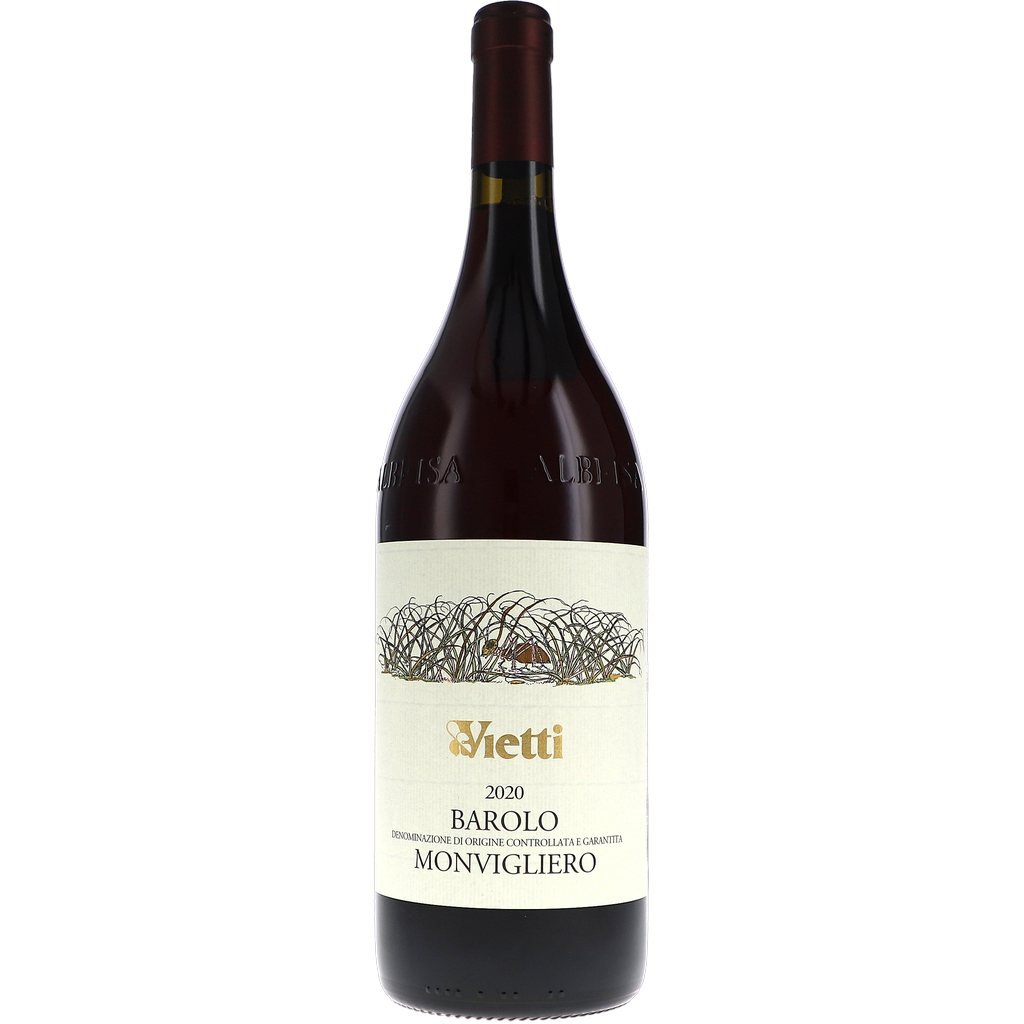
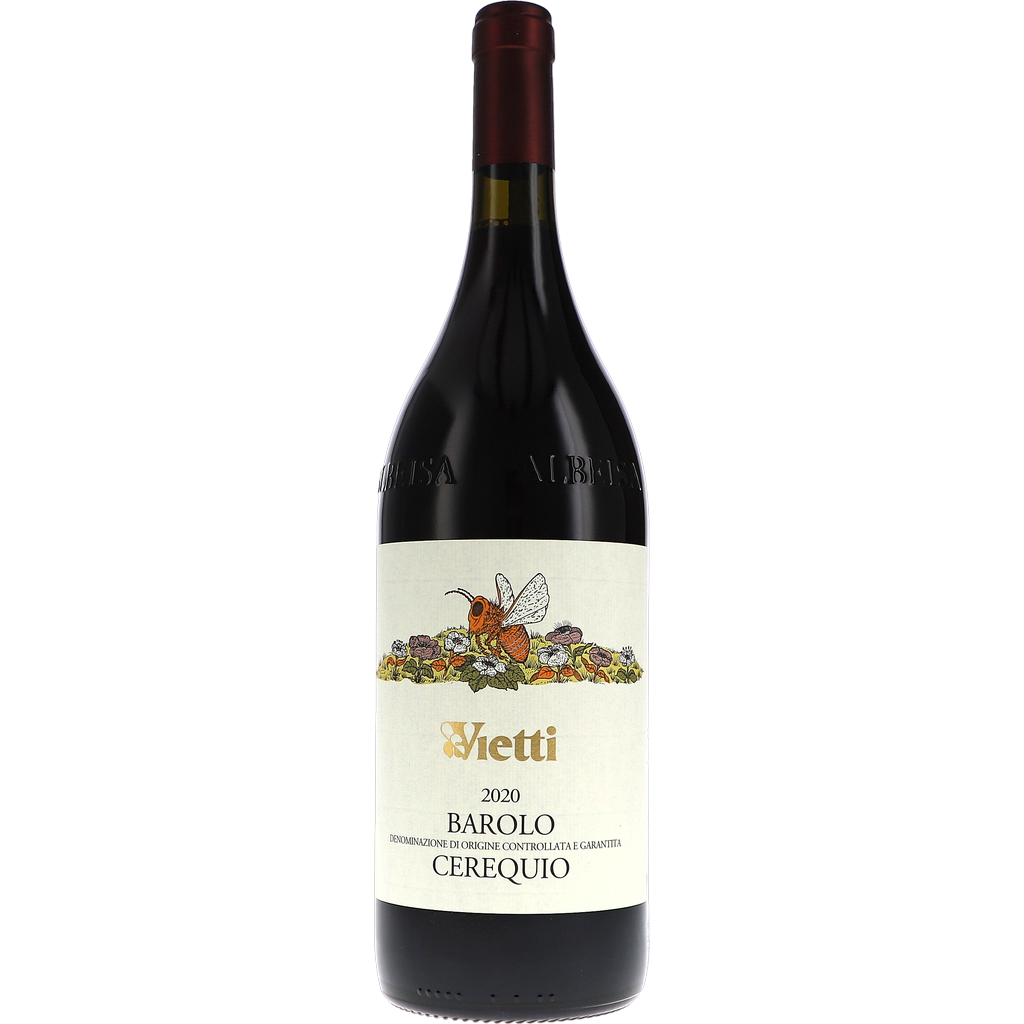
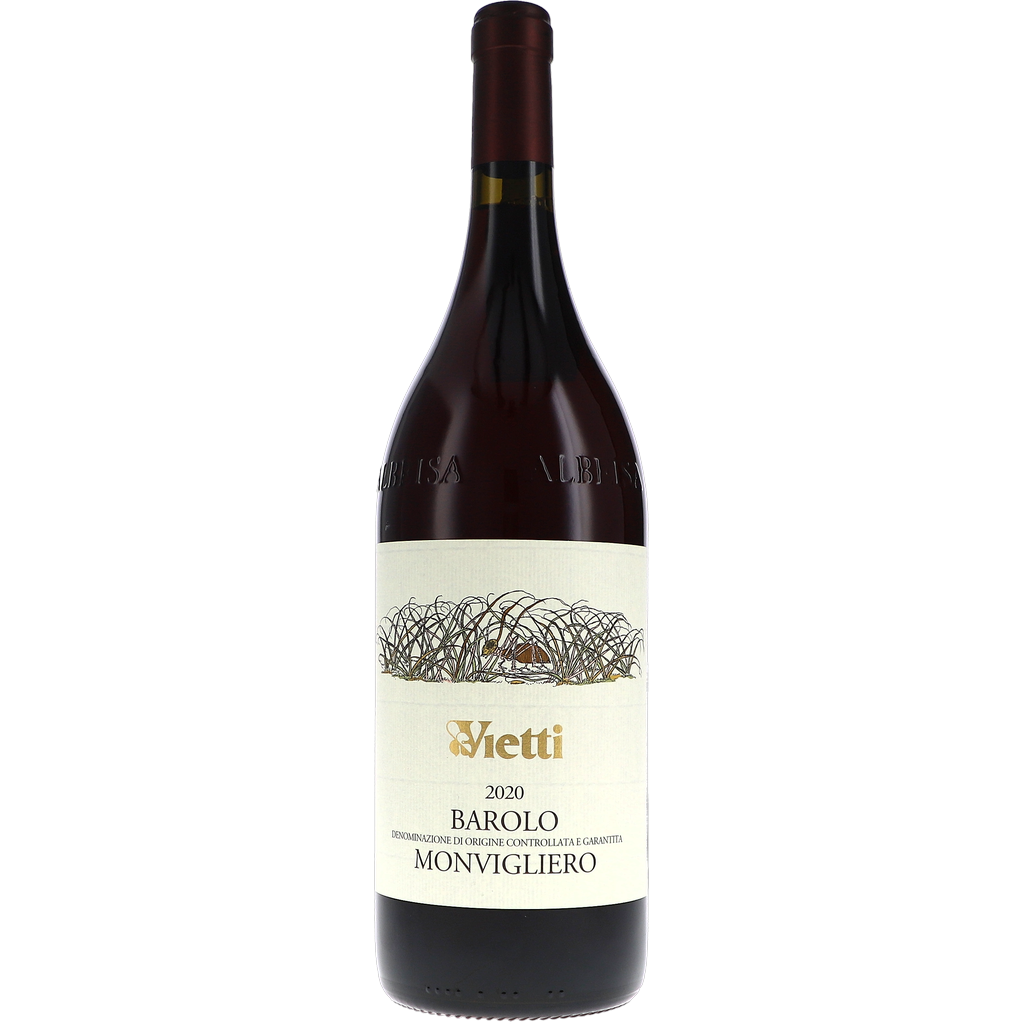
Vietti farms 75 hectares in Castiglione Falletto in Piedmont and bottles nine crus separately, including Brunate, Cerequio, Lazzarito, Ravera, Monvigliero and Villero. Carlo Vietti founded the winery in 1873; from 1961, Alfredo Currado vinified the grapes of individual vineyards separately, making the site itself the subject of Barolo. Since 1974, the labels have featured original works by artists. The Nebbiolo ferments in steel with a submerged cap and then ages for 30 months in large oak casks, giving the wines a calmly structured tannin. In 2016, the Krause family took over the estate.
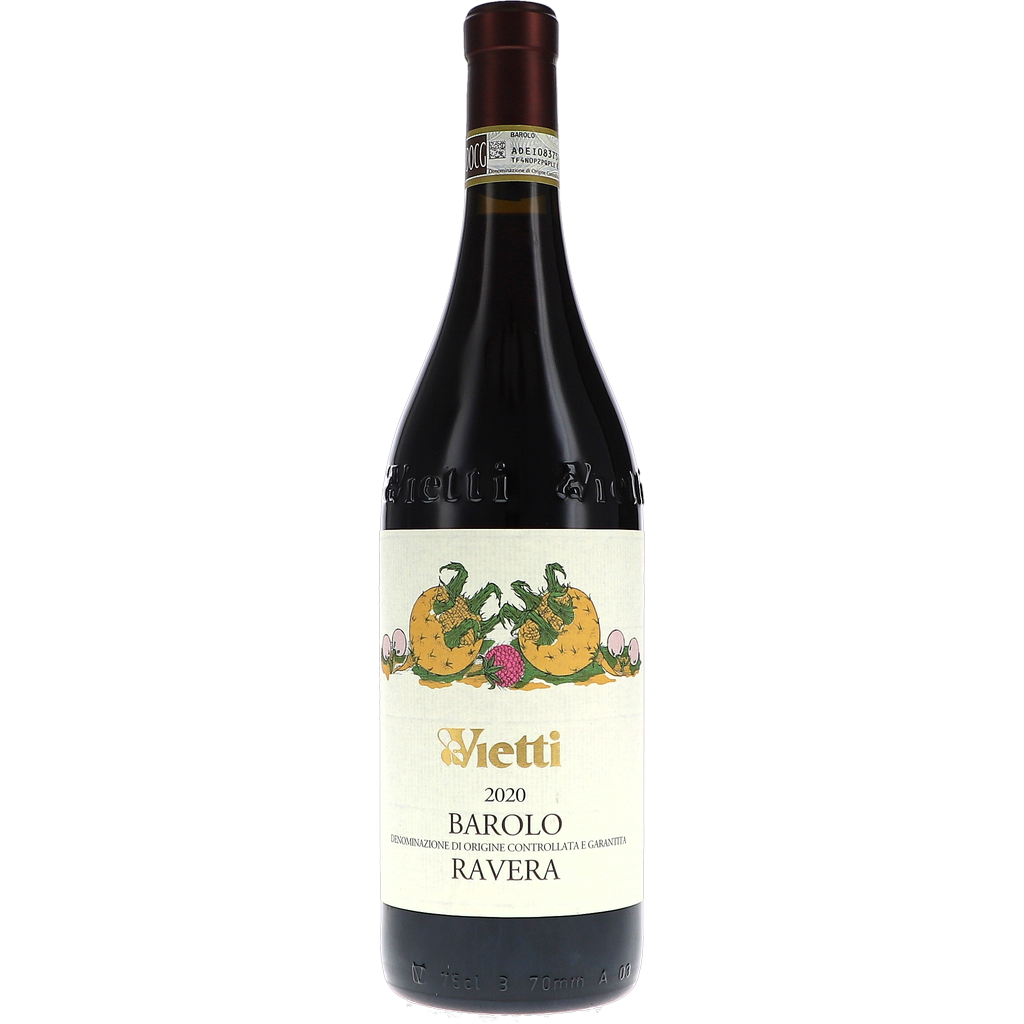
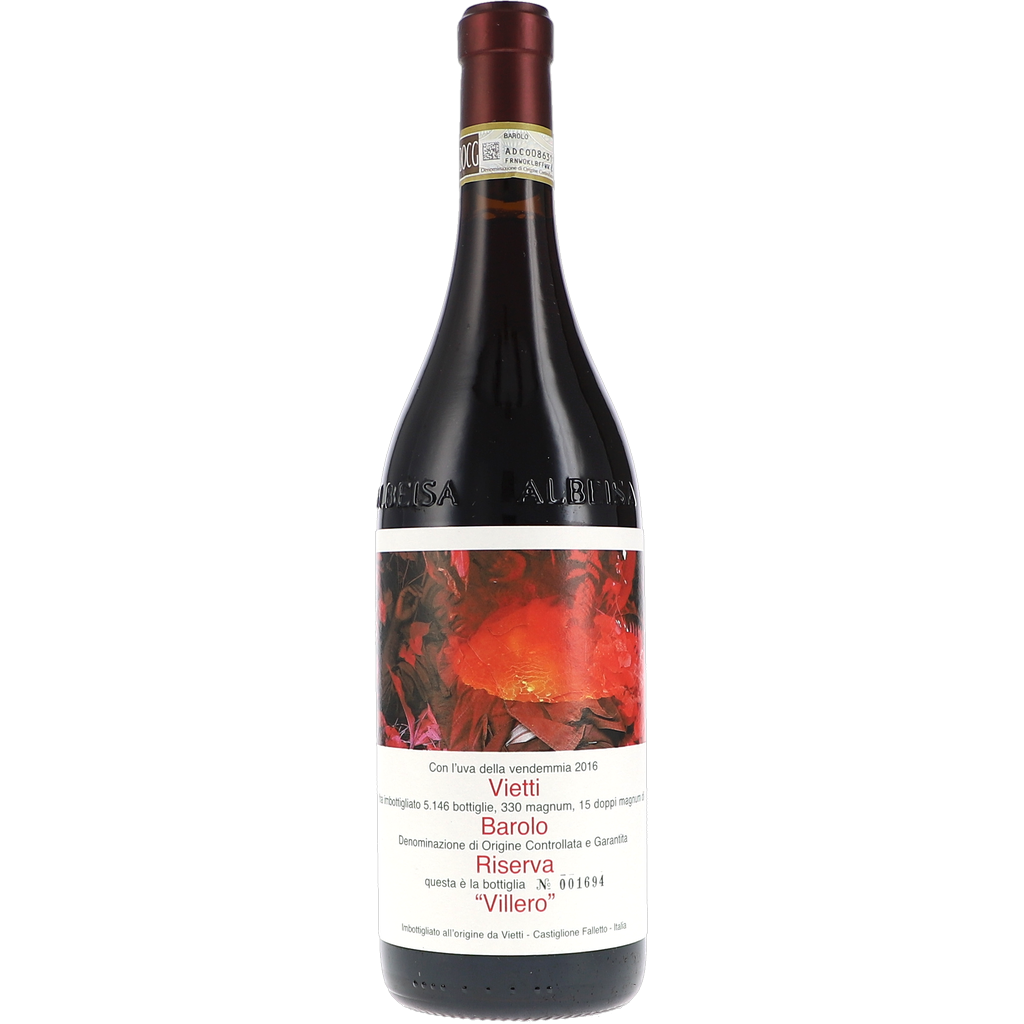
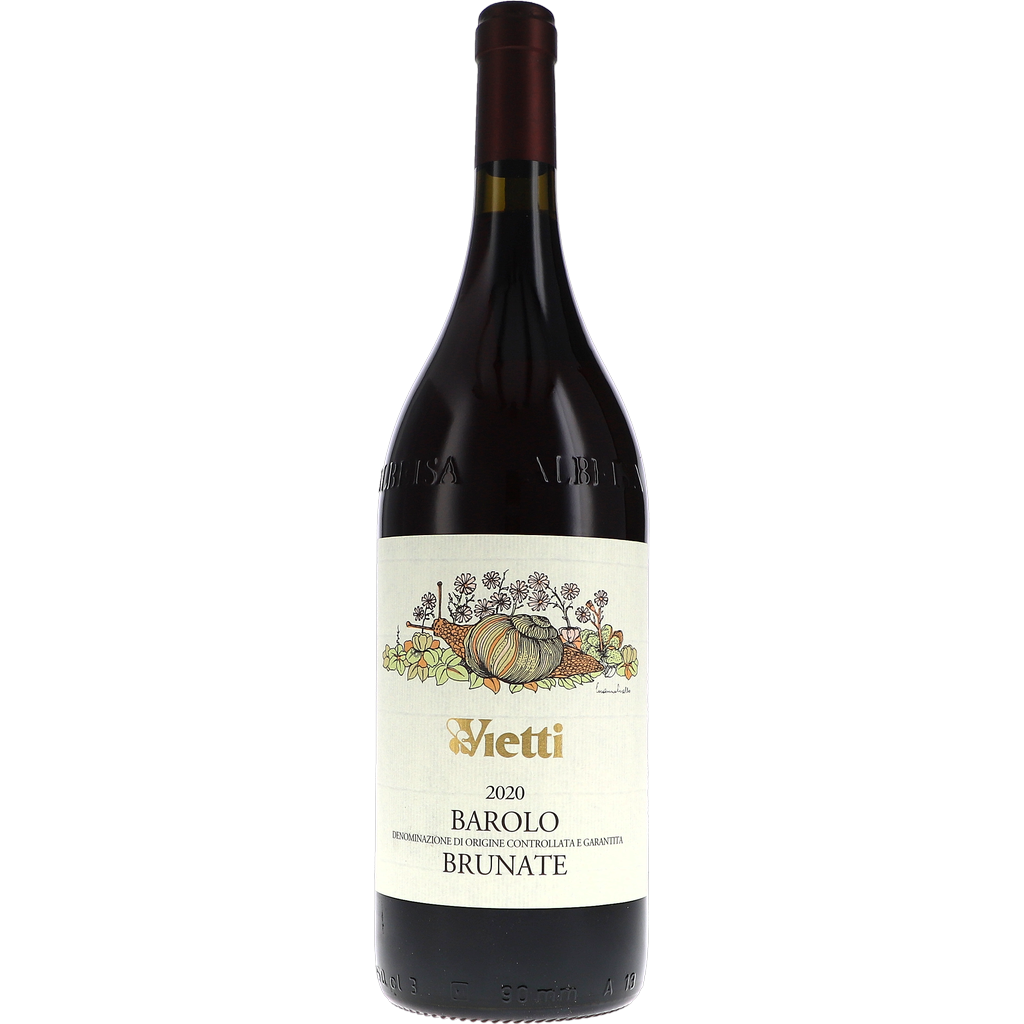
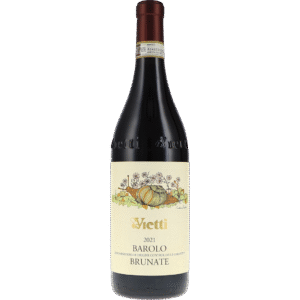
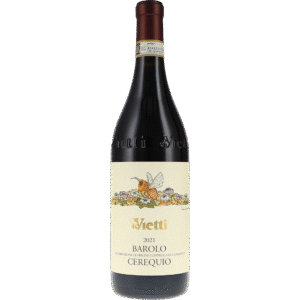
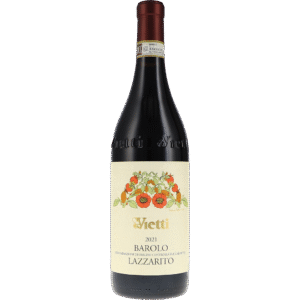
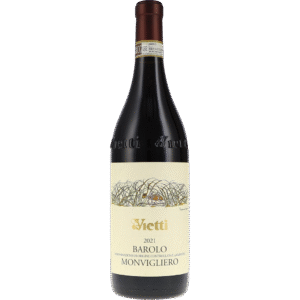
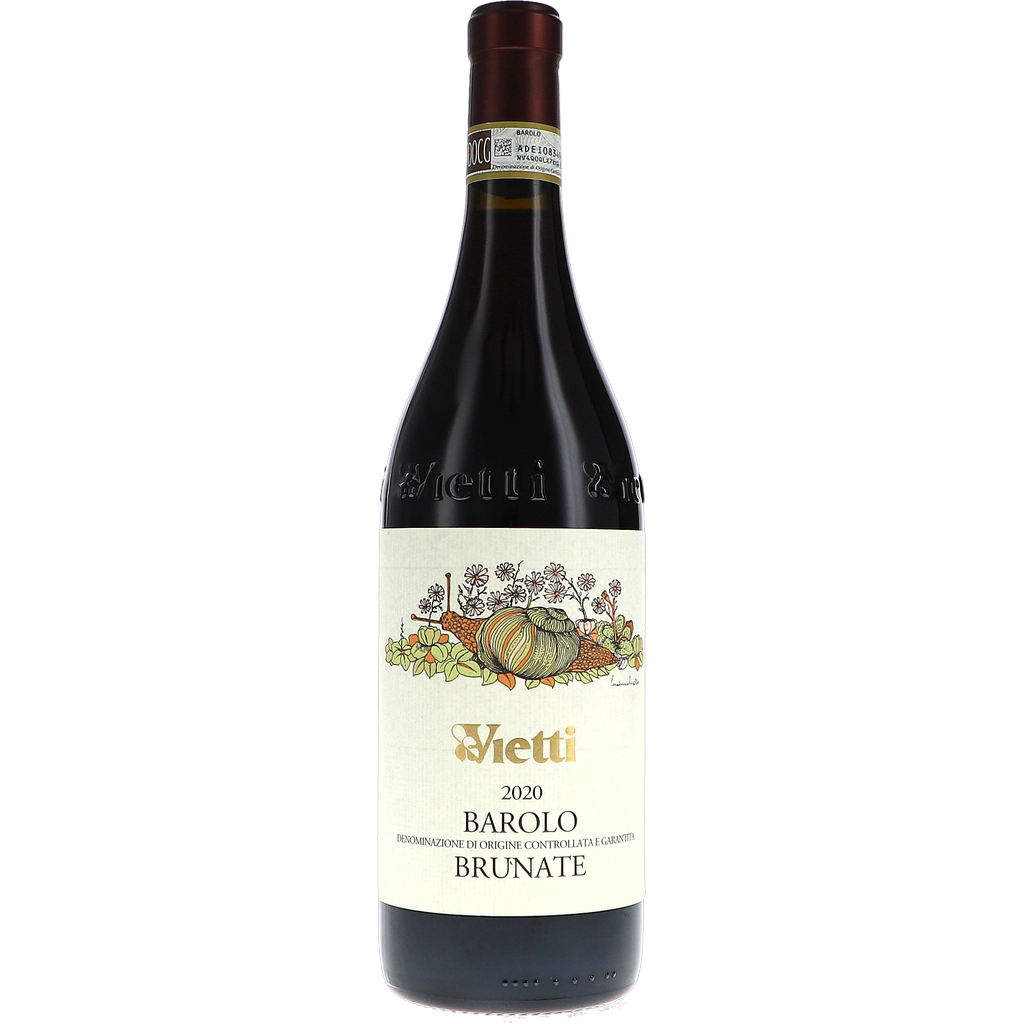
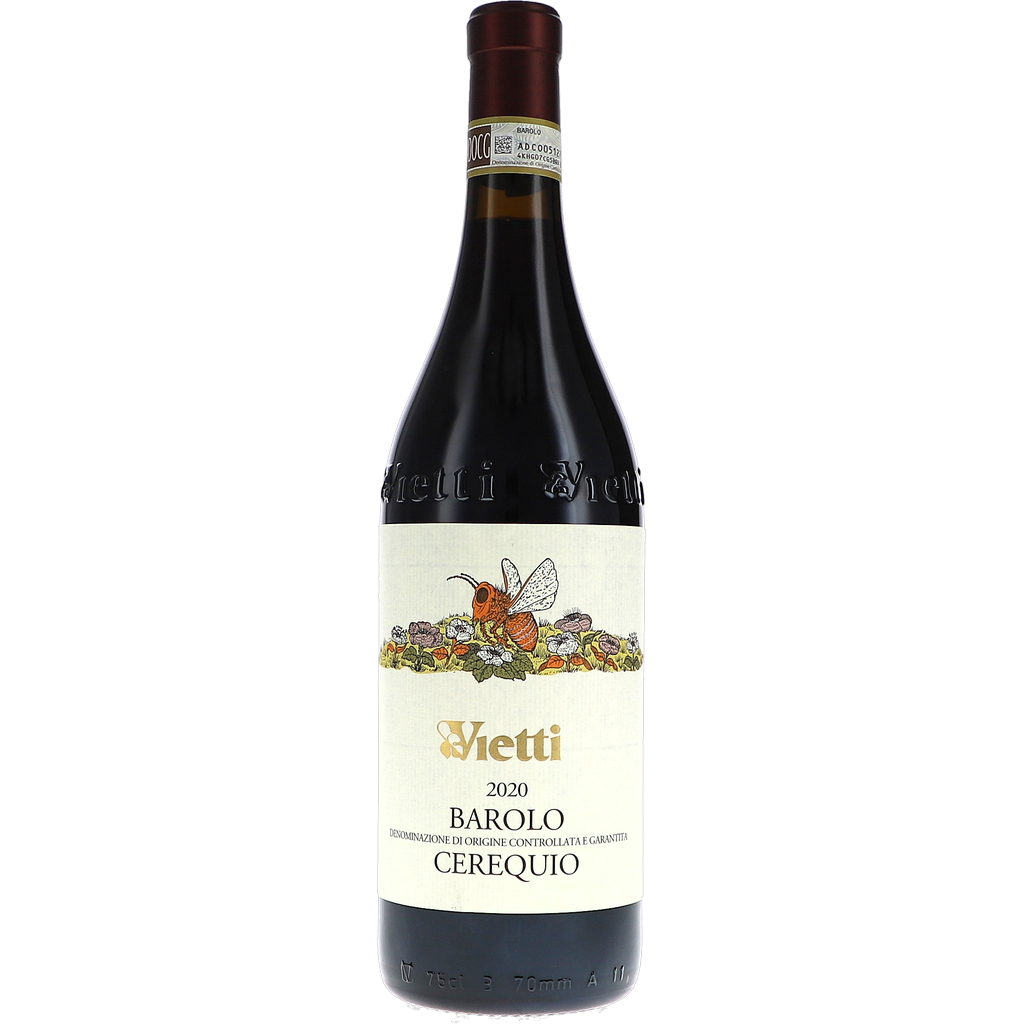
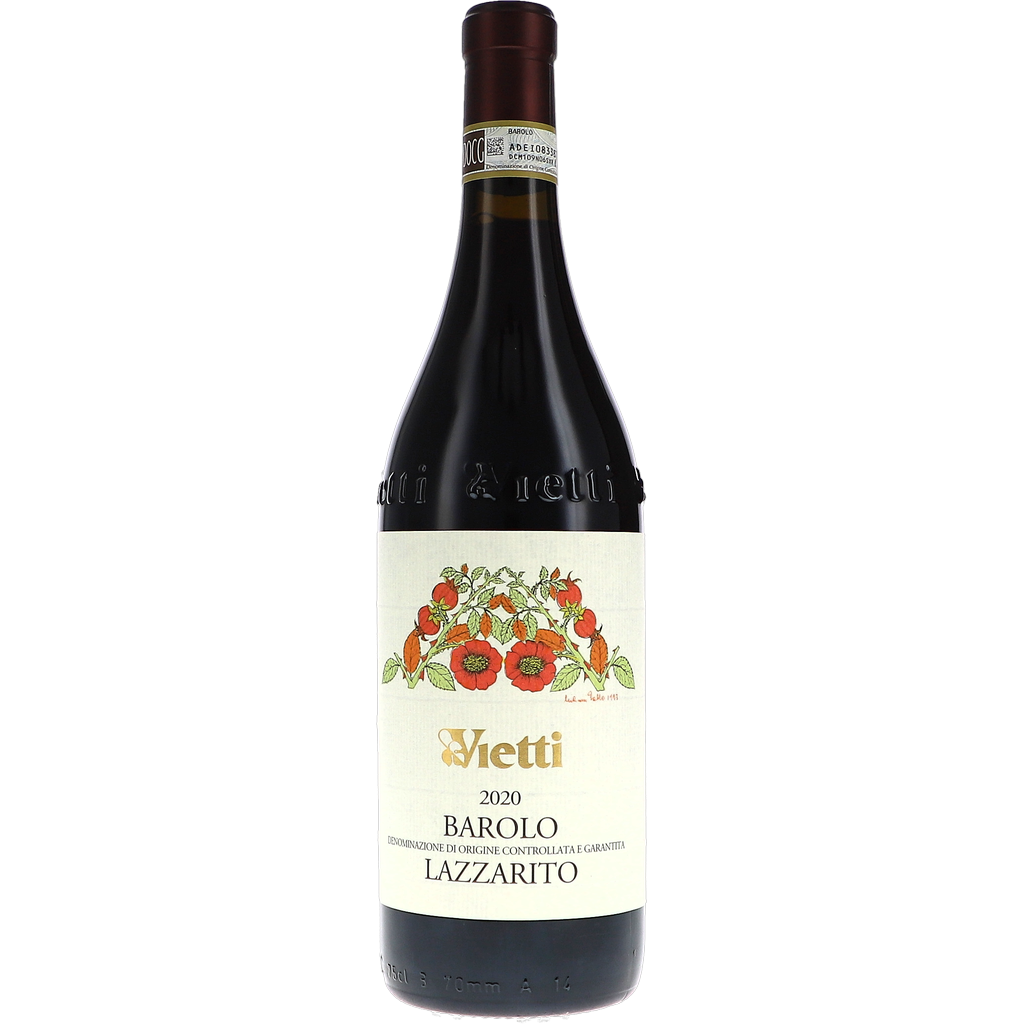
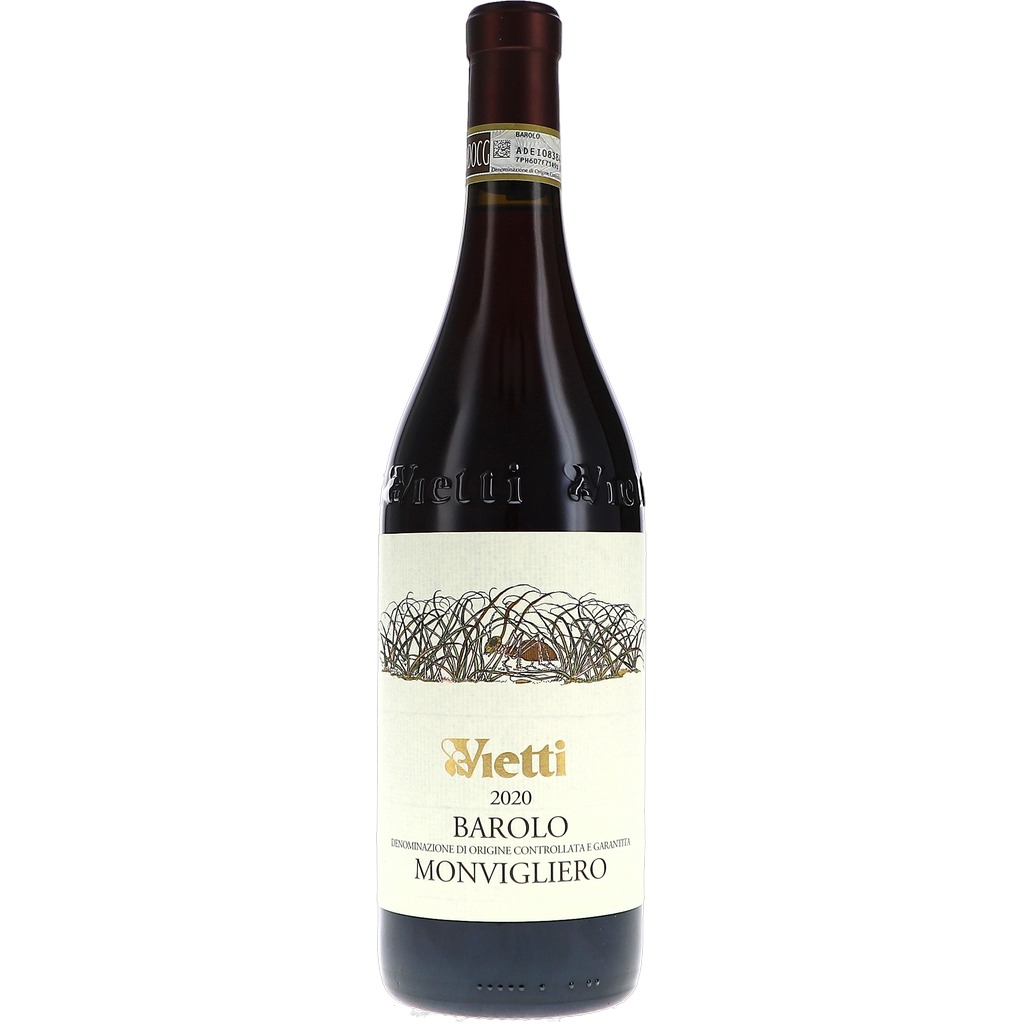
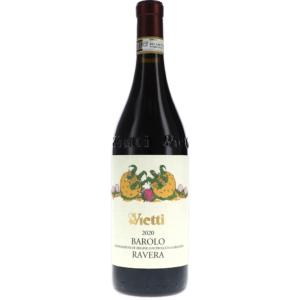
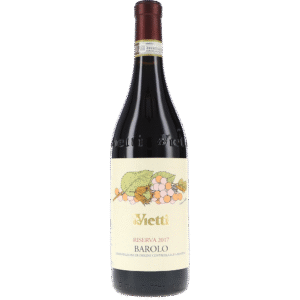
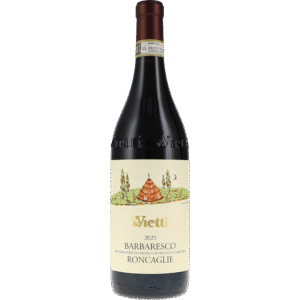
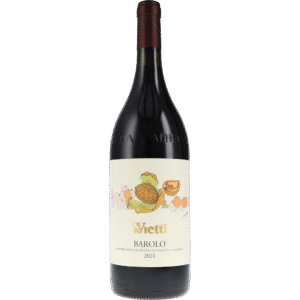
Castiglione Falletto, since 1873
Carlo Vietti founded the winery in 1873 in Castiglione Falletto, a medieval village on a hill 350 metres high. His son Mario began exporting to America, while Alfredo and Luciana Currado made the name known internationally. Four generations have worked here; in 2016 the American Krause family took over the estate, and in 2025 Doctor Wine named Vietti Azienda dell'Anno, winery of the year.
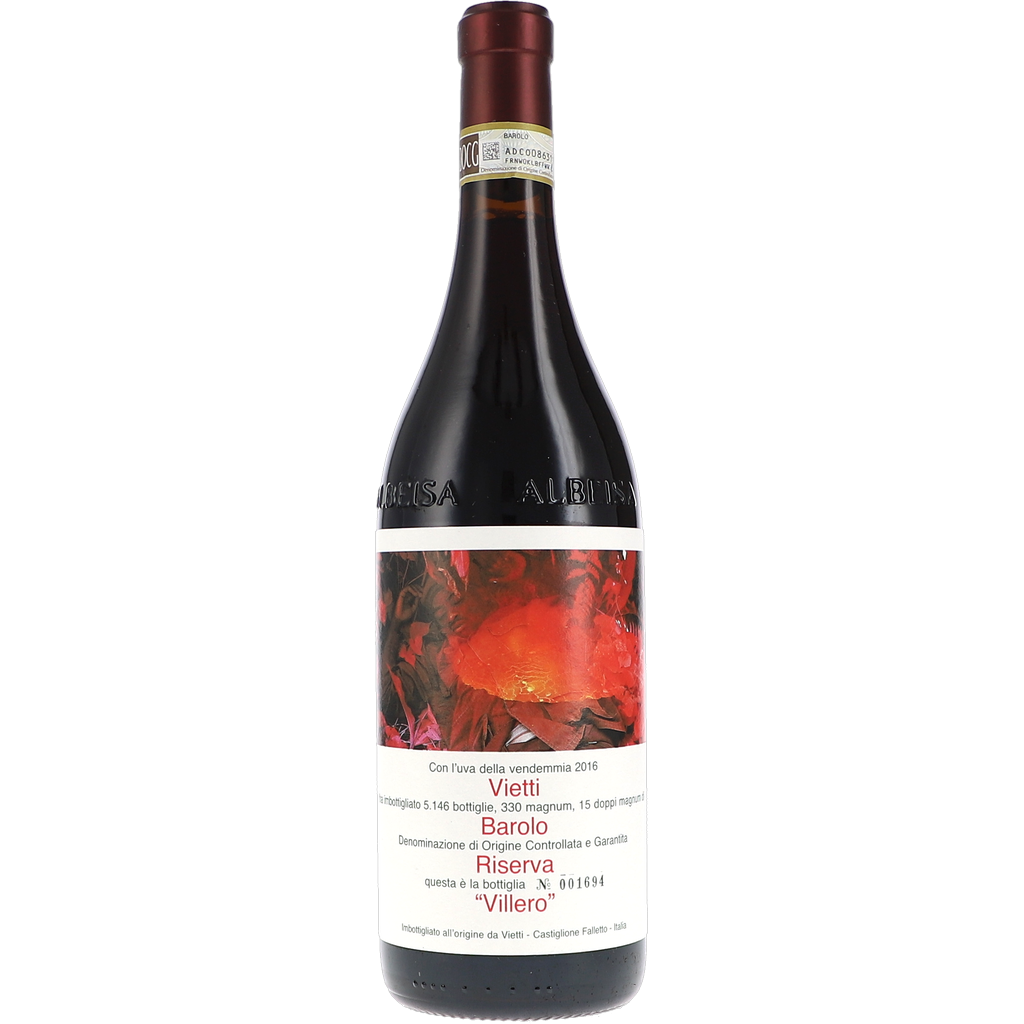
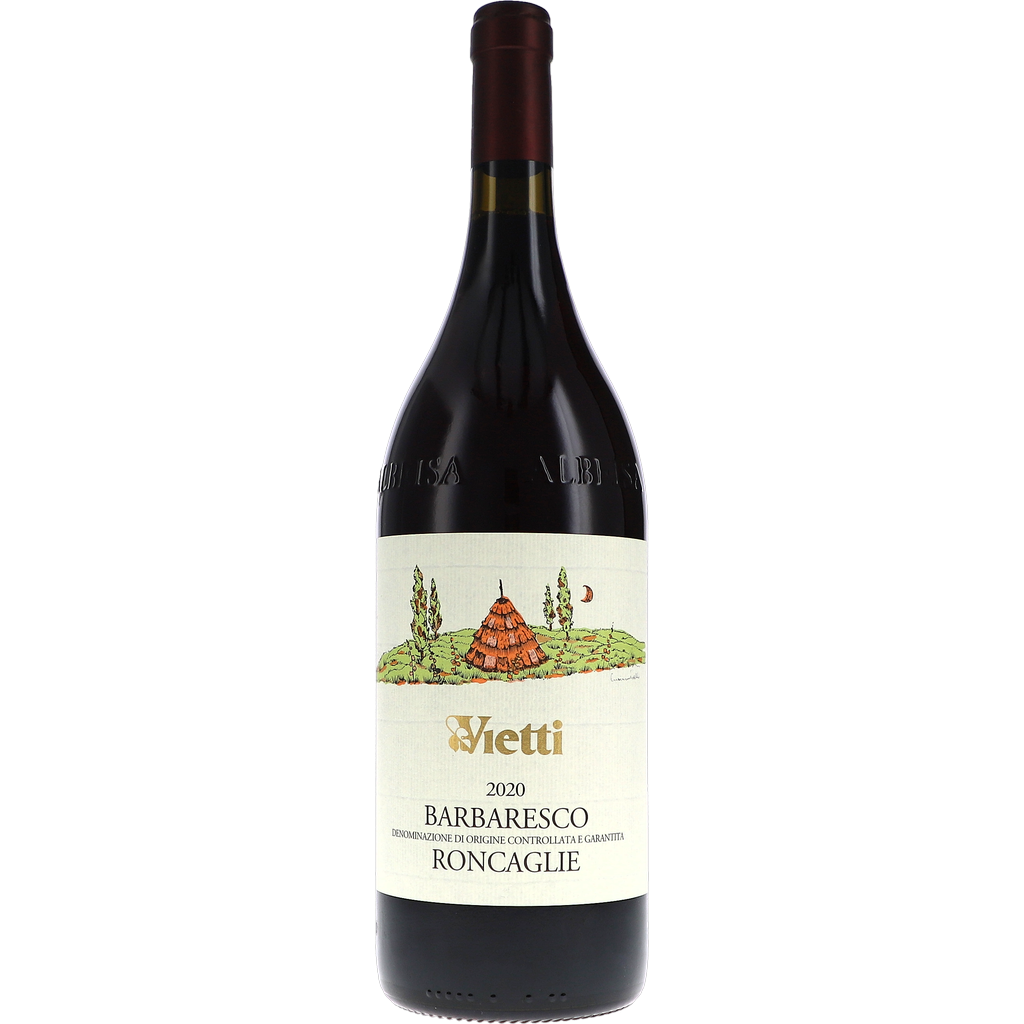
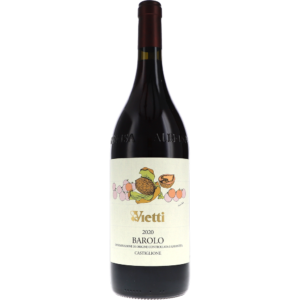
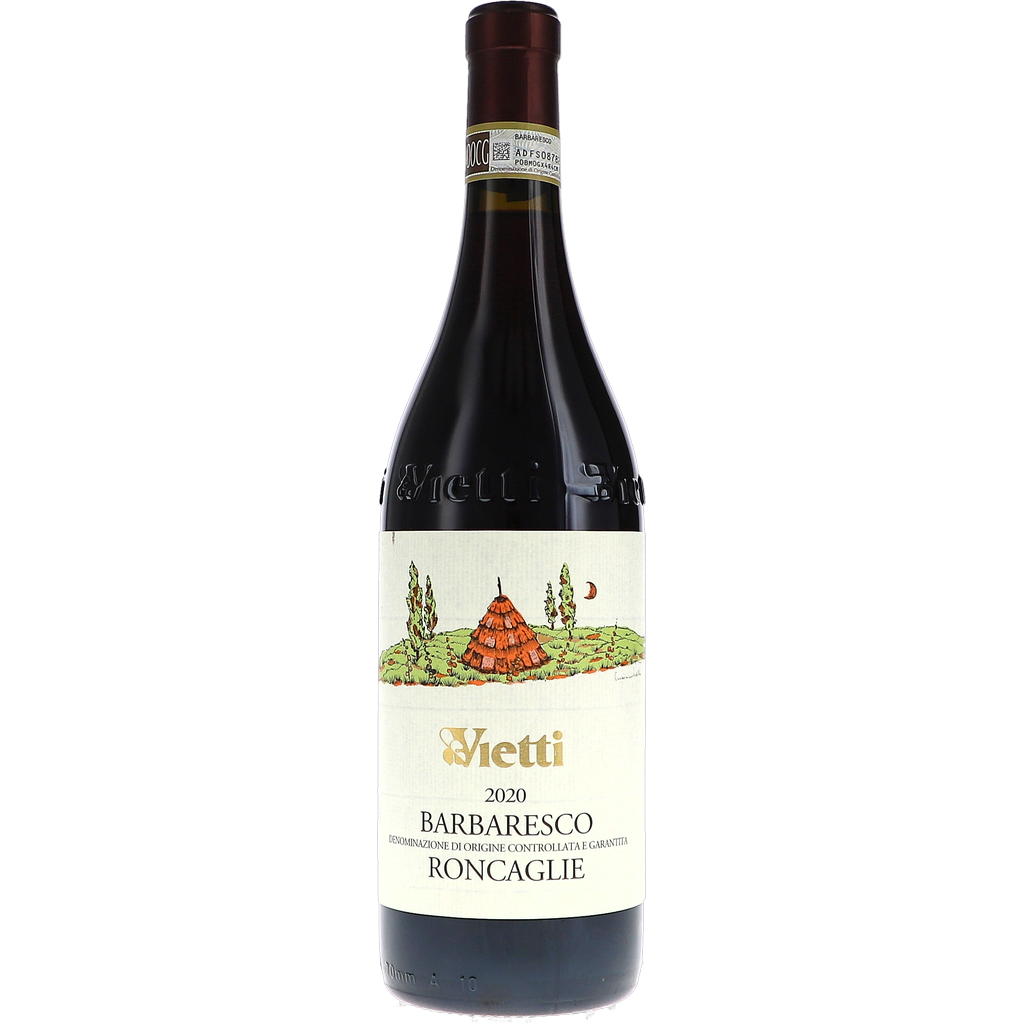
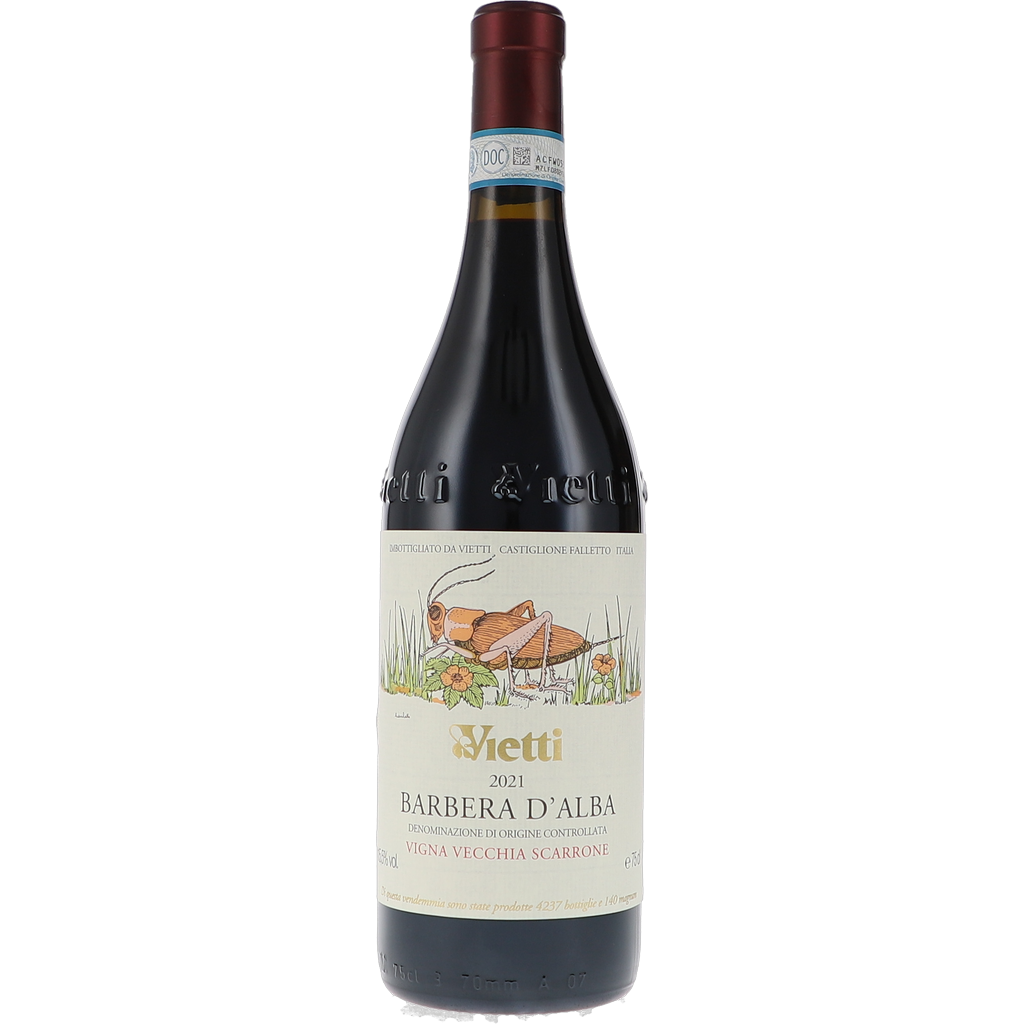
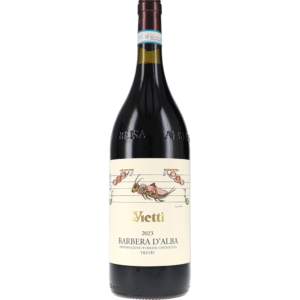
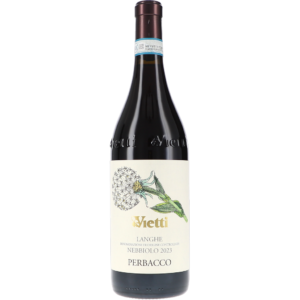
In 1970, Alfredo and Luciana Currado sat at a table in the Langhe with artist friends, and by the end of the evening the idea had formed to have them design the labels. Since 1974, these have featured original works, among others by the painter Claudio Bonichi, the sculptor Pietro Cascella and the filmmaker Pier Paolo Pasolini.
Alfredo Currado's decisions
In 1961, Alfredo Currado vinified the grapes of individual vineyards separately. The Rocche di Castiglione and the Barbaresco Masseria became the region's first cru wines; bottling single vineyards separately is now standard practice in Piedmont.
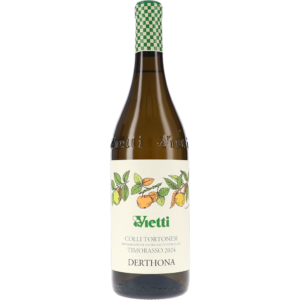
Six years later, he turned to Arneis, an old white variety that had almost disappeared at the time, and vinified it as a single varietal for the first time. The Roero Arneis became the region's most successful white wine, and Currado went down in history as the father of Arneis. The white wines today come from the Timorasso grape, as Timorasso Derthona and as Boscogrosso.
Nine crus and old vines
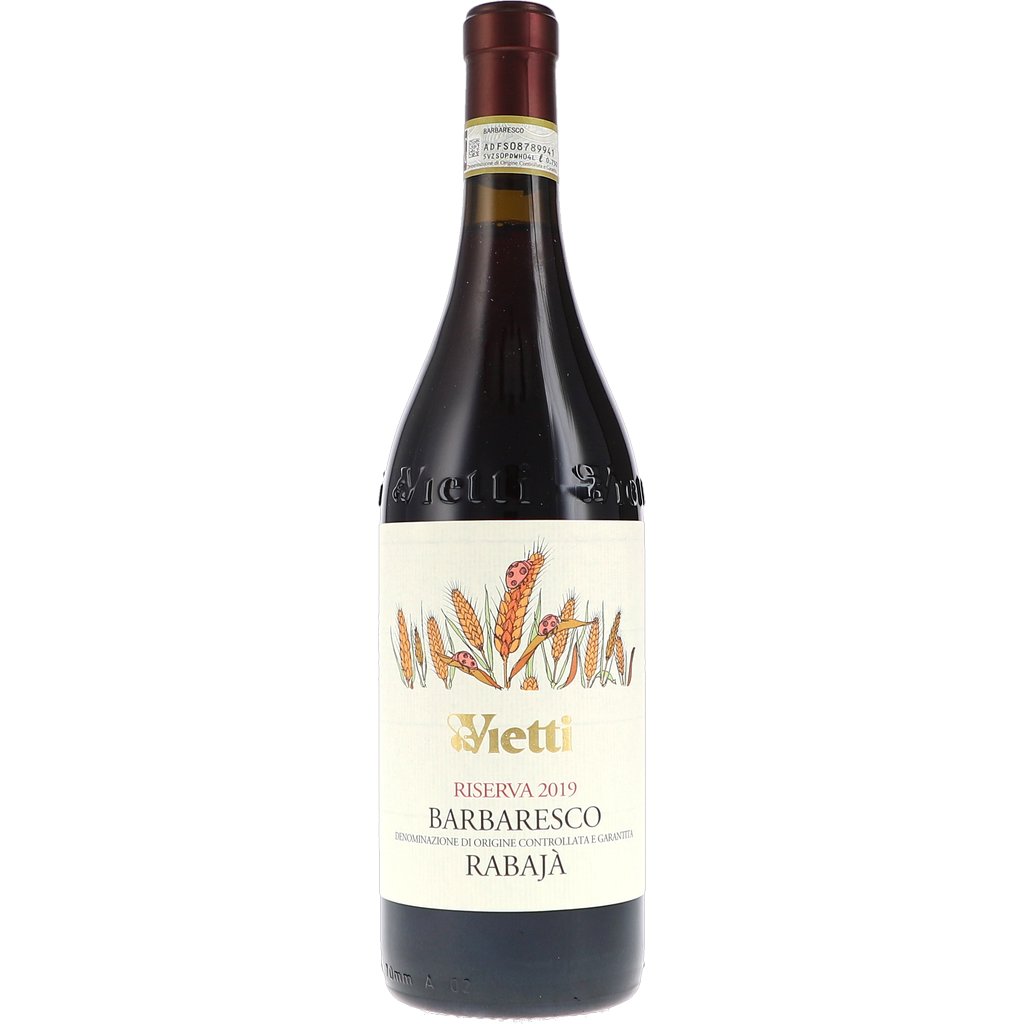
The 75 hectares lie across sites such as Brunate, Cerequio, Lazzarito, Ravera, Monvigliero and Villero. The Barolo Riserva Villero comes from a plot of a little over one hectare in Castiglione Falletto, facing south and southwest, with a very high clay content; the vines average 47 years of age and are planted at a density of 4200 vines per hectare. For the Barbaresco Rabajà Riserva, the grapes come from the Rabajà vineyard in the municipality of Barbaresco, from limestone-and-clay soil between 235 and 315 metres, where the vines average 51 years of age.
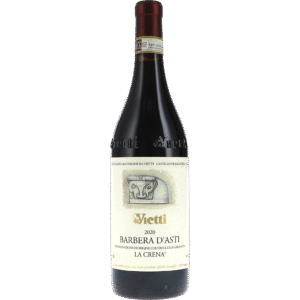
Below the winery, the terraced Scarrone site slopes down to the east-northeast, on calcareous marl. The oldest plot was planted in 1918 and yields the Barbera d'Alba Scarrone Vigna Vecchia, whose concentration comes from the low yield of these vines. The Barbera d'Asti La Crena grows on eight hectares in Agliano Terme, south-facing, also on calcareous marl; the oldest part of the vines there was planted in 1932.
In the cellar: maceration and large casks
The Nebbiolo ferments in steel tanks on the skins, with regular pumping-over and a cold maceration before and after fermentation, during which the cap remains submerged according to the traditional method. For the Rabajà, alcoholic fermentation lasts about three weeks, while for the Villero the juice remains on the skins for around four months. Malolactic fermentation takes place in used barriques, after which the wines age for about 30 months in large oak casks. The Barbera from Scarrone ferments for about two weeks in open stainless steel vats, with malolactic fermentation then following in small oak barrels.