France organizes its winegrowing into regions, each with its own grape varieties and its own hierarchy of sites. Pinot Noir and Chardonnay define Burgundy, Riesling and Pinot Gris Alsace, Chenin Blanc the Loire, Chardonnay and Pinot Meunier Champagne, while in the south Syrah, Grenache and Carignan dominate. The estates work organically or biodynamically, with spontaneous fermentation, lees ageing and restrained use of sulphur.
Regions and grape varieties
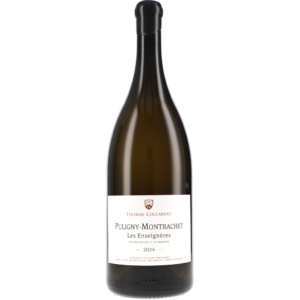
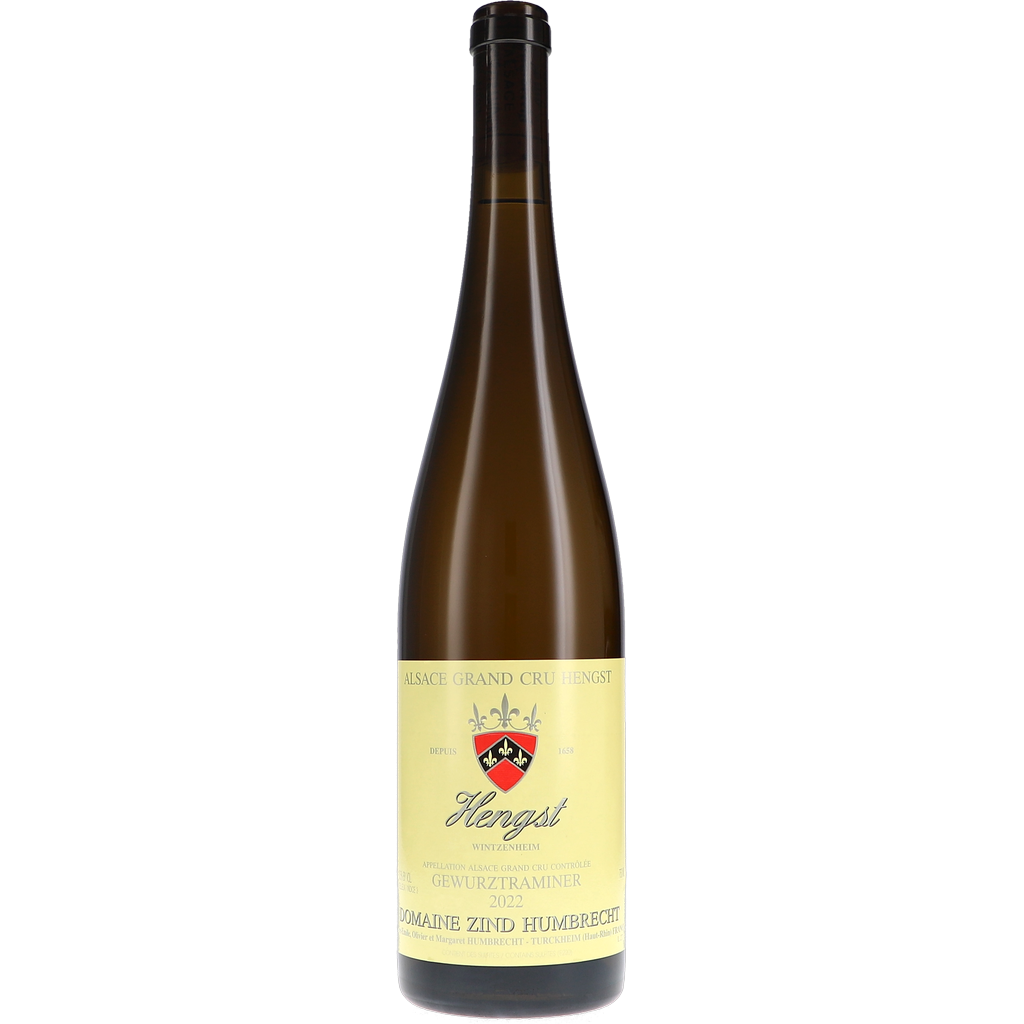
In Burgundy, the villages of the Côte de Nuits and Côte de Beaune follow one another, from Marsannay and Gevrey-Chambertin to Meursault, Chassagne-Montrachet and Santenay; Pinot Noir and Chardonnay share these slopes, while further south in the Mâconnais, Chardonnay from Vinzelles joins them. In Alsace, Riesling and Pinot Gris grow in the grand cru sites Rangen de Thann, Schlossberg and Furstentum.
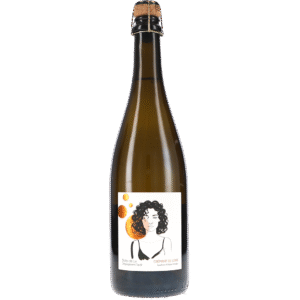
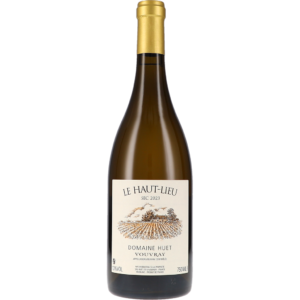
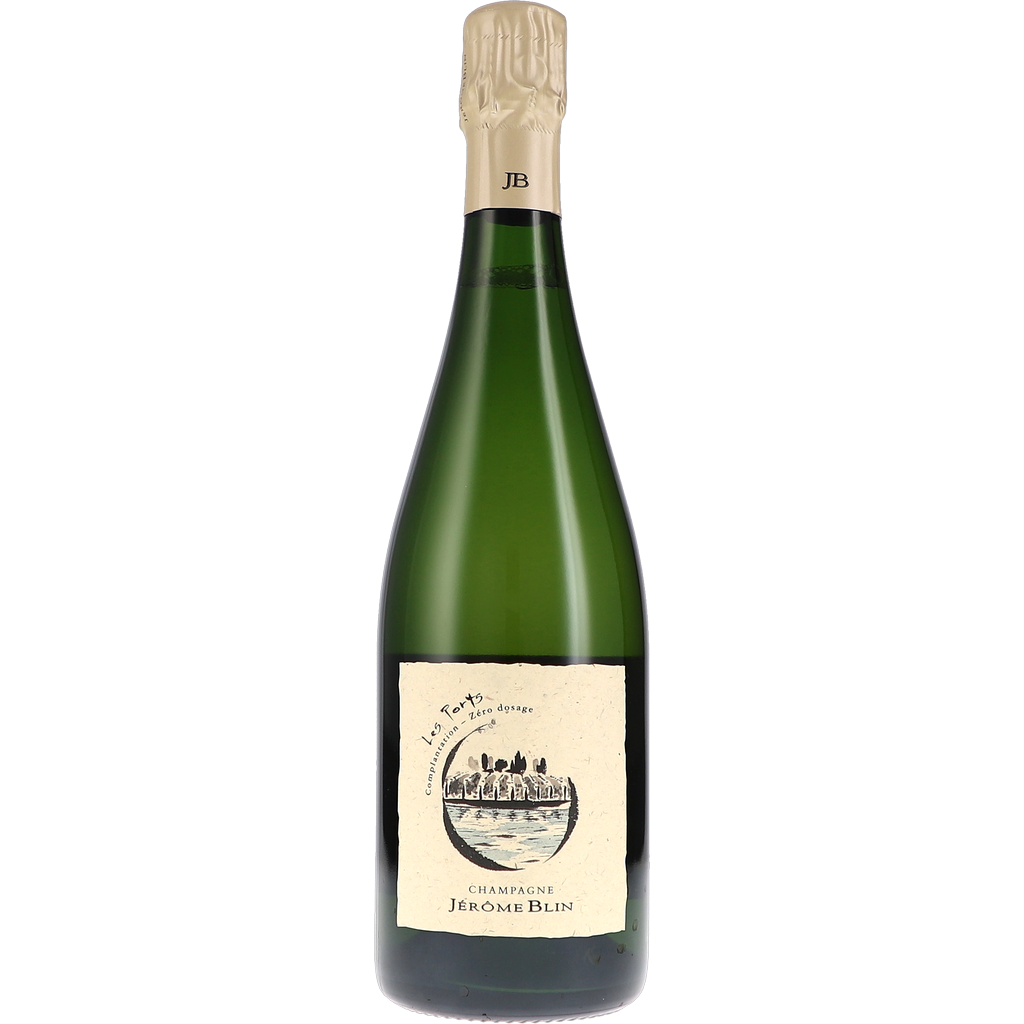
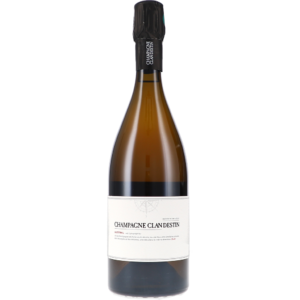
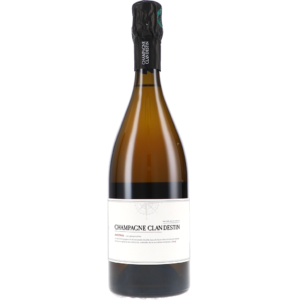
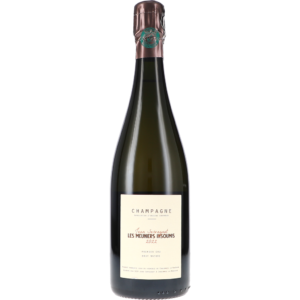
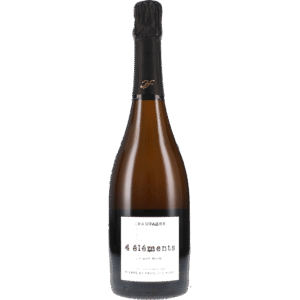
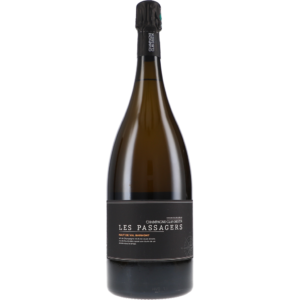
On the Loire, Vouvray belongs to Chenin Blanc, which there ranges from bone-dry Sec to honeyed Moelleux. Champagne brings together Chardonnay, Pinot Noir and Pinot Meunier; its Blanc de Blancs comes from the grand cru villages of Avize, Cramant, Oger, Le Mesnil-sur-Oger and Chouilly, while in the Roussillon Grenache and Carignan grow.
Soils and vineyard
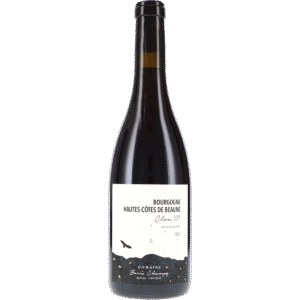
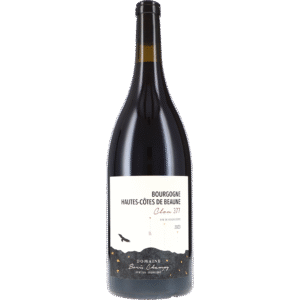
Beneath the lieux-dits of Œuilly and Celles-lès-Condé in the Vallée de la Marne lie flint, chalk and limestone; in Vertus, chalk yields a Chardonnay of clarity and richness. In Vouvray, the Le Mont site sits above the historic tuffeau cellars, while near Calce, garrigue parcels climb to around 450 metres. In the Hautes-Côtes de Beaune, where altitude becomes an asset amid climate change, biodynamic viticulture has been practised since 1984. In the vineyard this means shallow soil cultivation beneath the row, cover crops between rows, green manuring, herbal treatments and pruning according to the Poussard method.
Winemaking in the cellar
A Bourgogne Chardonnay from parcels in Chassagne-Montrachet, the Mâconnais and the Chalonnais ferments with its own yeasts in barrel and tank and undergoes malolactic fermentation naturally. Without bâtonnage, it remains on the lees, receiving sulphur only in the final six months, up to a maximum of 35 milligrams per litre. In Meursault, a single pressing takes six hours, sometimes twelve. In Calce, the wines have been made without added sulphur since 2015, fermented spontaneously, often with whole clusters and unfiltered. In Champagne, each parcel is harvested separately and aged in Burgundian barrels, without pumping and without dosage.
The estates
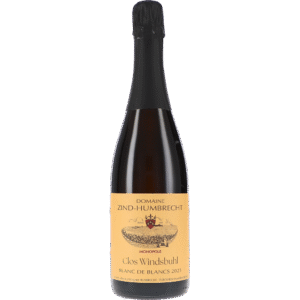
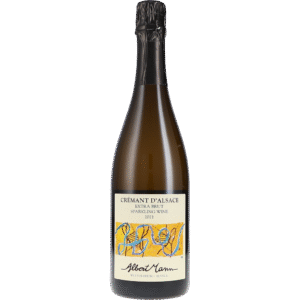
Zind-Humbrecht developed its biodynamic approach through the study of cow manure, while Albert Mann in Wettolsheim is run by Jacky Barthelmé with his son Antoine across 25 hectares in six grand cru sites. Hubert Lignier crafts his Clos de la Roche from vines planted in 1955, Trapet Père & Fils works in Gevrey-Chambertin, and Bruno Clair farms 27 hectares across eight villages from Marsannay-la-Côte. In the Côte de Beaune are Rémi Jobard in Meursault, Rougeot Père & Fils under Pierre-Henri Rougeot, Henri & Gilles Buisson in Saint-Romain and Santenay, and Boris Champy in the Hautes-Côtes de Beaune. La Soufrandière in Vinzelles traces back to the Les Quarts site acquired in 1947, Huet has worked Chenin Blanc in Vouvray since 1928 and has been Demeter-certified since 1993, and Matassa in Calce vinifies Carignan from vines planted in 1900.