Italy stretches from the edge of the Alps to the shores of the Mediterranean, and across that span, soils and grape varieties shift from region to region. Nebbiolo in Piedmont, Sangiovese in Tuscany, Carricante and Grillo in Sicily, Teroldego in Trentino: each of these varieties reflects its own structure of rock and climate. The estates work organically and biodynamically, from Castiglione Falletto to Mount Etna.
Soils and sites
The hills of the Langhe in Piedmont carry marl-rich soils. In Starderi, near Neive, the earth is clayey and soft. In Montalcino, the vines grow on marl sixty million years old; the south-facing slopes of Col d'Orcia sit at 250 metres on a hill overlooking the Orcia river. In South Tyrol, plots lie between 320 and 380 metres on yellow-to-red clay soil with high mineral content. In the Marano valley in the Veneto, 29 hectares of hillside are terraced, while in Sicily the vineyards spread across Etna and nine contrade around Vittoria.
Grape varieties and appellations
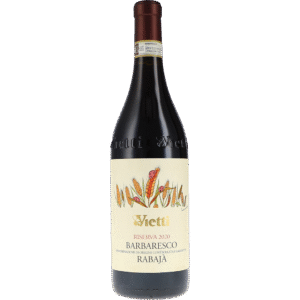
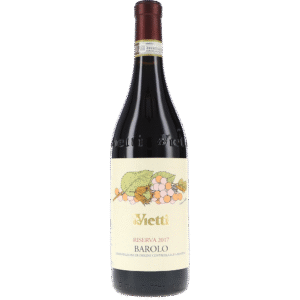
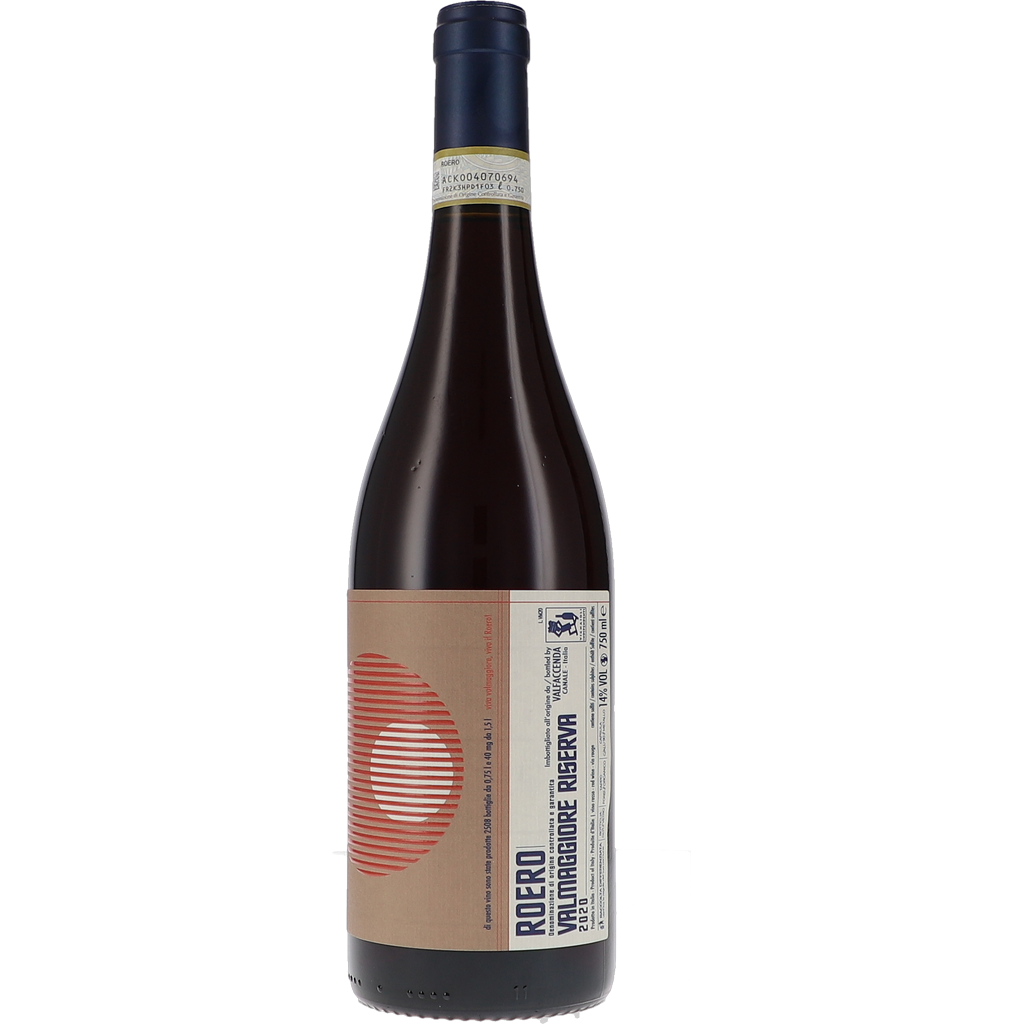
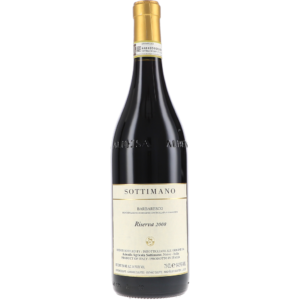
Nebbiolo defines the north-west, appearing as Barolo DOCG, Barbaresco DOCG, Roero DOCG and Langhe Nebbiolo DOC, alongside Barbera d'Alba. In Tuscany, Sangiovese yields Brunello di Montalcino DOCG and Rosso di Montalcino DOC, while Cabernet Franc, Syrah and Canaiolo fall under Toscana IGT. In the Veneto, Corvina, Corvinone and Rondinella produce Valpolicella Classico Superiore DOC and Amarone della Valpolicella DOCG, and Glera yields Valdobbiadene Prosecco DOCG. Teroldego comes from Trentino as Vigneti delle Dolomiti IGT, Vernatsch from South Tyrol. In Sicily, Carricante appears in Etna Bianco Superiore DOC, while Frappato and Nero d'Avola make up Cerasuolo di Vittoria DOCG.
Cellar work
For the Langhe Nebbiolo, a vineyard was planted with "fasce di rispetto" — rows bordering plots farmed non-organically by other producers; ageing lasted 14 months in second-fill French barriques. Nebbiolo from Starderi ferments for two months in concrete with a submerged cap, is pressed in a basket press, and rests for at least two years in large casks, unfiltered and unfined. In South Tyrol, Chardonnay and Pinot Noir destined for a Metodo Classico ferment spontaneously in used wood.
The estates
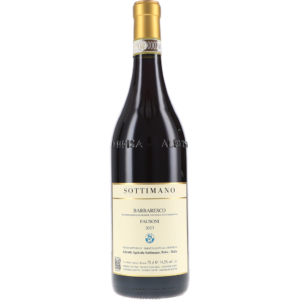
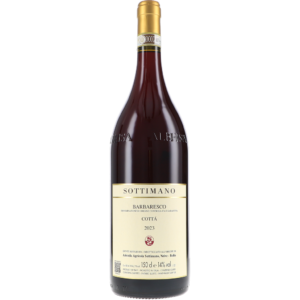
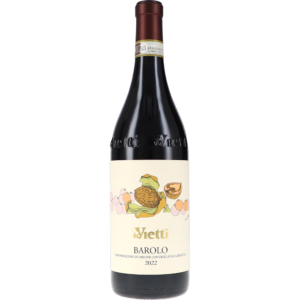
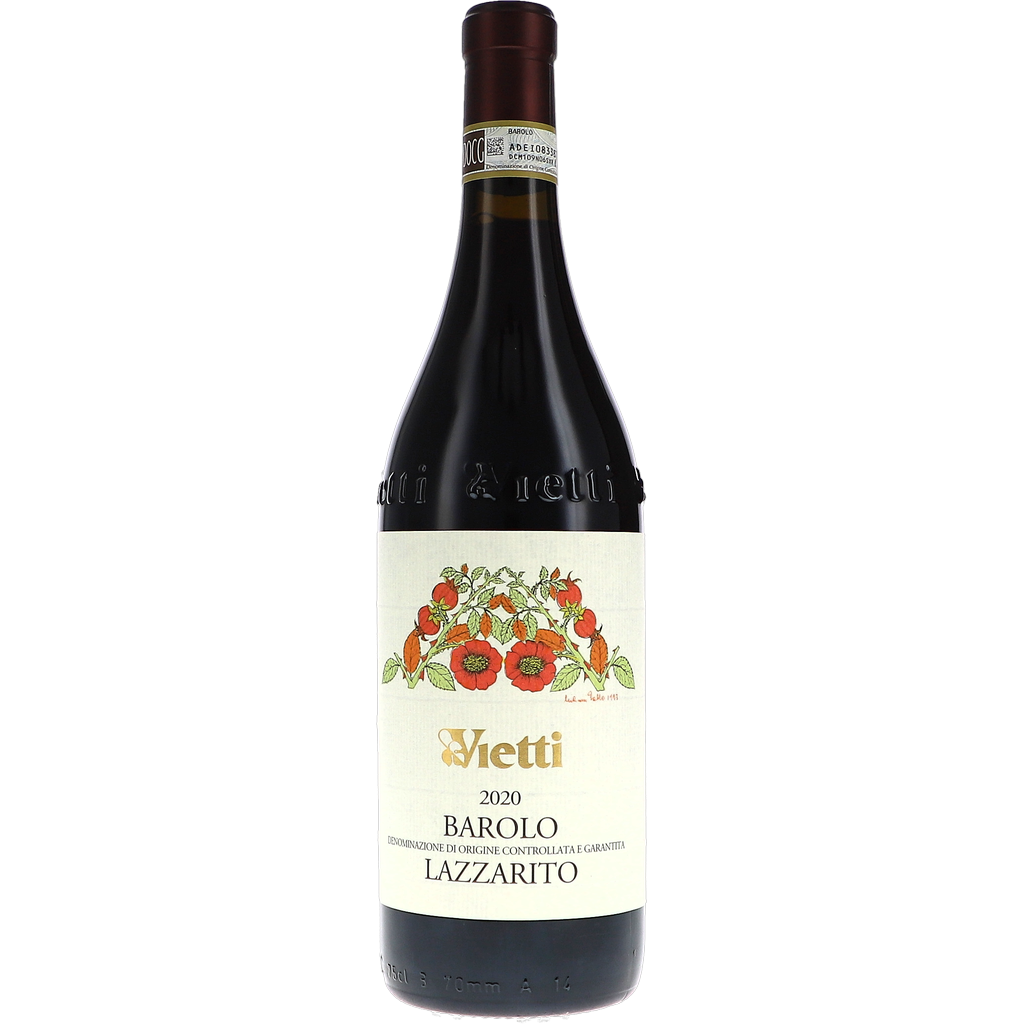
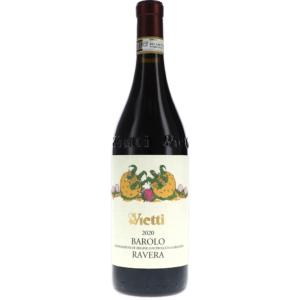
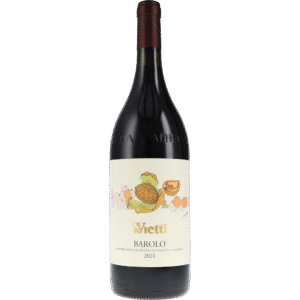
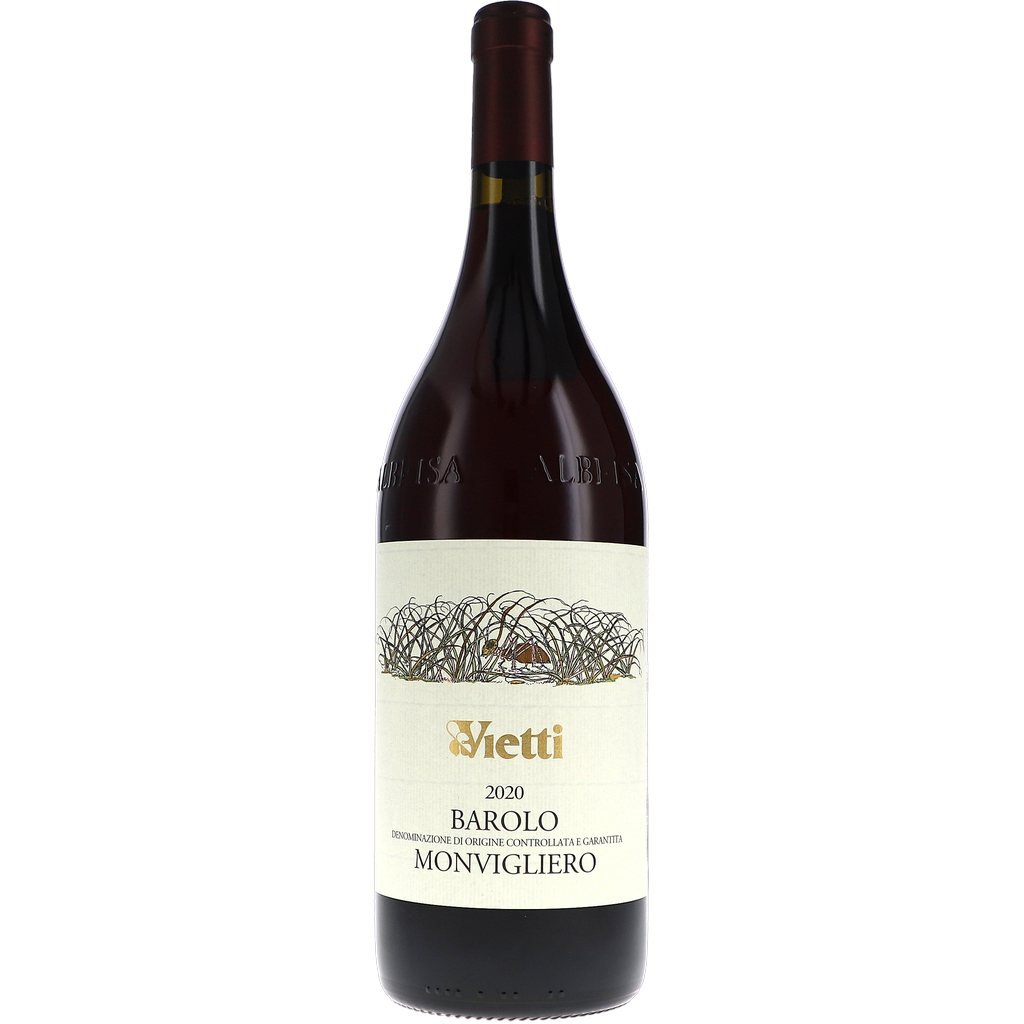
Vietti has combined winegrowing and art in Castiglione Falletto since 1873, with filmmakers, sculptors and painters designing its labels. In Neive, Andrea Sottimano lets the must sit for forty days. Chiara Boschis of E.Pira & Figli cut green grapes from her rows at night in 1994. Elisabetta Foradori took over the family estate in Trentino in 1984, at twenty, fresh out of her studies in San Michele. Michael Graf Goëss-Enzenberg has run Manincor since 1991; the name means "hand on heart".
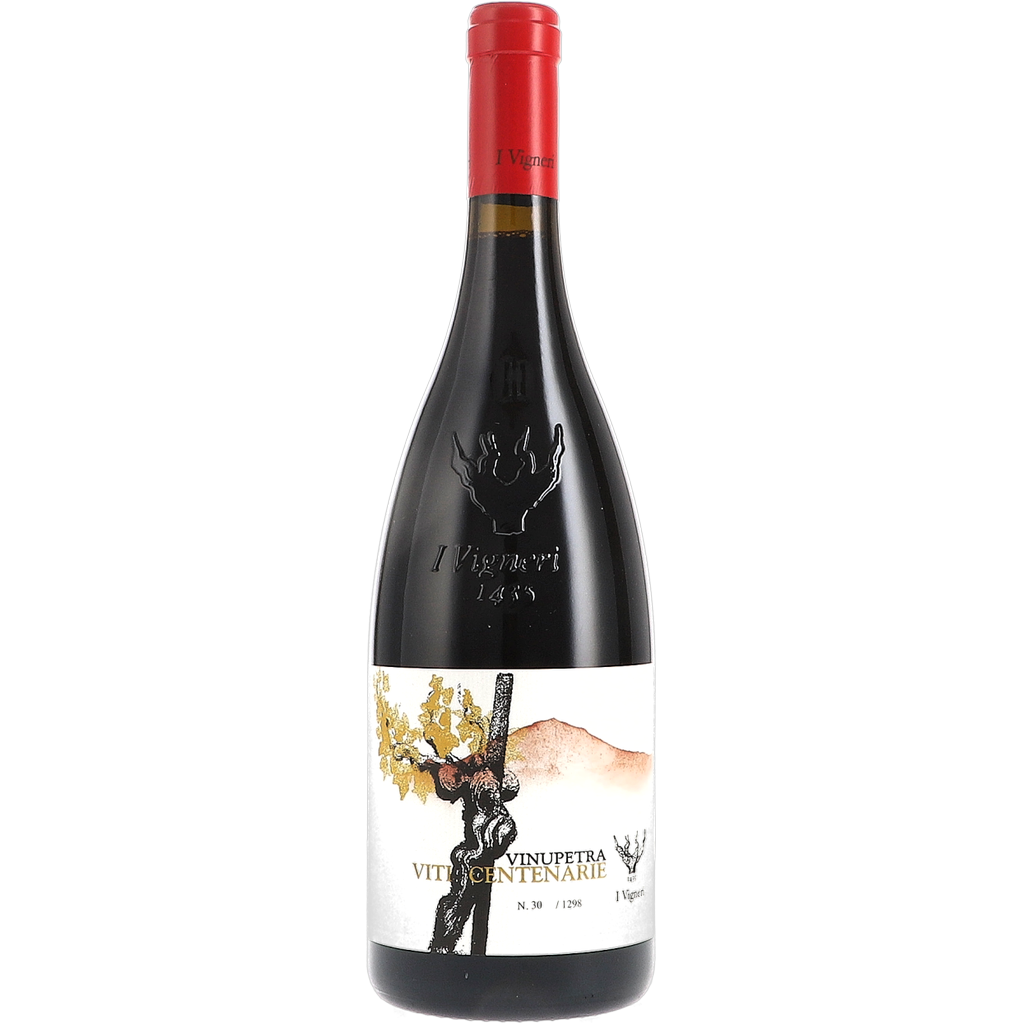
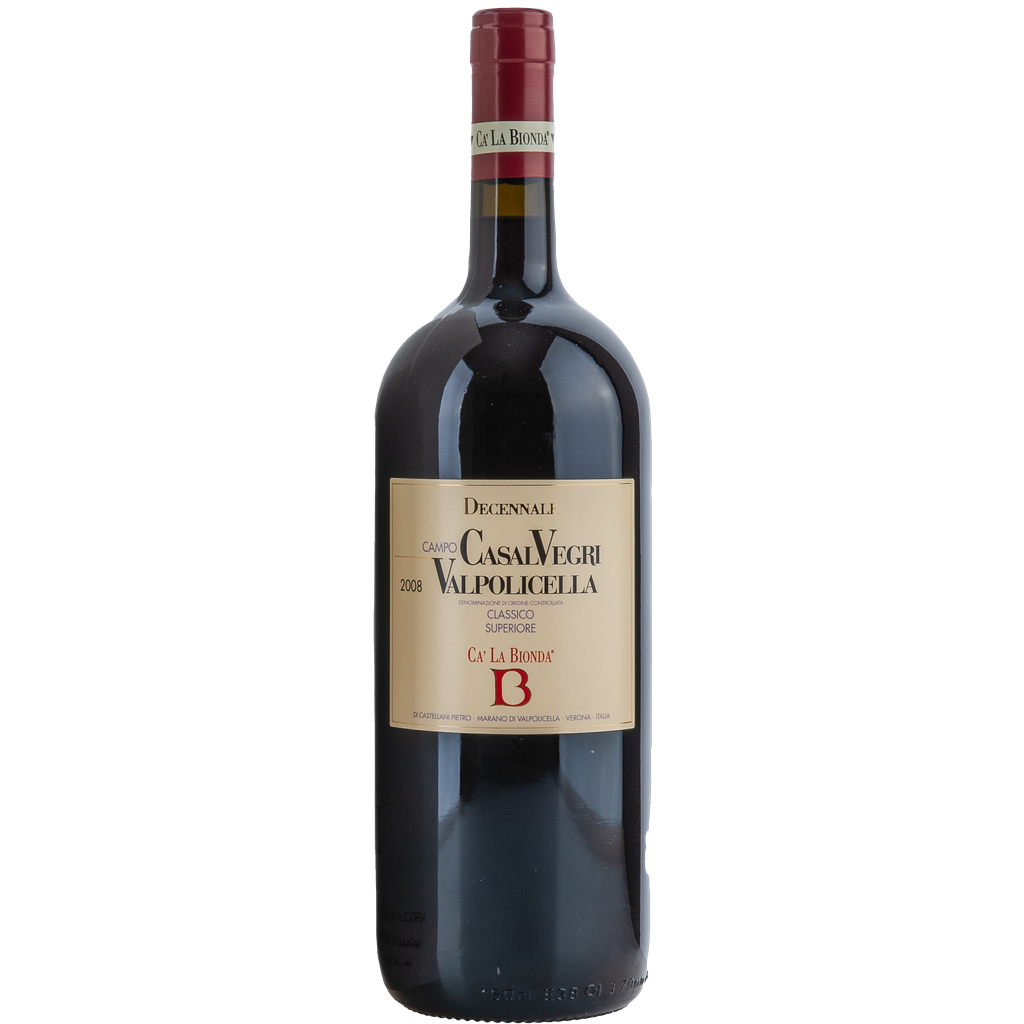
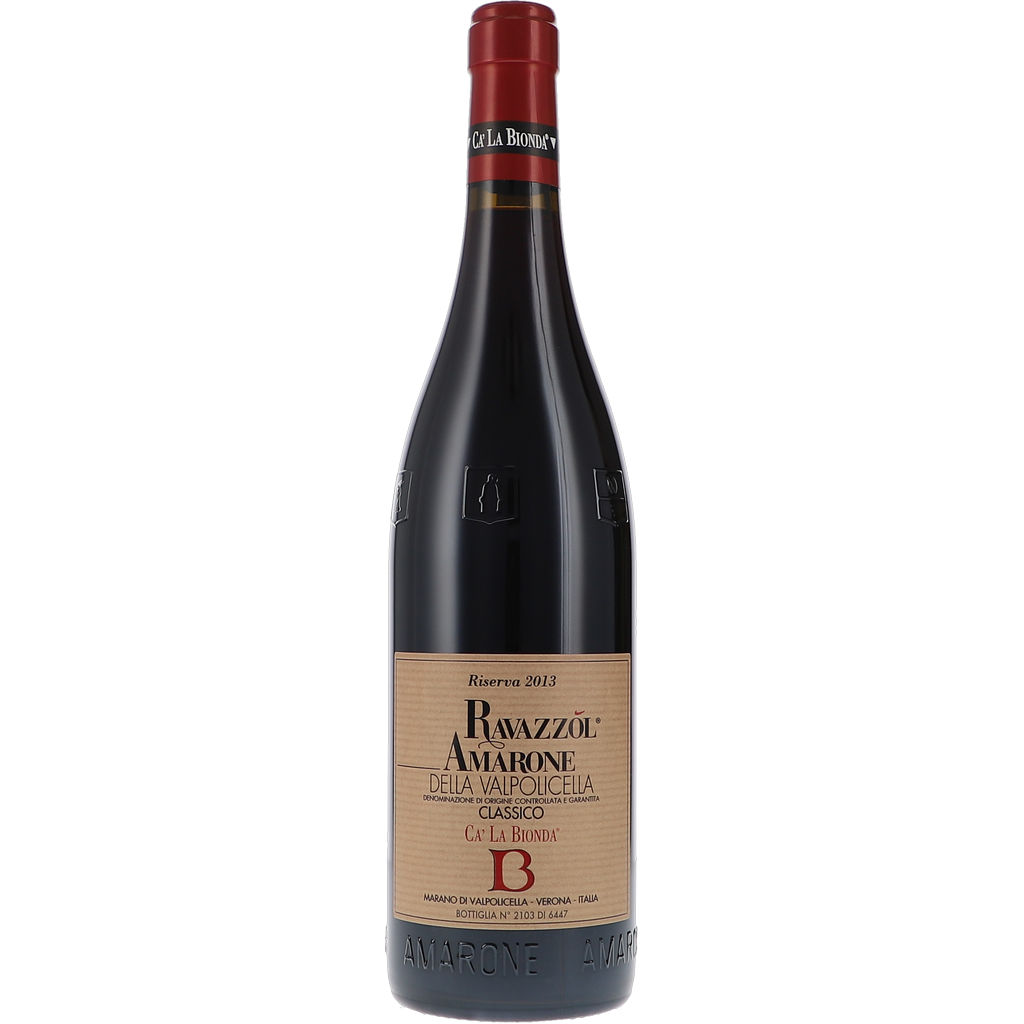
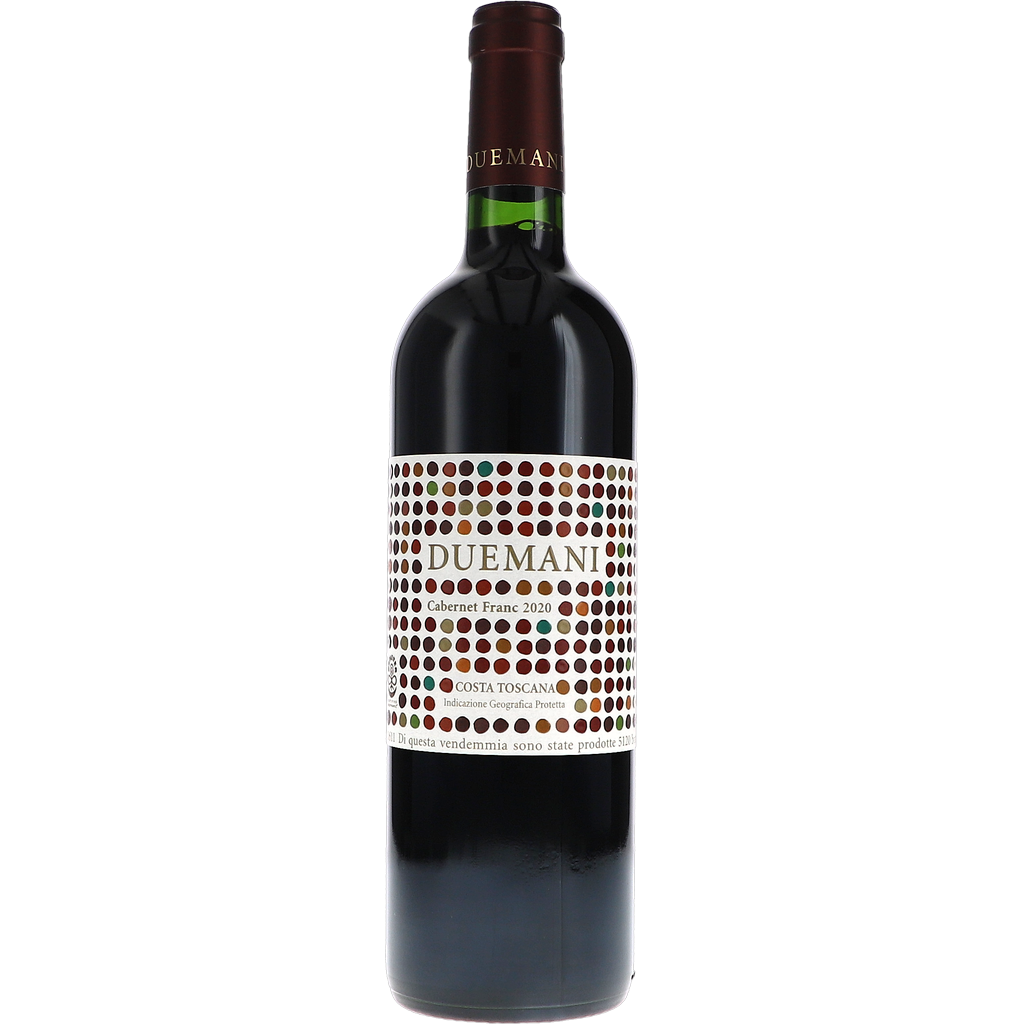
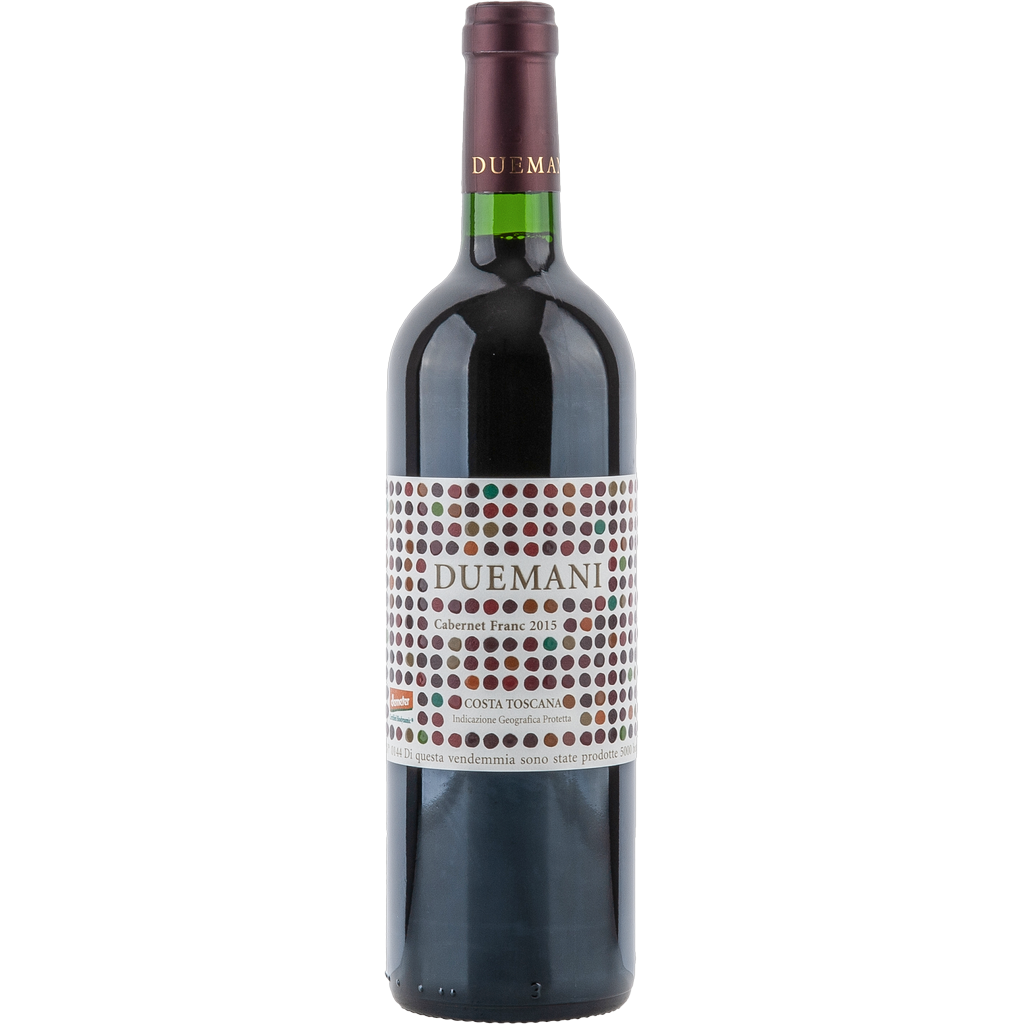
Duemani was founded in 2000 near Riparbella by Elena Celli and Luca D'Attoma, Podere Salicutti has farmed organically in Montalcino since 1990, and Col d'Orcia is led jointly by Santiago and Francesco Marone Cinzano. On Etna, Salvo Foti upholds centuries-old methods with I Vigneri, while Marco de Bartoli revolutionised Sicily's Marsala. Cà la Bionda is run by Alessandro and Nicola Castellani in the fourth generation, and Arianna Occhipinti has farmed her 42 hectares around Vittoria since 2004 without a drop of irrigation.