La Soufrandière
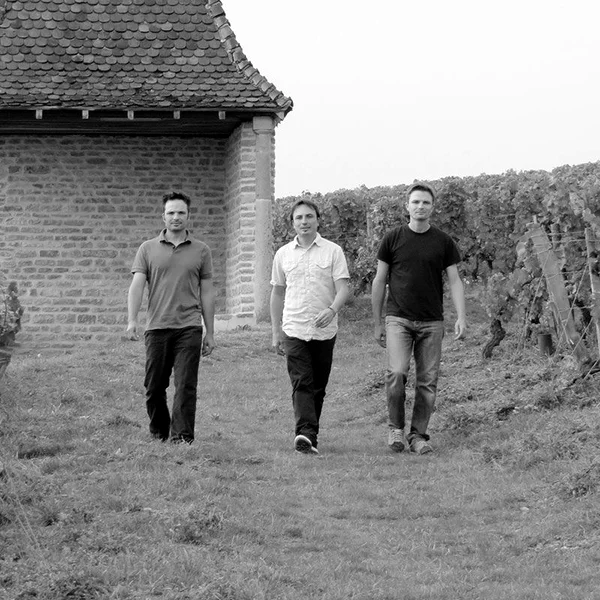
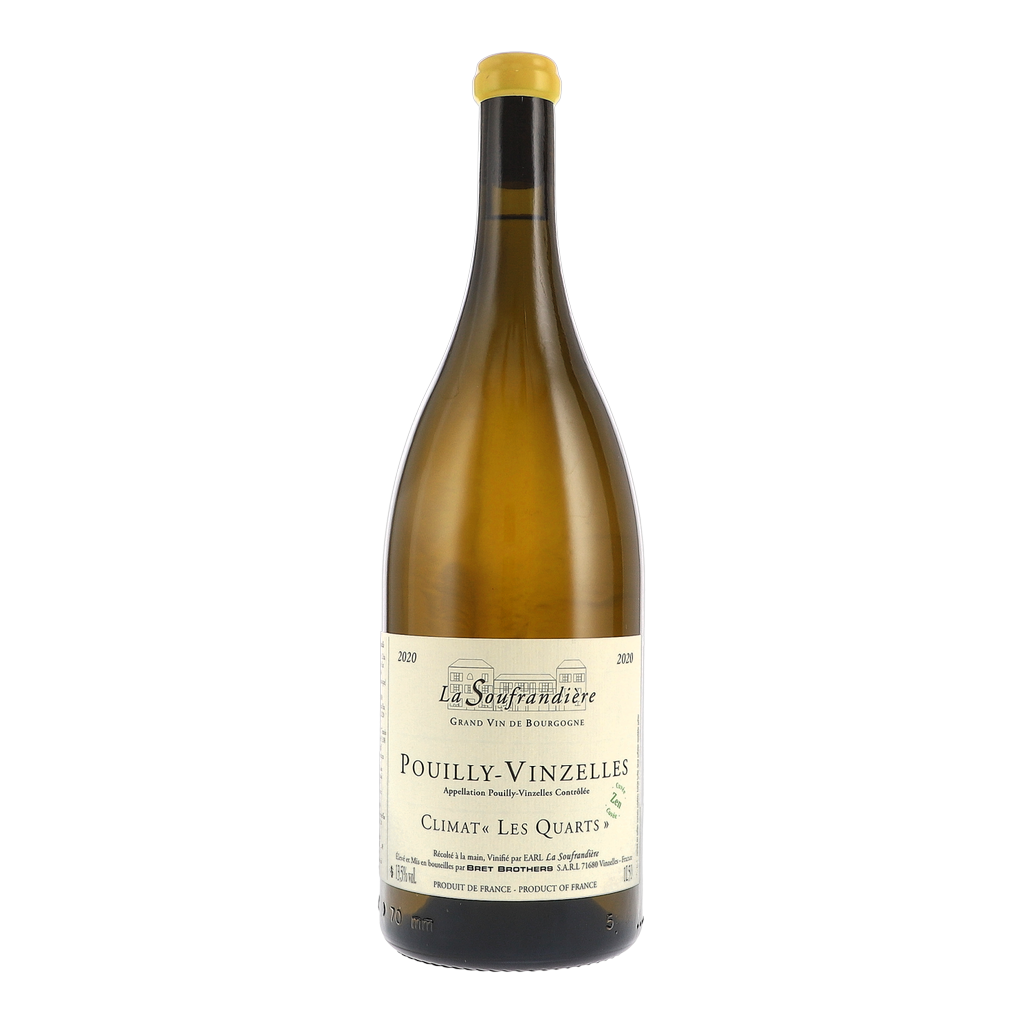
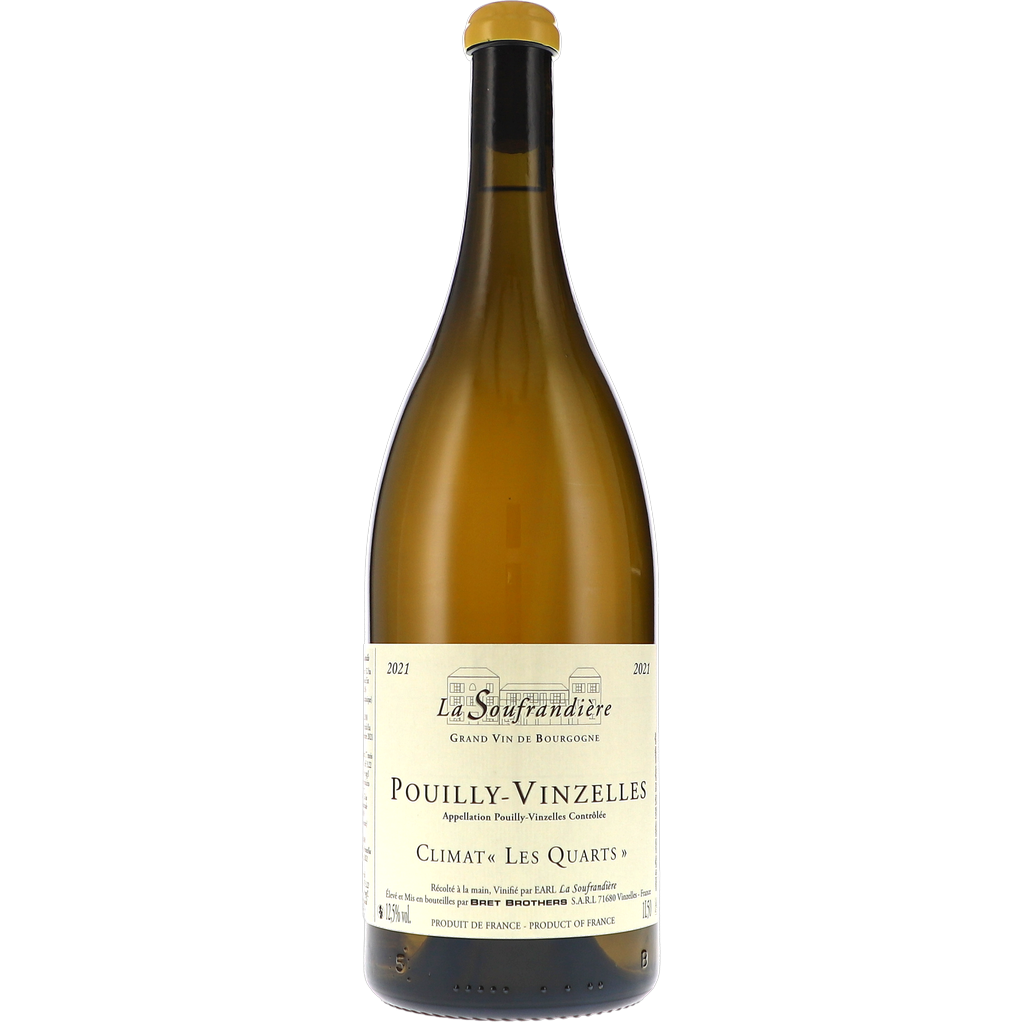
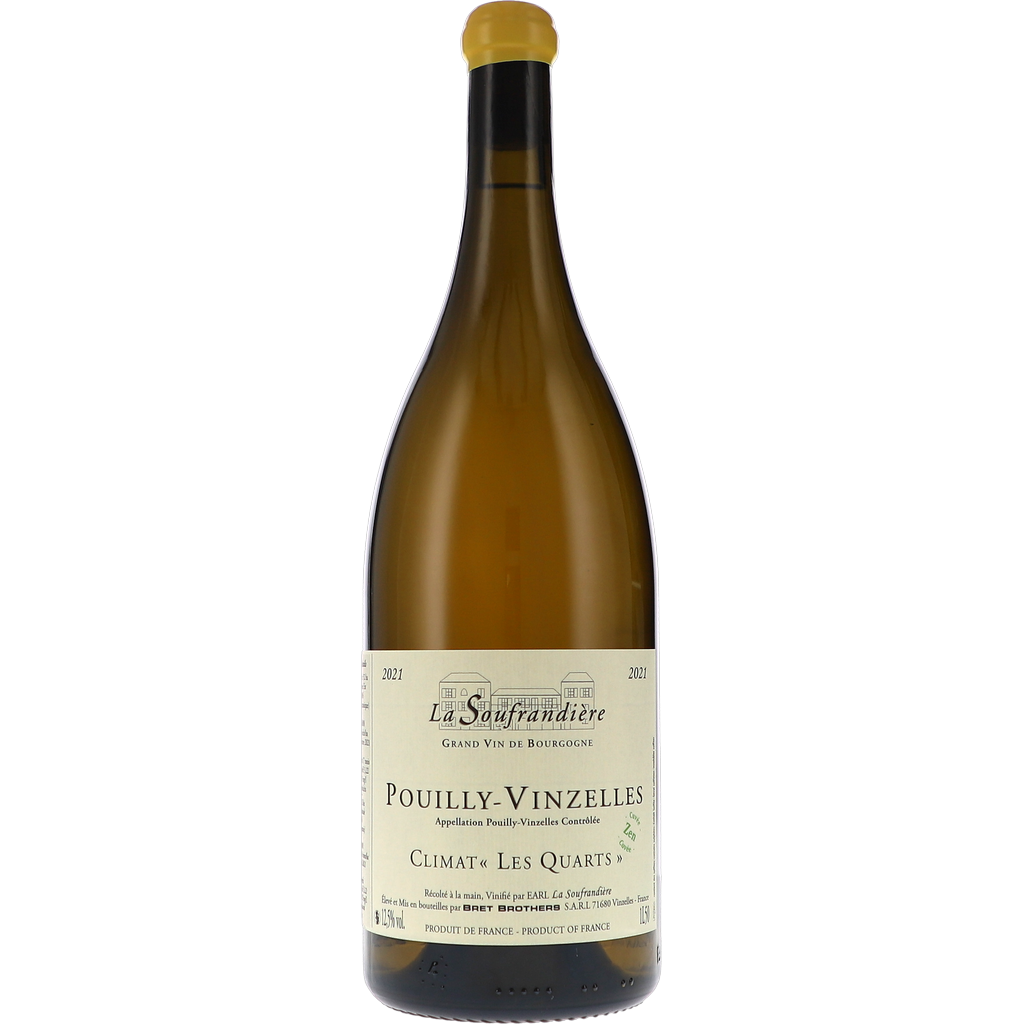
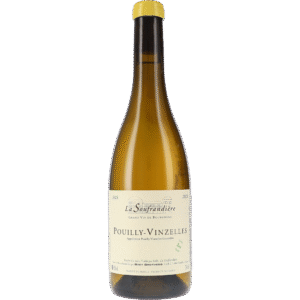
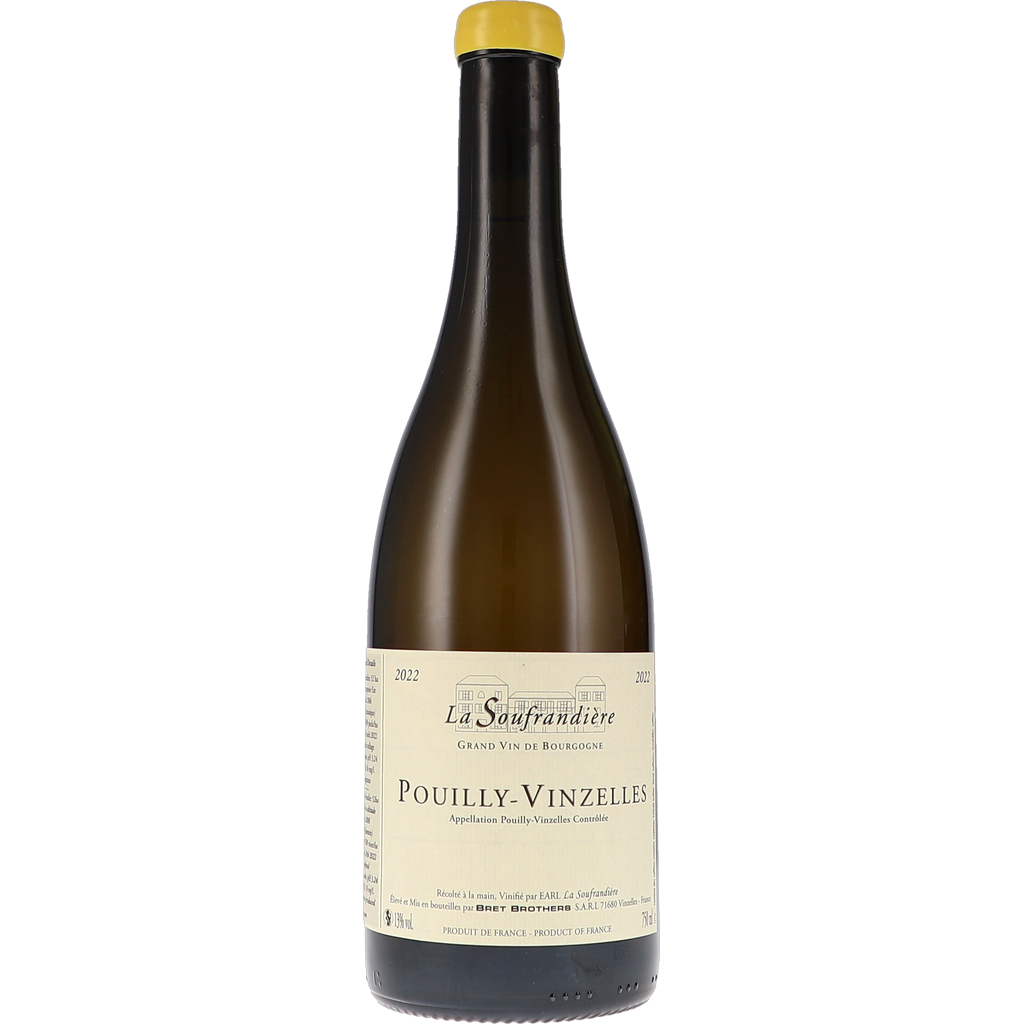
La Soufrandière in Vinzelles farms twelve hectares of Chardonnay in the southern Mâconnais, across the sites of Pouilly-Vinzelles, Pouilly-Fuissé and Saint-Véran. Jean-Philippe and Jean-Guillaume Bret took over the estate in 2000, the third generation to do so, and converted it to organic and later biodynamic viticulture; Ecocert certification has been in place since 2003, the Demeter seal since 2006. Their white wines are made from whole-cluster pressing and spontaneous fermentation, age for a long time on the lees, and are bottled unfiltered. The heart of the estate remains the vineyard where it all began in 1947: one hectare in the climat Les Quarts above Vinzelles.
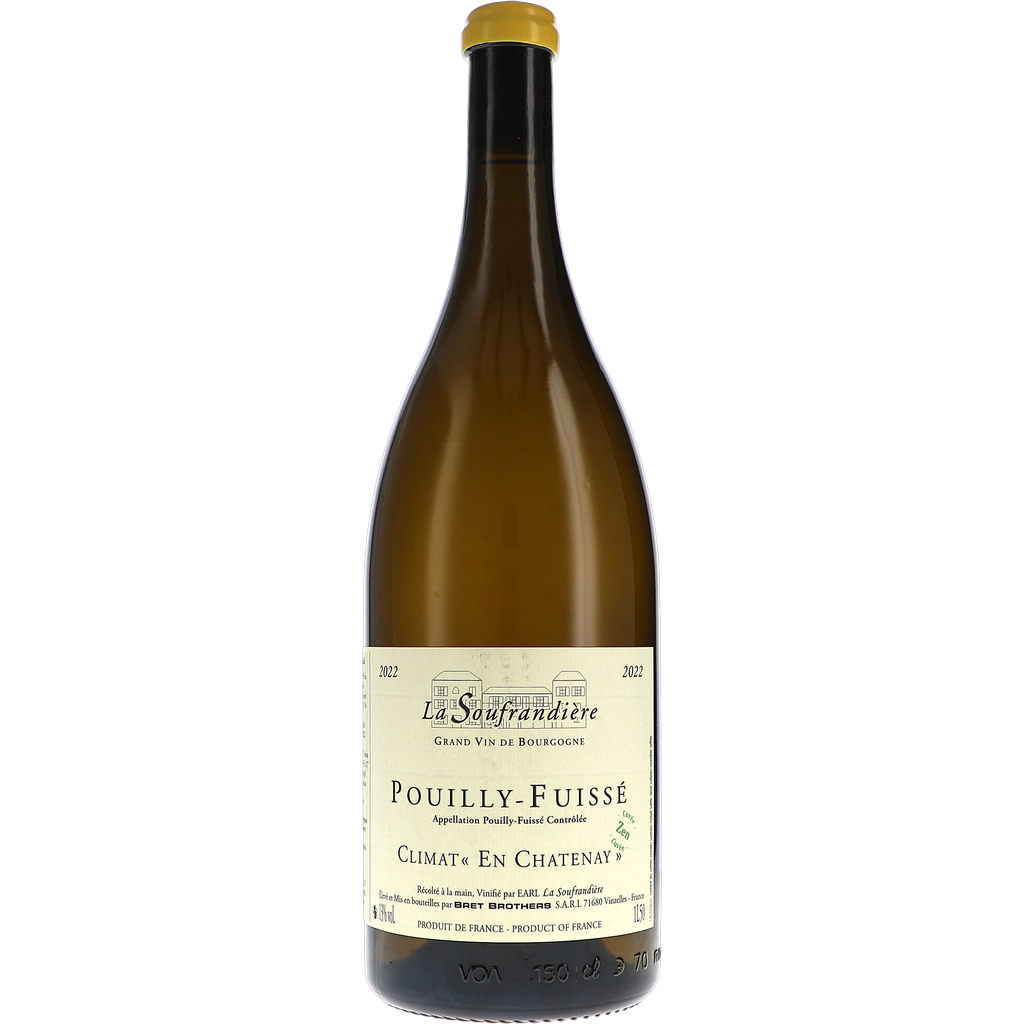
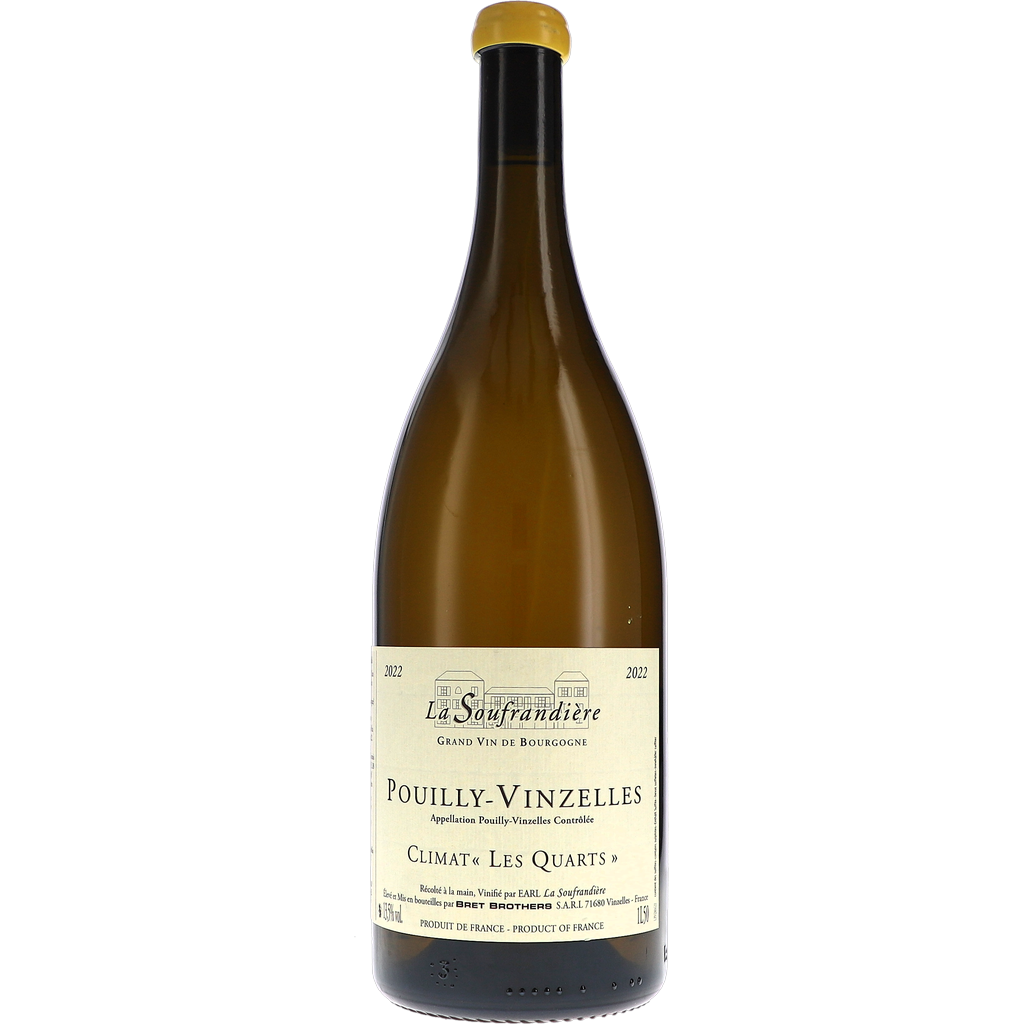
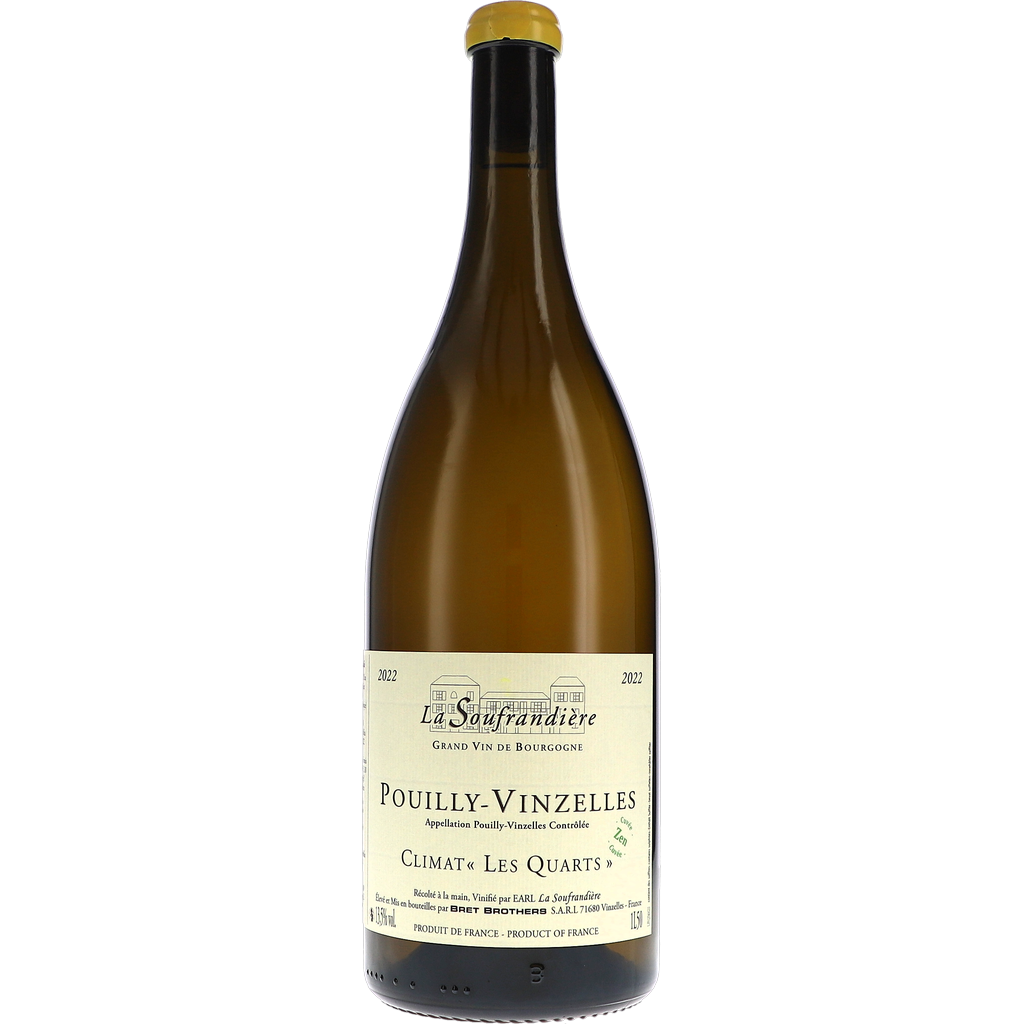
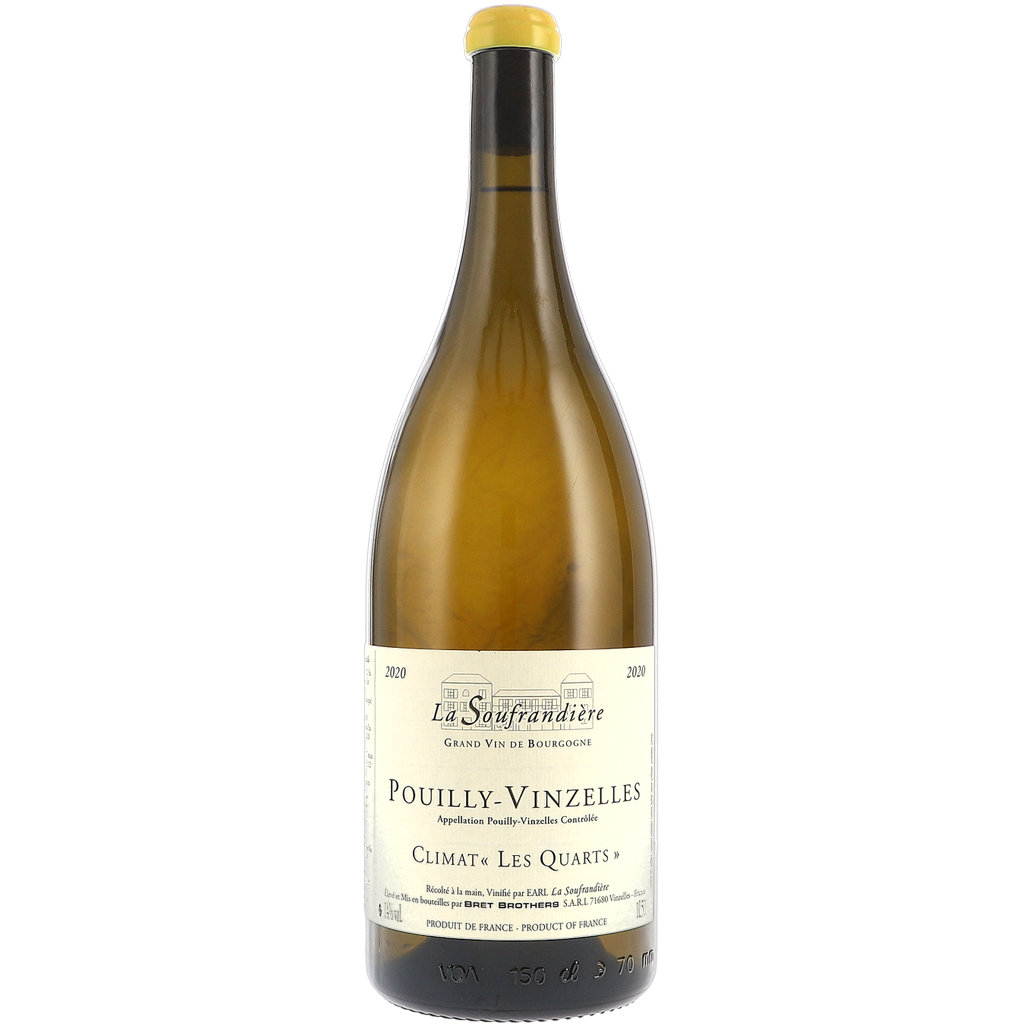
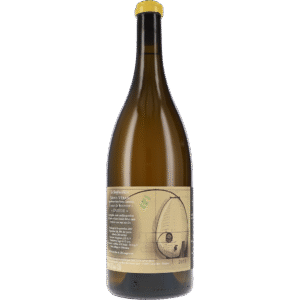
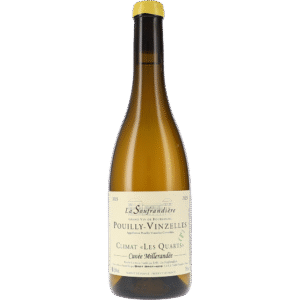
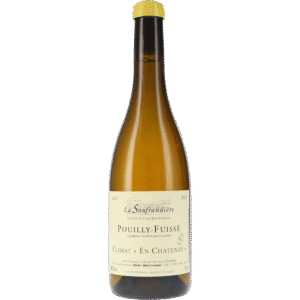
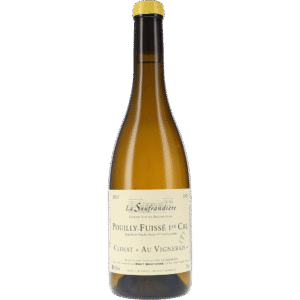
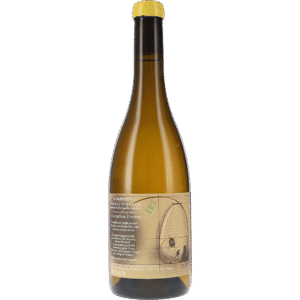
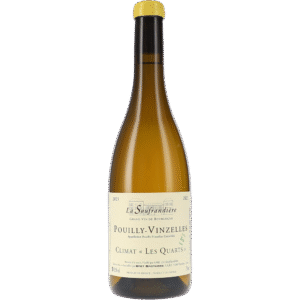
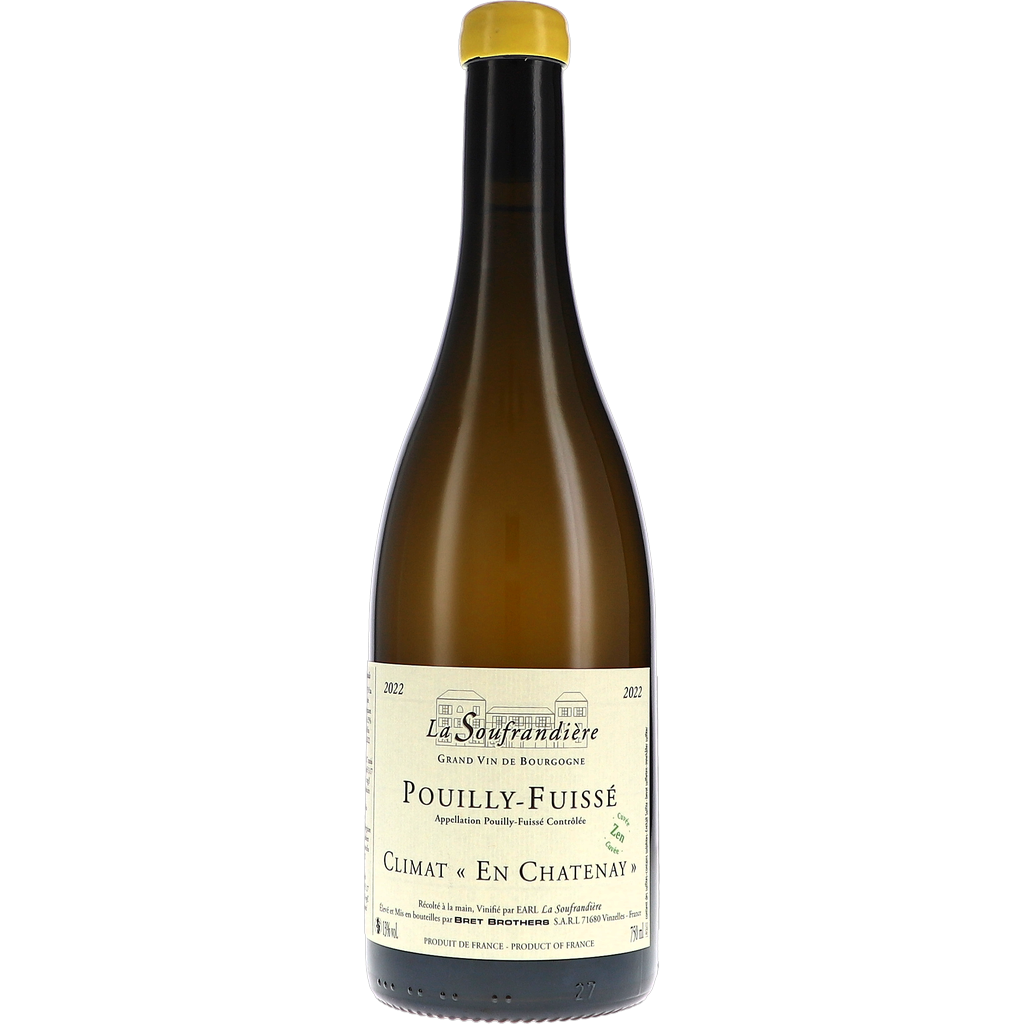
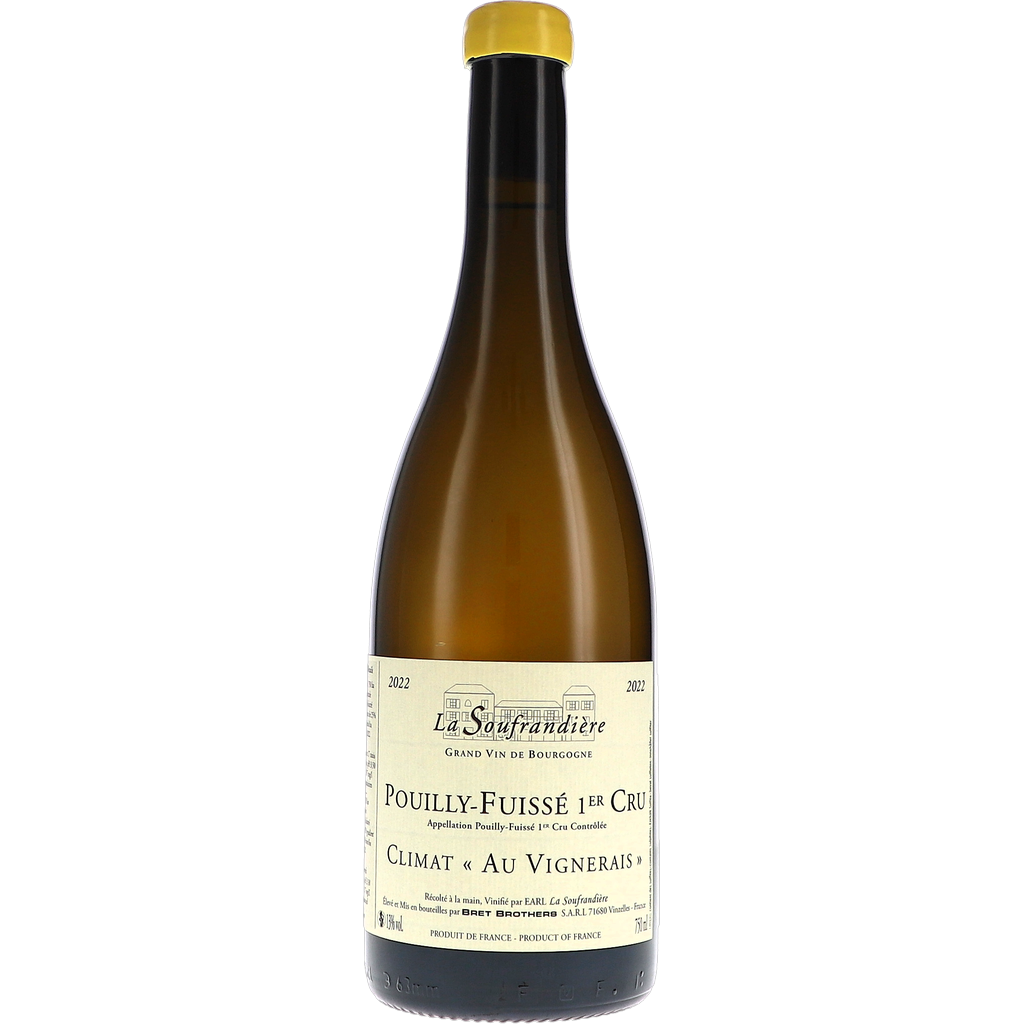
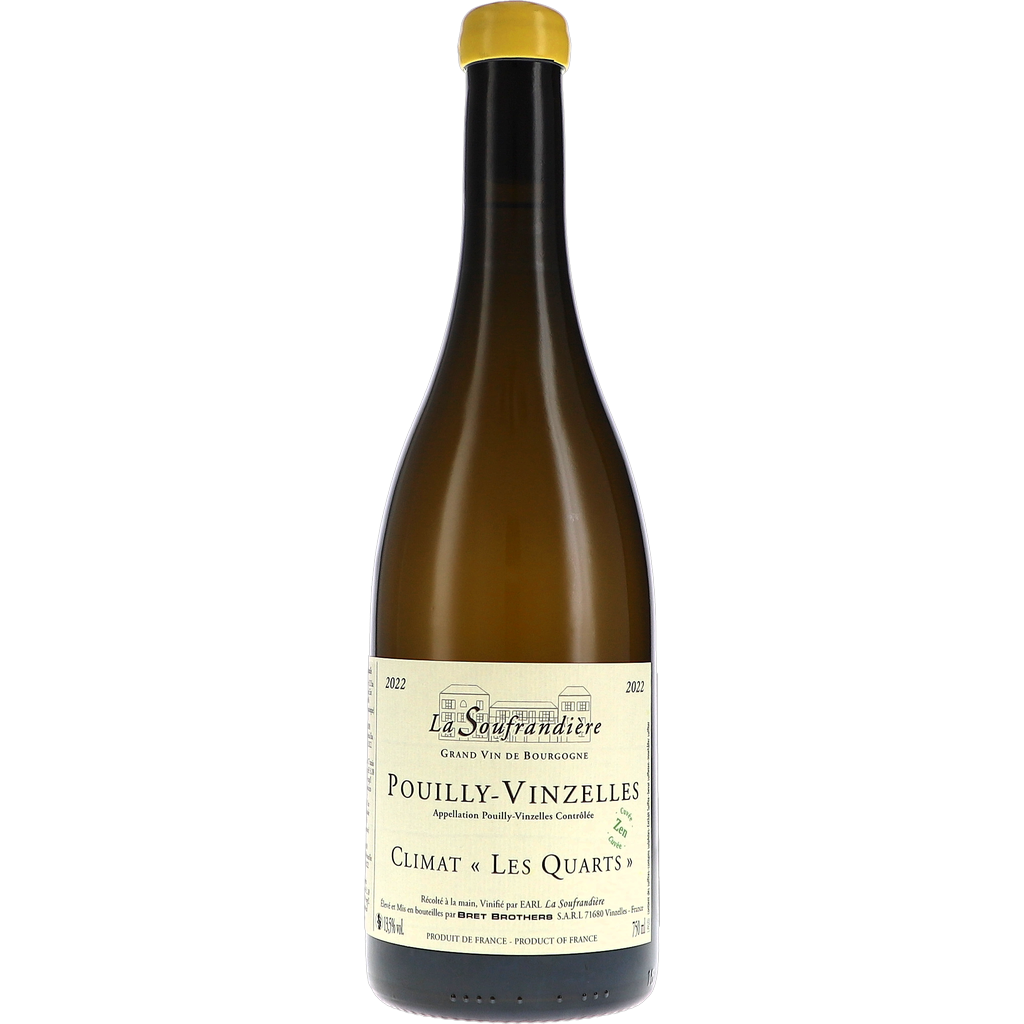
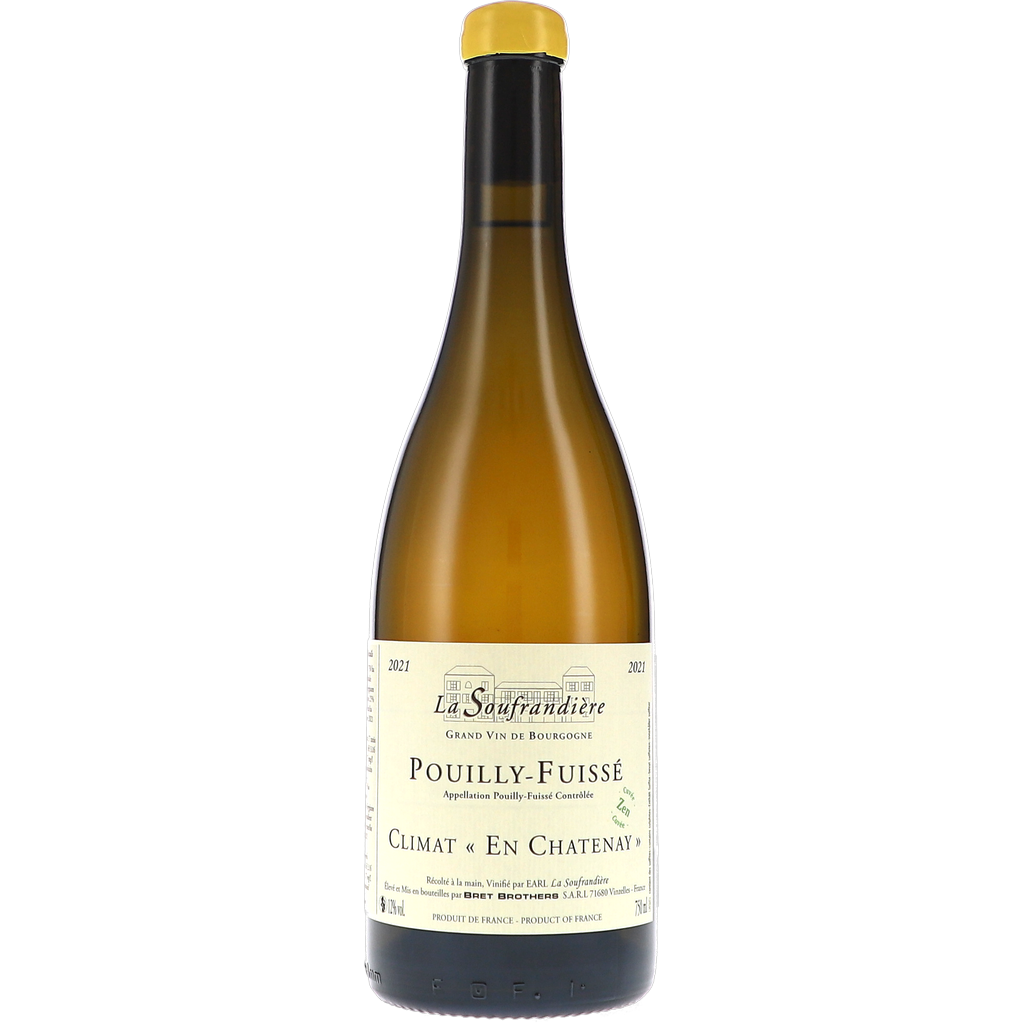
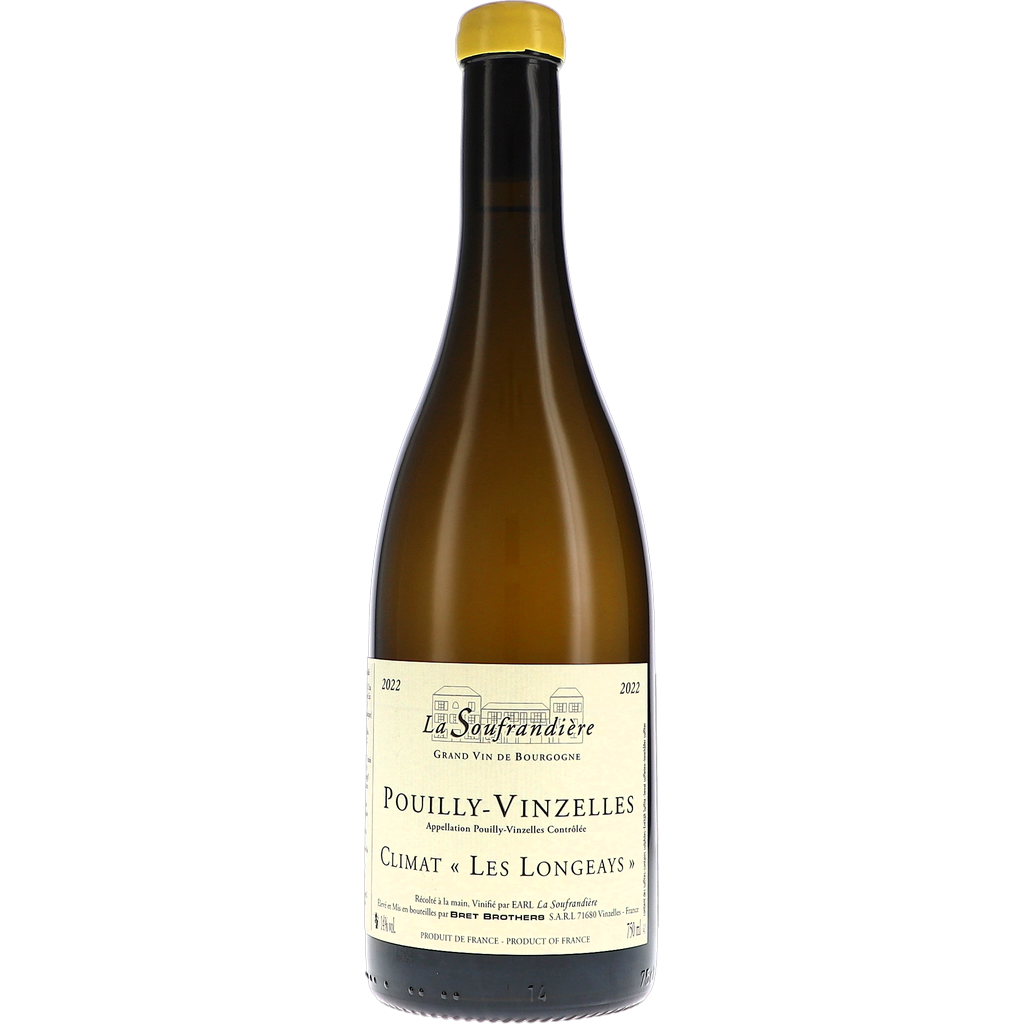
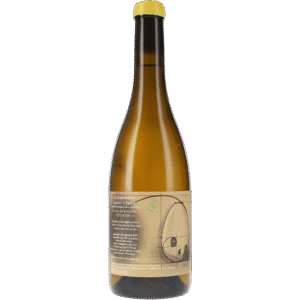
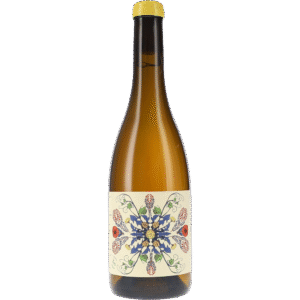
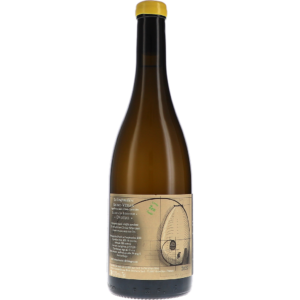
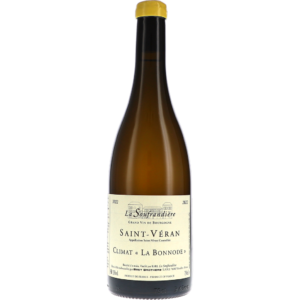
Jules Bret buys one hectare in Les Quarts
In 1947, Jules Bret acquired the estate in Vinzelles along with one hectare of vines in the Les Quarts site. This vineyard remains the core of the property to this day. After the early death of their father, his grandsons Jean-Philippe and Jean-Guillaume Bret took over in 2000 and immediately began the conversion to organic viticulture. From 2010 to 2014, their younger brother Marc-Antoine worked alongside them. Besides La Soufrandière, the two brothers also run the négociant projects Bret Brothers, for Gamay from Beaujolais, and Bret Brothers Mâconnais, for other appellations of the region.
Preparations, horse and the rhythms of the year
The Bret brothers work according to the principles of Rudolf Steiner, using preparations made from cow manure and quartz and following the cosmic rhythms; the soil is treated as a living organism. Since 2003, La Soufrandière has been organically certified by Ecocert, and since 2006 the estate has carried the Demeter seal. Part of the vineyards is worked with a horse, which keeps soil compaction low.
Les Quarts, Les Longeays, La Bonnode
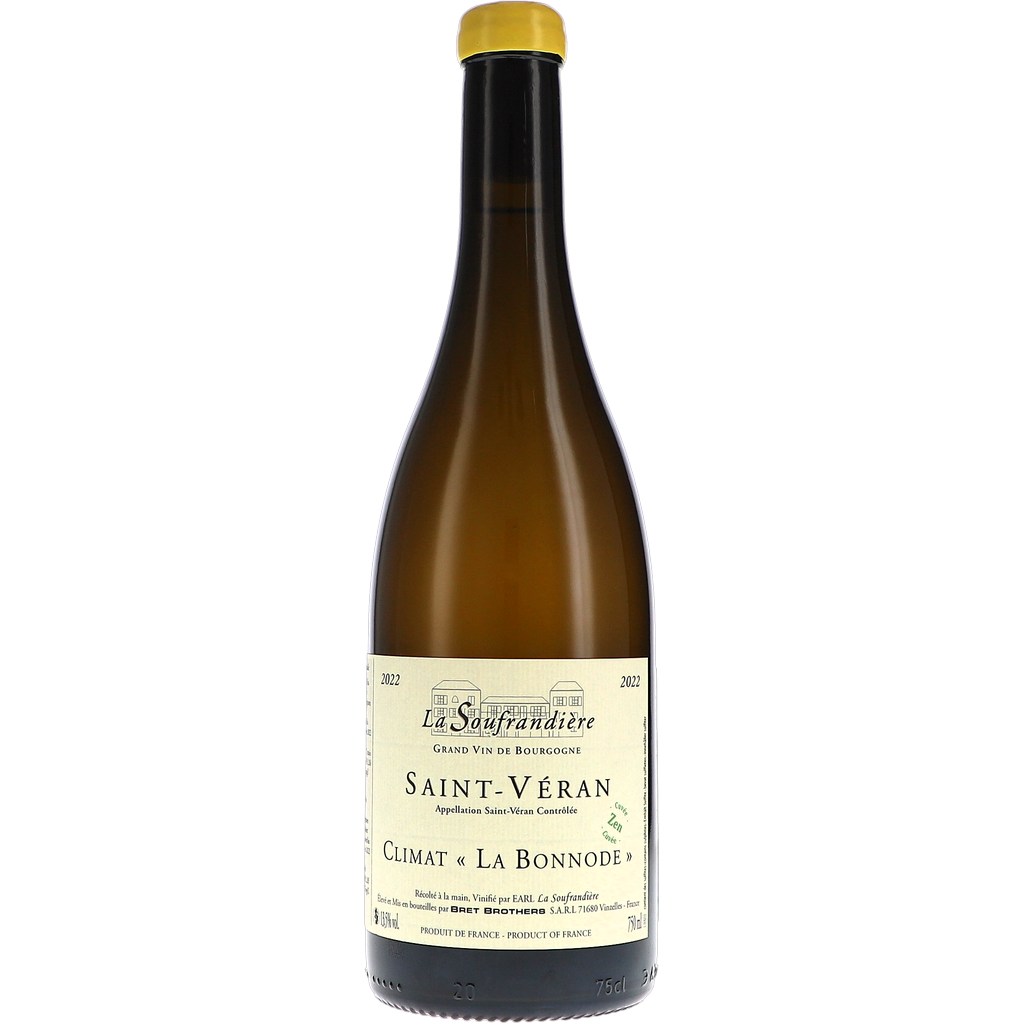
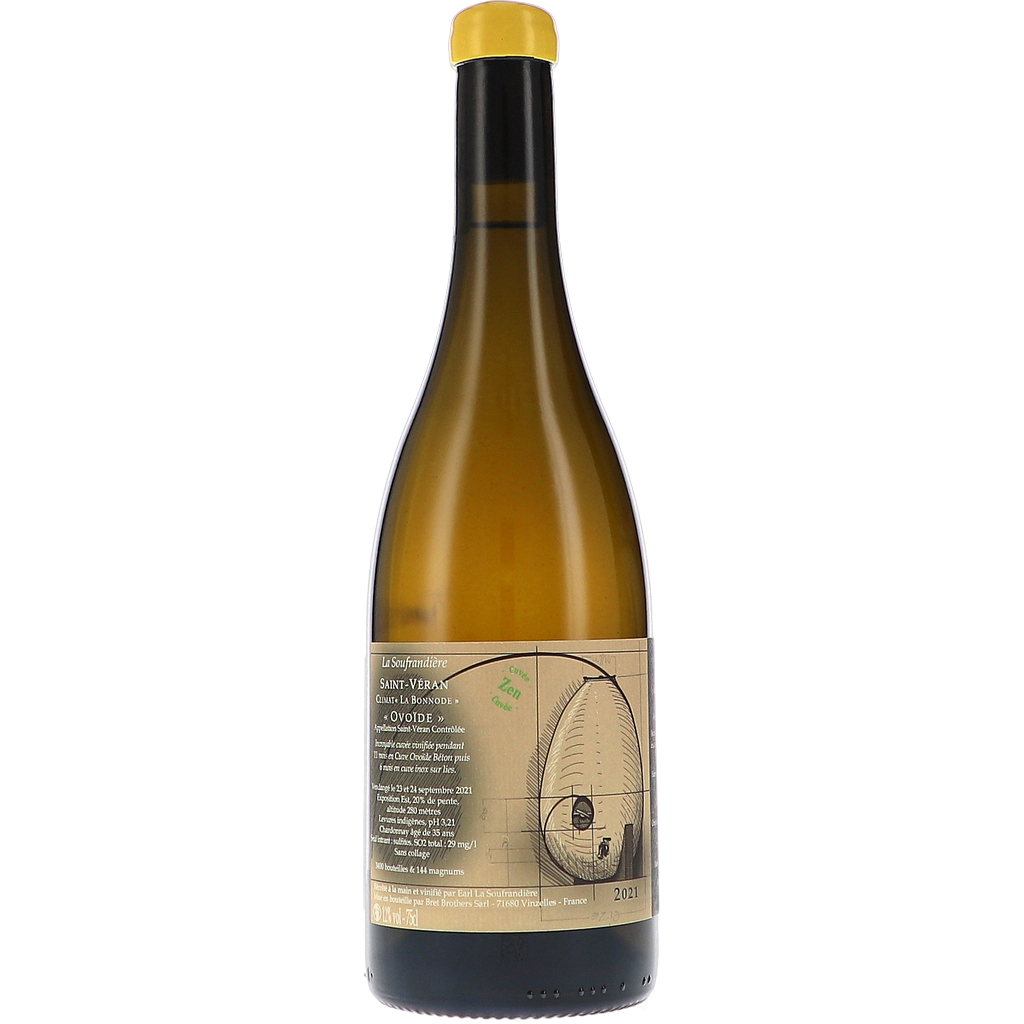
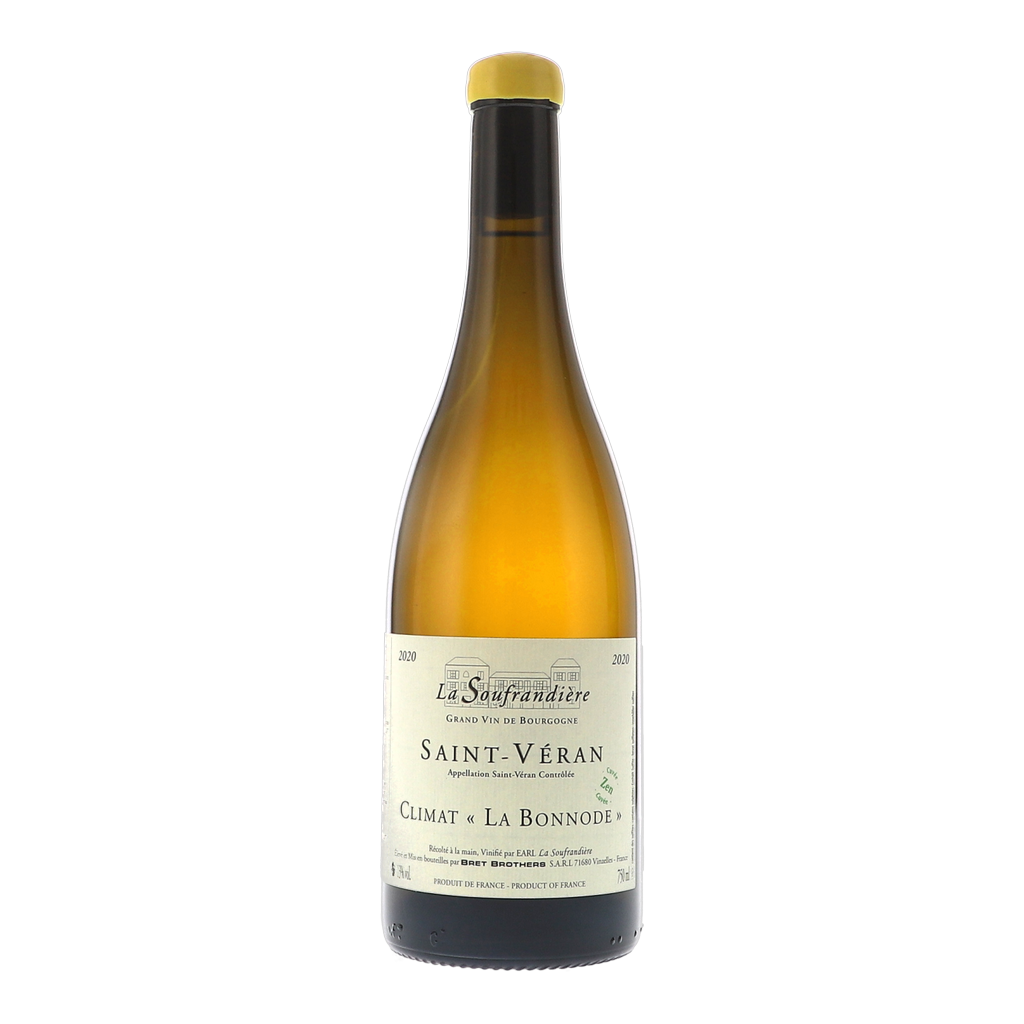
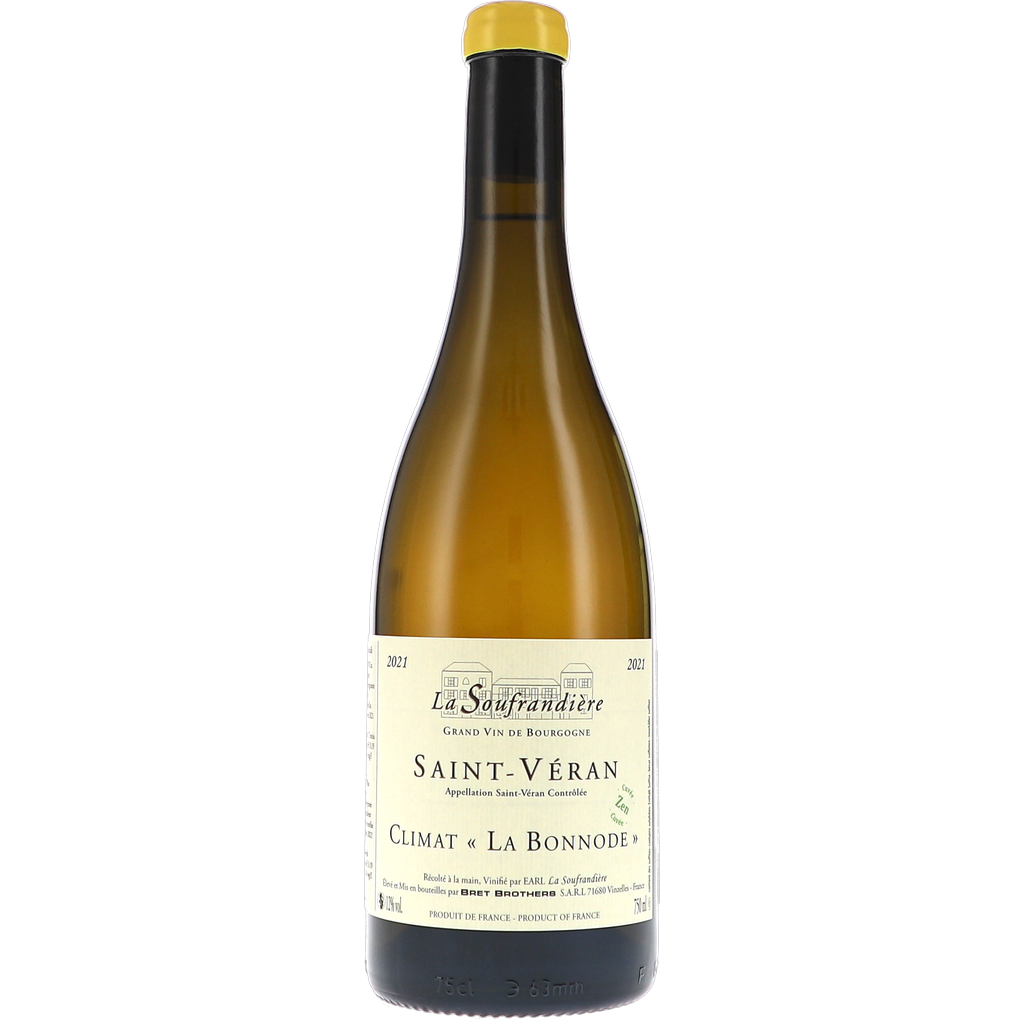
The twelve hectares lie across sites in the southern Mâconnais: the historic Clos de Grand-Père and the climats Les Quarts and Les Longeays in Pouilly-Vinzelles, along with parcels in Saint-Véran and Pouilly-Fuissé, including the premier cru Au Vignerais. The limestone soils, with pockets of clay and loam, carry vines that in some cases are over eighty years old. In Saint-Véran lies the climat La Bonnode, two hectares, east-facing at the foot of the Roche de Vergisson, with vines around thirty-five years old on limestone and clay. On the same rock face, on a cool north-facing slope, the roughly 1.5-hectare parcel La Combe DesRoches was added in 2016, whose twenty- to twenty-five-year-old vines nonetheless ripen harmoniously there.
Spontaneous fermentation, lees, concrete egg
In the cellar, Jean-Philippe and Jean-Guillaume Bret keep interventions to a minimum. The grapes are hand-harvested and pressed as whole clusters, the must ferments spontaneously with its own yeasts, and ageing is spread, depending on the wine, across stainless steel tank, used oak barrels of various sizes and a 19-hectolitre concrete egg. For the Saint-Véran La Bonnode Ovoide, the wine stays in the egg for about a year, with no sulphur added during fermentation or ageing; only a small dose is added at the unfiltered bottling. The same line includes the cuvées that carry Zen in their name.
La Carbonnode holds a special place: Chardonnay from the La Bonnode parcel, whose whole clusters ferment for about nine days under carbonic maceration, are then gently pressed and finish fermenting spontaneously in used 228-litre barrels. Here too, sulphur is added only at bottling, at 24 milligrams per litre. Within this series of Chardonnays that show their site without detour, this wine stands as a case apart among the orange wines.