Nikolaihof
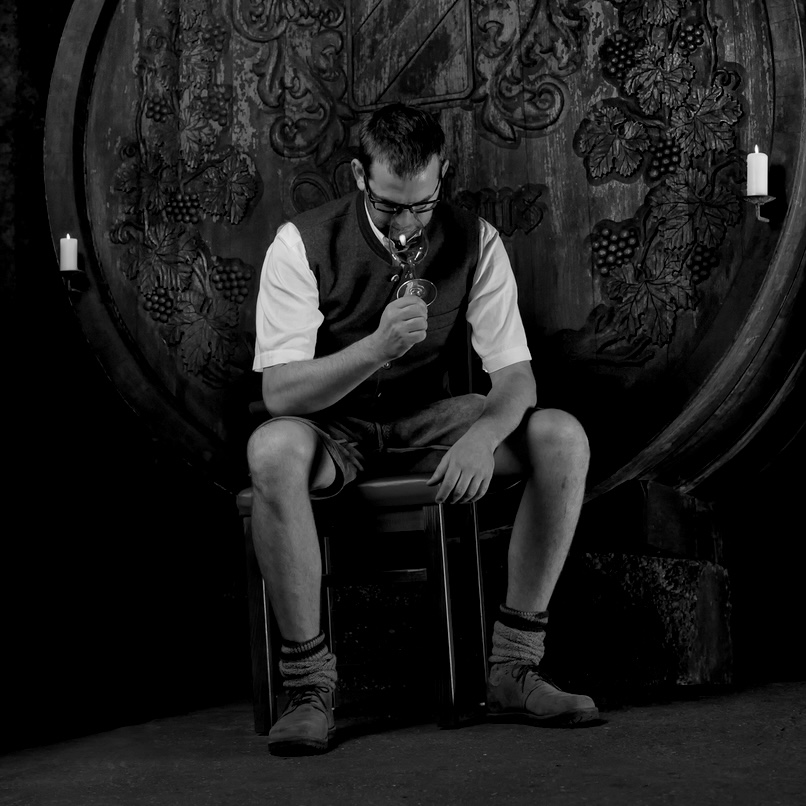
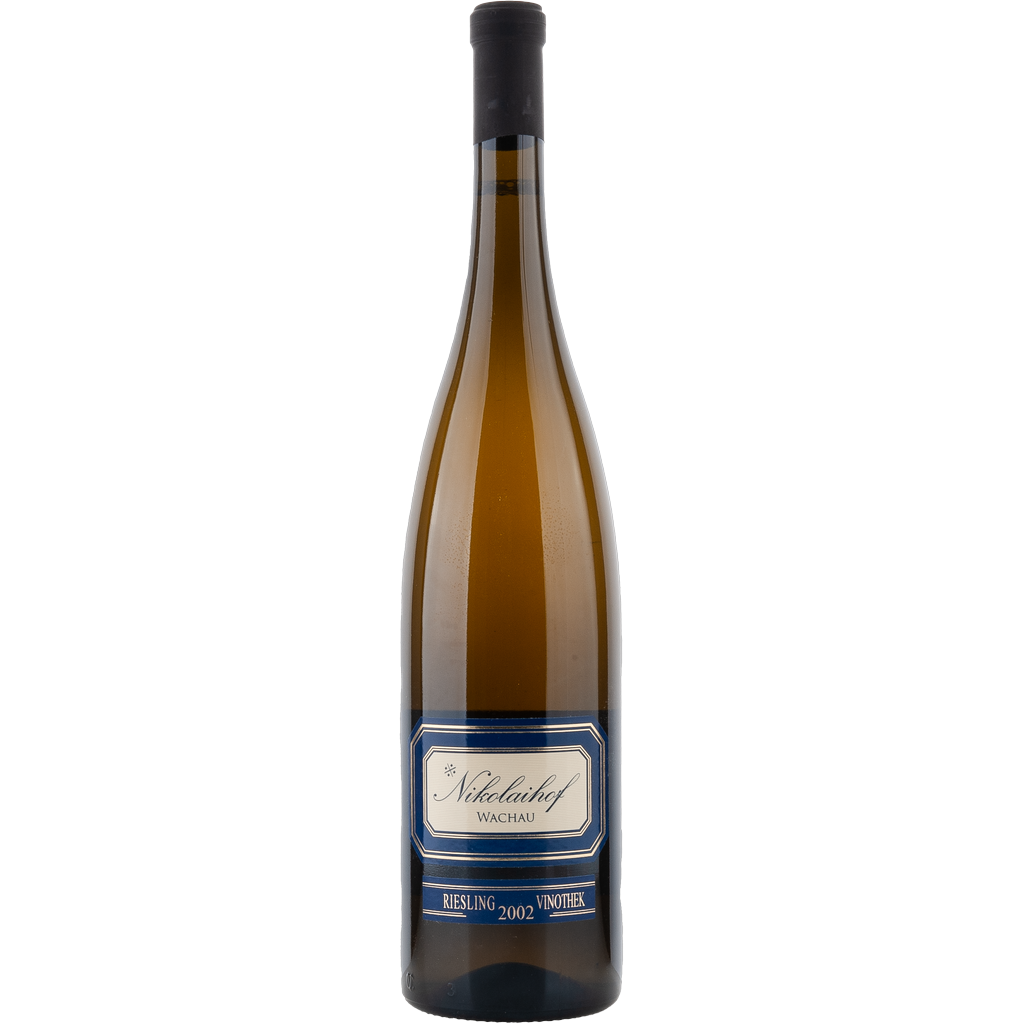
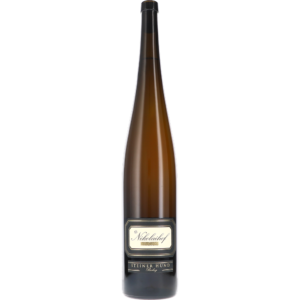
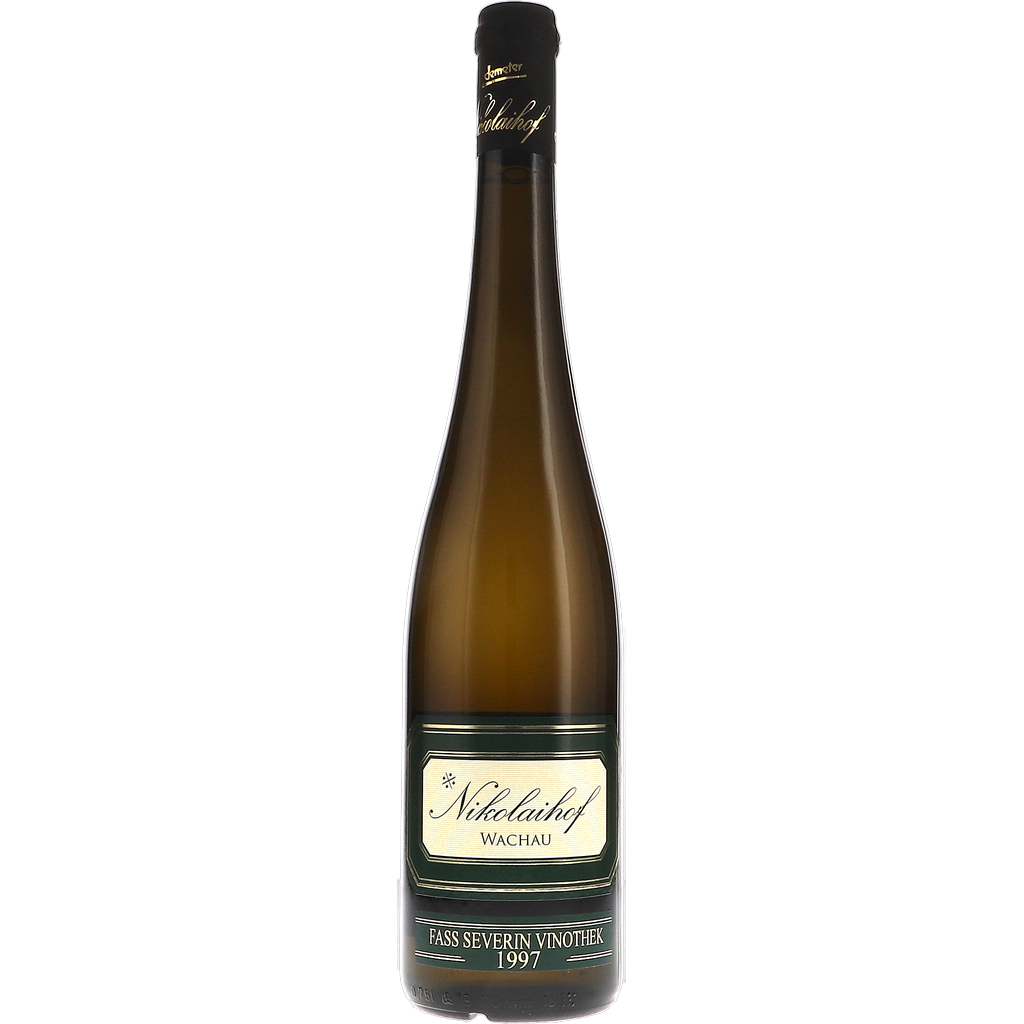
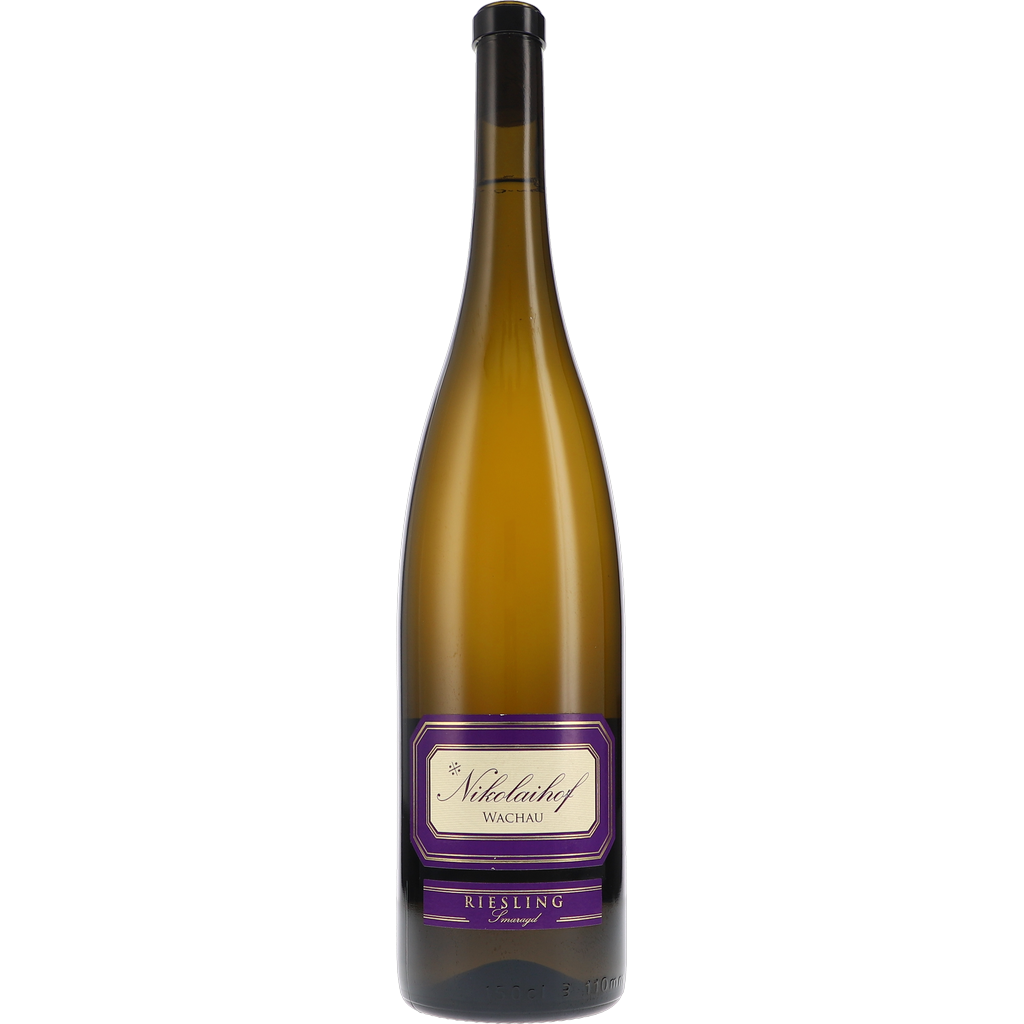
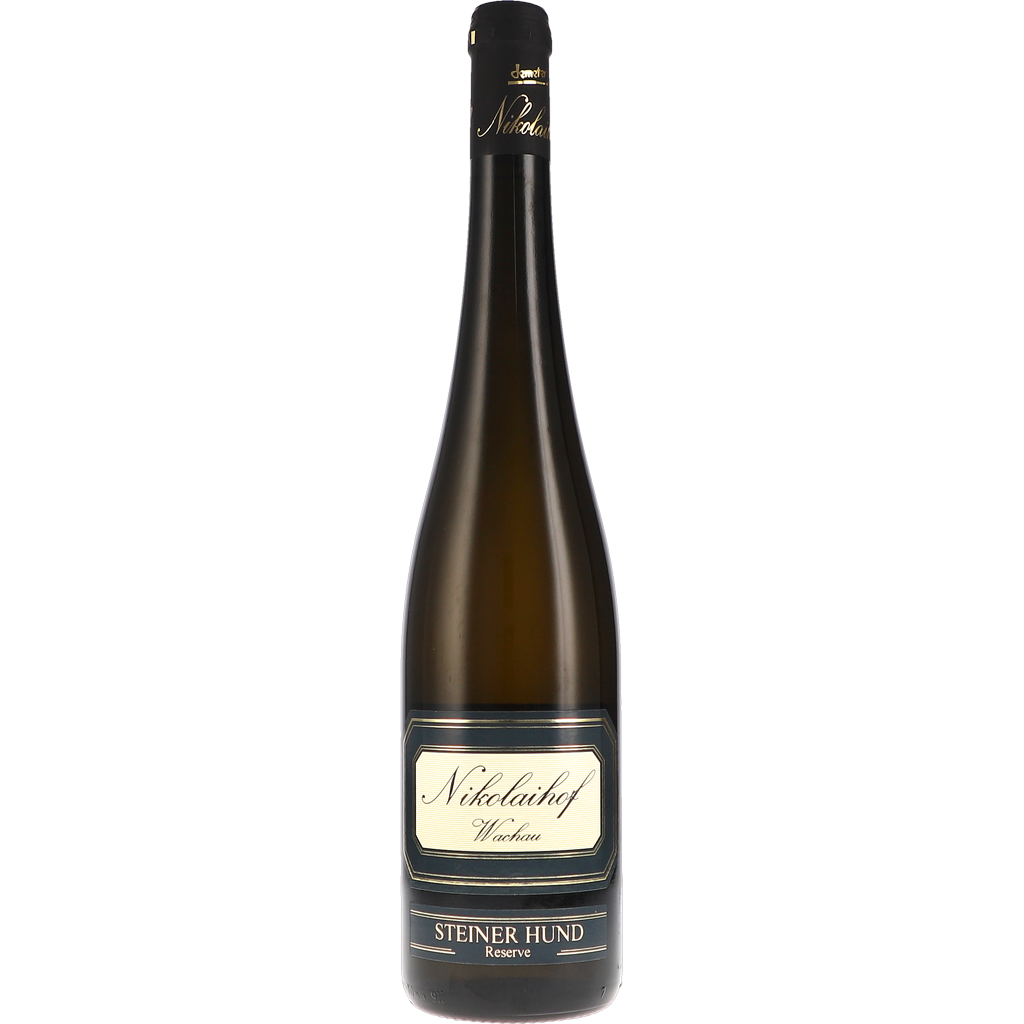
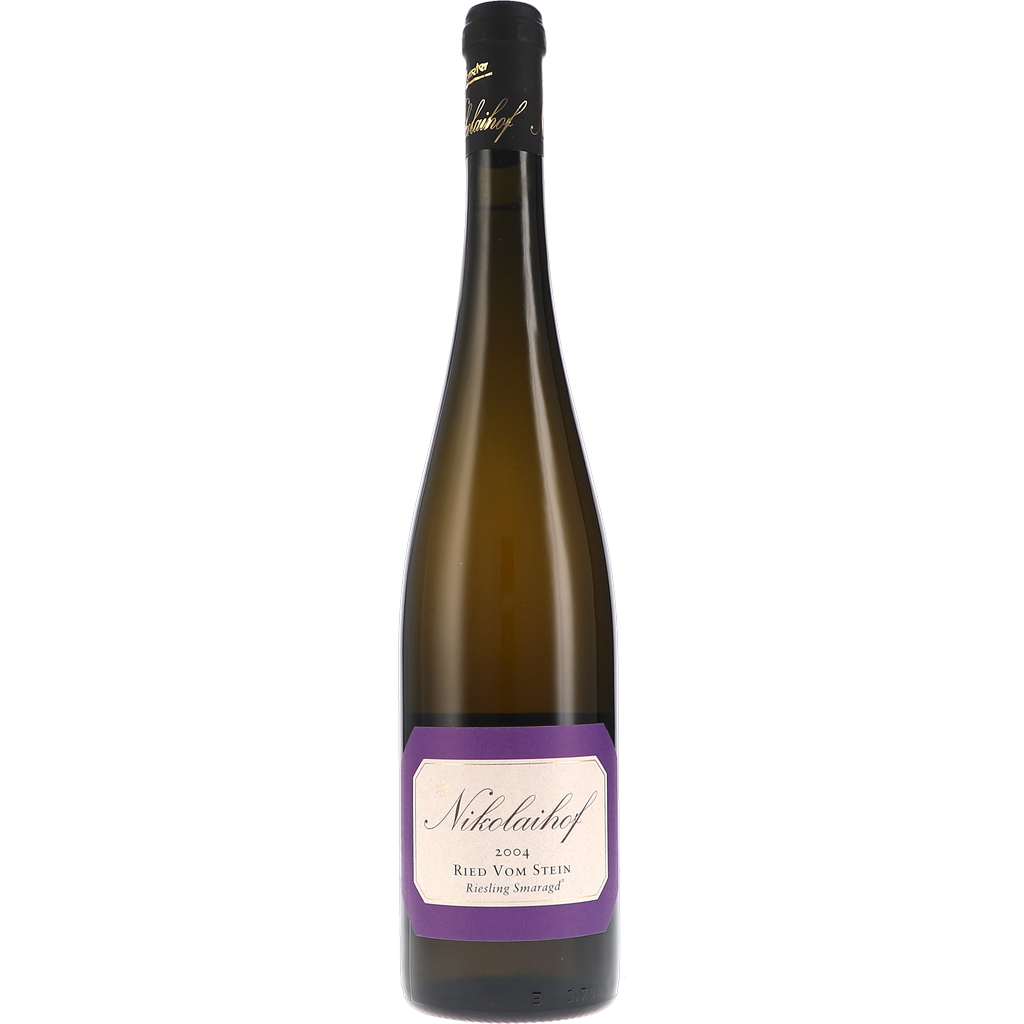
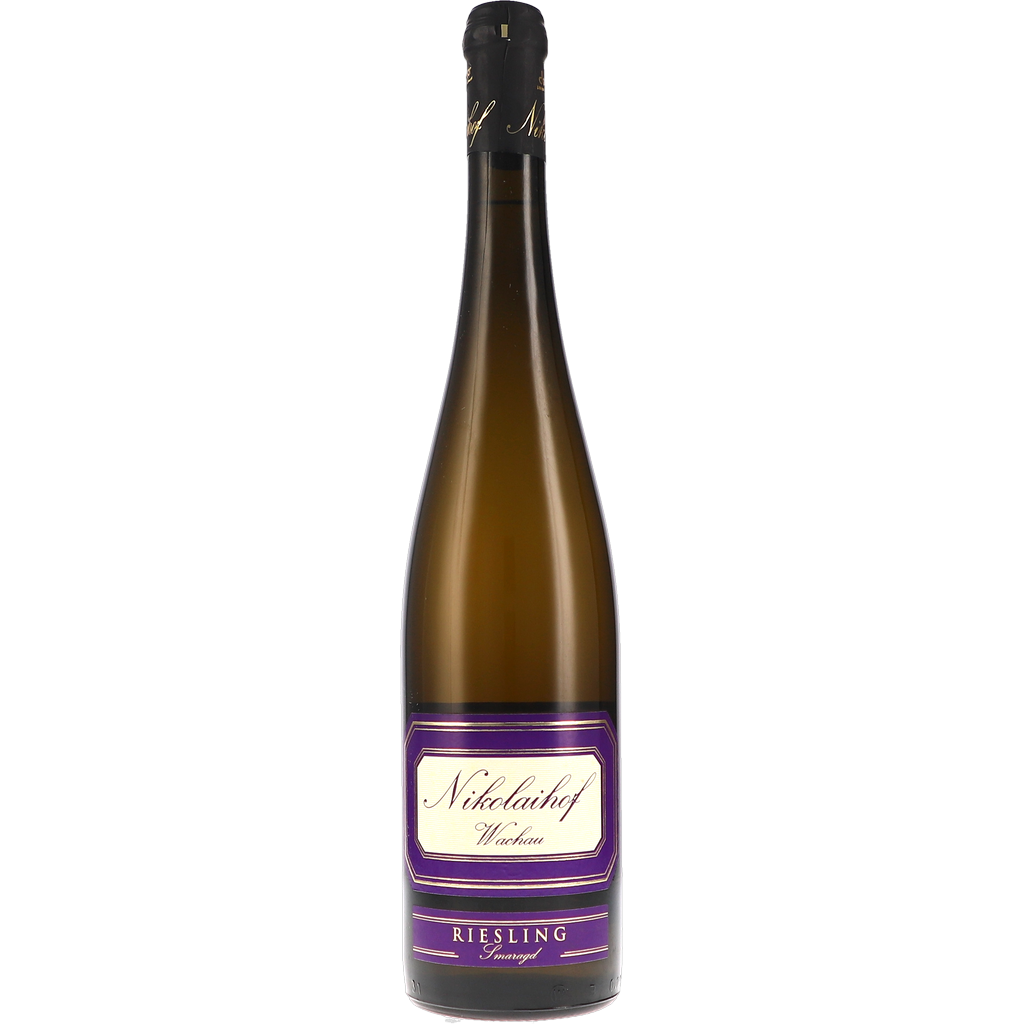
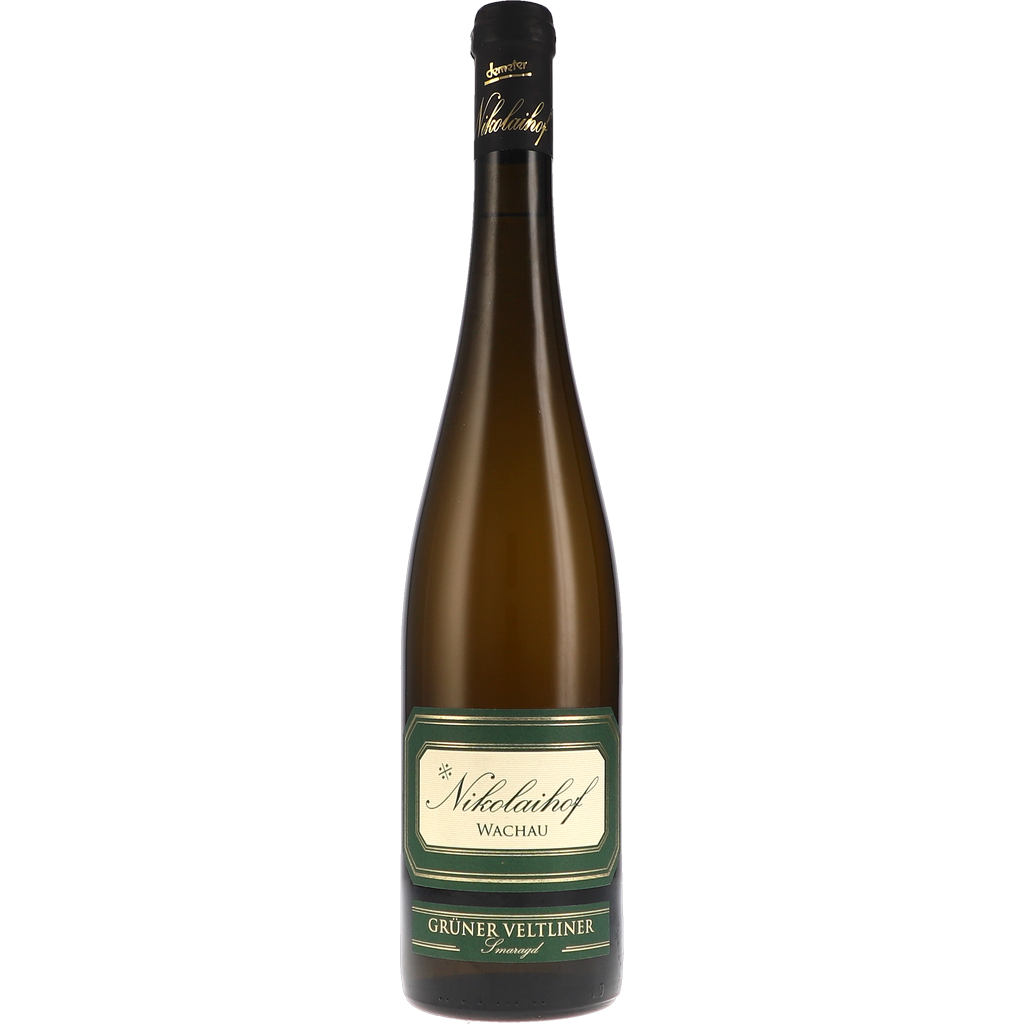
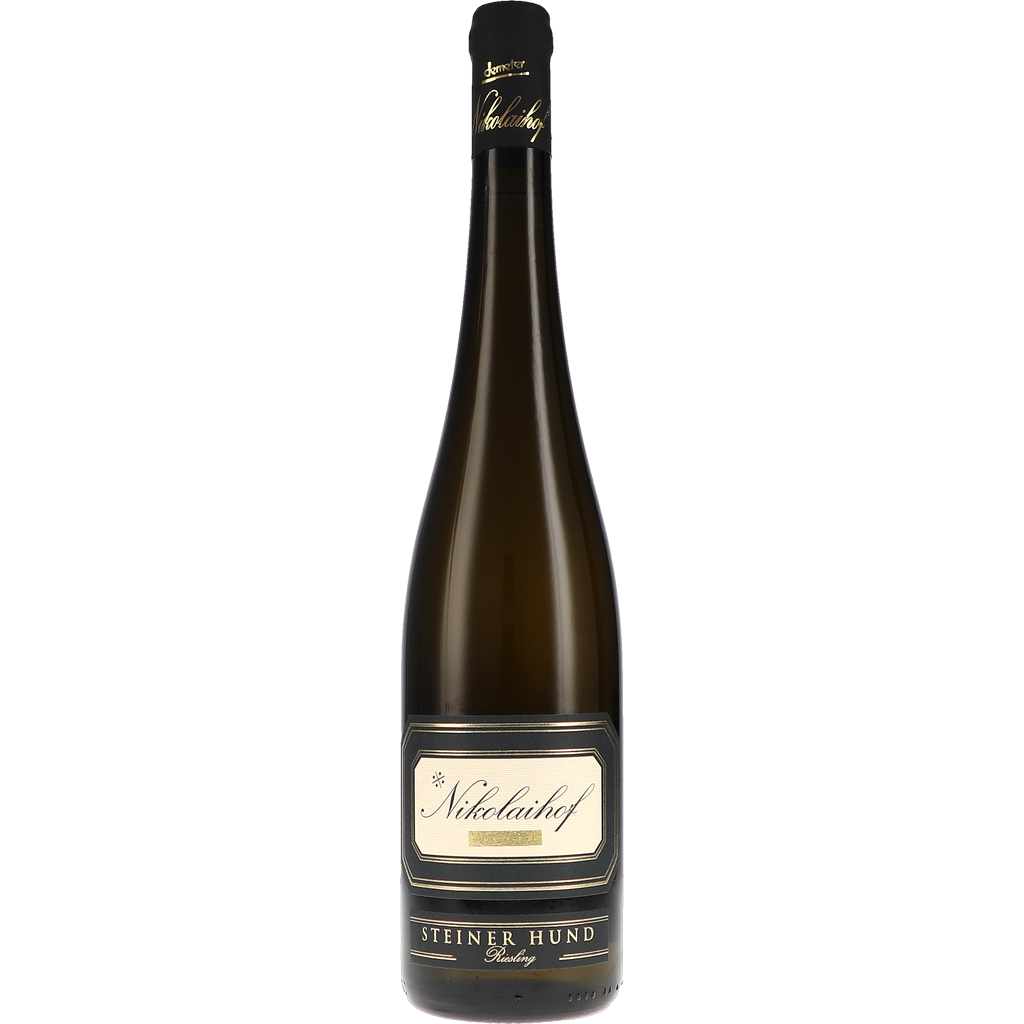
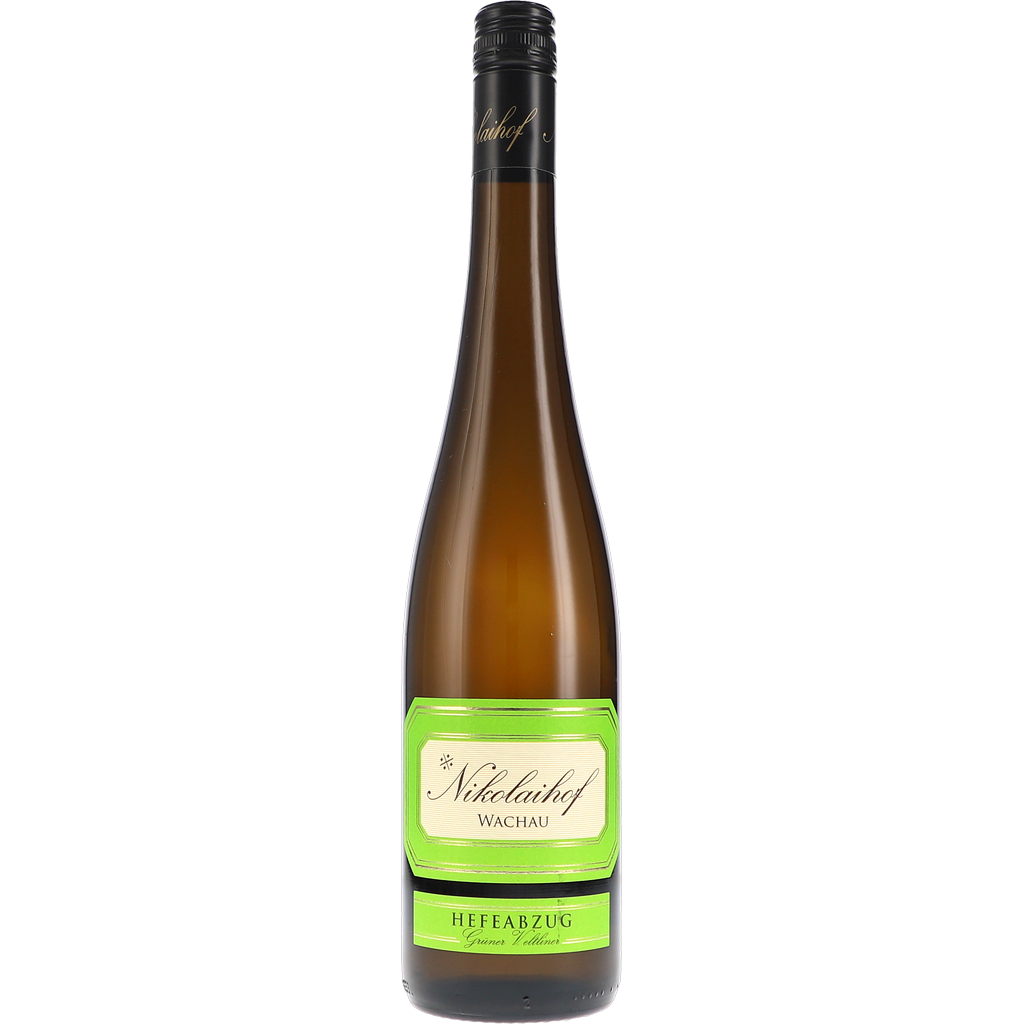
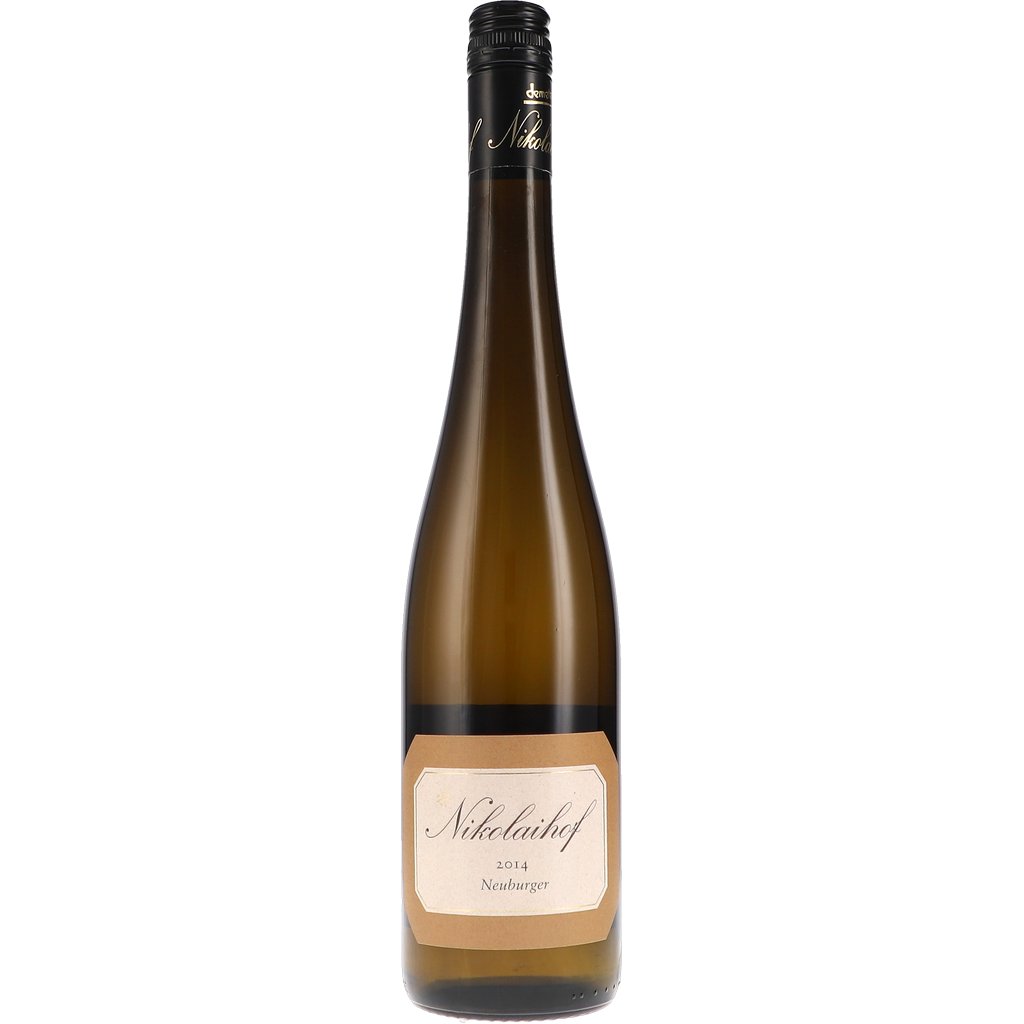
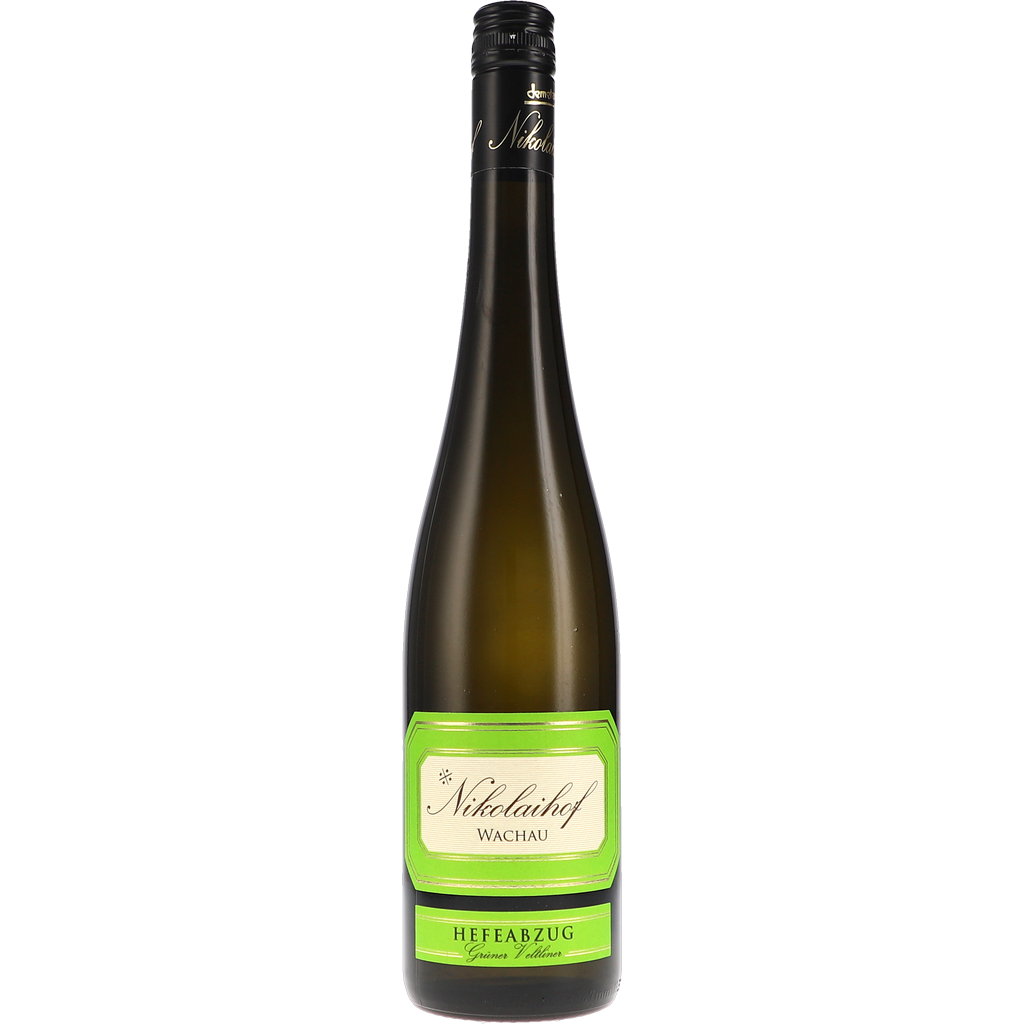
Nikolaihof Wachau is Austria's oldest winery, farming 22 hectares in the Wachau, mainly Riesling and Grüner Veltliner. The Saahs family has owned the estate since 1894 and has worked biodynamically to Demeter standards since 1971; in 2005 Nikolaus Saahs took over management of the estate. The wines age in the Roman vaulted cellar in Slavonian oak barrels, with those of the Vinothek series resting for a decade or longer. In 2014, a Vinothek Riesling became the first Austrian wine to receive 100 Parker points. The vineyards Im Weingebirge, Vom Stein and Steiner Hund yield wines with moderate alcohol levels, grown on loess, clay and paragneiss.
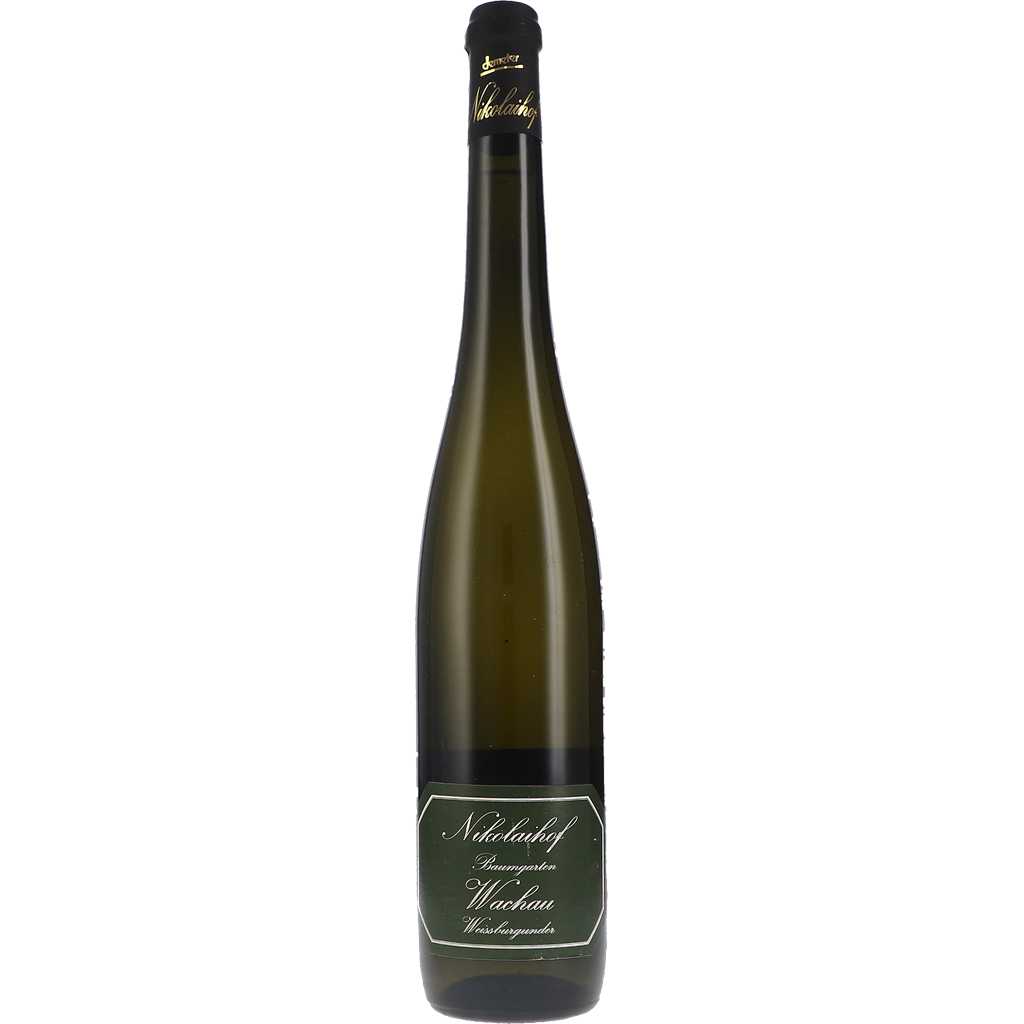
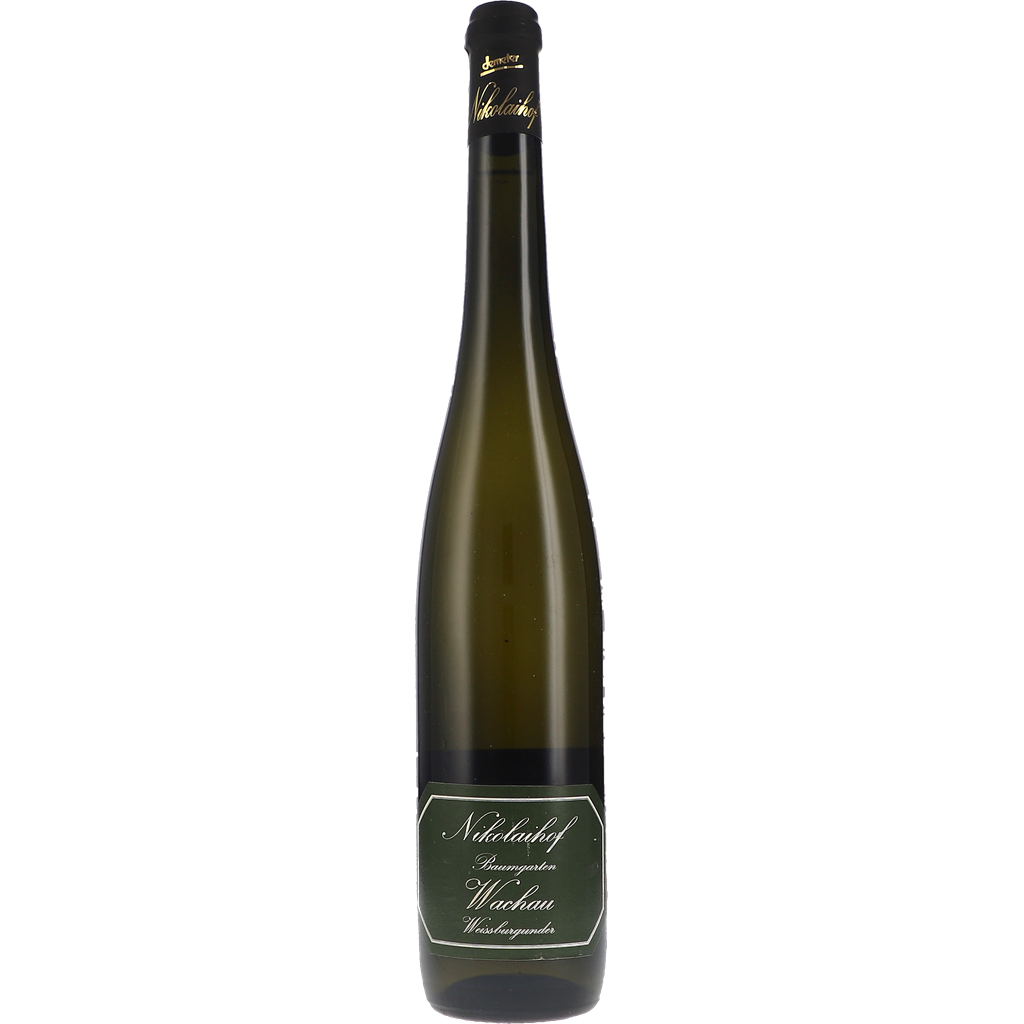
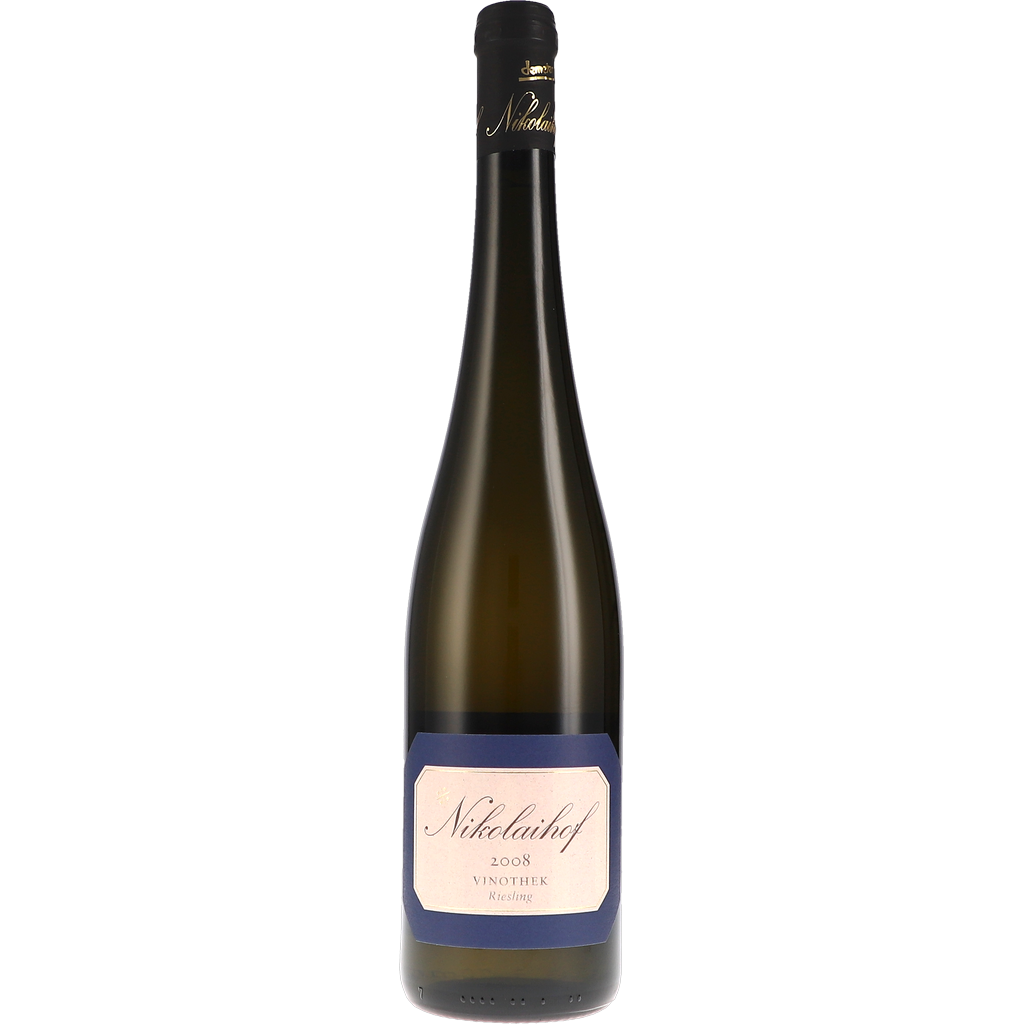
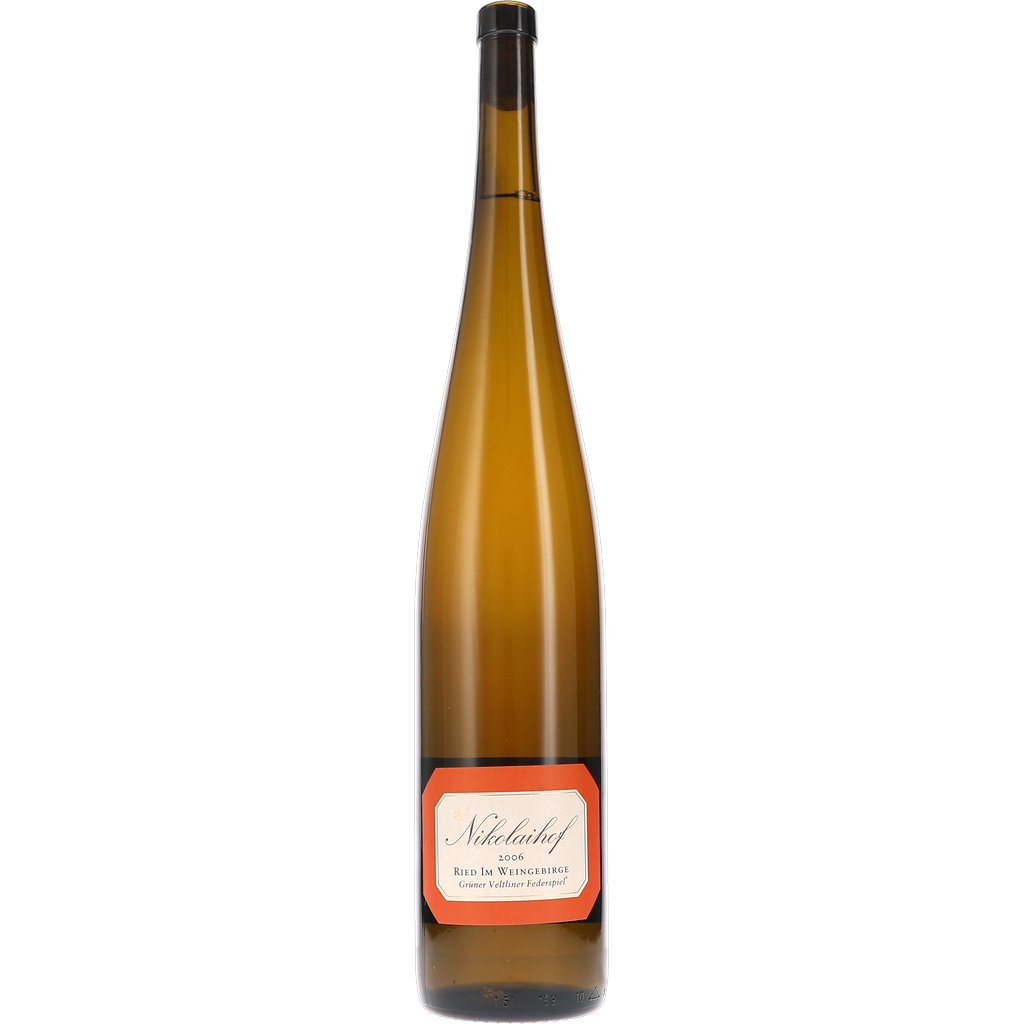
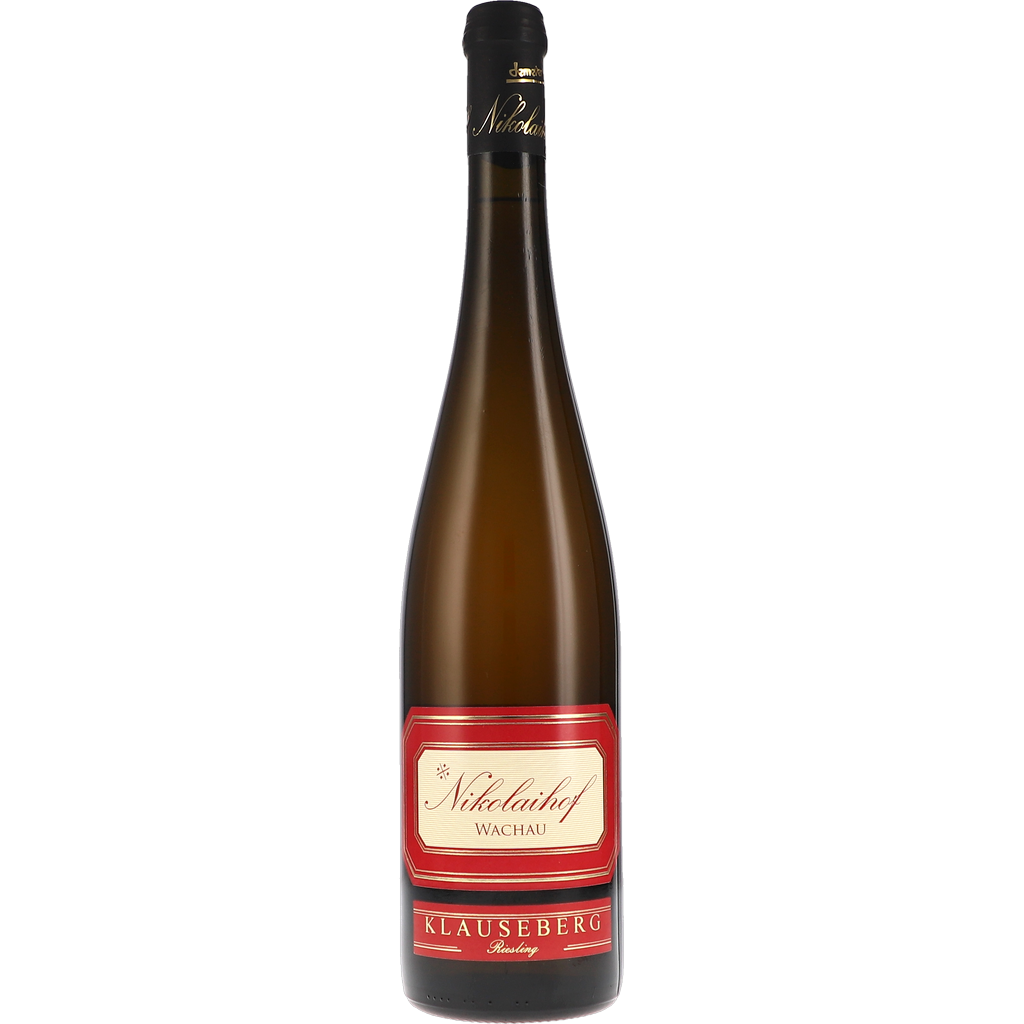
Roman foundations and the Im Weingebirge vineyard
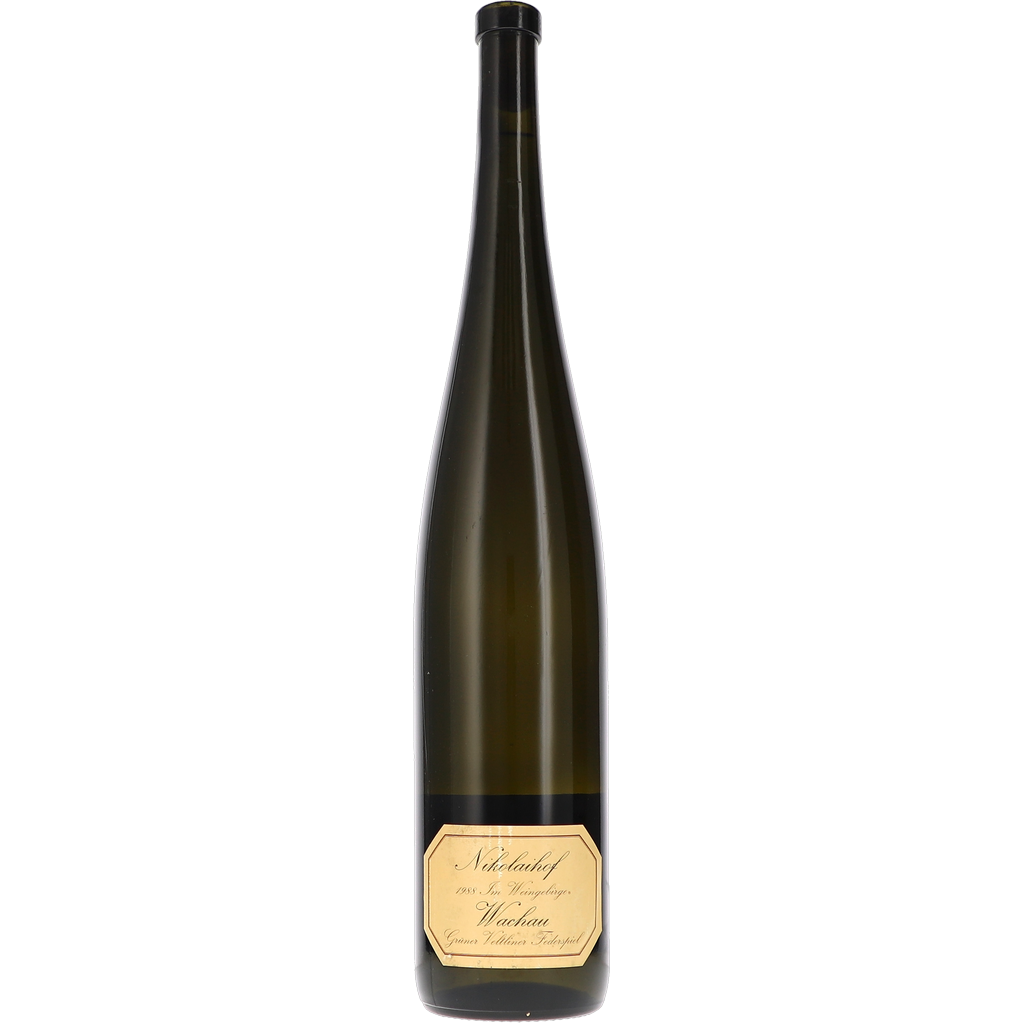
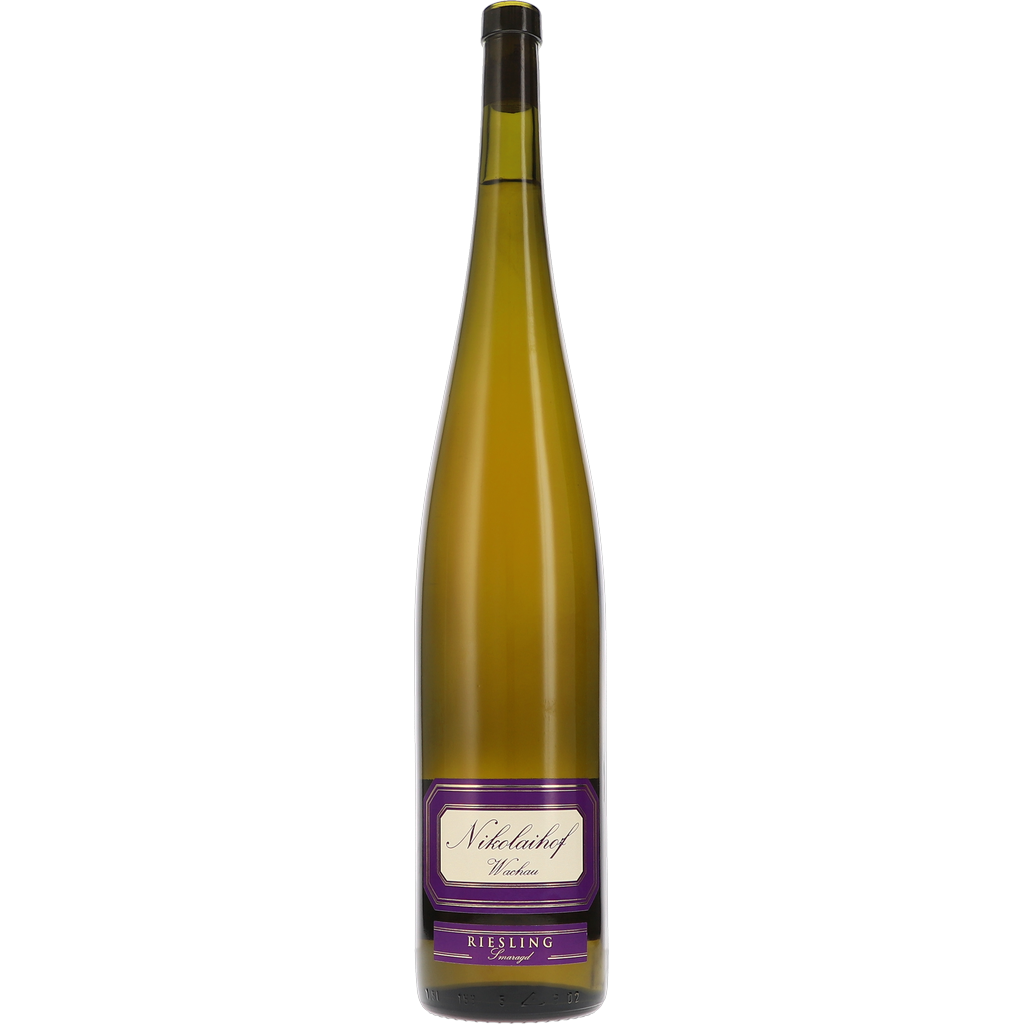
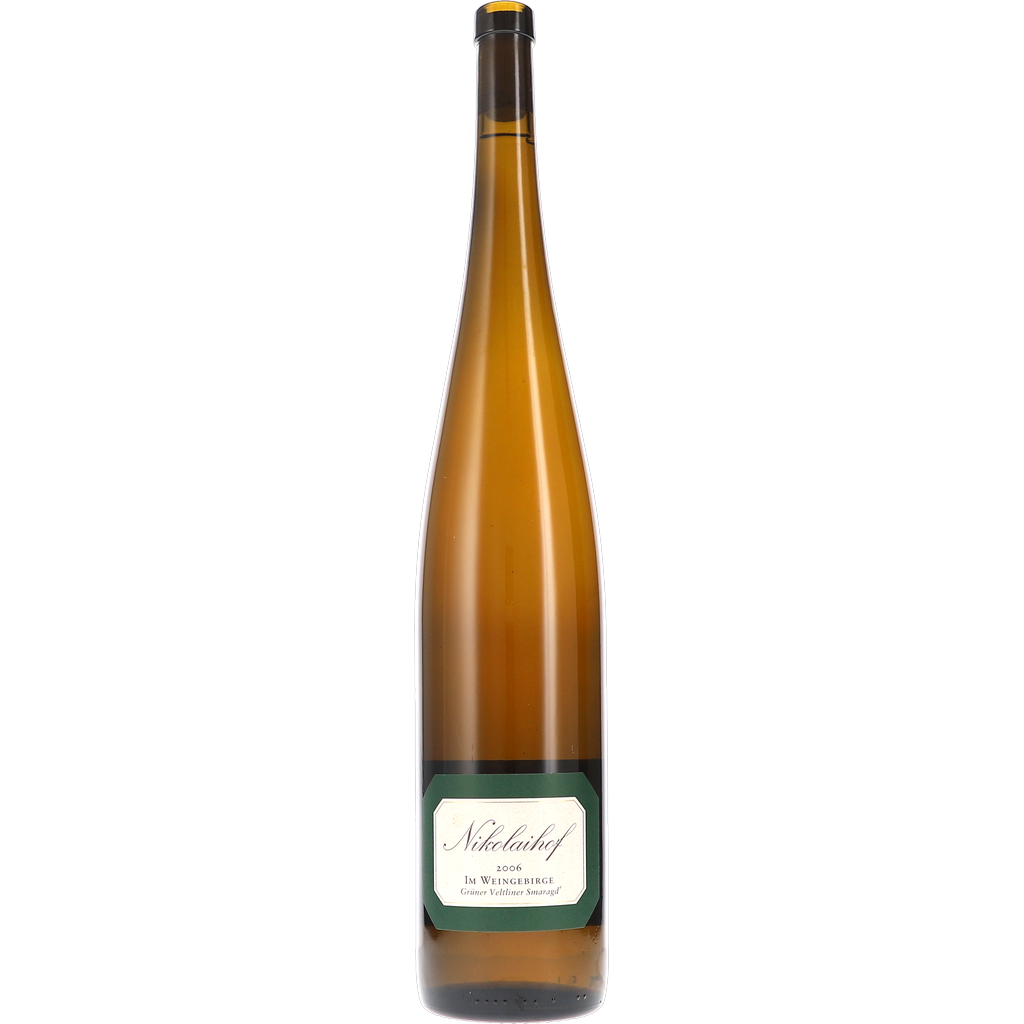
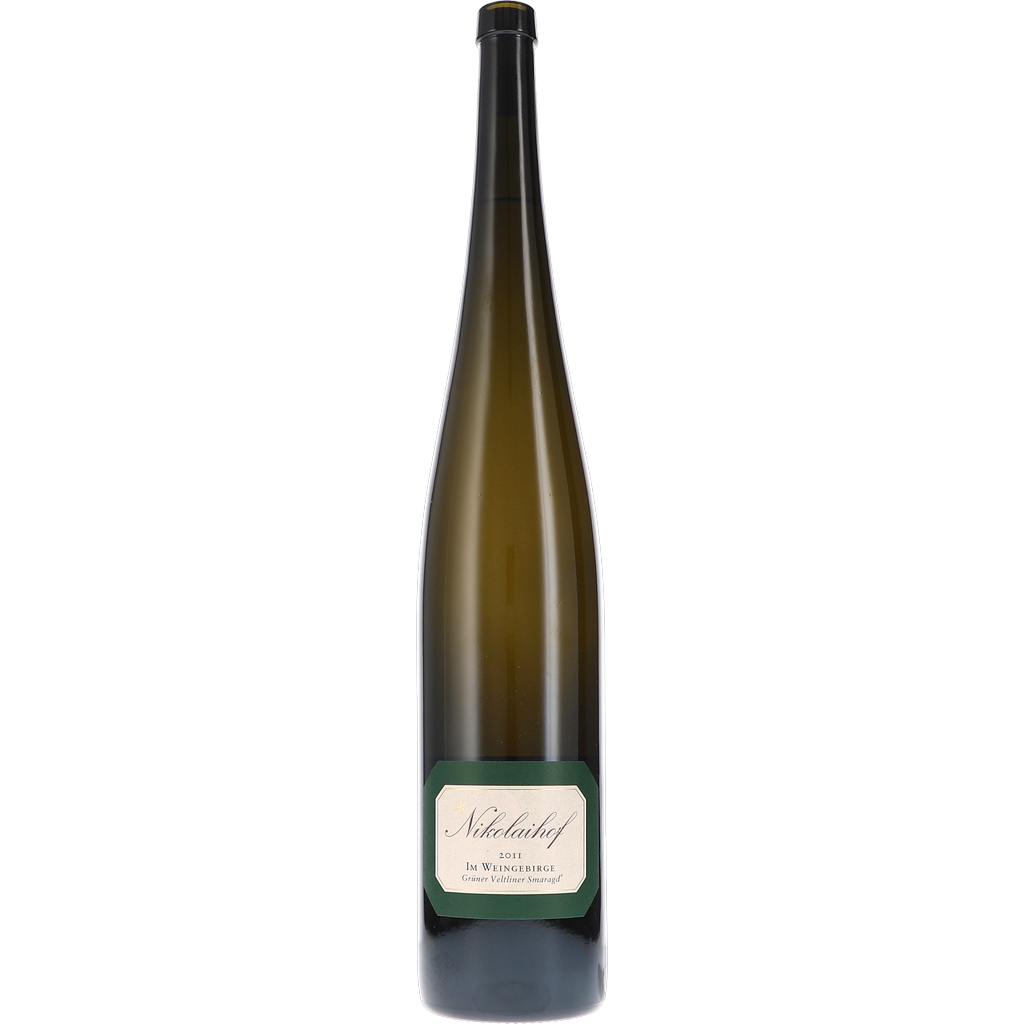
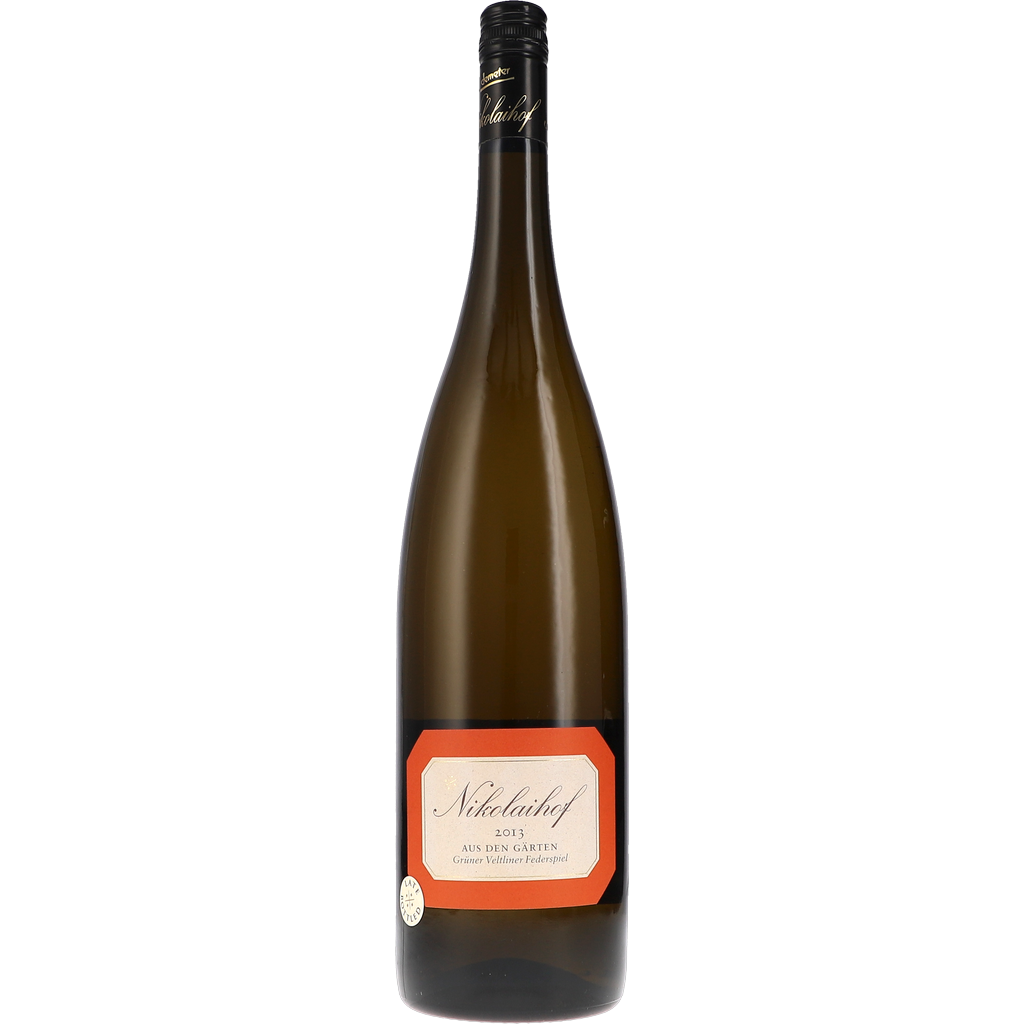
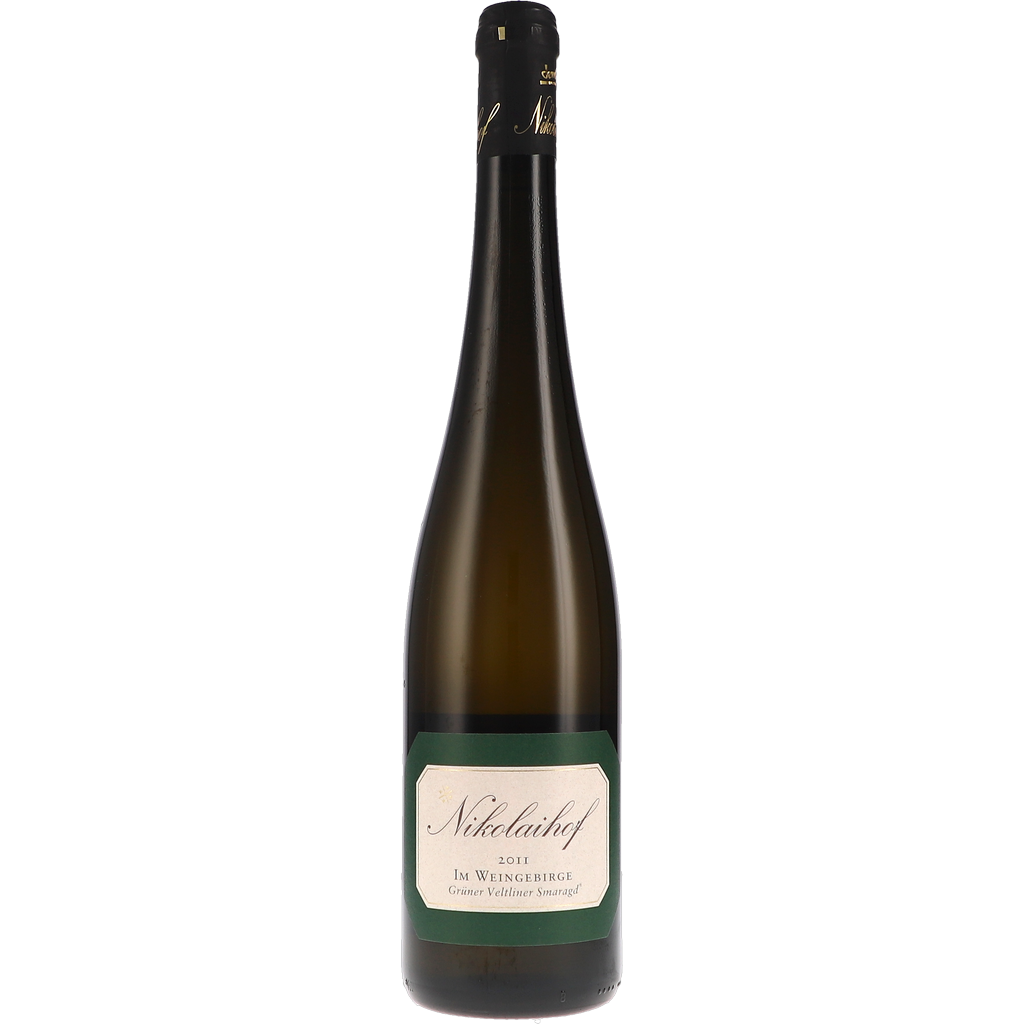
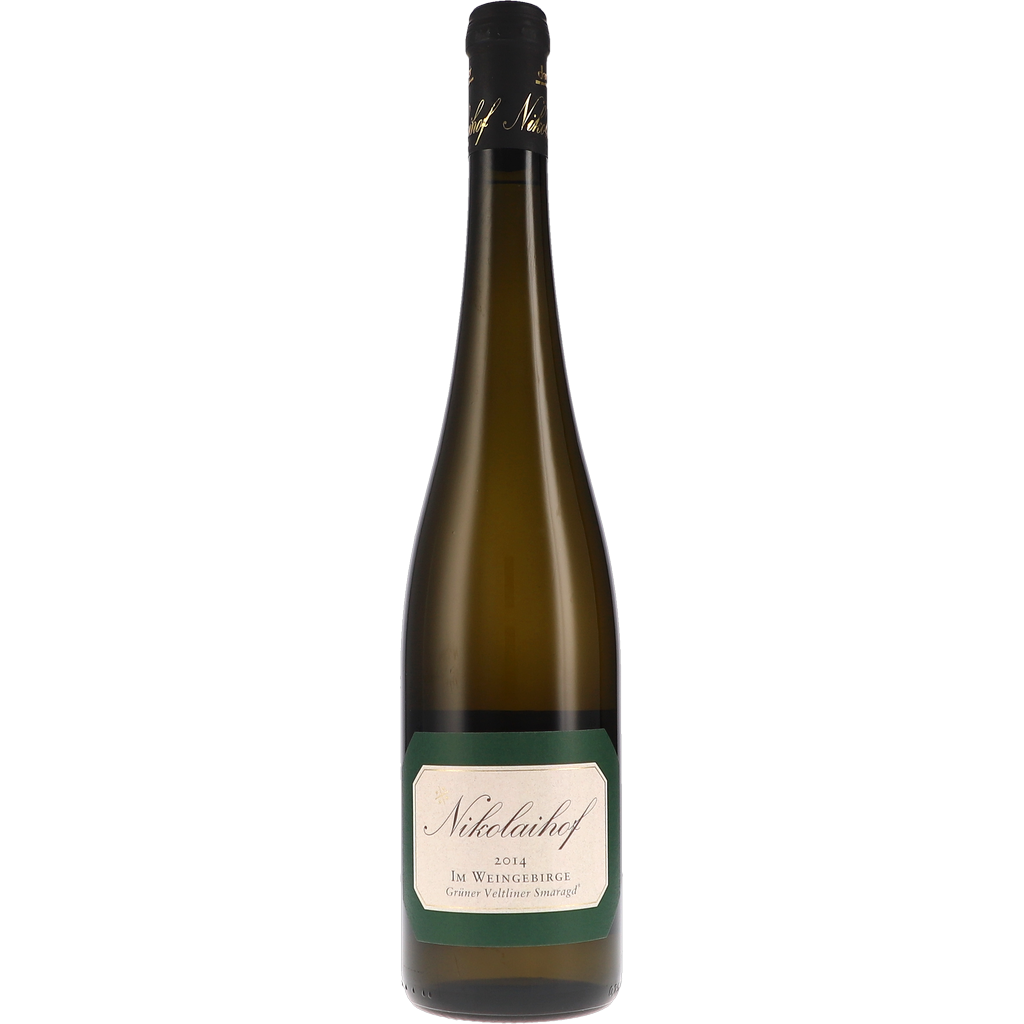
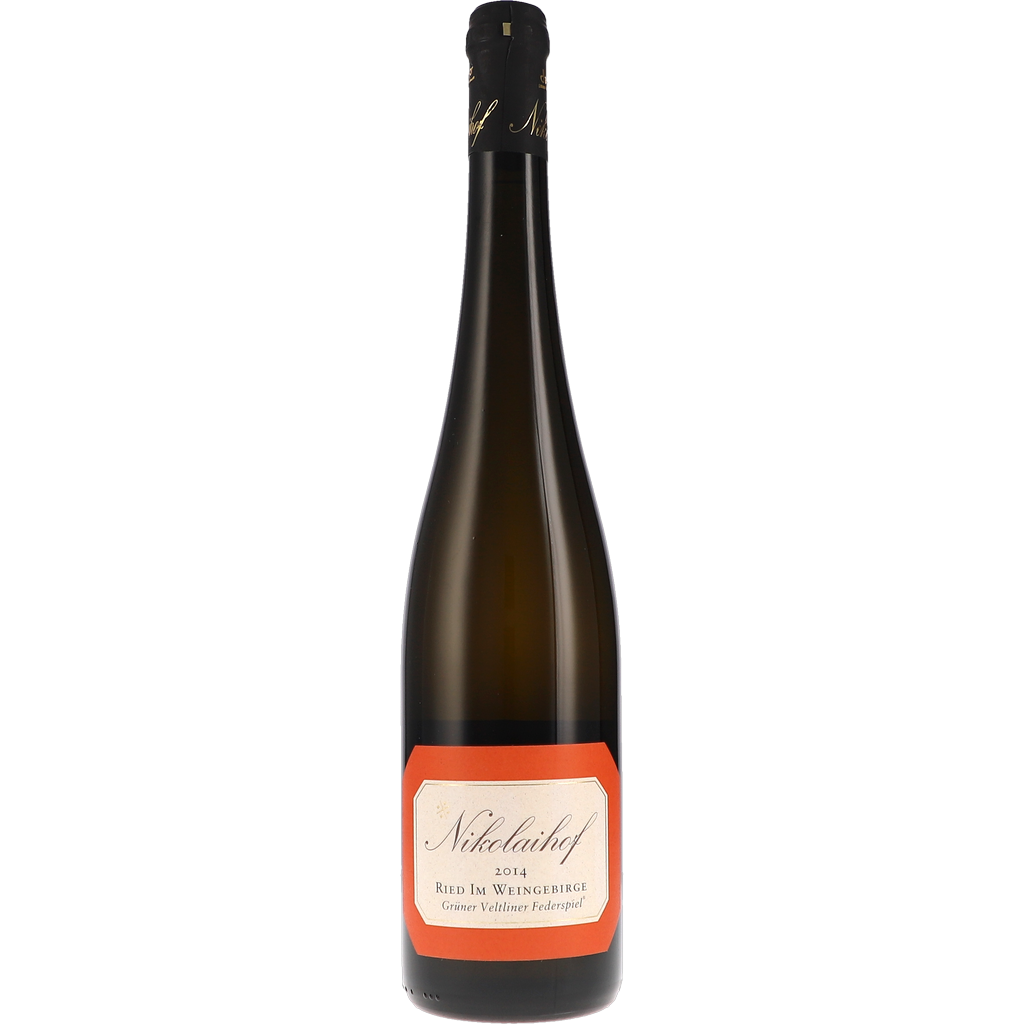
Nikolaihof stands on the foundations of Favianis, a Roman fort; the Celts had revered this site as sacred long before. In the inner courtyard stands the medieval Agapitus chapel, beneath which lies the Roman vaulted cellar. The Im Weingebirge vineyard is documented since the year 470 and is considered the first vineyard in Europe mentioned in a written record; today it yields Grüner Veltliner as Federspiel and as Smaragd.
The Saahs family since 1894
Following secularization toward the end of the 19th century, the estate passed to the Saahs family, who have farmed it since 1894. During the Second World War they lost large parts of their property. The grandfather bought the estate back in 1960 and died that same year; his son took over in 1962 without capital and continued working with old methods.
Christine Saahs married into the family in 1971, bringing with her experience in Rudolf Steiner's biodynamic principles. Since that year, Nikolaihof has farmed its vineyards biodynamically. It became Austria's first Demeter-certified winery and is considered the oldest Demeter winery in the world. Nettle slurry, valerian drops, horsetail tea and specially prepared biodynamic preparations have been part of the vineyard work ever since. Wild herbs grow between the rows of the 22 hectares, and emerald lizards live on the stone terraces. In 2005, Nikolaus Saahs took over management of the estate.
The tree press and the Roman cellar
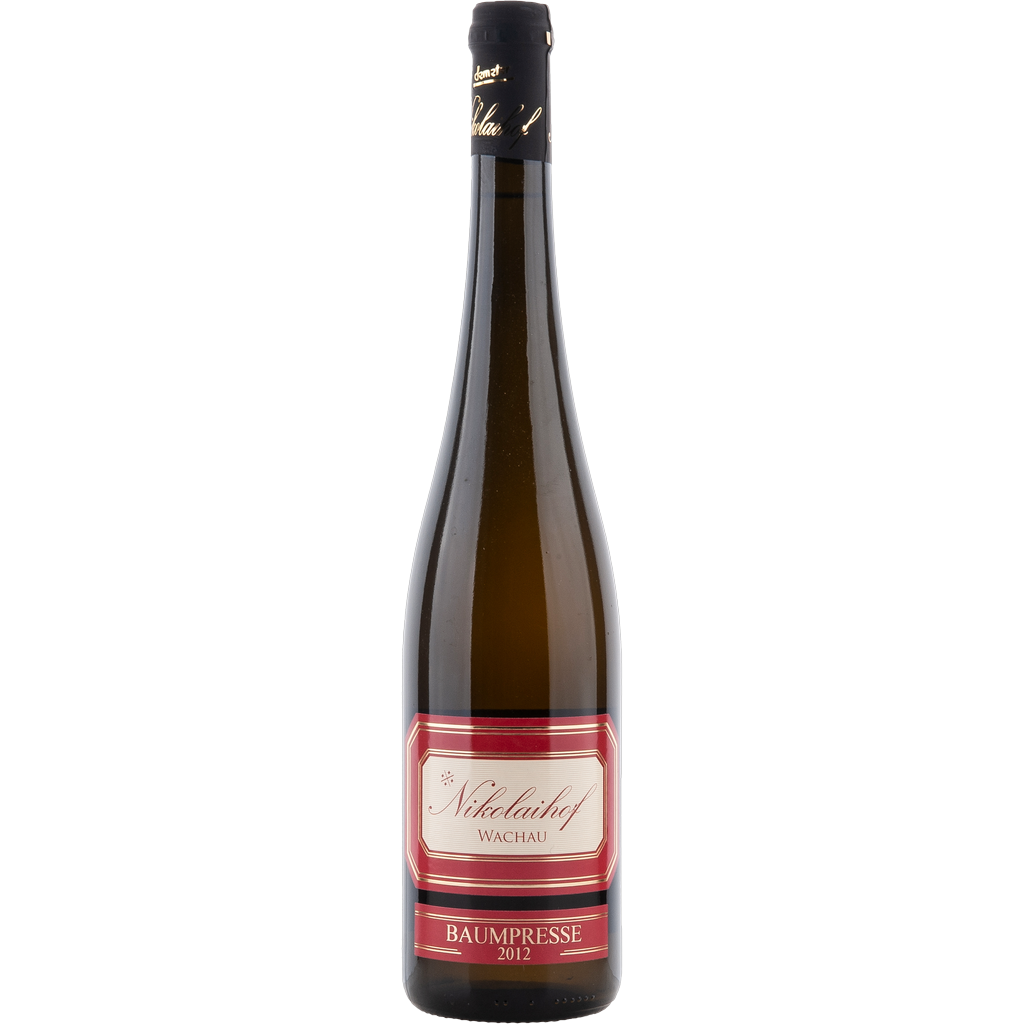
In the cellar stands a tree press made of oak beams, twelve meters long and 350 years old; it pressed the Riesling Baumpresse in a single process lasting more than ten hours, after which the wine rested for 18 months in a 2,000-liter cask. The musts ferment spontaneously in large wooden casks. One of these casks, decorated with wood carvings and dedicated to Saint Severinus, who lived toward the end of the 4th century, holds the reserve wines destined for the late-release and Vinothek bottlings.
Long aging in wooden casks
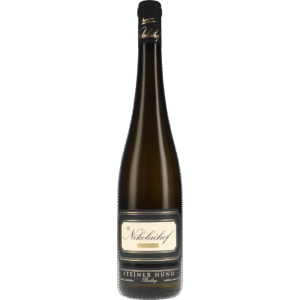
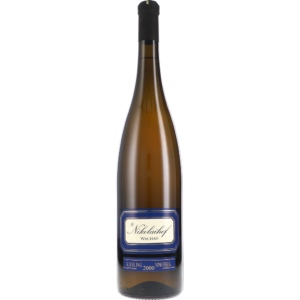
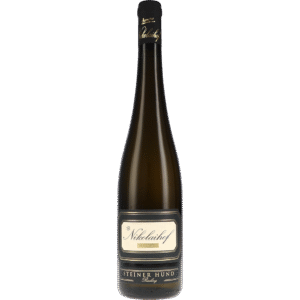
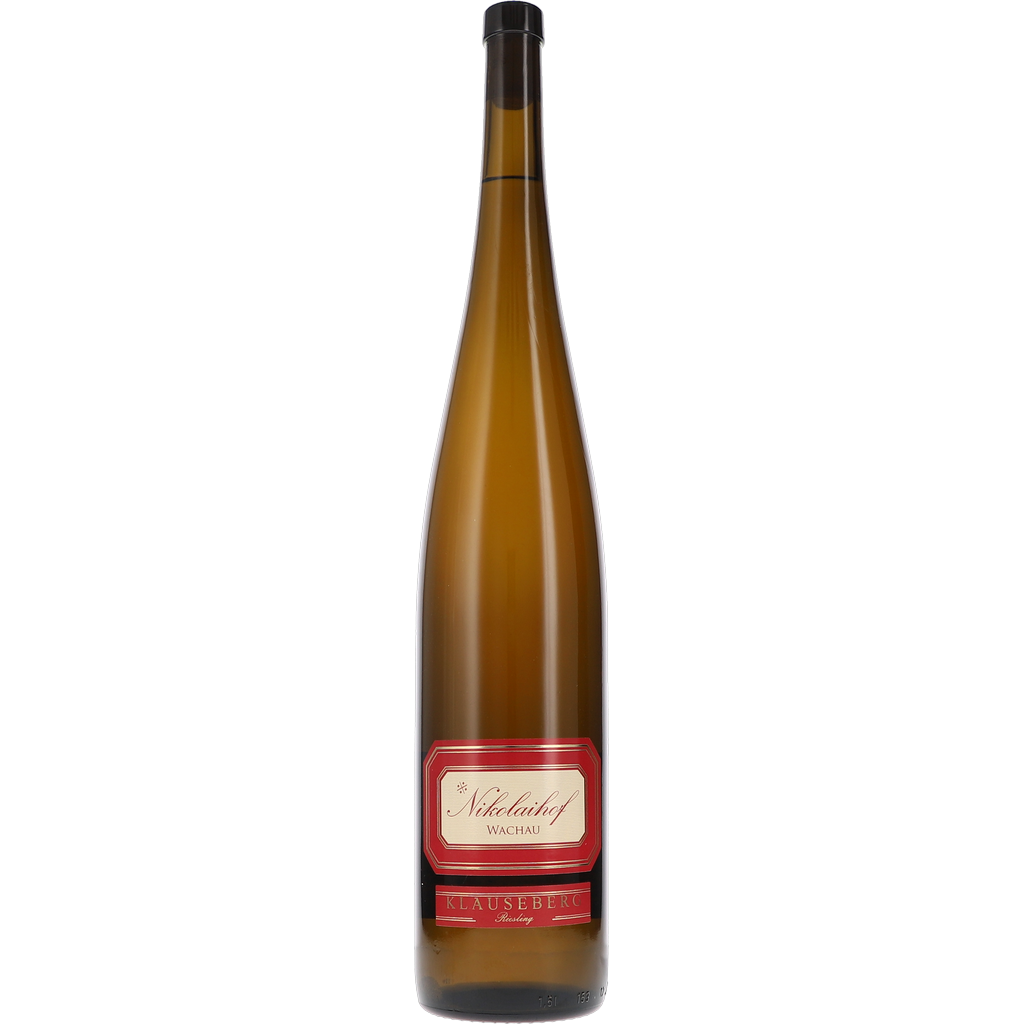
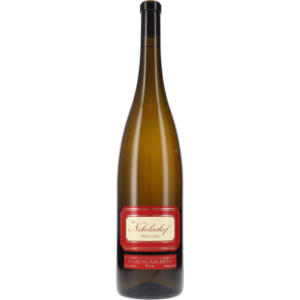
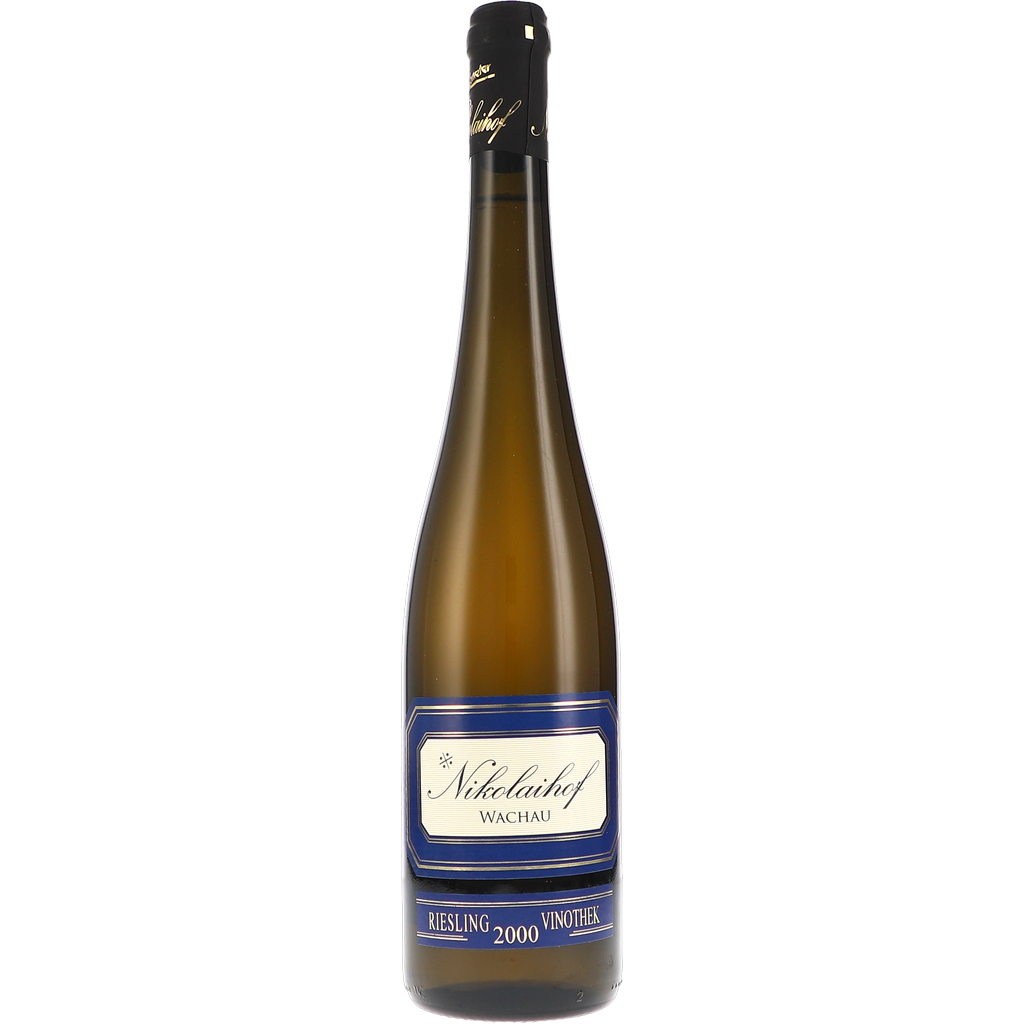
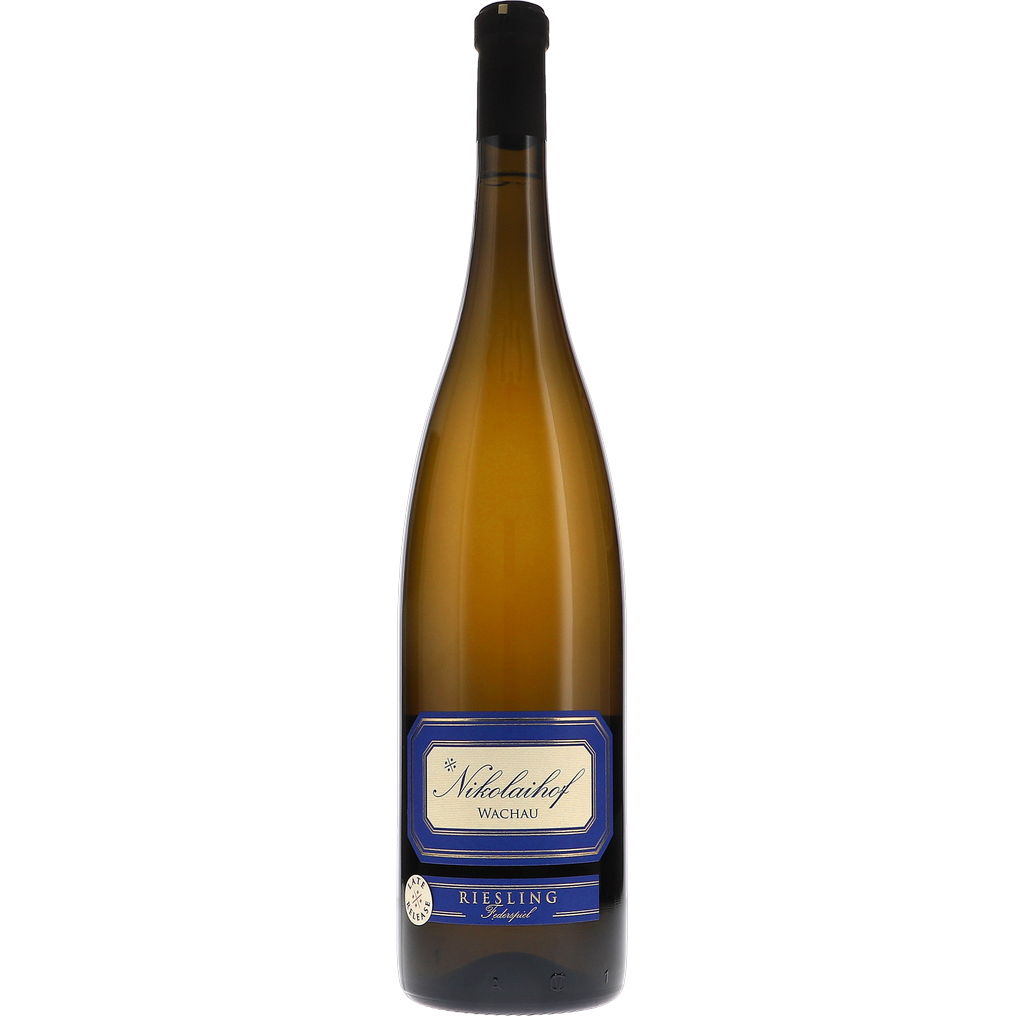
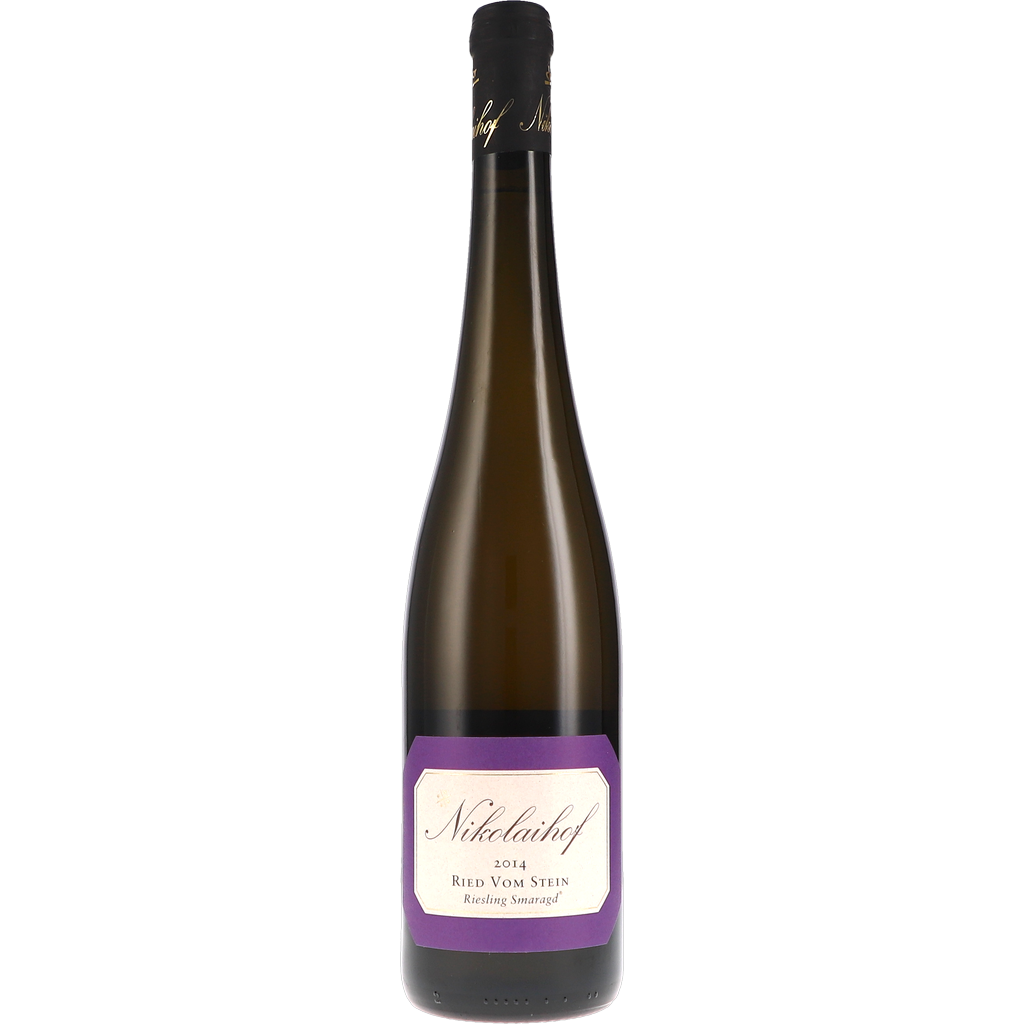
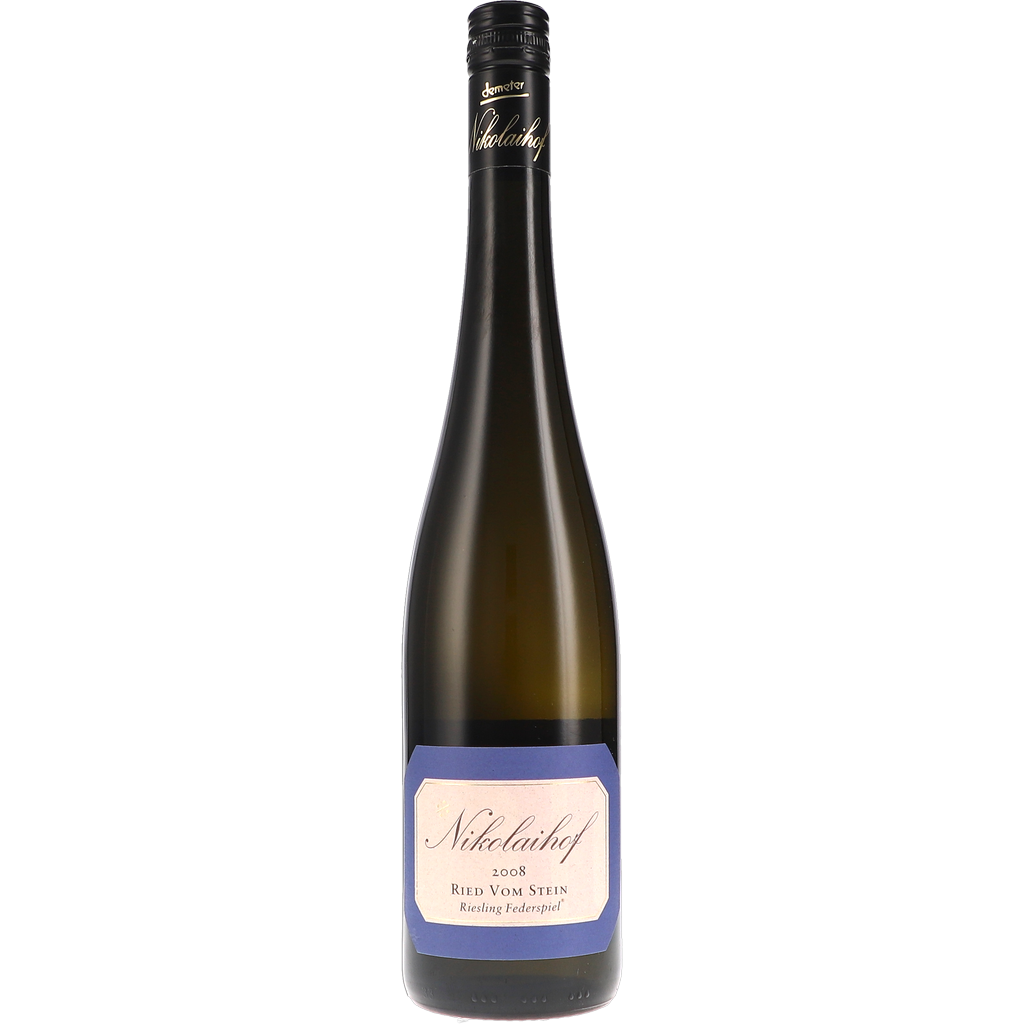
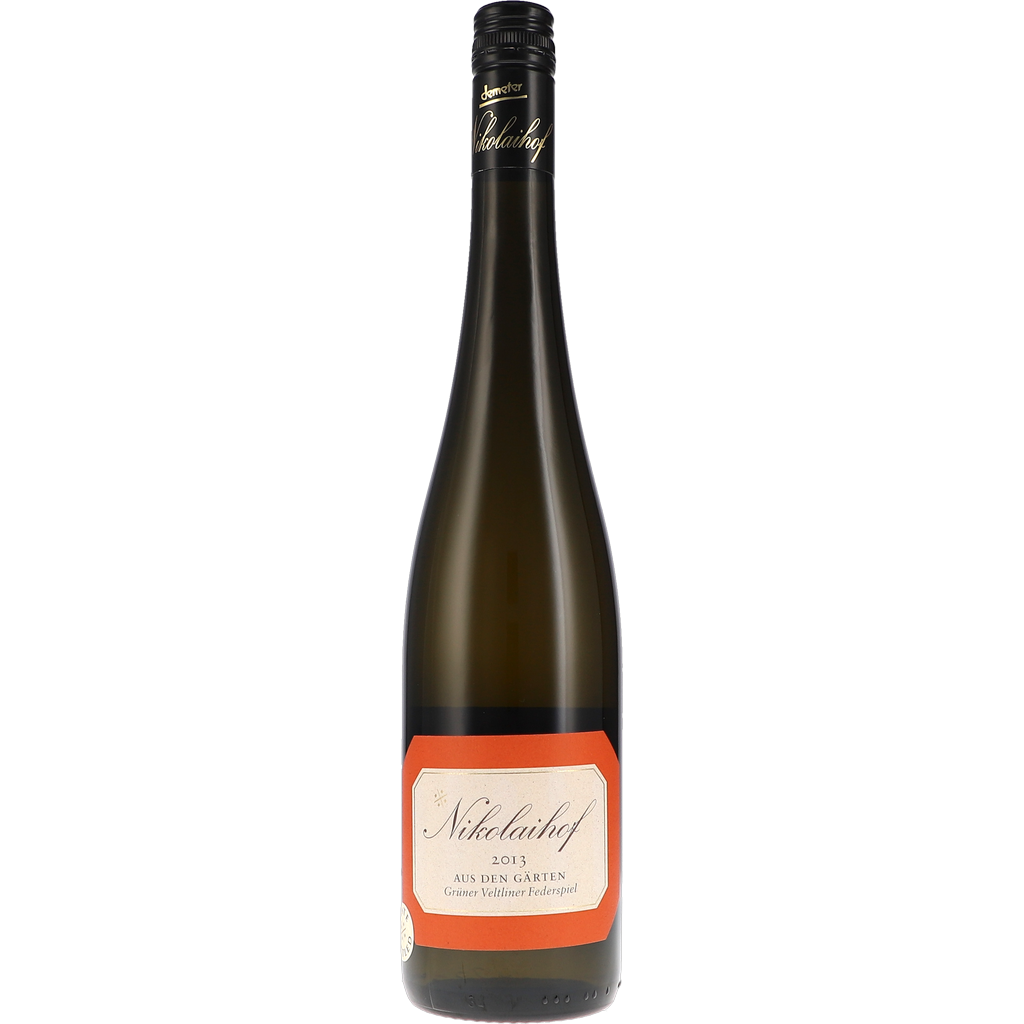
The wines of the Vinothek series spend the longest time in wood; one of them spent sixteen years in a 3,500-liter cask. Christine Saahs poured the Vinothek Riesling with its 100 Parker points by the glass in the estate's own restaurant, beneath an old lime tree in the inner courtyard. The Aus den Gärten Grüner Veltliner Federspiel aged eleven years in a large wooden cask and was bottled on a fruit day according to the lunar calendar. A Vom Stein Riesling Federspiel, a late release, rested six years in cask; its vines grow on loess-clay Danube gravel. Riesling also comes from the Steiner Hund, the Klausberg and the Klause am Berg.
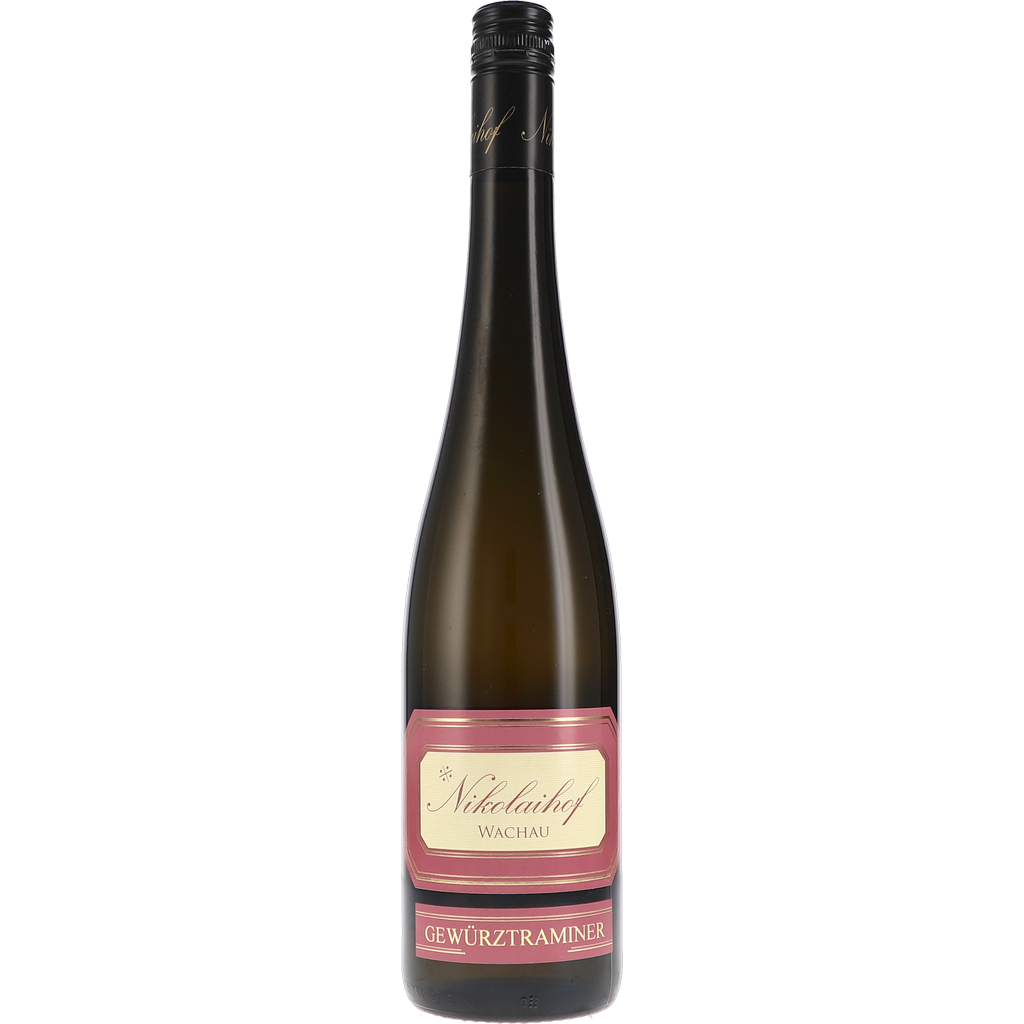
Under the name semicolon, Katharina Salzgeber and Nikolaus Saahs explore the potential of Gewürztraminer and Riesling, choosing a different picking time and a different style of aging for them. The Gewürztraminer ferments entirely on the skins, rests for eight months in used wood, and is bottled without fining, filtration or sulfur addition; it ranks among the Orange Wines.